24/7 Emergency Restoration · Serving Metro AtlantaEmergency? (770) 404-6895
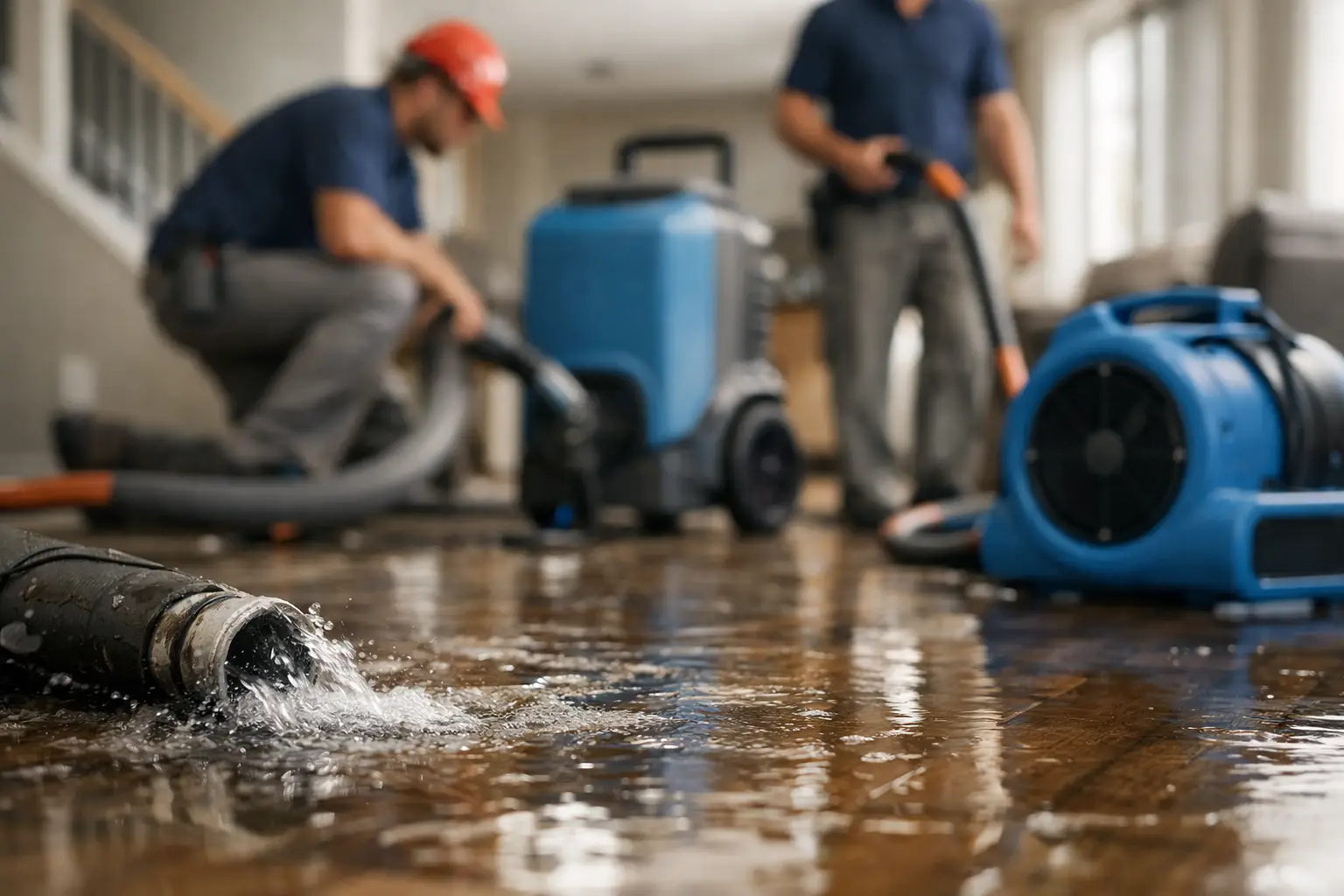
Sewage remediation services Mableton homes need are not all the same, and I do not treat them that way. I’m Chris Kwangwari, owner of Elevated Operations, LLLP, a Mableton-based restoration company with IICRC-certified technicians, 24/7 emergency response, direct insurance billing, and a 12-month warranty. We compare cleanup, repair, and replacement so you get the right fix.
IICRC-Certified · 5-Star Rated · 60-Minute Response · Insurance Billed Directly
Yes. We’re based in Mableton and work that corridor often. The same rules apply, stop the contamination, remove what cannot be saved, and rebuild only where it makes sense.
Yes, I offer direct insurance billing and deductible assistance up to $1,000. I keep the paperwork moving while my team focuses on cleanup and repair.
It is. Odor is usually a sign that contamination or moisture remains. I do not treat it as a separate issue, I treat it as proof the job is not finished yet.
That can be a limited cleanup, or it can still require removal if the sewage reached the wrong materials. Small rooms can still have big hidden damage, especially in older Mableton homes.
Sewage remediation services in Mableton usually start with containment, sewage cleanup, disinfection, and contamination removal, then move into drying, odor control, and repairs if materials cannot be saved. I look at the damage first, because a toilet backup cleanup in a split-level near the Silver Comet is not handled the same way as a hidden leak in an older ranch.
The first choice is always safety. Black water remediation is not a mop job, and I do not call it one. We isolate the affected area, remove unsalvageable material, and use sanitization steps that fit the contamination level, not guesswork.
In Mableton, I see a mix of older homes, finished basements, and additions that sit close to crawlspaces. That matters. A small overflow in a tile bath may need limited cleanup, while a backup spreading into carpet, trim, and drywall can turn into a wider rebuild.
The difference is simple. Cleanup handles the source and the contamination. Restoration handles what the sewage ruined. If the structure is wet but sound, I push for repair. If the material is soaked through or contaminated past recovery, replacement is the honest call.
Yes, sewage remediation is necessary after most backups in Mableton because the contamination spreads fast and the smell lingers. If sewage reached flooring, baseboards, drywall, or vents, I treat it as a health issue first and a property issue second. Waiting only makes contamination and odor control harder.
A backup in a Mableton home near the Silver Comet Trail or tucked off Veterans Memorial can move farther than homeowners expect. Water follows seams, subfloor edges, and wall cavities. That is why toilet backup cleanup is rarely just surface cleaning.
I have seen people try to dry it out and move on. That usually fails. Moisture is one problem, but sewage leaves biological contamination behind. Disinfection matters, and it has to be done after removal of damaged material, not before.
If the backup touched carpet pad, insulation, or porous trim, I usually recommend full removal in those areas. If it reached a hard surface only, the path may be simpler. The verdict depends on what got hit, not on how bad the room looks from the doorway.
Restore when the material is cleanable, structurally sound, and not soaked through. Replace when sewage reached porous materials, insulation, or damaged drywall that cannot be fully decontaminated. I take the same position in Mableton every time, because restoration is cheaper only when it is actually safe and durable.
This is where most people want a cheaper answer, and I do not blame them. But cost without judgment is a trap. A section of tile or sealed concrete can often be restored after disinfection, while carpet, pad, and swollen MDF usually need replacement.
Mableton homes near the corridor from the commercial areas toward the neighborhoods by the Silver Comet often have mixed finishes, some newer, some older. That mix matters. A bathroom with water-resistant flooring may survive. A basement with older drywall and carpet usually does not.
My rule is blunt. If the material holds contamination, replacement wins. If the material can be fully cleaned, dried, and verified, restoration makes sense. I do not push demolition where cleanup works, and I do not gamble with salvage where sewage has already won.
Some sewage damage can be sanitized, but not all of it. Hard, nonporous surfaces may be cleaned and disinfected, while porous materials usually need removal. In Mableton, I decide based on what the sewage touched, how long it sat, and whether odor control can be achieved without leaving hidden contamination behind.
Sanitization is real, but it has limits. A tile floor in a powder room can often be disinfected. A wet carpet pad under that same room is a different story. Once sewage soaks into absorbent material, contamination removal usually means taking it out.
I also look at hidden spaces. Baseboards, wall bottoms, cabinet toe kicks, and crawlspace edges can hold odor and residue even after the visible mess is gone. That is why biohazard cleanup is not finished when the floor looks clean.
If you live near Mableton Parkway or closer to the homes that feed into the Silver Comet area, you want a crew that works from the structure back outward. That is how I do it. Clean what can be cleaned, remove what cannot, and verify the result.
Remove anything porous, swollen, or impossible to fully decontaminate after sewage contamination. That usually includes carpet, pad, soaked insulation, damaged drywall, and any trim that held residue. In Mableton, I remove what the material itself cannot safely give back, then I keep the salvageable structure.
This question decides whether a project is a cleanup or a rebuild. After sewage cleanup, I inspect flooring layers, wall bottoms, and the edges where water migrated. If the material absorbed contamination, removal is the safer call.
A basement off a Mableton side street may hide the worst of it under laminate, behind baseboards, or inside a small finished closet. That is why I do not stop at the surface. Odor control comes after removal, not before.
The rule is straightforward. Salvage hard, sealed, and dry materials when they can be fully cleaned. Remove soft, porous, or swollen materials when they cannot. That balance saves money without cutting corners, and it is the only way I am willing to work.
Hire a pro when the sewage is more than a tiny, contained spill, because DIY cleanup usually misses contamination, odor, and hidden moisture. In Mableton, my crew brings IICRC-certified technicians, direct insurance billing, and licensed general contractor oversight, which matters when cleanup turns into actual repair.
DIY can look cheaper on paper. It usually is not. People buy bleach, trash bags, and fans, then still have odor, staining, and wet framing. By then, the job has spread, and black water remediation gets harder.
I have worked restoration since 2007, and I keep seeing the same mistake: cleaning what you can see and ignoring what sewage entered behind it. That gap is where damage grows. It can turn a small toilet backup cleanup into a larger insurance claim.
A pro also knows when repair is needed after the cleanup. That matters in Mableton, where homes range from older construction to remodeled spaces near the Silver Comet. You need one crew thinking about removal, sanitization, drying, and rebuild together, not in pieces.
| Typical Trigger | Water Damage Restoration | Mold Remediation |
|---|---|---|
| Toilet backup in a Mableton hallway bath | Water reached tile and a small baseboard section, so cleanup and disinfection may be enough if the drywall stayed dry. | If moisture sat behind the wall, mold can start in 24 to 48 hours, so replacement may be smarter than waiting. |
| Sewage in a finished basement near the Silver Comet | Water moved into carpet, pad, and trim, which often calls for sewage cleanup plus removal of porous materials. | If the space stayed damp overnight, mold risk rises fast and hidden odor control becomes part of the decision. |
| Overflow in a hard-surface kitchen or laundry area | Water stayed on sealed flooring, so restoration can be the right choice if contamination did not reach cabinets or wall cavities. | If water tracked under toe kicks or into drywall seams, mold and contamination removal can change the answer from restore to replace. |
From emergency mitigation to full reconstruction, handled in-house so you are never managing a chain of subcontractors mid-crisis.
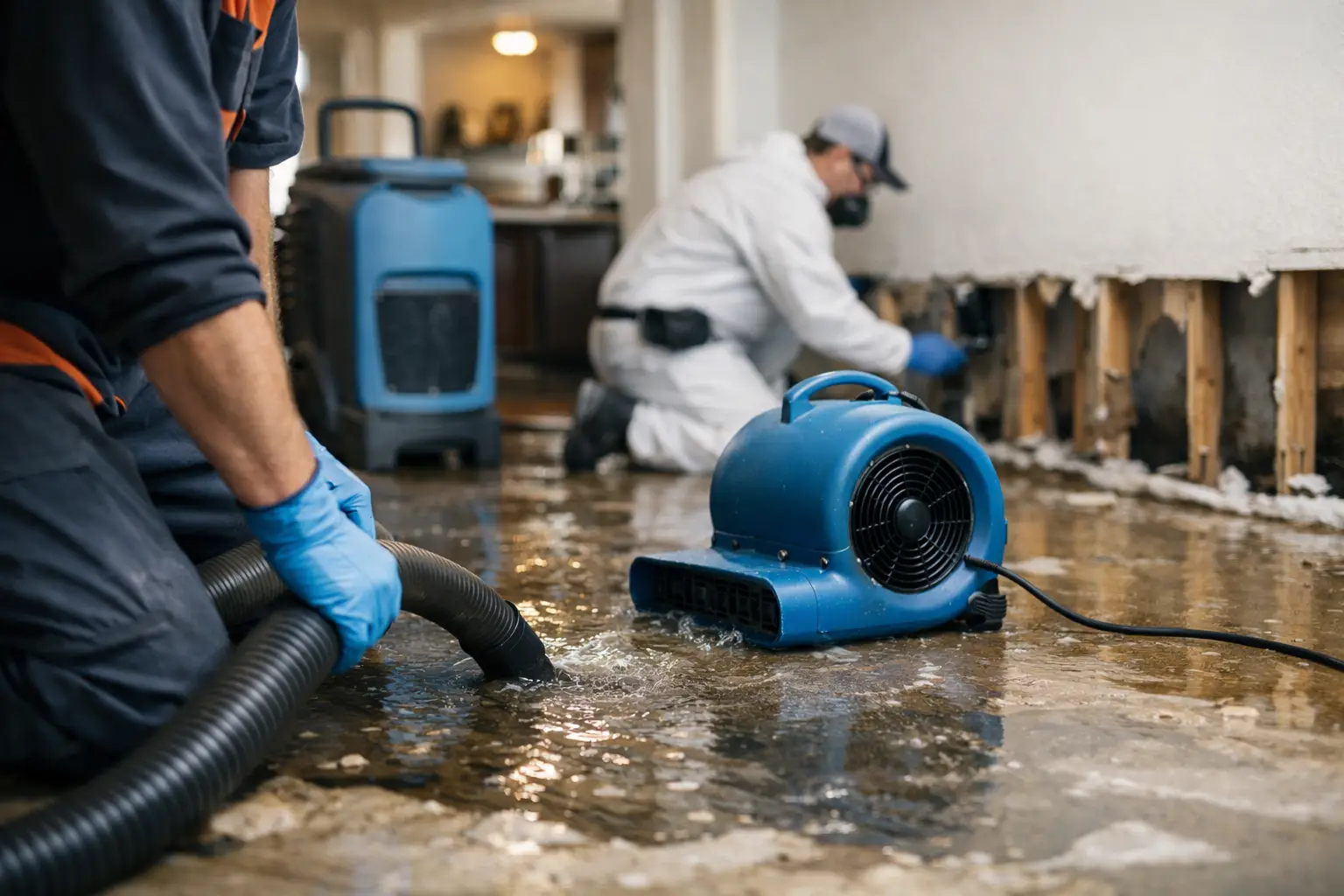 Water Damage
Extraction, structural drying, and moisture mapping after floods, leaks, and burst pipes.
Get help now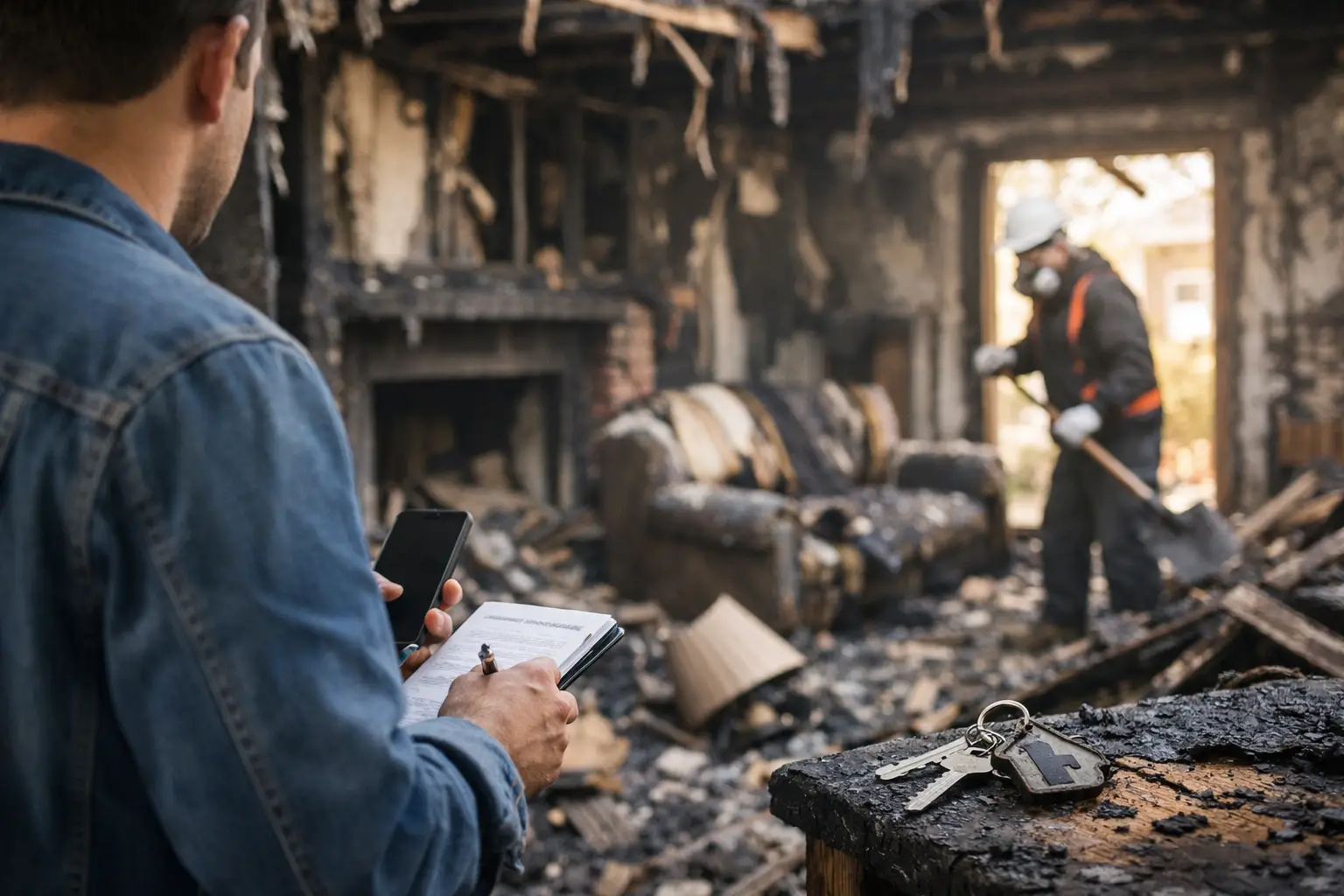 Fire & Smoke
Soot removal, odor deodorization, and content cleaning after fire and smoke damage.
Learn more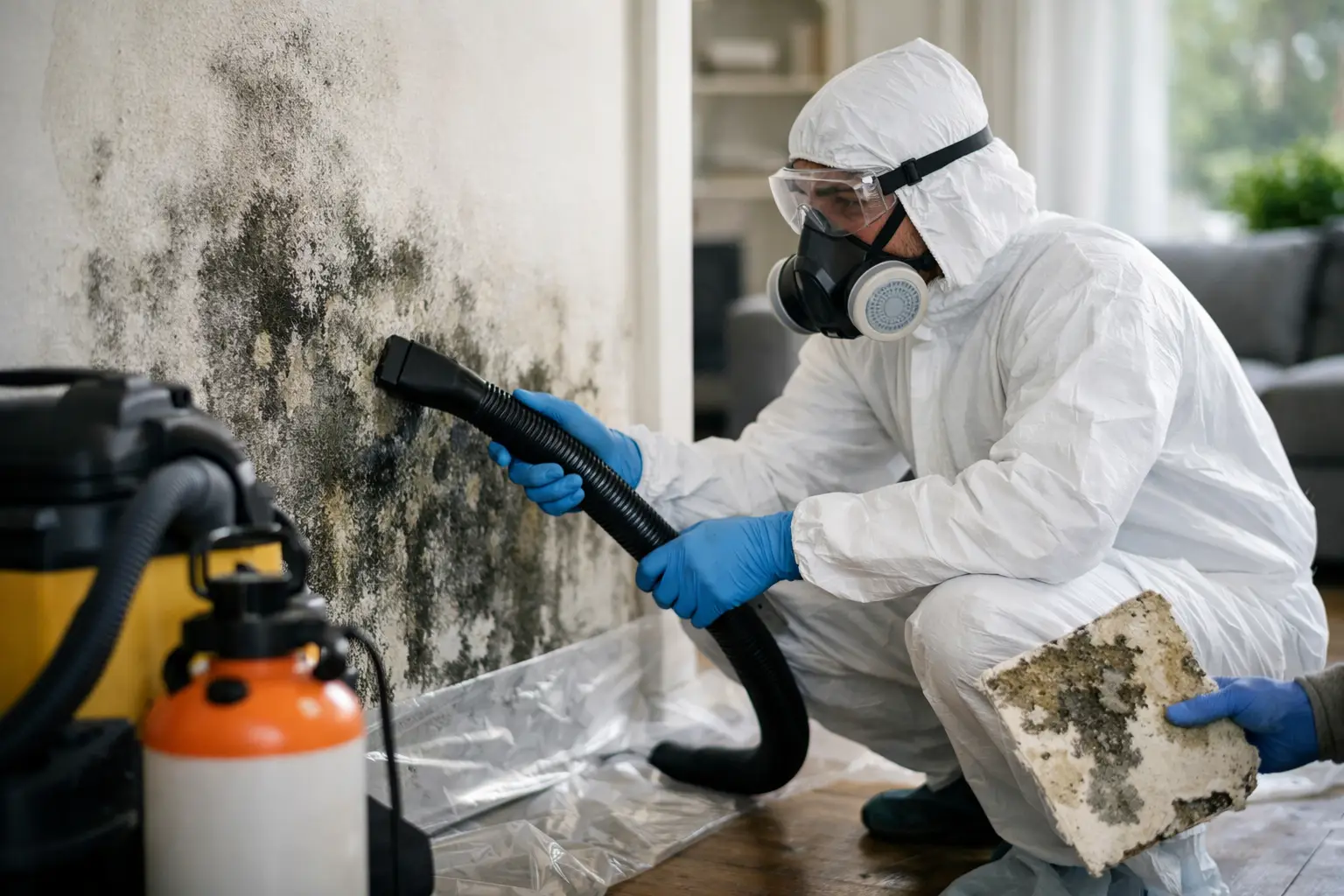 Mold
MoldContainment, removal, and moisture control that stops mold from coming back.
Learn more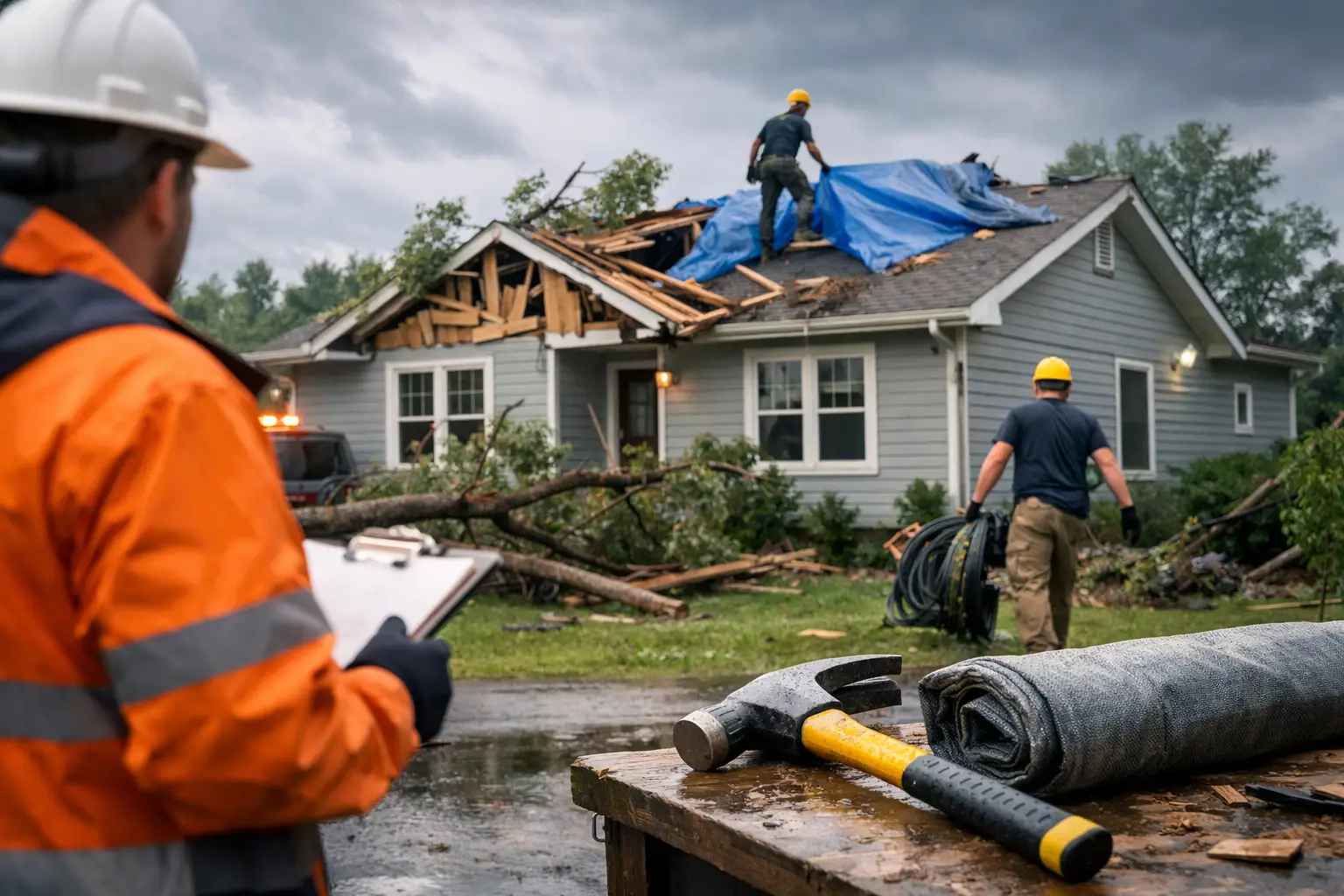 Storm
StormEmergency board-up, roof tarping, and full recovery after wind, hail, and storms.
Learn more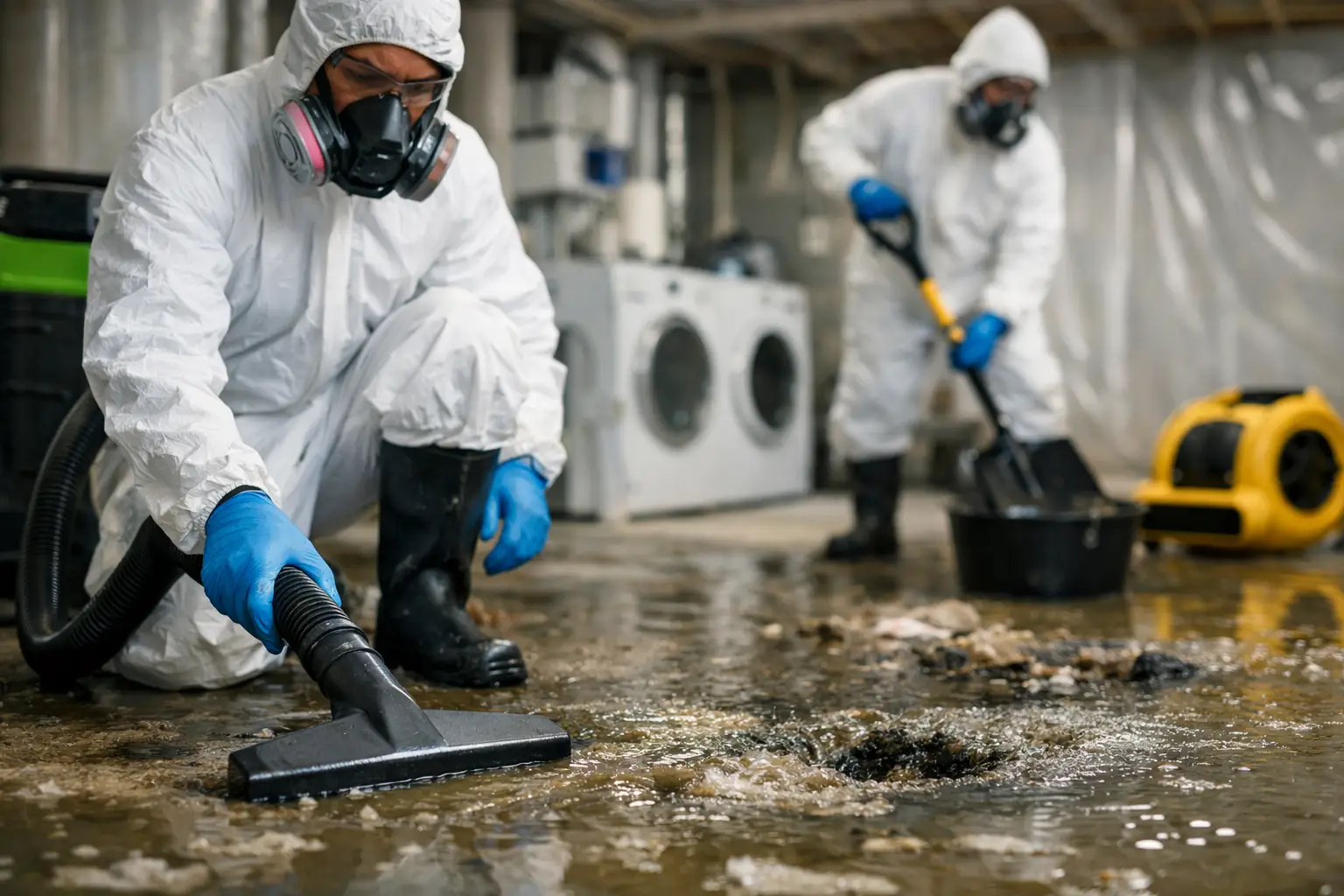 Sewage
Safe biohazard cleanup and sanitizing after sewage backups and overflows.
Learn more Reconstruction
Full rebuild by a licensed general contractor, so your property comes back whole.
Learn moreElevated Operations is an IICRC-certified, licensed general contractor based in Mableton that handles the entire recovery in-house, so after one loss you are never coordinating a cleanup crew, a mold crew, and a contractor separately. One team, one point of contact, from the first pump-out to the final coat of paint.
People call when the property feels like a disaster. They leave reviews because Chris and the crew made it right. These are real, verified Google reviews.
They usually include emergency containment, sewage cleanup, contamination removal, disinfection, drying, and odor control. In Mableton, I also look at what has to be removed versus what can stay. The point is to stop the contamination at the source and then decide whether repair or replacement makes sense for the structure.
Usually yes, especially if the backup touched flooring, trim, or any porous material. A toilet backup cleanup may look small, but sewage spreads into seams and hidden edges. In Mableton homes, I treat it as a contamination issue first, because surface wiping does not remove what soaked underneath.
Sometimes, but only when the damaged material is nonporous and not deeply contaminated. Hard surfaces can often be disinfected. Carpet, pad, insulation, and swollen drywall usually cannot. In older Mableton homes, I check the structure carefully before I say sanitize or replace, because hidden damage changes the answer fast.
Remove porous materials that absorbed sewage, including carpet, pad, insulation, and damaged drywall. If the contamination reached cabinets or trim, those may need removal too. In a finished basement, I also look for odor control problems and moisture hidden behind walls, because what stays wet can turn into a bigger issue later.
Choose restoration when the material is hard, sealed, and fully cleanable. Choose replacement when sewage reached porous or swollen materials. I look at the actual material, not just the room. In Mableton, that means balancing cleanup, safety, and what will still hold up after the repair is finished.
Because sewage cleanup often turns into structural repair. A licensed general contractor can handle the rebuild side after contamination removal and disinfection. In Mableton, that matters when walls, flooring, or trim need replacement after a backup. It keeps the job moving from emergency response to proper restoration.
Call right away. I offer 24/7 emergency response and a 60-minute emergency response target because sewage does not wait. The longer it sits, the harder odor control, sanitization, and repair become. In Mableton, fast action can mean less demolition and a cleaner result overall.
I’m local, based in Mableton, and I handle restoration with IICRC-certified technicians, direct insurance billing, and a 12-month warranty. I have been in restoration since 2007, and I back the work with a 4.9-star Google rating from 73 reviews. I do not guess on sewage damage, I compare the options and recommend the one that fits the home.
Elevated Operations dispatches IICRC-certified crews across Metro Atlanta from our Mableton base, with a 60-minute emergency response day or night. Choose your city:
Call now for an immediate response, or request your free inspection and get a certified crew on-site within the hour across Atlanta and nearby areas.