24/7 Emergency Restoration · Serving Metro AtlantaEmergency? (770) 404-6895
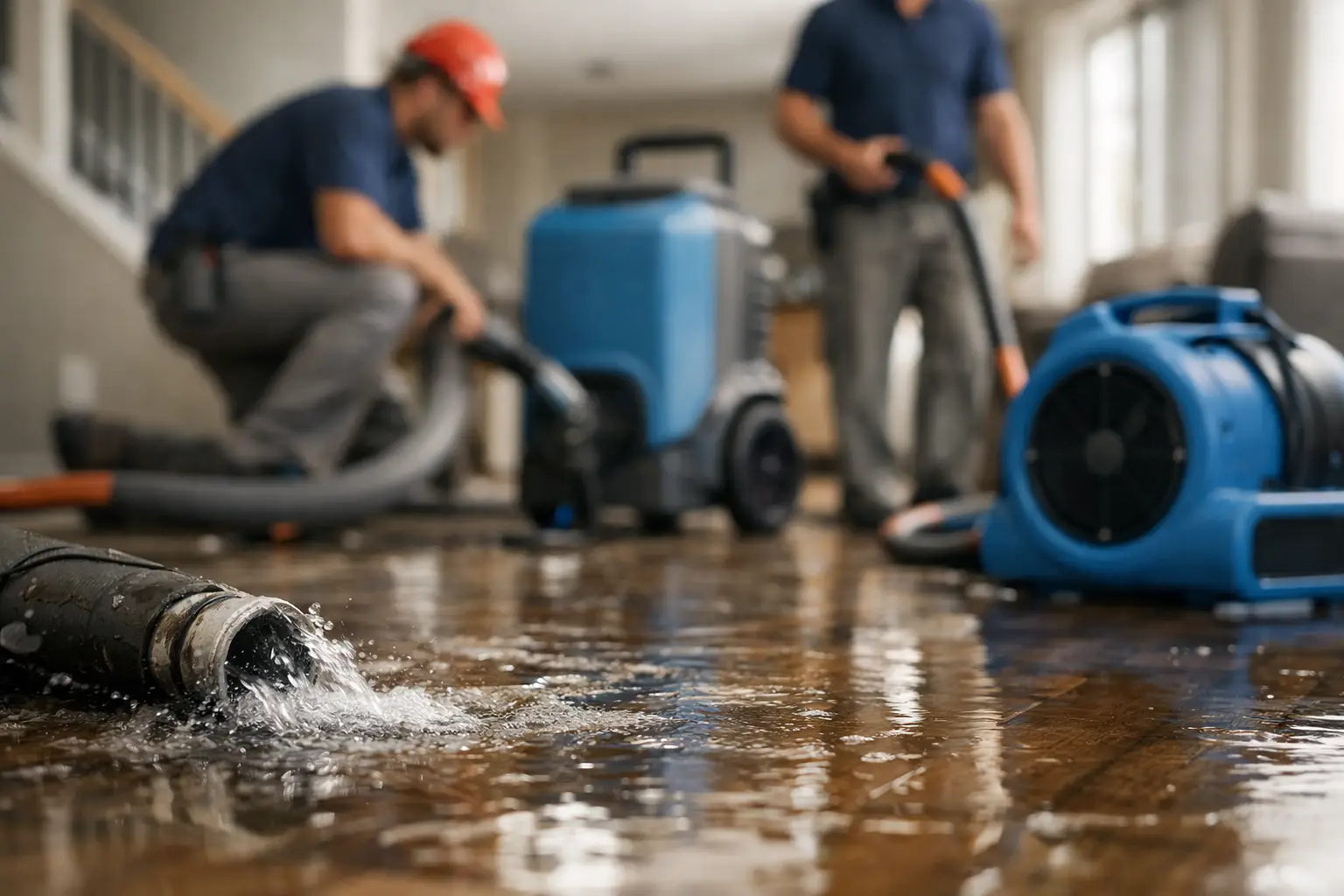
Water damage restoration East Point needs to start fast, because wet materials keep getting worse by the minute. I send IICRC-certified technicians for 60-minute emergency response, and I handle the first call like a fire drill: stop the source, extract water, dry the structure, and document the loss for insurance.
IICRC-Certified · 5-Star Rated · 60-Minute Response · Insurance Billed Directly
Yes. I offer 60-minute emergency response 24/7, because water damage gets worse fast.
Yes. My crews are IICRC-certified technicians who know water extraction, drying, and repair.
Yes. I provide direct insurance billing and keep the documentation tied to the actual damage.
I do, Chris Kwangwari, and we are based in Mableton and licensed as a general contractor.
First, shut off the water if you can do it safely, then call us for water damage restoration East Point right away. The first hour is about stopping spread, protecting belongings, and starting water extraction before drywall, trim, and subfloors soak deeper in East Point homes near MARTA and the College Park line.
Do not wait for the ceiling to stain darker or the baseboards to swell. In East Point, a small leak in a bungalow can move fast through old framing, crawl spaces, and low spots in the floor. That is why I push immediate water mitigation and documentation.
Keep people away from wet rooms if the water came from a ceiling, appliance, or sewer backup. IICRC-certified technicians know how to separate cleanup from damage control, and I start with safety, moisture mapping, and a clear plan for water cleanup.
If you can, move light furniture and dry paper items out of the wet area. But do not pull baseboards, cut drywall, or turn on ceiling fans across standing water. That can make the problem bigger, and I want the first pass handled the right way.
Water damage restoration starts with water extraction, then dehumidification, floor drying, structural drying, and inspection for materials that cannot be saved. In East Point, especially in College Park-line bungalows, I look hard at crawl spaces, old subfloors, and wall cavities because hidden moisture is where real trouble starts.
My process is direct. I inspect the source, stop active water, extract standing water, and place drying equipment where the structure actually holds moisture. That is not guesswork, it is water mitigation built around the materials in the house and the way water travels.
Then I track moisture in drywall, trim, insulation, and flooring. Some rooms need aggressive structural drying, while others need limited water damage repair and cleaning. The point is to remove moisture before it turns into hidden deterioration or mold growth.
If materials are beyond saving, I say so. I handle drywall replacement when it is the correct call, and I do not force a rebuild where targeted drying will work. That balance matters in East Point, where many homes combine newer updates with older framing and finishes.
Speed matters because water keeps moving into materials, and wet drywall, wood, and insulation lose strength fast. In East Point, a delayed response can turn a manageable cleanup into more demolition, more drywall replacement, and a longer insurance claim after the first day.
Mold starts in 24 to 48 hours, and that clock is why I treat every leak as urgent. The longer water sits, the more it reaches baseplates, cabinets, closets, and the backs of walls that look fine from the street but are soaked inside.
Fast water extraction also protects the structure. Floors buckle, trim swells, and odors settle in when drying starts late. In older East Point homes, especially around the bungalow corridors near MARTA, the structure can hide moisture better than newer construction, which makes quick inspection critical.
I have been in restoration since 2007, and I have seen too many losses grow because someone waited on a callback. I do not work that way. I send help quickly, document the damage, and start the drying path before the problem spreads through the house.
Often, yes, but only if we catch the damage early and dry the structure correctly. In East Point, I save what can be saved and recommend drywall replacement or floor drying only where the materials have actually been compromised beyond practical repair.
Wet walls are not automatically ruined. If the drywall is still structurally sound and moisture has not traveled too far, I can often dry the cavity and keep the wall system intact. If the material has softened, swollen, or contaminated, replacement is the better move.
Floors are the same story. Hardwood, subfloor, and finished surfaces react differently to water, so I inspect each layer before I decide on water damage repair. Some floors need controlled drying, others need removal to protect the joists and the room below.
In East Point bungalows, the issue is often hidden at transitions, around kitchens, bathrooms, and laundry spaces. I do not guess at those details. I check moisture, identify what is salvageable, and give a straight answer instead of pushing unnecessary tear-out.
It depends on how far the water traveled, what materials got wet, and how quickly drying started. The first day is about control and setup, then structural drying, dehumidification, and any needed water damage repair continue until the moisture readings are back where they should be.
The first visit is fast and focused. I assess the source, set extraction and drying equipment, and begin tracking wet materials. After that, the timeline depends on what the home is built with and whether the loss is from clean water, a supply line, or a bigger event.
East Point homes near the MARTA corridor can have mixed construction, patched additions, and older framing that dry at different rates. That means one room may clear quickly while another holds moisture in the subfloor or wall cavity and needs longer structural drying.
I keep the plan active, not vague. If I need to move from drying to drywall replacement or finish repair, I say it plainly. And because I offer direct insurance billing, the claim side keeps moving while the physical work is still underway.
I do. Elevated Operations, LLLP provides direct insurance billing, and I also offer deductible assistance up to $1,000 when the job qualifies. That matters in East Point, because water loss paperwork can stall a response just when the home needs water mitigation most.
Insurance claims move better when the damage is documented early and correctly. I photograph the wet areas, note the source, and keep the records clean so the carrier sees the scope clearly. That helps avoid confusion about extraction, drying, and needed repairs.
I am a licensed general contractor, so I know how water damage repair and reconstruction fit into the claim process. That means I can handle the restoration side without turning the homeowner into the middleman between drying crews and adjusters.
And I never treat the paperwork as separate from the emergency. If a wet floor needs floor drying now and a claim review later, I manage both with the same urgency. That is how I keep the job moving in the real world, not just on a checklist.
I answer the call and move fast. A 60-minute emergency response means I can start water extraction, identify the source, and protect the rooms most at risk before the moisture spreads through walls, trim, and floors in an East Point home.
I set up water mitigation, dehumidification, and structural drying based on what the house actually needs. That first day is where I document the loss, protect salvageable materials, and decide whether water damage repair can stay targeted or needs demolition.
I monitor moisture readings and adjust floor drying and drying equipment as the structure changes. This is the stage where hidden moisture shows itself, especially in bungalow walls, subfloors, and tight spaces near the MARTA corridor and older additions.
Once the structure is dry and stable, I move into drywall replacement, finish repair, and reconstruction where needed. I do not rush this part, because rebuild work only makes sense after the water problem is truly controlled.
From emergency mitigation to full reconstruction, handled in-house so you are never managing a chain of subcontractors mid-crisis.
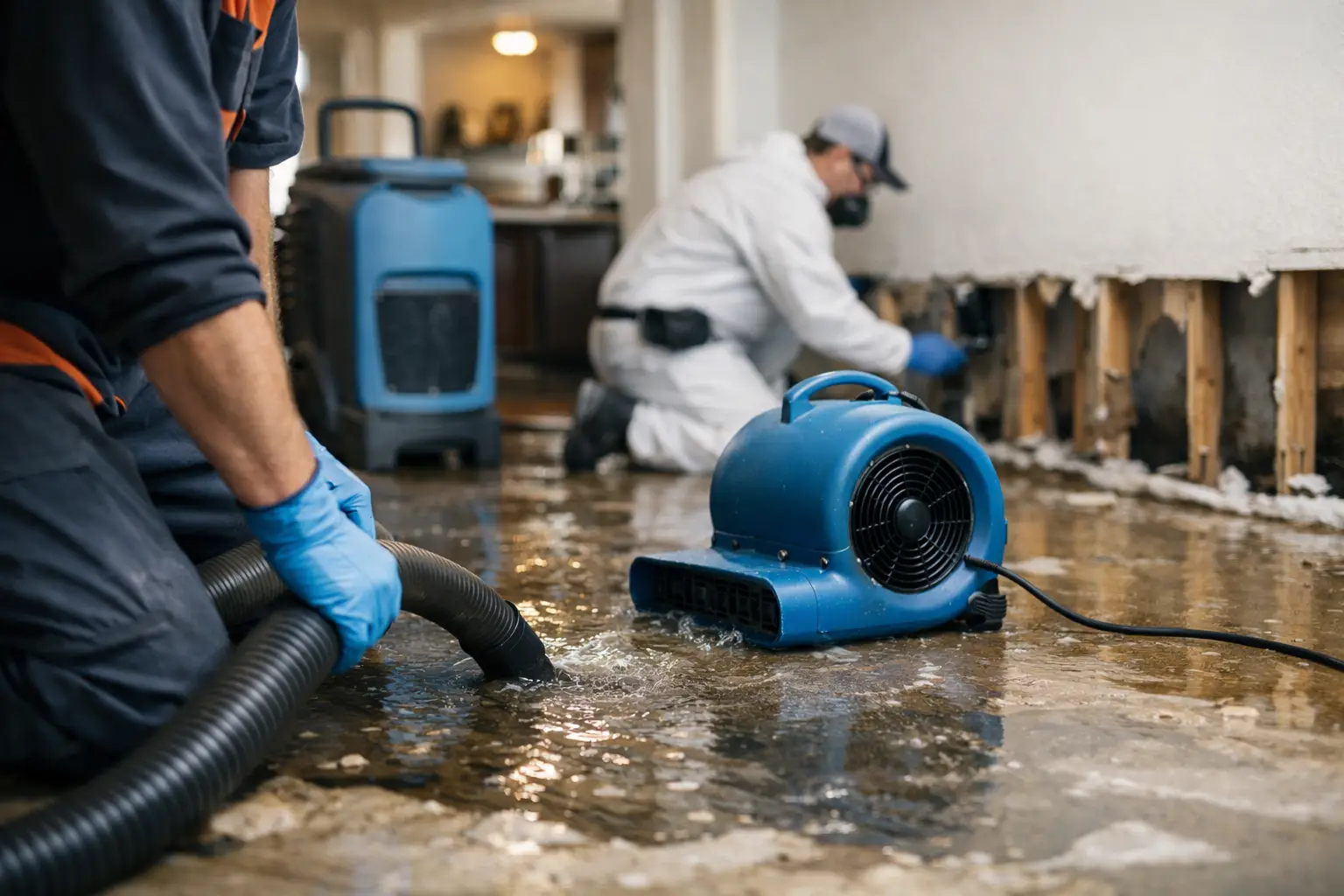 Water Damage
Extraction, structural drying, and moisture mapping after floods, leaks, and burst pipes.
Get help now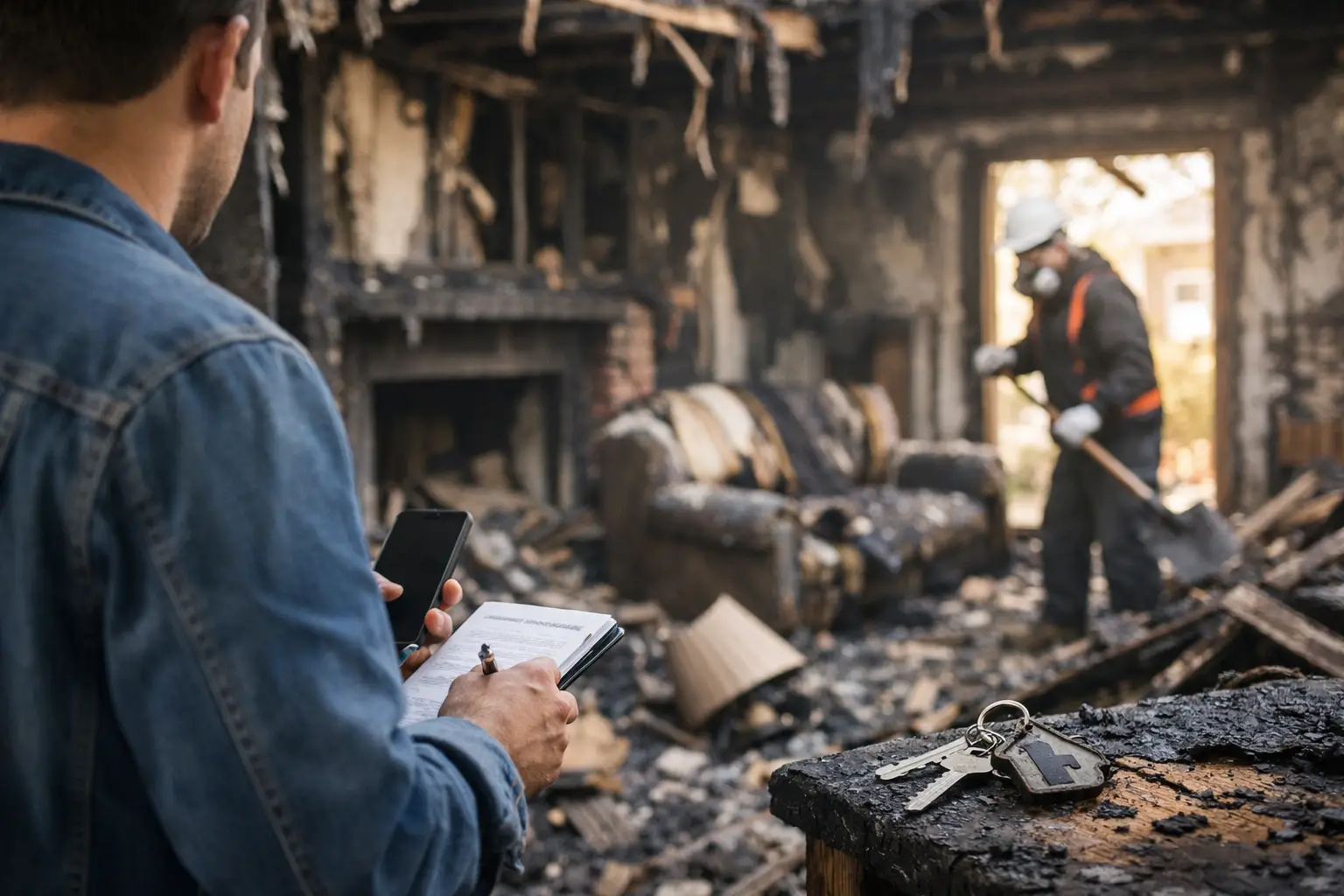 Fire & Smoke
Soot removal, odor deodorization, and content cleaning after fire and smoke damage.
Learn more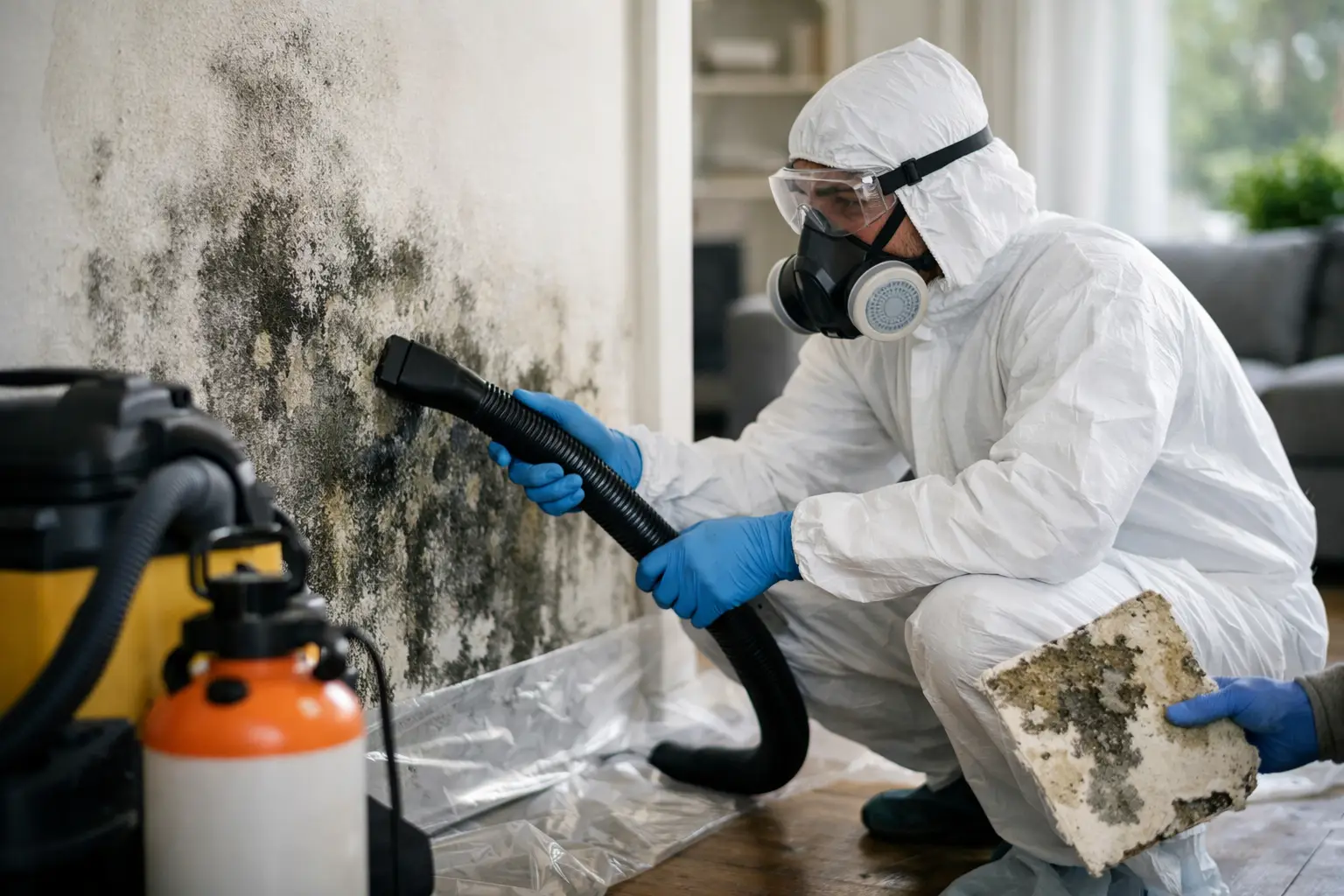 Mold
MoldContainment, removal, and moisture control that stops mold from coming back.
Learn more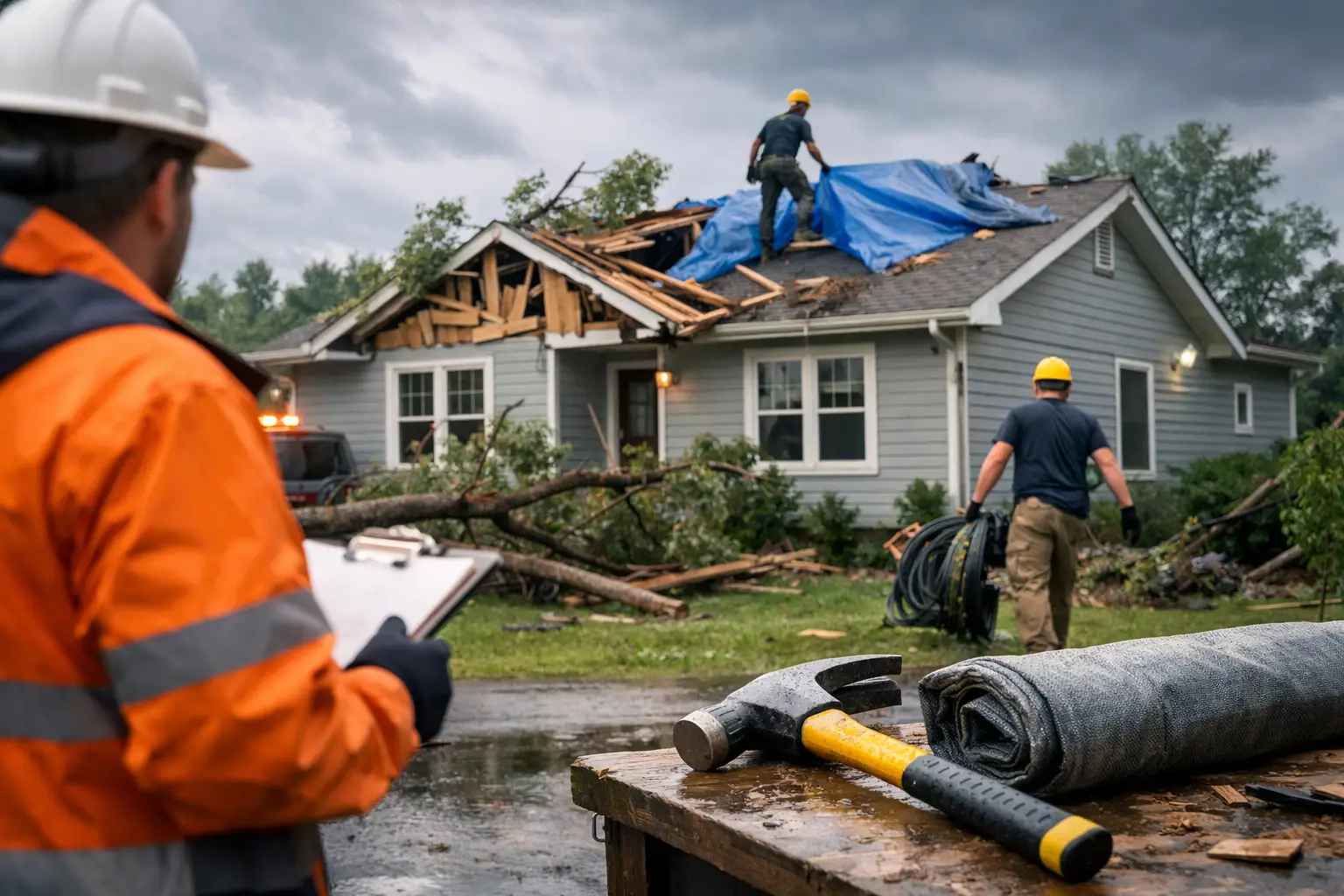 Storm
StormEmergency board-up, roof tarping, and full recovery after wind, hail, and storms.
Learn more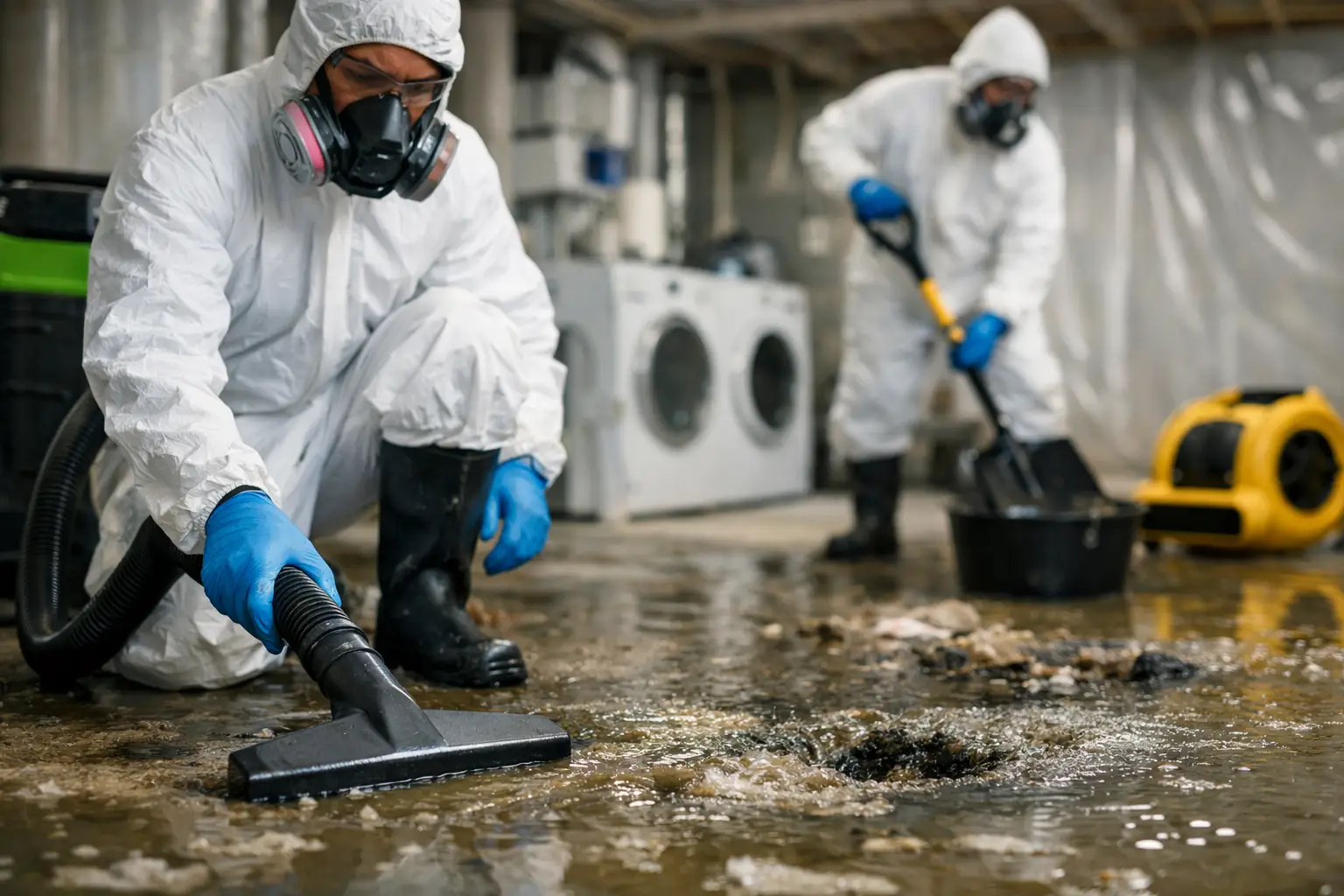 Sewage
Safe biohazard cleanup and sanitizing after sewage backups and overflows.
Learn more Reconstruction
Full rebuild by a licensed general contractor, so your property comes back whole.
Learn moreElevated Operations is an IICRC-certified, licensed general contractor based in Mableton that handles the entire recovery in-house, so after one loss you are never coordinating a cleanup crew, a mold crew, and a contractor separately. One team, one point of contact, from the first pump-out to the final coat of paint.
People call when the property feels like a disaster. They leave reviews because Chris and the crew made it right. These are real, verified Google reviews.
If it is safe, shut off the water source, move valuables, and call for help right away. In East Point, especially near MARTA and the College Park-line bungalows, I want the loss documented fast so water extraction and drying can start before hidden moisture spreads into walls and floors.
I start with source control, then water extraction, then drying equipment placed for the structure, not just the surface. Bungalows in East Point often have older framing and crawl-space issues, so I check behind walls, under floors, and around additions before I call anything fully dry.
Yes. I handle water cleanup from burst pipes, supply line failures, and overflow damage with a direct, emergency-first approach. That means extraction, dehumidification, and a moisture check that shows whether the damage stopped at the surface or moved deeper into drywall and subfloors.
The timeline depends on how much water got in and how quickly the drying started. In some homes, the work moves from extraction to structural drying right away. In others, older materials or hidden pockets in the walls mean the process takes longer before repair starts.
Often yes, if the damage is caught early and the materials still have strength. I inspect wall cavities, subfloors, and finishes carefully, because some surfaces need drying while others need replacement. I would rather save a room than tear out more than necessary.
Yes. Elevated Operations, LLLP offers direct insurance billing, and I keep the paperwork tied to the actual damage. That helps when the claim needs photos, moisture notes, and a clear explanation of what was dried, what was repaired, and what had to be replaced.
East Point has a mix of older housing, MARTA-area properties, and bungalow-style homes near the College Park line, so water moves differently than it does in newer construction. I treat that mix seriously, because hidden wet areas in older structures can stay active long after the surface looks fine.
Yes. I back my work with a 12-month warranty. That matters after a water event because the job is not finished when the visible water is gone, it is finished when the structure is dry, the repairs hold, and the home is stable again.
Elevated Operations dispatches IICRC-certified crews across Metro Atlanta from our Mableton base, with a 60-minute emergency response day or night. Choose your city:
Call now for an immediate response, or request your free inspection and get a certified crew on-site within the hour across Atlanta and nearby areas.