24/7 Emergency Restoration · Serving Metro AtlantaEmergency? (770) 404-6895
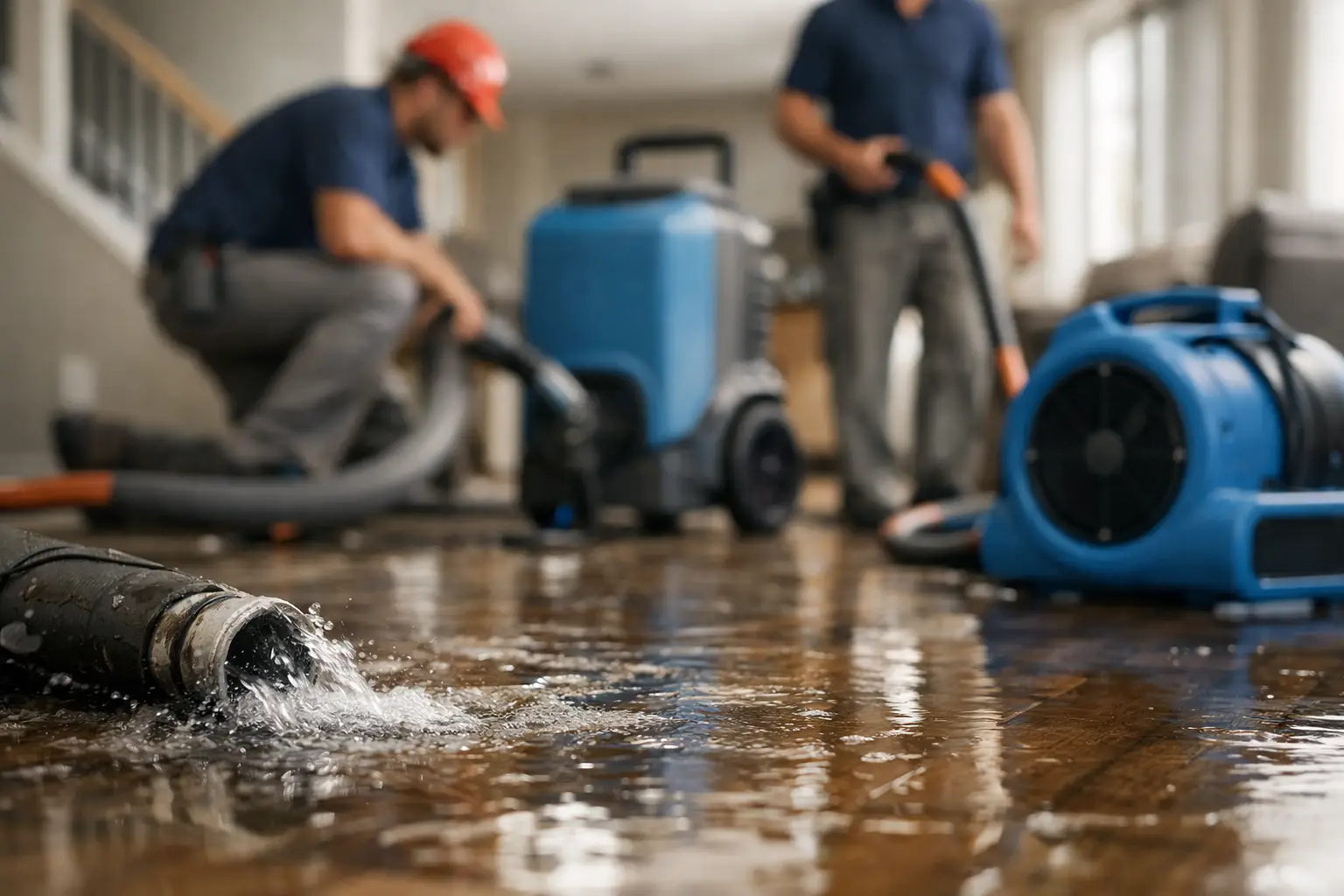
Water extraction and drying Alpharetta starts with stopping the spread, pulling standing water, and setting a real drying plan. I handle homes and HOA properties near Avalon and GA-400 with IICRC-certified technicians, direct insurance billing, and 60-minute emergency response 24/7 from my Mableton-based team.
IICRC-Certified · 5-Star Rated · 60-Minute Response · Insurance Billed Directly
Yes. That area is a common call for me, especially new-build townhomes and HOA properties where access and documentation have to be handled carefully.
I offer 60-minute emergency response 24/7. When water is active, I want extraction and drying started before the damage spreads.
Yes, my technicians are IICRC-certified. That matters when the job needs real drying, moisture checks, and proper handling of affected materials.
I’m Chris Kwangwari, owner of Elevated Operations, LLLP. I’ve been in restoration since 2007 and I’m a licensed general contractor.
Start with safety, stop the water source, and call me before you move too much around. In Alpharetta townhomes near Avalon and along GA-400, the first hours matter because shared walls, stacked floors, and HOA rules can complicate access and documentation.
First, shut off the water if you can do it safely. Then keep people out of affected rooms, especially if the water reached outlets, appliances, or ceiling fixtures. I see a lot of new-build townhome damage around Avalon where a quick response prevents the mess from spreading into closets, stairwells, and lower units.
Second, take a few photos, but do not spend all morning documenting while water keeps moving. I handle the insurance side with direct billing, and I want the loss documented cleanly without slowing the work. In HOA communities, that matters because boards and carriers both want a clear record of what happened and when.
Third, call for professional water removal right away. Wet carpet extraction, baseboard checks, and hidden moisture monitoring need to start early because water travels fast in framed floors and shared wall assemblies. The job is not to guess. It is to find what got wet and stop it from becoming structural damage.
Water extraction and drying starts with removing standing water, then using air movers, dehumidification, and moisture monitoring to dry the affected materials in a controlled way. In Alpharetta, especially in Avalon and other GA-400 townhome pockets, I check for moisture that has moved into subfloors, trim, and wall cavities.
I start with water removal, then I map the wet areas instead of treating the whole house like it is damaged. That means checking carpet, pad, wood floors, drywall, and the spaces around cabinets and stair risers. A small supply-line leak can hide in places homeowners never think to look.
Then I set the drying process around the actual materials. Air movers push air across surfaces, and dehumidification pulls moisture from the air so the wet structure can release trapped water. That is the difference between surface drying and structural drying, and I do not confuse the two.
In Alpharetta townhomes, the layout often makes the work more exacting. Shared walls, tight mechanical closets, and HOA-managed exteriors can make access tricky. I adjust the plan to the building, not the other way around, and I keep checking moisture until the readings tell me the structure is drying correctly.
I use water extraction equipment, air movers, dehumidification equipment, and moisture monitoring tools to control the drying process. For Alpharetta homes near Avalon and GA-400, I also look at the building layout first so the equipment is placed where it can actually move moisture out of the structure.
The first tool is usually extraction, because standing water has to come out before drying can work well. After that, air movers are positioned to push air across carpet edges, baseboards, and subfloors. That airflow helps wet materials release moisture instead of trapping it.
Dehumidification matters just as much. If the air stays damp, the structure will not dry the way it should. I also use moisture monitoring to track what is happening behind the scenes, which is especially important in newer Alpharetta townhomes where finishes can look fine while the substrate is still wet.
And yes, the setup changes from house to house. A kitchen leak in an Avalon townhome is different from a basement intrusion or a bathroom overflow in an older Alpharetta neighborhood. IICRC-certified technicians know how to place the right equipment without wasting time or drying the wrong materials.
Drying time depends on what got wet, how fast extraction started, and whether the water reached hidden materials. I do not give fake timelines. I do give honest moisture checks and a drying plan that keeps running until the structure is actually dry.
A surface spill is not the same as water under tile, under carpet, or inside a wall cavity. If the water reached framing or subflooring, the drying process takes longer because the equipment has to remove moisture from deeper materials, not just the visible room.
In Alpharetta, new-build townhomes around Avalon can dry differently than older homes with more open framing or different floor assemblies. That is why I use moisture monitoring instead of guessing. The meter readings tell me when the building is still releasing water and when it has stabilized.
Mold starts in 24 to 48 hours, so waiting is the real mistake. If the loss happened overnight, call early and let me start extraction, air movers, and dehumidification right away. The faster the response, the less chance water has to turn into a larger problem.
Structural drying is important because a room can look dry while the framing, subfloor, insulation, or wall cavity still holds moisture. In Alpharetta homes and townhomes, that trapped moisture can lead to bigger repairs later if it is not addressed with real drying and monitoring.
I have seen plenty of jobs where a homeowner dried the carpet and thought the issue was over. It was not. Water hides in materials that do not show it right away, especially behind trim, under baseboards, and in the seams of newer construction around Avalon and GA-400.
Structural drying protects more than appearances. It helps preserve the building materials that keep the home stable, and it reduces the chance that a small water event turns into warped flooring, damaged drywall, or secondary microbial growth. That is the whole point of doing it right the first time.
This matters in HOA communities because a wet unit can create concerns beyond one household. Shared walls, ceilings, and utility chases can complicate repairs. I work from a licensed general contractor’s perspective, so I look at the structure, not just the room where the water showed up.
HOA townhomes near Avalon change the drying plan because access, communication, and shared components matter more. I have to coordinate the work carefully, protect adjacent spaces, and document the loss clearly so the water extraction and drying process does not create problems with the association.
In a single-family home, I can often move faster through the whole property. In a townhome community, I have to think about neighbors, shared walls, and the association’s expectations. That means tighter coordination and cleaner communication from the start.
New-build properties around Avalon and GA-400 often have modern finishes, but modern does not mean moisture cannot move. Water can spread behind cabinets, into wall cavities, or under luxury flooring before anyone sees a stain. I plan for that hidden movement every time.
I also keep the paperwork clean. Direct insurance billing helps reduce back-and-forth, and deductible assistance up to $1,000 can help when the loss is already disrupting a family’s week. The point is not drama. The point is a controlled response that respects the property and the HOA.
If it is safe, stop the leak at the valve, fixture, or supply line. In Alpharetta townhomes, a fast shutoff can prevent water from moving into neighboring walls, stairs, and closets.
Do not walk through standing water if outlets, cords, or appliances are involved. I want the area stable before anyone starts moving furniture or pulling up flooring.
Capture the source, the affected rooms, and any visible damage, then stop. Insurance needs documentation, not a delayed cleanup while water keeps soaking into the structure.
Water removal, wet carpet extraction, air movers, and dehumidification should start quickly. The longer water sits, the more it spreads into hidden materials.
Do not assume the room is dry because it looks fine. I check the structure until readings show the materials have dried the right way.
From emergency mitigation to full reconstruction, handled in-house so you are never managing a chain of subcontractors mid-crisis.
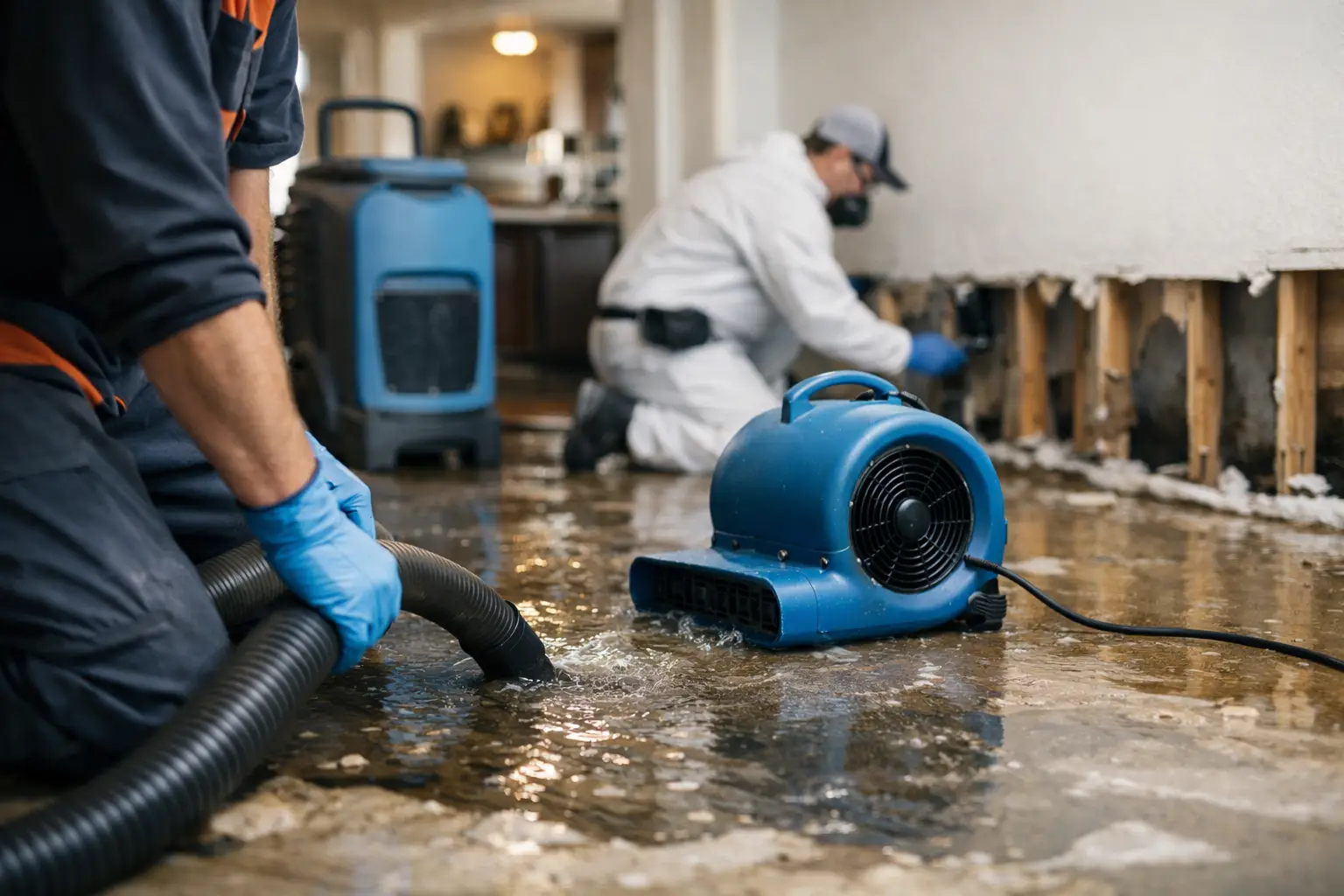 Water Damage
Extraction, structural drying, and moisture mapping after floods, leaks, and burst pipes.
Get help now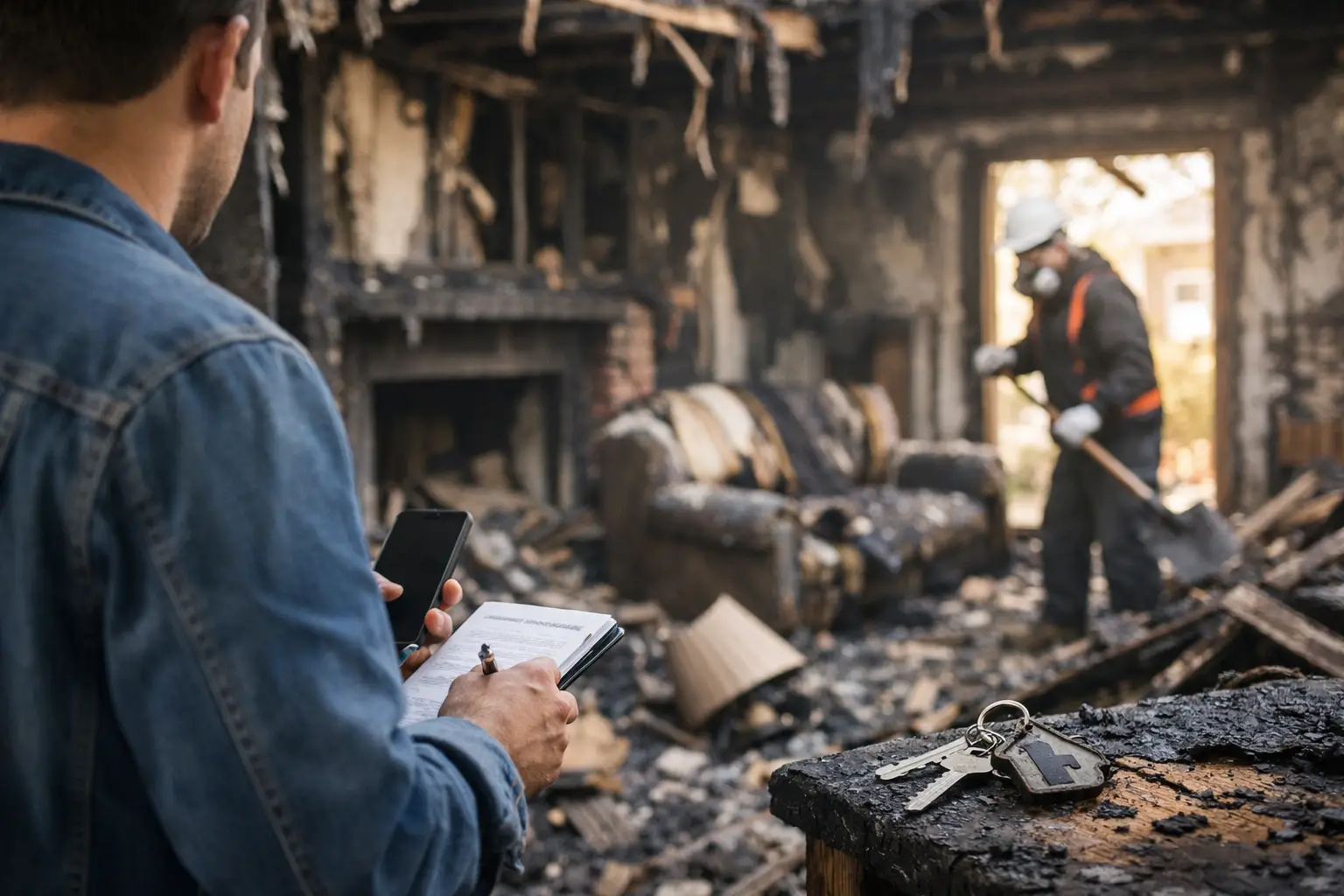 Fire & Smoke
Soot removal, odor deodorization, and content cleaning after fire and smoke damage.
Learn more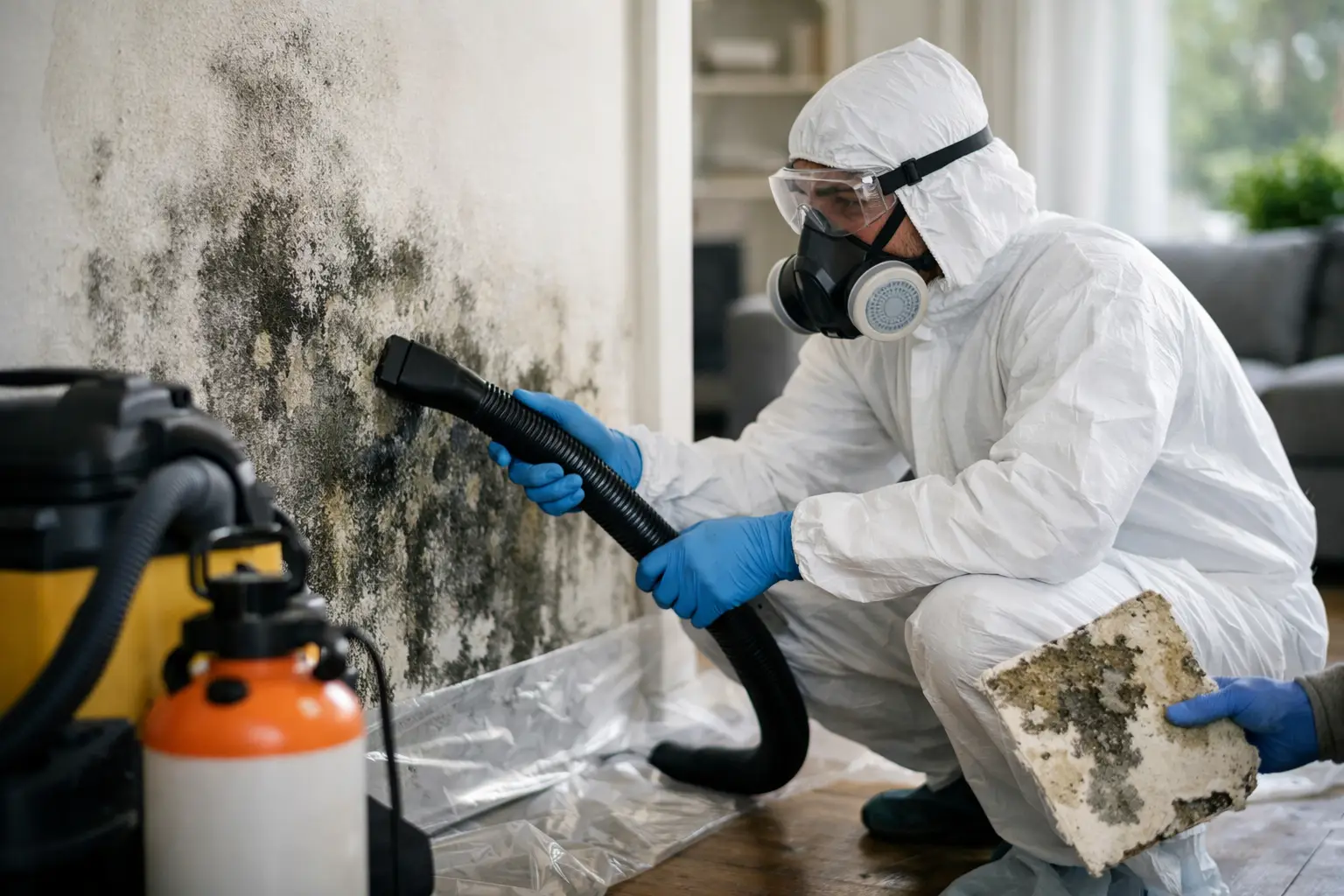 Mold
MoldContainment, removal, and moisture control that stops mold from coming back.
Learn more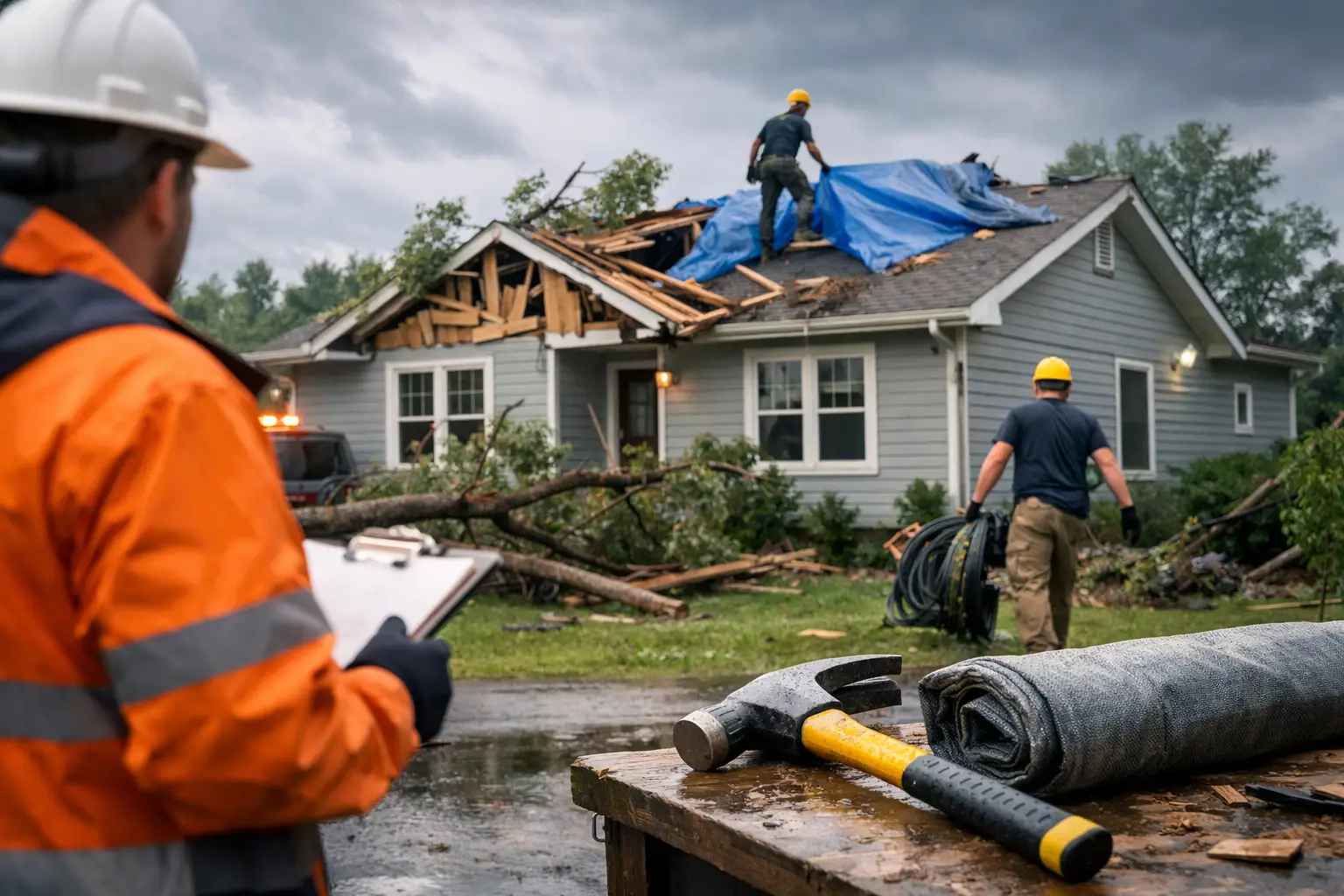 Storm
StormEmergency board-up, roof tarping, and full recovery after wind, hail, and storms.
Learn more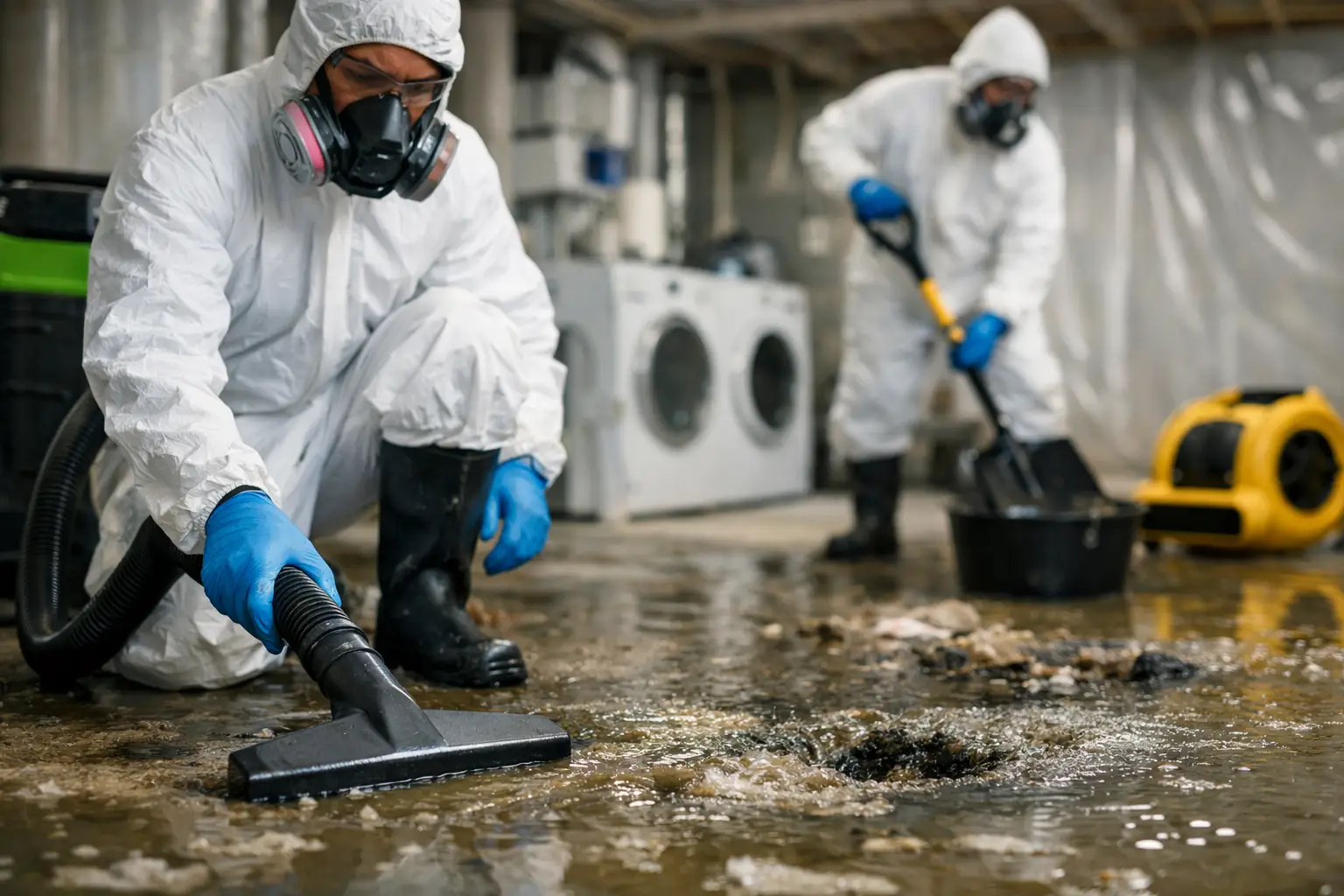 Sewage
Safe biohazard cleanup and sanitizing after sewage backups and overflows.
Learn more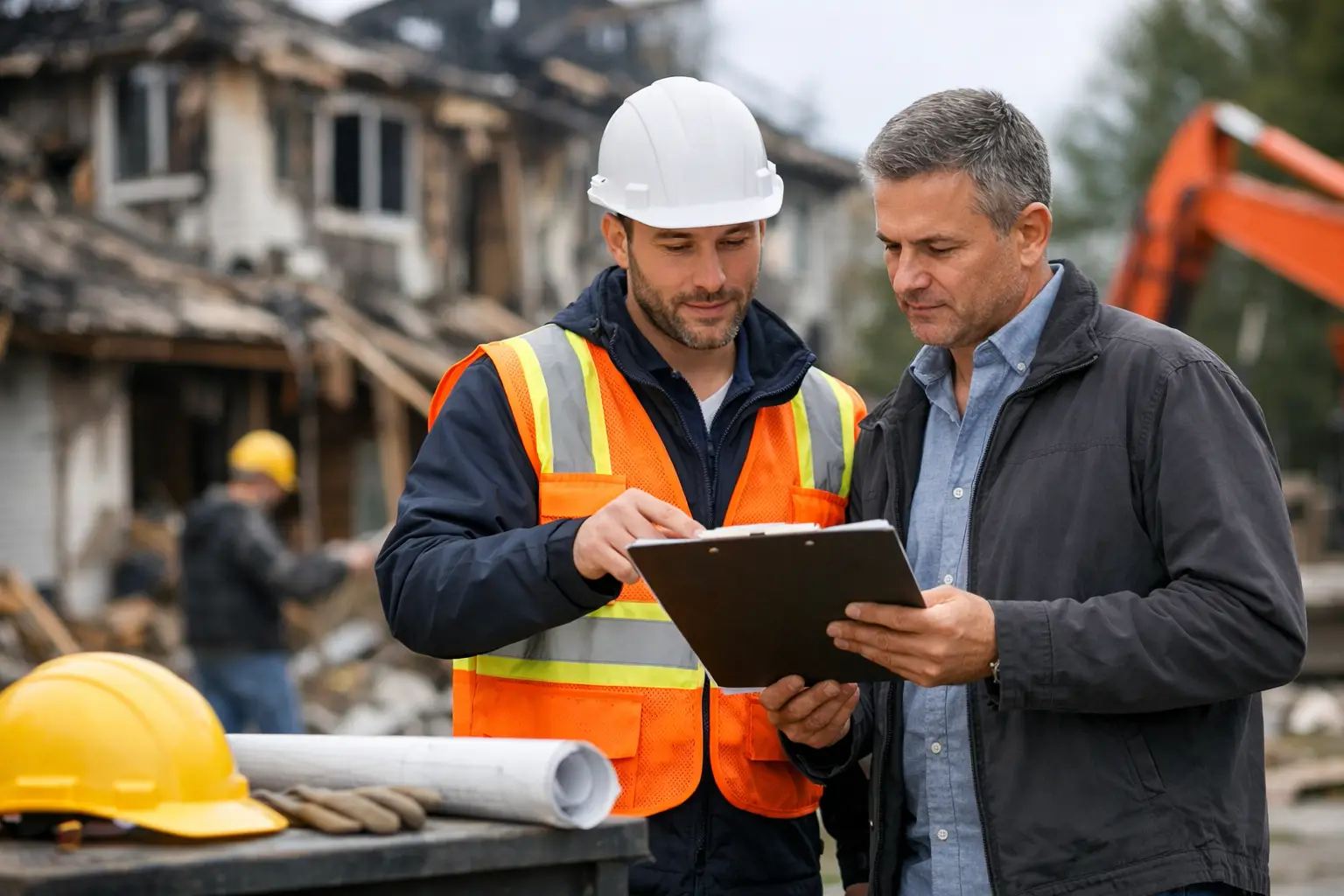 Reconstruction
Full rebuild by a licensed general contractor, so your property comes back whole.
Learn moreElevated Operations is an IICRC-certified, licensed general contractor based in Mableton that handles the entire recovery in-house, so after one loss you are never coordinating a cleanup crew, a mold crew, and a contractor separately. One team, one point of contact, from the first pump-out to the final coat of paint.
People call when the property feels like a disaster. They leave reviews because Chris and the crew made it right. These are real, verified Google reviews.
Call me first if the water is still active or if you do not know how far it spread. In Avalon townhomes, speed and access matter because water can move into shared walls, subfloors, and lower levels before the damage is obvious. I respond 24/7, and my team starts with safety, extraction, and documentation.
Yes. I handle documentation carefully because HOA properties around Avalon and GA-400 often need clear photos, consistent notes, and a clean explanation of what was affected. I also use direct insurance billing, so the process stays organized instead of turning into a back-and-forth mess for the homeowner.
New-build townhomes can hide moisture behind modern finishes, tight trim, and compact mechanical spaces. In Alpharetta, that means the room may look fine while the subfloor or wall cavity is still wet. I use moisture monitoring and structural drying because appearances are not enough.
Yes. Wet carpet extraction is often the first step after a pipe burst, but I do not stop there. I check pad, subfloor, drywall, and nearby trim so the drying process addresses the full loss, not just the visible carpet.
Air movers push air across wet materials so moisture can release, and dehumidification removes that moisture from the air. In an Alpharetta home, especially one with tight rooms or townhome layouts, both are needed or the structure can stay damp longer than it should.
Moisture monitoring tells me whether the structure is actually drying or just looking dry. In Alpharetta homes near Avalon and GA-400, hidden moisture can stay trapped behind baseboards, under flooring, or in wall cavities, so I keep checking until the readings make sense.
Yes, I offer direct insurance billing. That helps keep the paperwork moving while my team works on the property. For Alpharetta homeowners dealing with HOA concerns, insurance questions, and a wet structure, that matters because the loss is already stressful enough.
Call anyway. Water does not care about your schedule, and mold starts in 24 to 48 hours. If you waited overnight, I still want to assess the loss, start extraction, and set the drying plan before the moisture moves deeper into the structure.
Elevated Operations dispatches IICRC-certified crews across Metro Atlanta from our Mableton base, with a 60-minute emergency response day or night. Choose your city:
Call now for an immediate response, or request your free inspection and get a certified crew on-site within the hour across Atlanta and nearby areas.