24/7 Emergency Restoration · Serving Metro AtlantaEmergency? (770) 404-6895
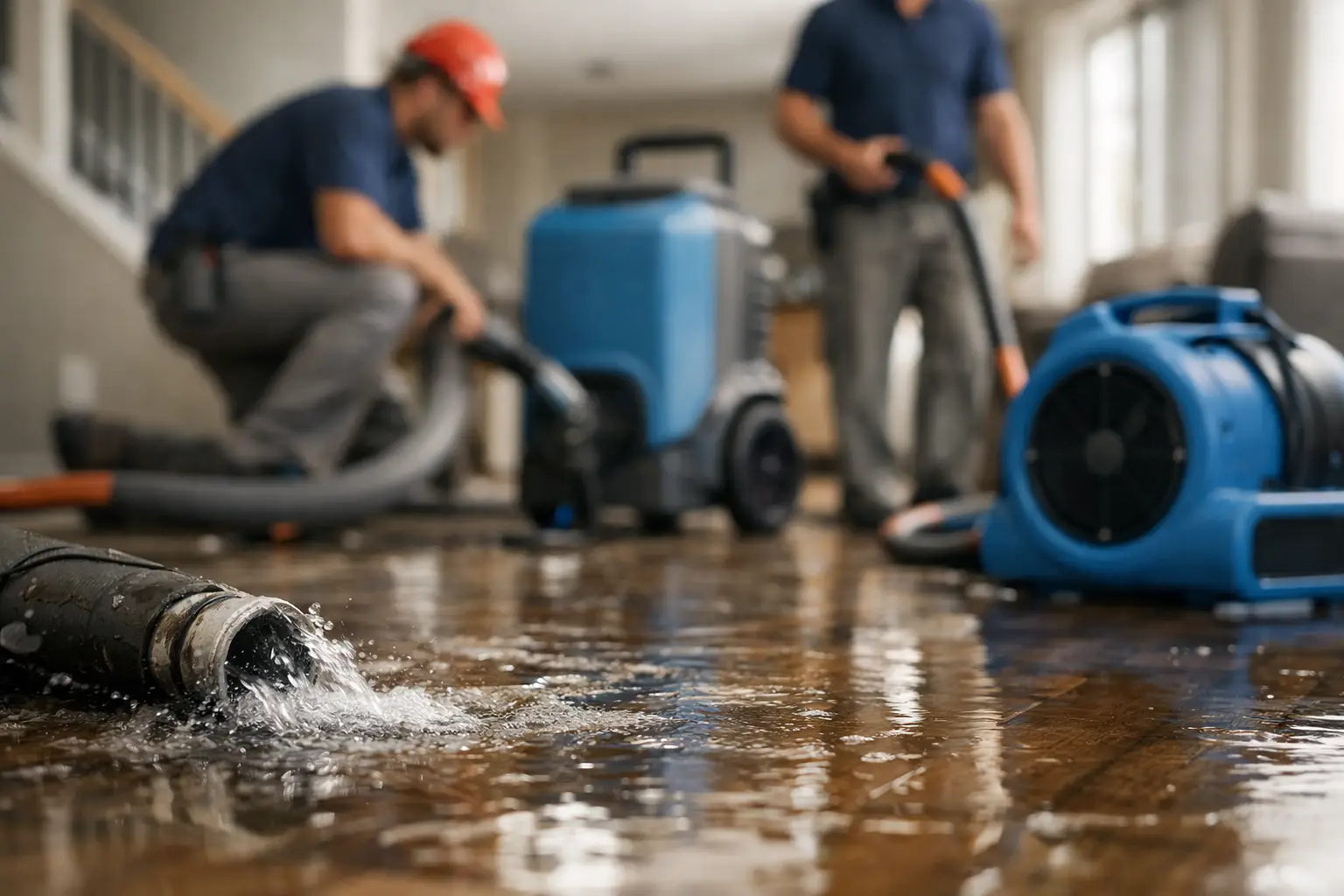
crawl space mold removal Douglasville means finding the moisture source, removing fungal growth, and protecting the structure before it spreads into the home. In Douglasville, I see this tied to builder-grade crawl spaces near I-20 and the wet conditions around Dog River reservoir, where humidity and drainage issues keep wood damp longer than they should.
IICRC-Certified · 5-Star Rated · 60-Minute Response · Insurance Billed Directly
Yes, I respond 24/7 with a 60-minute emergency response for urgent restoration calls. Crawl space moisture can spread fast, so quick action matters.
Yes. I offer direct insurance billing, and I can help with the deductible up to $1,000 when the claim qualifies.
Yes. My team uses IICRC-certified technicians, and I am a licensed general contractor, which helps when the crawl space issue overlaps with structural repair.
I back my work with a 12-month warranty. If the crawl space needs moisture control or encapsulation, I want the homeowner to know the job was handled to last.
Crawl space mold removal is the process of finding mold in the crawl space, cleaning affected materials, correcting moisture, and preventing it from coming back. In Douglasville, that usually means dealing with humid air, wet soil, and leaky vapor conditions under builder-grade homes near I-20.
This work is not just wiping visible spots off joists. True crawl space mold remediation starts with inspection, moisture control, and a plan for crawl space cleanup that fits the structure. If the dampness stays, fungal growth returns. That is why I treat the source and the damage together.
Douglasville homes built in fast-growing subdivisions off I-20 often have shallow crawl spaces, basic venting, and materials that were not built for repeated wet seasons. Add shade, poor drainage, and clay-heavy ground around the Dog River reservoir area, and wood can stay damp for long stretches.
The goal is simple. Dry the space, remove contaminated material, treat affected framing when appropriate, and reduce future humidity with dehumidification and encapsulation where the home needs it. Mold is a moisture problem first. If anyone tells you otherwise, they are skipping the part that matters.
Mold in a crawl space is usually caused by persistent moisture, not one bad event. In Douglasville, the common triggers are humid summer air, wet ground, poor grading, plumbing leaks, open vents, and missing or damaged vapor barrier materials under homes near I-20 and Dog River reservoir.
Douglasville sits in a climate that feeds mold. Warm air holds more moisture, and that moisture moves into cooler crawl spaces. When builder-grade framing under an I-20 subdivision home stays damp, mold can start growing on subflooring, insulation faces, and support members.
Water also comes from below. A bare soil crawl space can release vapor every day, especially after rain. If the vapor barrier is torn, thin, or missing, the crawl space becomes a humid chamber. That is why moisture control is the real fix, not a quick spray.
I also see drainage issues around homes that sit close to slopes, retaining walls, or low spots near the Dog River reservoir area. The pattern is familiar, even if the house is new. Water finds the crawl space, and once wood reaches the right moisture level, fungal growth follows.
I remove crawl space mold by inspecting, containing the work area, cleaning affected surfaces, drying the space, and correcting the moisture source. That usually includes dehumidification, crawl space cleanup, and sometimes wood treatment or encapsulation when the structure needs longer-term protection.
The process starts with a close look at framing, insulation, vents, ducts, and soil conditions. I want to know where the moisture is coming from before I touch the mold. If the crawl space is wet, cleanup alone is not enough. Drying comes first, then fungal growth removal.
After that, the team removes contaminated debris and cleans exposed surfaces using methods that fit the material. If joists or subfloor areas are affected, wood treatment may be part of the plan. The point is to remove what can be removed and stabilize what stays in place.
Then I focus on keeping the space dry. That can mean dehumidification, sealing air leaks, and adding a vapor barrier or encapsulation system when the crawl space design calls for it. In Douglasville, that step matters because the humidity does not quit when the cleanup ends.
Crawl space mold can damage framing, insulation, subfloors, and indoor air quality. In Douglasville, long-term moisture under builder-grade homes near I-20 can weaken wood, stain materials, cause odors, and spread spores through the house before the homeowner notices a problem.
I see homeowners miss the early signs because the crawl space is out of sight. But mold does not stay polite. It can discolor framing, break down insulation facings, and leave wood soft or warped if the moisture problem keeps feeding it.
The structural risk is real. If moisture stays high around sill plates, floor joists, or subflooring, the material can deteriorate over time. That is why I push for moisture control, not cosmetic cleanup. Dry wood is the goal. Clean wood is good, dry wood is better.
There is also the smell factor. Musty odors often start below the house and move up through floor gaps, returns, and utility penetrations. In homes near Dog River reservoir or older subdivisions off I-20, that can become a whole-house issue before anyone sees the crawl space itself.
Yes, crawl space mold can affect indoor air quality because air from below the home moves upward through leaks and openings. In Douglasville, that matters in tight builder-grade homes, where moisture and spores from the crawl space can show up as odors and respiratory irritation indoors.
A crawl space is not isolated from the living area. Air moves through floor systems, around plumbing penetrations, and through duct chases. When a crawl space has fungal growth, the air can carry odors and particles upward, especially in humid Douglasville weather.
This is one reason I take crawl space mold remediation seriously. The issue is not just what you can see on the joists. It is what the home breathes. If the crawl space is damp, the house can keep pulling that condition into the rooms above.
Encapsulation, a proper vapor barrier, and dehumidification can help reduce that exchange. But first, the contamination has to be addressed. I do not believe in covering mold and hoping for the best. The source has to be found, cleaned, and controlled.
Often, yes, if the crawl space keeps getting damp. Encapsulation is not always required, but in Douglasville homes with recurring humidity or soil moisture, it is often the best way to support long-term moisture control after mold removal.
Encapsulation makes sense when the crawl space design keeps inviting moisture back in. A sealed vapor barrier system helps separate the home from wet soil, and it can work with dehumidification to keep humidity in check. That is especially useful in crawl spaces near I-20 where conditions cycle fast.
But I do not sell encapsulation as a magic answer. If a plumbing leak, drainage failure, or damaged framing is the real problem, those issues come first. Mold cleanup without source control is temporary. Good restoration is about sequence, not slogans.
In some homes, a simpler vapor barrier and targeted moisture control are enough. In others, the space needs more. IICRC-certified technicians can assess the structure and recommend the right path based on the crawl space conditions, not a one-size-fits-all pitch.
Crawl space mold starts when humidity, wet soil, or leaks keep framing damp long enough for fungal growth to take hold.
Homes near I-20 and around the Dog River reservoir can face repeated moisture exposure from drainage, ground vapor, and humid air.
Crawl space cleanup matters, but moisture control, dehumidification, and the right vapor barrier or encapsulation plan keep the problem from returning.
Mold may stain surfaces first, but long-term moisture can also soften or damage joists, subflooring, and other structural materials.
If the crawl space is musty, spores and odors can affect indoor air quality through floor gaps, ducts, and penetrations.
From emergency mitigation to full reconstruction, handled in-house so you are never managing a chain of subcontractors mid-crisis.
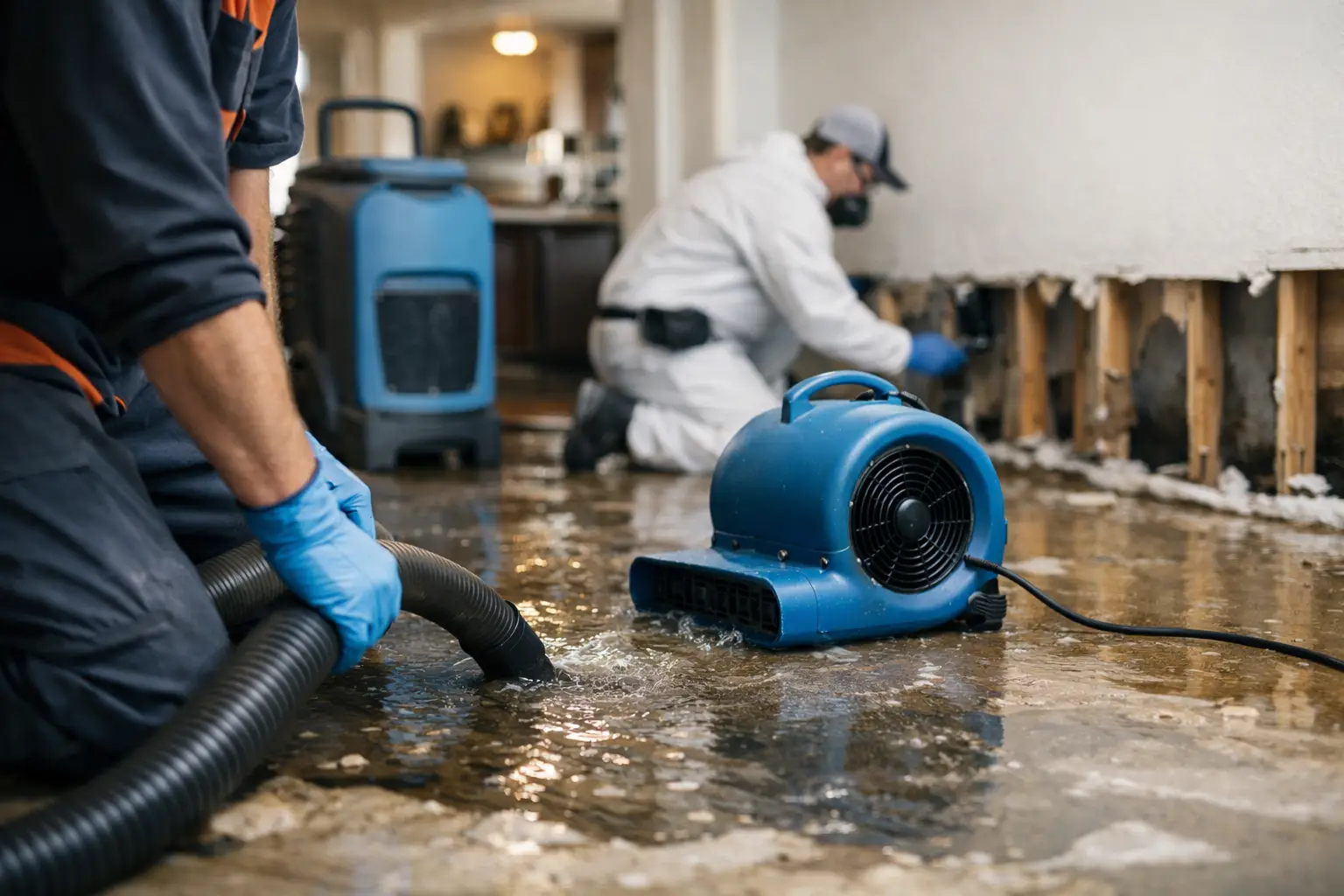 Water Damage
Extraction, structural drying, and moisture mapping after floods, leaks, and burst pipes.
Get help now Fire & Smoke
Soot removal, odor deodorization, and content cleaning after fire and smoke damage.
Learn more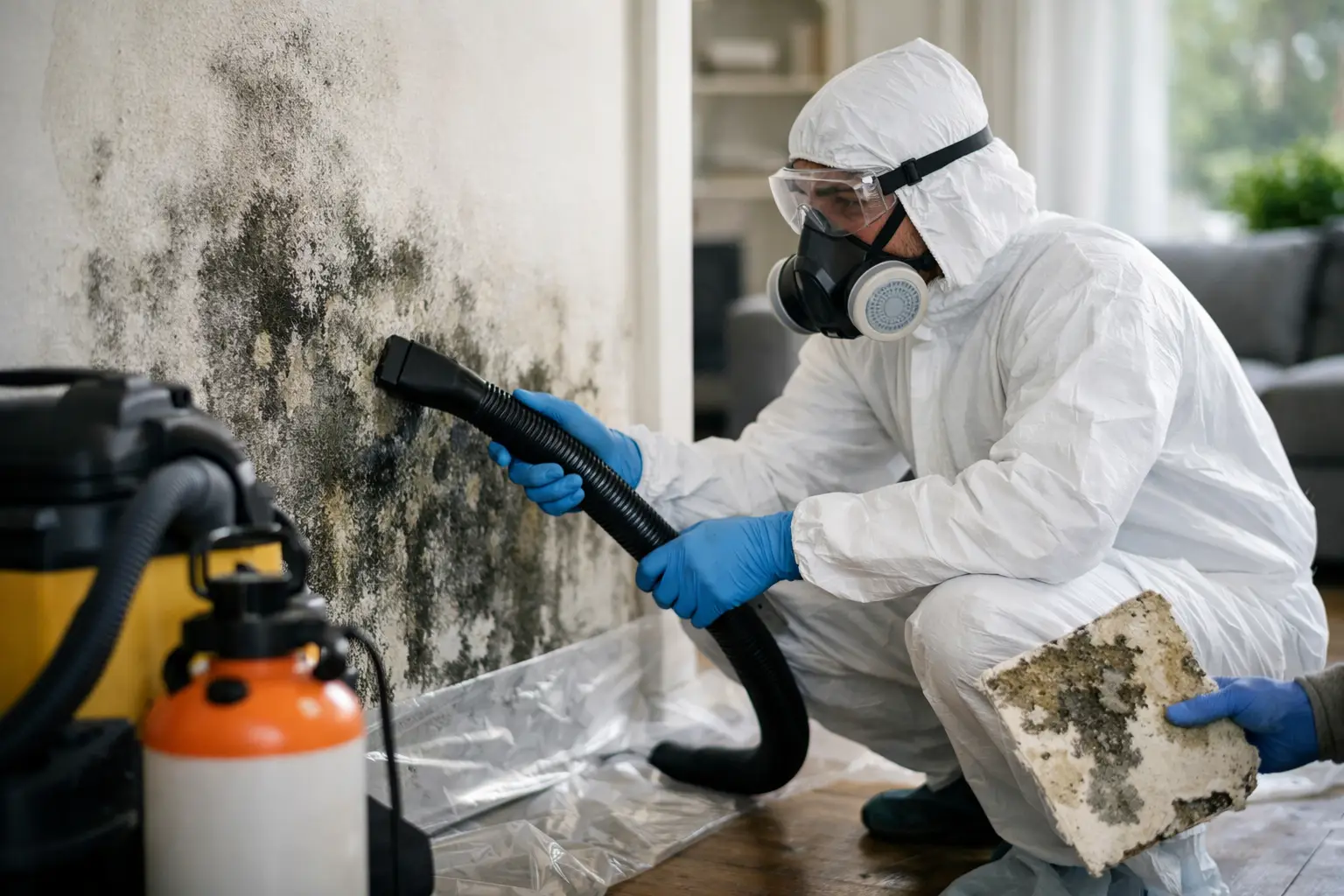 Mold
MoldContainment, removal, and moisture control that stops mold from coming back.
Learn more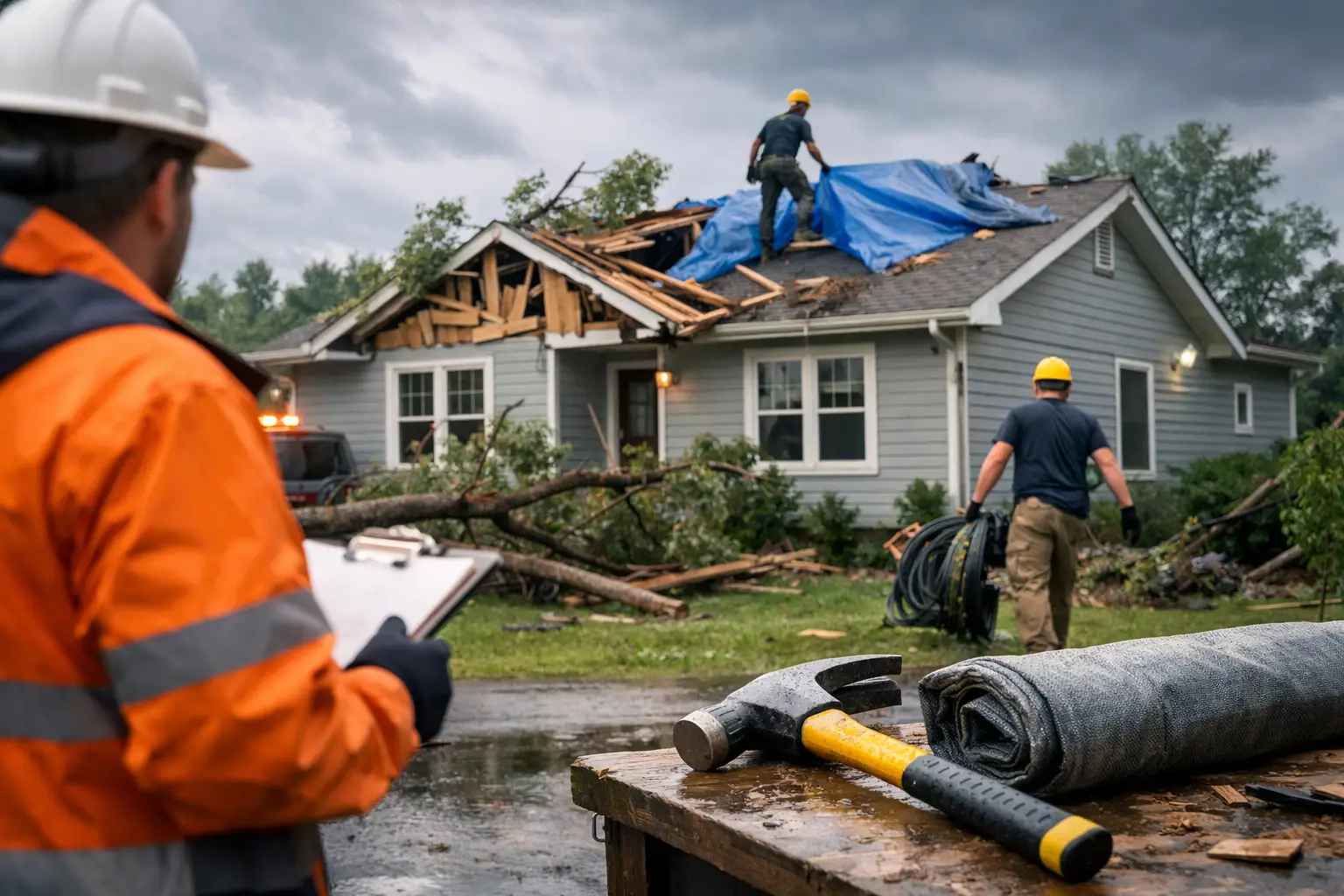 Storm
StormEmergency board-up, roof tarping, and full recovery after wind, hail, and storms.
Learn more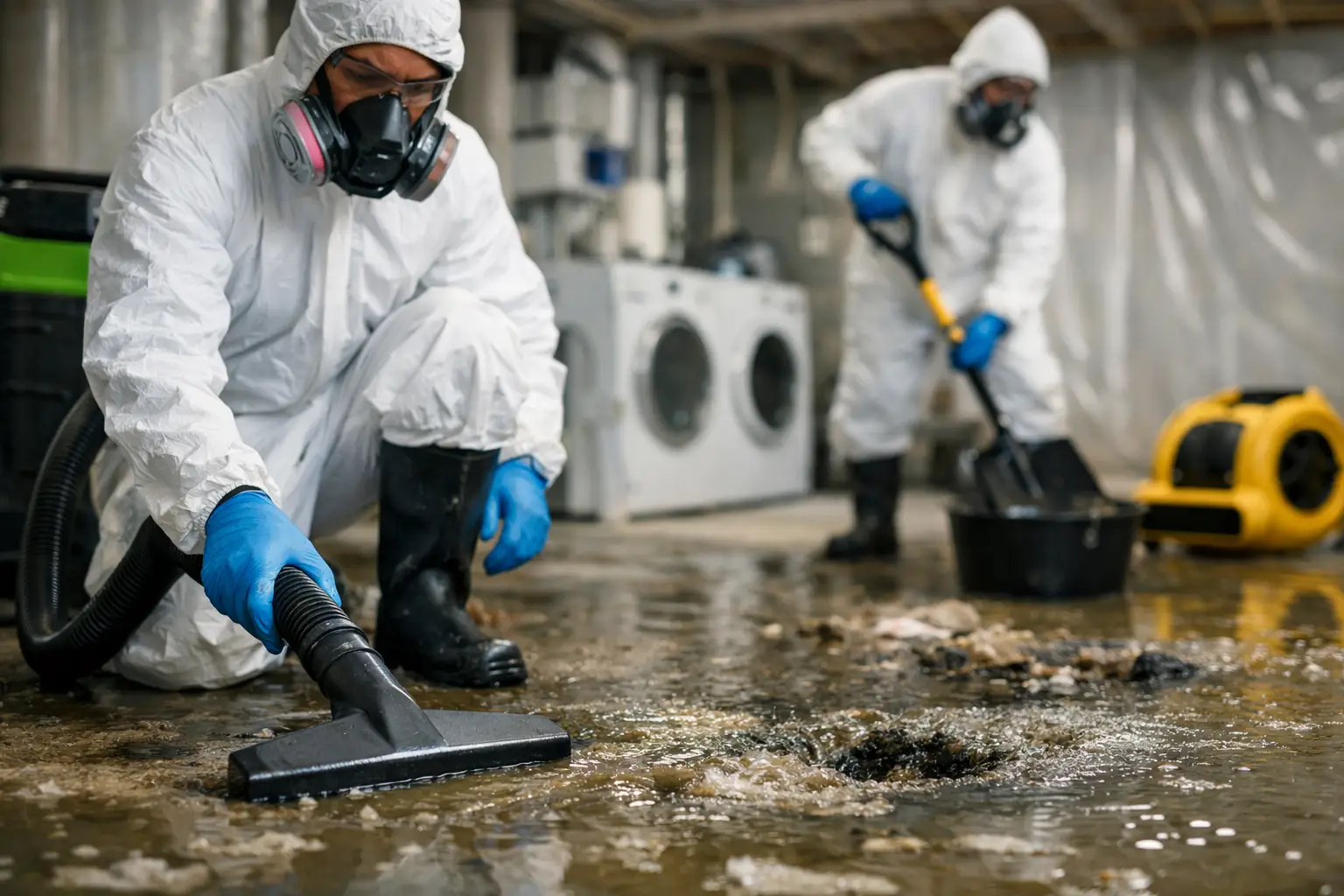 Sewage
Safe biohazard cleanup and sanitizing after sewage backups and overflows.
Learn more Reconstruction
Full rebuild by a licensed general contractor, so your property comes back whole.
Learn moreElevated Operations is an IICRC-certified, licensed general contractor based in Mableton that handles the entire recovery in-house, so after one loss you are never coordinating a cleanup crew, a mold crew, and a contractor separately. One team, one point of contact, from the first pump-out to the final coat of paint.
People call when the property feels like a disaster. They leave reviews because Chris and the crew made it right. These are real, verified Google reviews.
Homes near I-20 often have builder-grade crawl spaces with basic venting, standard vapor protection, and fast site grading. That setup can work for a while, but Douglasville humidity and seasonal rain push moisture back in. Once the crawl space stays damp, mold takes advantage of the wood and insulation below the home.
A musty smell, visible spotting on joists, damp insulation, rusted hardware, or standing moisture are common clues. In Douglasville, I also watch for homes near Dog River reservoir with recurring humidity. If the crawl space smells worse after rain or stays damp for days, it needs a professional look.
Mold can start in 24 to 48 hours when moisture stays on organic material. That is why a wet crawl space should never be ignored, even if the water seems minor. In Douglasville, warm weather and trapped humidity can speed the process and make the damage spread faster.
It usually includes inspection, moisture control, removal of contaminated debris, cleaning of affected surfaces, and drying the crawl space. Depending on conditions, I may recommend dehumidification, a vapor barrier, wood treatment, or encapsulation. The right plan depends on whether the problem is isolated or tied to broader moisture intrusion.
No. Spraying over mold without fixing the moisture source only hides the issue for a short time. If the crawl space stays damp, mold comes back. In Douglasville homes, especially those with soil moisture or drainage problems, lasting results come from cleanup plus dehumidification and moisture control.
I look at humidity, ground conditions, venting, and whether moisture keeps returning after cleanup. If the crawl space is repeatedly damp, encapsulation can be the right next step. In Douglasville, homes near low spots or with bare soil often benefit from that added layer of protection.
Yes. Musty crawl space odors often move upward through floor gaps and duct chases. That is common in homes where the crawl space remains humid. If the smell gets stronger after rain or in summer, the crawl space is likely part of the indoor air problem, not just a basement issue.
When the owner is involved, the scope stays grounded in the actual problem. I am Chris Kwangwari, and I have been in restoration since 2007 with Elevated Operations, LLLP. For crawl space work, that matters because moisture control, cleanup, and repair decisions need careful sequence, not guesswork.
Elevated Operations dispatches IICRC-certified crews across Metro Atlanta from our Mableton base, with a 60-minute emergency response day or night. Choose your city:
Call now for an immediate response, or request your free inspection and get a certified crew on-site within the hour across Atlanta and nearby areas.