24/7 Emergency Restoration · Serving Metro AtlantaEmergency? (770) 404-6895
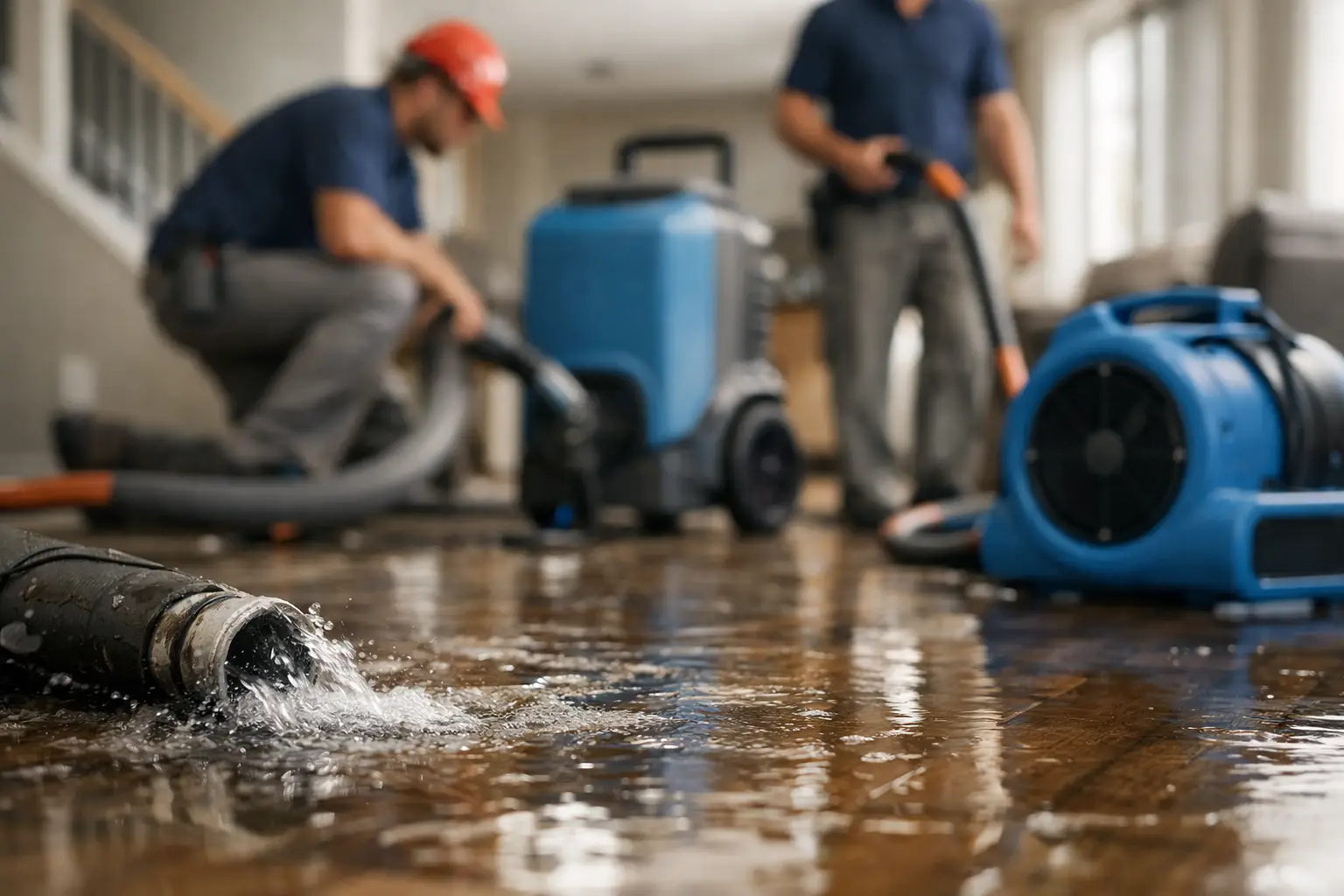
Reconstruction Riverdale starts with the damage still on the walls, the floors, or the framing, and I handle it like a local job, not a generic claim. From older subdivisions near South Fulton Parkway to homes close to Morrow Road, my crew restores what water, fire, or impact left behind.
IICRC-Certified · 5-Star Rated · 60-Minute Response · Insurance Billed Directly
I handle the rebuild once cleanup is done, with direct insurance billing and one clear plan for the home.
Yes. Older subdivisions need careful sequencing, especially when hidden framing, flooring, or drywall damage shows up.
I offer 60-minute emergency response 24/7, and I move quickly when the loss is active.
Chris Kwangwari owns Elevated Operations, LLLP, based in Mableton, and I stay accountable from start to finish.
Reconstruction after property damage is the rebuilding phase after cleanup, and I treat it as the part where a house becomes usable again. In Riverdale, that often means drywall repair, flooring repair, framing repair, roof repair, and structural repair after water, fire, or storm damage.
I see a lot of older Clayton County homes that were built with different materials, different layouts, and different patchwork over the years. Once the damaged material is removed, property reconstruction starts with making the structure sound again, then getting the rooms back to how they should function.
Around Riverdale, that can mean a ceiling collapse after a supply line leak, or a fire room that needs new framing before any finish work can begin. I do not rush that part. If the bones are wrong, everything on top of them fails later.
I am a licensed general contractor, and I keep the work tied to the actual loss. IICRC-certified technicians handle the restoration side, and when the rebuild phase begins, I keep insurance billing direct, documented, and clean so the claim does not drift into chaos.
Reconstruction is needed when damage goes beyond surface cleanup and the home needs real rebuilding to be safe or functional again. In Riverdale’s older subdivisions, I usually see that after soaked drywall, warped flooring, fire damaged framing, or roof damage that opens the home to more loss.
Older homes near Riverdale often have layers of repairs from different years, and that makes hidden damage harder to spot. A small ceiling stain can turn into full drywall repair once the material is opened, and a soft floor can mean the joists need attention, not just new boards.
I have been in restoration since 2007, and I have learned this the hard way: if you stop at cosmetics, you pay twice. That is why I check for structural repair needs before I start closing walls, especially in homes that sit through long humidity, heavy rain, or delayed cleanup.
When the damage reaches framing, subflooring, or roof lines, reconstruction is not optional. It is the only honest path. I keep the scope tied to what the home needs, then I work with the insurer directly so the rebuild is based on actual conditions, not guesswork.
Yes, reconstruction can follow water or fire damage cleanup, and that is usually the right sequence. Cleanup removes the wet or burned material, then reconstruction puts the house back together with new framing, drywall, flooring, or roof work as needed.
In Riverdale, I often get called after the first part is already done. The water has been extracted, the soot is gone, and the homeowner is staring at open walls near rooms that used to feel normal. That is where I step in and make the rebuild part practical.
Fire cleanup usually exposes how much heat traveled through a room, and water damage cleanup can reveal swelling, odor, and hidden rot around the edges. I make those calls with the reality in front of me, not with hope. If the framing is compromised, it gets addressed.
My crew works 24/7 with 60-minute emergency response, so I can get to the loss early and keep the transition from cleanup to property reconstruction moving. That matters near the airport corridor and in older homes where delays let moisture and smoke spread farther than people expect.
I handle it by planning for older materials, tighter access, and the wear that comes with homes near a busy travel corridor. Riverdale properties near the airport area often need careful sequencing, especially when roof repair, drywall repair, or flooring repair has to happen around occupied spaces.
A lot of Riverdale homes near the airport side of Clayton County were built before people started thinking about modern rebuild sequencing. That means I have to be deliberate, because older subdivisions can hide patchwork in walls, mismatched flooring transitions, and previous roof repairs that complicate the new work.
I do not treat those homes like blank shells. I look at how the house was actually built, how water moved through it, and whether the structure can accept the new materials without future trouble. That is where framing repair and structural repair become part of the rebuild, not separate ideas.
And when the claim involves direct insurance billing, I keep the paperwork aligned with the work. I also offer deductible assistance up to $1,000, which can help the homeowner keep the project moving while the house is put back together the right way.
A Riverdale property reconstruction project usually starts with damage assessment, then removal of unsalvageable material, then structural and finish rebuilding. I keep the sequence tight so the house moves from exposed framing to drywall, flooring, trim, and final details without unnecessary drag.
First I look at what can stay and what has to go. In older Clayton County homes, that answer changes room by room. One room may need only drywall repair and paint-ready prep, while the next needs subfloor correction, new framing, and a deeper structural repair.
Then I rebuild in the order the home demands. Roof repair comes before finish interiors if the house has been opened by weather. Flooring repair waits until the moisture issue is gone. That sounds basic, but it is exactly where bad work starts, when someone skips the sequence.
I back the completed reconstruction with a 12-month warranty, and I keep the process grounded in ownership. Chris Kwangwari runs Elevated Operations, LLLP from Mableton, and I stay accountable for the work from the first call through the last closeout.
I keep it moving by responding fast, documenting the loss clearly, and staying in direct contact with the insurance side. That prevents the rebuild from stalling after cleanup and helps the homeowner know what happens next, room by room.
The biggest delays I see are not usually about tools. They are about confusion. A homeowner in Riverdale gets cleanup done, then waits while the insurer, contractor, and adjuster sort out scope. I reduce that friction by billing insurance directly and keeping the rebuild paperwork tied to the actual damage.
My technicians are IICRC-certified, which matters when the work touches wet materials, microbial concerns, smoke residue, or hidden structural issues. I want the reconstruction plan built on the facts of the home, not on a vague promise that somebody will figure it out later.
Because I serve Cobb, Fulton, DeKalb, Douglas, Clayton, Henry, and Paulding counties, I see the same pattern across metro Atlanta: the fastest recovery comes when one team owns the transition from cleanup to rebuild. That is how I run these jobs.
The homeowner had water running behind the drywall after a supply line failure, and the lower level started to swell. I opened the affected walls, confirmed the damage, handled drywall repair and flooring repair, then rebuilt the space so the home felt solid again.
The cleanup crew had removed the burnt finishes, but the framing around one room was heat stressed. I handled the structural repair, replaced damaged sections, and brought the room back in order before any finish work went in.
Wind and rain exposed an old roof weakness, then water moved into the ceiling and closet walls. I handled roof repair first, then the interior reconstruction, because that is the only sequence that stops the problem from coming right back.
From emergency mitigation to full reconstruction, handled in-house so you are never managing a chain of subcontractors mid-crisis.
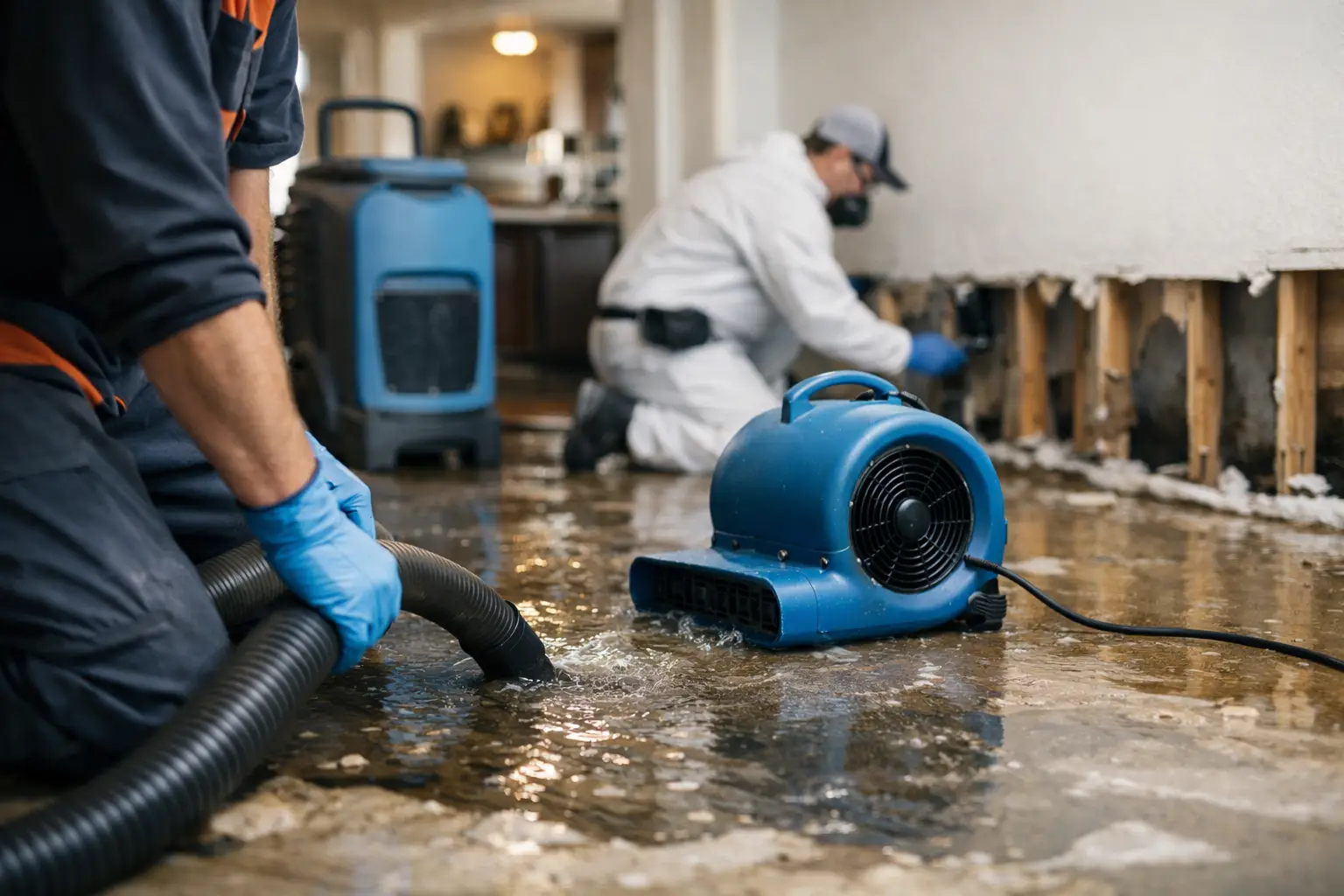 Water Damage
Extraction, structural drying, and moisture mapping after floods, leaks, and burst pipes.
Get help now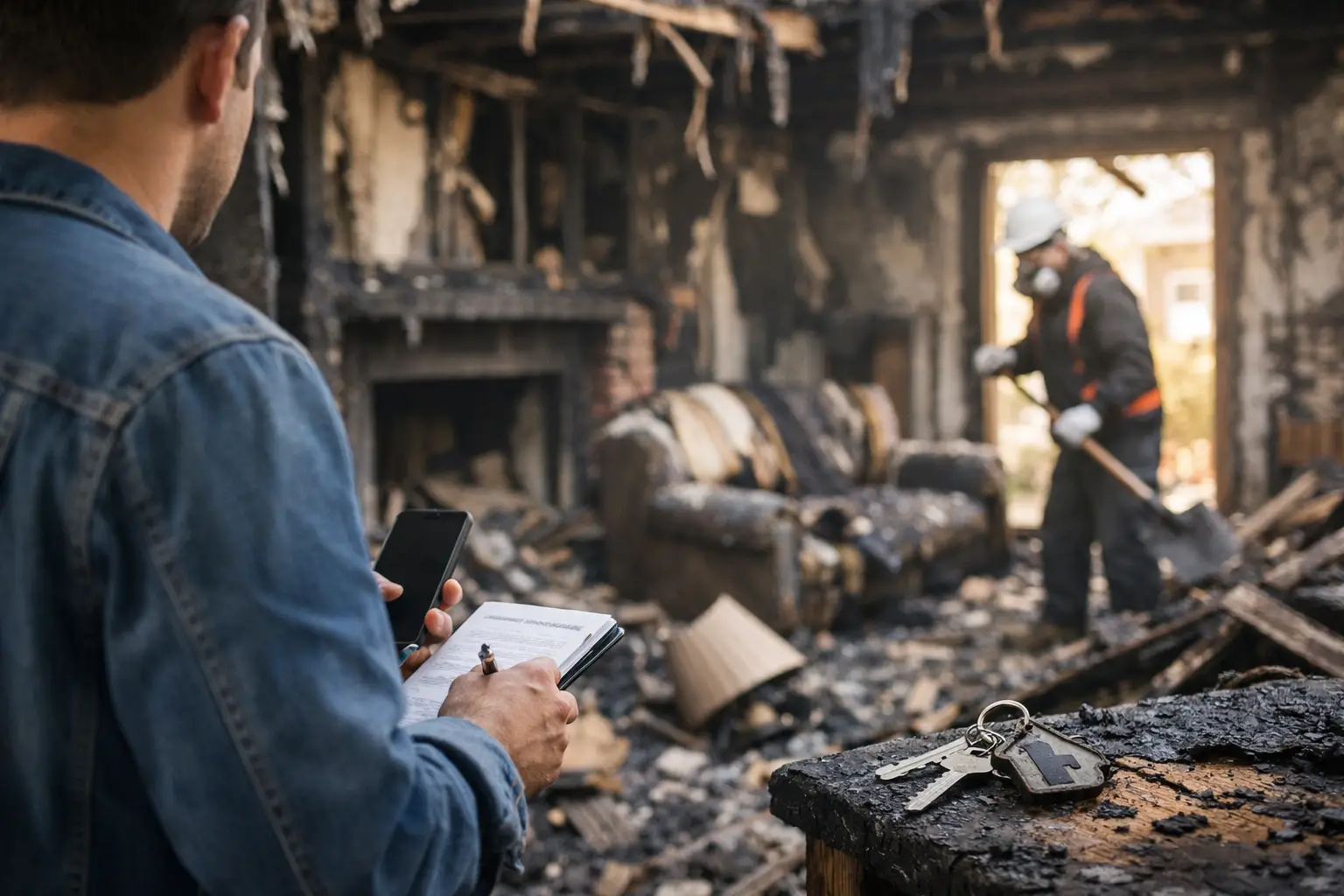 Fire & Smoke
Soot removal, odor deodorization, and content cleaning after fire and smoke damage.
Learn more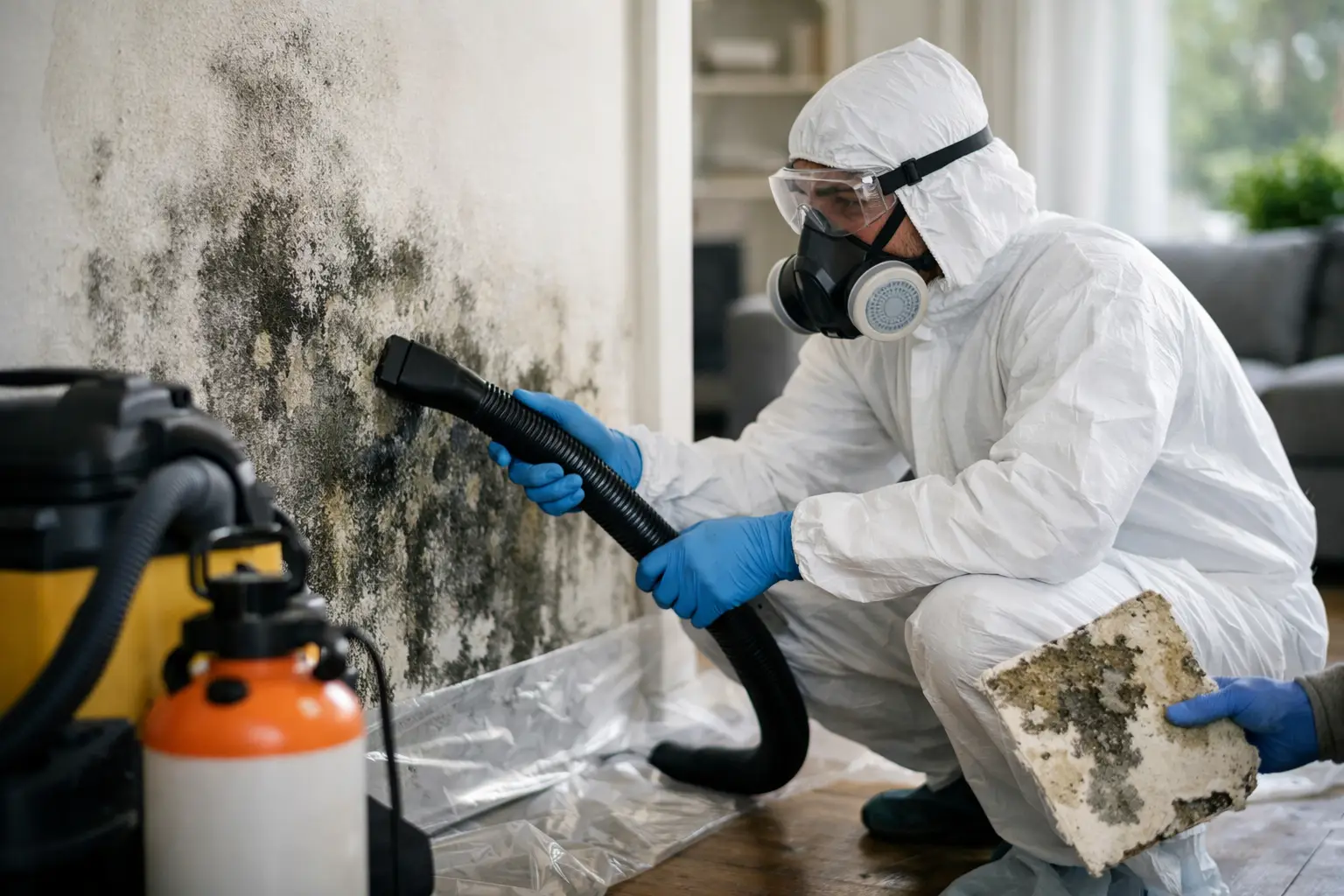 Mold
MoldContainment, removal, and moisture control that stops mold from coming back.
Learn more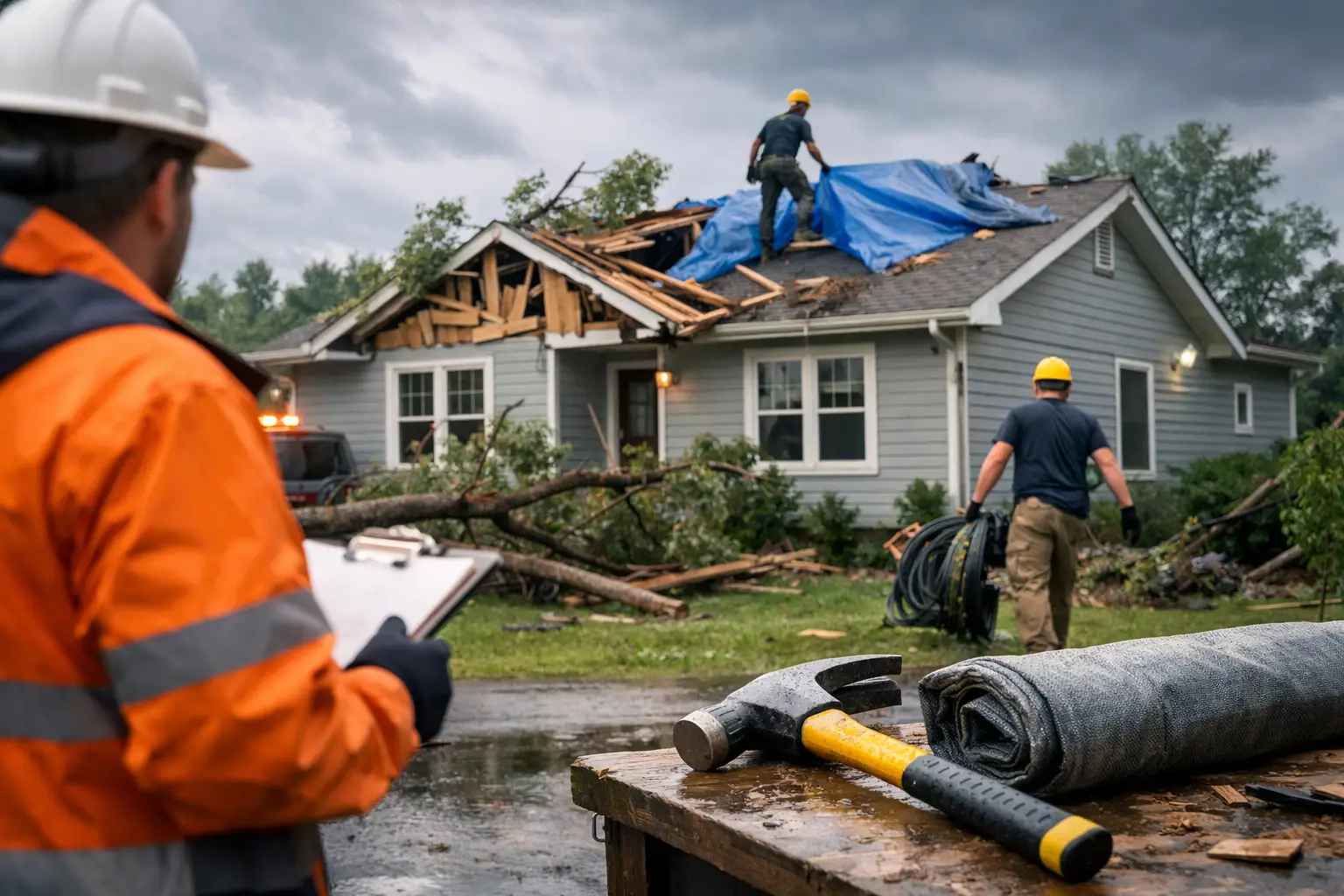 Storm
StormEmergency board-up, roof tarping, and full recovery after wind, hail, and storms.
Learn more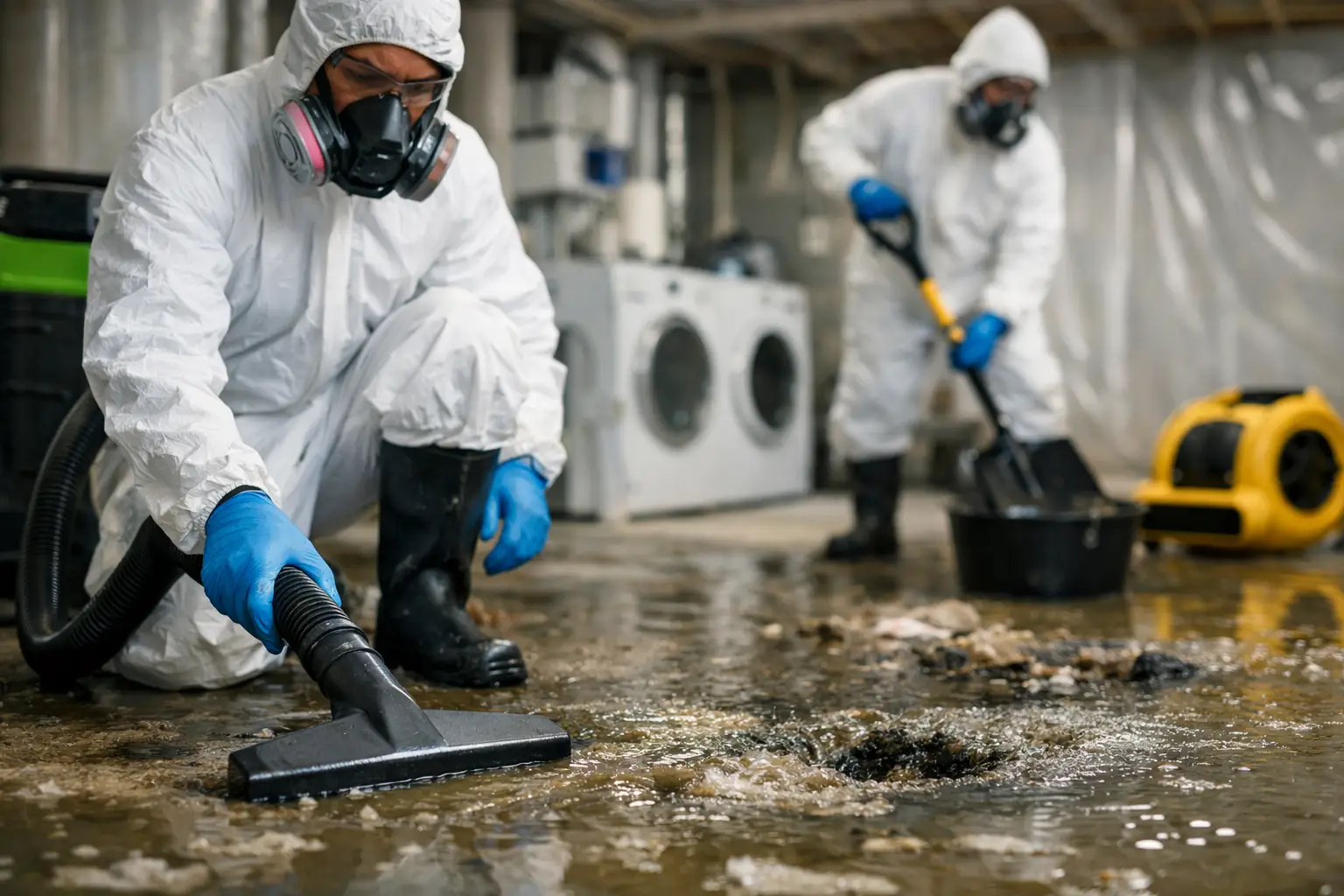 Sewage
Safe biohazard cleanup and sanitizing after sewage backups and overflows.
Learn more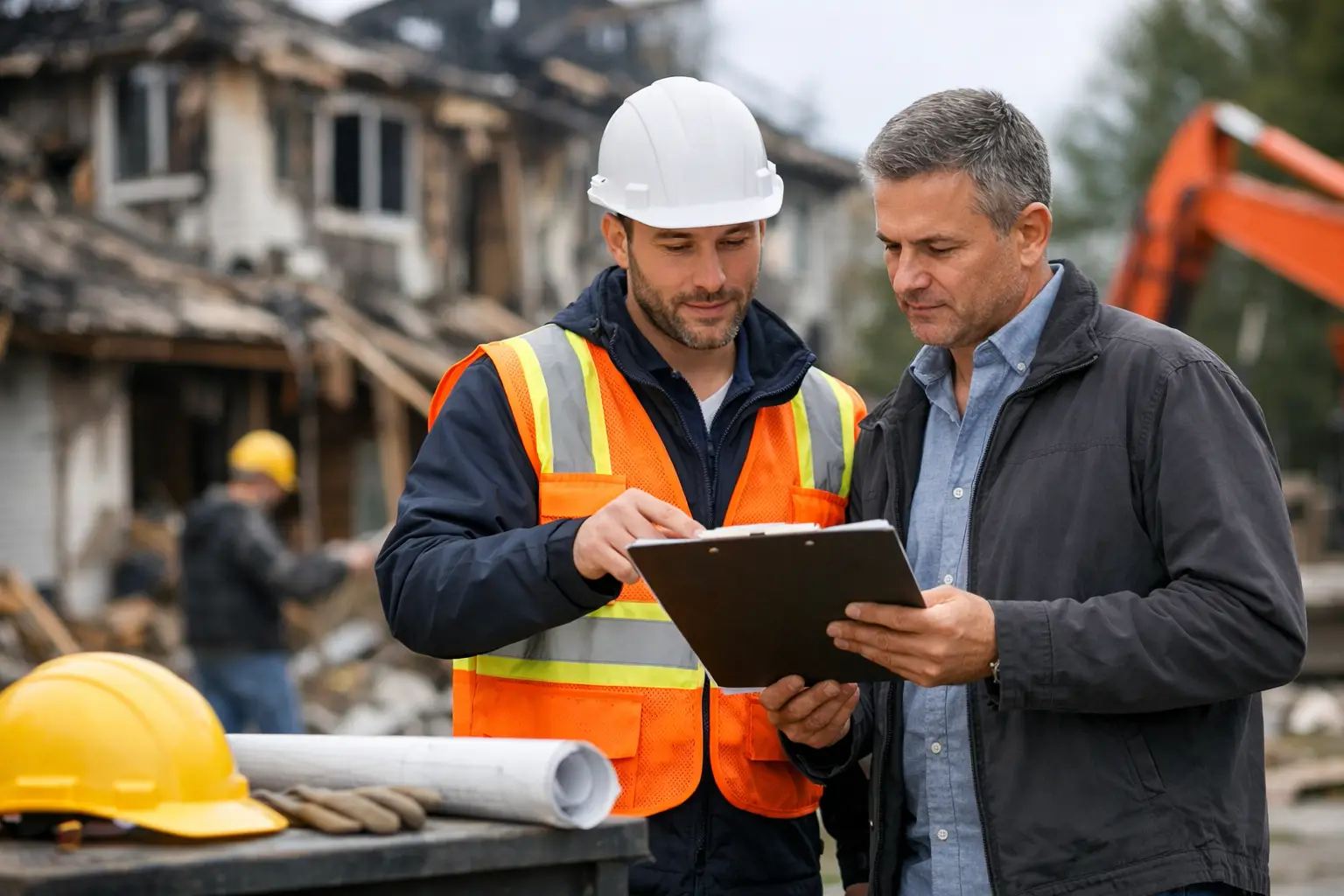 Reconstruction
Full rebuild by a licensed general contractor, so your property comes back whole.
Learn moreElevated Operations is an IICRC-certified, licensed general contractor based in Mableton that handles the entire recovery in-house, so after one loss you are never coordinating a cleanup crew, a mold crew, and a contractor separately. One team, one point of contact, from the first pump-out to the final coat of paint.
People call when the property feels like a disaster. They leave reviews because Chris and the crew made it right. These are real, verified Google reviews.
Reconstruction in Riverdale usually means the damage has gone past spot fixes and into real rebuilding. In older Clayton County homes, that often means walls opened for water loss, floor systems weakened, or roof sections compromised. I rebuild with the structure in mind first, then the finishes, so the home does not fail again after the job is done.
Yes, and that is one of the most common jobs I take. After water cleanup, I look for swollen drywall, damaged insulation, subfloor issues, and hidden framing damage. In Riverdale, especially in older homes near Morrow Road, moisture can travel farther than people think, so the rebuild has to be based on what is actually exposed.
After fire cleanup, I inspect what heat and smoke did to the framing, drywall, and adjacent rooms. In Riverdale homes, the damage can be wider than the burned area alone. I then rebuild in the right order, often with framing repair, drywall repair, and finish work that follows the condition of the structure, not just the visible scorch marks.
It depends on the amount of structural damage, the rooms involved, and how far the water or fire moved through the home. I do not guess at timelines. I look at the actual conditions, then build the plan around them. Older subdivisions in Riverdale can take extra attention because hidden problems are common behind the finished surfaces.
Yes. I use direct insurance billing so the homeowner is not stuck carrying the claim administration alone. That helps keep reconstruction moving when the work involves multiple phases, like cleanup, structural repair, and finish rebuilding. It also keeps the paperwork cleaner when the insurer needs documentation tied to each part of the job.
Then I put the roof work first. If the home is still exposed, any interior reconstruction is temporary at best. In Riverdale, especially after storms or leak events, roof repair has to be completed before drywall, flooring, or trim work can be trusted. I sequence the job so the water source is addressed before rebuilding inside.
Yes, and that is often where the real job lives. Older Riverdale homes can hide damage inside walls, under floors, or around roof lines. I handle framing repair and structural repair as part of the reconstruction, because cosmetic work means nothing if the structure beneath it is still compromised.
They call when they are standing in a house that is dry, cleared out, and still not livable. That is the point where property reconstruction starts. I bring the rebuild side, with a licensed general contractor, IICRC-certified technicians, a 12-month warranty, and owner oversight from Chris Kwangwari.
Elevated Operations dispatches IICRC-certified crews across Metro Atlanta from our Mableton base, with a 60-minute emergency response day or night. Choose your city:
Call now for an immediate response, or request your free inspection and get a certified crew on-site within the hour across Atlanta and nearby areas.