24/7 Emergency Restoration · Serving Metro AtlantaEmergency? (770) 404-6895
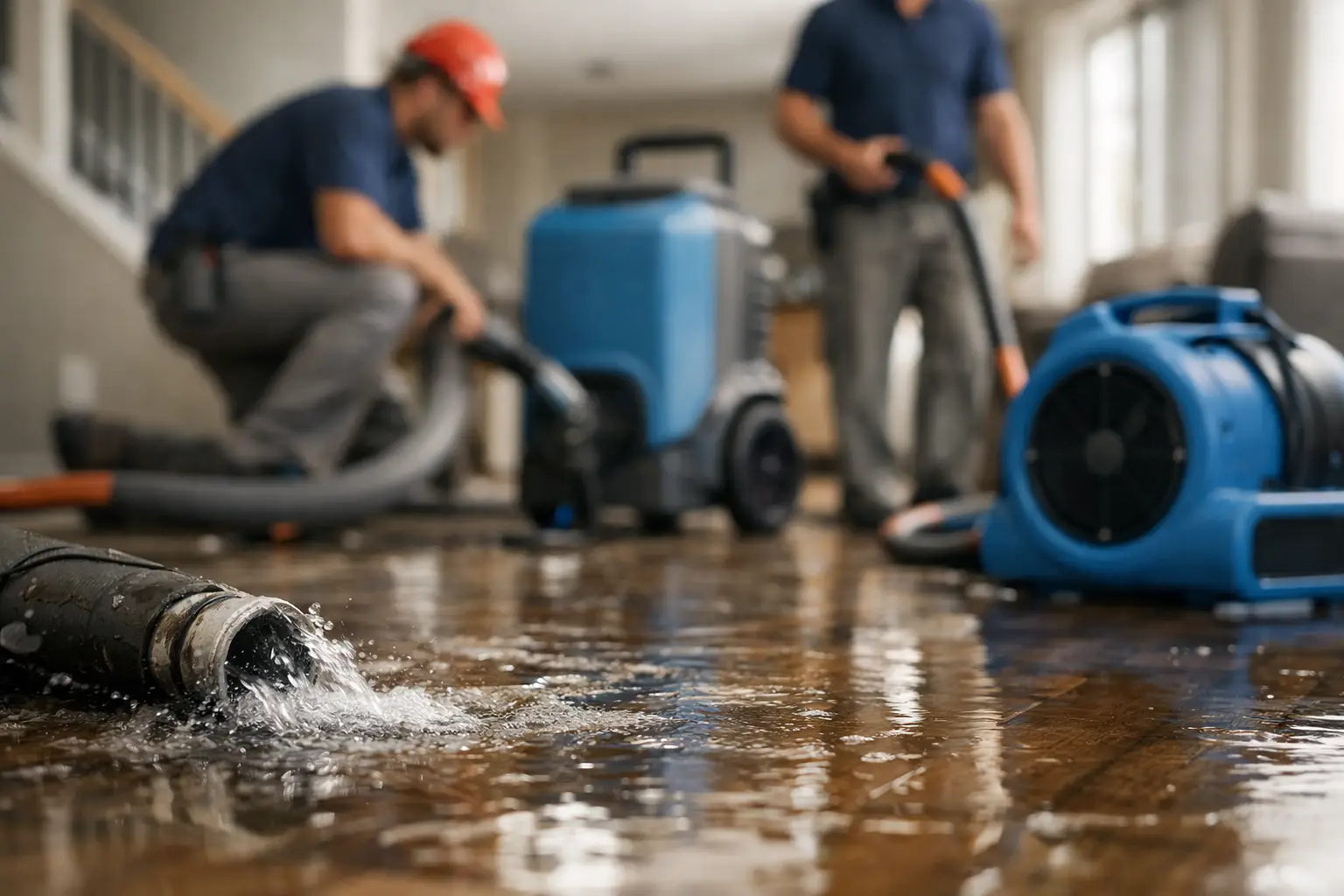
Emergency water removal Decatur means I get water out fast, then I protect the structure before the damage spreads. In Decatur, that matters in Craftsman bungalows, plaster walls, heart-pine floors, and homes with cast-iron laterals that can back up hard and without warning.
IICRC-Certified · 5-Star Rated · 60-Minute Response · Insurance Billed Directly
I offer 24/7 emergency response and a 60-minute emergency window. I do not treat water losses like a next-day project.
Yes. I work in Craftsman bungalows, plaster interiors, and heart-pine floors, and I adjust the response to older construction.
I treat sewer-related losses differently. Cast-iron laterals can make a simple overflow into a contamination job fast.
Because I bring water removal, insurance support, and rebuilding under one owner-led company, with IICRC-certified technicians and a 12-month warranty.
It should start immediately, because water keeps moving into floors, walls, and framing every minute it sits. I respond 24/7 in about 60 minutes, and I treat Decatur losses like urgent structure protection, not a wait-and-see job.
In Decatur, speed matters because a small leak can race through plaster, under heart-pine, and into hidden cavities before you notice the stain. That is why I treat emergency water removal as the first line of defense, not a cleanup after the fact.
The first hour is about stopping spread. I look for the source, begin water extraction, and get air moving where it counts. If the home has cast-iron laterals, I also think about backup risk fast, because sewer water changes the entire response.
And I do not guess. I use IICRC-certified technicians, direct insurance billing, and a licensed general contractor approach so the work fits the building, whether it is a bungalow near Oakhurst or a tighter lot near downtown Decatur.
The first hour is where losses get controlled or get worse. I identify the source, start water mitigation, remove standing water, protect contents, and set the drying plan before moisture spreads into plaster, trim, subflooring, and wall cavities.
First, I assess the source and shut down anything still feeding water when that is possible. Then I start water cleanup with extraction and containment, because leaving water to sit in an older Decatur home is how a manageable issue becomes a major repair.
After that, I look at the building materials. Heart-pine floors can cup. Plaster can wick. Baseboards hide moisture. I adjust the response to the structure, not to a generic checklist, because old homes in Decatur do not behave like new construction.
And if the source involves a backed-up line, I treat it as a contamination issue, not a simple spill. Cast-iron laterals can create ugly surprises, so I tighten the plan around safety, removal, and fast emergency drying.
I use professional extraction and drying equipment chosen for the material in front of me. That can include wet vac extraction, pumps for pumping water out, air movers, dehumidifiers, and moisture meters for tracking what you cannot see.
For open water, I start with water extraction and pumping water out where needed. For carpet, pad, and tight corners, wet vac extraction gets into places a homeowner vacuum cannot reach. The goal is to pull water out before it settles deeper.
Then I stage emergency drying around the wet areas. Air movers help push moisture off surfaces, and dehumidifiers help control the moisture that is already in the air and inside materials. That combination matters in Decatur homes with dense plaster and old framing.
IICRC standards guide the work, but the house decides the tools. A bungalow with heart-pine needs a different touch than a condo or a basement. I choose the gear based on what will actually save the structure, not what sounds impressive.
Yes, if the response is fast and the carpet has not been contaminated or held wet too long. Standing water removal from carpet starts with extraction, then drying. Delay is what ruins carpet, pad, tack strip, and the subfloor under it.
I handle standing water removal from carpet by getting the water out first, then checking what happened underneath. Carpet can look fine on top while the pad is soaked. In Decatur, that hidden moisture can spread fast through older subfloors.
If the water is clean and the response is quick, carpet may be salvageable. If sewer backup is involved, especially with cast-iron laterals, the call changes. Then the focus becomes safe removal, sanitation, and deciding what should not be kept.
I do not sugarcoat carpet losses. Sometimes the right move is drying and preservation. Sometimes it is extraction, removal, and rebuild. I make that call based on the actual moisture, the source, and how long it has sat.
After emergency water extraction, I shift into drying, moisture checks, documentation, and repair planning. That is where emergency drying matters, because water left in walls, floors, or trim can keep causing damage long after the visible puddle is gone.
Once the bulk water is out, I map the wet areas and set the drying path. In Decatur, that often means plaster walls, trim, and heart-pine floors that hold moisture differently than modern materials. You cannot just point fans and hope.
Then I document the loss for insurance and keep the process moving with direct insurance billing. That matters when a family is dealing with a flooded kitchen, a wet hallway, or a first-floor leak that spread faster than expected.
And I watch the materials over time. Emergency drying is not one-and-done. It is a controlled process, and I keep checking because older homes can hold water in places you never see until damage shows up later.
Because many Decatur homes were built with materials that react differently to water. Craftsman bungalows, plaster walls, and heart-pine floors need a careful water cleanup plan, and cast-iron laterals raise the stakes when backups are part of the loss.
I work around the way Decatur actually builds. Older bungalows often have finished spaces, tight cavities, and wood that reacts fast to moisture. That is why I do not use a one-size-fits-all approach for flood water removal or drying.
Plaster can trap water in layers. Heart-pine can hold shape for a while, then move later. And if the issue starts in the plumbing or the sewer line, cast-iron laterals can turn a simple overflow into a much messier job.
My job is to protect the structure first and reduce the repair path second. That means fast extraction, honest damage assessment, and a cleanup plan that respects older construction instead of fighting it.
I answer fast, arrive 24/7, and start emergency water removal. The source gets assessed, standing water gets pulled, and the highest-risk rooms are protected before the damage migrates into plaster, trim, and subfloors.
I complete water mitigation, set emergency drying equipment, and document the loss. If cast-iron laterals, plumbing failure, or sewer backup are involved, I adjust for contamination and make the call on salvage versus removal.
I keep checking moisture readings, move equipment as needed, and confirm what materials are drying correctly. This is where heart-pine floors, plaster walls, and hidden cavities tell the truth about what got wet and what stayed wet.
Once drying is done, I move into repairs through Elevated Operations, LLLP as a licensed general contractor. That lets me handle restoration and rebuilding under one roof, with a 12-month warranty on the work I complete.
From emergency mitigation to full reconstruction, handled in-house so you are never managing a chain of subcontractors mid-crisis.
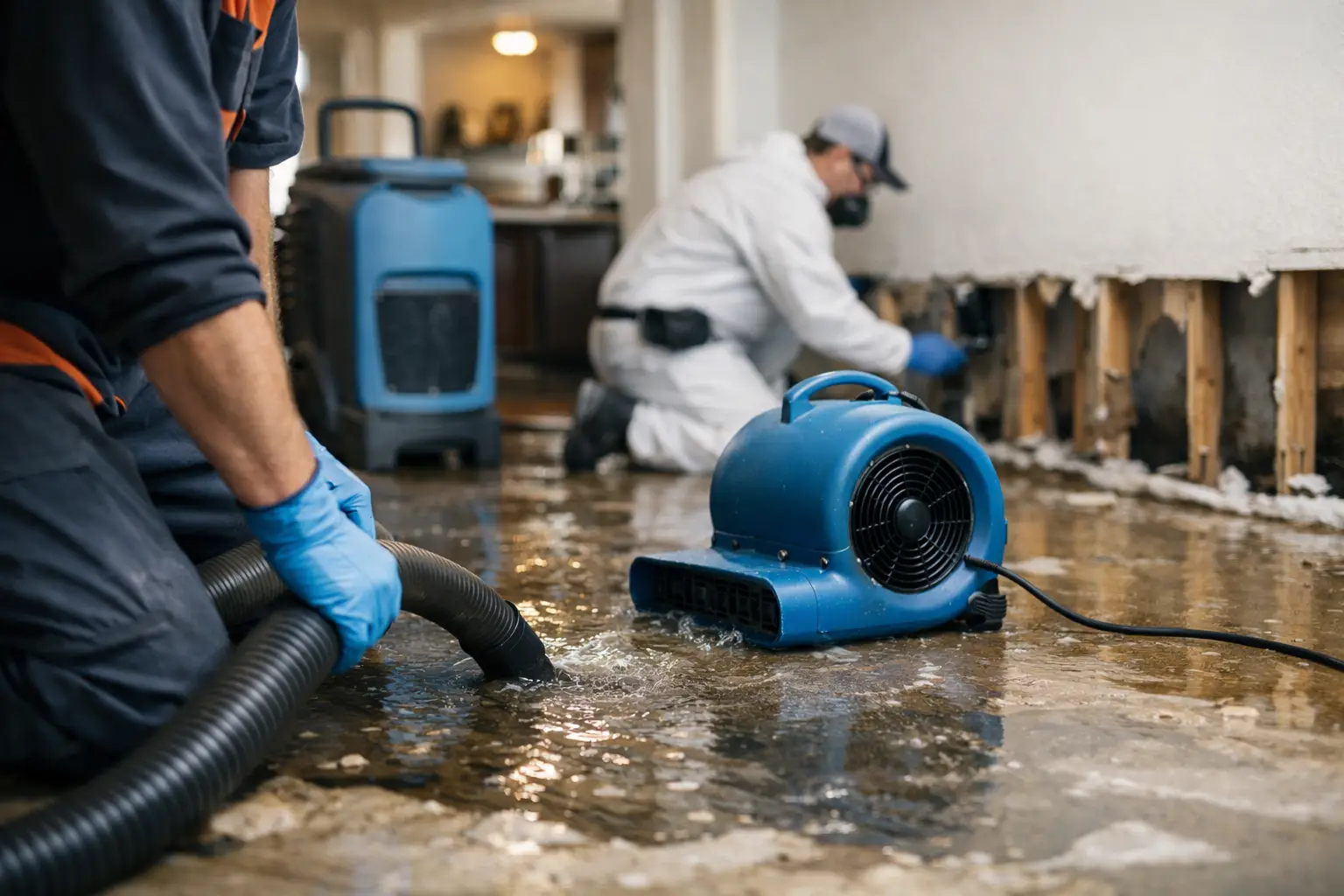 Water Damage
Extraction, structural drying, and moisture mapping after floods, leaks, and burst pipes.
Get help now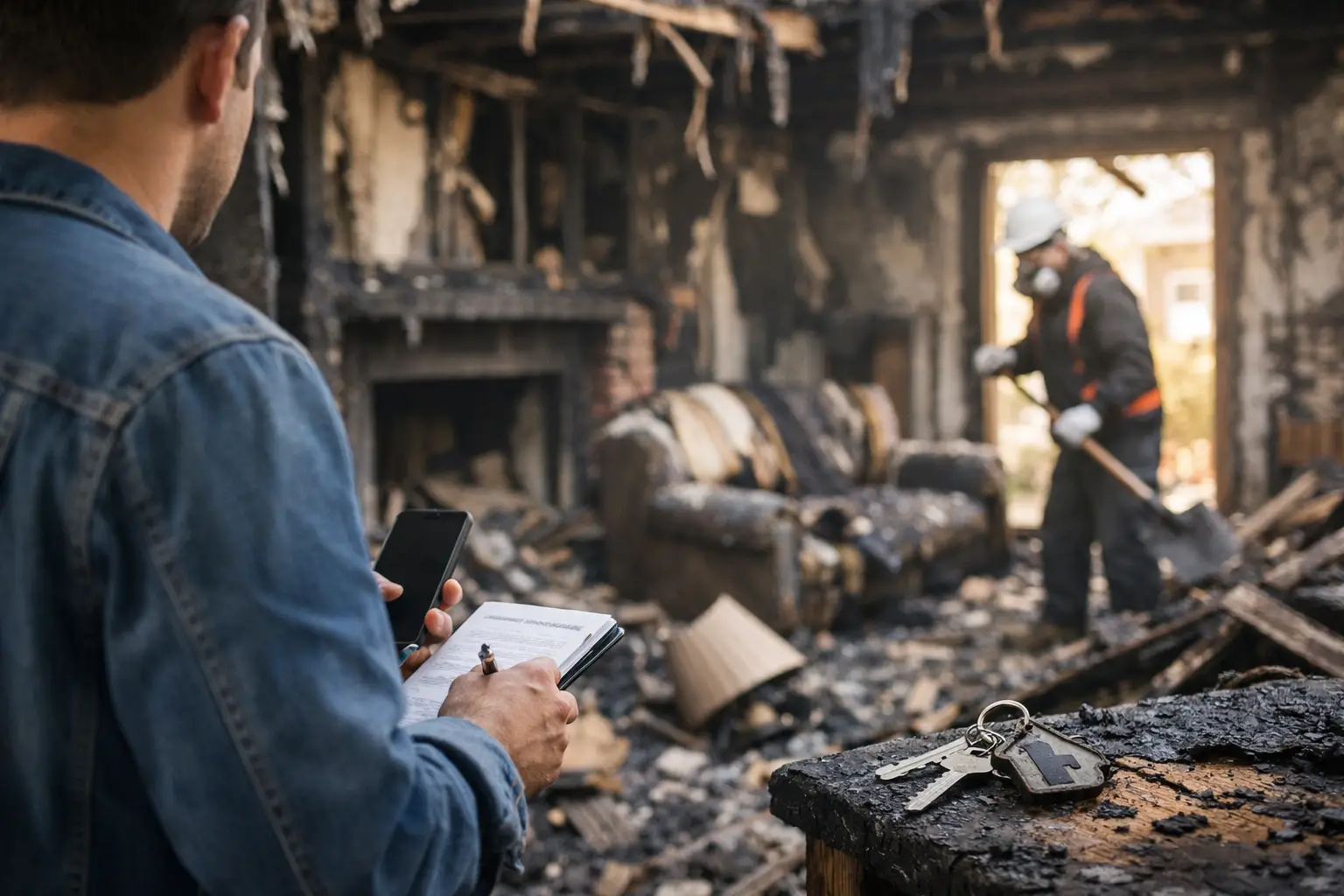 Fire & Smoke
Soot removal, odor deodorization, and content cleaning after fire and smoke damage.
Learn more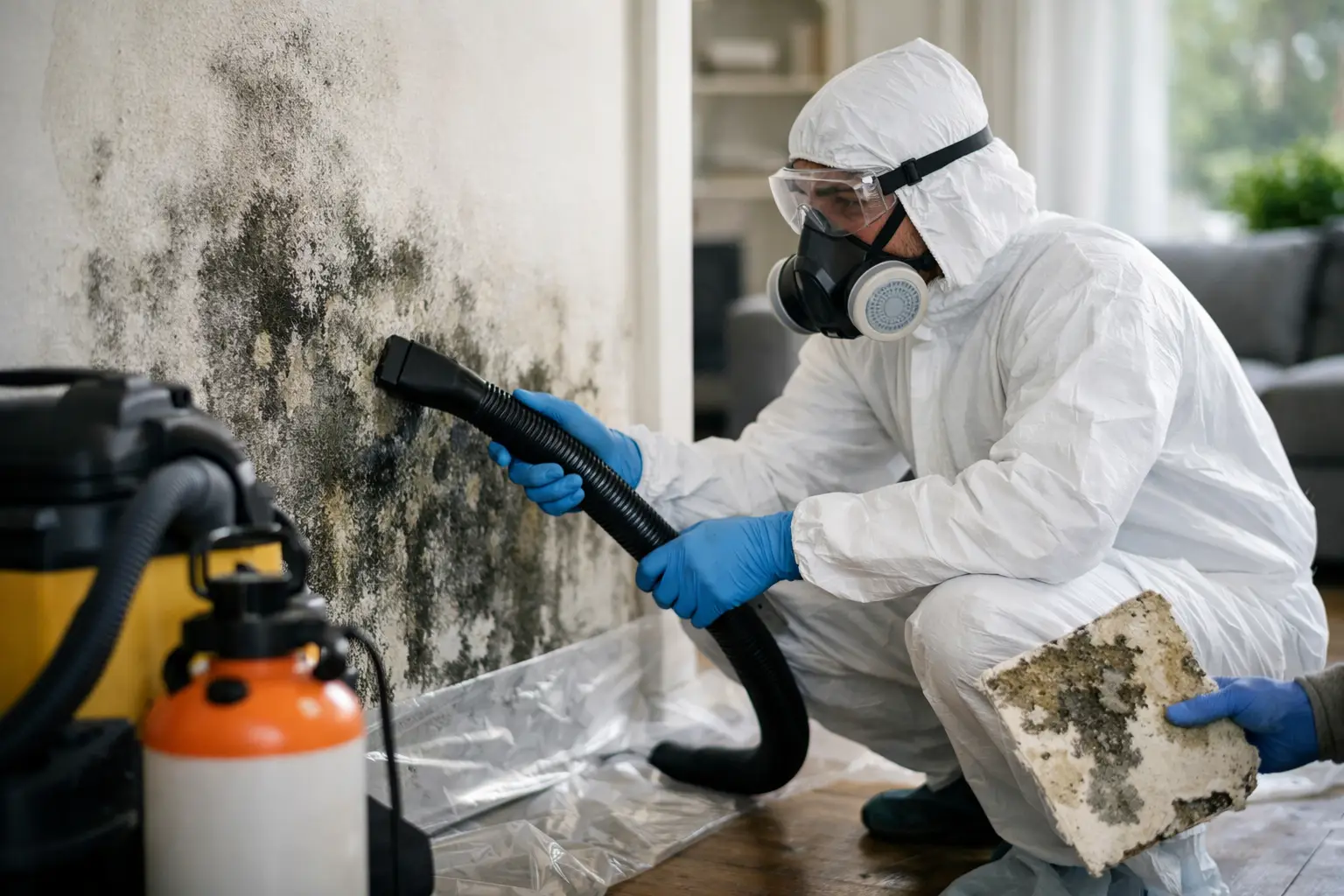 Mold
MoldContainment, removal, and moisture control that stops mold from coming back.
Learn more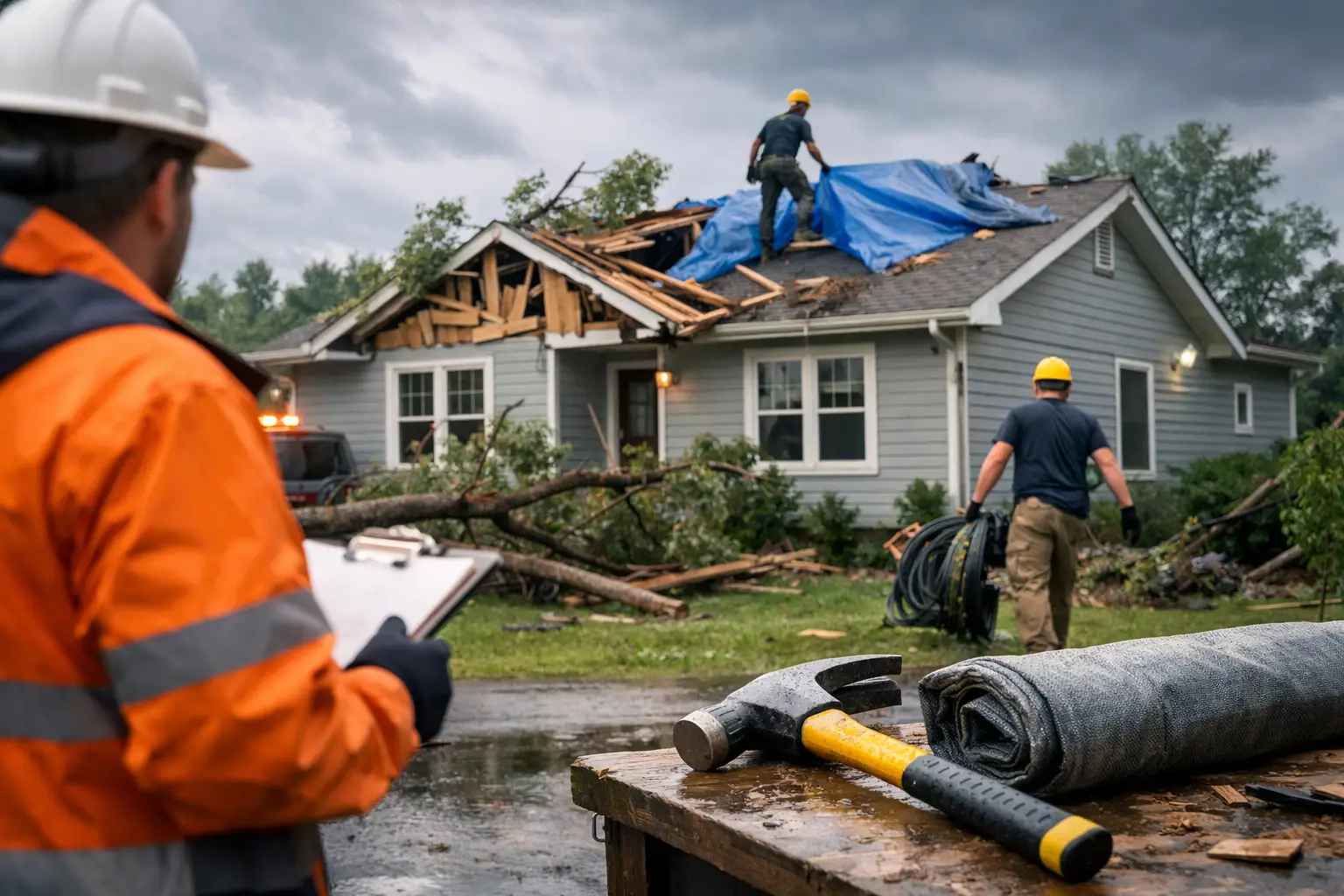 Storm
StormEmergency board-up, roof tarping, and full recovery after wind, hail, and storms.
Learn more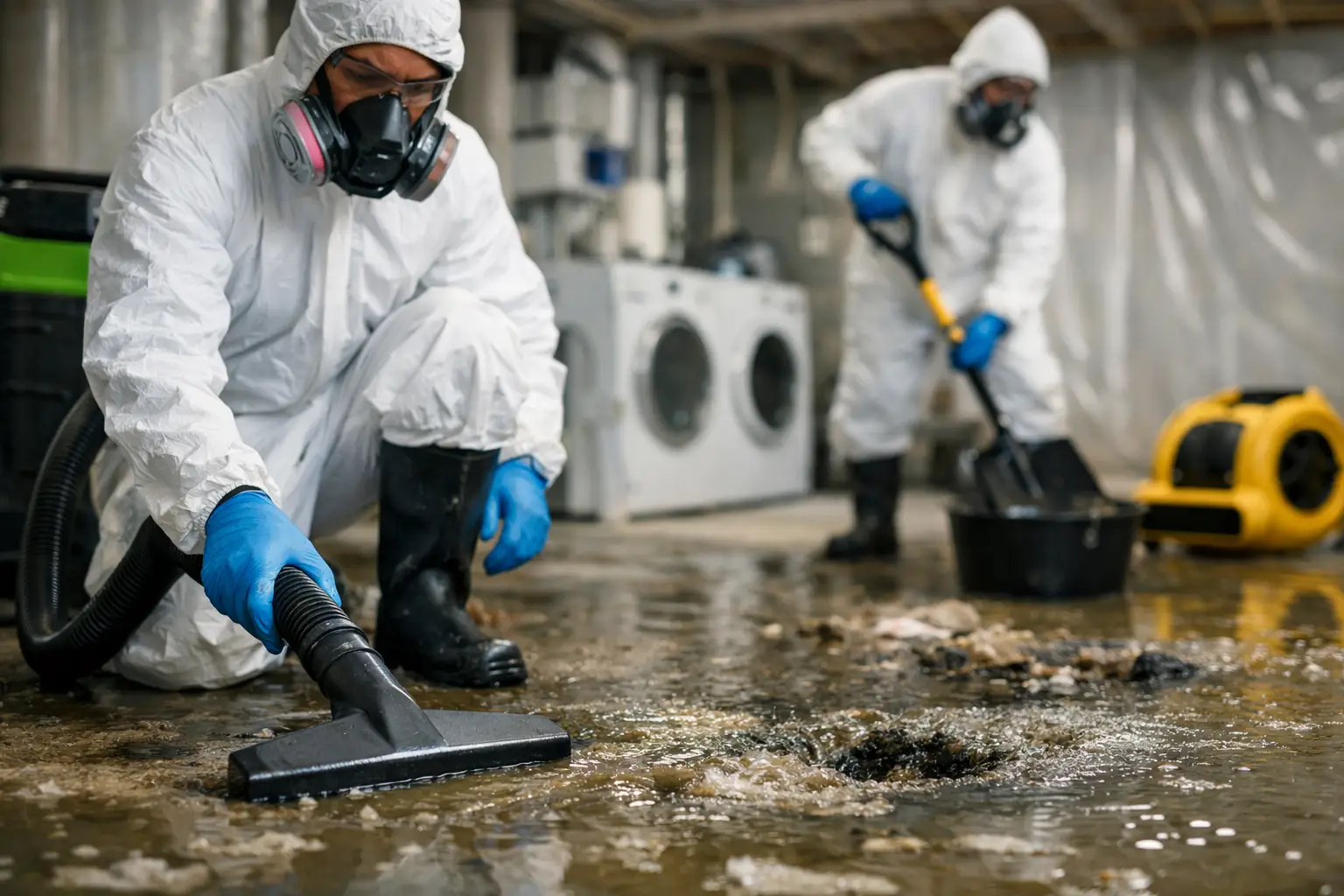 Sewage
Safe biohazard cleanup and sanitizing after sewage backups and overflows.
Learn more Reconstruction
Full rebuild by a licensed general contractor, so your property comes back whole.
Learn moreElevated Operations is an IICRC-certified, licensed general contractor based in Mableton that handles the entire recovery in-house, so after one loss you are never coordinating a cleanup crew, a mold crew, and a contractor separately. One team, one point of contact, from the first pump-out to the final coat of paint.
People call when the property feels like a disaster. They leave reviews because Chris and the crew made it right. These are real, verified Google reviews.
I start with water extraction and source control, then I protect the structure before water spreads through plaster and heart-pine. Oakhurst homes often have older finishes that react fast, so I treat the first hour like a rescue, not a cleanup appointment. If plumbing or sewer backup is involved, I tighten the response immediately.
Yes. I handle flood water removal in basements, crawl spaces, and lower levels across Decatur. The first step is pumping water out or extracting what I can, then I measure what remains in framing, masonry, and flooring. The key is speed, because basement moisture can keep feeding damage long after the water line drops.
Then I treat it as a contamination event, not simple water cleanup. Cast-iron laterals can back water and waste into the home, which changes the cleaning, removal, and drying plan. I move fast, document the loss, and separate salvageable materials from anything that should not stay in the structure.
Yes, I do direct insurance billing. That helps keep the job moving while the paperwork gets handled. I document the loss, explain what was done, and keep the response tied to the real damage in the home, especially when the issue has spread into plaster, flooring, or hidden cavities.
I act quickly and keep the drying balanced. Heart-pine can move if it stays wet, so I focus on water extraction, controlled emergency drying, and close moisture checks. The goal is to prevent cupping, swelling, and hidden moisture from setting up a bigger repair later. Old wood does not forgive delay.
Sometimes, yes, if the response is fast enough. Plaster can hold moisture in layers, so I use emergency drying to pull water out before it causes cracking, softening, or hidden damage. The sooner I get there, the better the chance of preserving the wall and limiting rebuild work.
If it is safe, shut off the water source and keep out of wet areas. Do not pull up materials or use regular household fans and hope for the best. Let me handle the extraction and assessment, because pushing wet air around inside a plaster-walled or wood-floored home can make the damage harder to control.
I tell you after I inspect the source, the material, and how long the water sat. Standing water removal can be enough when the loss is fresh and clean. But if the water reached plaster, insulation, subflooring, or contaminated areas, rebuild may be part of the correct fix.
Elevated Operations dispatches IICRC-certified crews across Metro Atlanta from our Mableton base, with a 60-minute emergency response day or night. Choose your city:
Call now for an immediate response, or request your free inspection and get a certified crew on-site within the hour across Atlanta and nearby areas.