24/7 Emergency Restoration · Serving Metro AtlantaEmergency? (770) 404-6895
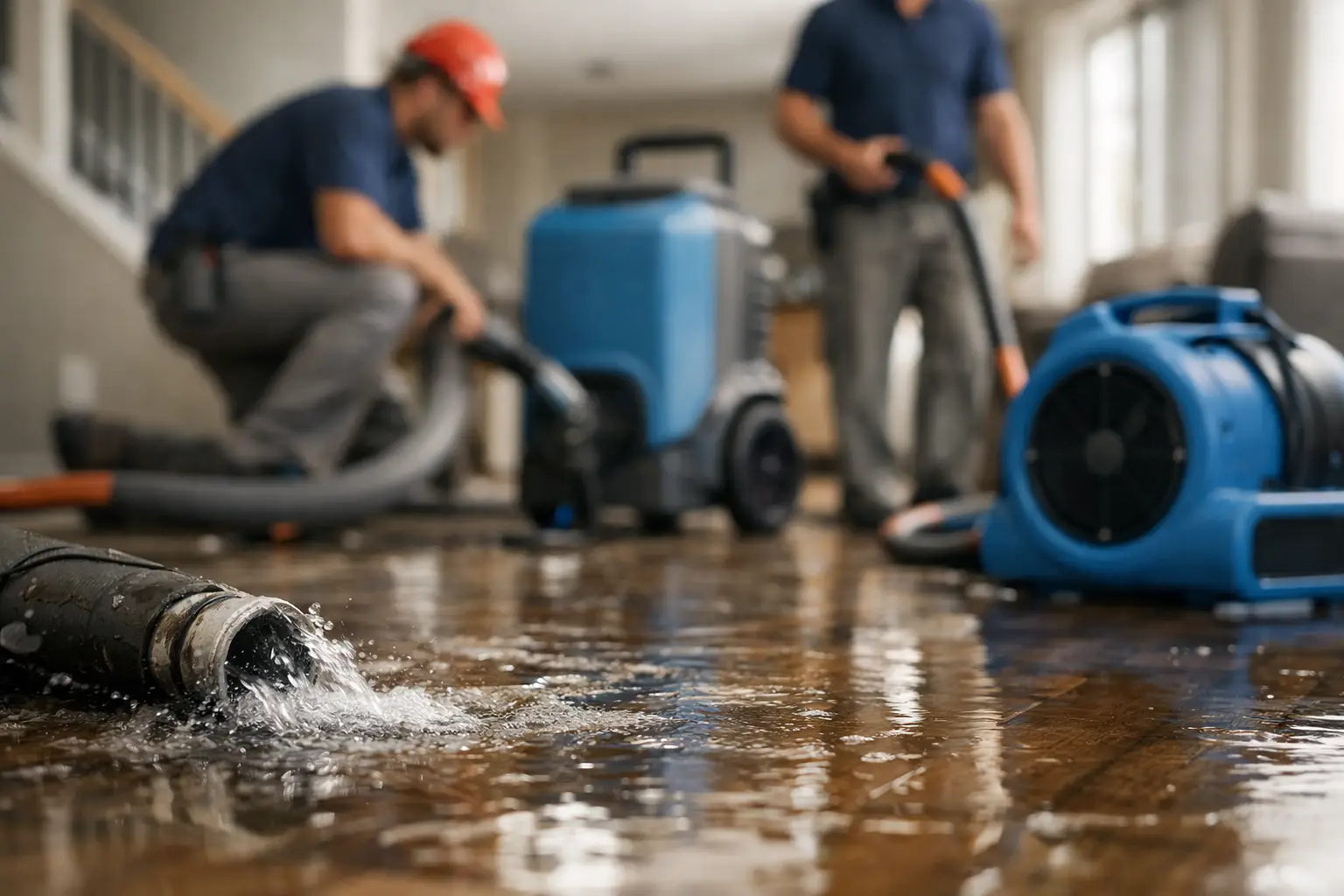
A disaster reconstruction contractor in Union City does more than patch damage, I rebuild homes after water, fire, storm, and structural losses with a direct plan. In south Fulton I-85 subdivisions, the wrong assumption costs time and money. I am Chris Kwangwari, and I keep the process plain.
IICRC-Certified · 5-Star Rated · 60-Minute Response · Insurance Billed Directly
I handle storm-related roof repair as part of the larger reconstruction scope, so the fix ties into the rest of the damaged structure instead of stopping at the shingles.
Only if the framing, insulation, and subfloor are sound. I replace drywall after I confirm the cavity is dry, stable, and ready for a proper rebuild.
Yes. If damage reached framing or load-bearing parts of the home, I address structural repairs as part of the reconstruction plan, not as an afterthought.
Sometimes, but not if the subfloor is damaged or moisture has spread. I check the base layers first, because flooring replacement only lasts when what supports it is corrected too.
No. Cleanup is only the first step, and a disaster reconstruction contractor handles the rebuild that follows once the damage is stabilized. In Union City, especially in south Fulton I-85 subdivisions, that often means roof repair, drywall installation, framing repair, structural repairs, flooring replacement, and full rebuild work.
Myth: if the wet material is removed or the soot is wiped away, the job is done. Fact: damage does not stop at the surface. I look for what was soaked, warped, weakened, or hidden behind walls, because those problems show up later if nobody addresses them now.
Older homes and mixed housing stock near the I-85 corridor can hide damage inside cavities, at subfloors, and around structural connections. That is where a licensed general contractor matters. I have been in restoration since 2007, and I do not confuse drying with recovery.
A real reconstruction scope starts after mitigation. IICRC-certified technicians handle the cleanup side, then I move into the rebuild. That is how you get property reconstruction that actually holds up, not a cosmetic fix that fails when the next rain or humidity hits.
You need reconstruction when damage has affected building materials, structure, or habitability, not just when a room looks messy. If water reached drywall, framing, flooring, or insulation, or if fire and smoke affected finishes and framing, reconstruction is usually the next step.
Myth: homeowners can wait and see. Fact: waiting invites worse damage. Mold starts in 24 to 48 hours, and wet drywall, swollen floors, or compromised framing do not recover on their own. In south Fulton I-85 subdivisions, that delay can spread a small loss through multiple rooms.
Another common mistake is assuming visible damage is the full damage. It is not. I often find structural repairs needed after surface materials come off, because the real issue sits behind the finish. That is why I inspect for what the eye misses, not just what the photo shows.
If a storm opens the roof or a pipe floods a hallway, reconstruction may include roof repair, flooring replacement, and drywall installation in the same project. Direct insurance billing helps keep the paper trail cleaner, and deductible assistance up to $1,000 can make the first step easier.
Yes, and that is usually the smarter move when the same team manages both sides of the job. One contractor can coordinate cleanup, mitigation, and rebuild work so the handoff does not get lost. That matters in Union City, where fast action and clear sequencing save time.
Myth: you need one company for extraction, another for demolition, and another for the rebuild. Fact: every extra handoff creates room for delay and confusion. I keep the job moving from emergency response through reconstruction, which means fewer gaps and fewer chances for a bad assumption.
When one team understands what was removed, what was exposed, and what still needs to be verified, the rebuild is cleaner. I use IICRC-certified technicians for the damage side and licensed contracting oversight for the reconstruction side. That separation of roles is good. The coordination is better.
This is especially useful in south Fulton I-85 subdivisions, where homeowners want the work contained and organized. I work directly with insurance carriers, so the cleanup notes and rebuild scope line up. That reduces friction, and it keeps the project focused on the actual property reconstruction needed.
No. A full rebuild is only necessary when the damage reaches too many systems or the structure itself is too compromised to repair efficiently. Many Union City homes need targeted reconstruction, not a total tear-down, but the right answer depends on what the damage actually touched.
Myth: once a disaster hits, the whole house has to come down. Fact: plenty of losses are repaired with focused work. I may be able to address only the affected areas with framing repair, drywall installation, or flooring replacement if the structure and remaining materials are sound.
But I do not pretend a weak structure is fine just because the room looks usable. If water sat too long, or fire affected framing and hidden assemblies, I will call for structural repairs. The goal is to restore function without underbuilding the fix.
Union City has a mix of homes near the interstate and in established neighborhoods, and each one reacts differently to damage. A full rebuild is a serious call, not a default. I make that call based on actual conditions, insurance scope, and whether the home can be made right another way.
It depends on the scope, the materials affected, and whether hidden damage is found after demolition. A small repair can be very different from a full rebuild. I do not guess on timing, because honest sequencing matters more than a made-up promise that sounds good for a day.
Myth: a contractor should give a fast date before seeing the damage. Fact: good reconstruction starts with verification. I review what was damaged, what needs to be removed, and what needs to be rebuilt before I talk about the path forward. That keeps surprises from stacking up later.
Union City jobs can move quickly when the damage is limited, but floodwater, smoke, or structural issues change the schedule. If I find framing repair, structural repairs, or electrical and finish material replacement needs, the job becomes more layered. That is normal, not a problem.
I do offer 60-minute emergency response 24/7, and that first call matters because it starts the right sequence. After that, the pace depends on the loss itself, insurance coordination, and what the house reveals once opened. Real timelines come from real conditions, not a script.
I assess the damage, coordinate the rebuild, and restore affected parts of the home after cleanup. In south Fulton I-85 subdivisions, that often means managing roof repair, drywall installation, framing repair, structural repairs, flooring replacement, and the insurance paperwork that keeps the job moving.
Myth: the contractor just patches what you can see. Fact: I handle the rebuild side of disaster recovery, which means I look at the damaged structure, materials, and finishes together. If the loss crossed from surface damage into framing or subflooring, I plan for that upfront.
I am owner Chris Kwangwari, and I run Elevated Operations, LLLP from Mableton. I have been in restoration since 2007, I am a licensed general contractor, and my team includes IICRC-certified technicians. That combination matters when a home needs cleanup coordination and reconstruction under one roof.
In Union City, the question is rarely whether damage happened. The real question is whether the house was repaired in the right order. That is where direct insurance billing helps, and why I insist on clear scopes for property reconstruction instead of vague promises.
Fact: drying only stops the damage from spreading. If drywall, flooring, or framing stayed wet, I still need to remove compromised material and rebuild the affected areas correctly.
Fact: disaster work is different. IICRC-certified cleanup, licensed general contracting, and direct insurance billing all matter when a loss involves structural repairs and a documented rebuild.
Fact: coverage depends on the policy and scope. I work directly with insurance carriers and help with the deductible up to $1,000, but the repair path still has to match the actual damage.
From emergency mitigation to full reconstruction, handled in-house so you are never managing a chain of subcontractors mid-crisis.
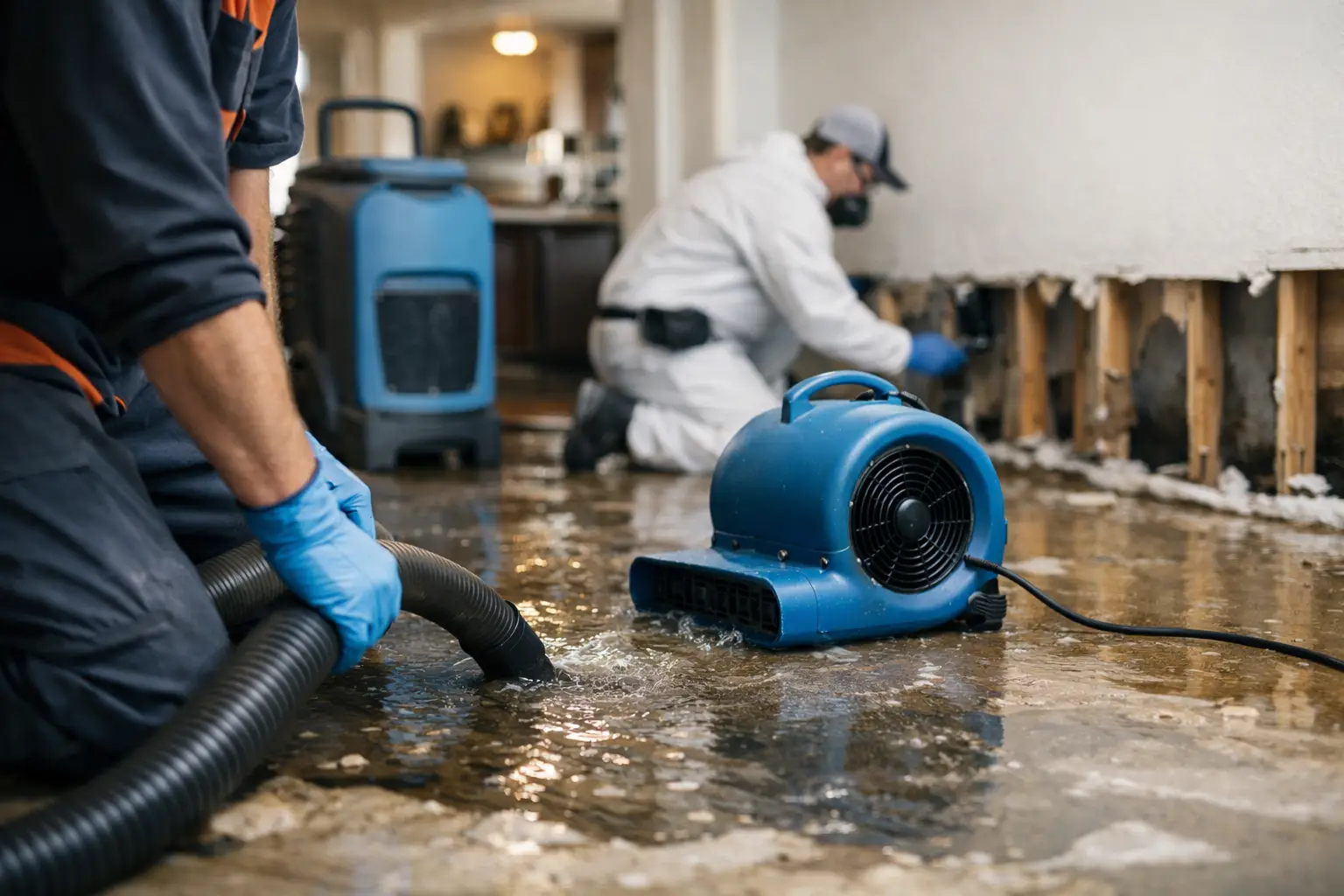 Water Damage
Extraction, structural drying, and moisture mapping after floods, leaks, and burst pipes.
Get help now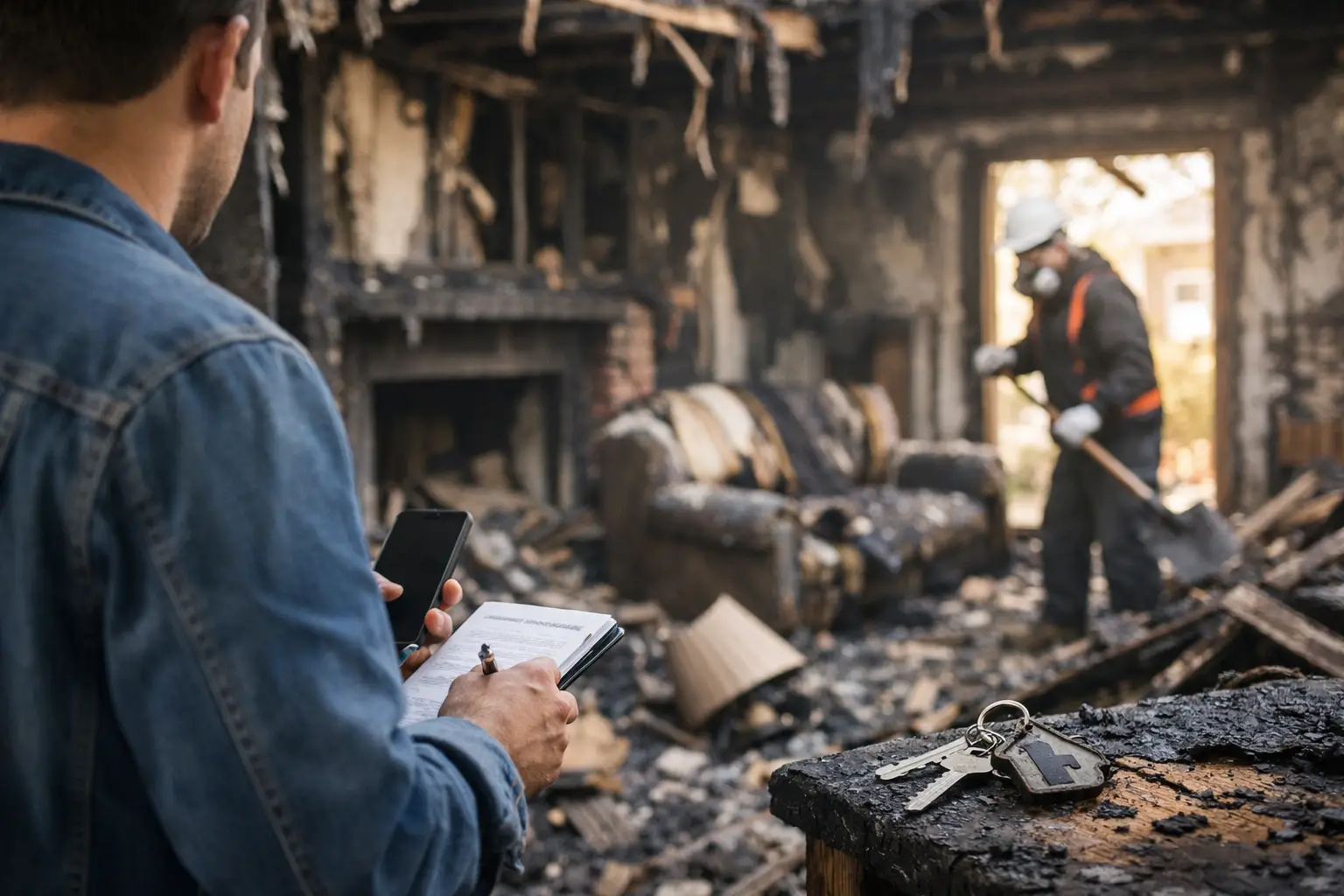 Fire & Smoke
Soot removal, odor deodorization, and content cleaning after fire and smoke damage.
Learn more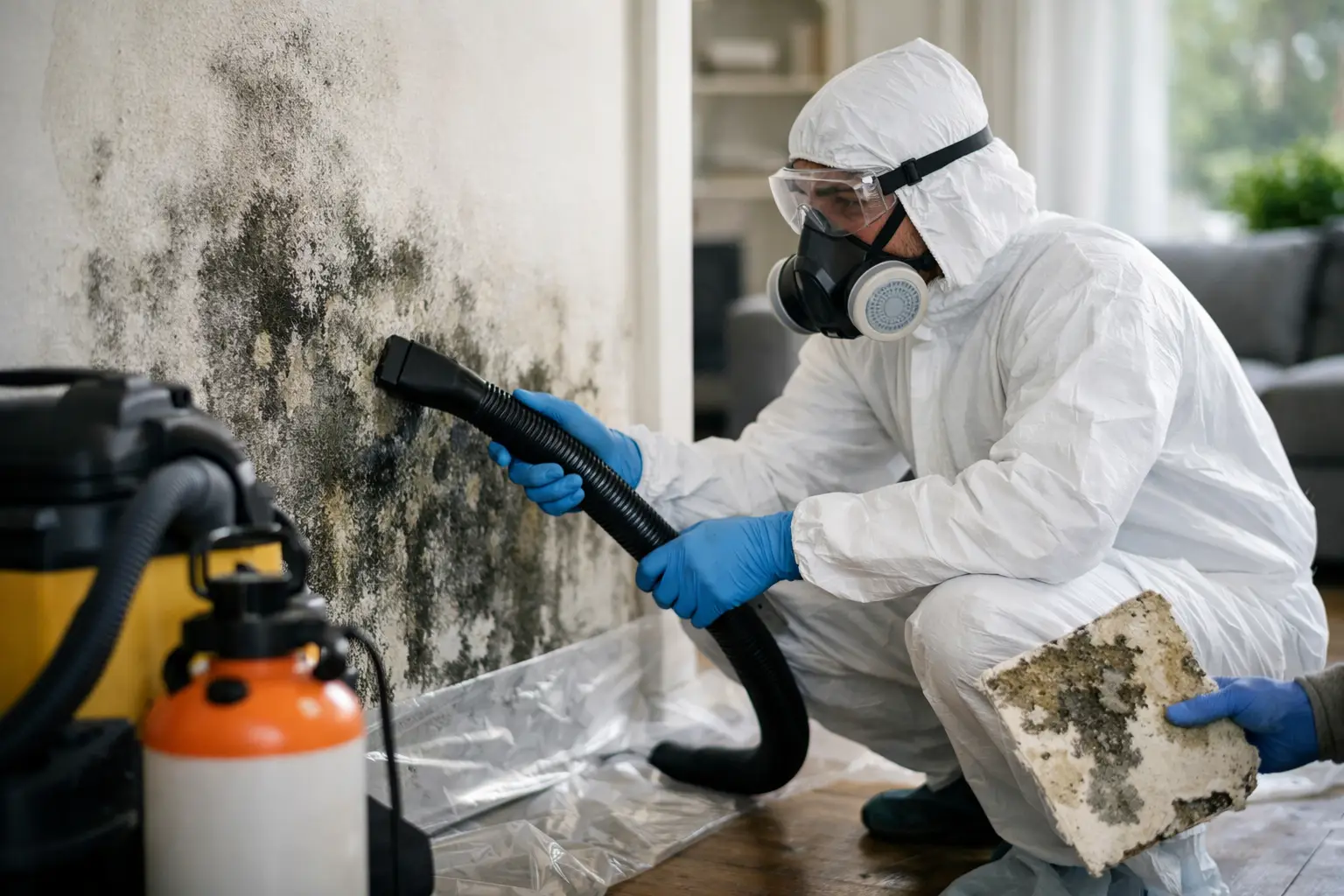 Mold
MoldContainment, removal, and moisture control that stops mold from coming back.
Learn more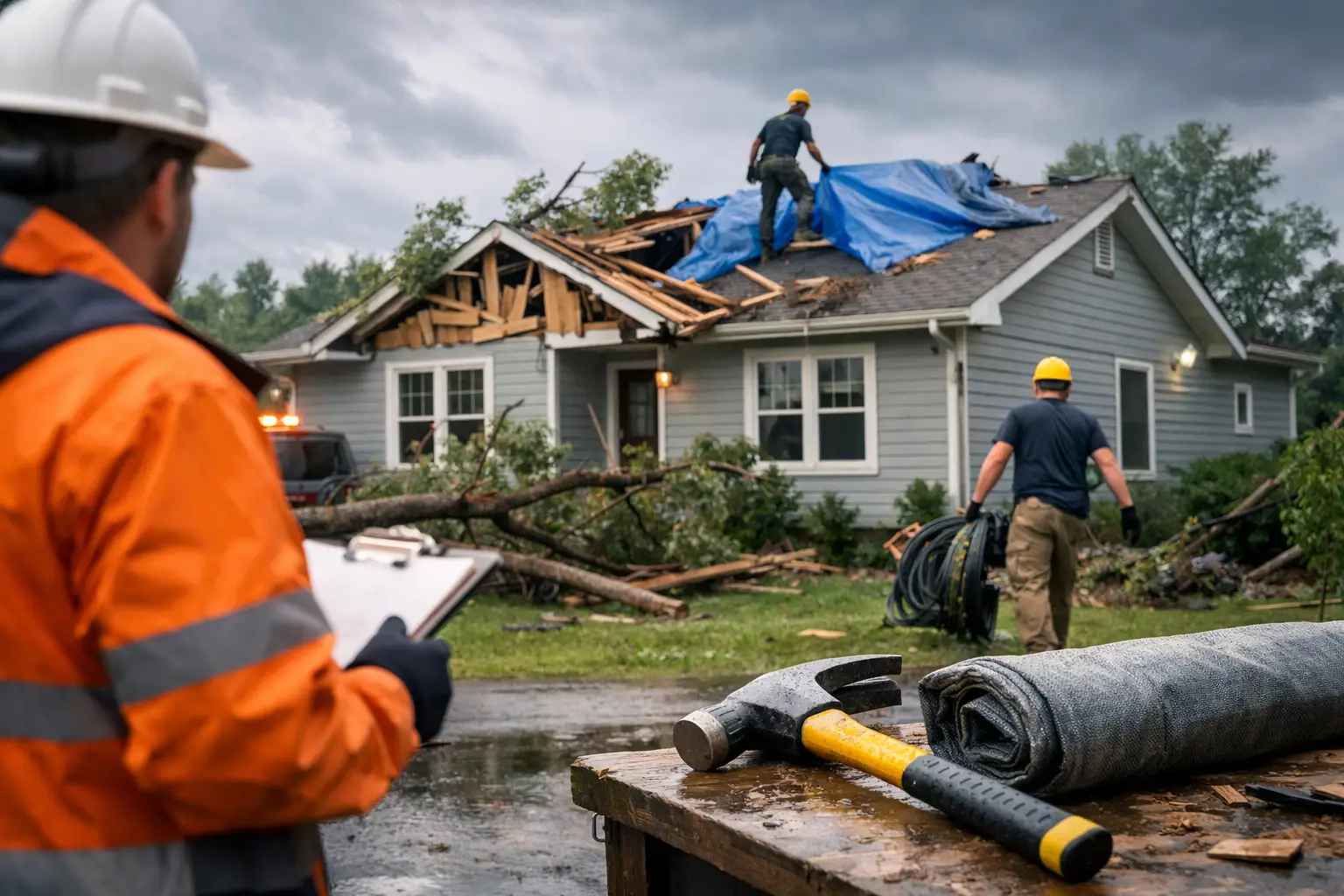 Storm
StormEmergency board-up, roof tarping, and full recovery after wind, hail, and storms.
Learn more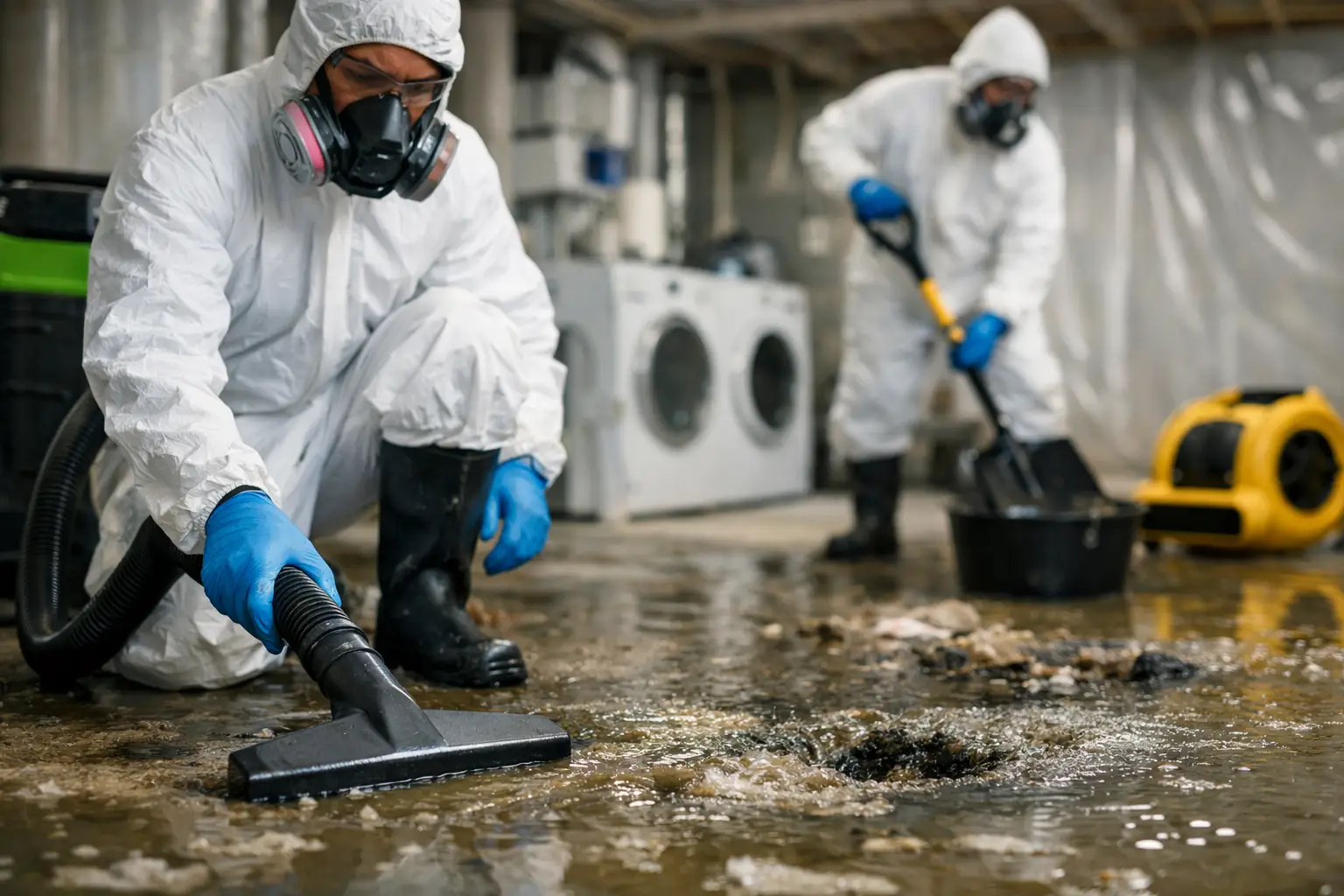 Sewage
Safe biohazard cleanup and sanitizing after sewage backups and overflows.
Learn more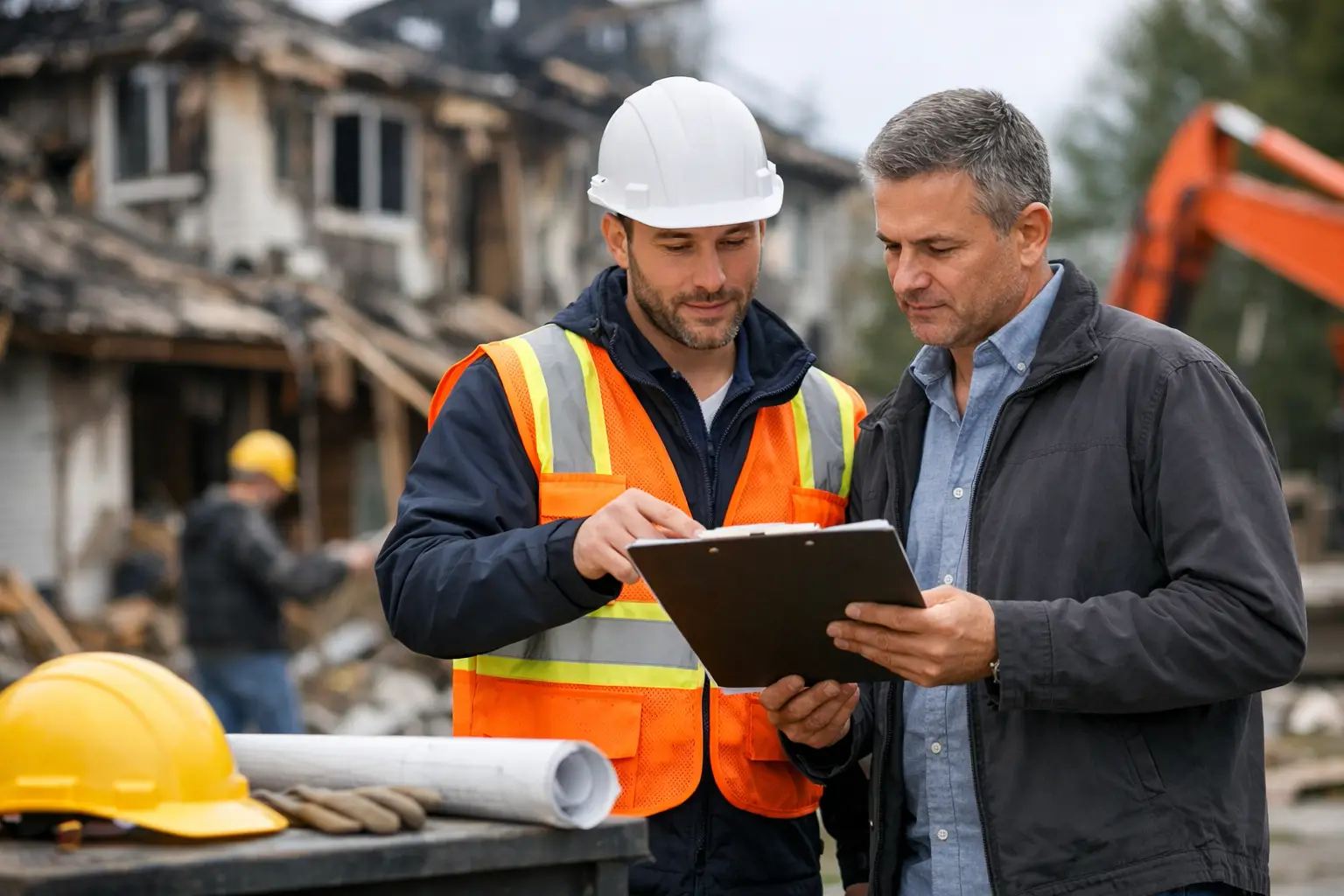 Reconstruction
Full rebuild by a licensed general contractor, so your property comes back whole.
Learn moreElevated Operations is an IICRC-certified, licensed general contractor based in Mableton that handles the entire recovery in-house, so after one loss you are never coordinating a cleanup crew, a mold crew, and a contractor separately. One team, one point of contact, from the first pump-out to the final coat of paint.
People call when the property feels like a disaster. They leave reviews because Chris and the crew made it right. These are real, verified Google reviews.
If the loss affected drywall, flooring, framing, or the structure itself, you need a disaster reconstruction contractor. A handyman can patch surfaces, but disaster work needs cleanup coordination, reconstruction planning, and sometimes direct insurance billing. I handle the rebuild side so the home is repaired in the right order, not just made to look better for a week.
I assess what the storm damaged, remove compromised materials, and rebuild the affected parts of the home. That can include roof repair, framing repair, drywall installation, flooring replacement, and structural repairs. In Union City, I also coordinate with insurance so the reconstruction scope matches the actual loss.
If water, fire, or impact damage reached more than a finish surface, reconstruction is likely needed. Signs include sagging drywall, warped floors, exposed framing, or visible structural damage. I inspect for hidden issues too, because what looks minor can become major once the wall cavity or subfloor is opened.
Yes. I often manage the project from emergency response through reconstruction. That avoids gaps between mitigation and rebuilding, which is where problems usually start. One team means fewer handoffs, cleaner documentation, and a more organized path from damaged room to finished space.
The timeline depends on the scope, hidden damage, and materials affected. A small repair moves differently than a full rebuild. I do not guess at timing before I inspect the damage, because an honest schedule has to account for what is behind the walls and under the floors.
Yes, I provide 60-minute emergency response 24/7. That matters when damage is active and the home needs fast attention before the problem spreads. The first response is about stabilizing the loss, then I move into reconstruction planning once the affected areas are safe to open.
Yes, I use direct insurance billing. That helps keep the paperwork organized from the start and reduces delays in the reconstruction phase. I still focus on the actual damage first, because the insurance file only works when the scope reflects what the home truly needs.
I bring restoration experience, not just construction. I have been in restoration since 2007, I am IICRC-certified on the mitigation side, and I am a licensed general contractor on the rebuild side. That matters when the job includes both cleanup and property reconstruction.
Elevated Operations dispatches IICRC-certified crews across Metro Atlanta from our Mableton base, with a 60-minute emergency response day or night. Choose your city:
Call now for an immediate response, or request your free inspection and get a certified crew on-site within the hour across Atlanta and nearby areas.