24/7 Emergency Restoration · Serving Metro AtlantaEmergency? (770) 404-6895
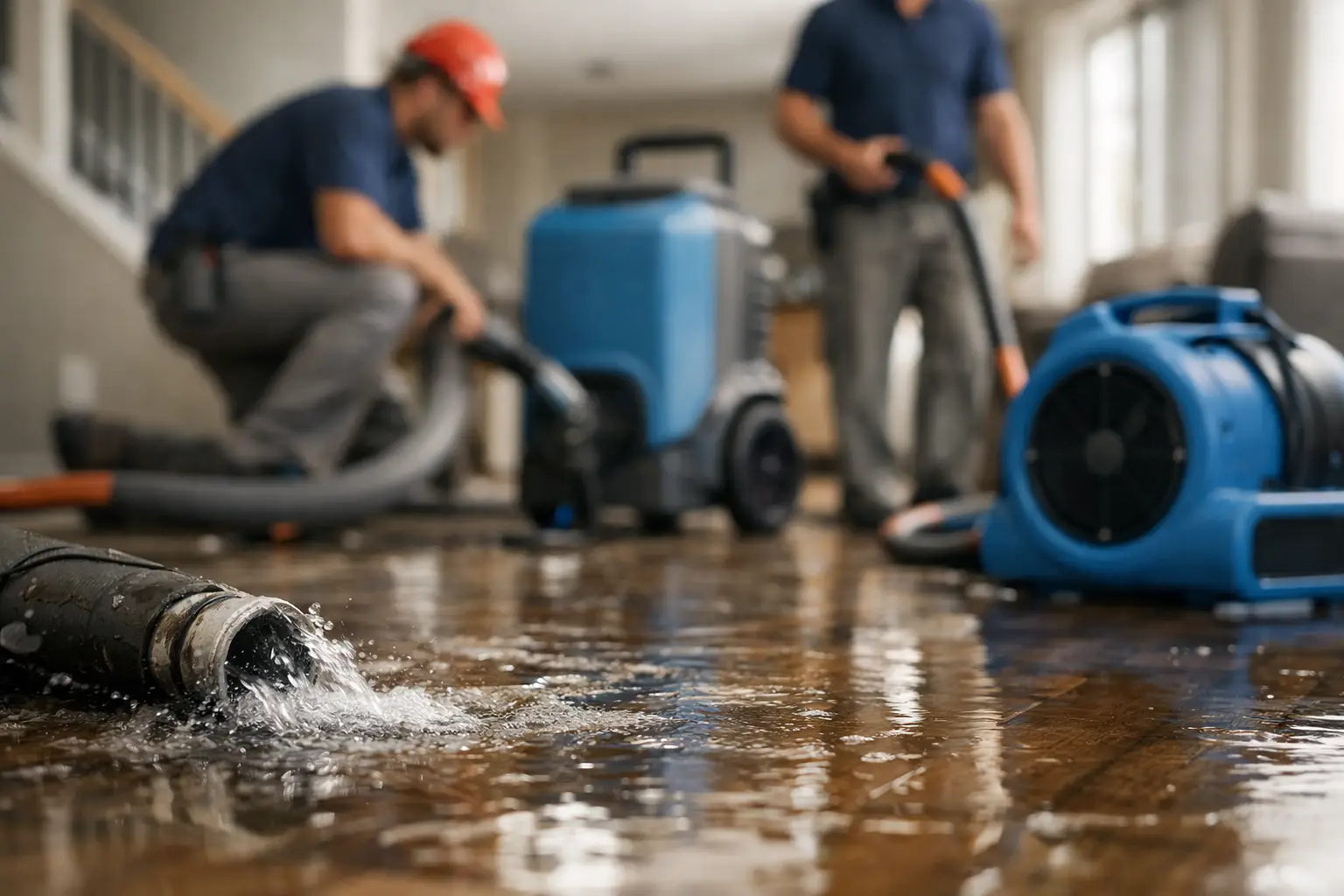
Mold removal services Acworth need a fast, practical response, and that is how I run this work from my Mableton base. I am Chris Kwangwari, owner of Elevated Operations, LLLP, and my crew handles inspection, containment, cleanup, and repair with IICRC-certified technicians, direct insurance billing, and a 12-month warranty.
IICRC-Certified · 5-Star Rated · 60-Minute Response · Insurance Billed Directly
Yes. Those local moisture conditions are exactly why I take a source-first approach on every mold job.
I serve Cobb, Fulton, DeKalb, Douglas, Clayton, Henry, and Paulding counties.
I offer direct insurance billing and document the damage so the claim process stays organized.
I have been in restoration since 2007, and my team uses IICRC-certified methods with a 12-month warranty.
You need mold removal services when you see growth, smell a musty odor, or find water damage near a Lake Acworth dock, crawlspace, or attic. In Acworth, the warning signs often show up after roof leaks, plumbing leaks, or damp spaces that stay closed up too long.
Start with the smell. If a room near the lake side of your home or a shaded crawlspace carries that damp, earthy odor, I want it checked fast. Mold inspection is not guesswork, and waiting gives the colony more time to spread through porous materials.
Look at the surfaces next. Dark spotting on drywall, baseboards, bathroom trim, or closet walls can be mold growth, but it can also be staining from prior moisture. I separate those two problems quickly, because mold cleanup starts with knowing what is active and what is only damaged.
Acworth homes see a mix of older framing, lake moisture, and tight insulation upgrades. That combination can trap humidity in places you rarely inspect, especially around HVAC closets and under flooring near the water. When that happens, I move into containment, air scrubbing, and hepa vacuuming before the issue migrates.
Mold removal services include inspection, source tracking, containment, cleanup, and final repair planning. I use IICRC-guided methods, direct insurance billing, and licensed contracting support when mold damage repair is needed after the wet materials come out.
The work starts with a close look at the affected area. I check for visible growth, moisture history, and building materials that can hold contamination. If the problem is active, I set containment to keep disturbed particles from moving into clean rooms while we work.
Then comes the removal phase. That may include hepa vacuuming of exposed surfaces, wiping salvageable areas, and pulling out materials that cannot be cleaned. Mold abatement is not about making a wall look better. It is about removing the conditions and the material that let mold keep living there.
After cleanup, I look at what the water actually damaged. Sometimes that means drywall replacement or other mold damage repair. Sometimes it means nothing more than drying, monitoring, and a documented closeout. I keep the process direct, and I do not push work you do not need.
Yes, moisture from Lake Acworth and the Allatoona dock area can make mold harder to stop because humidity and wind-driven dampness linger around exterior walls, crawlspaces, and boat-storage areas. That does not mean the home is doomed, it means the drying and cleanup plan has to be sharper.
Homes near the lake can hold damp air longer than people expect, especially when afternoon heat and evening cooling keep surfaces wet. I see that pattern in crawlspaces, behind furniture on exterior walls, and in closets that do not get much airflow. Mold remediation has to account for that local moisture pattern.
Allatoona dock properties can have their own problems too, especially where boats, gear, and wet shoes track moisture inside. If a basement, garage, or lower-level room has repeated dampness, mold inspection should focus on the hidden spaces, not just the obvious wall stain.
Acworth is not one moisture situation, it is several. A ranch near the lake, a two-story home farther inland, and a basement property all fail differently. My job is to find the source first, then decide whether cleanup alone works or whether containment and removal are necessary.
Yes, mold can return after removal if the moisture source stays active or the affected materials were not fully addressed. In Acworth, that usually means a leak, poor ventilation, or humidity from a crawlspace near Lake Acworth or the Allatoona dock area that was never corrected.
This is where a lot of people get burned. They clean what they can see, paint over the stain, and assume the job is done. It is not. If the wall cavity, subfloor, or attic still has moisture, mold starts again, often in the same place and sometimes worse.
I look at the source first because source control is what keeps the problem from coming back. That may involve drying, repairing a leak, or changing airflow. Mold remediation without moisture control is temporary, and I do not pretend otherwise.
The 12-month warranty matters because it shows how I stand behind the work. But a warranty is not magic. If the structure keeps feeding the mold, no contractor can make that disappear by wishful thinking. Fix the source, remove the damaged material, and document the dry-out.
Check the moisture source first, then check the affected building materials. In Acworth, that usually means the crawlspace, roofline, plumbing runs, bathroom walls, or any area with lake-side humidity and poor airflow before you start any mold cleanup or demolition.
I tell homeowners to stop and look up, down, and behind. Look for leaks at the ceiling, wet trim near windows, bulging drywall, and damp insulation. If the issue is below grade, crawlspace moisture can travel upward and trigger odor or growth in living areas.
Next, check whether the space has been disturbed already. If someone has tried to scrub the area without proper containment, mold spores can spread to nearby rooms. That is when air scrubbing and hepa vacuuming become part of the response, not an optional extra.
If the home sits closer to Lake Acworth or has a dock-facing exposure around Allatoona, check for recurring dampness after storms and temperature swings. Those properties need a sharper eye because moisture patterns can change fast, and mold damage repair gets more expensive the longer the structure stays wet.
Homeowners call me because mold removal services are more than bleach and elbow grease. I bring licensed general contracting, direct insurance billing, and IICRC-certified technicians, so the cleanup is handled as a restoration job, not a weekend experiment that misses the source.
DIY cleanup often makes the mess invisible, not gone. If you wipe the surface but leave damp framing, insulation, or drywall behind, the colony can keep spreading. I have seen that happen in homes where the homeowner only treated the spot they could reach.
When I arrive, I can move quickly. My team offers 60-minute emergency response 24/7, and that matters when a leak is active or the smell gets stronger by the hour. Fast arrival does not replace good work, but it does limit how far the damage travels.
And because I have been in restoration since 2007, I know what Acworth properties tend to hide. Older housing stock, lake moisture, and repeated humidity cycles create predictable failures. I do not guess. I inspect, contain, remove, and repair with a clean chain of responsibility.
If the smell returns after cleaning, the source is still active. That is common in crawlspaces, closets, and lower levels near Lake Acworth.
Brown, black, or green spotting can mean water intrusion and possible mold growth. I want the moisture source checked before any cosmetic fix.
When materials feel weak or look bubbled, they may need removal, not just surface cleaning. Mold damage repair often starts there.
If a room stays humid or damp after rain, Lake Acworth and Allatoona exposure may be part of the problem, especially in older framing.
If someone already tried a quick wipe-down and the issue came back, you likely need mold remediation with containment and source control.
From emergency mitigation to full reconstruction, handled in-house so you are never managing a chain of subcontractors mid-crisis.
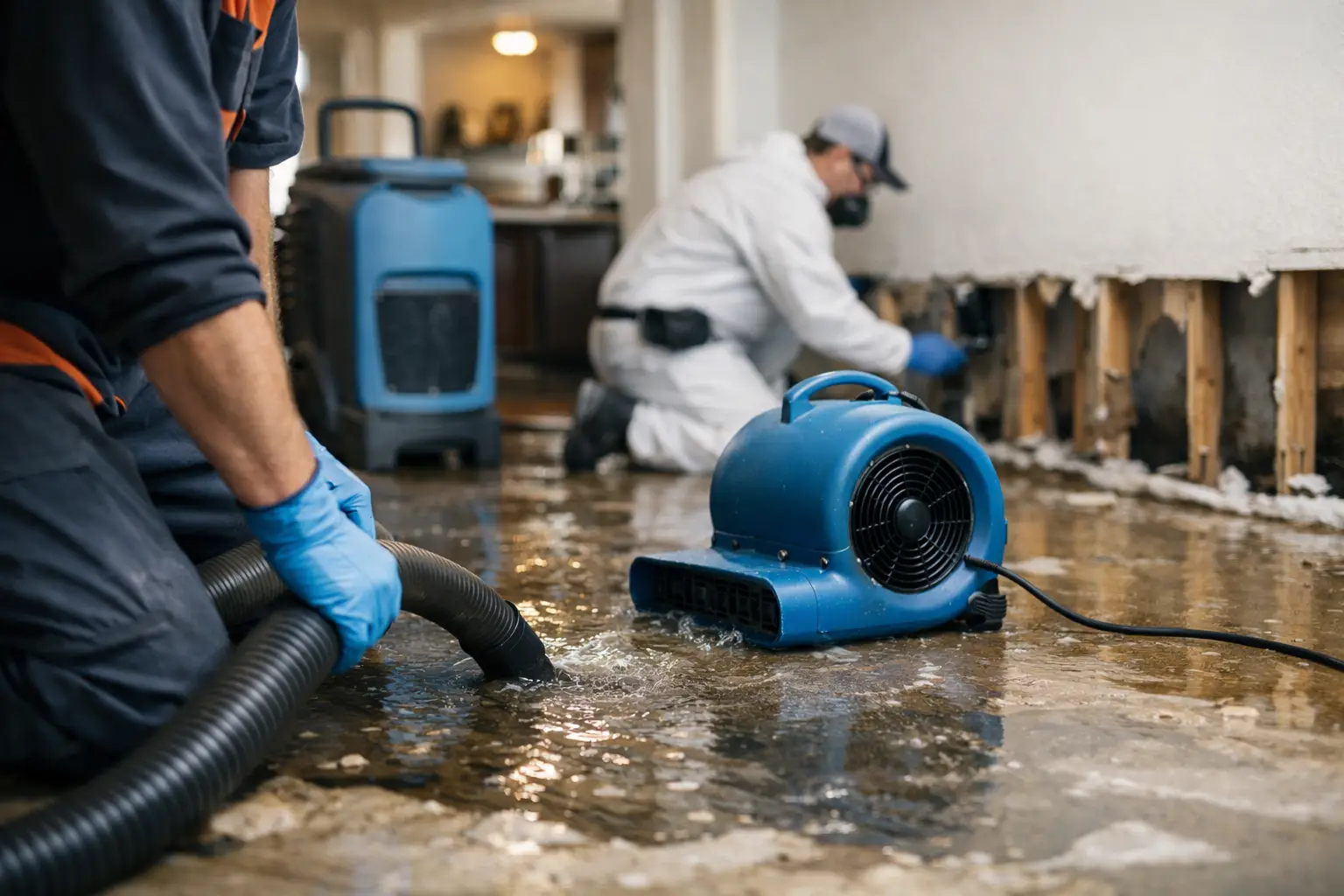 Water Damage
Extraction, structural drying, and moisture mapping after floods, leaks, and burst pipes.
Get help now Fire & Smoke
Soot removal, odor deodorization, and content cleaning after fire and smoke damage.
Learn more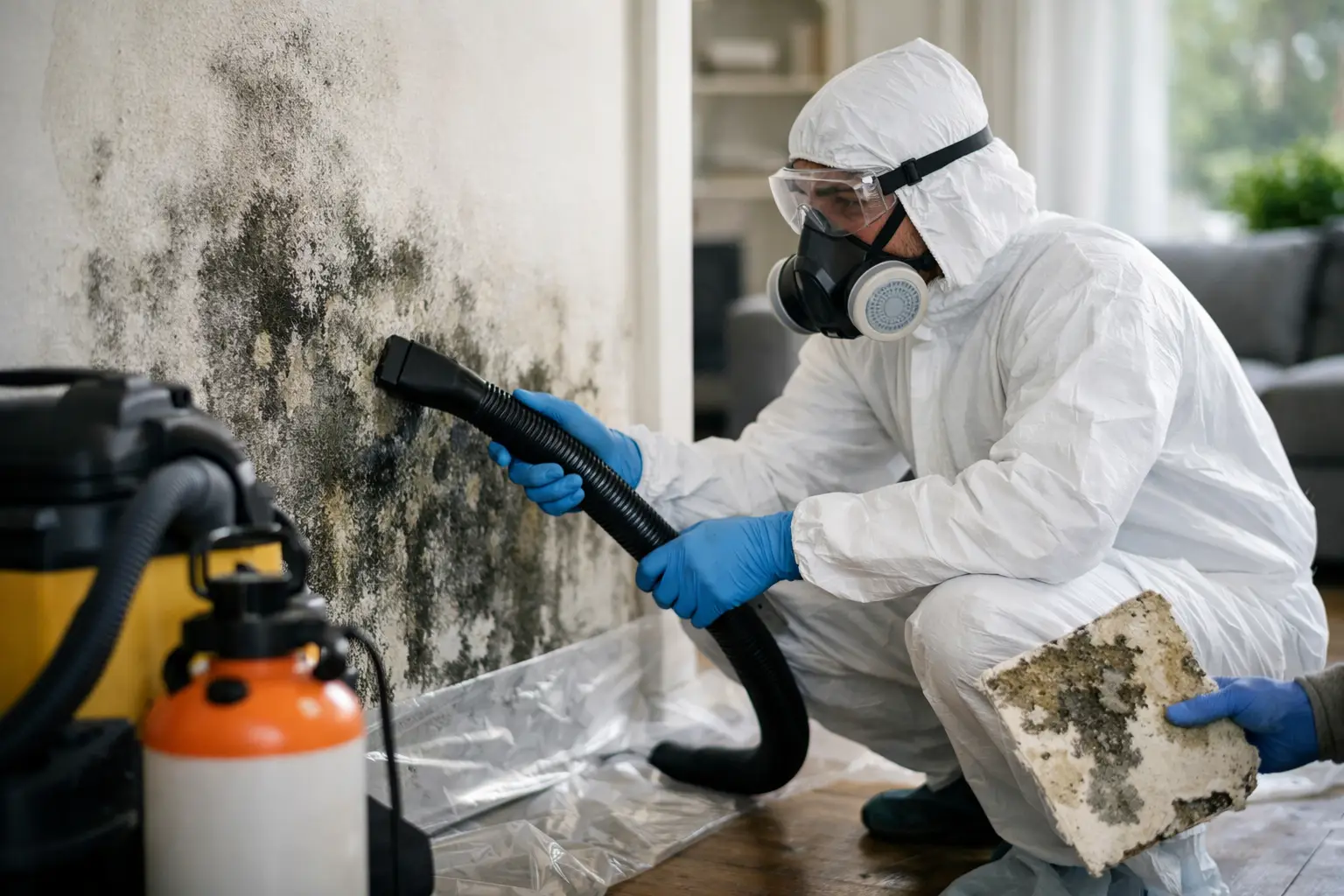 Mold
MoldContainment, removal, and moisture control that stops mold from coming back.
Learn more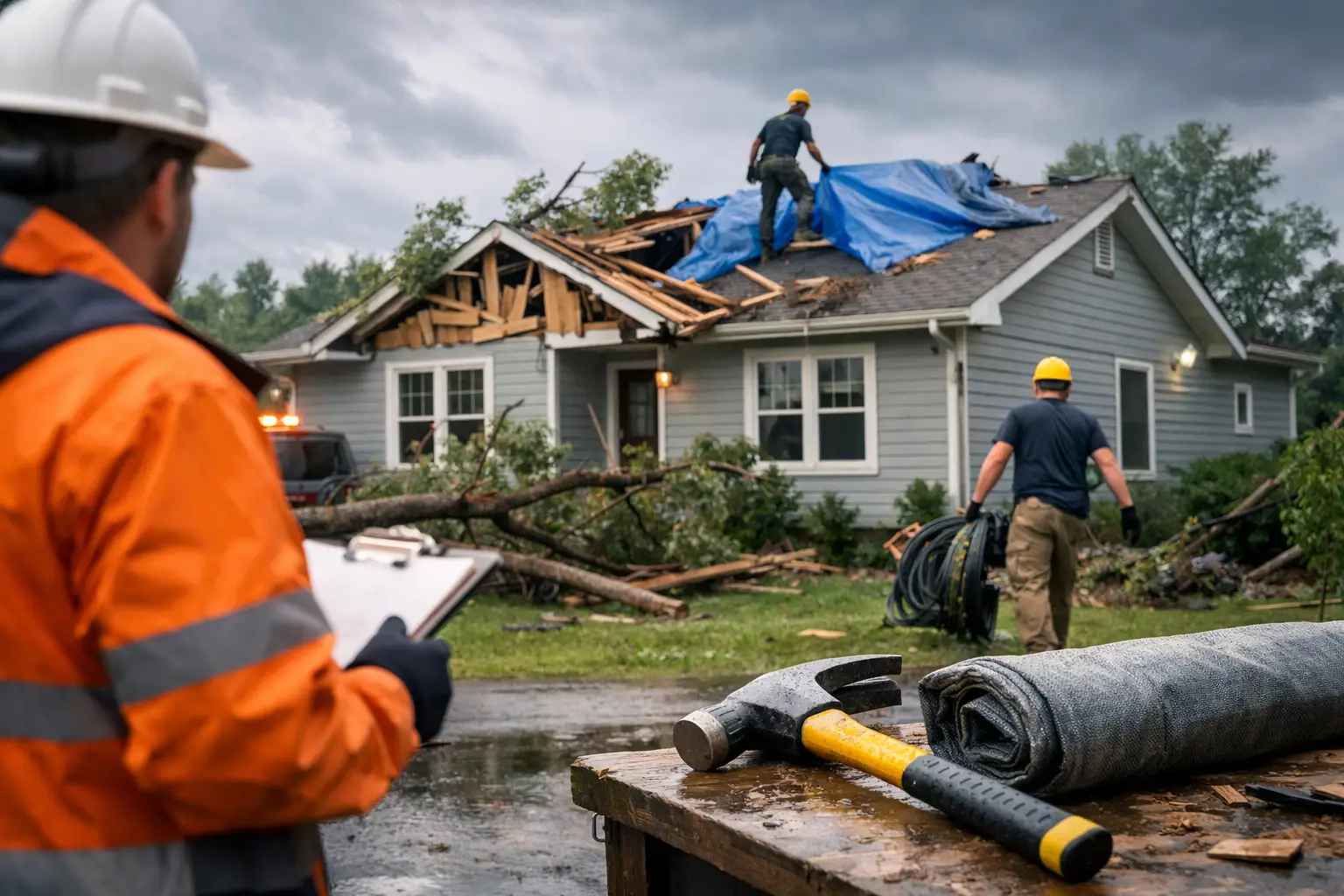 Storm
StormEmergency board-up, roof tarping, and full recovery after wind, hail, and storms.
Learn more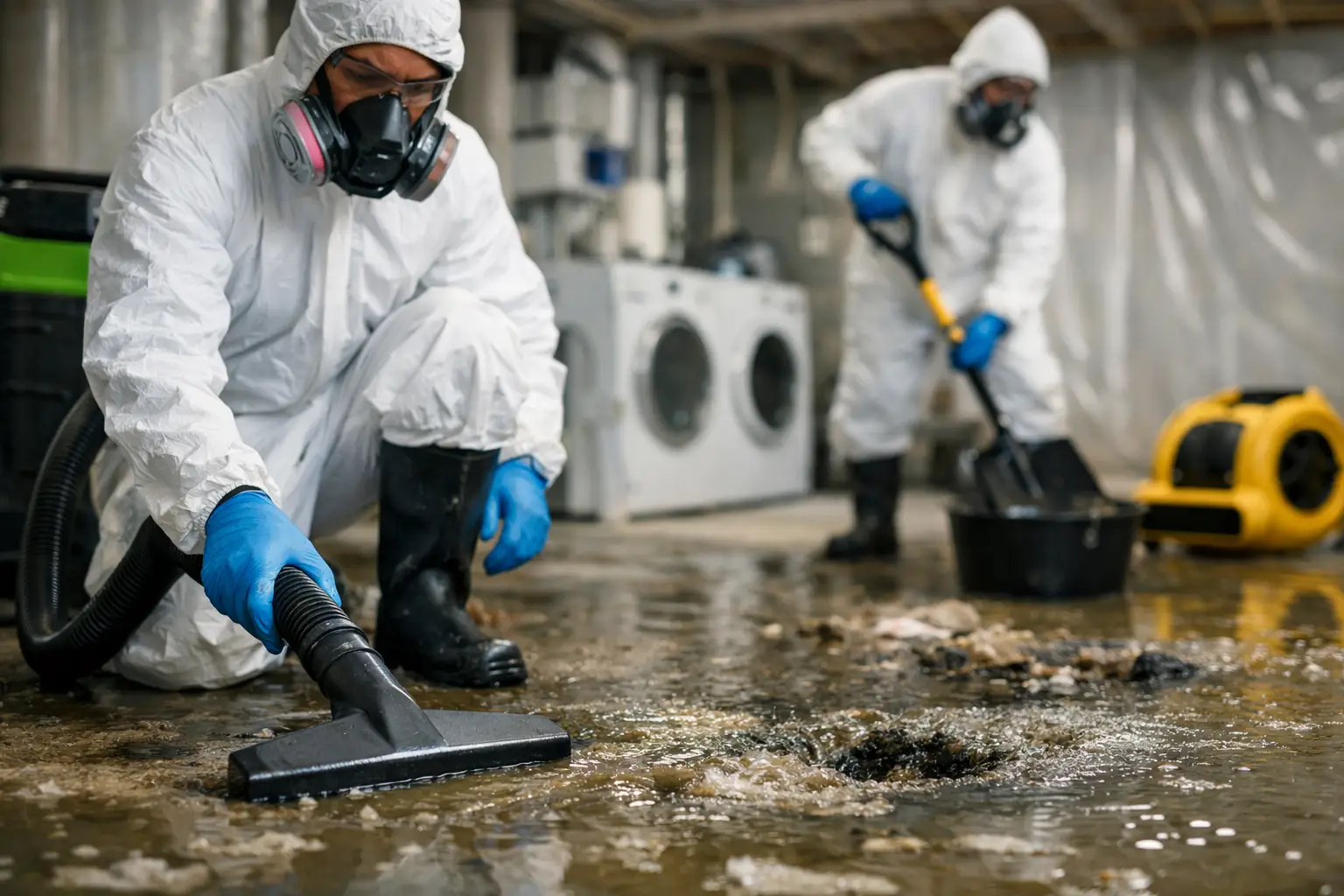 Sewage
Safe biohazard cleanup and sanitizing after sewage backups and overflows.
Learn more Reconstruction
Full rebuild by a licensed general contractor, so your property comes back whole.
Learn moreElevated Operations is an IICRC-certified, licensed general contractor based in Mableton that handles the entire recovery in-house, so after one loss you are never coordinating a cleanup crew, a mold crew, and a contractor separately. One team, one point of contact, from the first pump-out to the final coat of paint.
People call when the property feels like a disaster. They leave reviews because Chris and the crew made it right. These are real, verified Google reviews.
Good mold removal services address both the growth and the cause. I start with the source because if the leak, damp crawlspace, or humidity problem stays active, the mold can come right back. That is especially true around Lake Acworth and dock-side properties where moisture can linger in hidden spaces.
That is enough reason to call. Hidden mold often lives behind drywall, under flooring, or inside a crawlspace where you cannot see it. I would start with mold inspection, check moisture patterns, and decide whether containment and cleanup are needed before the problem spreads farther.
Yes, especially if the crawlspace stays damp or ventilation is poor. I see that in homes near the lake and in older Acworth builds with recurring humidity. If the source is not corrected, removal only buys time. Proper drying, repair, and follow-up are what stop repeat growth.
It usually starts with inspection, then containment, then physical removal of contaminated material. Depending on the case, I may add air scrubbing and hepa vacuuming before repair work begins. The exact plan depends on where the moisture came from and how far the growth spread.
Maybe, if the stain keeps returning or the drywall feels soft. Small surface spots can still hide a bigger moisture issue behind the wall. I look at the source first, because bathroom leaks and poor ventilation can turn a small mark into a larger restoration job.
I offer 60-minute emergency response 24/7. When moisture is active, speed matters because mold can start within 24 to 48 hours. A fast response helps limit spread, protect nearby rooms, and keep the cleanup from turning into a larger mold abatement project.
Often, yes, and I use direct insurance billing to keep the process cleaner for the homeowner. I cannot promise coverage, but I can document the loss, explain the damage, and handle the restoration side in a way that gives the carrier clear records to review.
Because mold is rarely just mold. Once damaged drywall, trim, or structural areas need repair, you want one company that can handle both cleanup and reconstruction. As a licensed general contractor, I can manage the restoration work from removal through mold damage repair without handing you off unnecessarily.
Elevated Operations dispatches IICRC-certified crews across Metro Atlanta from our Mableton base, with a 60-minute emergency response day or night. Choose your city:
Call now for an immediate response, or request your free inspection and get a certified crew on-site within the hour across Atlanta and nearby areas.