24/7 Emergency Restoration · Serving Metro AtlantaEmergency? (770) 404-6895
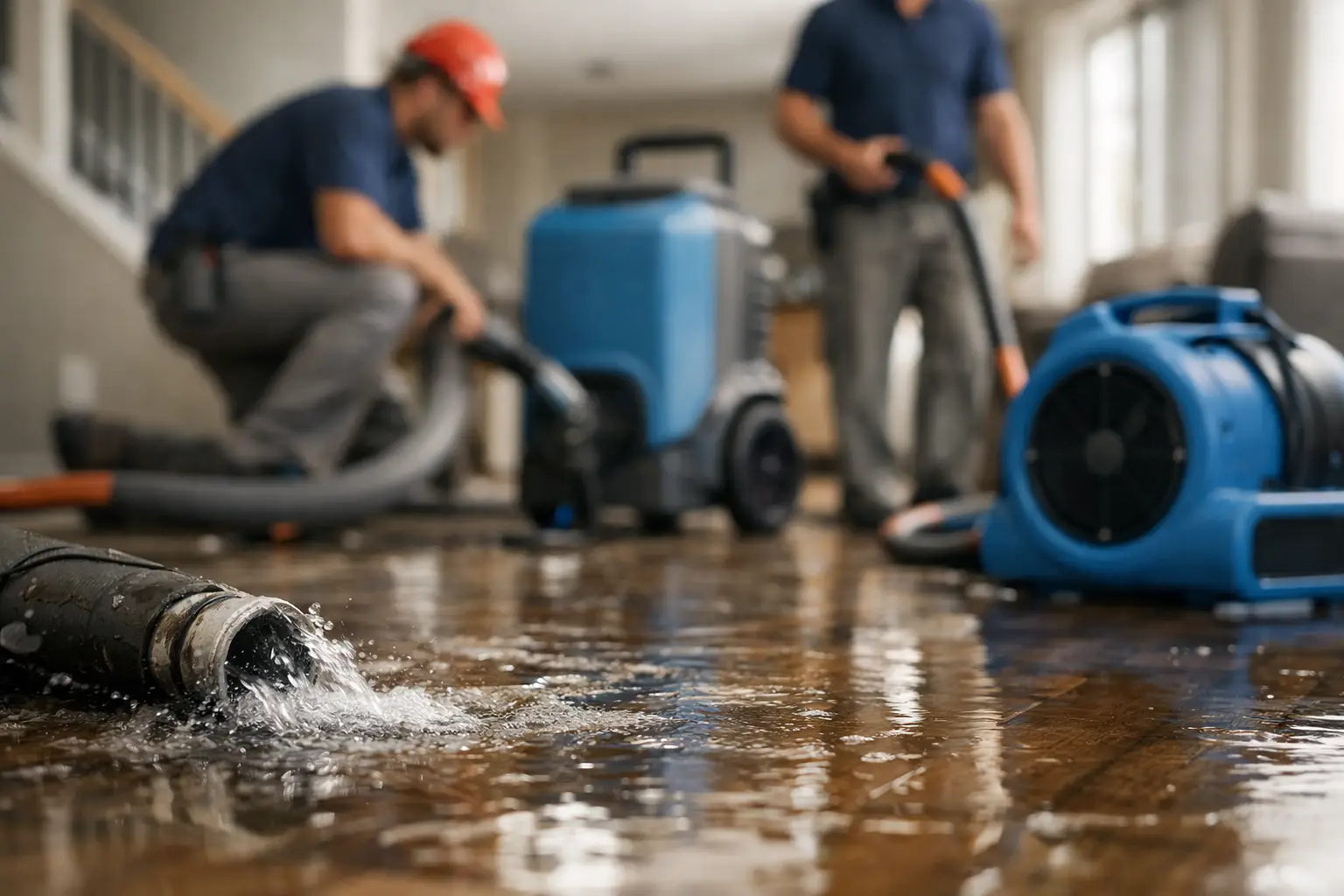
Water extraction and drying Lithia Springs demands fast action, and I treat it that way. From Mableton, my crew responds 24/7 with IICRC-certified technicians, direct insurance billing, and the equipment needed to stop spread, start structural drying, and protect homes near Sweetwater Creek Park and the Dog River corridor.
IICRC-Certified · 5-Star Rated · 60-Minute Response · Insurance Billed Directly
I provide 24/7 emergency response with a 60-minute emergency response target. When water is spreading, I move fast.
Yes, I use direct insurance billing so the claim process keeps moving while I focus on extraction and drying.
I do, Chris Kwangwari. I run Elevated Operations, LLLP from a Mableton base.
I serve Cobb, Fulton, DeKalb, Douglas, Clayton, Henry, and Paulding counties, including Lithia Springs.
I answer with a clear plan, send a 24/7 emergency response team, and start water removal fast so damage does not keep spreading. In Lithia Springs, where moisture can linger around basements and crawlspaces near Sweetwater Creek Park and the Dog River, the first call matters more than the second guess.
The first hour is about stopping the bleeding. IICRC-certified technicians arrive, identify the source, and start wet carpet extraction, standing water removal, and protection for flooring, drywall, and contents before the water travels farther into the structure.
And speed matters because water does not sit still. It wicks into trim, under baseboards, into insulation, and into hidden cavities, which is why I move quickly on homes in Lithia Springs that sit near low spots, drainage paths, and older framing.
I also handle direct insurance billing, which keeps the claim moving while the drying process starts. That matters when a kitchen supply line breaks at night or a laundry leak runs across a slab and into rooms you use every day.
I start with source control, then water removal, then dehumidification and air movers, then moisture monitoring until the structure is dry. That order is nonnegotiable. In Lithia Springs, especially near Sweetwater Creek Park and the Dog River, hidden moisture can spread fast if the process gets rushed or skipped.
I inspect the affected areas, document what is wet, and separate salvageable materials from materials that need removal. Then the extraction equipment comes in, followed by air movers positioned to push evaporation off surfaces and dehumidifiers to pull that moisture from the air.
This is not guesswork. Moisture monitoring tells me whether drywall, subflooring, framing, and carpet padding are drying on schedule or still holding water. Without that measurement, a room can look better and still stay wet behind the wall or under the floor.
I keep the drying process tight and controlled because Lithia Springs homes can have mixed construction, slab areas, crawlspaces, and older additions all in one property. Each material dries differently, and each one needs a direct plan if you want the structure handled right.
I use extraction equipment, air movers, dehumidification equipment, and moisture monitoring tools to get water out and keep it from coming back through humidity. The right gear depends on the source, the materials, and how far the water traveled through your Lithia Springs property.
For standing water, I start with water extraction units and pumps sized to the loss. For saturated carpet, I use wet carpet extraction tools and then move into controlled drying so the carpet, pad, and subfloor do not stay damp longer than necessary.
Air movers are there to speed evaporation across floors, baseboards, and framing. Dehumidifiers then capture that moisture from the air before it settles back into the structure. That one-two approach matters in Georgia humidity, and it matters even more after a leak near the creek corridors.
I do not leave equipment in a room and hope. I watch readings, adjust placement, and keep checking wet materials until the numbers show the structure is drying. That is how I reduce the chance of trapped moisture, odors, and future repairs.
Structural drying matters because visible water is only part of the problem. Framing, drywall, subfloors, cabinets, and wall cavities can stay wet long after the surface looks dry, and that hidden moisture can lead to mold, swelling, and more repairs in a Lithia Springs home.
Mold can start in 24 to 48 hours, so I do not waste time pretending a towel dry is enough. I push the drying process into the structure itself, where the damage usually hides after a supply line break, roof leak, or overflow.
Lithia Springs homes near Sweetwater Creek Park and the Dog River can hold moisture in places people do not check first, like base cavities, closets, utility rooms, and lower wall sections. Structural drying reaches those areas before the problem grows teeth.
And structural drying protects the rebuild. If framing or subflooring stays wet, new materials can fail later. I would rather dry it right the first time than hand a customer a fresh finish over a wet shell. That is a bad trade.
Drying time depends on how much water entered, what materials were affected, and how quickly the extraction started. I do not make promises I cannot verify, but I do know this: the sooner I start water extraction and drying in Lithia Springs, the less the structure has to fight through.
The first day is about response, extraction, and setup. After that, I track moisture monitoring readings and adjust the drying equipment as conditions change. Some losses are straightforward, others need longer structural drying because water reached insulation, wall cavities, or layered flooring.
Homes near Sweetwater Creek Park and the Dog River can have humid conditions that slow evaporation if the equipment is not set correctly. That is one reason I keep dehumidification active and revisit placement rather than assuming the first setup is the final setup.
I also watch for materials that trap water, like carpet pad, wood trim, or cabinet bottoms. When those are involved, the drying process has to be disciplined. Quick guesses create callbacks. Measured drying creates a cleaner handoff to repairs.
They call me because I bring restoration and contracting under one roof, and I respond like an owner who expects the job done correctly. Elevated Operations, LLLP has been in restoration since 2007, and I back the work with a 12-month warranty and a licensed general contractor's perspective.
My name is Chris Kwangwari, and I run this work from a Mableton base into Lithia Springs and the rest of Cobb, Fulton, DeKalb, Douglas, Clayton, Henry, and Paulding counties. I am not sending a random crew and hoping they sort it out.
Direct insurance billing helps keep the process moving. Deductible assistance up to $1,000 is available, and that can matter when a leak hits fast and you need action before the drywall swells or the flooring buckles.
We have a 4.9-star Google rating from 73 reviews, but I do not lean on the number alone. I lean on the way we respond, document, dry, and follow through. That is what people remember after the water is gone.
I take the call, confirm the problem, and dispatch emergency water extraction. The goal is simple, stop movement, remove standing water, and start protecting the structure before moisture spreads under flooring or behind walls.
My crew sets extraction equipment, air movers, and dehumidifiers, then starts moisture monitoring. We document the loss, identify wet materials, and begin the drying process so the home does not sit in a damp state overnight.
I keep checking readings and adjusting structural drying. If a room is drying slower because of crawlspace influence, slab conditions, or hidden wet materials, I change the setup instead of letting the problem linger.
Once moisture levels are where they should be, I move into repair planning and reconstruction. Because Elevated Operations, LLLP is a licensed general contractor, I can carry the job from drying into the rebuild without handing you off midstream.
From emergency mitigation to full reconstruction, handled in-house so you are never managing a chain of subcontractors mid-crisis.
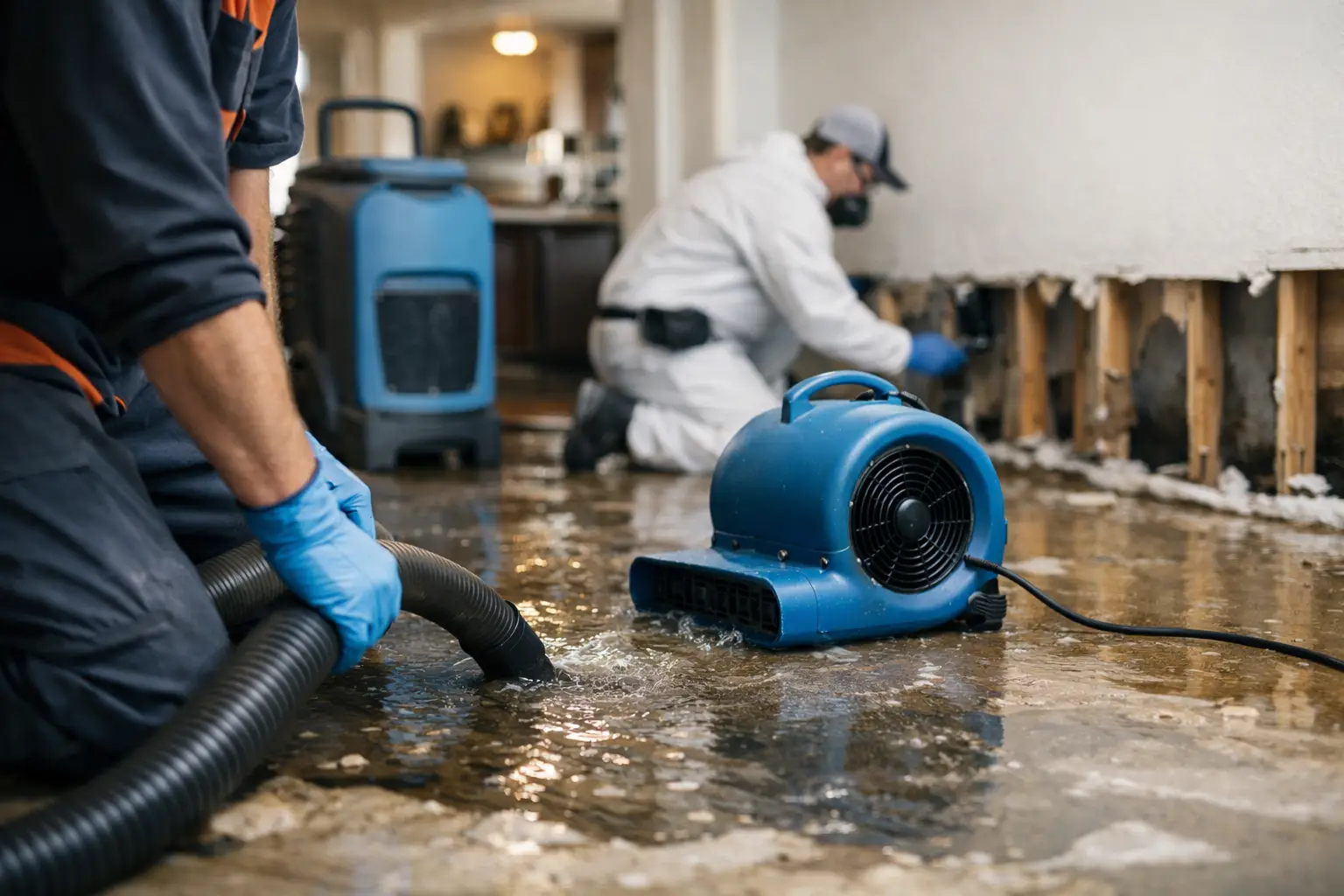 Water Damage
Extraction, structural drying, and moisture mapping after floods, leaks, and burst pipes.
Get help now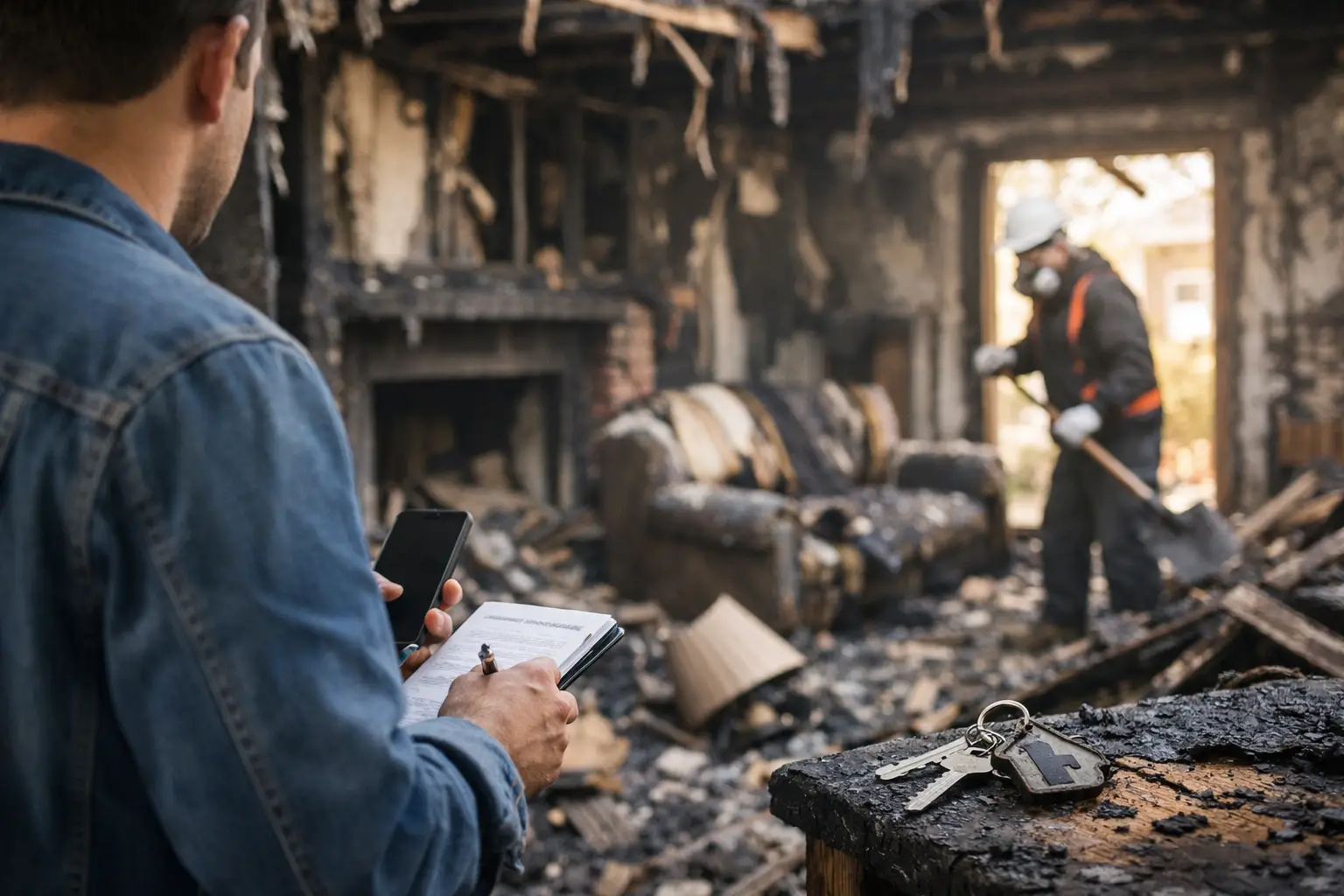 Fire & Smoke
Soot removal, odor deodorization, and content cleaning after fire and smoke damage.
Learn more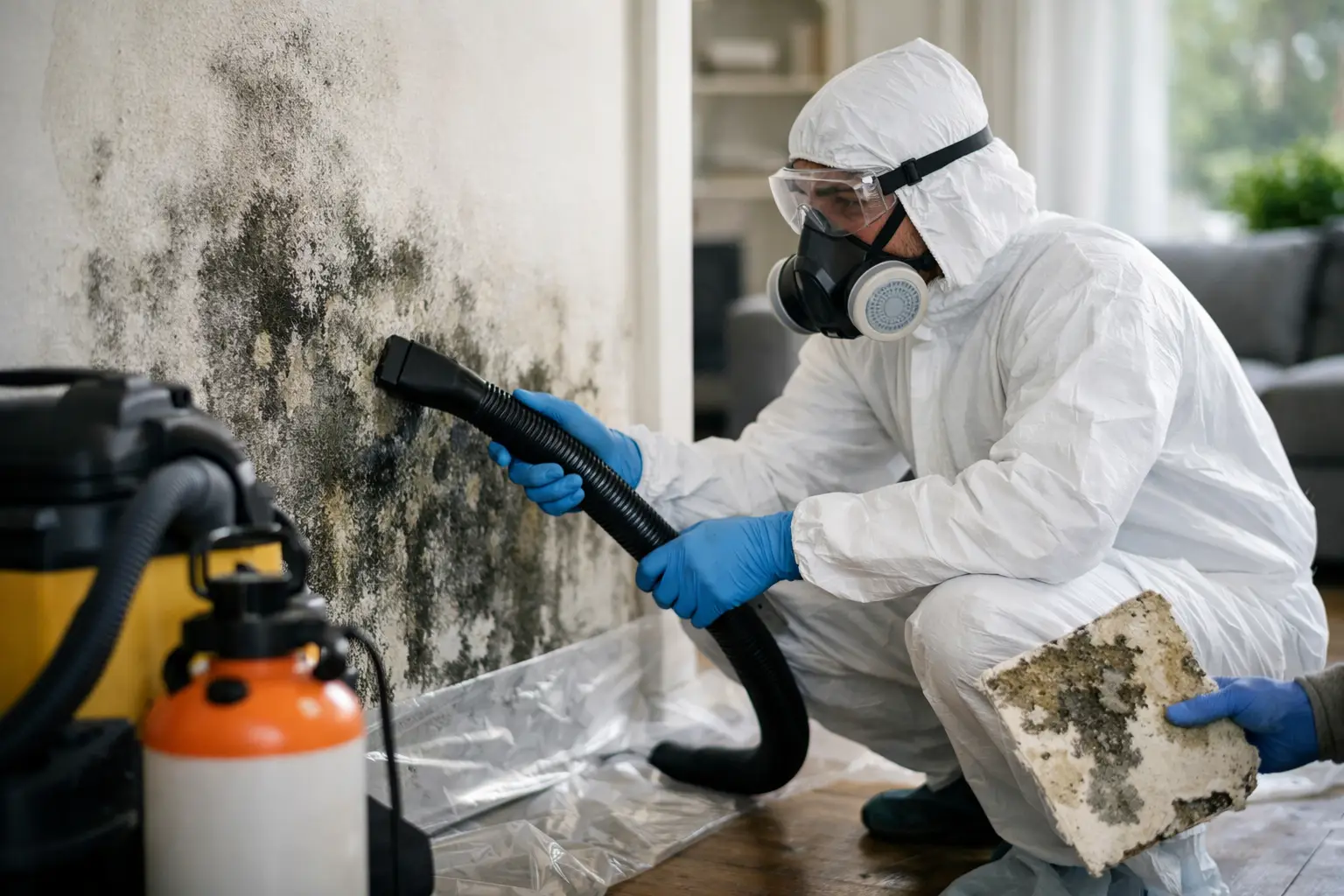 Mold
MoldContainment, removal, and moisture control that stops mold from coming back.
Learn more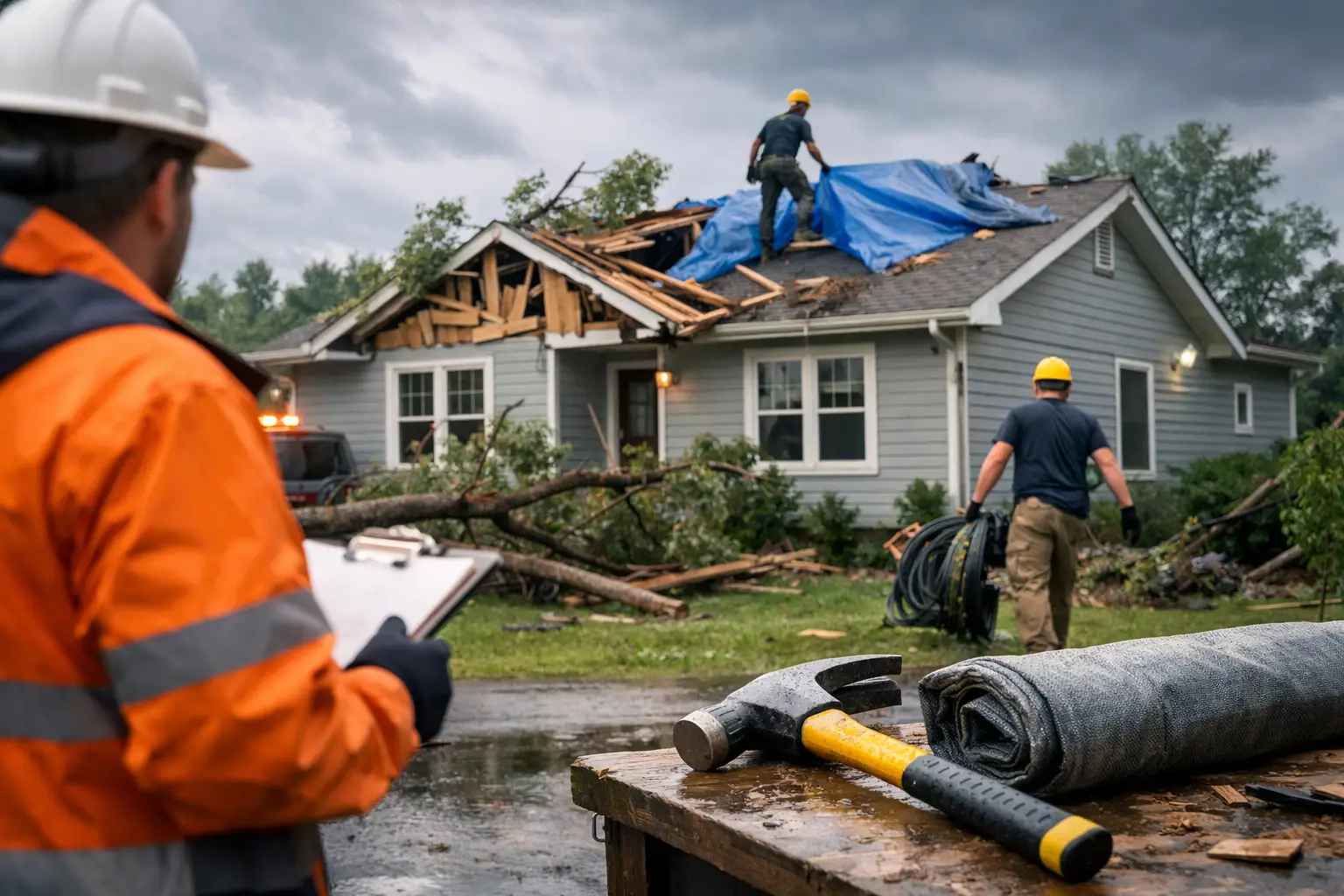 Storm
StormEmergency board-up, roof tarping, and full recovery after wind, hail, and storms.
Learn more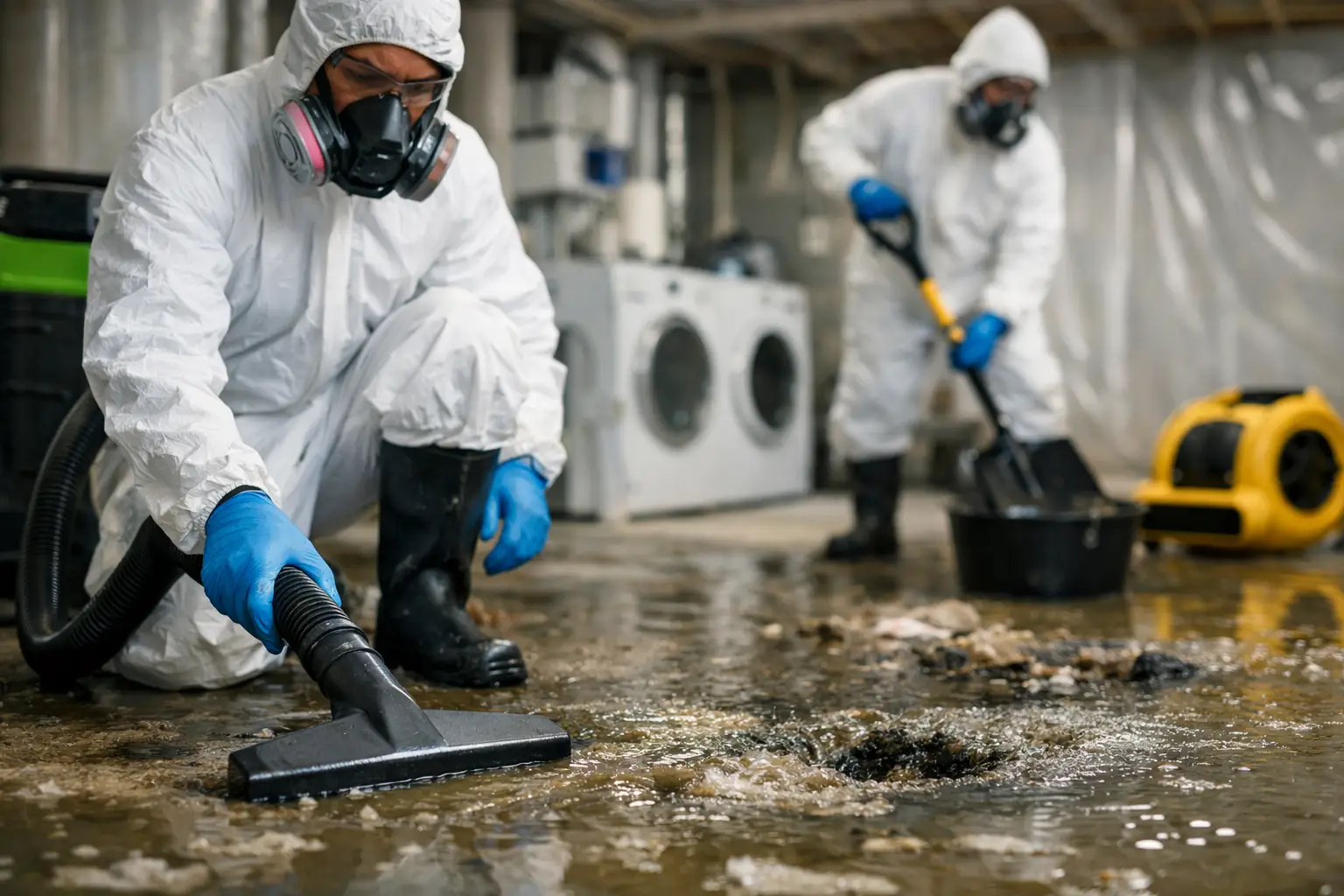 Sewage
Safe biohazard cleanup and sanitizing after sewage backups and overflows.
Learn more Reconstruction
Full rebuild by a licensed general contractor, so your property comes back whole.
Learn moreElevated Operations is an IICRC-certified, licensed general contractor based in Mableton that handles the entire recovery in-house, so after one loss you are never coordinating a cleanup crew, a mold crew, and a contractor separately. One team, one point of contact, from the first pump-out to the final coat of paint.
People call when the property feels like a disaster. They leave reviews because Chris and the crew made it right. These are real, verified Google reviews.
Yes. I provide 24/7 emergency response with a 60-minute emergency response target, and I treat burst pipes like the urgent losses they are. In Lithia Springs, water can run quickly into halls, closets, and lower rooms, especially when the home sits near drainage paths tied to Sweetwater Creek Park or the Dog River area. Fast water extraction cuts off that spread.
I start by removing standing water, then I assess whether the carpet, pad, and subfloor can be dried or need removal. Wet carpet extraction is only the first step. After that, I set air movers and dehumidifiers, then I track moisture until the flooring system is genuinely dry and not just dry to the touch.
If it is safe, shut off the source of water and keep people out of the affected area. Do not turn on ceiling fixtures in wet rooms, and do not pull up flooring unless you already know what is under it. I want the loss documented cleanly when I arrive so the drying process starts without added damage.
Because water removal only handles the visible water. Moisture monitoring shows whether drywall, trim, subflooring, and framing are still holding moisture. In a humid area like Lithia Springs, especially near Sweetwater Creek Park and the Dog River, surface dryness can fool people while hidden materials are still wet.
Yes, I use direct insurance billing, which keeps the claim process moving while the job is underway. I document the loss, communicate what was affected, and stay focused on the drying and repairs. That keeps the homeowner from juggling too many moving parts after a stressful water loss.
Structural drying is a controlled process, not a casual airflow setup. I use air movers, dehumidification, and repeated moisture checks to dry materials inside the structure, not just the air in the room. Running fans alone can move moisture around without removing it from the building materials that hold the damage.
Yes. Basements and crawlspaces are exactly where water damage can hide and keep feeding the rest of the house. I pay close attention to those areas because moisture from below can travel upward into flooring and walls. That is where careful extraction and structural drying pay off.
I back the work with a 12-month warranty. That does not replace proper drying, and it does not erase the need for good moisture monitoring, but it does show I stand behind what my team does after a water loss. I want the job finished correctly, not just closed quickly.
Elevated Operations dispatches IICRC-certified crews across Metro Atlanta from our Mableton base, with a 60-minute emergency response day or night. Choose your city:
Call now for an immediate response, or request your free inspection and get a certified crew on-site within the hour across Atlanta and nearby areas.