24/7 Emergency Restoration · Serving Metro AtlantaEmergency? (770) 404-6895
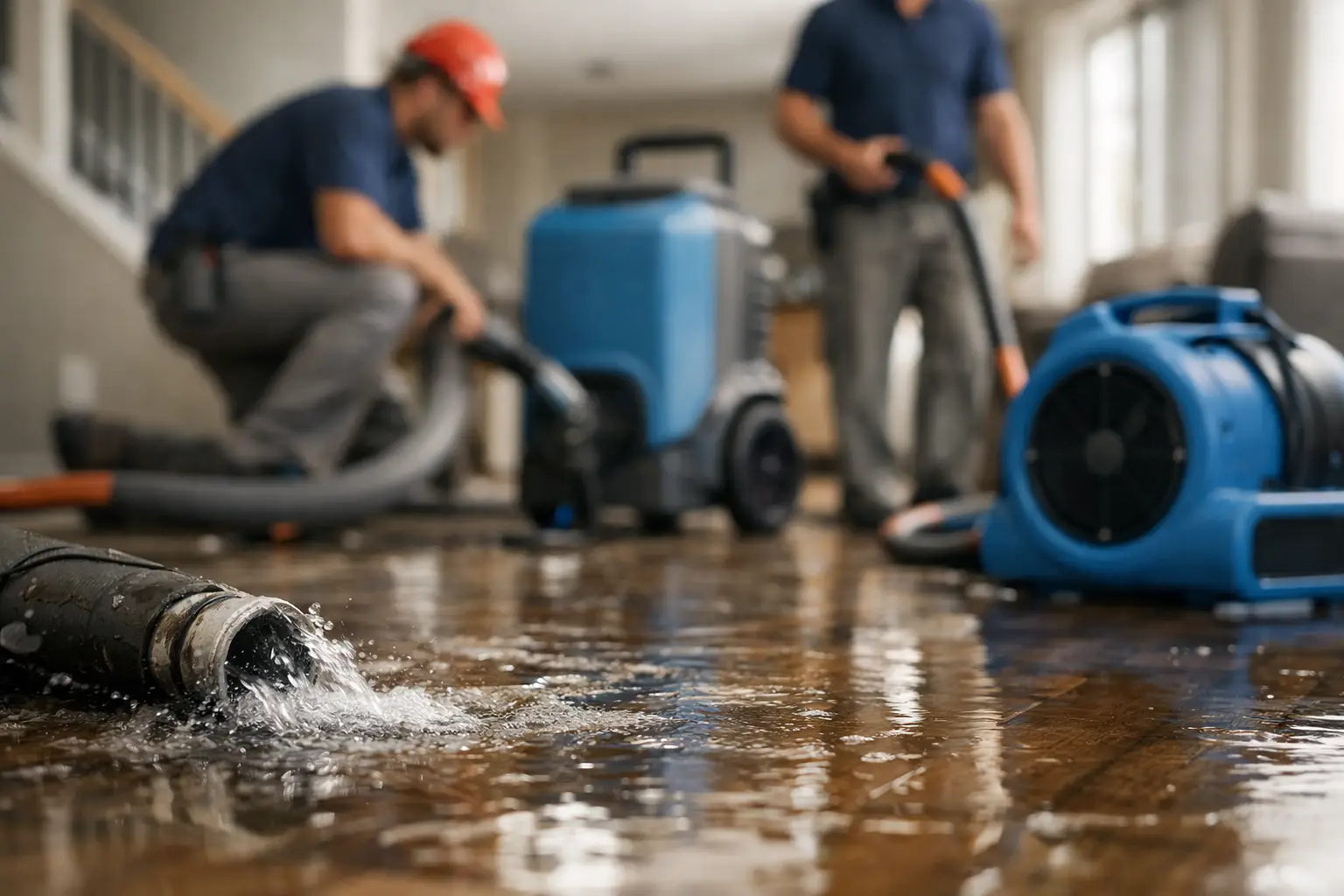
Water extraction and drying Acworth starts with speed, not guesswork. I answer fast, send IICRC-certified technicians, and get right to water removal, wet carpet extraction, dehumidification, and moisture monitoring before damage spreads through Acworth homes near Lake Acworth and the Allatoona dock area.
IICRC-Certified · 5-Star Rated · 60-Minute Response · Insurance Billed Directly
I offer 24/7 emergency response and move quickly on water extraction and drying in Acworth. Fast action is the point.
Yes. I use moisture monitoring to see what is wet behind the surfaces, then I adjust the drying process based on the readings.
Yes. I provide direct insurance billing and keep the documentation organized from the first visit through drying and repair.
I have been in restoration since 2007, I am a licensed general contractor, and I stay focused on the first hour, when the damage can still be controlled.
The first hour is about stopping spread, reducing saturation, and starting water extraction and drying before materials wick moisture deeper. I move fast on emergency response, then document the loss, start water removal, and set a drying path that matches the damage in your Acworth home.
If the source is still active, shut it off if you can do it safely. Then call me. I run 24/7 emergency response from our Mableton base, and Acworth is squarely in my service area. The goal is simple, stop the water from moving farther into floors, trim, and insulation.
In homes near Lake Acworth and up toward the Allatoona dock side, water can ride under baseboards and into lower rooms fast. I look for the path, not just the puddle. That means water removal, wet carpet extraction, and a quick read on whether the damage is surface-level or already in the structure.
And speed matters because wet materials do not wait. Carpet backing, drywall, and subfloor all respond differently, so I do not use a cookie-cutter approach. IICRC-certified technicians, direct insurance billing, and deductible assistance up to $1,000 keep the process moving while I start the drying process the right way.
I start by finding where the water traveled, then remove standing water, extract moisture from carpet and padding, and build a controlled drying setup. That means air movers, dehumidification, and moisture monitoring working together until the structure reaches a safe drying target.
First I inspect the affected rooms, flooring, and walls, then I map what needs immediate extraction versus what needs structural drying. In Acworth, that can mean a kitchen leak in a ranch off a quiet neighborhood street or a basement issue after heavy rain near the lake corridor.
After the visible water is out, I focus on hidden moisture. Wet carpet extraction is not enough if the pad, tack strip, or base of the wall is still wet. I use air movers to push moisture into the air, then dehumidification to pull it out before it settles again.
Moisture monitoring is not paperwork, it is the difference between a room that dries clean and a room that gets worse later. I check readings and adjust the drying process as conditions change. That is how I keep a fast response from turning into a bad repair.
I use extraction equipment for standing water, specialized tools for wet carpet extraction, air movers for evaporation, and dehumidification equipment to pull moisture out of the air. I also use moisture monitoring tools so I can see what is happening inside materials, not just on the surface.
The right equipment depends on the loss, but the logic stays the same. Remove bulk water first. Increase airflow next. Pull humidity down last and keep checking the readings. That sequence matters in Acworth homes with mixed flooring, finished basements, or carpet that holds water under the surface.
I do not rely on one machine to do everything. Air movers speed evaporation from floors and walls, while dehumidification keeps that evaporated moisture from cycling back into the house. Without both, the drying process slows down and the damage can keep spreading behind paint and trim.
And I watch the details that homeowners usually cannot see. Moisture monitoring tells me when a cabinet toe kick is still damp or when a wall cavity needs more time. That is how I decide whether the structure is drying or only the surface looks dry.
Structural drying matters because water does not stop at the surface. It moves into framing, drywall, insulation, and subfloors, especially in homes with lake humidity nearby. If the structure stays wet, the repair gets bigger, slower, and more expensive to rebuild correctly.
Lake Acworth and the nearby Allatoona dock area bring a moisture-heavy environment into the picture, even when the loss starts inside the house. A room can look manageable while the structure is already wet. That is why I treat drying as a building science job, not a cleanup job.
When framing or subfloor stays wet, finishes can fail later. Paint blisters, wood swells, and odors linger. Structural drying reduces that risk by drying the hidden materials at the same time as the visible ones. It is the difference between a clean recovery and a repeat problem.
I have been in restoration since 2007, and I have seen what happens when people wait for surfaces to air out on their own. They do not dry evenly. They warp, trap moisture, and invite more damage. I do not let that happen if I can get there fast.
Drying time depends on how far the water moved, what materials were hit, and how fast extraction started. The quicker I get in for water extraction and drying, the better the outcome. Delays let moisture reach deeper layers and extend the drying process.
I do not promise a fixed number of hours because every loss is different. A small supply-line leak in one room is a different job from a basement or multi-room loss after storm water enters. What I can say is that the first day matters most, and speed shortens the rest.
If I reach the home early, I can often focus on source control, extraction, setup, and monitoring before the damage spreads. If the call comes later, materials may already be saturated below the surface. That means more drying steps and more time spent verifying conditions.
In Acworth, I see plenty of homes where the visible water is gone but the structure is still wet. That is why I keep moisture monitoring active through the drying process. It tells me whether to keep drying, shift equipment, or open up materials for a better result.
Yes. I offer direct insurance billing, and I document the damage so the claim process is cleaner from the start. If you are dealing with a loss in Acworth, I handle the restoration side while keeping the paperwork moving without adding confusion to an already stressful day.
Insurance claims get messy when the loss is not documented well. I keep the job organized from the first visit, including the source of damage, affected areas, and what was done for water removal and structural drying. That helps keep the file consistent.
I am a licensed general contractor, and Elevated Operations, LLLP has been in restoration since 2007. That matters when the job does not stop at extraction. If repairs are needed after the drying process, I understand what the restoration path should look like and what the claim needs to support it.
I also offer deductible assistance up to $1,000 on qualifying work. That does not change the need for a proper repair. It just helps when the loss hits at the wrong time. I keep the process direct, practical, and centered on getting the home stable again.
I respond 24/7, confirm the damage, and start emergency water extraction and drying. Standing water comes out first, then wet carpet extraction, source control, and a drying plan built around the rooms affected.
I place air movers and dehumidification equipment, then begin moisture monitoring to track hidden dampness in walls, floors, and trim. The goal is to stop secondary damage before it spreads farther through the house.
I keep checking readings, adjust the drying process, and watch for any material that is not responding. If structural drying needs to continue, I keep the equipment working until the hidden moisture drops to an acceptable level.
Once the structure is dry, I move into repairs as needed. That can include replacing damaged materials, closing up openings, and restoring the affected area so the home is ready for normal use again.
From emergency mitigation to full reconstruction, handled in-house so you are never managing a chain of subcontractors mid-crisis.
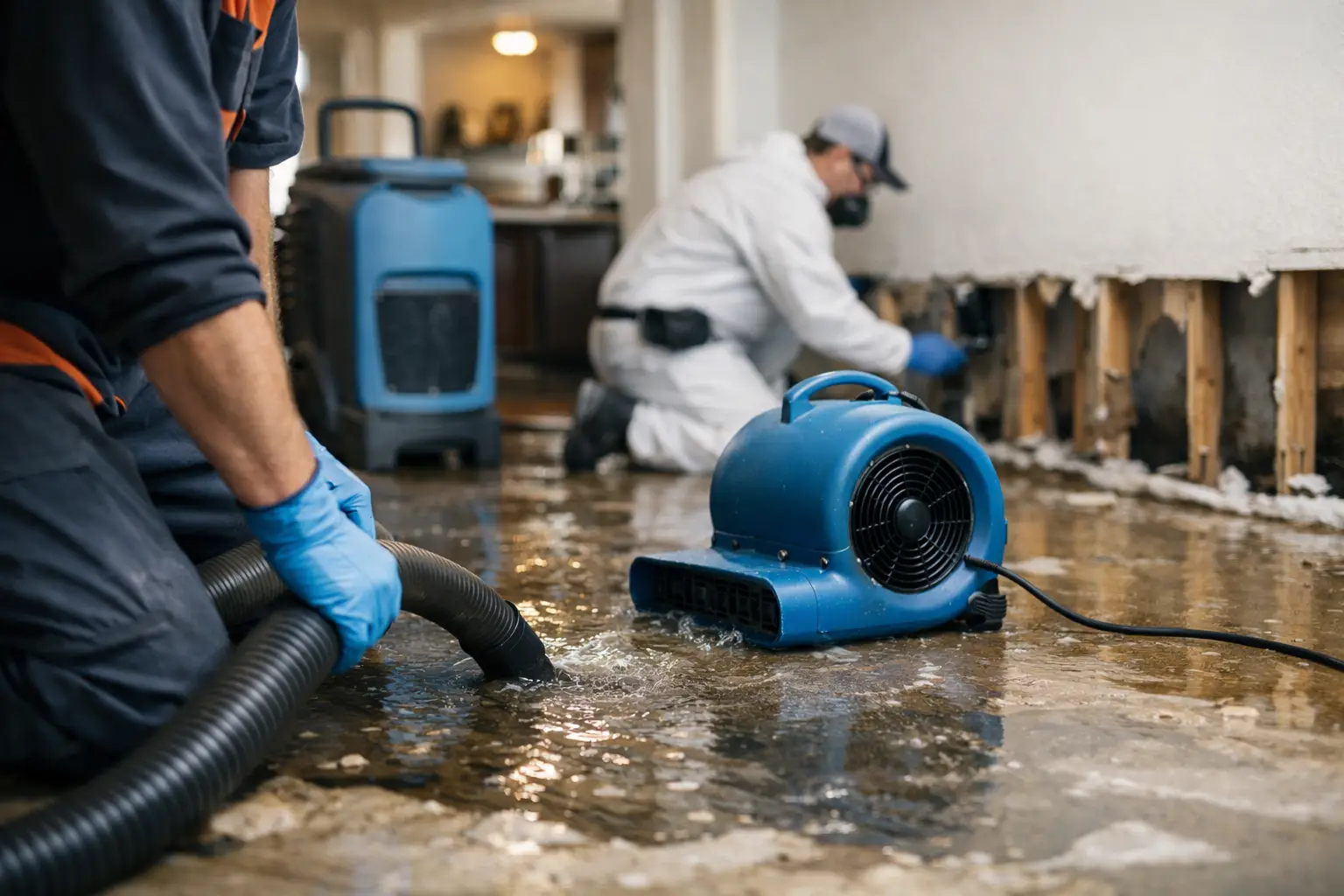 Water Damage
Extraction, structural drying, and moisture mapping after floods, leaks, and burst pipes.
Get help now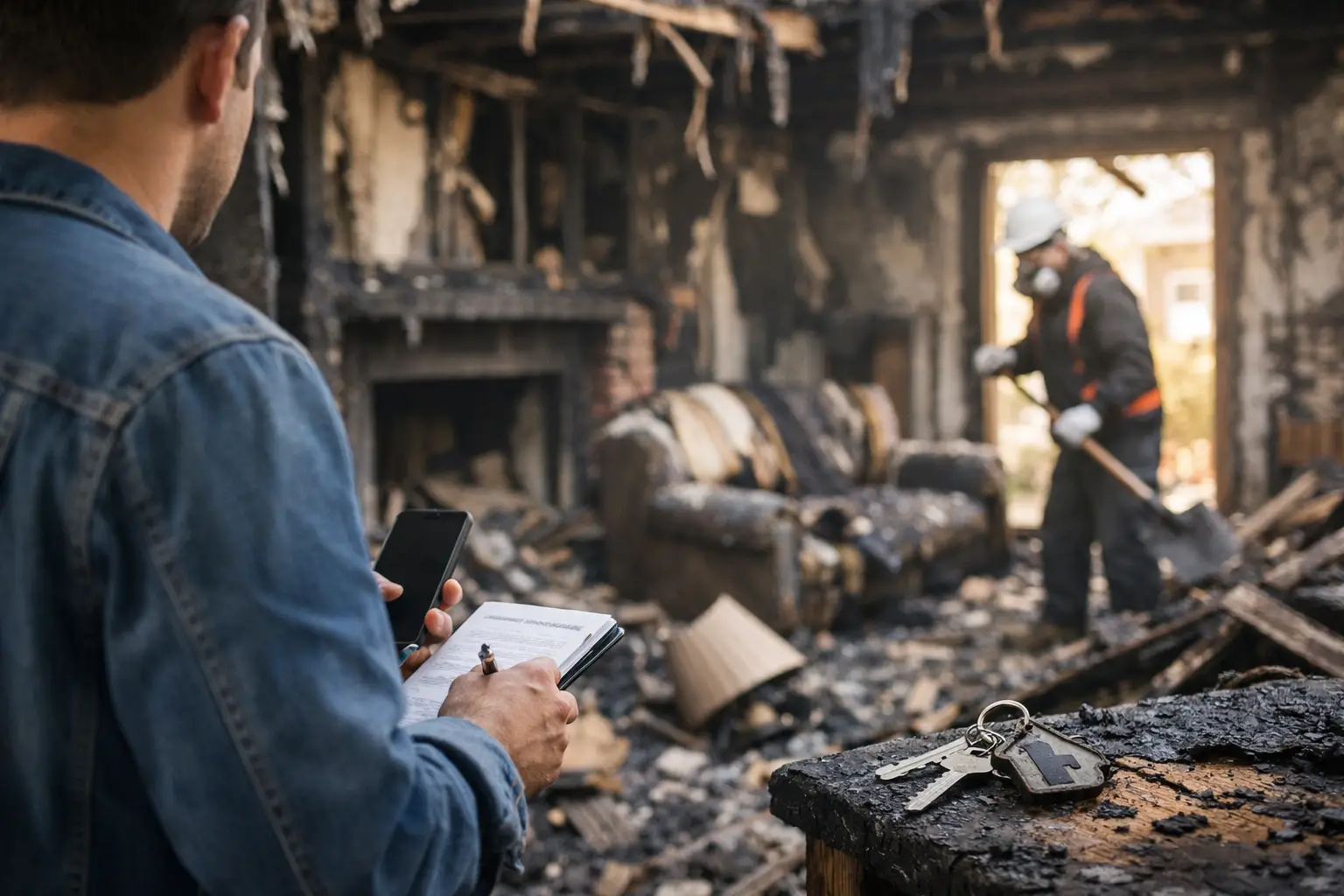 Fire & Smoke
Soot removal, odor deodorization, and content cleaning after fire and smoke damage.
Learn more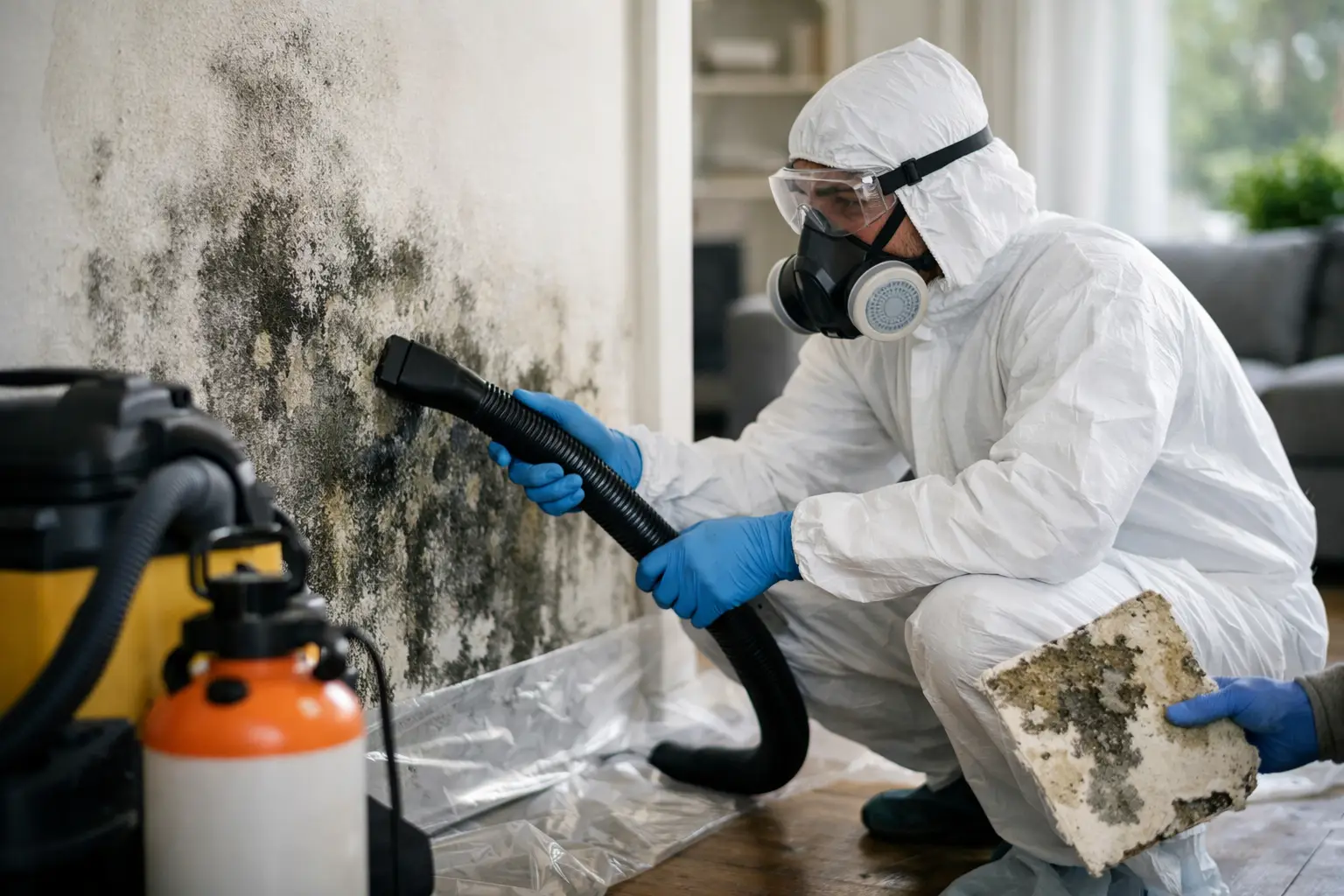 Mold
MoldContainment, removal, and moisture control that stops mold from coming back.
Learn more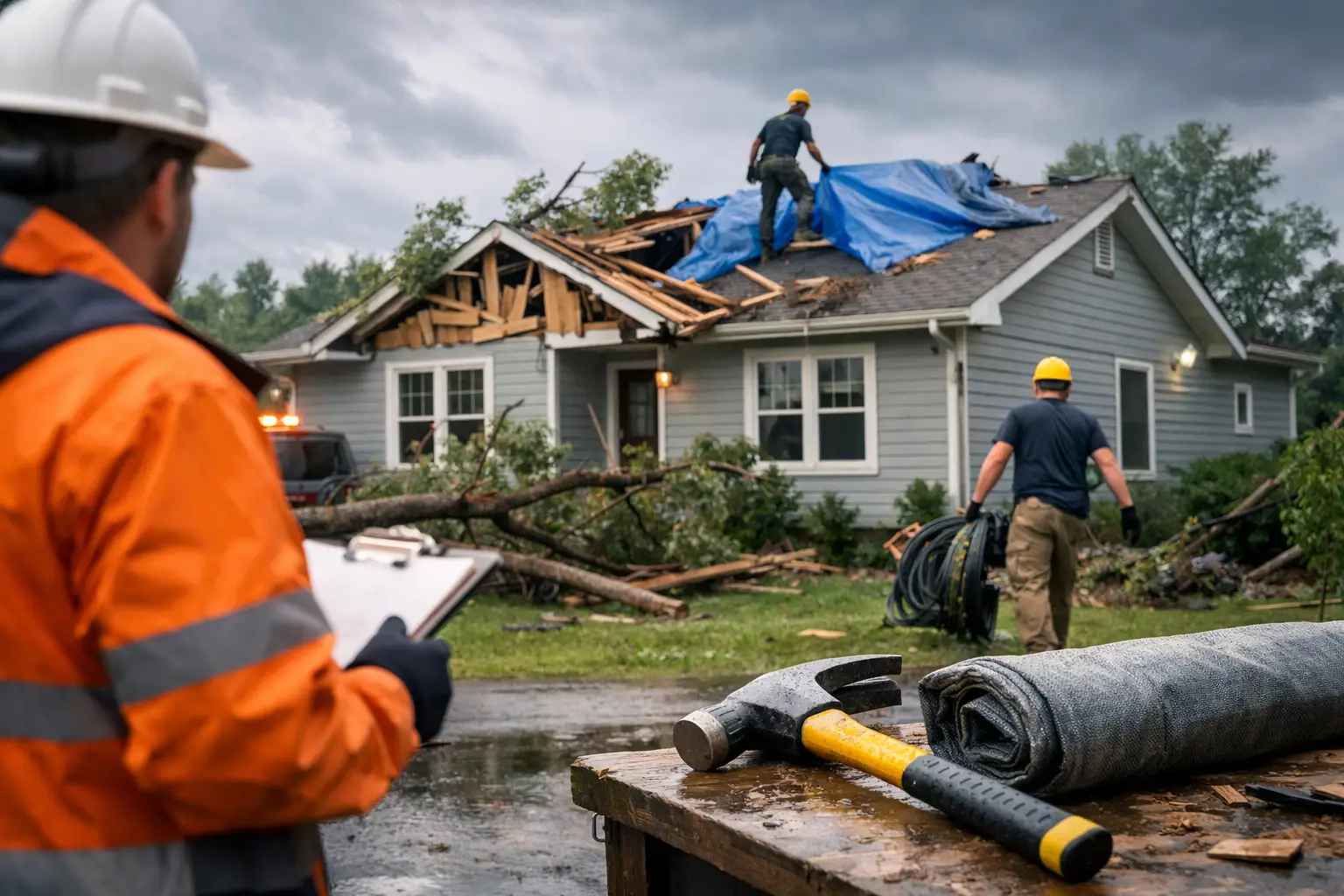 Storm
StormEmergency board-up, roof tarping, and full recovery after wind, hail, and storms.
Learn more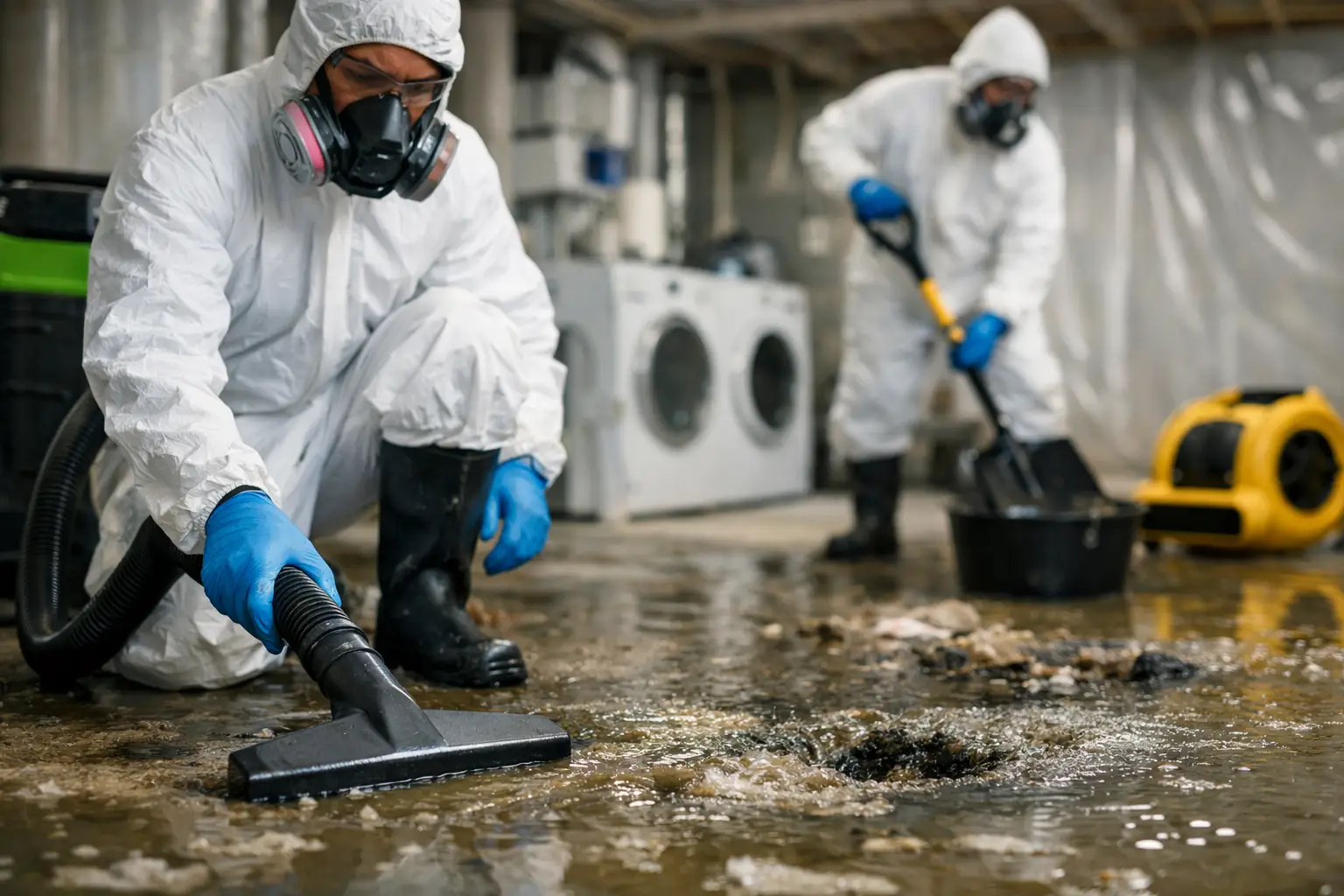 Sewage
Safe biohazard cleanup and sanitizing after sewage backups and overflows.
Learn more Reconstruction
Full rebuild by a licensed general contractor, so your property comes back whole.
Learn moreElevated Operations is an IICRC-certified, licensed general contractor based in Mableton that handles the entire recovery in-house, so after one loss you are never coordinating a cleanup crew, a mold crew, and a contractor separately. One team, one point of contact, from the first pump-out to the final coat of paint.
People call when the property feels like a disaster. They leave reviews because Chris and the crew made it right. These are real, verified Google reviews.
Yes, I offer 24/7 emergency response and can get moving fast on water extraction and drying in Acworth. When a leak or overflow happens near Lake Acworth, I focus on stopping spread, removing water, and setting up the drying equipment right away so the damage does not keep moving into walls or flooring.
I inspect the affected areas, identify the source, and start water removal as quickly as possible. Then I look for hidden moisture in flooring, drywall, and trim. In Acworth homes near the lake corridor, that first visit is about controlling the loss before it becomes a larger structural problem.
Yes. Wet carpet extraction is one of the first things I address if carpet is involved. I do not leave water trapped under the surface, because padding and subfloor can stay wet after the top looks dry. That is where hidden damage starts in many Acworth homes.
Moisture monitoring tells me whether the structure is actually drying or just appearing dry on the surface. In Acworth, humidity and hidden saturation can make a room look better before it is ready. I use readings to guide the drying process instead of guessing and hoping for the best.
Air movers increase evaporation from wet materials, and dehumidification removes that moisture from the air so it cannot settle back into the structure. Around Allatoona dock and Lake Acworth, that combination helps me control the environment and keep the drying process moving in the right direction.
Yes, I offer direct insurance billing. I also document the loss clearly so the claim side is easier to follow. If the damage includes extraction, structural drying, or later repairs, I keep the project organized so the restoration and the paperwork stay aligned.
Call right away. Overnight losses often sit longer than people realize, and the first hours after discovery are critical. I can start water extraction and drying quickly, then check for hidden moisture before it spreads into framing, cabinets, or flooring in ways you may not see yet.
Yes. I operate from Mableton and serve Cobb County, including Acworth. If your home is near Lake Acworth, closer to the Allatoona dock area, or anywhere else in town, I can bring the same fast response, IICRC-certified technicians, and direct restoration approach to the job.
Elevated Operations dispatches IICRC-certified crews across Metro Atlanta from our Mableton base, with a 60-minute emergency response day or night. Choose your city:
Call now for an immediate response, or request your free inspection and get a certified crew on-site within the hour across Atlanta and nearby areas.