24/7 Emergency Restoration · Serving Metro AtlantaEmergency? (770) 404-6895
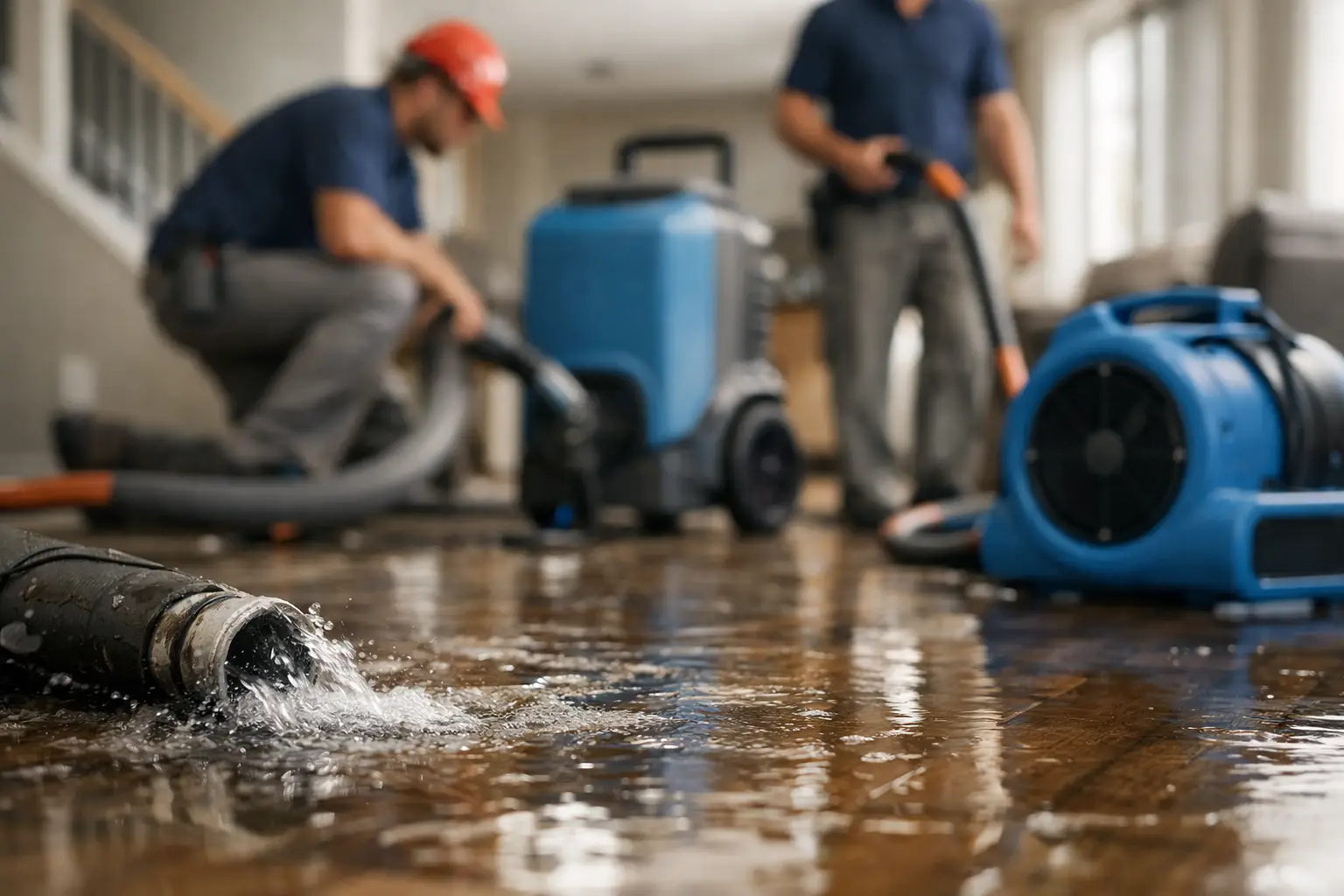
Water extraction and drying Vinings starts with fast action, and I handle it the same way I would in my own building: stop the spread, remove standing water, and dry the structure correctly. In Vinings condos and upscale Cobb homes near the Chattahoochee, that means IICRC-certified work, direct insurance billing, and a 12-month warranty from Elevated Operations, LLLP.
IICRC-Certified · 5-Star Rated · 60-Minute Response · Insurance Billed Directly
Yes. I handle condo water losses in Vinings every week, with careful extraction, drying, and moisture monitoring that fits stacked units and shared walls.
Yes. Properties near the Chattahoochee need fast water removal and a controlled drying process because humidity and building layout can slow recovery if the job is rushed.
Yes. I use direct insurance billing and document the loss clearly so the claim and the drying work stay aligned from the start.
Call (770) 404-6895 for 24/7 emergency water extraction and drying in Vinings.
In a Vinings condo, water extraction and drying usually starts with stopping the leak, pulling water from floors and carpets, then setting up structural drying before hidden damage spreads. I check the unit, the walls, and the adjacent spaces because water does not respect one ceiling line or one hallway.
I see this most often in condo buildings near the Chattahoochee, where water from an upstairs line or a failed appliance moves fast and shows up in a unit that looked fine an hour earlier. The first step is water removal, then wet carpet extraction if the flooring can still be saved.
And the condo setting changes everything. Shared walls, stacked plumbing, and tight layouts mean moisture can hide behind baseboards or in drywall before anyone notices. I use moisture monitoring right away, because guessing in a building like that is how small leaks turn into larger claims.
My team has been in restoration since 2007, and I keep the process straightforward. We document, extract, dry, and communicate with the carrier through direct insurance billing. No drama. No vague language. Just a clear drying process that fits the property and the loss.
Water extraction and drying work by removing standing water first, then moving air and controlling humidity until the building materials are dry. In Vinings homes, especially the larger Cobb side properties near the river corridor, that means I focus on the structure, not just what you can see.
I start with the source, because a wet house without a stopped leak is just a moving target. Once the water is controlled, I set air movers and dehumidification in the right areas, then monitor the materials so the drying process stays on track instead of chasing surface dryness.
Homes in this part of Cobb often have mixed materials, hardwood, carpet, trim, and drywall all in the same room. One room can be damp while the next one feels dry. That is why moisture monitoring matters. I do not rely on touch alone, and I do not call it done early.
Chris Kwangwari owns Elevated Operations, LLLP, and I am licensed as a general contractor, so I look at the full building picture. If water gets under flooring or into wall cavities, I treat it as a structural drying job, not just a cleanup.
For water extraction and drying near the Chattahoochee, I use professional extraction gear, air movers, dehumidification equipment, and moisture monitoring tools. The exact setup depends on the room, the materials, and how far water moved. Condo units and larger homes need different airflow and containment plans.
People ask me if a shop vac and a few fans are enough. They are not. Real water removal takes equipment that pulls water out of carpet and pad, then pushes dry air across wet materials while dehumidifiers remove moisture from the space.
In condos, the equipment has to fit the building and the neighbors. Quiet placement, controlled airflow, and careful routing matter when you are working in stacked units or narrow hallways. I keep the footprint tight and the drying process efficient because the building itself is part of the job.
Every loss is different, so I adjust the setup as readings change. That is why I keep moisture monitoring running during the job, not after it. If conditions shift, the equipment shifts with them. That is how I keep the work honest and the results measurable.
Structural drying is important because water sits inside materials after the visible water is gone. In Vinings, that can mean drywall, subfloor, framing, or trim around condo walls and upscale homes. If those materials stay wet, the damage spreads and the repair scope grows.
I have seen plenty of situations where the floor looked fine after water extraction, but the subfloor told a different story. That is why I do not stop at surface cleanup. Structural drying protects the parts of the building that you cannot see, and those are the parts that cost more later if ignored.
This matters near the Chattahoochee because moisture can hang around in shaded areas, lower levels, and tight building assemblies. If a unit backs up against a crawlspace or has water under hardwood, the drying process has to be deliberate or you are just trapping problems in place.
A fast response helps, and I give that with 60-minute emergency response 24/7. But speed without structure is not enough. I want the building dry, measured, and ready for repair, with a 12-month warranty backing the work.
Drying time after water damage in Vinings depends on how much water moved, what materials were affected, and whether the source was stopped quickly. I do not guess on timing. I read the structure, set the equipment, and use moisture monitoring to determine when the materials are actually dry.
A condo with wet carpet extraction may dry differently than a hallway wall or a kitchen subfloor. One job can move quickly, another needs more time because air cannot reach every cavity. What matters is not the calendar, it is whether the readings come back where they should.
Weather and humidity around the Chattahoochee corridor can also affect the drying process. That is one reason dehumidification is not optional. If the indoor air stays loaded with moisture, the building will keep holding water longer than it should, and I will not pretend otherwise.
I keep the process moving and I keep the homeowner informed. If the conditions change, I say so. If the structure is dry sooner or later than expected, I say that too. That is the way I run restoration in Vinings.
Yes, I handle wet carpet extraction in Vinings condos and townhomes when the carpet and pad are still salvageable. I remove the water, check the padding and subfloor, and then set the right drying equipment so the area does not stay damp beneath the surface.
This comes up a lot in condo living, where water can come from an upstairs bath, a failed washer line, or a leak around the edge of a room. Carpet can look manageable on top while the pad underneath is saturated. That is why I lift, inspect, and measure instead of assuming.
If the water was clean and the response is fast, there is often a better chance of saving materials. But I will not force a carpet to stay if the pad or backing is compromised. I tell the truth, and I base the plan on what the structure says, not what someone hopes.
In Vinings, where properties range from upscale brick homes to stacked condos near the river side, I adjust the drying process to the building. I do not use the same playbook for every space because every loss behaves differently.
A top-floor Vinings condo had a supply-line failure that moved into the hallway and bedroom carpet. I handled water extraction, checked adjacent walls, and set air movers and dehumidification so the unit dried without pushing moisture into the neighboring space.
In one upscale Cobb home, water tracked under hardwood after a laundry leak. The floor looked fine from the doorway, but moisture readings told the truth. I focused on structural drying before damage spread into the subfloor and trim.
A Vinings townhome had water dripping from a bathroom above, and the ceiling below showed the first sign. I stopped the spread, documented the damage for direct insurance billing, and used moisture monitoring to confirm the hidden areas dried correctly.
From emergency mitigation to full reconstruction, handled in-house so you are never managing a chain of subcontractors mid-crisis.
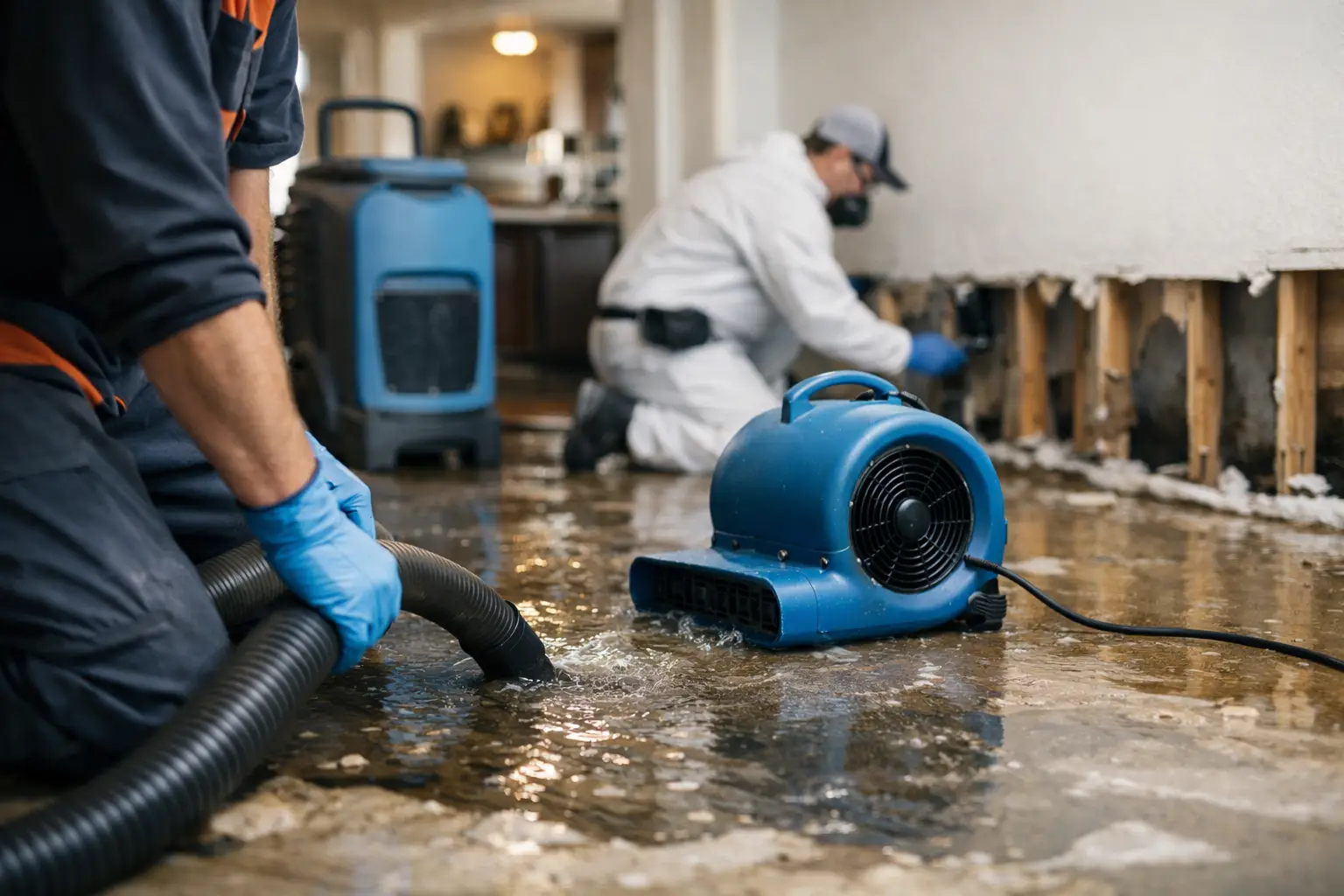 Water Damage
Extraction, structural drying, and moisture mapping after floods, leaks, and burst pipes.
Get help now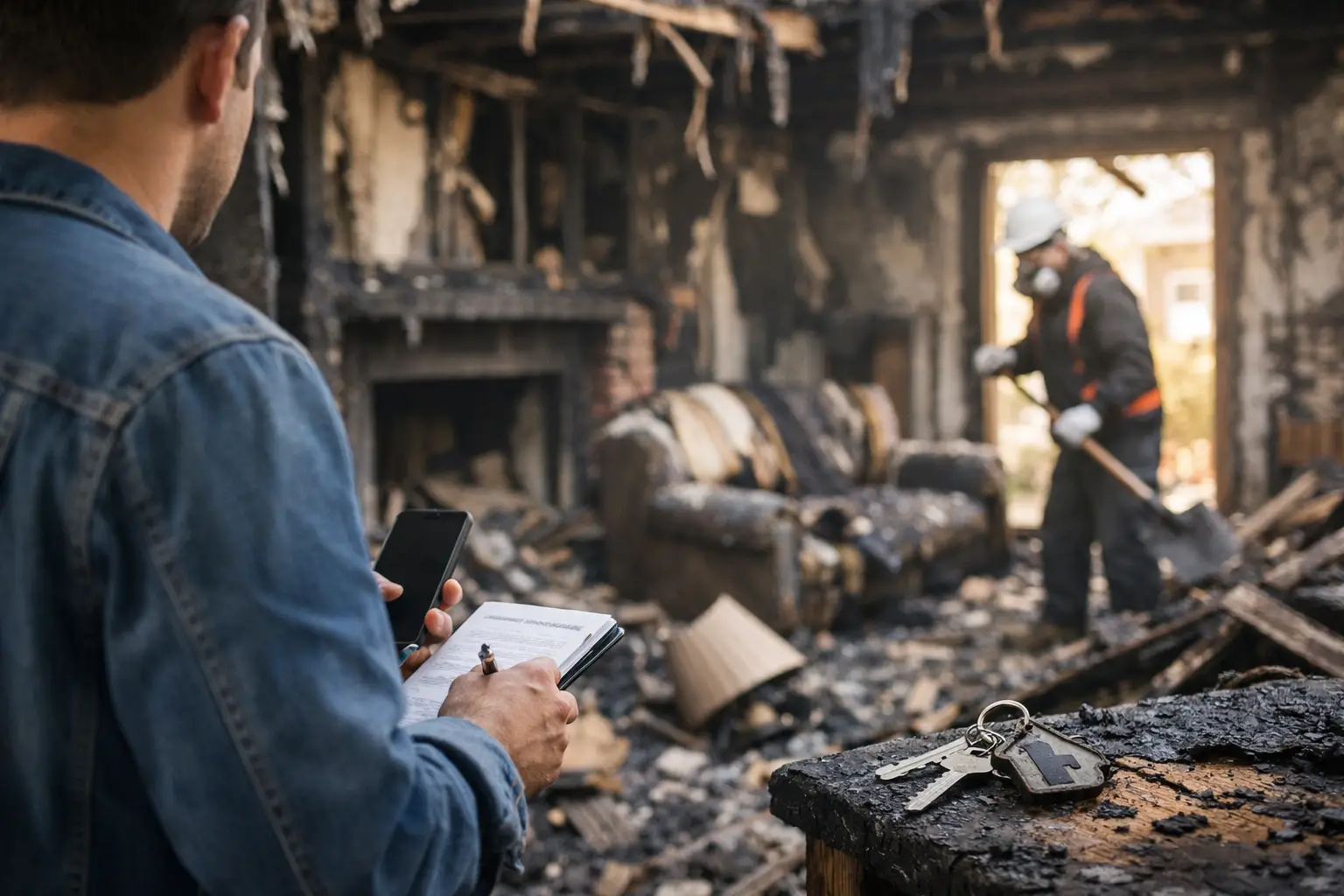 Fire & Smoke
Soot removal, odor deodorization, and content cleaning after fire and smoke damage.
Learn more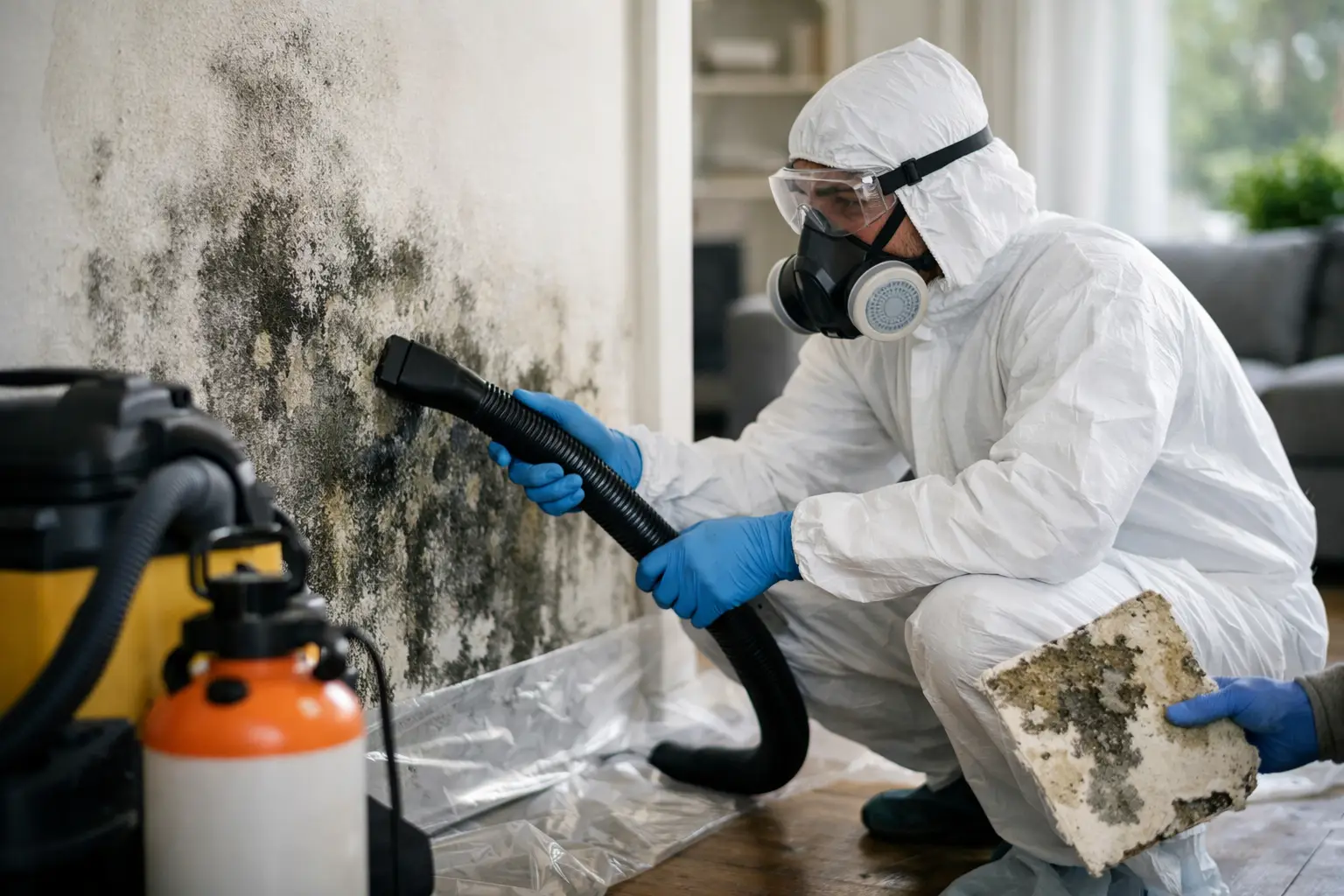 Mold
MoldContainment, removal, and moisture control that stops mold from coming back.
Learn more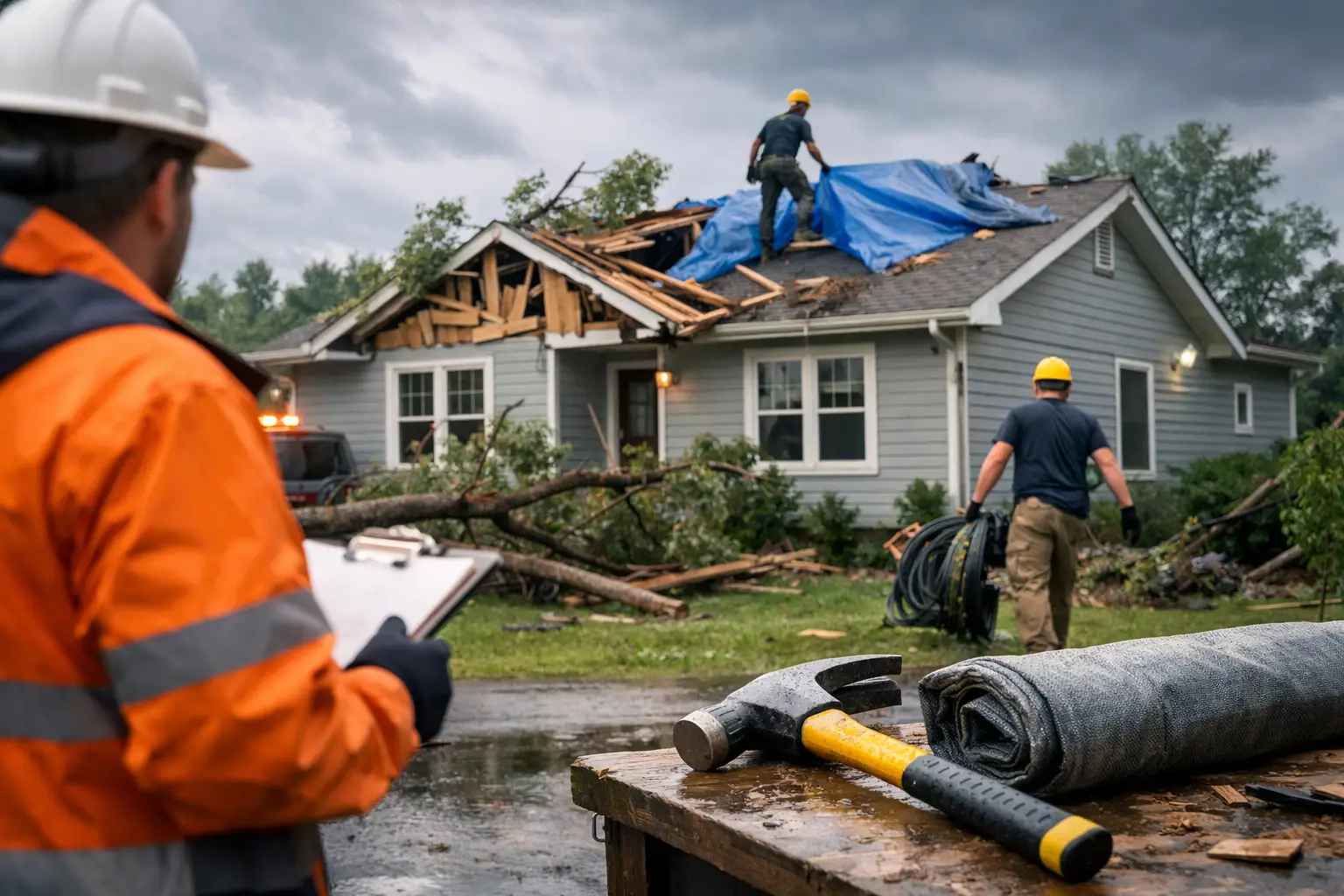 Storm
StormEmergency board-up, roof tarping, and full recovery after wind, hail, and storms.
Learn more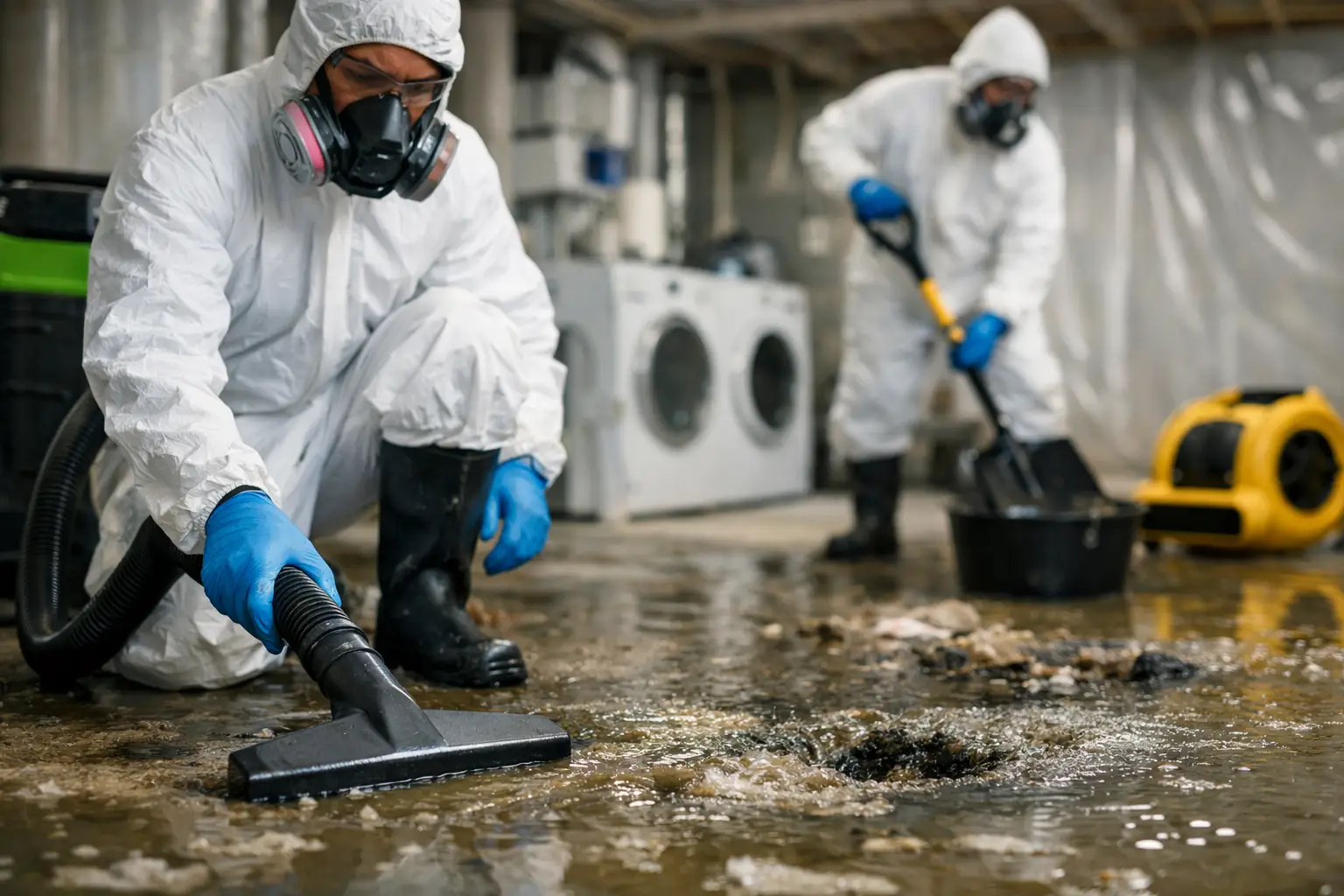 Sewage
Safe biohazard cleanup and sanitizing after sewage backups and overflows.
Learn more Reconstruction
Full rebuild by a licensed general contractor, so your property comes back whole.
Learn moreElevated Operations is an IICRC-certified, licensed general contractor based in Mableton that handles the entire recovery in-house, so after one loss you are never coordinating a cleanup crew, a mold crew, and a contractor separately. One team, one point of contact, from the first pump-out to the final coat of paint.
People call when the property feels like a disaster. They leave reviews because Chris and the crew made it right. These are real, verified Google reviews.
Yes. I handle condo water extraction and drying in Vinings, including units near the Chattahoochee corridor where leaks can move through shared walls and stacked plumbing fast. I focus on water removal, hidden moisture, and the building materials that need structural drying before repairs start.
I offer 60-minute emergency response 24/7. In Vinings, that matters when a condo ceiling is leaking, a kitchen line has burst, or a lower-level room is taking on water. Fast response helps limit spread, supports the drying process, and gives the insurance file a clean start.
If moisture readings stay high in drywall, subfloor, trim, or flooring, the home needs structural drying. In Vinings homes, I also watch for swelling, soft spots, damp baseboards, and lingering humidity. Surface dryness is not enough when water has entered the structure itself.
Yes. I offer direct insurance billing, and I document the job carefully so the claim process stays organized. That helps Vinings homeowners and condo owners avoid extra back-and-forth while the water extraction and drying work is underway and the structure is being measured.
Shut off the water if you can do it safely, keep people out of affected areas, and call me right away. In a Vinings condo, water can spread into hallways, below units, and wall cavities. Early water removal and moisture monitoring can change the entire outcome.
Because guessing is expensive. Moisture monitoring tells me whether the structure is actually drying or whether water is still trapped in materials. In Vinings condos and homes, that data guides equipment placement, shows when to adjust airflow, and confirms when the drying process is complete.
Yes. I handle wet carpet extraction in Vinings townhomes when the carpet, pad, and subfloor can be dried and saved. I inspect the layers below the surface, then use air movers and dehumidification to keep moisture from lingering under the flooring.
I’m Chris Kwangwari, owner of Elevated Operations, LLLP. I’ve been in restoration since 2007, I’m an IICRC-certified technician and licensed general contractor, and I back the work with a 12-month warranty. In Vinings, I keep the service direct, measured, and accountable.
Elevated Operations dispatches IICRC-certified crews across Metro Atlanta from our Mableton base, with a 60-minute emergency response day or night. Choose your city:
Call now for an immediate response, or request your free inspection and get a certified crew on-site within the hour across Atlanta and nearby areas.