24/7 Emergency Restoration · Serving Metro AtlantaEmergency? (770) 404-6895
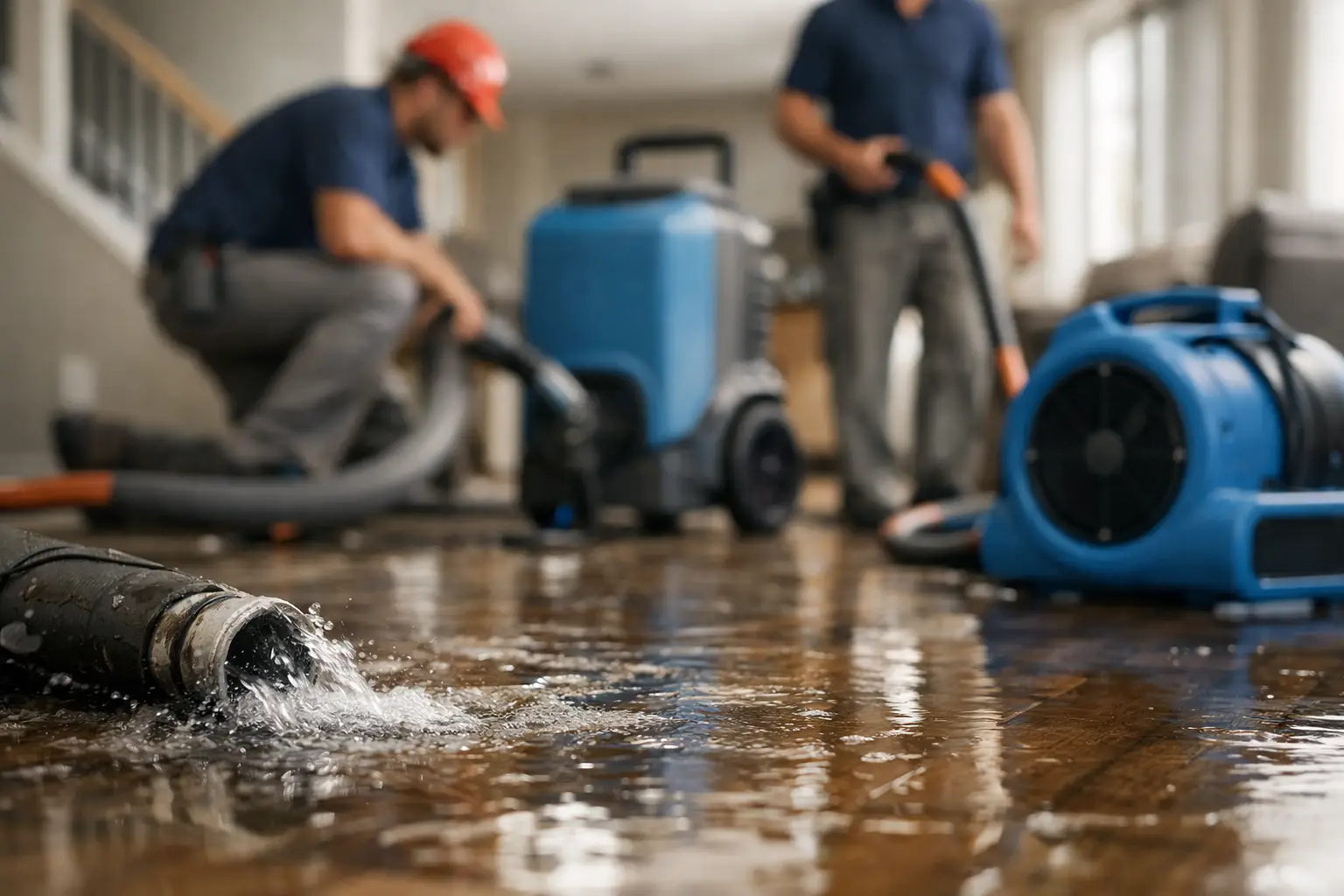
storm damage restoration Roswell starts with fast action, and I send IICRC-certified technicians 24/7 with 60-minute emergency response, roof tarping, and debris removal when storms hit Canton St mill cottages, Vickery, or Big Creek. I am Chris Kwangwari, owner of Elevated Operations, LLLP, and I handle the emergency work, the insurance paperwork, and the repair plan.
IICRC-Certified · 5-Star Rated · 60-Minute Response · Insurance Billed Directly
Yes. I provide 24/7 emergency response, because storms do not follow business hours.
Yes. If the roof is open or leaking, tarping is one of the first actions I take.
Yes. I offer direct insurance billing and document the damage for the claim file.
Call (770) 404-6895 for immediate storm response in Roswell.
The first hour is about stopping the loss. We get to the property, secure the site, document the damage, start debris removal, and install roof tarping or temporary boarding if the structure is exposed. In Roswell, that matters fast when wind drives rain into older Canton St mill cottages or homes near Big Creek.
I treat the first hour like a control point, not a paperwork moment. My crew looks for active water entry, broken openings, loosened shingles, and unsafe areas, then moves to immediate protection so the damage does not keep spreading while you wait.
Roswell storms do not hit every roof the same way. Some houses on older streets around Canton St have more vulnerable roof edges and flashing, while homes near Vickery or Big Creek can see water pushed in by wind, falling limbs, or clogged drainage after a hard hit.
I have been in restoration since 2007, and the pattern is always the same: the faster we stabilize the building, the fewer secondary losses you fight later. That is why I start with the roof, the openings, the wet materials, and the safety of the structure itself.
Storm damage restoration includes emergency protection, water mitigation, wind damage repair, hail damage repair, structural repair, and insurance coordination. I do not separate the emergency from the rebuild. If the roof is open, the walls are wet, or debris is across the yard, all of it gets handled in sequence.
A real storm response is not one task. It is a chain. We secure the exterior, assess the interior, remove loose debris, dry what can be saved, and plan repairs that match the actual damage instead of guessing from the driveway.
That matters in Roswell because storm damage shows up in layers. You may see shingles in the yard near Canton St, but the real problem may be hidden water intrusion at the sheathing, framing, or ceiling lines. My job is to find both.
I use direct insurance billing, and I work with carriers every day. That keeps the claim moving while the property is stabilized, which is exactly what a storm-damaged house needs when weather can turn again before the first repair is done.
Yes, roof tarping should happen quickly when storm damage leaves the roof open, leaking, or unstable. I do not wait for a convenient time. If rain can get inside, the tarp goes up first, because delaying protection usually turns a roof problem into a water damage problem.
Roof tarping is not a cosmetic move. It is a damage-control step. In Roswell, where storms can roll in with wind and rain in a hurry, a compromised roof on a Canton St mill cottage or a home near Vickery can start leaking through ceilings, insulation, and wall cavities almost immediately.
I use tarping when the roof covering is breached, when branches have punched through, or when hail and wind have left the surface too exposed to hold. If the structure needs it, I also use temporary boarding to secure broken windows, doors, or other openings.
Speed matters because exposed buildings do not stay exposed politely. A small opening becomes saturated framing, stained drywall, swollen trim, and then structural repair. I would rather put a tarp on early and remove it later than explain why a simple storm turned into a much larger claim.
Yes, storm damage can lead to water intrusion very quickly, especially when wind damage repair is delayed or roof tarping is skipped. Water does not need a large opening. It only needs a path. Once that path exists, the problem can move from roofline to framing, insulation, and finishes.
Water intrusion is the reason I push emergency response so hard. A roof hit by wind or hail may look manageable from the ground, but once rain gets under shingles or through flashing, the building starts absorbing damage in hidden places that are harder to dry out later.
In Roswell, I see this risk around older homes near Canton St and in neighborhoods where trees and rooflines sit close together, including areas around Vickery and Big Creek. A branch strike, lifted shingles, or a broken vent can let water travel farther than people expect.
That is why I document the source, stop the intrusion, and then move into drying and repair planning. If you ignore the first wet ceiling stain, the next step can be mold. Mold starts in 24 to 48 hours, and I do not let a storm claim drift that far if I can stop it.
I fix storm damage to a house by stabilizing the structure first, then repairing the actual loss, not the visible symptom. That means debris removal, roof tarping, drying, structural repair, and finishing work in the right order so the house is safe, dry, and ready for the next storm.
The process starts with a walkthrough and a hard look at the damage pattern. I want to know what failed first, what got hit second, and where water moved. That tells me whether the job is roof-first, wall-first, or a full structural repair sequence.
After stabilization, I move into restoration work that matches the building. A Canton St mill cottage may need careful repair around older framing details, while a house near Big Creek may need more exterior cleanup and drying because wind and runoff came at it differently.
I am a licensed general contractor, and that matters on storm work. Some contractors can tarp a roof. Fewer can manage the full repair path after the emergency is over. I handle both sides, so the temporary fix and the permanent repair actually line up.
Speed matters because storm damage grows while the building sits open. Wind damage repair gets more expensive when water intrusion starts, and debris removal gets harder when wet materials settle in. I move fast because every hour lost can create a second layer of damage inside the home.
A storm-damaged property in Roswell does not wait for a convenient inspection window. If rain keeps coming, a missing shingle becomes saturated decking, a broken window becomes soaked flooring, and a loose limb can keep rubbing into the roof edge until the opening grows.
That is why I respond 24/7 with a 60-minute emergency response. I want the site secured before the damage spreads, especially in older housing near Canton St where the building envelope may already be more vulnerable than a newer subdivision home.
Speed also helps the claim. Clear documentation, quick stabilization, and direct insurance billing keep the process moving. I have been doing this since 2007, and the homes that recover fastest are the ones where the owner called before the water found a second route in.
If it is safe, keep people out of damaged rooms, avoid walking on wet ceilings or unstable floors, and call for emergency response right away. Do not climb on the roof yourself. If you can see active leaking, move valuables out of the path and wait for us to secure the structure.
Your first job is safety, not cleanup. Keep clear of downed lines, sagging ceilings, broken glass, and any area where wind damage may have made the structure unstable. If the storm hit a house near Big Creek or around Vickery, I want the site left alone until I can inspect it.
If you can do anything safely, it is usually limited to small protection steps inside the home, like moving furniture away from a leak or placing a container under active dripping. Leave the roof, the openings, and anything structural to my crew.
I am serious about this because bad first moves create better-looking damage and worse actual damage. A tarp on a roof is useful. A homeowner climbing onto slick shingles is not. Call me, let my team handle debris removal and temporary boarding, and keep yourself out of the repair path.
I dispatch fast, inspect the structure, and stop active exposure with roof tarping, temporary boarding, and debris removal. In Roswell, that first hour often decides whether a storm stays a repair job or becomes water intrusion inside the walls.
We document the loss, map the damage, and start the drying and stabilization plan. I keep direct insurance billing moving while my technicians handle the emergency work, especially on homes with wind damage repair needs around Canton St, Vickery, or Big Creek.
The building gets dried, opened where needed, and prepared for structural repair. If hail damage repair or wind damage repair is needed, I line up the scope so temporary protection comes off only after the structure is ready for permanent work.
We complete the repairs, verify the work, and stand behind it with a 12-month warranty. My goal is not just to close the claim, it is to return the house to a stable, dry condition that can handle the next storm better.
From emergency mitigation to full reconstruction, handled in-house so you are never managing a chain of subcontractors mid-crisis.
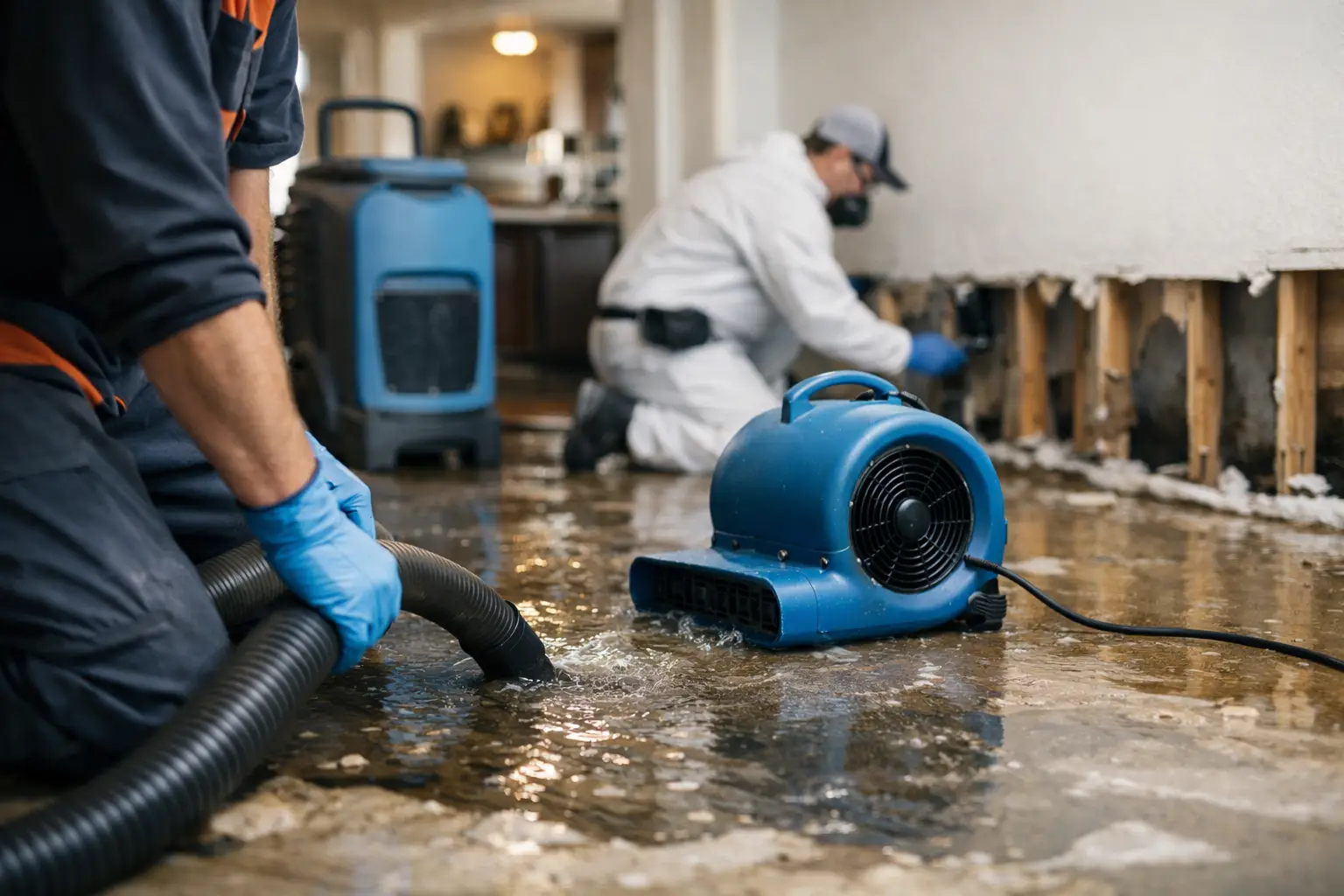 Water Damage
Extraction, structural drying, and moisture mapping after floods, leaks, and burst pipes.
Get help now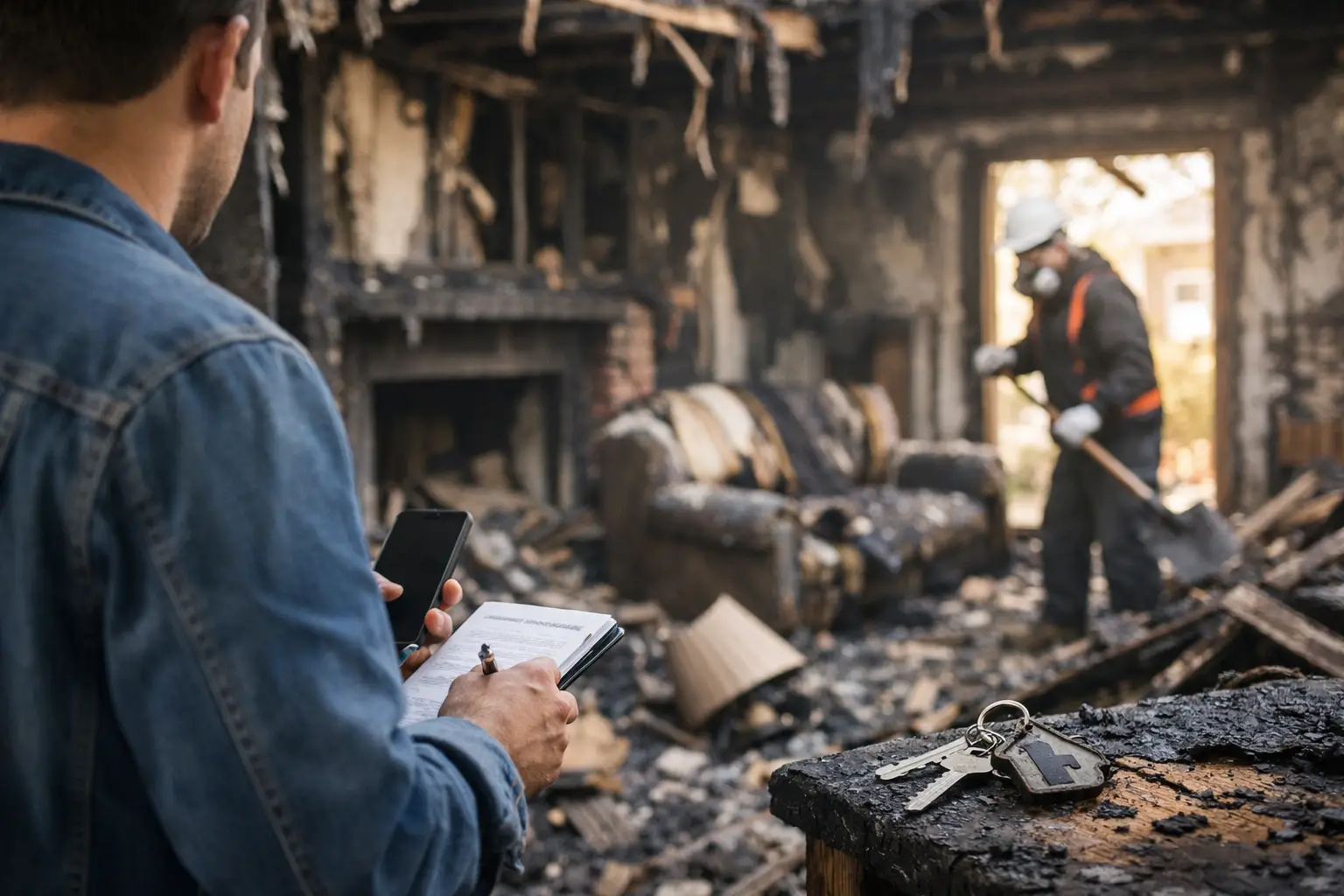 Fire & Smoke
Soot removal, odor deodorization, and content cleaning after fire and smoke damage.
Learn more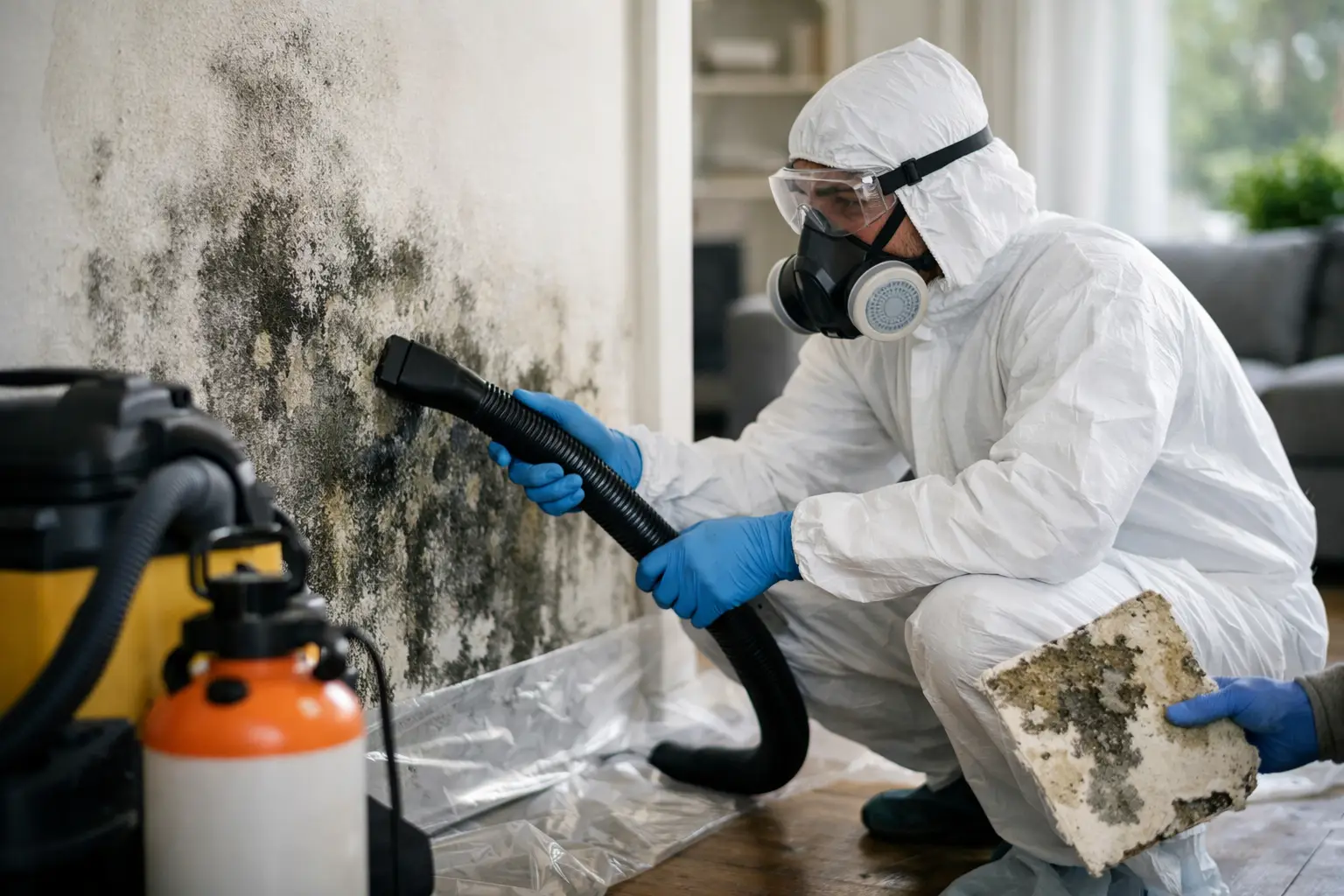 Mold
MoldContainment, removal, and moisture control that stops mold from coming back.
Learn more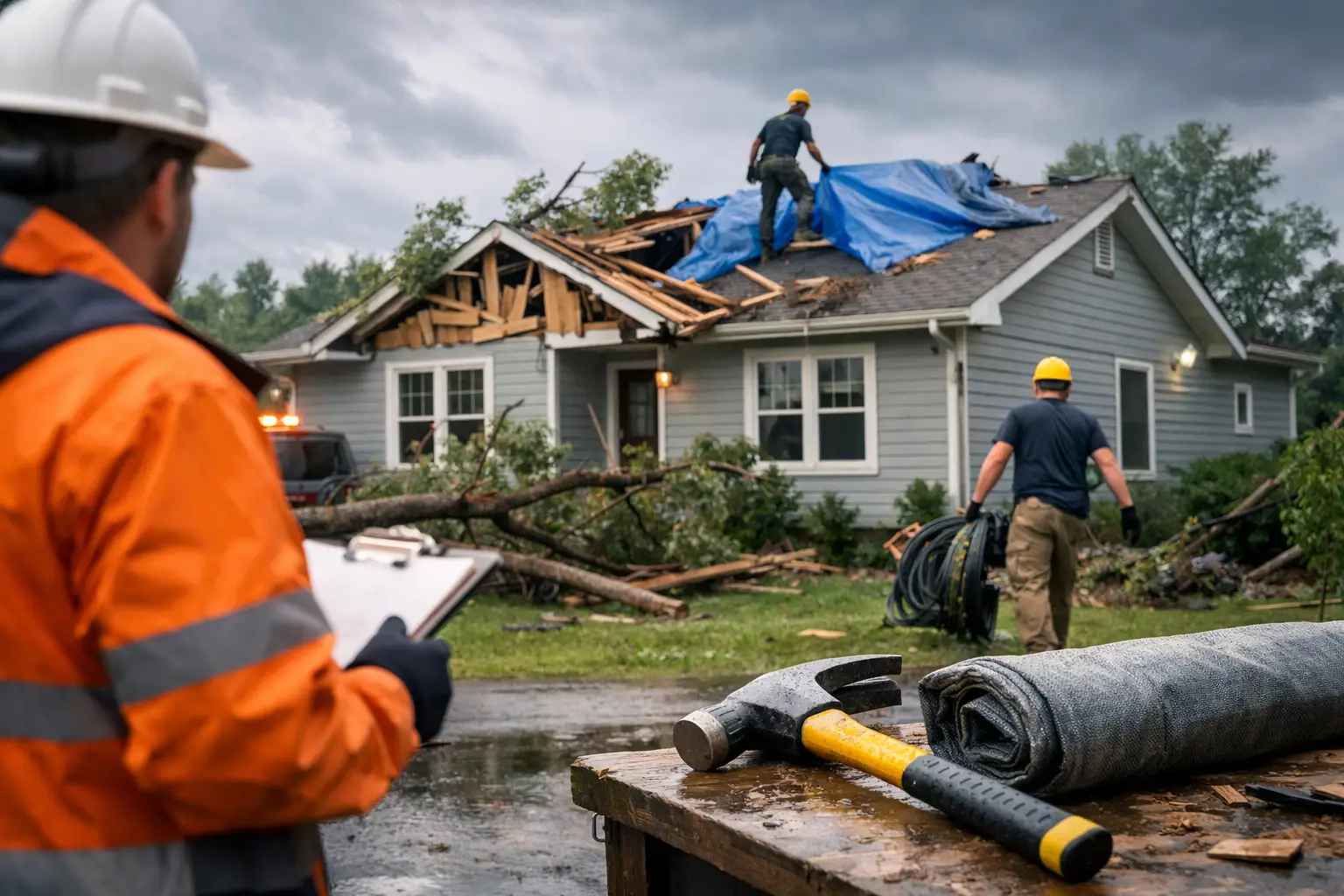 Storm
StormEmergency board-up, roof tarping, and full recovery after wind, hail, and storms.
Learn more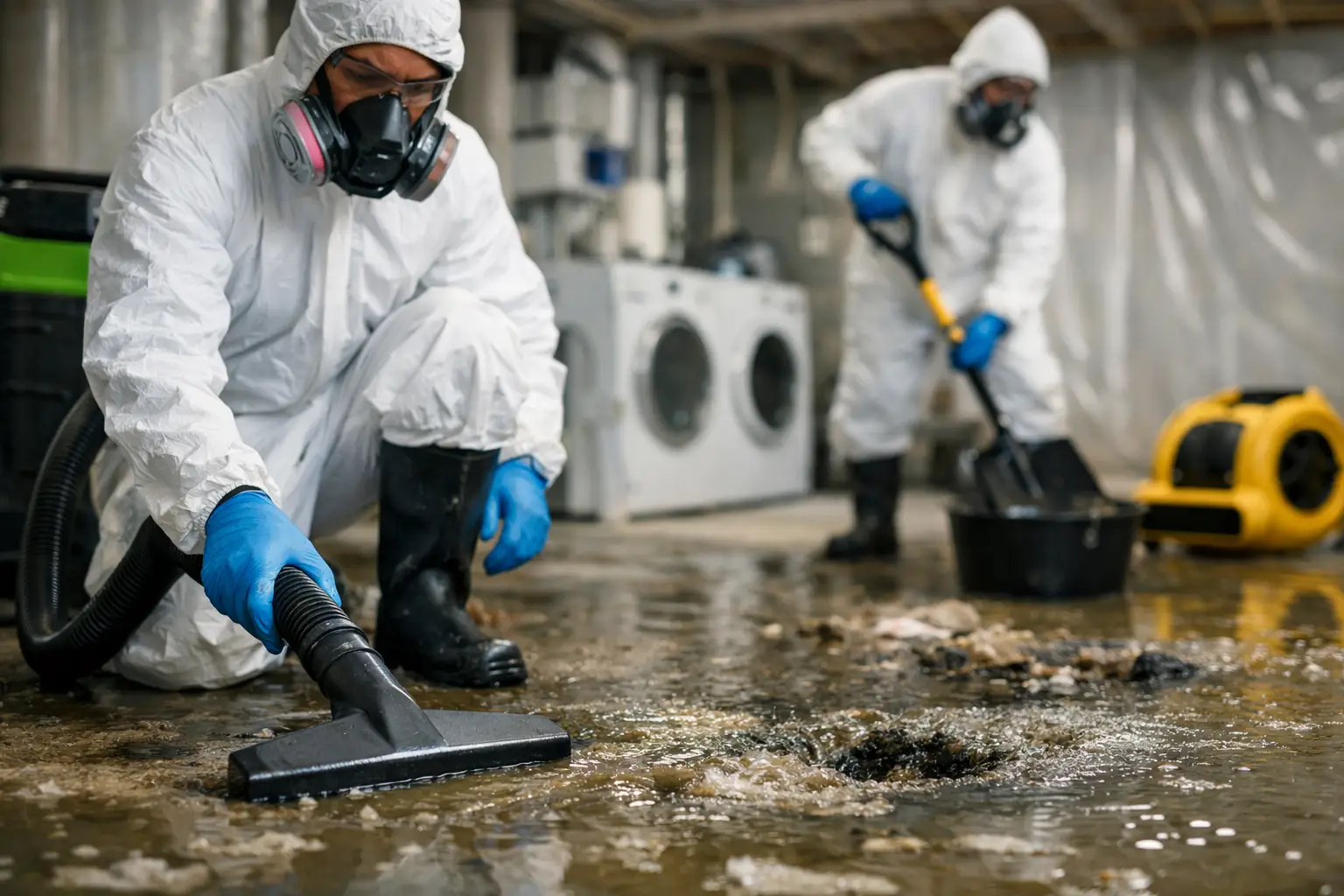 Sewage
Safe biohazard cleanup and sanitizing after sewage backups and overflows.
Learn more Reconstruction
Full rebuild by a licensed general contractor, so your property comes back whole.
Learn moreElevated Operations is an IICRC-certified, licensed general contractor based in Mableton that handles the entire recovery in-house, so after one loss you are never coordinating a cleanup crew, a mold crew, and a contractor separately. One team, one point of contact, from the first pump-out to the final coat of paint.
People call when the property feels like a disaster. They leave reviews because Chris and the crew made it right. These are real, verified Google reviews.
I provide 24/7 emergency response with a 60-minute emergency response target, so I move quickly when storms hit Canton St, Vickery, or Big Creek. The first call is about stabilization, not waiting for office hours. I want the roof protected, openings secured, and the property documented before more rain or wind makes the loss worse.
Yes, and I pay close attention to older structures because they can show damage differently than newer homes. The Canton St mill cottages can have aging roof details, trim, or framing that need careful inspection after wind or hail. I secure the building first, then repair it with the structure’s age and condition in mind.
Yes. Hail damage repair is often part of a larger storm response when shingles, flashing, gutters, or vents are impacted. I inspect the roof system, not just the visible bruising. In Roswell, a hail hit can be minor on the surface but still lead to water intrusion if the protective layers are compromised.
Yes, I offer direct insurance billing. That keeps the process cleaner when you are dealing with debris removal, roof tarping, and repair planning at the same time. I work with insurance claims every day, and I document the loss so the carrier has a clear view of what happened and what needs to be repaired.
I look for movement, sagging, fractured framing, failed roof decking, or signs that water intrusion reached the structure itself. Not every storm needs structural repair, but when it does, I do not downplay it. A home near Big Creek or a cottage near Canton St can hide serious damage behind a smaller visible issue.
Yes, when windows, doors, or other openings are broken or exposed, I use temporary boarding to secure the property. That matters after wind damage repair or when debris impact leaves the building open to weather or trespass. Temporary boarding is part of stopping the loss first, before permanent repairs begin.
Do not assume the roof is fine. Water can enter through lifted shingles, flashing failures, vents, or tiny breaches that are hard to spot from the ground. I inspect the full path, because a stain in a Roswell ceiling can be the result of wind damage miles from the visible leak point on the roofline.
Yes, I back my work with a 12-month warranty. Once the emergency is controlled and the repairs are complete, I want the homeowner to know the restoration was handled properly. I am Chris Kwangwari, owner of Elevated Operations, LLLP, and I stand behind the repair path from first tarp to final closeout.
Elevated Operations dispatches IICRC-certified crews across Metro Atlanta from our Mableton base, with a 60-minute emergency response day or night. Choose your city:
Call now for an immediate response, or request your free inspection and get a certified crew on-site within the hour across Atlanta and nearby areas.