24/7 Emergency Restoration · Serving Metro AtlantaEmergency? (770) 404-6895
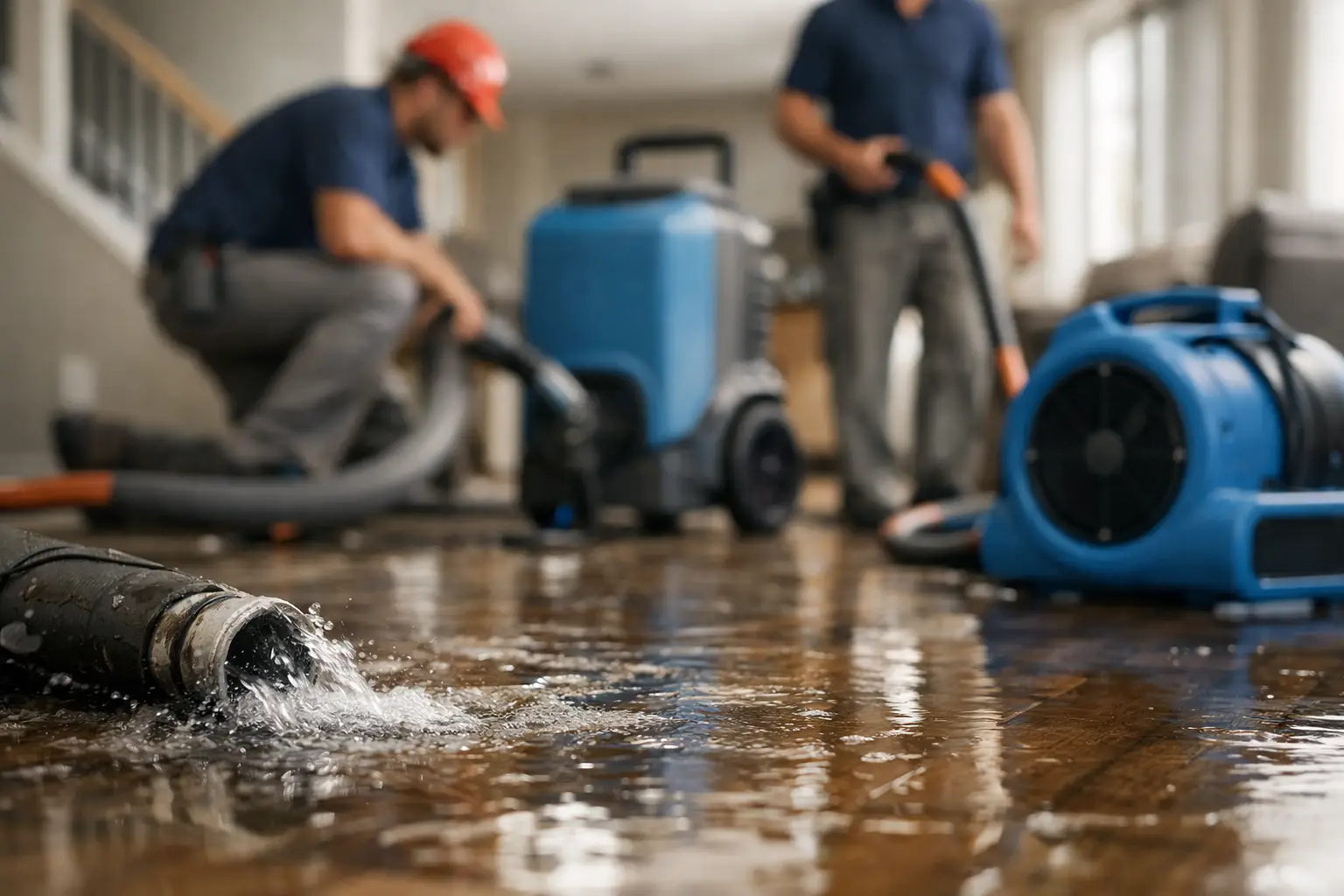
Water mitigation services Roswell should start with fast removal, real drying, and a clear decision about repair versus replacement. I look at the loss, the materials, and the risk of mold in Canton St mill cottages and Vickery or Big Creek homes, then I tell you which path makes sense.
IICRC-Certified · 5-Star Rated · 60-Minute Response · Insurance Billed Directly
Yes. I work across Roswell, including homes near Canton St mill cottages, where older materials need a careful repair-versus-replace decision.
I start with moisture mapping and structural drying, then decide whether the affected materials can be restored or need replacement.
Yes. I offer direct insurance billing and deductible assistance up to $1,000 on qualifying losses.
Chris Kwangwari owns the company, and I run the work with a licensed general contractor background and IICRC-certified technicians.
Water mitigation services in Roswell usually mean stopping the spread, removing standing water, and drying the structure before damage grows. I treat it as loss mitigation first, not cosmetic work. That matters in older Canton St cottages and newer Vickery homes, where materials react very differently.
The first move is water extraction, because standing water keeps pushing into floors, trim, and wall cavities. On a Canton St mill cottage, I worry about older framing and mixed repairs. In Big Creek townhomes, I watch for water moving under laminate and baseboards fast.
Then comes dehumidification and structural drying. That is not a fan pointed at a wet room. It is controlled drying equipment set to pull moisture out of the structure before mold starts to take hold in 24 to 48 hours.
I also decide what needs containment and what can stay open. If the loss is small and isolated, I keep the work tight. If water tracked through a Roswell basement or across a kitchen into hallways, I limit spread and dry in stages.
Restore when the material is sound, dryable, and not structurally compromised. Replace when swelling, delamination, or hidden saturation makes the repair unreliable. In Roswell, I usually see older wood in Canton St cottages worth saving, while some finish materials in Big Creek homes are faster and cleaner to replace.
This is where comparison matters. Restoration makes sense on hardwood, framing, and some trim when moisture control is aggressive and the material still has integrity. If I can dry it, keep it. That is the right call when the structure can hold up.
Replacement wins when the material has already failed. Wet insulation, warped MDF baseboards, and flooring with trapped moisture often need to come out. In a Vickery home, that may mean replacing a small section. In a cottage near Canton St, the decision may hinge on what is original and salvageable.
I do not guess. I test, I look at the spread, and I compare the cost of saving the material against the risk of doing it twice. Short answer, restore the parts that can truly recover, replace the pieces that cannot.
DIY looks cheaper at first, but it often misses hidden moisture, delays drying, and turns a small loss into mold and structural damage. A pro brings water extraction, drying equipment, containment when needed, and the judgment to know what belongs in the trash and what can be saved.
I have seen the DIY version in Roswell many times. Towels, box fans, and a wet-dry vac can help the first hour. They do not replace moisture control or a real drying plan. That gap shows up later in wall cavities and under flooring.
A pro matters most when the water touched multiple rooms, a basement, or older construction. Around Canton St mill cottages, hidden voids and older assemblies need closer attention. Around Big Creek, I often see newer finishes that trap moisture in different ways.
DIY is fine for tiny spills if you catch them early. But once water has soaked padding, baseplates, or subfloor, I want professional loss mitigation. That is the line I draw. Early cleanup is cheap. Failed cleanup gets expensive.
Water damage is the wet event itself, while mold damage is the growth that can follow when moisture stays in place. Water mitigation services focus on stopping the water and drying the structure. If you wait, mold can begin in 24 to 48 hours and change the whole job.
Water damage is visible and immediate. Mold is the second problem, and it often starts in hidden places like behind trim, inside wall cavities, or under flooring. That is why I push dehumidification early, especially in humid stretches around Roswell.
If I arrive at a Canton St cottage and see wet plaster, wet framing, and swelling baseboards, that is a water job first. If I open a wall in a Big Creek home and find microbial growth, that changes the scope. Different problem. Different response.
The verdict is simple. If the leak just happened, act on water damage now. If it sat too long, you are no longer comparing cleanup alone. You are comparing mitigation plus mold remediation risk, and that is a more complicated recovery.
Water mitigation should start immediately, because the longer water sits, the deeper it moves and the harder it is to dry. I respond 24/7 in 60 minutes for emergencies. In Roswell, that speed matters in basements, kitchens, and older structures where water spreads under finished surfaces fast.
Fast action is the difference between a controlled dryout and a larger repair. On Canton St, older cottages can hide water in layered repairs and under uneven flooring. Near Big Creek, newer homes can still trap water inside trim, cabinets, and low wall areas.
I start with extraction, then I build the drying plan around the materials in the room. That is why speed matters. The first hour is where loss mitigation has real leverage. Miss that window, and you are chasing swelling, odor, and hidden saturation later.
If the source is still active, stop it first. Then get the structure open and drying. That order is not optional. It is the difference between a manageable incident and a job that keeps expanding after the visible water is gone.
I inspect the source, remove standing water, map moisture, and set drying equipment so the structure dries evenly. When needed, I use containment to isolate the work area. In Roswell homes near Canton St or Vickery, that process helps protect finishes while I focus on the wet structure underneath.
The process starts with a walk-through and moisture readings. I want to know what is wet, what is drying, and what is still hidden. Then I decide whether the home needs containment, selective demolition, or a tighter dryout focused on moisture control.
After water extraction, I place air movers and dehumidifiers where they will actually pull moisture out of the structure. That is structural drying, not guesswork. In a Roswell ranch, a townhome, or a mill cottage, the setup changes with the materials.
And I keep the homeowner informed about what stays, what goes, and why. That is the comparison that matters during the job. Restore when it can recover. Replace when it cannot. The work should explain itself as it goes.
| Typical Trigger | Water Damage Restoration | Mold Remediation |
|---|---|---|
| A supply line breaks under a sink in a Big Creek kitchen | I extract the water, dry the cabinet base, and keep the toe kick if the material is sound | If it sat overnight, I expect hidden moisture and may need containment before mold can spread |
| Storm water finds an entry point near a Canton St mill cottage | I focus on structural drying, older framing, and whether the original materials can be saved | If the cavity stayed wet, mold risk rises fast and the job may shift from cleanup to remediation |
| A bathroom leak spreads through a Vickery home | I compare repair versus replacement for drywall, trim, and flooring after moisture readings | If the leak was hidden behind the wall, mold damage can be the real issue, not the visible stain |
From emergency mitigation to full reconstruction, handled in-house so you are never managing a chain of subcontractors mid-crisis.
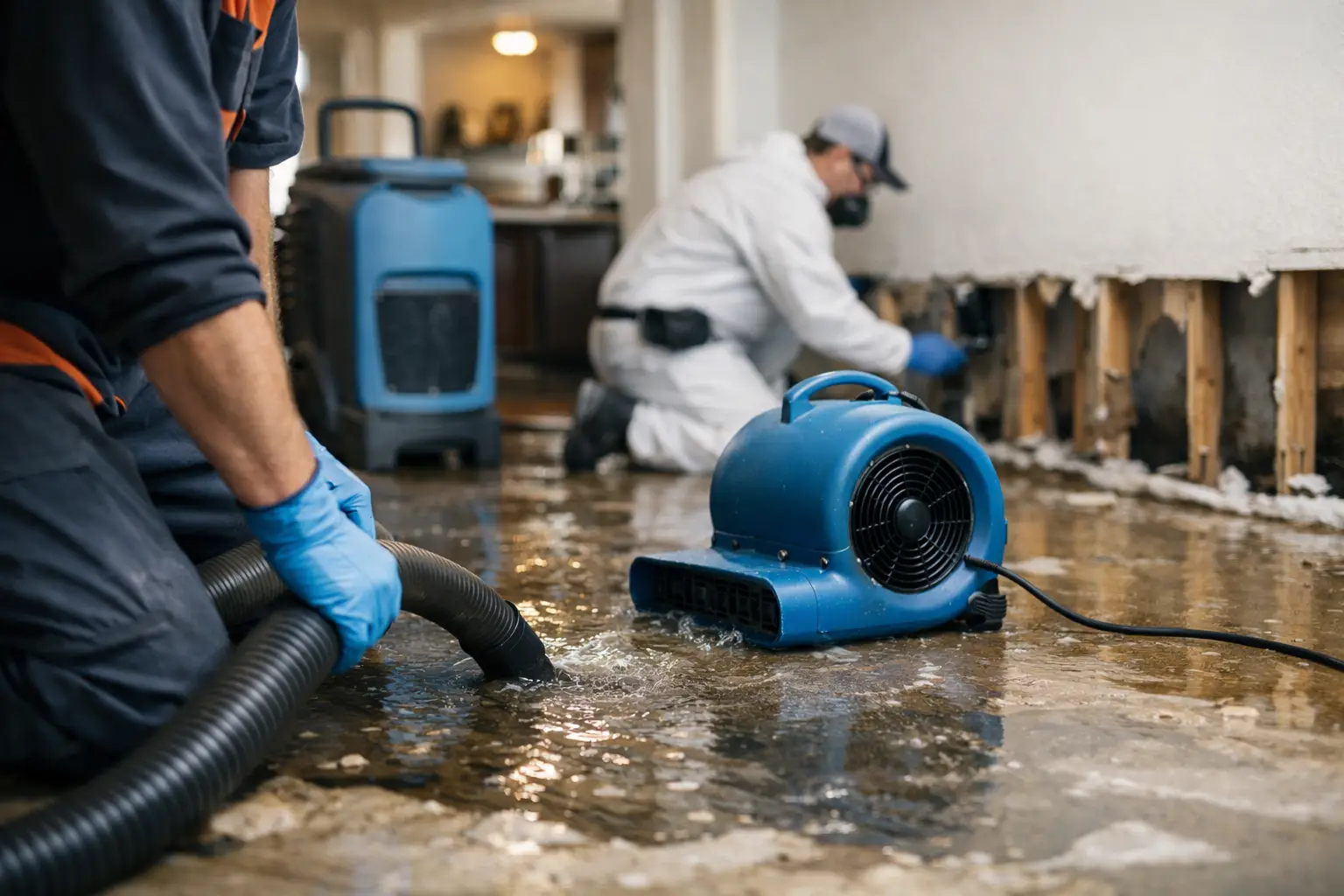 Water Damage
Extraction, structural drying, and moisture mapping after floods, leaks, and burst pipes.
Get help now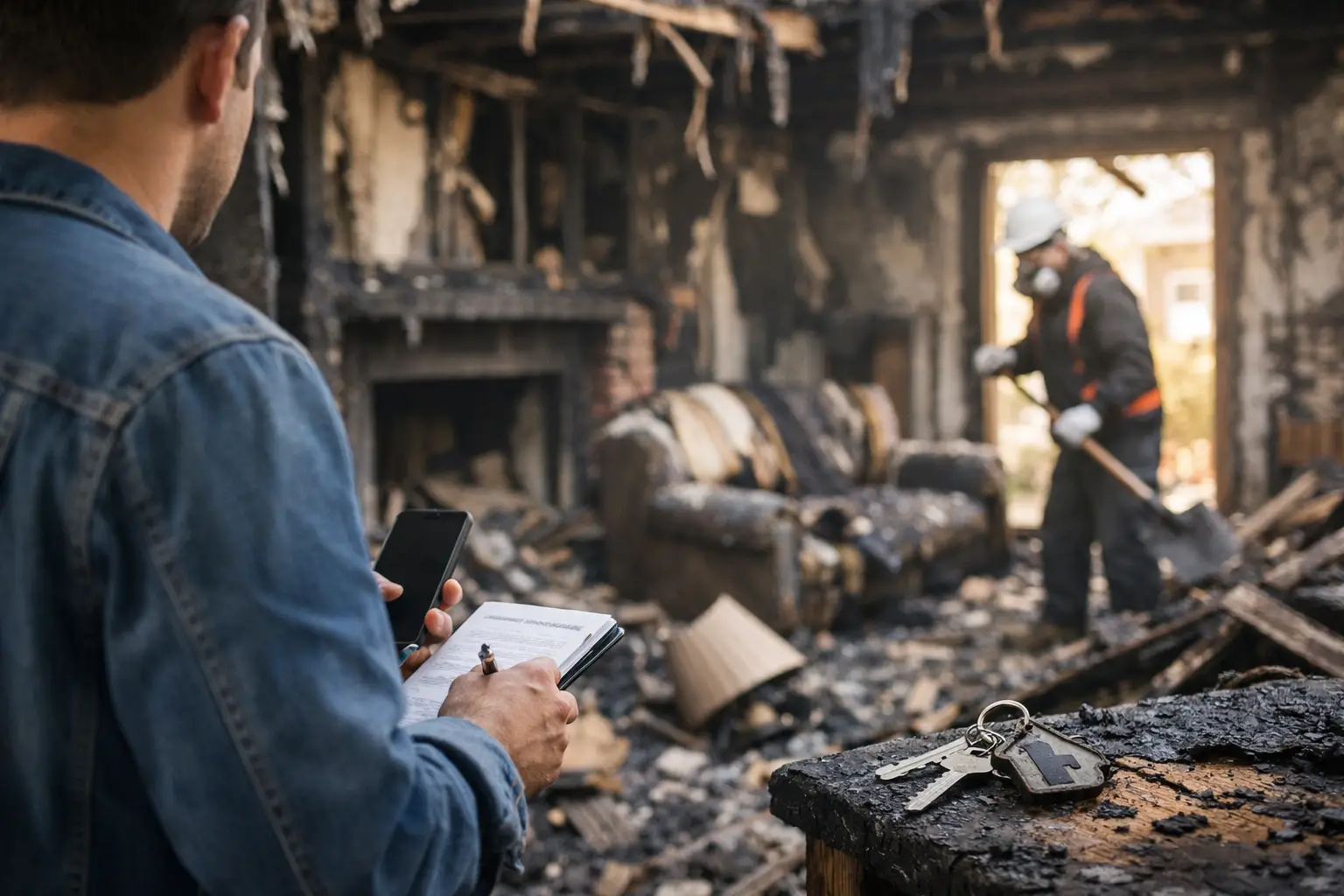 Fire & Smoke
Soot removal, odor deodorization, and content cleaning after fire and smoke damage.
Learn more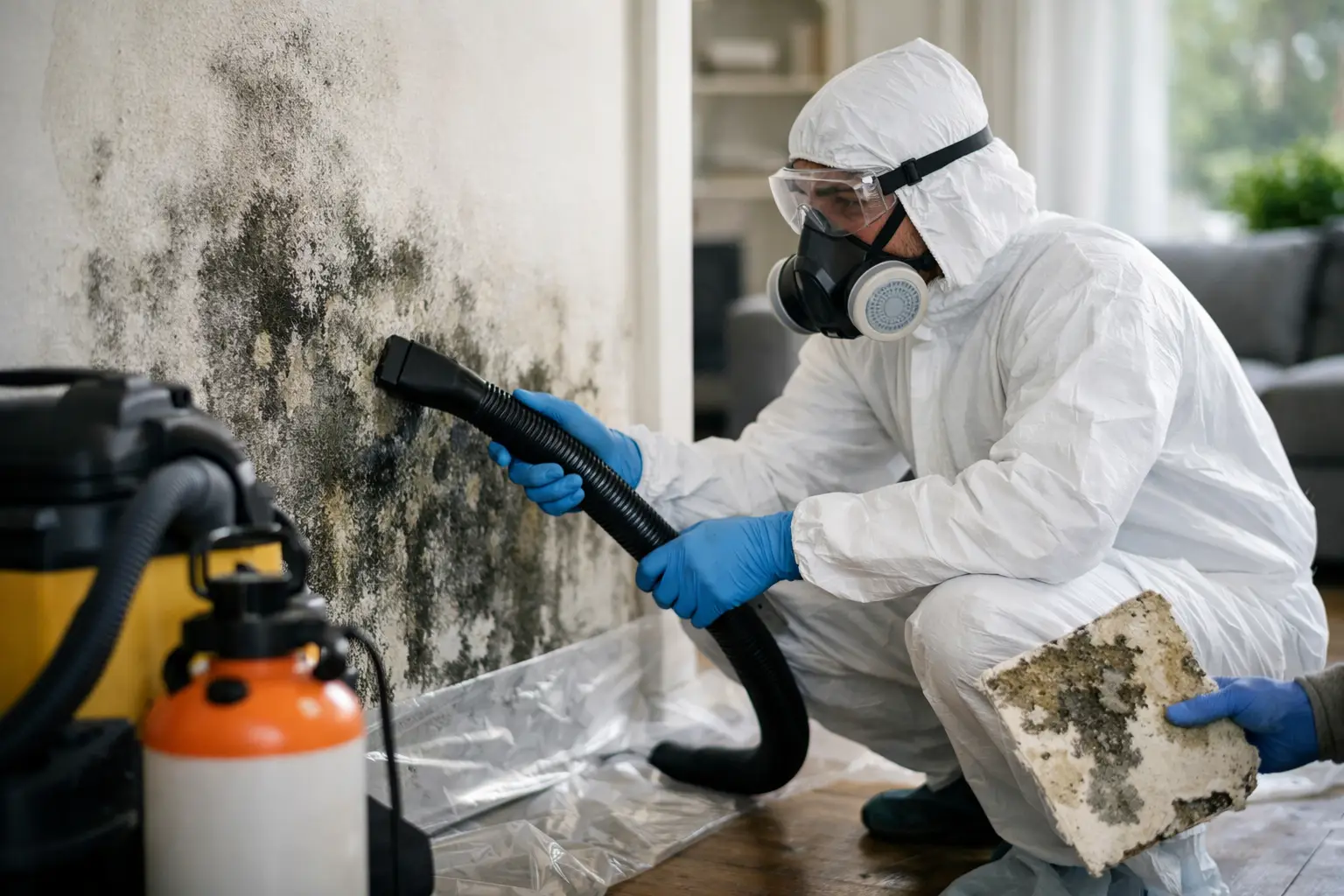 Mold
MoldContainment, removal, and moisture control that stops mold from coming back.
Learn more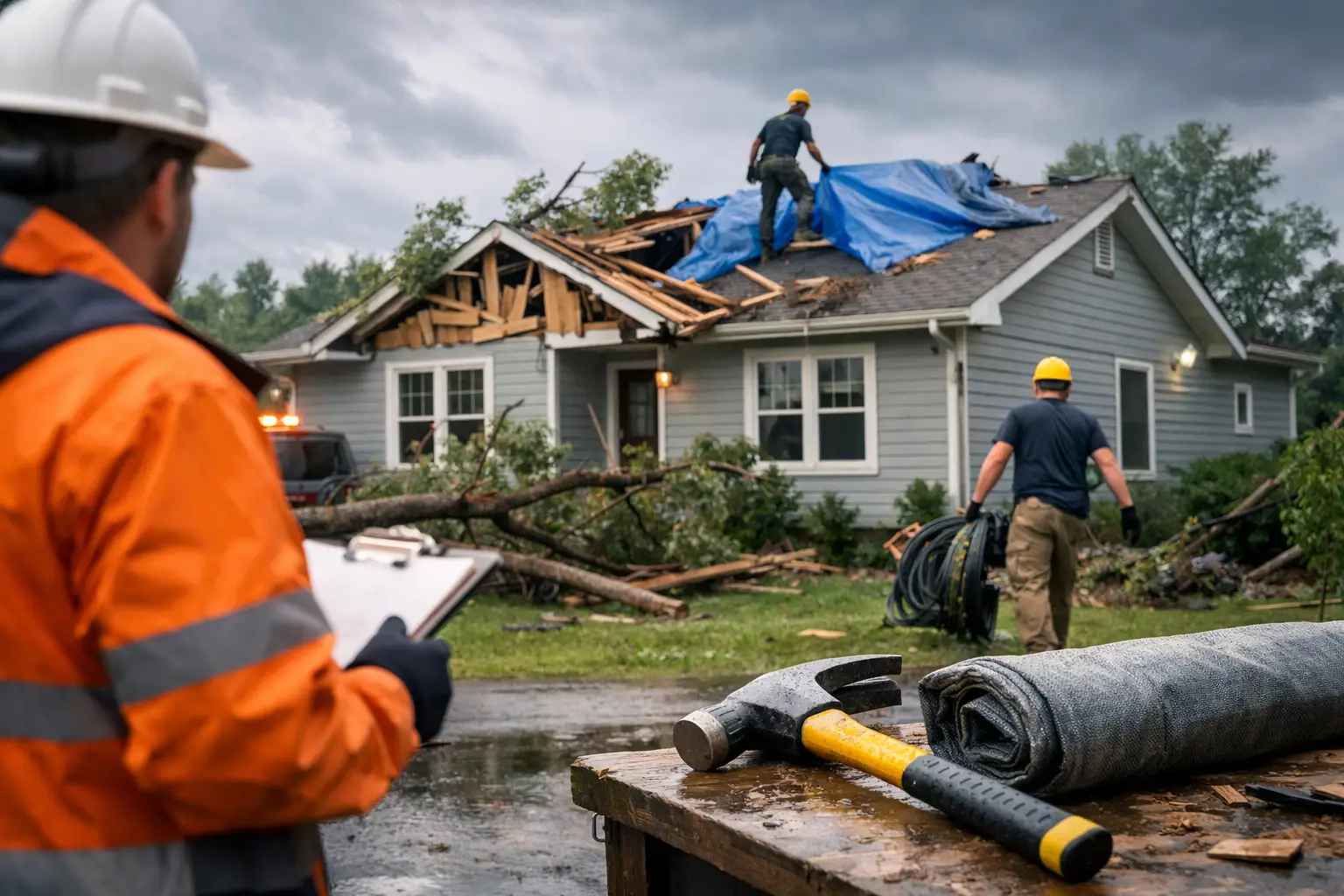 Storm
StormEmergency board-up, roof tarping, and full recovery after wind, hail, and storms.
Learn more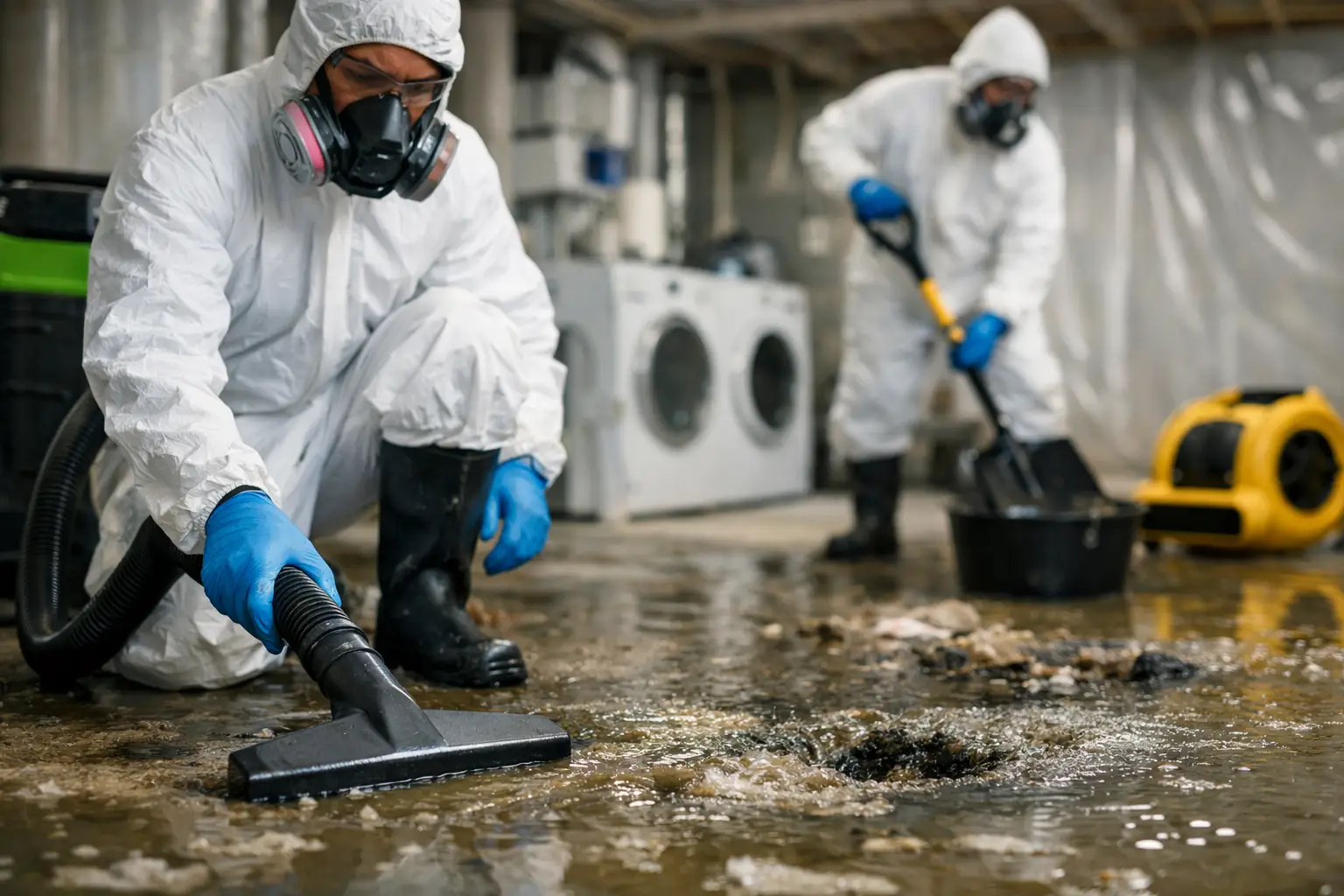 Sewage
Safe biohazard cleanup and sanitizing after sewage backups and overflows.
Learn more Reconstruction
Full rebuild by a licensed general contractor, so your property comes back whole.
Learn moreElevated Operations is an IICRC-certified, licensed general contractor based in Mableton that handles the entire recovery in-house, so after one loss you are never coordinating a cleanup crew, a mold crew, and a contractor separately. One team, one point of contact, from the first pump-out to the final coat of paint.
People call when the property feels like a disaster. They leave reviews because Chris and the crew made it right. These are real, verified Google reviews.
Yes. I treat water mitigation services as the work that stops spread, removes standing water, and dries the structure before damage worsens. In a Canton St house, that can mean pulling water from old flooring, checking wall cavities, and deciding what can be restored versus replaced. It is about saving structure first, not cosmetic finish work.
The materials change the call. In Vickery, newer finishes can trap moisture behind trim and under flooring, so I look closely at hidden damage. In older Big Creek-area homes, I watch for mixed repairs, wood movement, and older assemblies that need slower, more careful structural drying and moisture control.
Stop the source if you can do it safely, then call for extraction right away. Basements hold moisture longer, and trapped humidity can feed mold fast. I want the space opened up, mapped, and drying. In Roswell, especially near older streets and creek-adjacent homes, waiting is the wrong move.
Sometimes. I use containment when the wet area is likely to spread moisture, dust, or debris into the rest of the home. That comes up in tight hallways, partial wall removals, or rooms with finished floors. On Canton St cottages and in Big Creek homes, containment can keep the work controlled.
I look at swelling, softness, hidden saturation, and whether the material can dry without future problems. If it is stable, I lean toward restoration. If it is warped, broken down, or holding moisture, replacement is the better answer. I do not choose by guess or by what is easiest to say.
No. Water mitigation services deal with the wet event and the drying process. Mold work comes into play if moisture stayed long enough for growth to start. That is why timing matters so much. In Roswell, a leak that sits can turn one comparison into two separate scopes.
They pull moisture out of the air and the materials so the structure can dry evenly. I use them to support structural drying after water extraction, not as a substitute for cleanup. In Roswell homes, that is the difference between drying the surface and drying the actual assembly.
Because I bring IICRC-certified technicians, direct insurance billing, a 12-month warranty, and the judgment to separate salvageable materials from failed ones. I am a licensed general contractor, and I have been in restoration since 2007. For Roswell homes, that experience keeps the comparison honest.
Elevated Operations dispatches IICRC-certified crews across Metro Atlanta from our Mableton base, with a 60-minute emergency response day or night. Choose your city:
Call now for an immediate response, or request your free inspection and get a certified crew on-site within the hour across Atlanta and nearby areas.