24/7 Emergency Restoration · Serving Metro AtlantaEmergency? (770) 404-6895
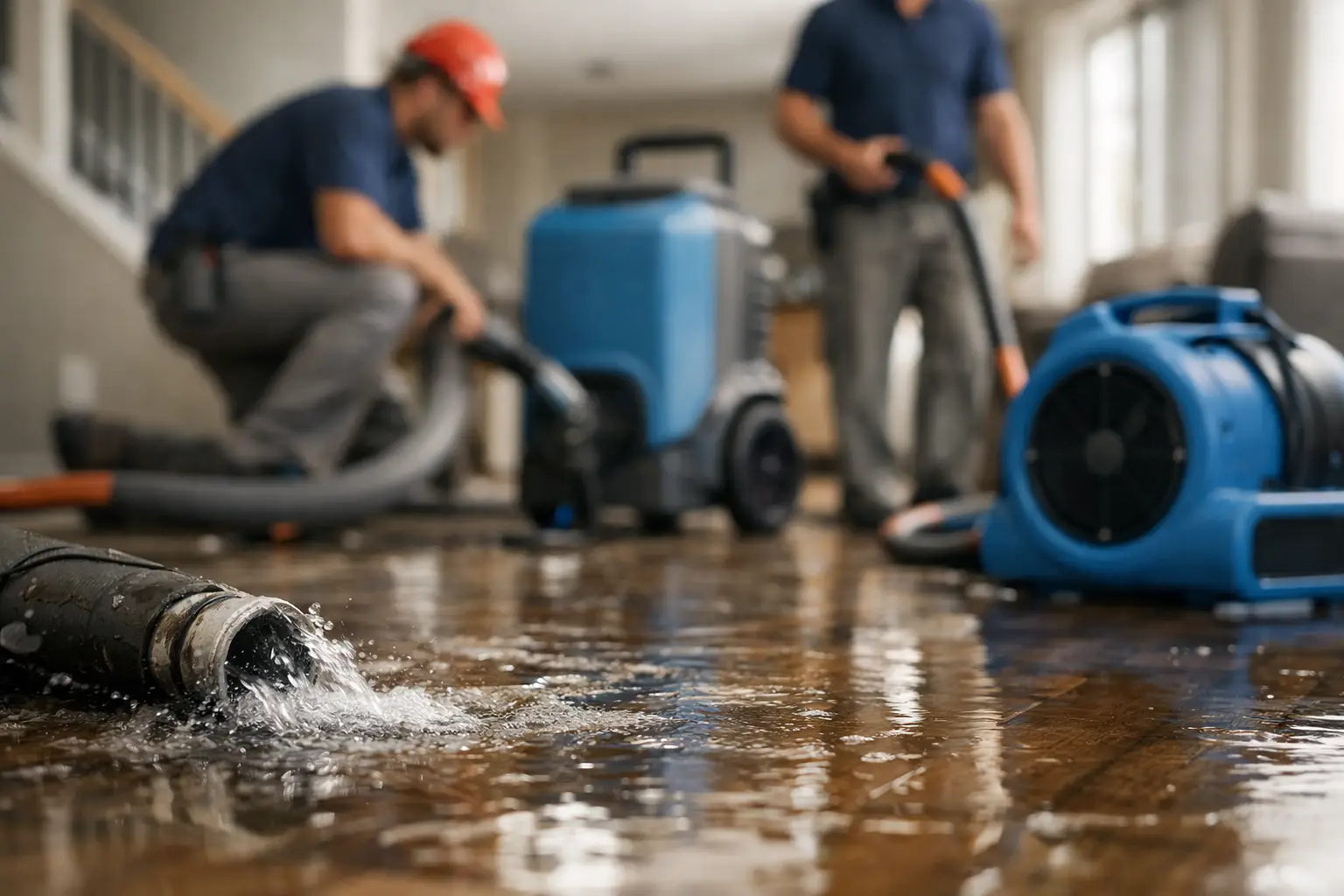
Reconstruction Forest Park usually starts with one urgent question, what can be saved and what has to be rebuilt? I answer that fast. I’m Chris Kwangwari, owner of Elevated Operations, and my IICRC-certified team handles property reconstruction with direct insurance billing, licensed general contracting, and a 12-month warranty.
IICRC-Certified · 5-Star Rated · 60-Minute Response · Insurance Billed Directly
I handle the rebuild after cleanup, whether the job needs drywall repair, flooring repair, or structural repair. I start with the structure and keep the scope clear.
If the materials are still sound, repair may be enough. If the framing, subfloor, or wall assembly failed, I move to property reconstruction instead of forcing a patch.
Yes. I work around post-war construction, prior repairs, and hidden damage so the finished work fits the house instead of fighting it.
I offer 60-minute emergency response 24/7, and I can start the reconstruction conversation quickly after the site is stabilized and safe.
Reconstruction after property damage is the rebuild that happens after cleanup, when damaged materials have to be removed and put back correctly. In Forest Park, that often means restoring post-war houses, rental properties, and light commercial spaces affected by water, fire, or structural damage.
I mean the work after mitigation, not the cleanup itself. If the drywall is cut out, the flooring is pulled, or framing needs replacement, reconstruction puts the place back together with the right materials and code-aware methods.
Forest Park has a lot of practical housing and commercial stock tied to the airport and industrial corridor, plus older post-war construction. That matters, because those buildings often need drywall repair, flooring repair, or framing repair that matches what is already there, not a generic patch job.
I handle property reconstruction with a licensed general contractor mindset, because some jobs stop at cosmetic repair and others turn into structural repair. And if insurance is involved, I keep the paperwork clean with direct insurance billing.
Reconstruction is needed when the damaged materials cannot be dried, cleaned, or safely patched back into service. If fire, water, or impact damage reached framing, subflooring, cabinets, or wall assemblies, repair alone will not hold up. That is when property reconstruction makes sense.
I look at the structure first. If the damage is isolated, roof repair or drywall repair may be enough. But when water wicks through multiple layers, or smoke and heat affect more than the surface, the job shifts from damage repair to rebuilding the affected section correctly.
In Forest Park, I see this often in homes and commercial spaces near industrial traffic routes, where leaks, appliance failures, and storm events can spread damage quickly. Older post-war homes can hide problems behind walls, so what looks minor on day one can become framing repair by day three.
I do not push reconstruction when a smaller repair will do. But I also do not pretend a patch fixes rot, warped flooring, or compromised structure. That is how bad work comes back later.
Yes, reconstruction is often the next step after water or fire damage cleanup. Once the affected areas are dry, safe, and cleared, I rebuild the damaged parts of the property. That may include drywall repair, flooring repair, trim, cabinets, insulation, or structural repair.
After water damage cleanup, I check what stayed intact and what did not. Mold starts in 24 to 48 hours, so timing matters. If materials were removed to stop spread, I can move into reconstruction Forest Park property owners need without leaving the home half-finished.
After fire damage cleanup, the same rule applies. Smoke, heat, and water from suppression can all damage different materials in different ways. A ceiling may need framing repair, a hallway may need drywall repair, and a kitchen may need property reconstruction from the studs out.
Forest Park’s mix of older neighborhoods and industrial-adjacent properties means I see both residential and commercial rebuilds. I coordinate the rebuild around the cleanup scope, insurance documentation, and the actual condition of the structure, not guesses.
Property reconstruction takes as long as the damage scope requires, and I do not guess at a finish date before I inspect the structure. Small repair jobs move differently than full rebuilds. The honest answer is that the timeline depends on what was removed, what failed, and what insurance approves.
A simple drywall repair in one room is not the same as rebuilding a fire-damaged kitchen or replacing flooring across multiple spaces. If structural repair is involved, the sequence matters, because the framing has to be correct before finishes go back in.
Forest Park properties near the airport and industrial corridor can have tighter access, more mixed-use layouts, and older materials that take a little more planning. Post-war homes also need careful matching so the finished work does not look like an afterthought.
I keep the process moving by handling insurance communication, documenting the scope, and scheduling reconstruction in the right order. That is how I avoid wasted time and rework.
I rebuild the structure first, then the enclosure, then the finishes. That usually means framing repair or structural repair before drywall, then flooring, trim, doors, and paint. If one layer is wrong, the next layer fails with it.
The sequence matters more than most people think. If the subfloor is still soft, flooring repair is premature. If a wall cavity was wet or burned, I want the framing and insulation checked before the drywall goes back. That is how I keep the repair from failing later.
In Forest Park, I often find older post-war layouts with hidden damage behind paneling, tile, or patched finishes. Those houses deserve a careful rebuild, not a quick cover-up. I measure what is actually damaged, then rebuild that exact area cleanly.
For commercial properties near the airport and industrial area, the rebuild can also include operational concerns, like keeping paths clear and restoring high-use rooms in the right order. I plan around the property, not around a guess.
Local geography matters because Forest Park has a different mix of housing and property uses than a new subdivision city. Airport activity, industrial properties, Fort Gillem history, and post-war homes all affect how I approach reconstruction, materials, and sequencing.
I have to think about older building methods, mixed-use spaces, and the wear that comes with being close to major traffic and industrial corridors. Some properties need precise framing repair because the original structure was built decades ago and has already been altered more than once.
Fort Gillem shaped this area’s development, and that history shows up in the kinds of buildings I see. You get practical homes, converted spaces, and properties that have been repaired before. Reconstruction has to respect that history without copying bad old work.
That is why I ask more questions on site. The right answer in Forest Park is not the same as the right answer in a newer suburb. I treat each damage repair as a rebuild of a specific building, not a generic template.
Yes. I handle direct insurance billing and keep the paperwork organized so the claim stays tied to the actual reconstruction scope.
Yes. I can offer deductible assistance up to $1,000 on qualifying jobs, which can help when the repair scope is already pressing.
Yes. My team uses IICRC-certified technicians, and I stay involved as the owner, Chris Kwangwari, from Elevated Operations, LLLP.
Yes. I back reconstruction work with a 12-month warranty, because the rebuild should hold up after the property is put back together.
I offer 60-minute emergency response 24/7 for urgent damage situations in Forest Park and the surrounding counties I serve.
From emergency mitigation to full reconstruction, handled in-house so you are never managing a chain of subcontractors mid-crisis.
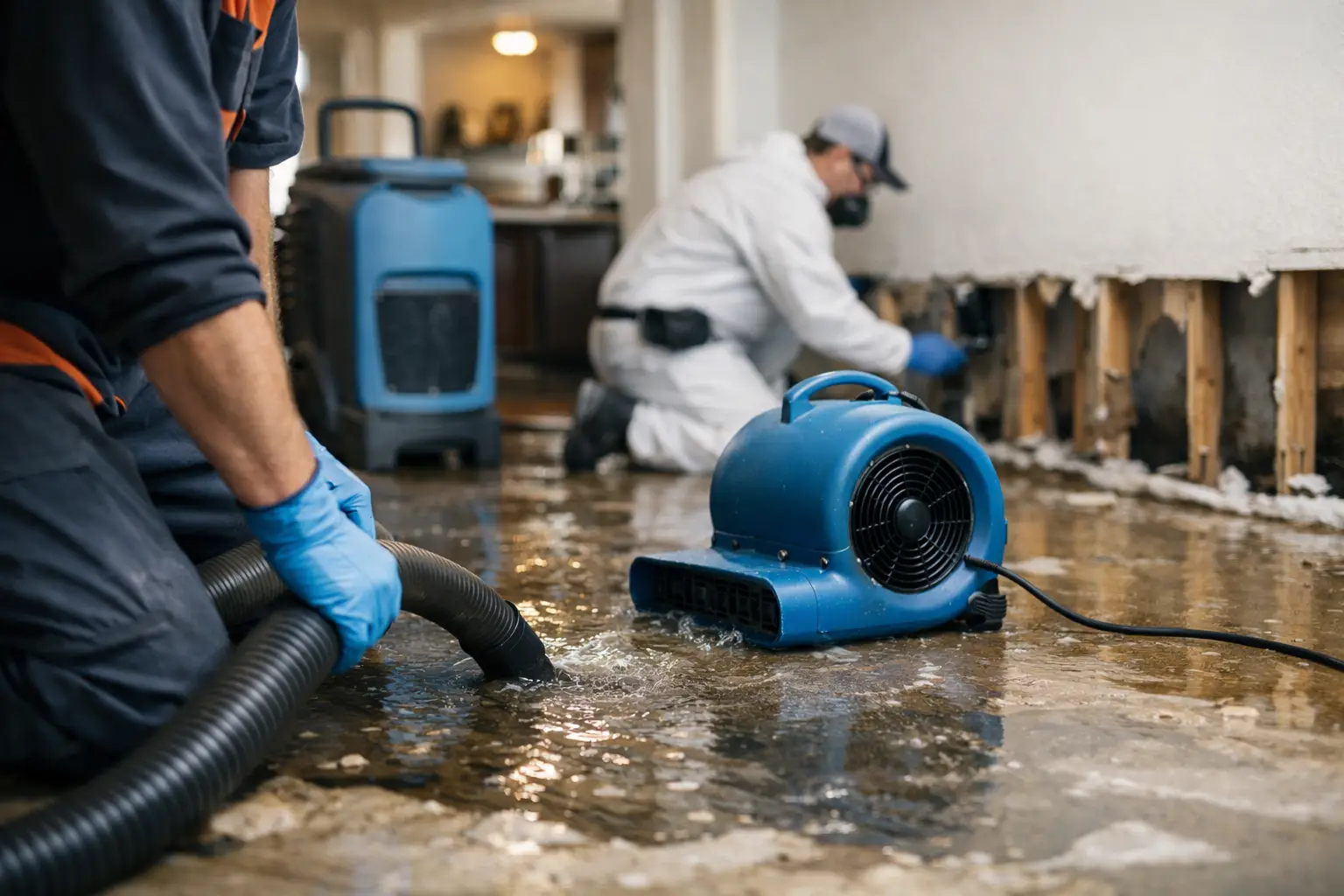 Water Damage
Extraction, structural drying, and moisture mapping after floods, leaks, and burst pipes.
Get help now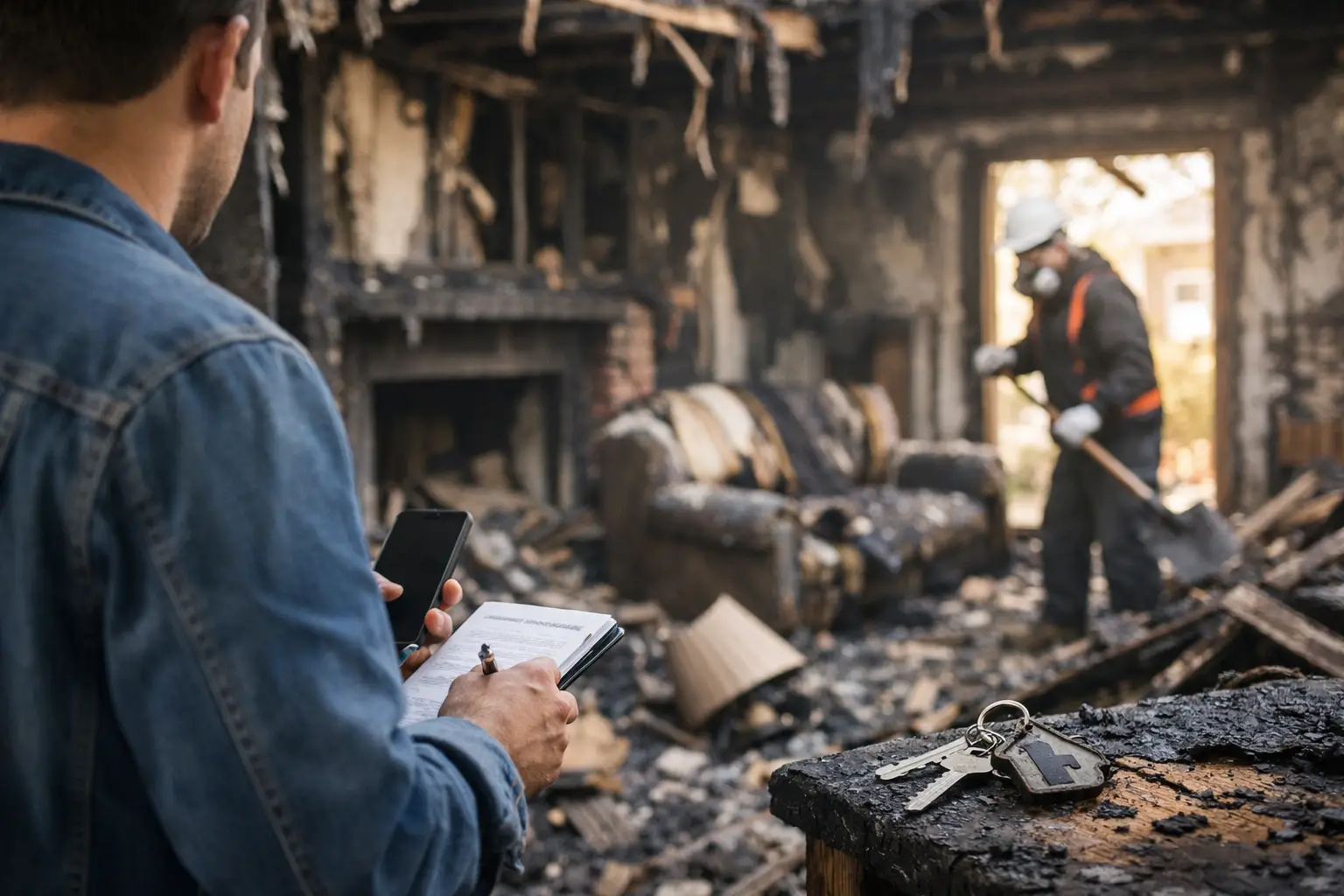 Fire & Smoke
Soot removal, odor deodorization, and content cleaning after fire and smoke damage.
Learn more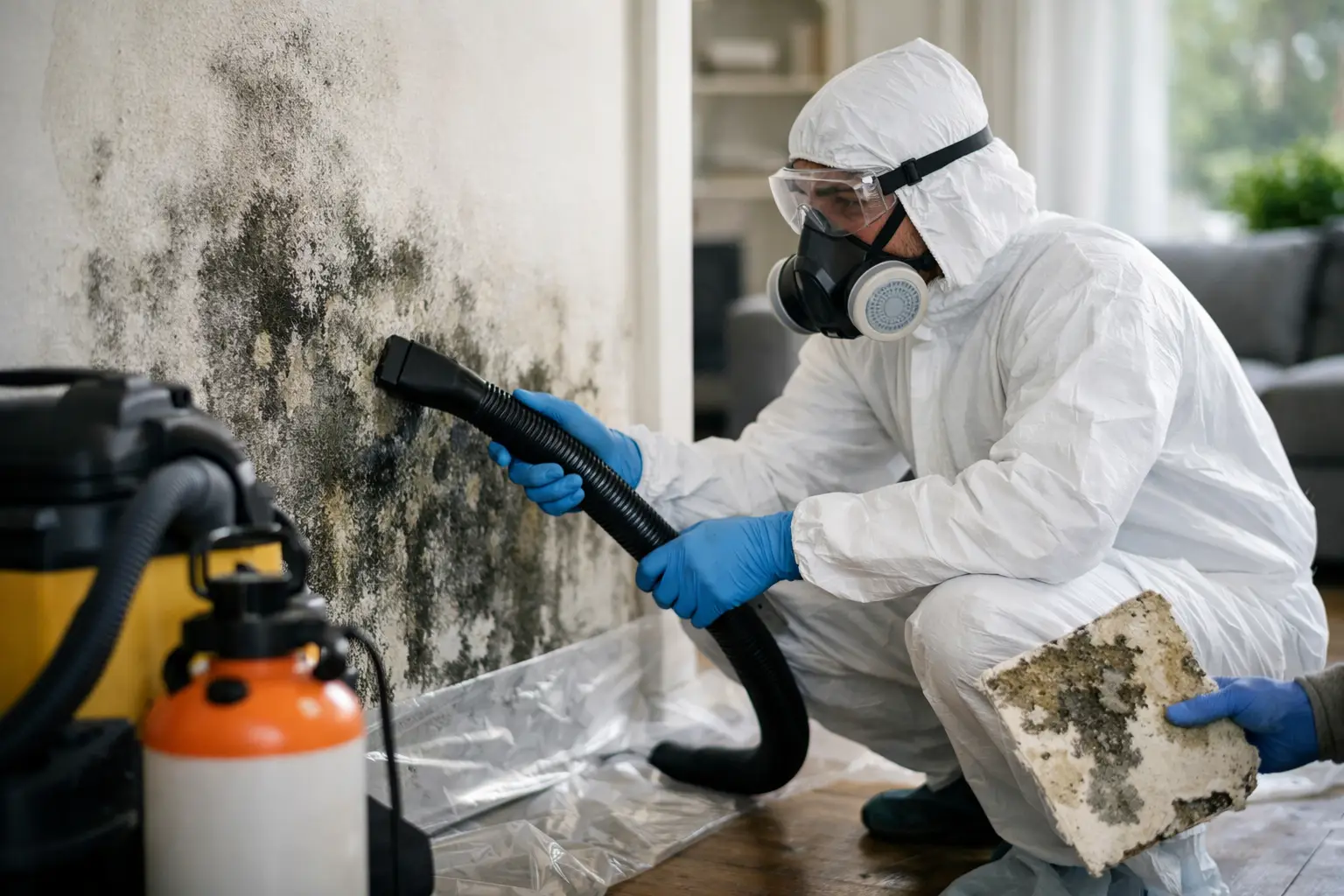 Mold
MoldContainment, removal, and moisture control that stops mold from coming back.
Learn more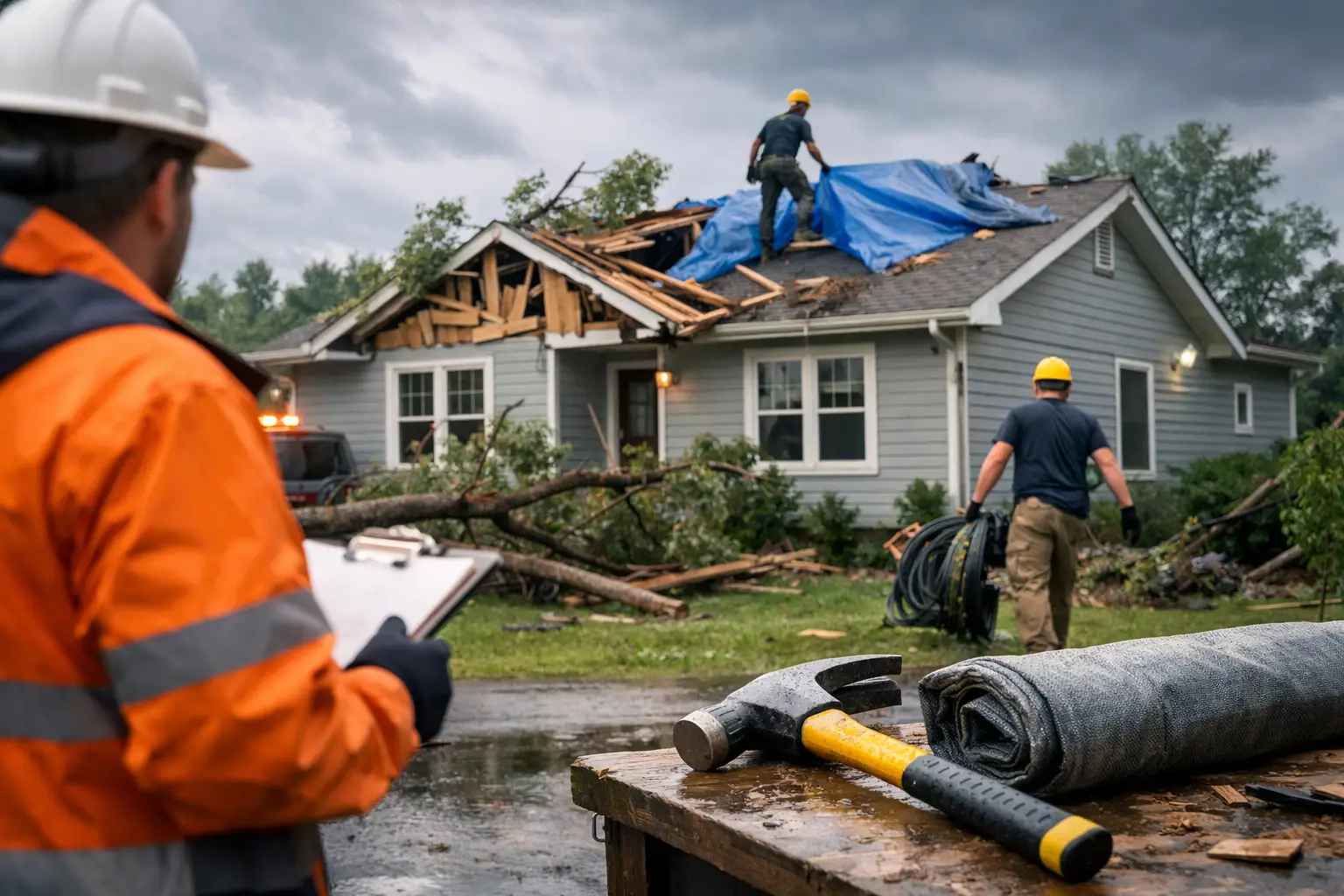 Storm
StormEmergency board-up, roof tarping, and full recovery after wind, hail, and storms.
Learn more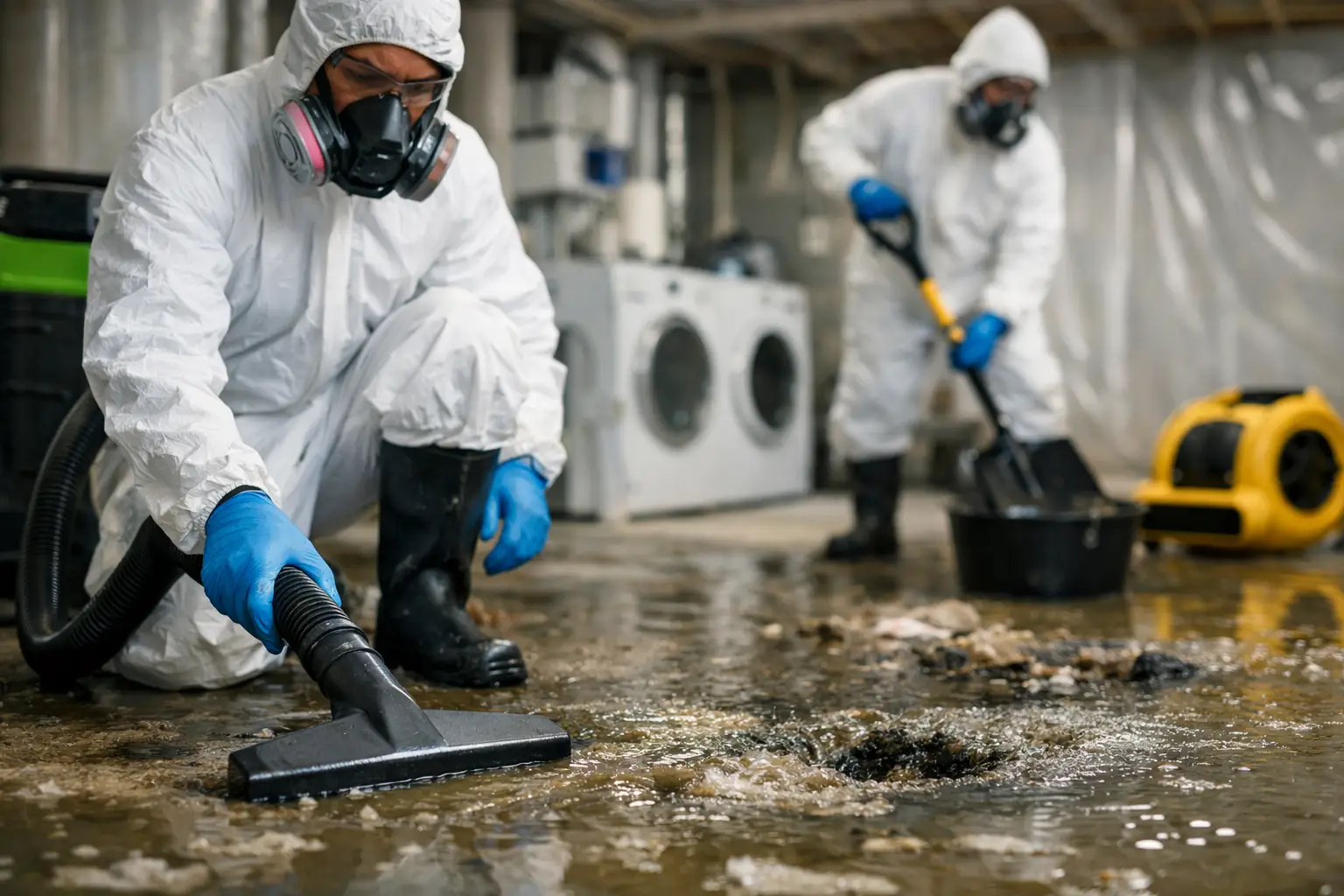 Sewage
Safe biohazard cleanup and sanitizing after sewage backups and overflows.
Learn more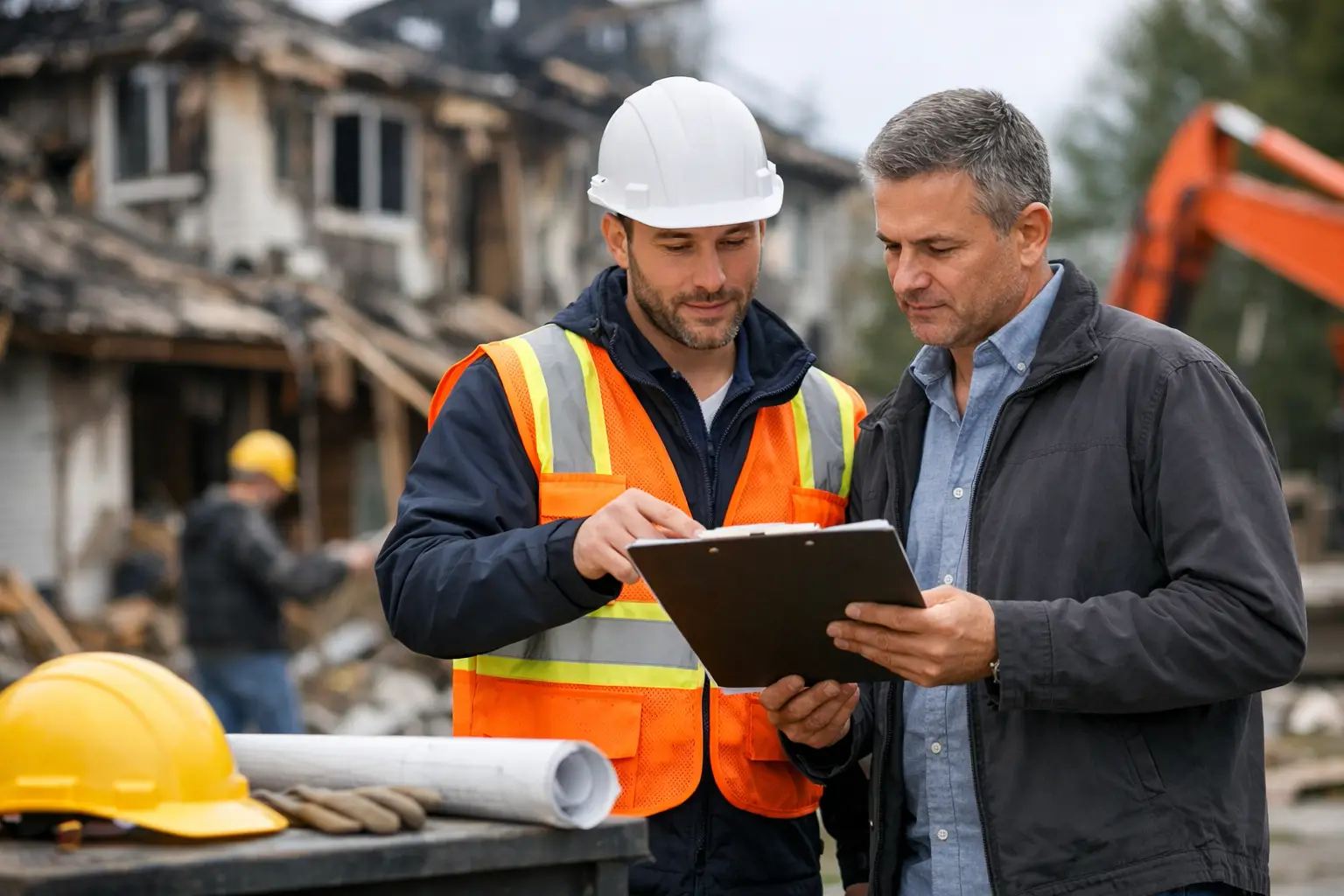 Reconstruction
Full rebuild by a licensed general contractor, so your property comes back whole.
Learn moreElevated Operations is an IICRC-certified, licensed general contractor based in Mableton that handles the entire recovery in-house, so after one loss you are never coordinating a cleanup crew, a mold crew, and a contractor separately. One team, one point of contact, from the first pump-out to the final coat of paint.
People call when the property feels like a disaster. They leave reviews because Chris and the crew made it right. These are real, verified Google reviews.
I start by checking what is actually damaged, not just what looks wet. Then I separate cleanup from rebuild work, document the affected areas, and determine whether drywall repair, flooring repair, or structural repair is needed. In many Forest Park homes, especially older post-war houses, hidden damage behind walls changes the scope quickly.
Yes, and I should. Properties near the airport and industrial corridors often have different access, use patterns, and wear levels than a typical subdivision home. I adjust reconstruction planning to fit the building, whether that means commercial damage repair or a residential rebuild with tighter sequencing.
I inspect the structure carefully and do not assume old walls or floors are sound just because they are still standing. Fort Gillem area properties can have layered repairs, altered framing, and older materials that need a more exact approach. I rebuild only what needs rebuilding, but I do not leave compromised structure in place.
I can coordinate both parts of the job when storm damage reaches more than one area. Roof repair stops the entry point, then reconstruction restores the interior sections affected by water, insulation failure, or ceiling collapse. The key is sequencing, because the inside should not be rebuilt until the roof issue is controlled.
Yes. I work on rental properties, owner-occupied homes, and commercial spaces. In rentals, I focus on efficient damage repair, durable materials, and clean documentation for insurance. If the unit needs framing repair, flooring repair, or drywall repair, I keep the scope clear so the property can get back in service correctly.
Yes. I use direct insurance billing and I document the reconstruction scope so the claim matches the actual damage. That matters when the job includes more than surface repair, because insurance adjusters need clear support for structural repair, rebuild materials, and the sequence of work.
Call as soon as the area is safe and the cleanup is complete enough for reconstruction planning. Fire damage can leave smoke, water, and heat damage in different parts of the structure, and delays can complicate the rebuild. The sooner I inspect, the sooner I can tell you what gets repaired and what gets rebuilt.
I know the local building mix. Forest Park has older post-war homes, properties tied to the industrial corridor, and buildings affected by airport-area traffic and use. I approach reconstruction with that context in mind, which means I look harder at hidden damage, match materials more carefully, and avoid shallow fixes that fail later.
Elevated Operations dispatches IICRC-certified crews across Metro Atlanta from our Mableton base, with a 60-minute emergency response day or night. Choose your city:
Call now for an immediate response, or request your free inspection and get a certified crew on-site within the hour across Atlanta and nearby areas.