24/7 Emergency Restoration · Serving Metro AtlantaEmergency? (770) 404-6895
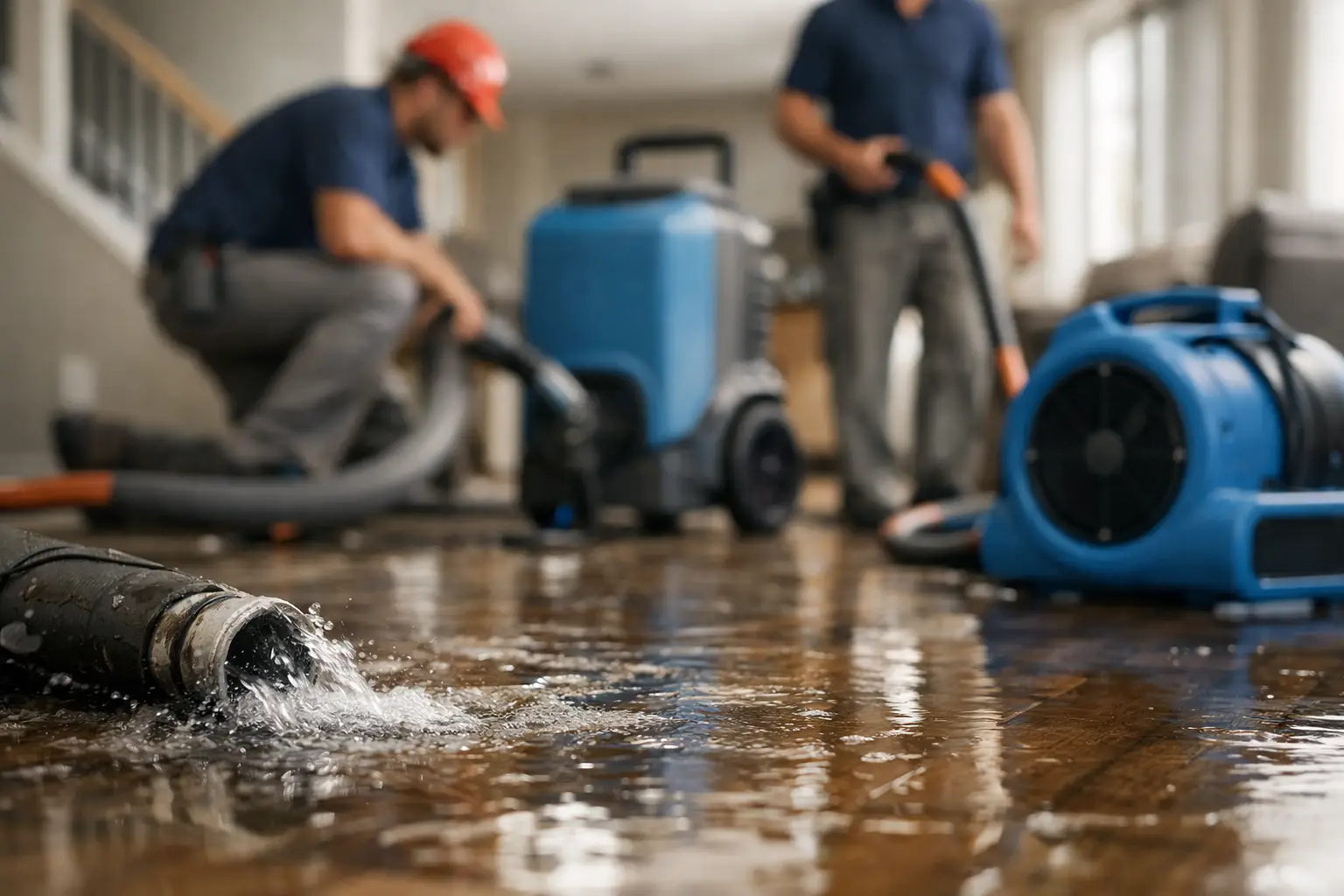
Water extraction and drying Austell starts with fast water removal, then a controlled drying process that stops further damage. I’m Chris Kwangwari, and my team at Elevated Operations handles wet carpet extraction, dehumidification, and moisture monitoring for Austell homes and businesses, including properties near Sweetwater Creek and neighborhoods affected by flood-prone ground conditions.
IICRC-Certified · 5-Star Rated · 60-Minute Response · Insurance Billed Directly
I offer 60-minute emergency response 24/7, so I can get moving quickly when water is spreading.
No, I handle extraction, drying, insurance billing, and repair oversight when needed as a licensed general contractor.
I back the work with a 12-month warranty on the restoration services we perform.
I do. I’m Chris Kwangwari, and I’ve been in restoration since 2007.
Start by stopping the water source, turning off electricity to the affected area if it is safe, and calling me for 24/7 emergency response. Then document the damage, move dry belongings out of the wet area, and avoid pulling up soaked carpet yourself if the water may be contaminated.
In Austell, I tell people to act like every minute matters, because wet materials do not wait. If the leak came from a supply line, appliance, or roof intrusion, shut it off if you can do so safely. If the water reached outlets or the panel, stay out and call for help.
After the initial check, take photos before anything is moved. That helps with direct insurance billing and keeps the claim cleaner. I see a lot of Sweetwater Creek area properties with lower-entry water or runoff issues, and the early decisions make the biggest difference in the restoration path.
Do not let fans run randomly and do not leave wet carpet in place for days. Mold starts in 24 to 48 hours, and that is why I push for a controlled response, not guesswork. My team has been in restoration since 2007, and I still tell owners to start with safety, photos, and a call.
Water extraction and drying works in stages: remove standing water, extract moisture from carpet and pad, place air movers and dehumidification equipment, and track moisture until the structure reaches acceptable dry conditions. The goal is not just to dry the surface, but to dry the materials behind it.
First comes water removal. That means pulling standing water out fast and using wet carpet extraction where carpet is salvageable. If water sat in trim, subfloor, or wall cavities, IICRC-certified technicians map the wet zones before the drying equipment goes in.
Then we set air movers and dehumidifiers to create movement and remove moisture from the air and materials. That is structural drying, and it matters in Austell homes with crawlspaces, slab edges, and older framing that can hold water longer than the visible surface suggests.
Moisture monitoring is not optional. I check readings as the drying process moves along because dry-looking wood can still hold too much moisture. Near Sweetwater Creek, where flood history is part of the local memory, I take a careful approach and verify the structure is actually drying, not just warming up.
The core equipment is extraction tools, air movers, dehumidifiers, and moisture meters. In the right hands, those tools move water out of flooring and framing, control humidity, and show whether the drying process is working. The equipment is only as good as the plan behind it.
For a typical Austell call, I may use truck-based or portable extraction tools, depending on access and the amount of water removal needed. Wet carpet extraction can save a floor when the response is fast, but the carpet and pad have to be evaluated honestly, not wishfully.
Air movers push airflow across wet materials so moisture leaves the surface faster. Dehumidification then pulls that moisture out of the air before it settles back into drywall, cabinets, or subfloor. That combination is basic, but it works when the setup is disciplined.
I also use moisture meters and monitoring logs to see what the eye cannot. A room can look dry and still be hiding damp insulation or soaked base plates. In Austell, especially around homes with basements, crawlspaces, or older additions, that check keeps me from stopping too soon.
Structural drying is important because water left inside framing, subfloors, and wall cavities can lead to rot, hidden odor, and mold growth. If you only dry the surface, the problem often returns. Real restoration means drying the structure, not just making the room look better.
I take structural drying seriously because it is the difference between a temporary cleanup and a real repair. A carpet may feel dry on top while the pad, tack strip, and baseplate still hold moisture. That is where future damage starts.
Austell has plenty of houses where the visible finish is only half the story. Older framing, crawlspaces, and finished basements can trap moisture after a pipe break or storm event. When Sweetwater Creek overflowed in 2009, people saw how quickly hidden water becomes a major problem.
My job is to bring the hidden moisture down in a controlled way. That means setting the right equipment, checking readings, and confirming the drying process is complete. If structure stays wet, the risk stays alive, and I do not call that finished.
Drying time depends on how much water entered the building, what materials were affected, and how quickly extraction started. I do not guess at the clock. I inspect, monitor moisture, and adjust the equipment until the structure is dry enough to move forward safely.
Some situations dry faster because the response is immediate and the materials are limited. Others take longer when water spread under flooring, behind trim, or into wall assemblies. The right answer comes from measurements, not a stopwatch posted on the wall.
In Austell, I see big differences between a small supply leak and storm-related water around lower areas. Sweetwater Creek flood history is a reminder that water intrusion can reach places people do not notice right away. That is why moisture monitoring matters from start to finish.
If the drying process slows, I change the setup rather than pretending it is fine. More air movers, different placement, or additional dehumidification may be needed. The point is to get the structure dry, verify it, and keep the work moving without cutting corners.
I treat every loss as restoration work, not a surface cleanup. That means I bring IICRC-certified technicians, direct insurance billing, licensed general contractor oversight, and a 12-month warranty on the work we perform. I do not just remove water, I manage the whole recovery.
I’ve been in restoration since 2007, and I know the difference between a dry-looking room and a properly restored structure. My company, Elevated Operations, LLLP, is based in Mableton, so Austell is close enough for a fast emergency response when a pipe breaks or storm water gets inside.
Because I am a licensed general contractor, I can think beyond extraction. If water damaged trim, framing, or adjoining finishes, I look at the repair path with the whole structure in mind. That keeps the job cleaner and avoids bouncing the homeowner between different companies.
I also use deductible assistance up to $1,000 when eligible, and I bill insurance directly to reduce the paperwork burden. With a 4.9-star Google rating from 73 reviews, I have a track record I stand behind. I do not chase volume. I chase a proper finish.
Turn off water if possible, avoid standing water around electricity, and keep people and pets out of the wet zone. If the source is unknown or the power is affected, call for help before touching anything else.
Take clear photos of floors, walls, furniture, and the water line. That supports direct insurance billing and gives a cleaner record of what the room looked like before water removal begins.
Lift dry rugs, boxes, and electronics out of the area. Do not drag saturated furniture across finished floors, and do not peel back carpet in a rush if you are not sure what is underneath.
Water does not wait until morning. I respond 24/7 with IICRC-certified technicians, and the goal is to start extraction, drying, and moisture monitoring before hidden damage spreads.
Once equipment is in place, the structure should be checked, not hoped for. Moisture readings, air mover placement, and dehumidification all matter, especially in Austell properties near Sweetwater Creek or flood-prone low areas.
From emergency mitigation to full reconstruction, handled in-house so you are never managing a chain of subcontractors mid-crisis.
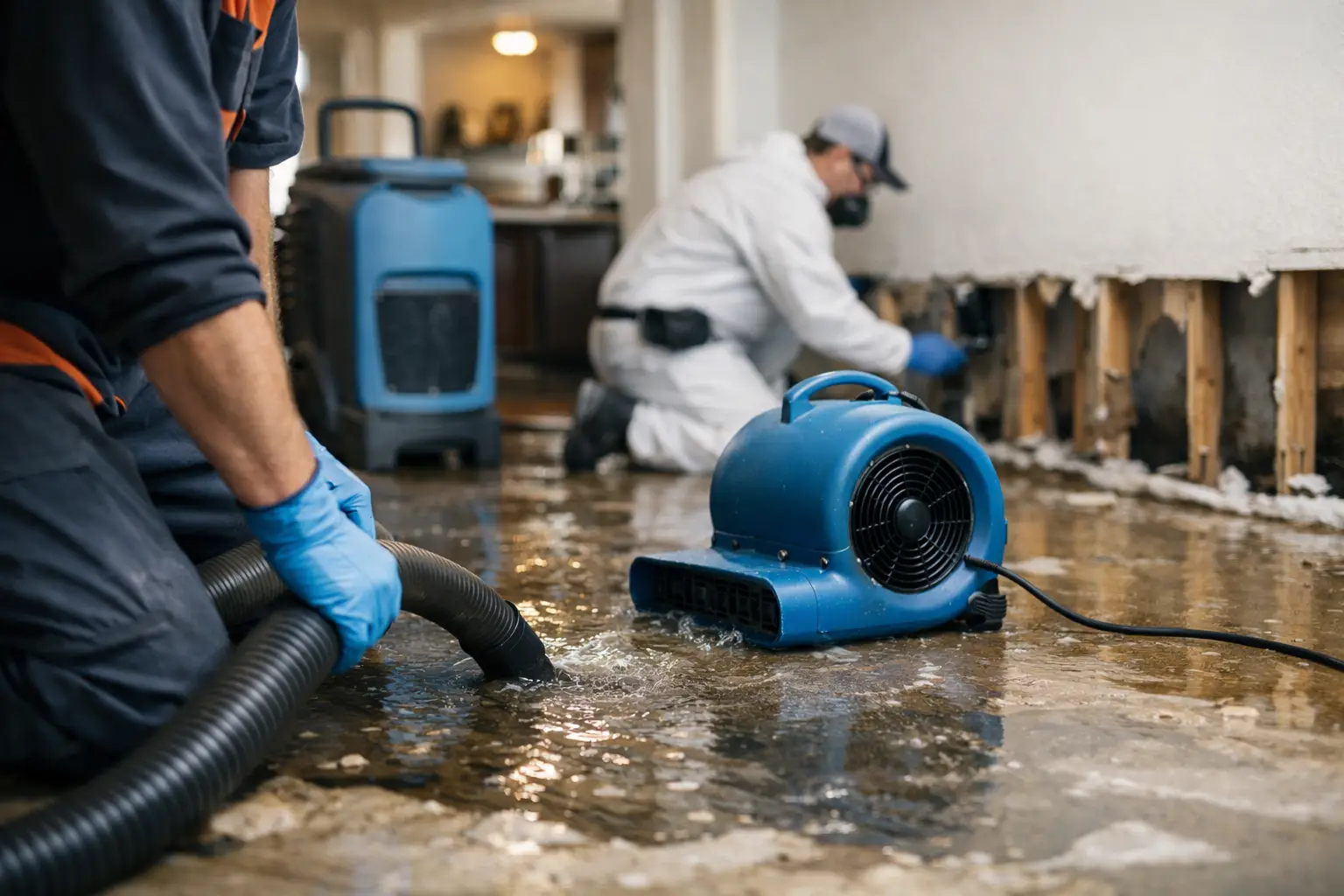 Water Damage
Extraction, structural drying, and moisture mapping after floods, leaks, and burst pipes.
Get help now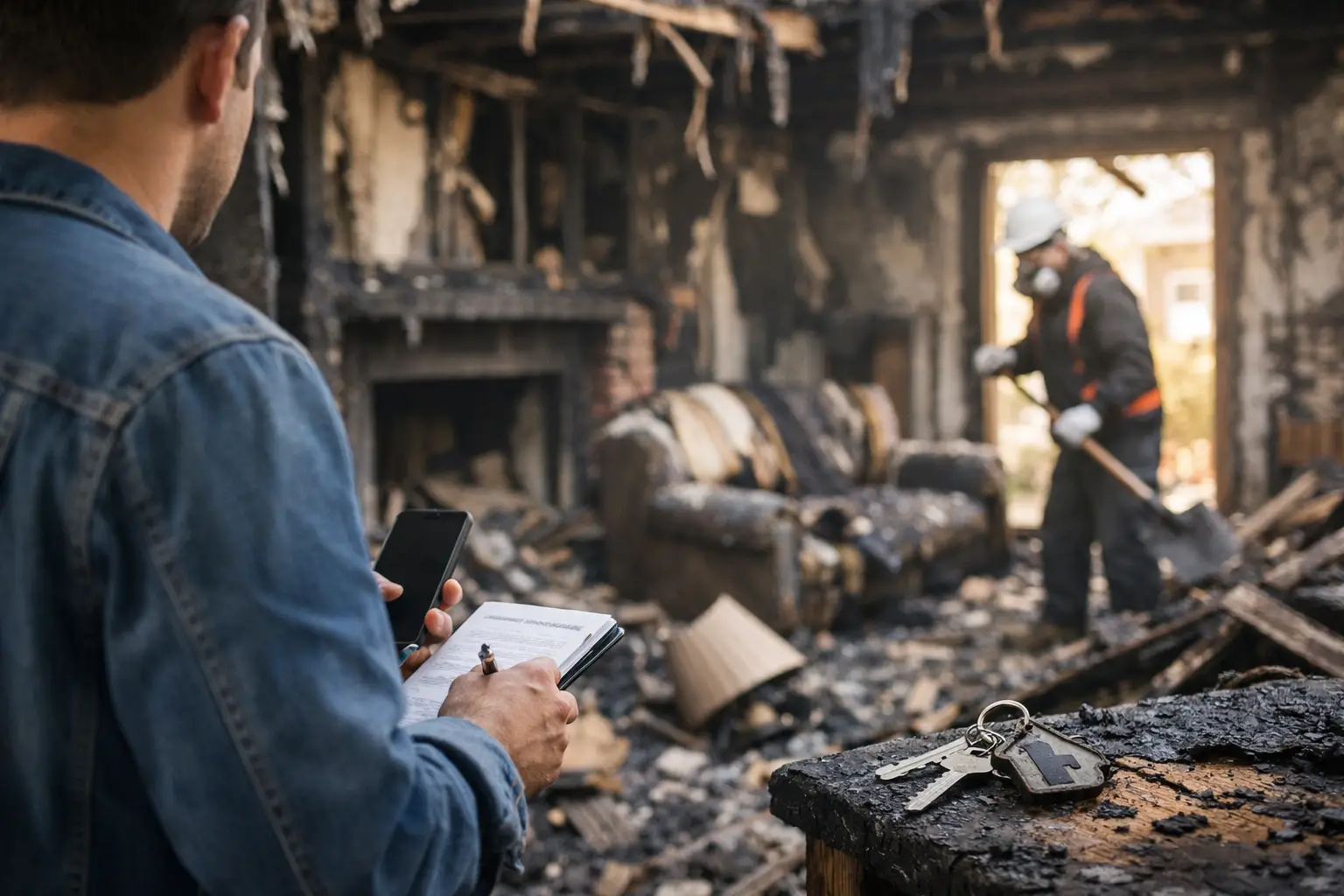 Fire & Smoke
Soot removal, odor deodorization, and content cleaning after fire and smoke damage.
Learn more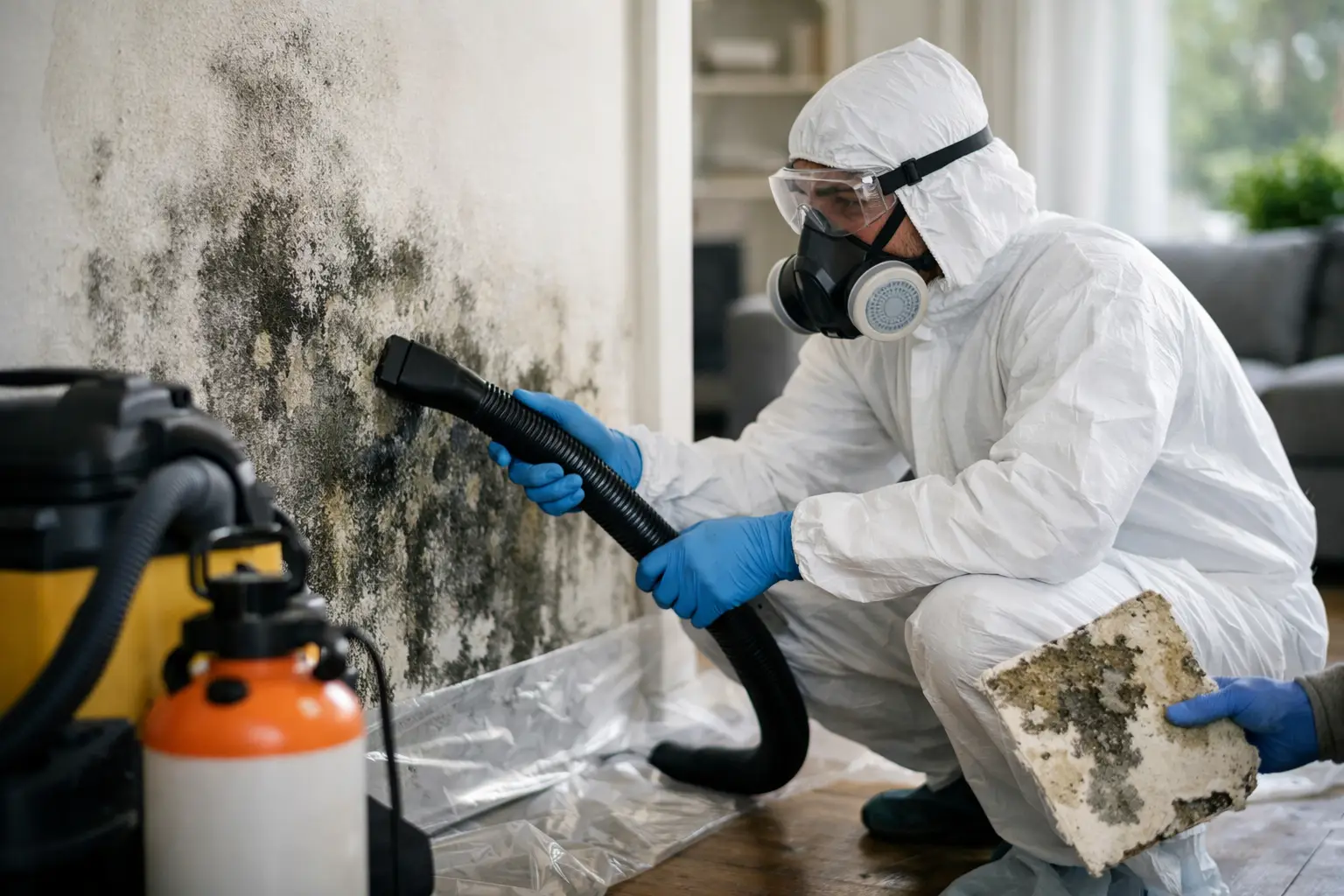 Mold
MoldContainment, removal, and moisture control that stops mold from coming back.
Learn more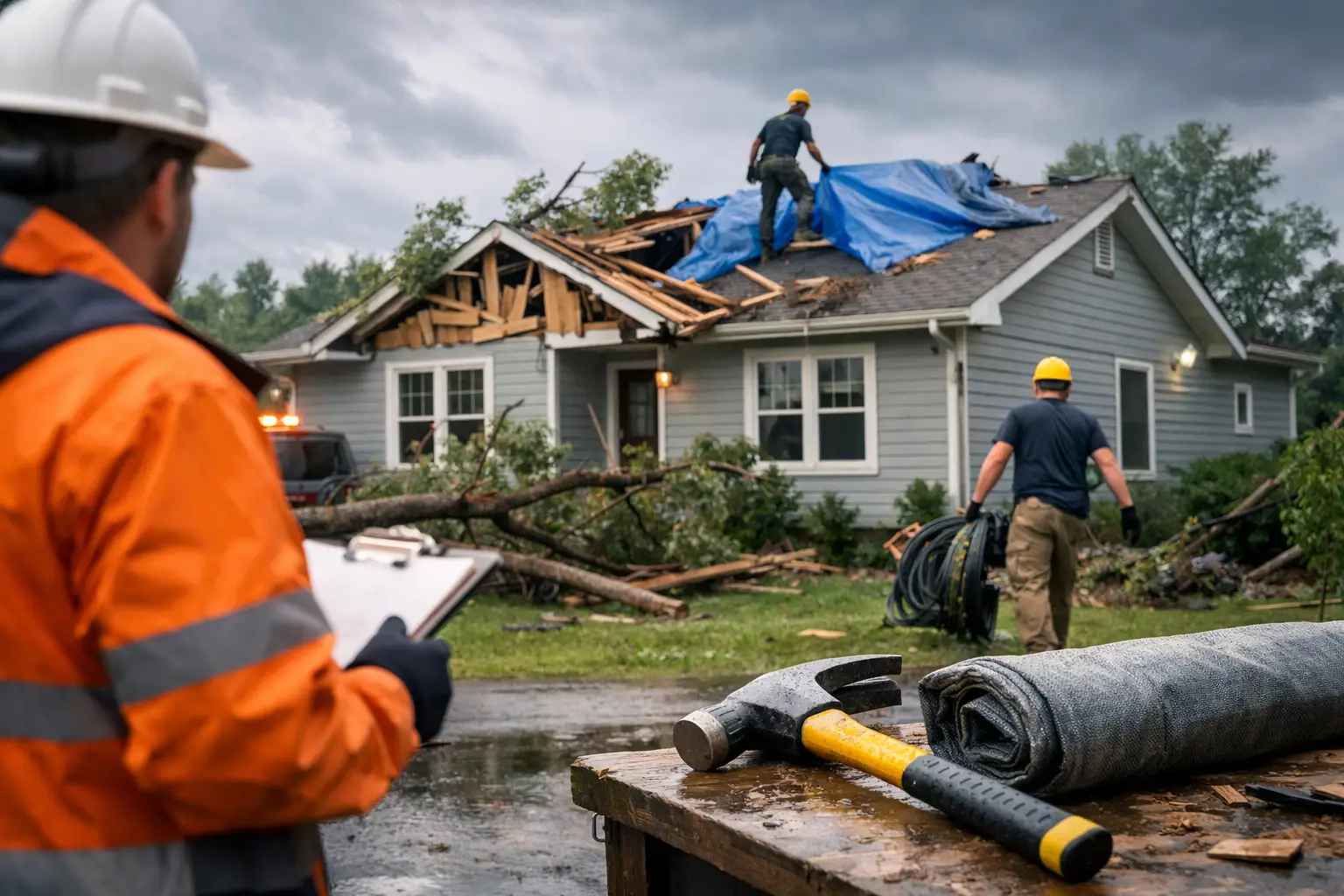 Storm
StormEmergency board-up, roof tarping, and full recovery after wind, hail, and storms.
Learn more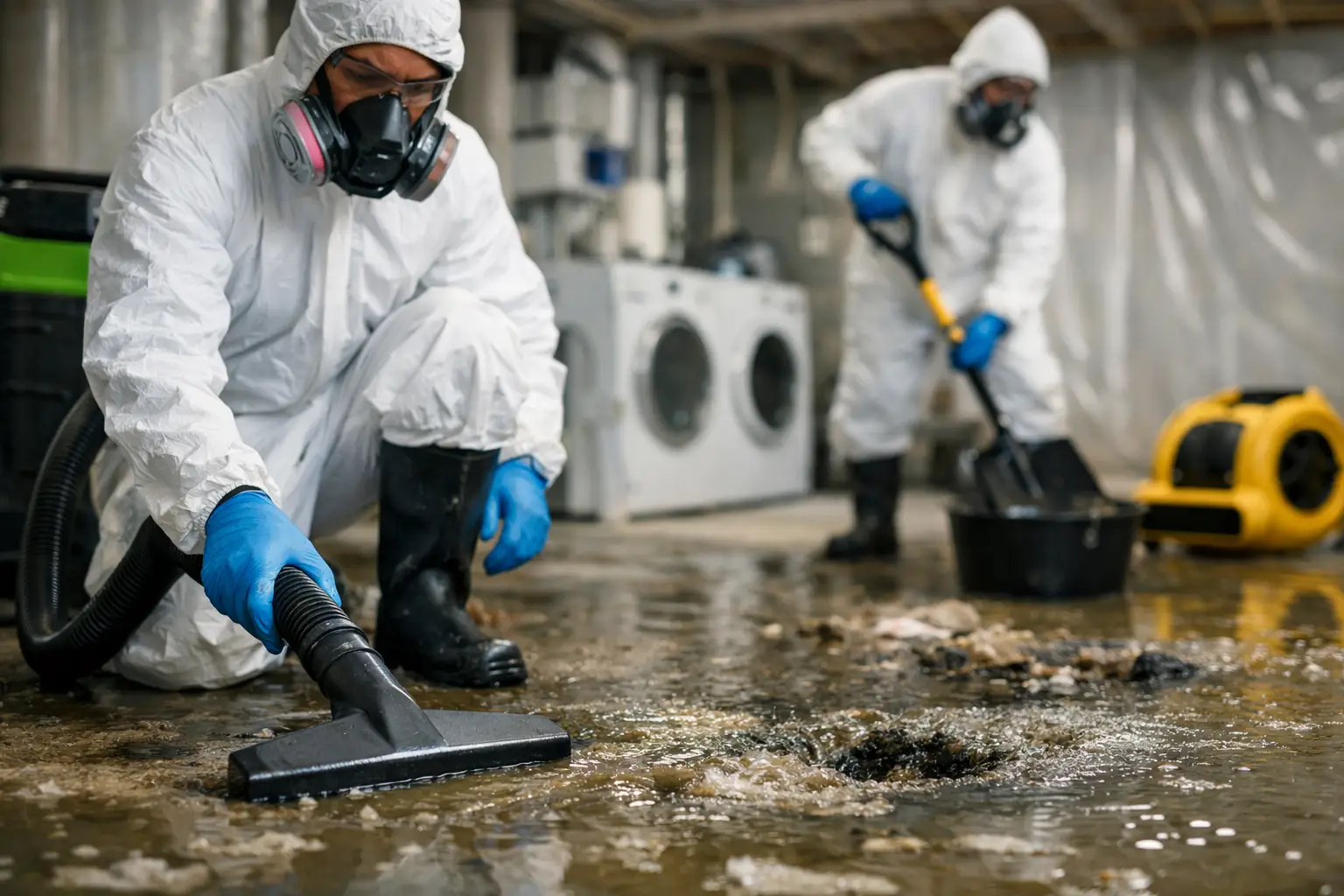 Sewage
Safe biohazard cleanup and sanitizing after sewage backups and overflows.
Learn more Reconstruction
Full rebuild by a licensed general contractor, so your property comes back whole.
Learn moreElevated Operations is an IICRC-certified, licensed general contractor based in Mableton that handles the entire recovery in-house, so after one loss you are never coordinating a cleanup crew, a mold crew, and a contractor separately. One team, one point of contact, from the first pump-out to the final coat of paint.
People call when the property feels like a disaster. They leave reviews because Chris and the crew made it right. These are real, verified Google reviews.
Yes, I handle water extraction and drying in Austell, and I take the Sweetwater Creek flood history seriously when I inspect a property. Water can move under flooring, into wall cavities, and along slab edges faster than people realize. I look for the hidden path, not just the puddle you can see.
Yes, wet carpet extraction is often part of the response when the carpet was hit quickly and the padding or backing can still be saved. I evaluate the source, the cleanliness of the water, and how long it sat before I recommend extraction and drying. That judgment matters more than speed alone.
Moisture monitoring means I check readings in the wet structure as the equipment runs, then compare them over time until the drying process is complete. In Austell homes, that may include floors, baseplates, walls, or crawlspace-adjacent areas. The point is to verify drying, not assume it from surface feel.
Air movers push moisture off wet surfaces so dehumidification can remove that moisture from the air. I use both because water removal is not just about pumping out standing water, it is about making the structure release the moisture it absorbed. Without that pairing, surfaces can fool you.
Yes, I work on Austell homes with recurring dampness concerns, including properties influenced by the Sweetwater Creek area. Some homes have crawlspaces or low spots that invite repeated moisture issues. I look at why the water got in, then I dry the structure properly so the same spot does not keep acting up.
Yes, I offer direct insurance billing, which helps keep the claim process organized after a water loss. I also provide deductible assistance up to $1,000 when eligible. That combination helps homeowners manage the paperwork and the out-of-pocket side while I focus on the extraction and drying work.
Yes, my team uses IICRC-certified technicians, and I am a licensed general contractor. I’ve been in restoration since 2007, and I keep the work grounded in real inspection, real extraction, and real drying. Certification matters because a water job is only as good as the process behind it.
I cover Austell and the surrounding Cobb County area from my Mableton base, including nearby communities tied into the same storm and drainage patterns. If the water issue is in a home, rental, or business and it needs 24/7 emergency response, I am set up to move quickly.
Elevated Operations dispatches IICRC-certified crews across Metro Atlanta from our Mableton base, with a 60-minute emergency response day or night. Choose your city:
Call now for an immediate response, or request your free inspection and get a certified crew on-site within the hour across Atlanta and nearby areas.