24/7 Emergency Restoration · Serving Metro AtlantaEmergency? (770) 404-6895
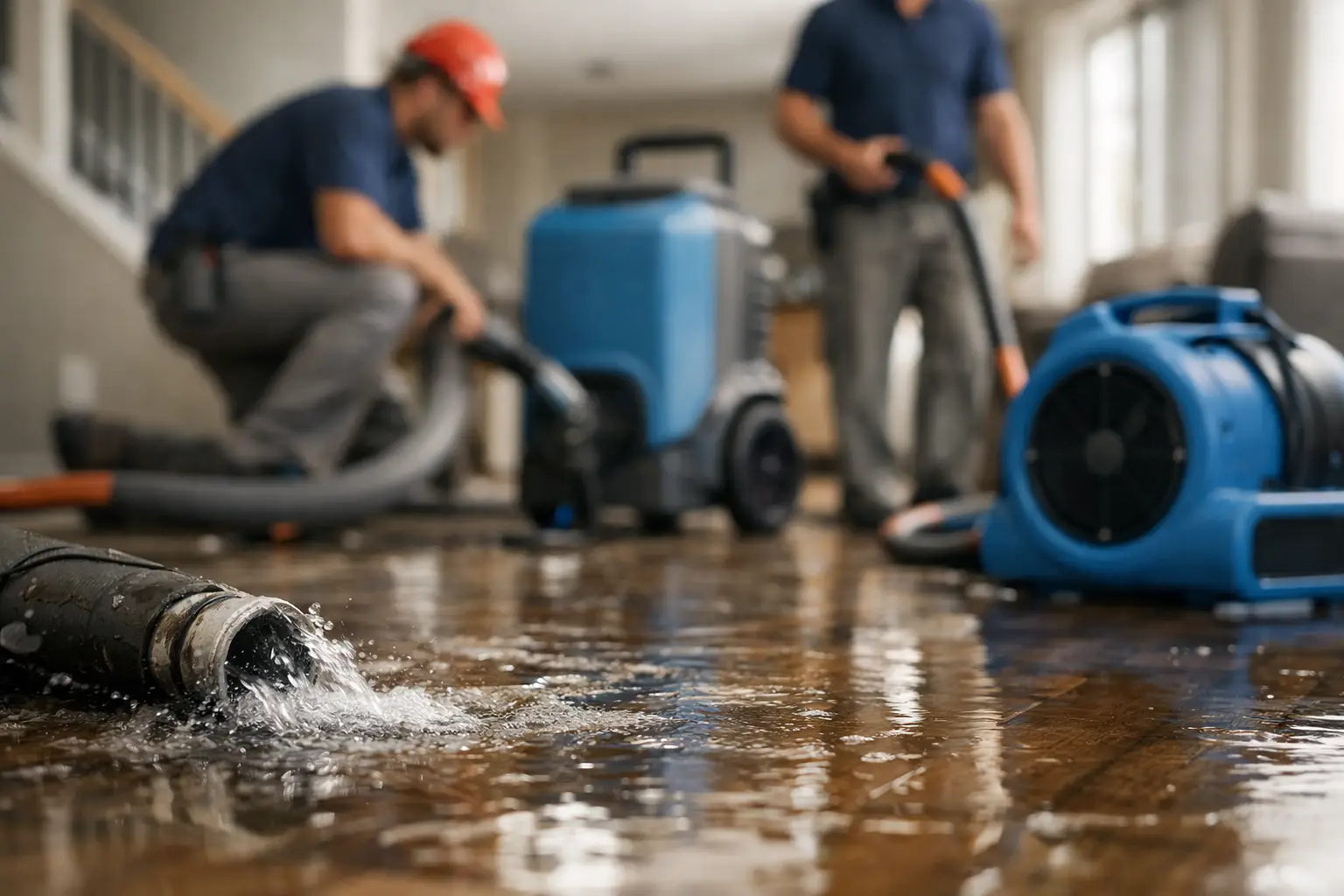
Fire damage restoration Sandy Springs is the process of cleaning, stabilizing, and repairing a home after flame, smoke, heat, and water damage from firefighting. I approach it as both cleanup and construction, because Sandy Springs homes near the Chattahoochee riverside often face hidden smoke odor, soot, and structural issues after the fire is out.
IICRC-Certified · 5-Star Rated · 60-Minute Response · Insurance Billed Directly
Yes. I provide 24/7 emergency response with a 60-minute emergency response, because fire losses do not wait for business hours.
Yes. I handle fire cleanup, content cleaning, and structural repair so the home and salvageable belongings are addressed together.
I serve Cobb, Fulton, DeKalb, Douglas, Clayton, Henry, and Paulding counties from Elevated Operations, LLLP in Mableton.
I have been in restoration since 2007, hold a 4.9-star Google rating from 73 reviews, and I am owner Chris Kwangwari.
Fire damage restoration is the full process of making a burned home safe, clean, and usable again after fire, smoke, soot, and water exposure. In Sandy Springs, that often means starting with inspection, debris removal, and smoke odor removal before any structural repair begins.
I treat fire damage restoration as a sequence, not a single task. First comes stabilization. Then fire cleanup, soot removal, and any board up services needed to protect openings. After that, I look at materials, framing, finishes, and contents to see what can be saved and what has to come out.
Sandy Springs has a mix of established neighborhoods and homes near the Chattahoochee riverside, where moisture and ventilation issues can complicate cleanup. Smoke can push into wall cavities, attic spaces, and ductwork fast. Soot does not stay on the surface. It travels, settles, and keeps damaging materials until it is removed correctly.
As owner Chris Kwangwari, I have been in restoration since 2007, and I want homeowners to understand this plainly: a fire is never just a burn problem. It is a contamination problem, a structural question, and often a water problem too, because firefighting leaves its own damage behind.
Fires cause hidden damage because heat, smoke, and soot move through a home faster than visible flames do. In Sandy Springs, especially in houses near the Chattahoochee riverside, that means damage can spread into insulation, framing, cabinets, and HVAC systems even when one room looks like the main problem.
Heat weakens materials. Smoke stains and odor linger. Soot is corrosive and can keep eating at surfaces after the fire is out. That is why I never judge a loss by the burned room alone. A kitchen fire can affect a hallway, closet, or upstairs bedrooms in ways a homeowner does not notice right away.
Water from suppression matters too. Wet drywall, soaked insulation, and saturated flooring can make the cleanup more complex. If that moisture sits, mold can start in 24 to 48 hours. That is why I move quickly on drying, containment, and cleanup so a fire loss does not become a second disaster.
In Sandy Springs, I also see problems tied to how homes are built and lived in. Older finishes, hardwoods, and tight utility spaces can trap smoke. Open floor plans can spread odor. A proper fire damage restoration plan has to account for all of it, not just the obvious burn marks.
Fire damage restoration works by making the structure safe, documenting the loss, cleaning contamination, and then rebuilding what cannot be salvaged. I start with emergency response, inspection, and board up services if needed, then move into debris removal, soot removal, odor control, drying, and structural repair.
The first step is always control. My team responds 24/7 with a 60-minute emergency response, and that matters after a fire because exposed areas can keep getting damaged by weather, theft, or further collapse. If openings exist, board up services protect the property while the claim and cleanup begin.
Next comes assessment. I inspect the burn pattern, smoke movement, and water impact, then I decide what needs fire cleanup versus what can be cleaned and retained. That includes content cleaning for salvageable items, especially when a family wants to recover furniture, photographs, or household items affected by smoke and soot.
After stabilization, the work shifts into cleaning and rebuilding. Soot removal has to be handled carefully so it does not smear deeper into materials. Structural repair comes after contamination is addressed, because paint and new finishes over dirty surfaces are a mistake. I am a licensed general contractor, so I handle the rebuilding side too.
What can be saved depends on heat exposure, smoke penetration, soot type, and water damage. In Sandy Springs, I often find that some framing, hard surfaces, and personal items can be restored, while porous materials, charred structures, and heavily contaminated contents need removal or replacement.
People want a yes or no answer, but fire loss decisions are material by material. Solid wood furniture may be salvageable with content cleaning. Nonporous surfaces can often be cleaned. But drywall, insulation, upholstery, and food-contact items usually absorb smoke and soot in ways that make restoration impractical.
I also look at the odor problem. A piece can look fine and still hold strong smoke odor. That matters in homes near the Chattahoochee riverside where humidity can make smells linger. If smoke odor removal cannot fully reset an item, I will say so directly instead of pushing a bad outcome.
The same goes for structure. Some framing can be cleaned and kept. Some cannot. Fire cleanup is partly about preserving value, but it is also about honesty. I would rather save what is truly restorable than overpromise and leave a family with hidden damage that shows up later.
Yes, smoke damage should be cleaned before repairs because soot and odor will contaminate new materials if they are covered up first. In Sandy Springs, I always address smoke odor removal and soot removal before paint, drywall, or structural repair so the finished work actually lasts.
This is one of the most important lessons in fire restoration. If you rebuild over soot, the residue can bleed through fresh finishes and keep smelling for months. That is why cleaning comes first. It is not cosmetic. It is the foundation for every repair that follows.
Smoke can travel into cavities, ductwork, cabinets, and trim details. If those spaces are not cleaned, the odor stays. I have seen homes where the visible burn damage was small, but the smoke damage was everywhere. That is why I treat cleanup as a whole-home process, not a spot treatment.
In practice, that means using proper fire cleanup methods, then checking what still needs deodorization before reconstruction starts. For Sandy Springs homeowners, especially in homes close to the Chattahoochee riverside where air movement and moisture can complicate things, sequence matters as much as technique.
Fire damage restoration takes as long as the damage requires, because every loss is different. Small contained fires may move faster than larger structural losses, but smoke, water, and material replacement all affect the timeline. The important part is doing the work in the right order.
I do not give fake timelines. A kitchen fire with limited spread is not the same as a multi-room loss, and the scope changes again if water damage, structural repair, or content cleaning is involved. The real timeline depends on the amount of cleanup, drying, approval, and rebuilding needed.
Homeowners in Sandy Springs often want to get back in quickly, and I understand that. But fire damage restoration cannot be rushed past the drying and cleaning stages. If materials are sealed too early, odor and moisture stay trapped. That leads to callbacks, and I do not work that way.
What I can say is this: I move fast on emergency response, assessment, and direct insurance billing. I also offer deductible assistance up to $1,000. That helps keep the process organized while the claim and restoration move together instead of turning into two separate headaches.
Homes near the Chattahoochee riverside need careful fire cleanup because moisture, airflow, and mixed construction materials can make smoke odor and soot harder to remove. In Sandy Springs, that combination often means a fire loss needs more than surface cleaning to be fully corrected.
The Chattahoochee riverside affects the way a home breathes. Humidity can hold odor in materials longer, and that makes smoke odor removal more demanding. It is not that the river causes fire damage. It is that the local environment can complicate the cleanup after a fire has already happened.
Sandy Springs also has a wide range of housing stock, from older homes with traditional trim and drywall assemblies to updated interiors with more finished surfaces. Different materials absorb soot differently. That is why fire cleanup has to be customized to the home, not guessed at from a photo.
I use IICRC-certified technicians because fire restoration requires discipline. You need contamination control, proper cleaning methods, and a clear order of operations. And when the damage crosses into rebuilding, I can handle that as a licensed general contractor, which keeps the process tighter and more accountable.
A room can look lightly burned and still carry heavy contamination. I tell homeowners to think beyond visible scorch marks, because soot removal and smoke odor removal often matter more than the burn pattern itself.
Fire cleanup almost always includes water mitigation. Wet drywall, insulation, and flooring can break down fast, and mold starts in 24 to 48 hours if moisture is left in place.
Structural repair only works after contaminated materials are removed or cleaned. If you paint over soot or rebuild over smoke odor, the problem comes back through the new work.
Content cleaning can recover furniture, keepsakes, and other nonporous items when heat damage is limited. But porous items and heavily contaminated materials often need to be discarded.
Direct insurance billing helps keep the claim moving. I document damage, coordinate with the insurer, and keep the restoration aligned with the claim so homeowners are not stuck managing every detail alone.
From emergency mitigation to full reconstruction, handled in-house so you are never managing a chain of subcontractors mid-crisis.
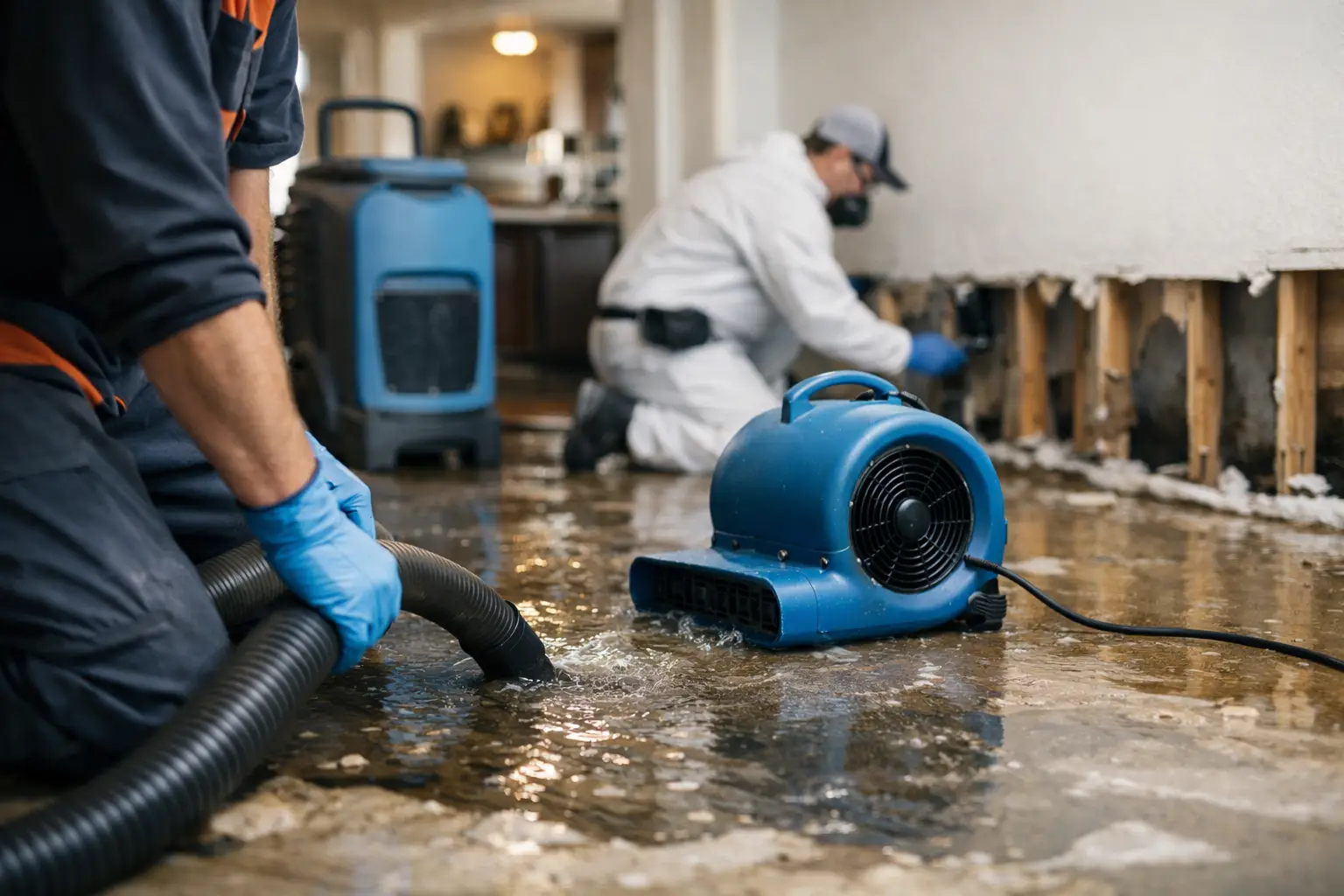 Water Damage
Extraction, structural drying, and moisture mapping after floods, leaks, and burst pipes.
Get help now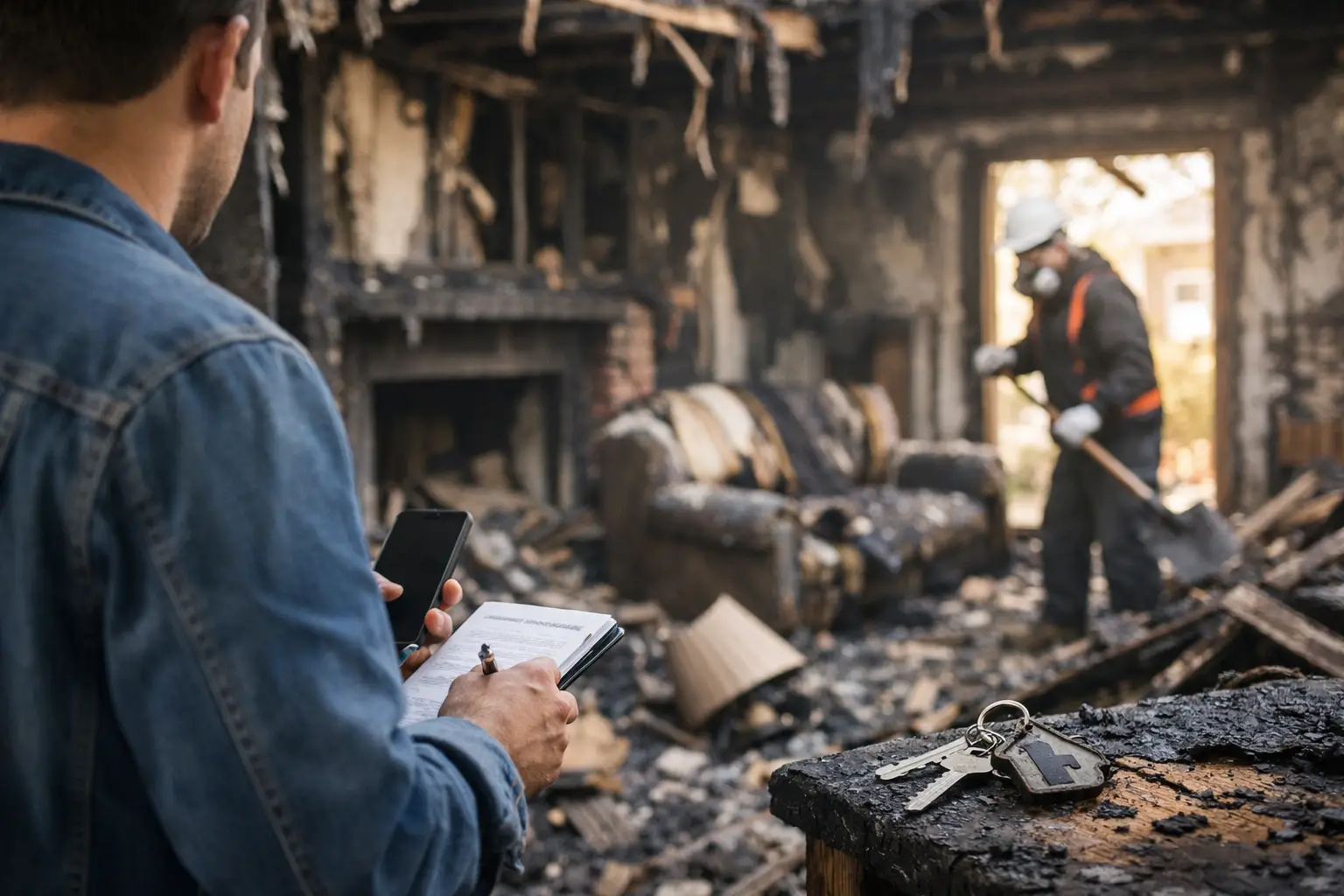 Fire & Smoke
Soot removal, odor deodorization, and content cleaning after fire and smoke damage.
Learn more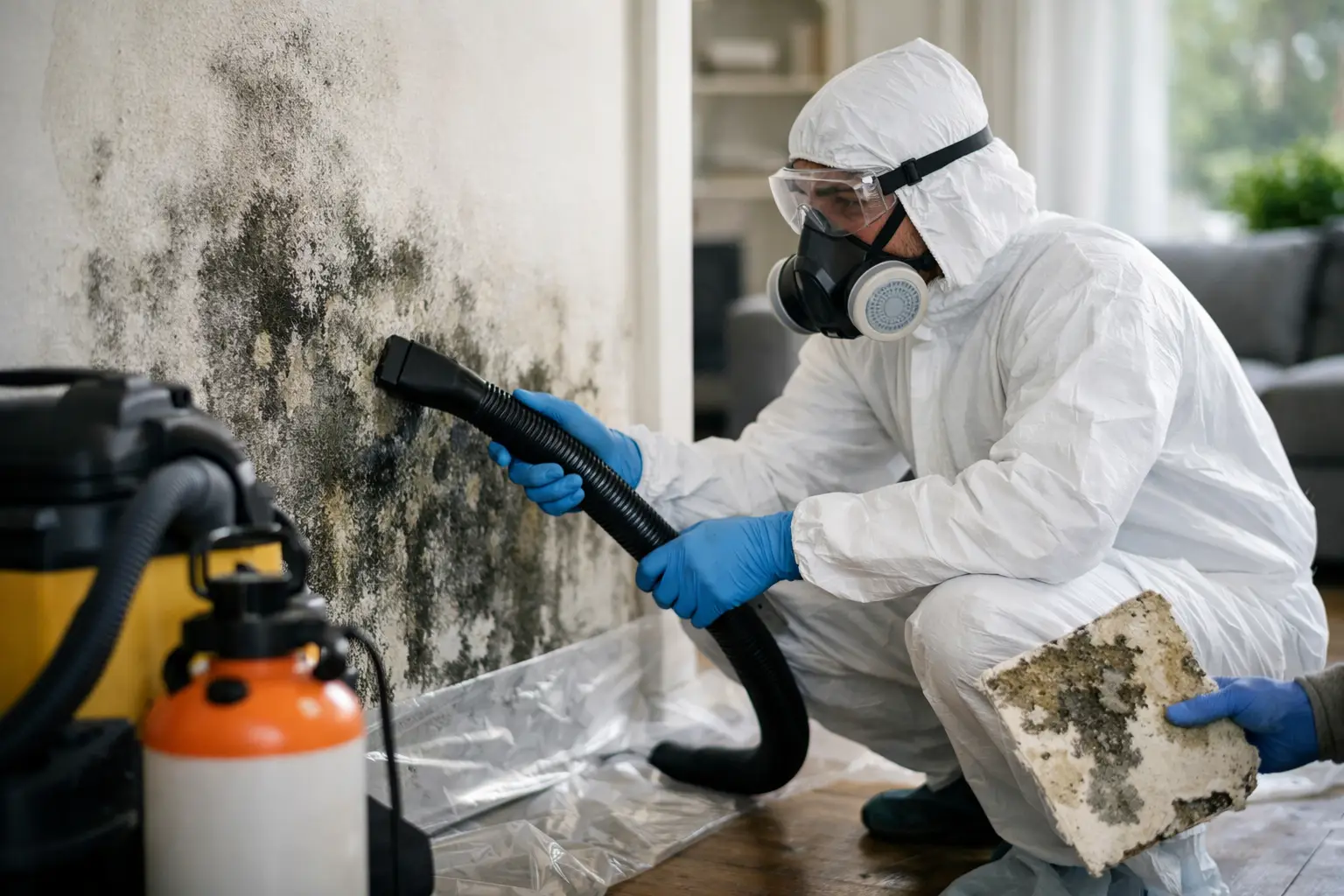 Mold
MoldContainment, removal, and moisture control that stops mold from coming back.
Learn more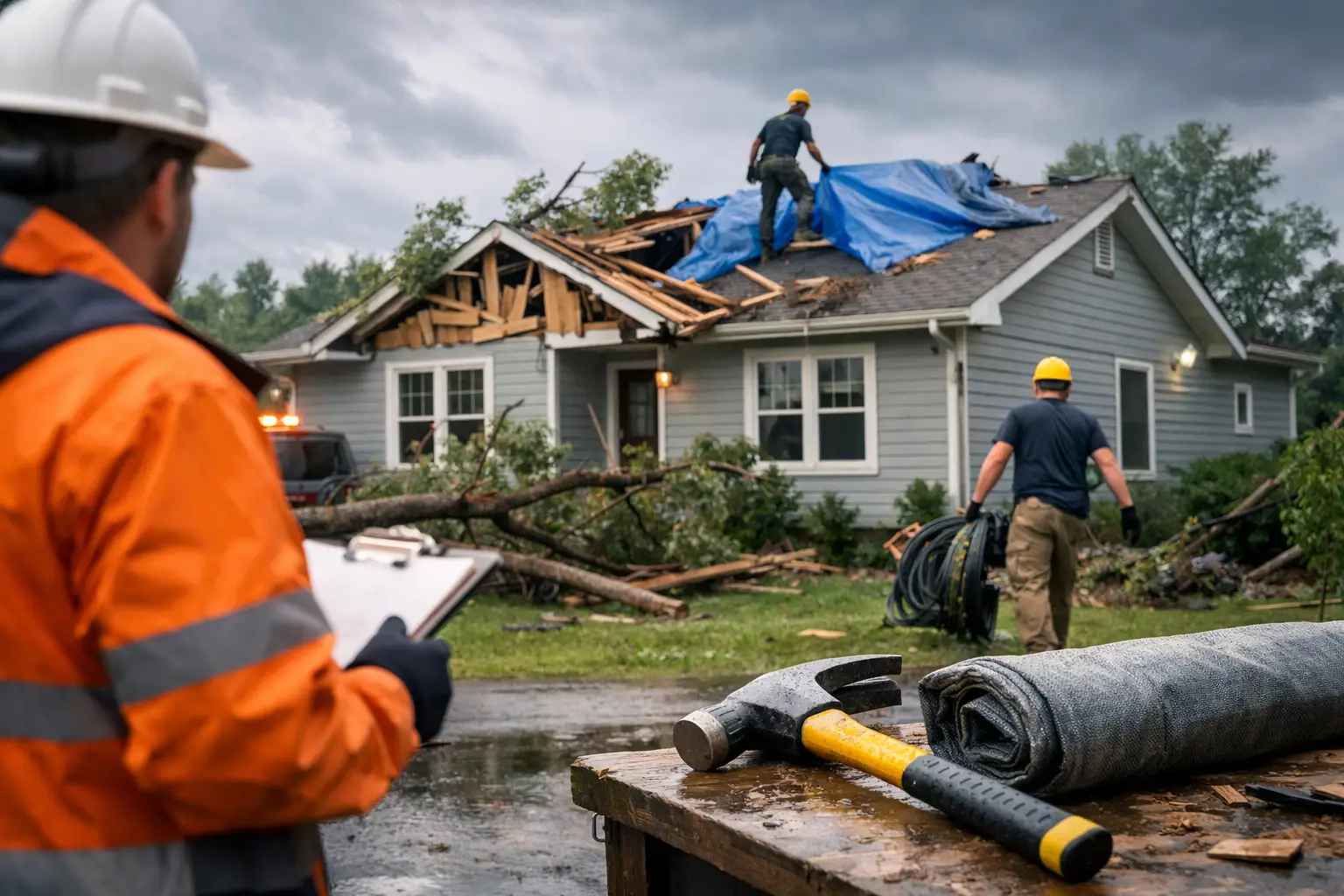 Storm
StormEmergency board-up, roof tarping, and full recovery after wind, hail, and storms.
Learn more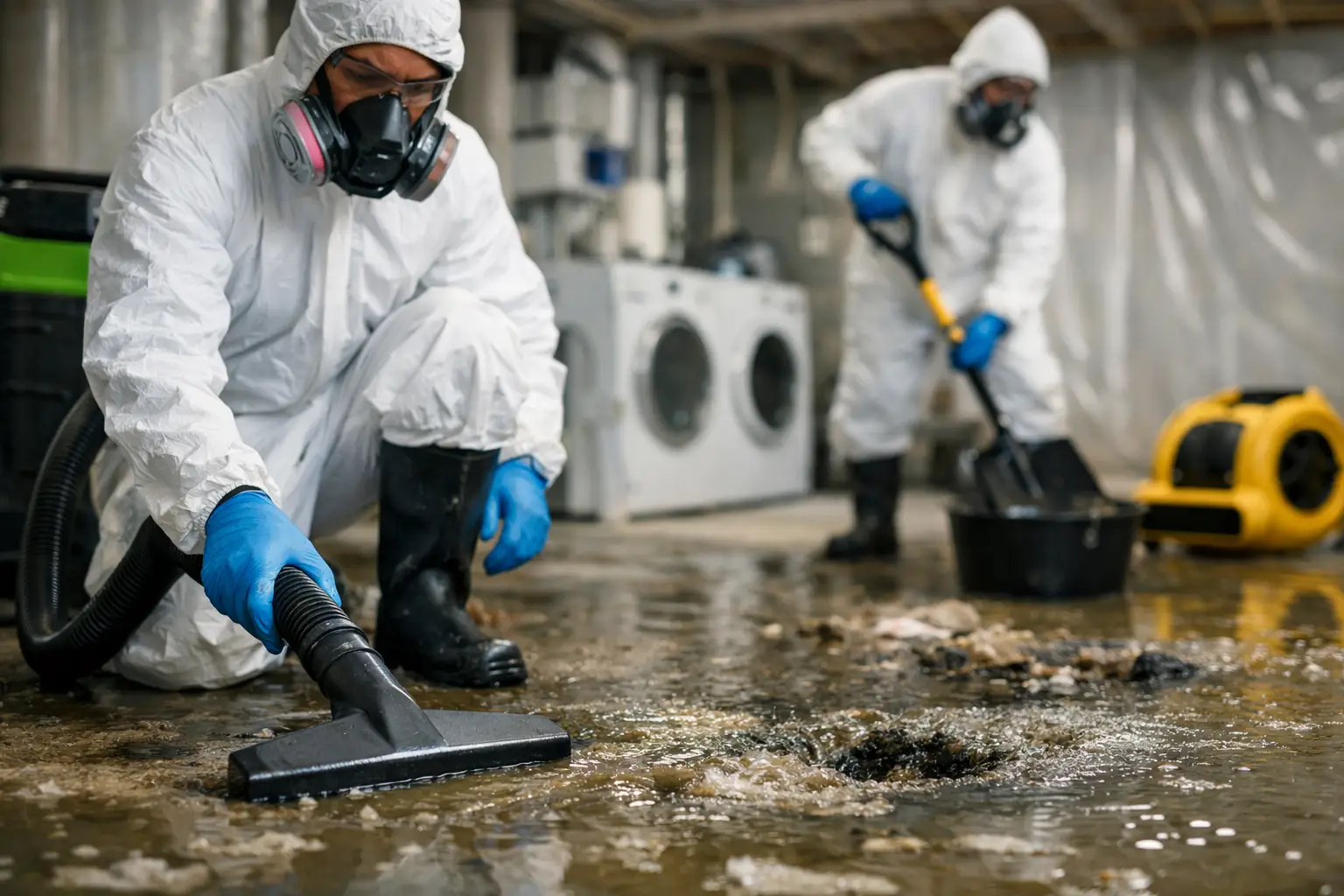 Sewage
Safe biohazard cleanup and sanitizing after sewage backups and overflows.
Learn more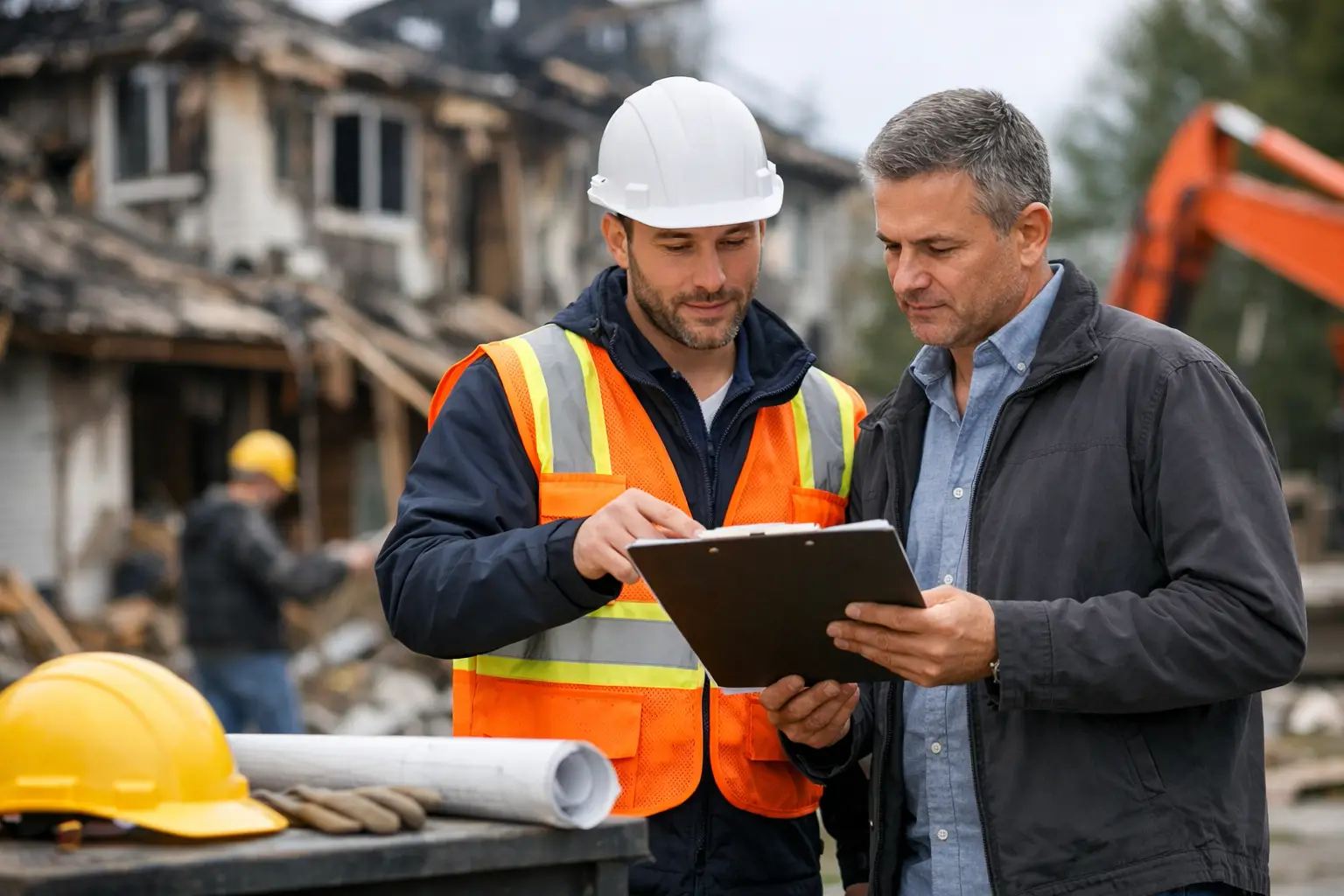 Reconstruction
Full rebuild by a licensed general contractor, so your property comes back whole.
Learn moreElevated Operations is an IICRC-certified, licensed general contractor based in Mableton that handles the entire recovery in-house, so after one loss you are never coordinating a cleanup crew, a mold crew, and a contractor separately. One team, one point of contact, from the first pump-out to the final coat of paint.
People call when the property feels like a disaster. They leave reviews because Chris and the crew made it right. These are real, verified Google reviews.
I start with emergency stabilization, then inspection, debris removal, and smoke cleanup. Homes near the Chattahoochee riverside often hold odor longer, so I pay close attention to deodorization, hidden soot, and moisture before any structural repair begins. That sequence keeps the problem from spreading under new materials.
The first thing is make the area safe and stop further damage. I look at openings, smoke spread, water impact, and whether board up services are needed. Then I document the loss and begin fire cleanup so soot and odor do not settle deeper into the home.
Yes, absolutely. Smoke odor can get into drywall, cabinets, HVAC systems, and textiles, and it often lingers long after visible damage is gone. In Sandy Springs homes, especially near the Chattahoochee riverside where humidity can hold smells, proper smoke odor removal has to be part of the restoration.
Soot is not normal dirt. It is corrosive, greasy, and easy to smear deeper into surfaces if it is handled wrong. Ordinary cleaning can make the problem worse. Fire damage restoration uses controlled soot removal methods so the residue comes out without driving contamination into the material.
Yes. I provide direct insurance billing so the claim and the restoration stay aligned. That matters after a fire because there are usually multiple moving parts, including fire cleanup, content cleaning, and structural repair. I also offer deductible assistance up to $1,000.
Often, yes. Content cleaning can save some furniture, hard goods, and keepsakes if heat and smoke exposure are limited. But I inspect each item honestly. If soot, odor, or structural damage has gone too far, I will say it needs replacement instead of forcing a poor result.
You want technicians who know restoration and a contractor who can rebuild correctly. My team uses IICRC-certified technicians, and I am a licensed general contractor. That combination matters because fire damage restoration includes cleanup, drying, and structural repair, not just surface appearance.
Because damage keeps moving. Smoke keeps staining, soot keeps corroding, and water can lead to mold in 24 to 48 hours. A fast 24/7 response helps stabilize the home, protect openings, and start fire damage restoration before the loss gets bigger and harder to control.
Elevated Operations dispatches IICRC-certified crews across Metro Atlanta from our Mableton base, with a 60-minute emergency response day or night. Choose your city:
Call now for an immediate response, or request your free inspection and get a certified crew on-site within the hour across Atlanta and nearby areas.