24/7 Emergency Restoration · Serving Metro AtlantaEmergency? (770) 404-6895
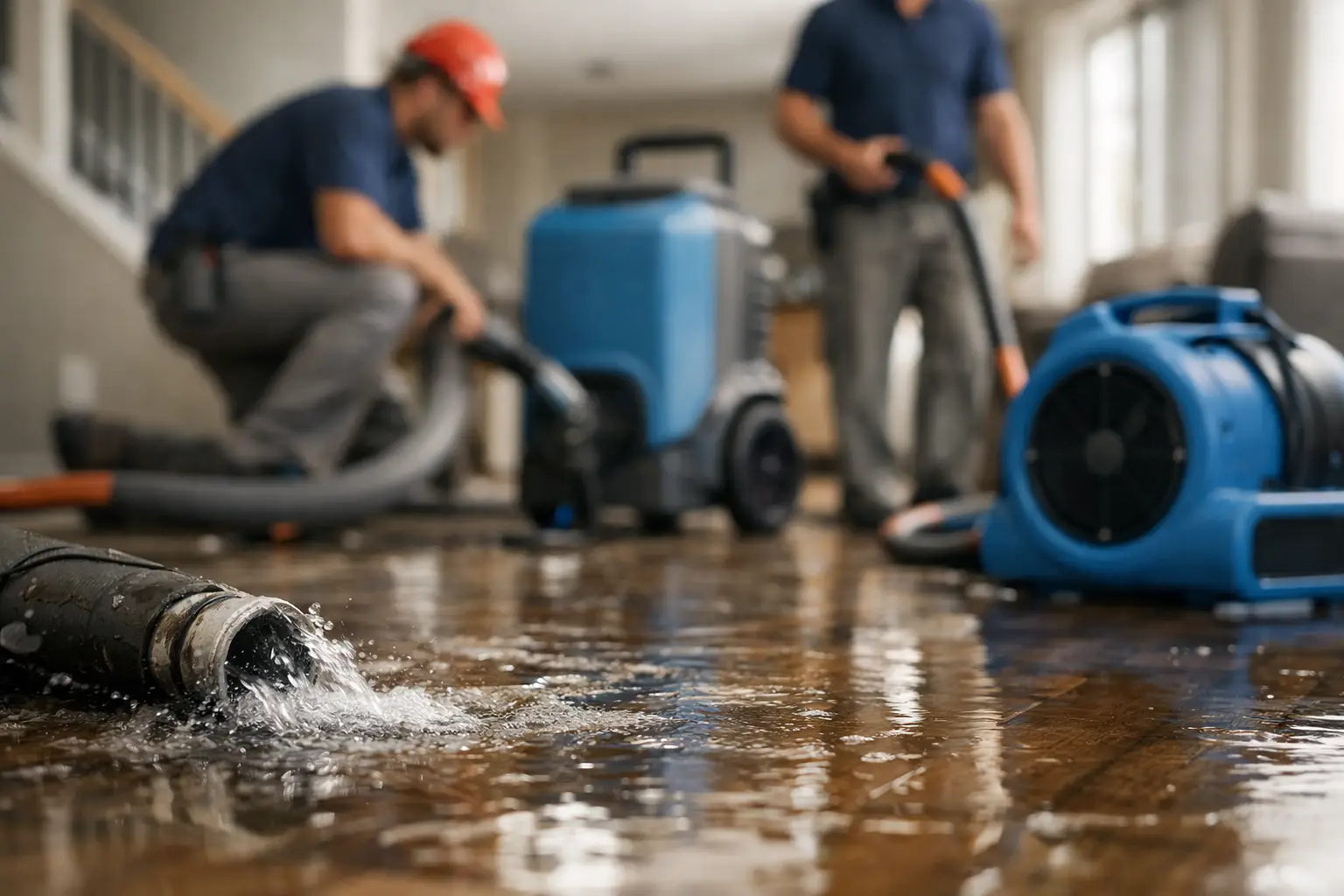
Flooded basement cleanup in Douglasville starts with fast basement water removal, then the right drying plan. I handle storm water, sewer issues, and builder-grade basement losses near I-20 and the Dog River reservoir with 24/7 emergency response, direct insurance billing, and owner-led service from Elevated Operations, LLLP.
IICRC-Certified · 5-Star Rated · 60-Minute Response · Insurance Billed Directly
Yes. I respond 24/7 because water does not wait for business hours.
Yes. I set up the drying plan after extraction and keep checking moisture.
I will tell you if it has to come out to stop hidden moisture and odor.
Yes, up to $1,000, when the claim and job qualify.
Start by staying out of the water, killing power to the affected area if you can do it safely, and calling me for immediate flood water extraction. In Douglasville, I see fast-moving water issues in I-20 subdivisions and lower-lying homes near Dog River, so the first move matters.
If the water is near outlets, appliances, or the panel, do not wade in. I have seen builder-grade basements take on water fast after storms, and the wrong first step makes the loss bigger, not smaller.
Call before you start moving everything around. Wet carpet removal, box hauling, and basement water removal all need a plan, especially when the water source might be surface runoff, plumbing, or a sewage backup cleanup situation.
I respond 24/7 and I keep it direct. My job is to stabilize the space, document the damage, and get the drying moving so you are not fighting mold prevention later.
I start with inspection, water removal, and moisture control, then I map the drying path room by room. For flooded basement cleanup in Douglasville, that means checking carpet, pad, walls, baseplates, and any storage that sat in standing water before deciding what can be saved.
A real cleanup is not one pass with a shop vac. It is flood water extraction, contents handling, wet carpet removal when needed, and basement drying with the right equipment placed where the structure actually holds moisture.
Douglasville homes near I-20 often have builder-grade finishes that look dry on the surface and stay wet underneath. I look behind the obvious damage because hidden moisture is what keeps the problem alive.
If there is sewage backup cleanup involved, I treat that as a different class of loss. That changes the cleanup process, the protection steps, and what gets removed instead of cleaned.
Drying depends on how much water entered, what materials got wet, and how long it sat before cleanup started. I do not guess at timelines. I set up basement drying based on the structure, then monitor moisture until the space is actually ready, not just surface dry.
In Douglasville, basement moisture can linger in trim, wall cavities, and carpet backing long after the visible water is gone. That is why basement drying is a process, not a single visit.
Homes near Dog River can see repeated dampness if the source is exterior water intrusion. And homes in I-20 subdivisions with builder-grade basements can hold moisture in materials that were never designed for prolonged saturation.
IICRC-certified technicians use moisture checks to decide when drying is done. That matters because putting furniture back too early can trap water and make mold prevention harder.
Yes. Mold can start in 24 to 48 hours after a basement flood if moisture stays trapped. That is why I push fast basement water removal and controlled drying, especially in Douglasville homes where finished basements and storage areas can hide damp materials.
Mold is not a maybe. It is a timing problem. If water sits under carpet, behind baseboards, or inside drywall, you need cleanup and drying fast enough to interrupt growth.
I see this often in homes near the Dog River reservoir, where exterior moisture and storm runoff can keep a basement damp after the main flood is gone. That makes mold prevention a real priority, not a marketing phrase.
The fix is not fragrance or fans from the garage. It is removing damaged materials, drying the structure, and verifying the space is dry enough to stay that way.
That usually means you need sewage backup cleanup or a drainage issue checked, not just surface drying. I treat foul-smelling water, repeat flooding, and contaminated basement losses as urgent because they affect safety, cleanup steps, and what materials should be removed.
In Douglasville, I hear this after heavy rain and after sewer problems in older or lower-lying properties. The smell is a clue, and so is repeated water appearing in the same spot after storms.
I do not mix sewage backup cleanup with ordinary water cleanup. The approach is different, the sanitation steps are different, and the materials that can stay in place are limited.
If the water returns from the floor drain, wall seam, or doorway, I want to inspect the source before I call the job finished. Basement water removal without source control is a short-term fix.
Many homes near I-20 were built with builder-grade basement systems that were not designed for repeated water pressure, runoff, or drainage failures. Add sloped lots, storm bursts, and heavy clay soil, and basement flooding becomes a pattern instead of a one-time event.
I see this across Douglasville subdivisions where the basement is finished enough to matter but not engineered like a commercial space. Water finds the weakest point, and once it gets in, the damage spreads fast.
Dog River reservoir areas can create their own headaches when stormwater and groundwater stay active around the home. That is why I look at both the inside damage and the outside conditions.
The right response is not to blame the weather and leave. It is to remove the water, dry the structure, and tell you plainly where the weak point was.
Yes. I offer 24/7 emergency response and I keep the phone answered for basement flooding that cannot wait.
Yes. I use direct insurance billing, and I help with the paperwork so the claim does not stall.
Yes. I handle storm water, basement water removal, and sewage backup cleanup when contamination changes the job.
Yes. I look at moisture levels and damage patterns before I recommend wet carpet removal or other demolition.
Yes. My work includes a 12-month warranty, because cleanup should be backed by accountability.
From emergency mitigation to full reconstruction, handled in-house so you are never managing a chain of subcontractors mid-crisis.
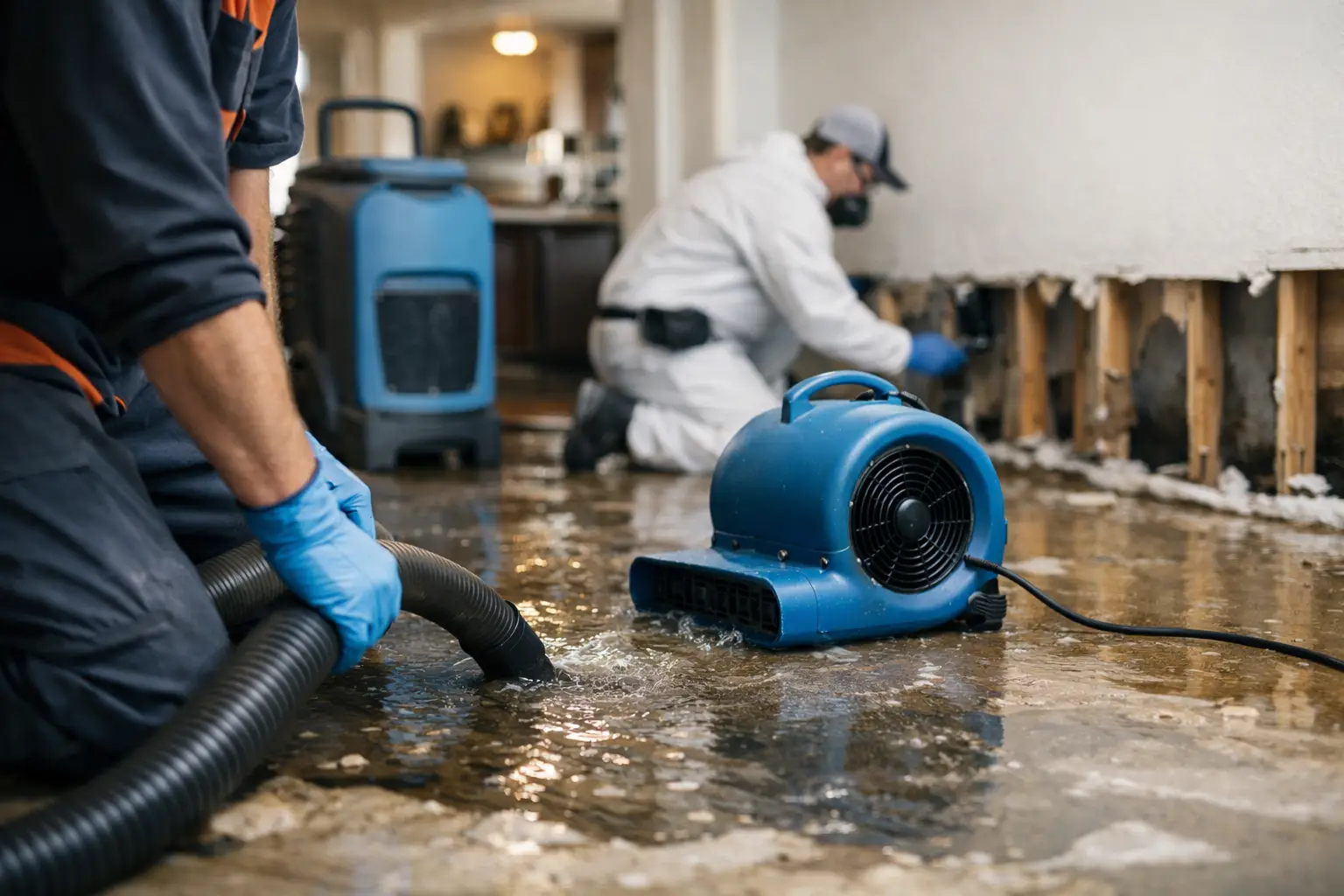 Water Damage
Extraction, structural drying, and moisture mapping after floods, leaks, and burst pipes.
Get help now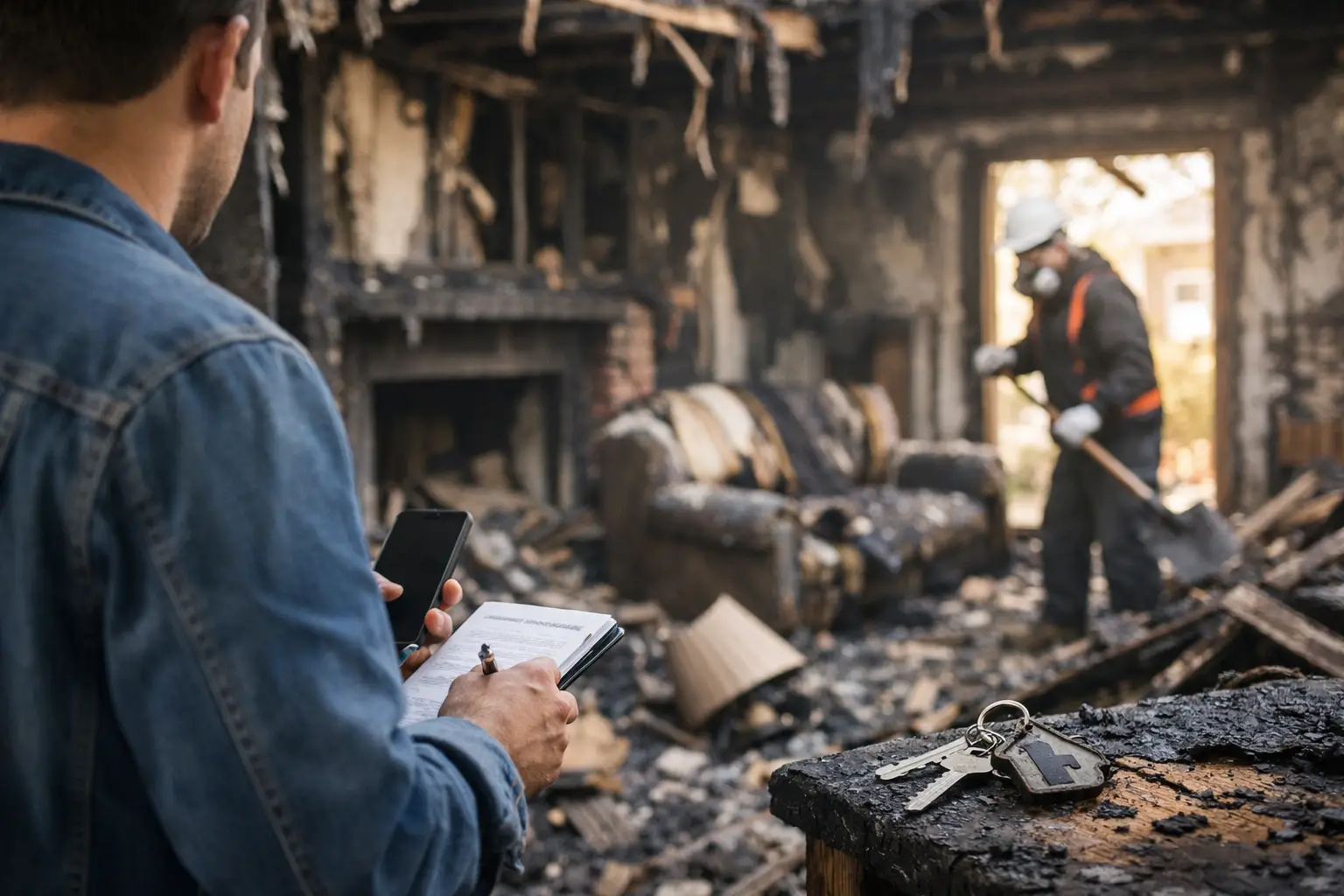 Fire & Smoke
Soot removal, odor deodorization, and content cleaning after fire and smoke damage.
Learn more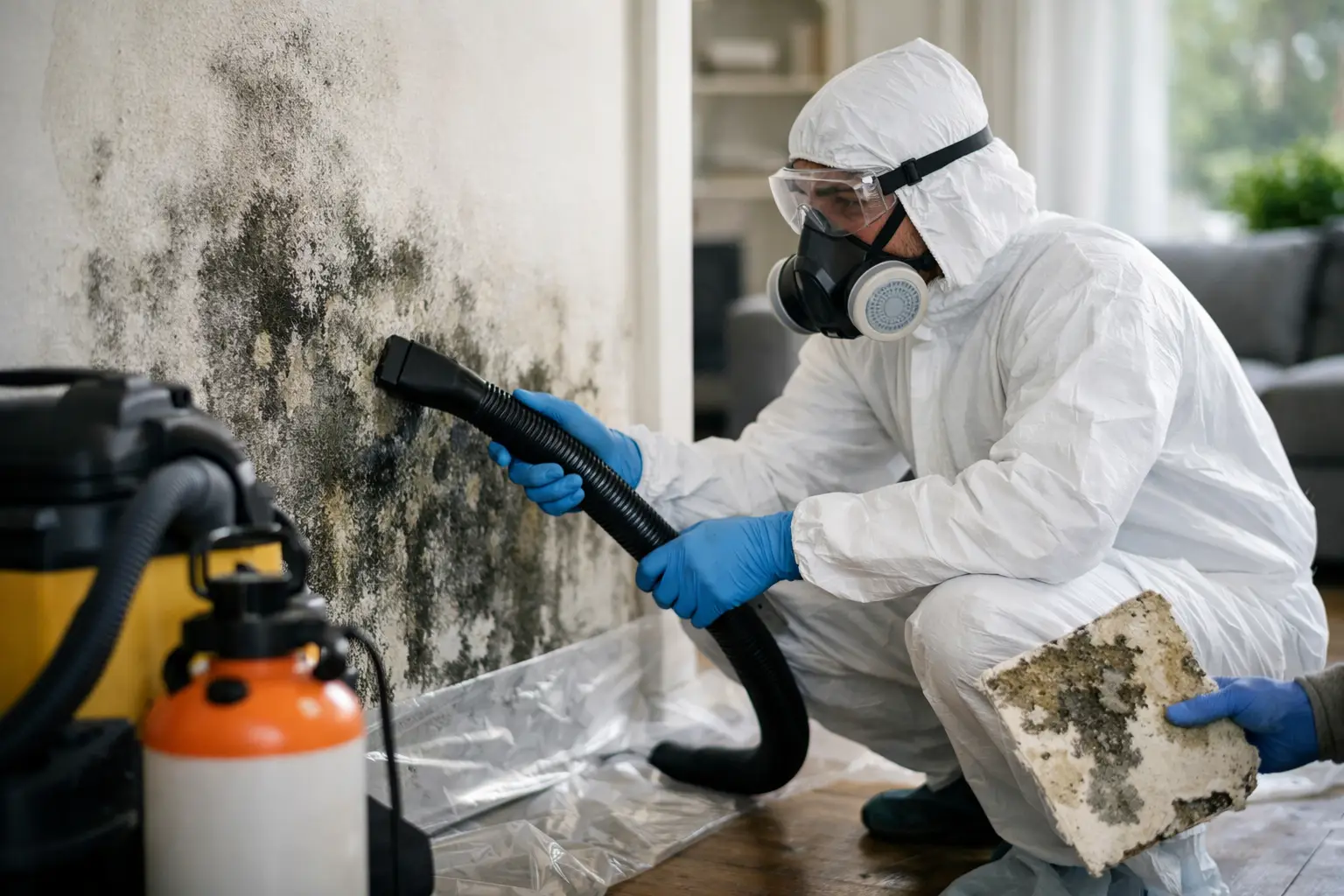 Mold
MoldContainment, removal, and moisture control that stops mold from coming back.
Learn more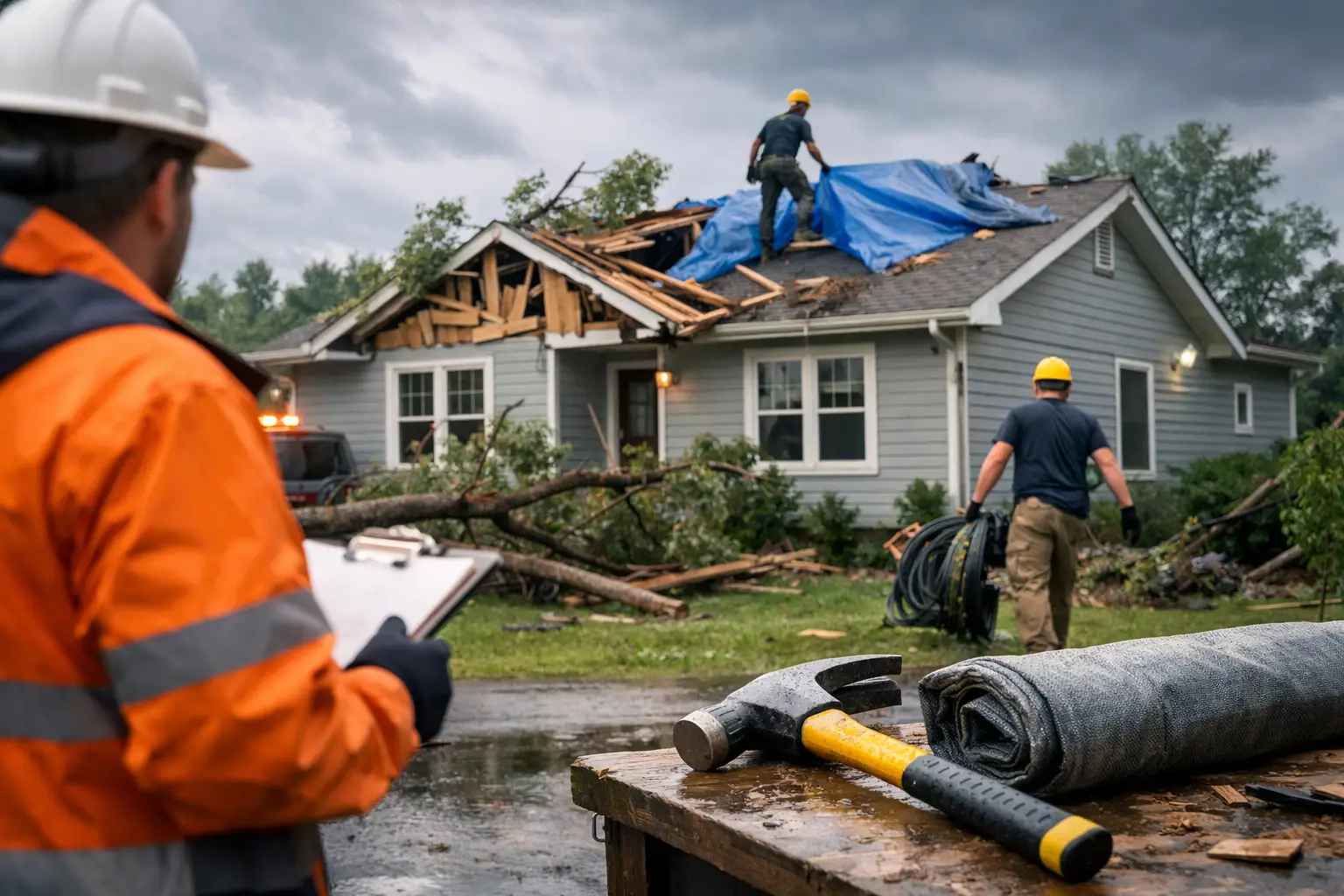 Storm
StormEmergency board-up, roof tarping, and full recovery after wind, hail, and storms.
Learn more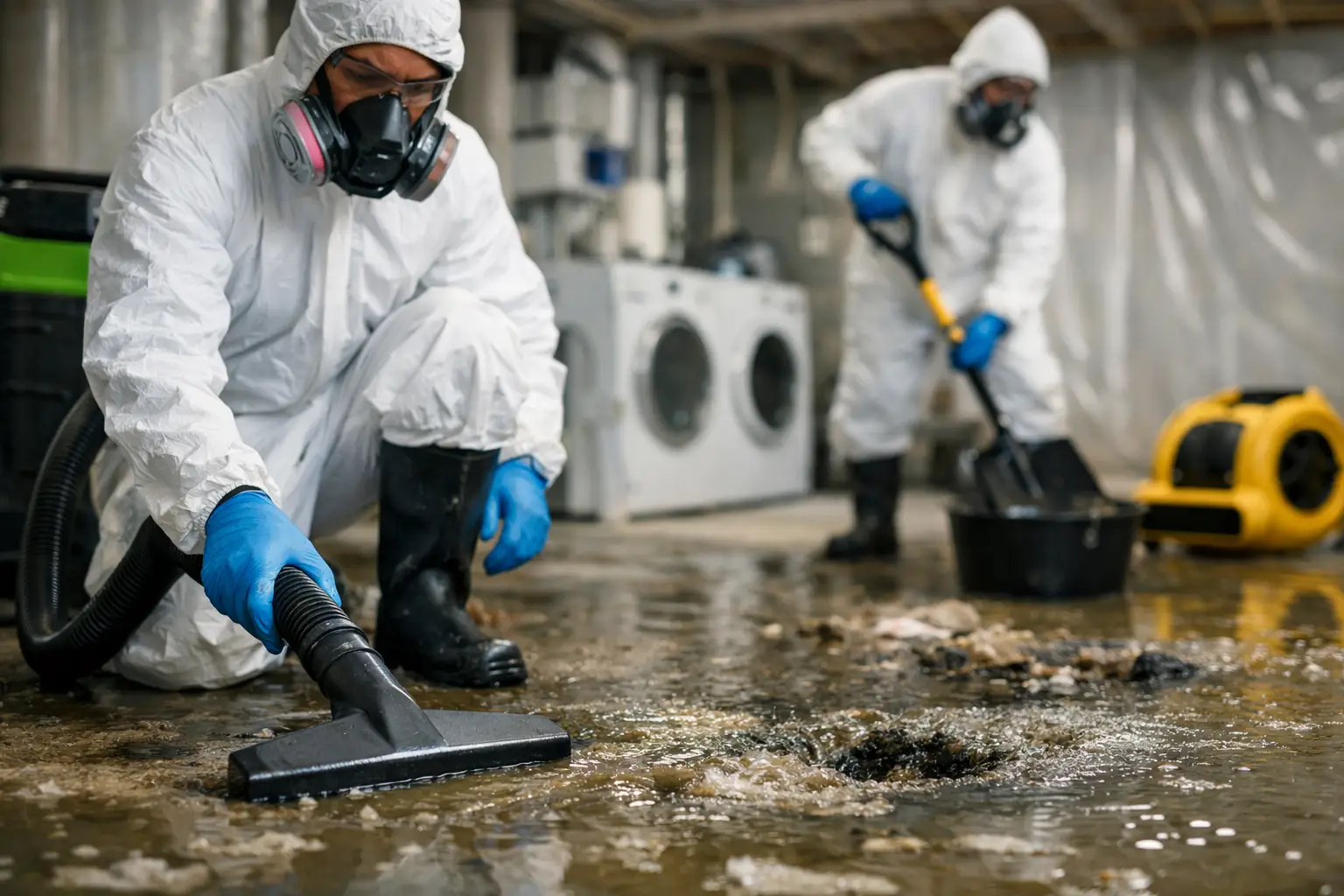 Sewage
Safe biohazard cleanup and sanitizing after sewage backups and overflows.
Learn more Reconstruction
Full rebuild by a licensed general contractor, so your property comes back whole.
Learn moreElevated Operations is an IICRC-certified, licensed general contractor based in Mableton that handles the entire recovery in-house, so after one loss you are never coordinating a cleanup crew, a mold crew, and a contractor separately. One team, one point of contact, from the first pump-out to the final coat of paint.
People call when the property feels like a disaster. They leave reviews because Chris and the crew made it right. These are real, verified Google reviews.
I offer 24/7 emergency response, and I move fast because flooded basements get worse by the hour. In Douglasville, especially near Dog River and the I-20 subdivisions, storm water can spread into carpet, wall materials, and storage in a short window. My first call is about stabilizing the loss, not making you wait through it.
It includes pumping or extracting the water, checking hidden moisture, and deciding what must be removed to get the structure dry. Finished basements in Douglasville often have carpet, trim, and drywall that hold moisture after the standing water is gone. I treat the visible water and the trapped water as two separate problems.
Often, yes. Builder-grade basements near I-20 can look clean and modern, but they still trap moisture in carpet backing, baseboards, and wall cavities. I see that a lot in Douglasville. The cleanup has to match the materials, not the age of the house, or drying gets incomplete.
Yes. If the water is contaminated, I handle it as sewage backup cleanup, not standard water removal. That changes the safety approach and what gets removed from the basement. In Douglasville, I see this after heavy rain, drain problems, and backups that leave a strong odor and visible contamination.
I focus on fast water removal, complete drying, and removing materials that cannot be dried safely. Mold prevention starts with speed and honesty. If the carpet pad, drywall, or framing stays wet, mold can start in 24 to 48 hours. I do not wait for that clock to win.
Yes. I use direct insurance billing and I document the loss so the claim file is clear. That matters when the basement damage includes carpet, drywall, contents, or repeated water intrusion. I keep the process straightforward, and I do not leave you guessing about the next step.
Then the source may still be active, or moisture may still be trapped in the structure. I would go back to the drying plan and the cause of the intrusion. In Douglasville, homes near the Dog River reservoir or with drainage issues can keep pulling in moisture after the standing water is gone.
I am. Chris Kwangwari owns Elevated Operations, LLLP, and I send IICRC-certified technicians to the job. I have been in restoration since 2007, I am a licensed general contractor, and I stand behind the work with a 12-month warranty.
Elevated Operations dispatches IICRC-certified crews across Metro Atlanta from our Mableton base, with a 60-minute emergency response day or night. Choose your city:
Call now for an immediate response, or request your free inspection and get a certified crew on-site within the hour across Atlanta and nearby areas.