24/7 Emergency Restoration · Serving Metro AtlantaEmergency? (770) 404-6895
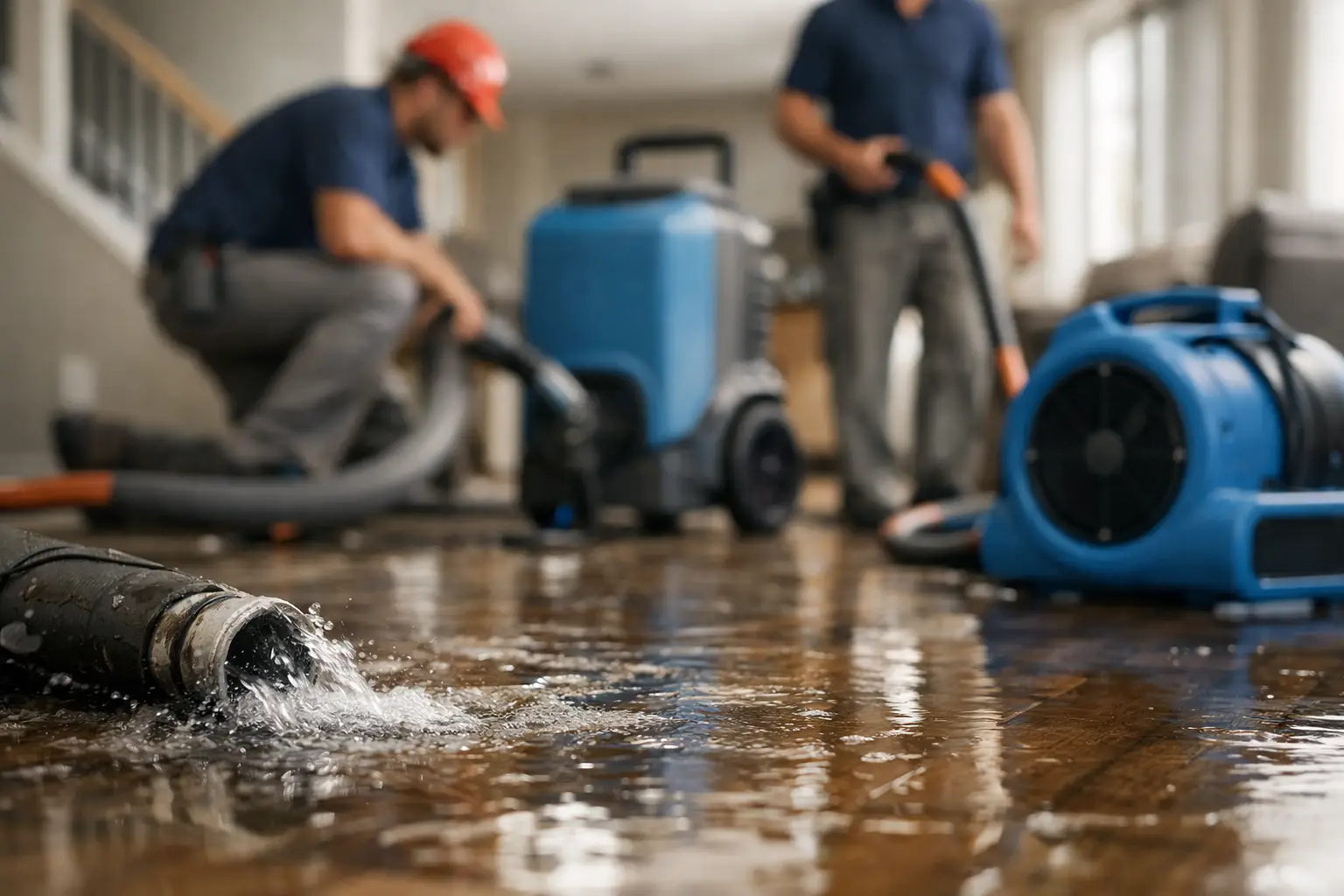
Flooded basement cleanup Smyrna starts with fast water removal, not guesswork. I’m Chris Kwangwari, and my team at Elevated Operations, LLLP handles basement water removal with IICRC-certified technicians, 24/7 emergency response, direct insurance billing, and a 12-month warranty from our Mableton base.
IICRC-Certified · 5-Star Rated · 60-Minute Response · Insurance Billed Directly
Yes. If carpet and pad are saturated, I assess what can be saved and what needs removal. Wet carpet removal is often the cleanest way to stop lingering odor and speed basement drying.
Yes. I offer direct insurance billing, and I keep the process organized from the first inspection through the final cleanup documentation.
They are IICRC-certified technicians. That matters when the job involves flood water extraction, drying, or sewage backup cleanup, because the cleanup has to follow the right process.
We offer 24/7 emergency response with a 60-minute emergency response commitment. When water is active, speed matters more than guesswork.
Start with safety, then stop more water from getting in, then call for flooded basement cleanup. In Smyrna, that matters whether you have a 60s ranch with a slab addition or a Battery townhome with finished lower space, because the entry point and damage pattern are rarely the same.
First, stay out of standing water until you know the source. If the water is near outlets, appliances, or the electrical panel, do not wade through it. I see a lot of basements in Smyrna where one room takes the hit first, then water moves under walls and into storage areas.
Next, shut off the source if you can do it safely. A burst supply line, failed water heater, or overflow from a washer needs immediate attention before basement water removal can start. If the water is coming from a sewer backup, that becomes sewage backup cleanup, not a simple drying job.
Then call us. We move fast on flood water extraction and assess what can be saved, what needs wet carpet removal, and where basement drying has to begin first. Around Smyrna, I see older slab ranches with hidden seepage and newer townhomes with lower-level finishes that trap moisture in a tighter footprint.
The right way is water extraction first, then moisture mapping, then controlled drying and cleanup of damaged materials. I do not start with odor sprays or shortcuts. In Smyrna, flooded basement cleanup has to match the building, whether it is a 60s-70s ranch near older street grids or a Battery-area townhome with tighter walls.
My crew starts by identifying the water category and source. Clean supply water is handled differently than floodwater or sewage, and that changes what gets removed, sanitized, or dried. Basement water removal is not just pumping water out. It is deciding what can safely stay and what has to go.
Then we use flood water extraction and drying equipment to pull moisture out of framing, flooring, and contents. If carpet is soaked, wet carpet removal may be the fastest path. If water tracked under baseboards, the wall cavity has to be checked, because hidden moisture can keep the job alive long after the surface looks dry.
For Smyrna homes, the construction style matters. Slab ranches often hide water along the edges and under low thresholds. Townhomes near The Battery can concentrate damage in one finished lower level, where basement drying needs tighter control. That is why I inspect first, then build the cleanup plan around the building.
Drying time depends on the water source, the amount of saturation, and the materials in the basement, so I do not guess. The job starts with extraction and professional basement drying, then I check moisture levels until the space is truly dry enough to close up and repair.
A small clean-water loss dries differently than a heavy intrusion through carpet, pad, drywall, and storage. If the basement has porous materials or water reached hidden cavities, drying takes longer because the moisture does not stay on the floor. It moves into structure, trim, and contents.
In Smyrna, I often see older 60s-70s ranch basements where water wicks along slab edges and newer Battery townhomes where finished lower levels dry unevenly because of denser interior walls. That is why basement drying is measured, not rushed. I monitor the space until the materials tell me they are ready.
The right timeline starts with good flood water extraction. If water sits, damage spreads and mold prevention gets harder. That is why I respond 24/7 and move on it quickly. A fast start gives me a better chance to save flooring, reduce odor, and keep the cleanup from becoming a larger rebuild.
Yes, and fast. Mold can begin in 24 to 48 hours after moisture stays trapped, which is why flooded basement cleanup has to include real drying and dehumidification. In Smyrna, older ranch basements and tight Battery-area lower levels both create mold risk when water is left behind.
The mistake I see most is assuming the floor is the problem and the walls are fine. Water travels into insulation, subfloor, and trim. Once that happens, mold prevention depends on how completely the basement is dried, not on how clean the surface looks after a quick mop-up.
If there was sewage backup cleanup involved, the urgency is even higher. Contaminated water carries more risk and requires a different cleanup path. IICRC-certified technicians know how to handle that process correctly, and that matters when a finished space has been exposed to dirty water or repeated seepage.
Smyrna homes built in different eras do not fail the same way. A ranch with aging drainage can stay damp at the slab edge. A townhome near The Battery may hide moisture behind drywall after a small leak. Either way, if the basement smells earthy or the air feels heavy, I treat that as a drying problem immediately.
You need flooded basement cleanup now if you see standing water, soaked carpet, a musty smell, swollen trim, or discoloration along the lower wall line. In Smyrna, those signs often show up after storms, plumbing failures, or drainage issues around older ranches and newer townhomes.
Standing water is obvious, but the subtle signs matter just as much. A basement can look mostly fine and still need basement water removal if carpet feels spongy, baseboards cup, or the air stays damp. I look for the path of travel, not just the biggest puddle.
Wet carpet removal is often necessary because carpet and pad hold water like a sponge. If a couch, box, or storage shelf sat in the water, I check for trapped moisture underneath. That hidden dampness can lead to odor and mold prevention problems later if it is ignored.
In Smyrna, older 60s-70s slab ranches tend to show seepage at the perimeter, while Battery-area townhomes may trap water in a finished lower room and stair landing. Different structures, same rule: if the basement is wet, do not wait for it to dry on its own.
Because a 60s-70s slab ranch and a Battery townhome do not collect or release water the same way. I adjust flooded basement cleanup to the building, the materials, and the source, so the cleanup actually fits the space instead of forcing a one-size-fits-all approach.
Older ranch homes in Smyrna often have simple layouts, lower-grade thresholds, and slab-related moisture behavior that can hide water at the edges. That means basement drying has to check more than the floor surface. I look at wall bases, trim, and any area where water can travel unseen.
Townhomes near The Battery usually have tighter lower-level finishes and more defined compartments. That can make flood water extraction more focused, but it also means a small leak can damage more finished material in one section. What looks minor from the hallway can be a bigger cleanup behind the wall.
I base the plan on the house in front of me, not a script. Elevated Operations, LLLP is licensed, I’m an owner-operator, and my technicians are IICRC-certified. That combination matters when the job calls for direct insurance billing, fast response, and a cleanup plan that makes sense for Smyrna construction.
If water keeps creeping across the floor, you need flood water extraction now, not later. Even a shallow layer can move under walls, into closets, and into adjoining finished spaces.
That odor usually means moisture is trapped in carpet, drywall, or trim. It is one of the earliest signs that basement drying and mold prevention need to start right away.
Wet carpet removal may be necessary when padding stays saturated. If it feels squishy underfoot, the water likely reached deeper than the visible surface.
Brown marks, swelling, or paint damage near the floor often point to hidden moisture. In Smyrna ranch basements, that can mean slab-edge seepage, not just surface spillover.
If the water smells foul or came from a backup, it needs sewage backup cleanup, not basic drying. That changes the safety steps and what materials can be saved.
From emergency mitigation to full reconstruction, handled in-house so you are never managing a chain of subcontractors mid-crisis.
 Water Damage
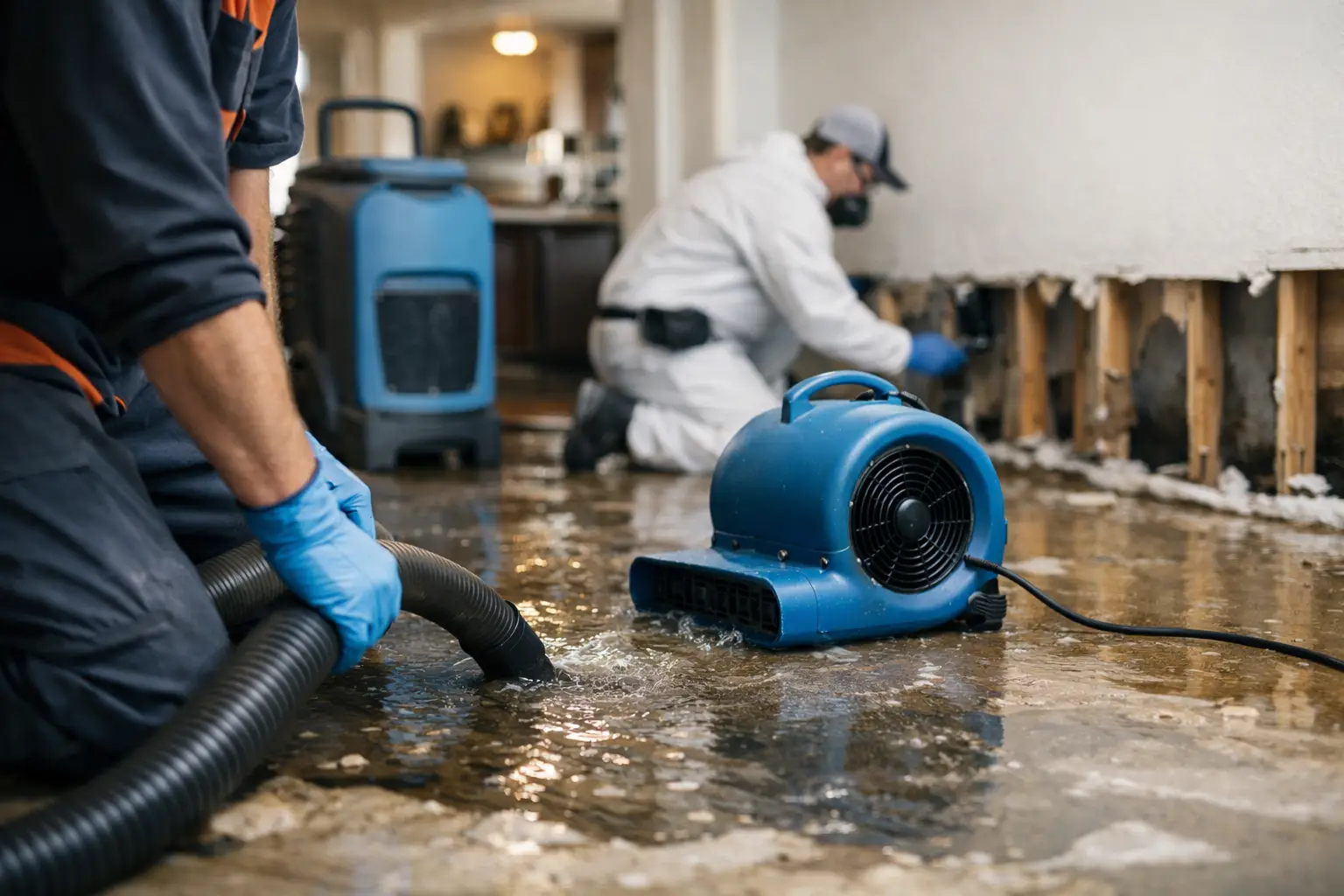
Extraction, structural drying, and moisture mapping after floods, leaks, and burst pipes.
Get help now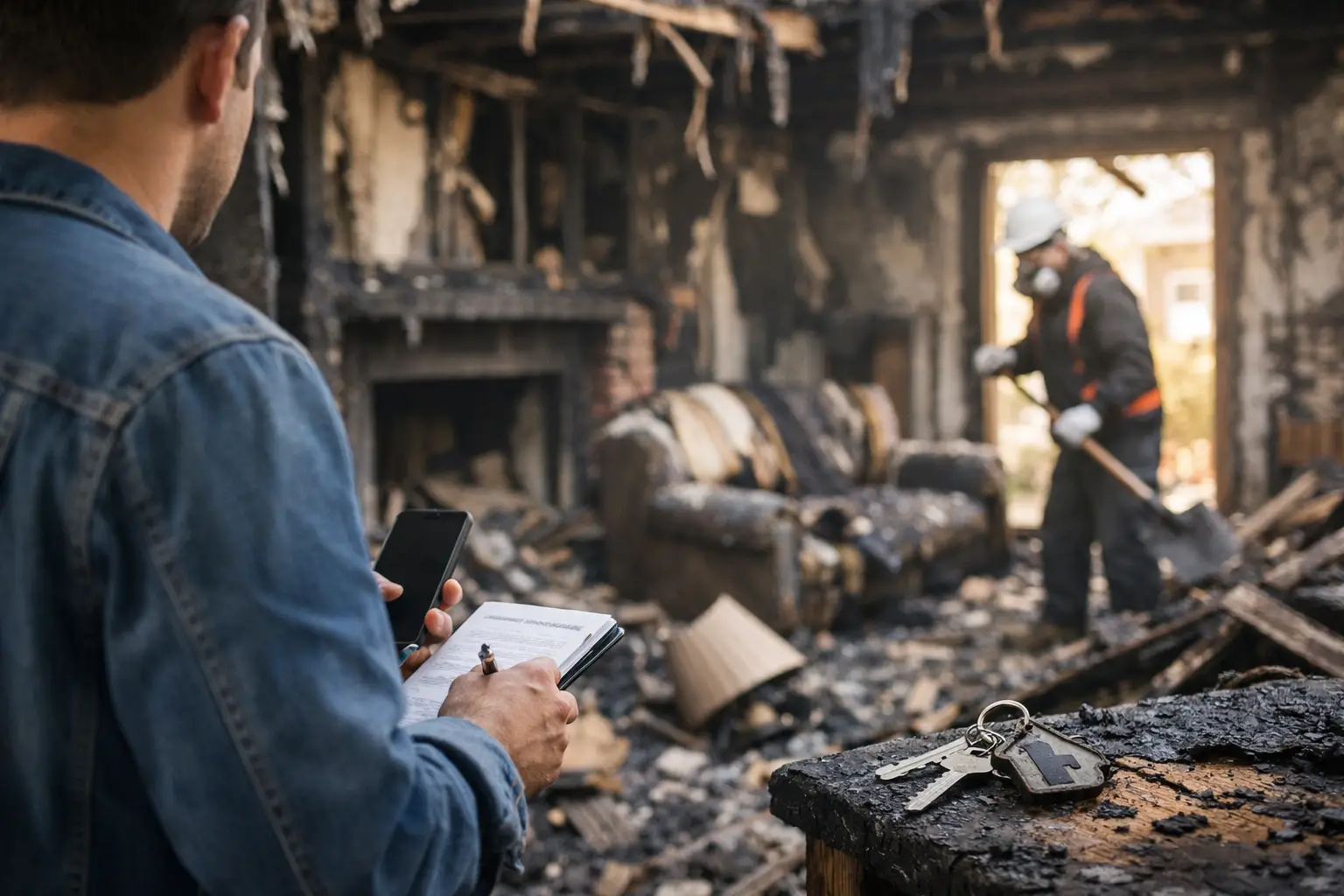 Fire & Smoke
Soot removal, odor deodorization, and content cleaning after fire and smoke damage.
Learn more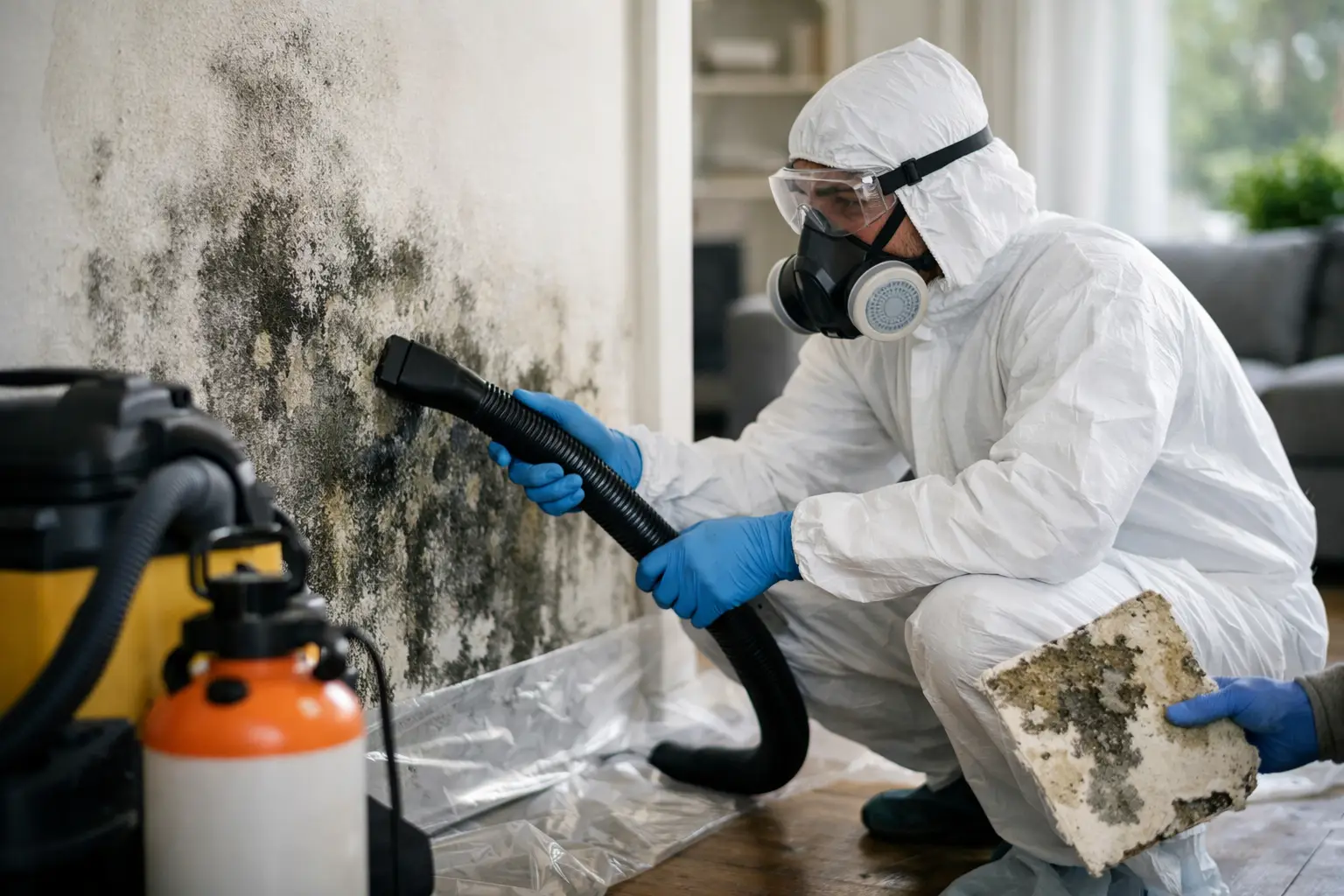 Mold
MoldContainment, removal, and moisture control that stops mold from coming back.
Learn more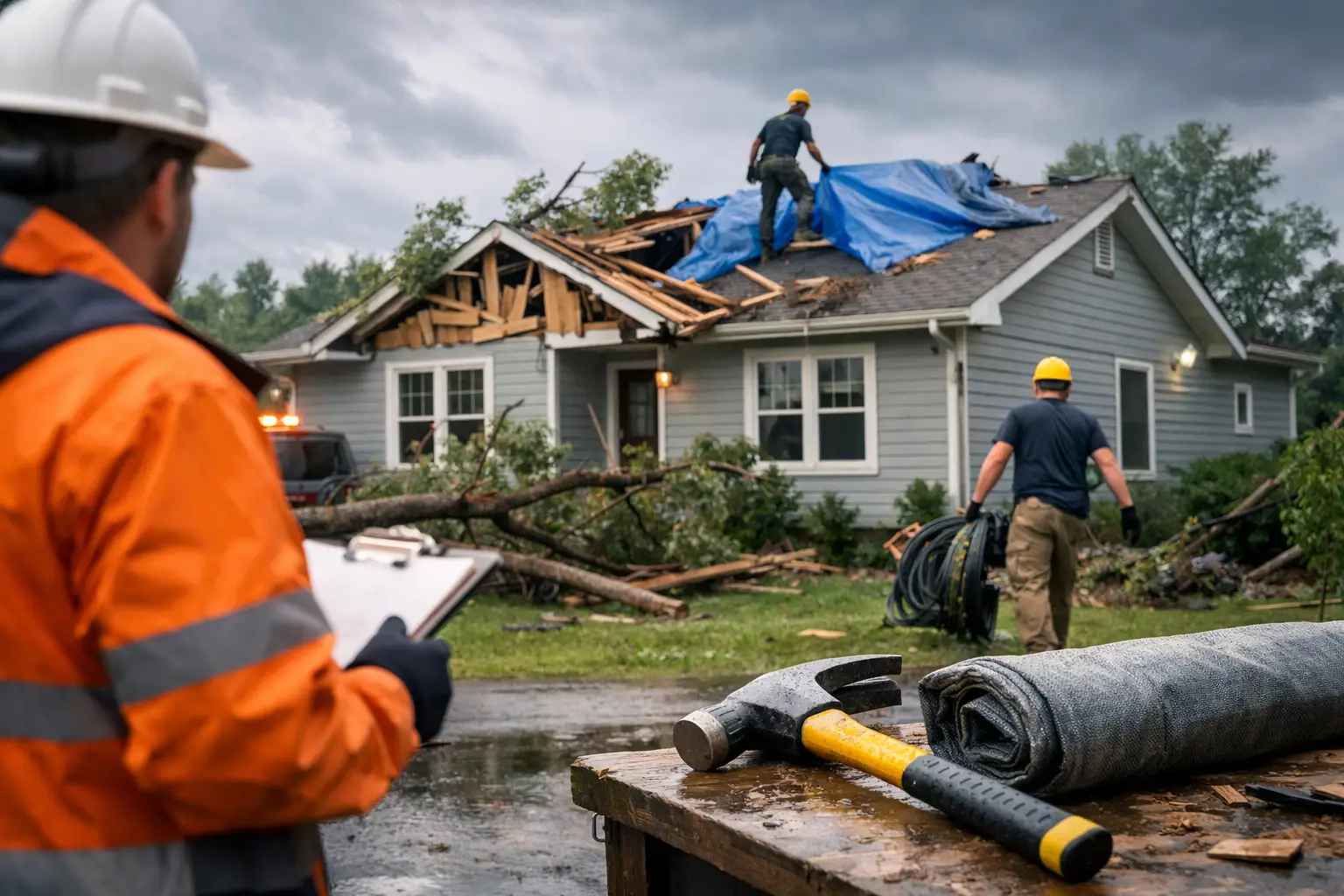 Storm
StormEmergency board-up, roof tarping, and full recovery after wind, hail, and storms.
Learn more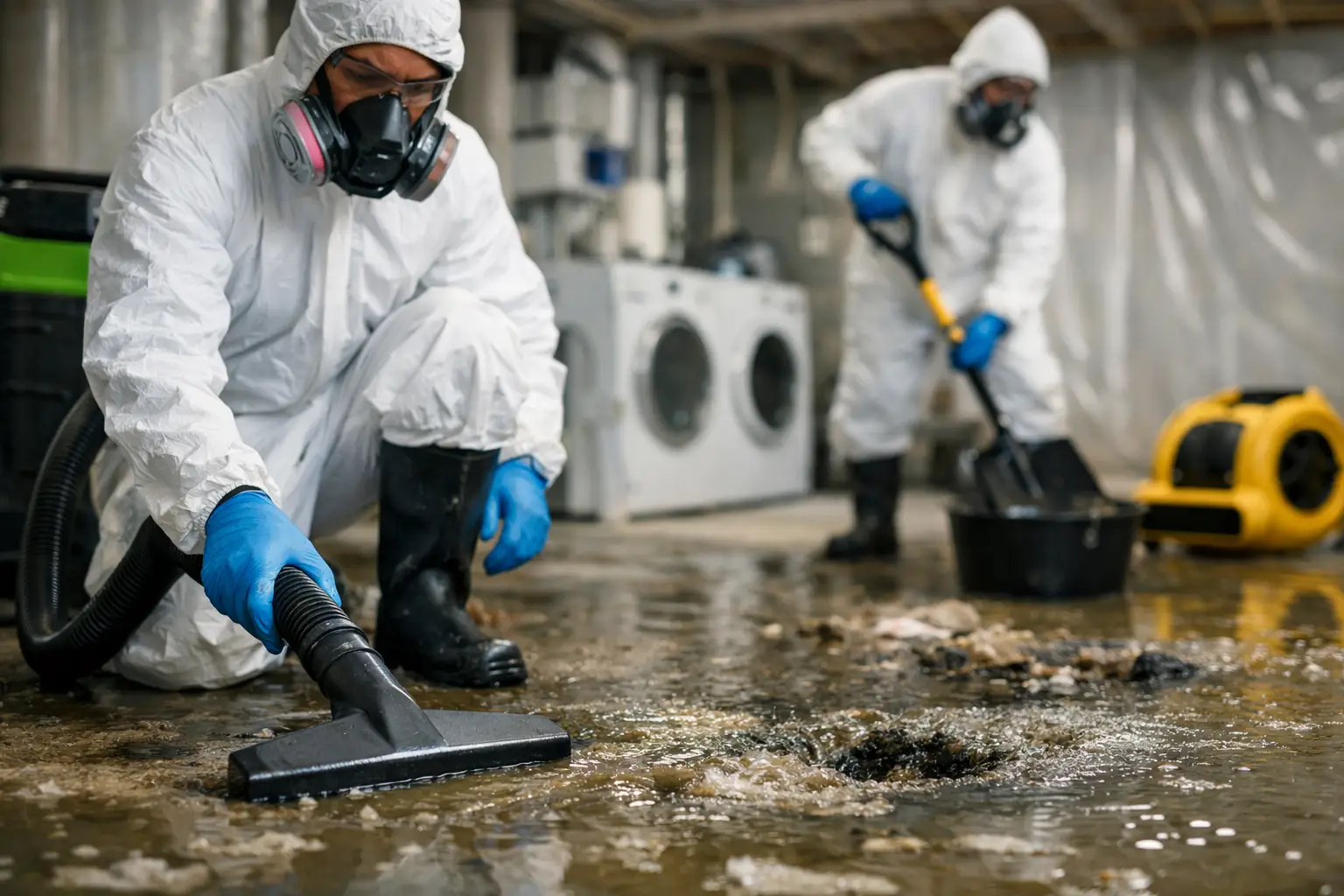 Sewage
Safe biohazard cleanup and sanitizing after sewage backups and overflows.
Learn more Reconstruction
Full rebuild by a licensed general contractor, so your property comes back whole.
Learn moreElevated Operations is an IICRC-certified, licensed general contractor based in Mableton that handles the entire recovery in-house, so after one loss you are never coordinating a cleanup crew, a mold crew, and a contractor separately. One team, one point of contact, from the first pump-out to the final coat of paint.
People call when the property feels like a disaster. They leave reviews because Chris and the crew made it right. These are real, verified Google reviews.
I start by identifying the source and water category, then I remove standing water, assess materials, and begin controlled basement drying. In Smyrna, stormwater may behave differently in an older slab ranch than in a lower-level Battery townhome, so I inspect the structure before I start tearing anything out.
Yes. If moisture stays in carpet, drywall, or framing, mold can begin in 24 to 48 hours. In a 60s-70s Smyrna ranch, that often means the slab edge, trim, or wall base needs immediate drying after basement water removal, not a wait-and-see approach.
Stay out of the water if electricity or contamination may be involved, then stop the source if it is safe, then call for flooded basement cleanup. Townhomes near The Battery can hide moisture in finished lower spaces, so fast inspection matters before damage spreads.
I do not give a fixed number because the water source, material types, and how long the water sat all change the process. After flood water extraction, I use professional basement drying and monitor the moisture until the space is actually ready for repairs.
Yes, and that work is handled differently from a clean-water loss. If a backup affects a basement in Smyrna, IICRC-certified technicians assess the contamination, remove damaged materials as needed, and dry the area with the right safety steps in place.
Yes. I offer direct insurance billing, and I can help with deductible assistance up to $1,000. That helps keep the process moving while we handle the flooded basement cleanup and document the damage properly for the claim.
We are based in Mableton and serve Smyrna across Cobb County, so yes, I can get a crew moving fast. I run 24/7 emergency response, and that matters when wet carpet removal or basement drying cannot wait until morning.
I back our work with a 12-month warranty. That applies after the cleanup process is completed, which is important when a basement needs extraction, drying, and follow-up checks before it is fully turned back over.
Elevated Operations dispatches IICRC-certified crews across Metro Atlanta from our Mableton base, with a 60-minute emergency response day or night. Choose your city:
Call now for an immediate response, or request your free inspection and get a certified crew on-site within the hour across Atlanta and nearby areas.