24/7 Emergency Restoration · Serving Metro AtlantaEmergency? (770) 404-6895
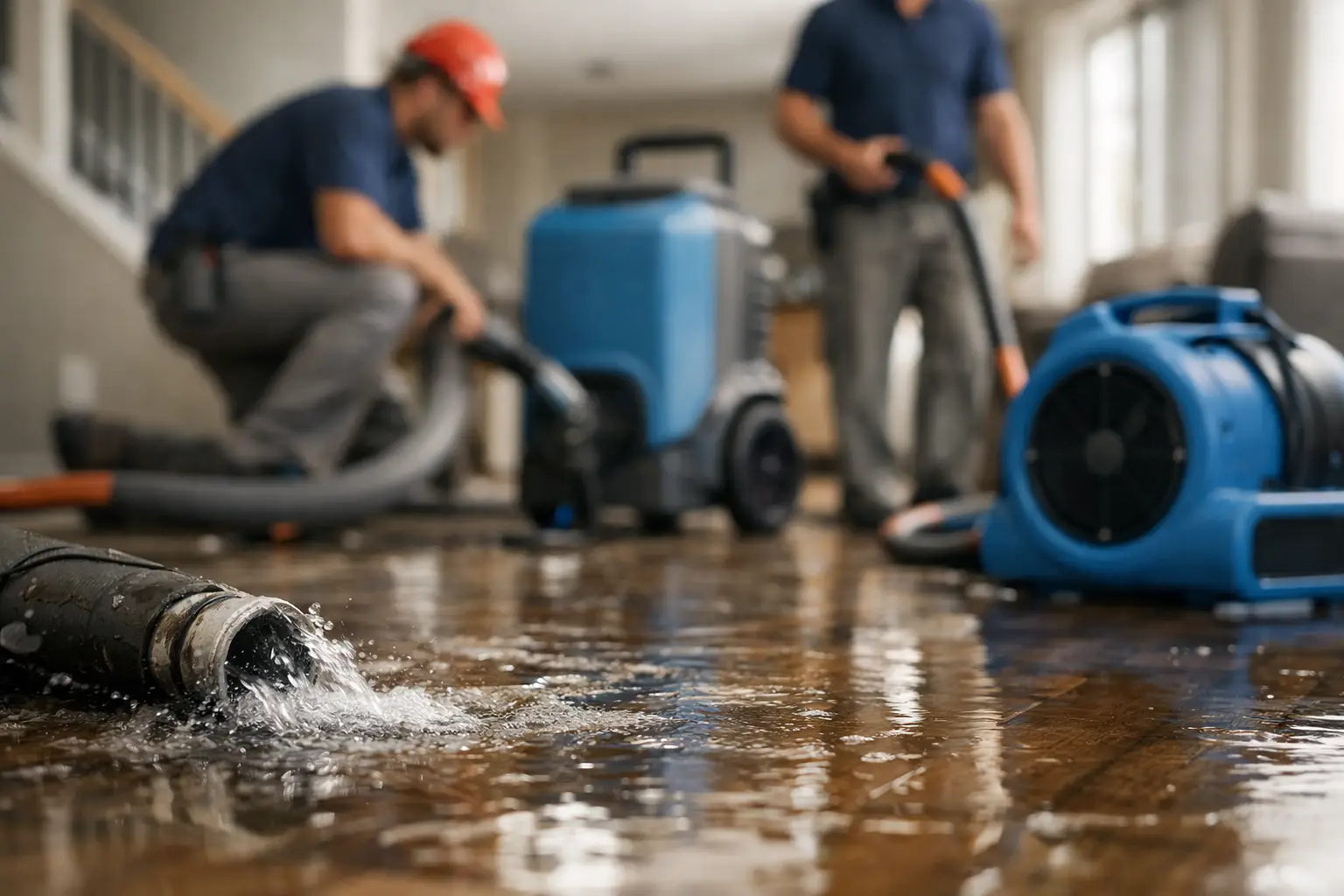
Water mitigation services in Rex should start fast when a pipe bursts, a roof leaks, or sewage backs up in an older Clayton County home. I am Chris Kwangwari, owner of Elevated Operations, and I handle water extraction, dehumidification, and drying equipment setup with direct insurance billing and a 12-month warranty.
IICRC-Certified · 5-Star Rated · 60-Minute Response · Insurance Billed Directly
Rex has many older unincorporated Clayton homes, and those houses often hide water in crawl spaces, walls, and layered flooring. That changes how I approach mitigation and drying.
When it helps control the work area, yes. Containment keeps moisture, debris, and drying efforts focused so the loss does not spread into cleaner parts of the home.
I bring drying equipment matched to the loss, along with dehumidification when needed. The goal is structural drying that fits the building, not a one-size setup.
I am Chris Kwangwari, owner of Elevated Operations, LLLP. I have been in restoration since 2007, and I work with IICRC-certified technicians from our Mableton base.
Start with safety, then stop the source, then call for water mitigation services in Rex. In older unincorporated Clayton homes, water can spread under flooring and into wall cavities fast, so a quick check of ceilings, outlets, and crawl spaces matters before damage grows.
I want homeowners in Rex to think in order, not panic. If water is active, shut it off if you can do that safely. If the leak involves a ceiling, electrical area, or contaminated water, leave the space and call me right away. That is the right first move.
Older homes in unincorporated Clayton often hide water behind plaster, paneling, or tired flooring. The surface may look manageable, but the structure underneath tells the truth. I check for saturation, look for moisture control issues, and decide whether containment is needed before the problem spreads.
And I do not guess. I use IICRC-certified methods, direct insurance billing when the claim is open, and I can assist with the deductible up to $1,000. That keeps the first hour focused on loss mitigation, not confusion, paperwork, or delay.
Water mitigation services in Rex include water extraction, drying equipment placement, dehumidification, containment when needed, and monitoring until the structure is dry enough to stop damage from advancing. The goal is simple, reduce loss fast in older Clayton County homes before repairs become larger.
The work starts with inspection and source control, then moves into water extraction. After that, I set drying equipment based on the materials affected, not by habit. Hardwood, subfloor, insulation, and drywall all dry differently, especially in older homes common around Rex.
Containment matters when moisture has spread into several rooms or when we need to keep the affected area isolated. That helps control the environment while dehumidification and structural drying do their job. It also keeps the loss from spreading into cleaner parts of the home.
I treat mitigation as a process, not a single machine running in the corner. The point is loss mitigation, not noise. I track moisture, adjust drying equipment, and keep you informed until the home is stabilized and ready for the next step.
Water mitigation should start as soon as the leak is found, ideally the same day. In Rex, older homes and hidden crawl spaces can hold moisture quickly, and EPA guidance says mold can start in 24 to 48 hours, so waiting is the expensive choice.
I offer 24/7 emergency response with a 60-minute emergency response target, because water does not respect business hours. If a supply line breaks at night or a storm drives water into an older Clayton County roof, you need action before materials swell and stain.
The first day matters more than people think. Drywall wicks, trim cups, insulation traps water, and wood framing starts changing shape. Once that happens, the job shifts from simple mitigation to larger structural drying and more intrusive repair work.
And that is why I push speed without drama. I am based in Mableton, I work in Rex and across Clayton County, and I bring licensed general contractor knowledge to the mitigation phase. That means I know what water does to the structure and how to stop the spread.
During water mitigation, I document the loss, extract standing water, place drying equipment, and monitor moisture until the affected area stabilizes. In older Rex homes, I also pay close attention to crawl spaces, mixed materials, and hidden cavities where water can linger longer than expected.
A Rex home can surprise people. Older framing, aging plumbing, and patchwork remodels are common in unincorporated Clayton, and those conditions change how I approach the work. I do not assume the visible floor tells the whole story. I check beneath and behind it.
The process usually includes inspection, water extraction, drying equipment setup, and dehumidification. If needed, I establish containment around the affected area so the drying process stays focused. That is especially useful when the home has multiple finished rooms or a narrow hallway layout.
I also look at how air moves through the house. Moisture control is not just about removing water, it is about preventing water from settling into the wrong places. That is where IICRC-certified technicians and a licensed general contractor approach make a real difference.
No, water mitigation is not the same as water restoration. Mitigation stops the damage and dries the structure, while restoration repairs the home after the water problem is stabilized. In Rex, I handle the mitigation side first so repairs are based on dry, verified conditions.
People often use the terms interchangeably, but they are different jobs. Mitigation is water extraction, drying, dehumidification, and containment if required. Restoration comes later, after the structure is dry and the damage path is clear. Mixing those steps leads to mistakes.
In older Clayton County homes, skipping mitigation and jumping to repairs can trap moisture in hidden spaces. That is how trim fails later, floors shift, or odor returns. I prefer to document, dry, verify, and then plan the restoration work with clean facts.
Direct insurance billing helps keep the process organized. I coordinate the mitigation side of the claim, provide the documentation needed, and keep the focus on the actual loss. No guesswork. No shortcuts. Just a clear sequence that makes sense for Rex homes.
Rex homeowners call me first because I respond 24/7, I am IICRC-certified, and I understand the construction issues in older unincorporated Clayton homes. I have been in restoration since 2007, and I back my work with a 12-month warranty.
I run Elevated Operations, LLLP, and I am the owner, Chris Kwangwari. I do not outsource the standards. When water mitigation services in Rex need to be done right, I bring licensed general contractor judgment, direct insurance billing, and a practical approach that fits the home.
My company is based in Mableton, but I work throughout Clayton County, including Rex, and across Cobb, Fulton, DeKalb, Douglas, Henry, and Paulding counties. That reach matters when a water emergency hits and you want someone who knows Metro Atlanta homes.
I also know how homeowners think after a loss. They want the water gone, the structure protected, and the claim handled cleanly. I keep the process grounded. One call, one plan, one crew, and a 4.9-star Google rating backed by 73 reviews.
If the floor feels spongy or trim starts to swell, water has likely moved beyond the surface. That is common in older Rex homes with layered flooring and aging materials.
A stale or earthy smell is a warning sign that moisture remains inside walls, under flooring, or in a crawl space. Dehumidification may still be needed even when surfaces look dry.
Ceiling stains, browning around vents, and bubbling paint suggest hidden moisture above or behind the finish. In Clayton County homes, that often means the damage spread farther than the first room.
If a cabinet, bathroom, or laundry area keeps getting damp, the source may be intermittent. I check for hidden leaks and track moisture, not just the visible puddle.
If a room stays humid or the air feels heavy, the structure may need drying equipment and a more controlled setup. That is especially true in older homes with slower airflow and hidden cavities.
From emergency mitigation to full reconstruction, handled in-house so you are never managing a chain of subcontractors mid-crisis.
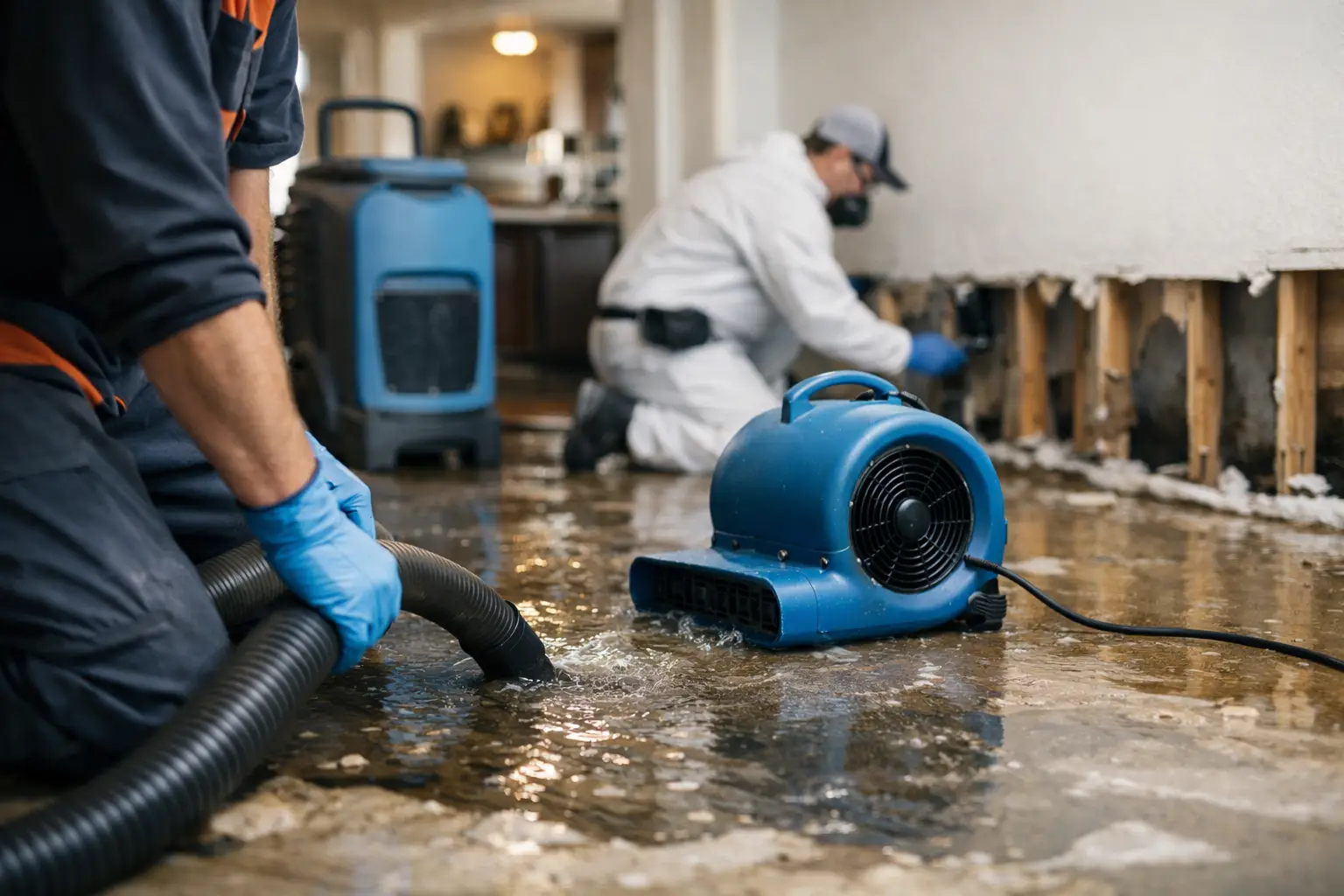 Water Damage
Extraction, structural drying, and moisture mapping after floods, leaks, and burst pipes.
Get help now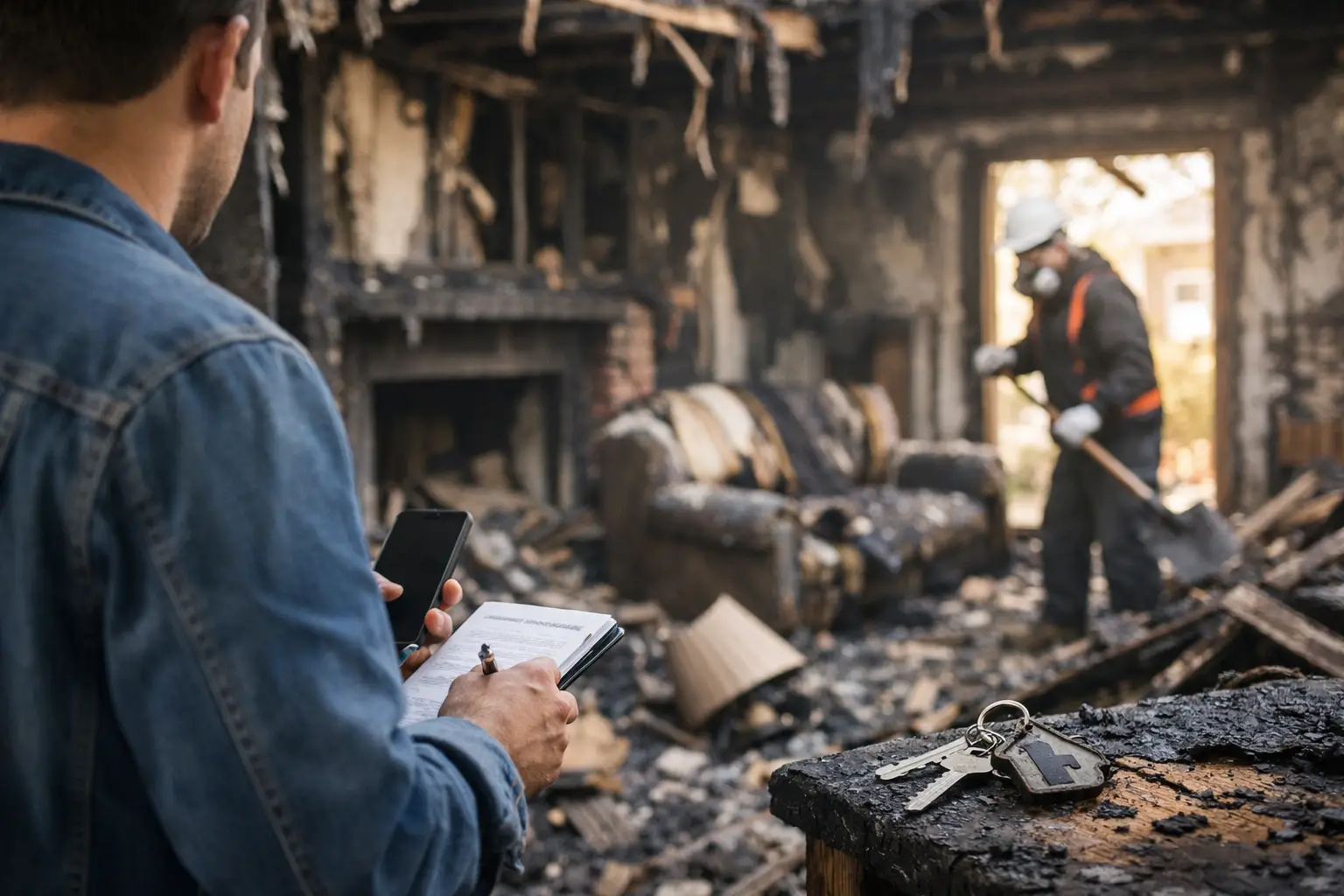 Fire & Smoke
Soot removal, odor deodorization, and content cleaning after fire and smoke damage.
Learn more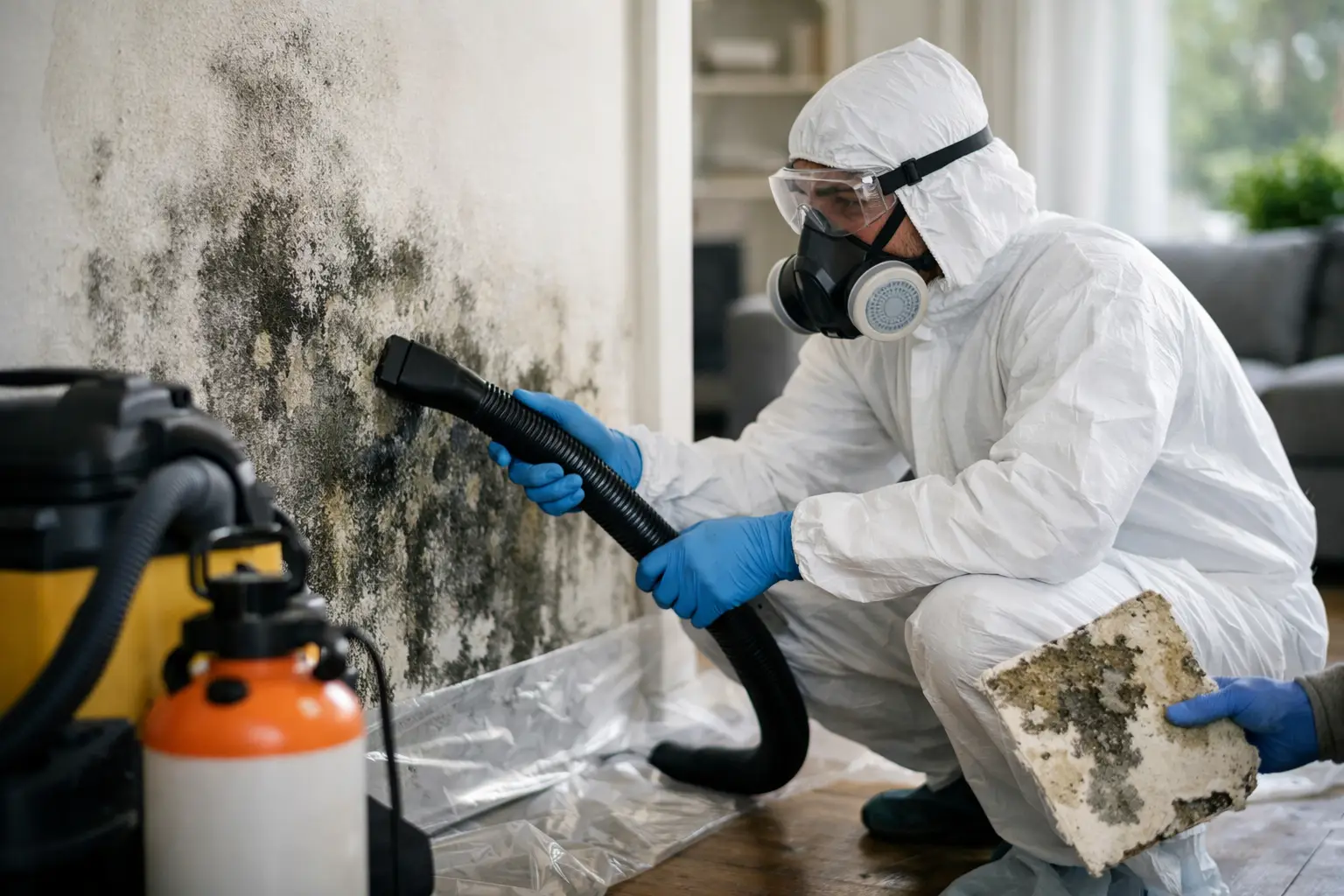 Mold
MoldContainment, removal, and moisture control that stops mold from coming back.
Learn more Storm
StormEmergency board-up, roof tarping, and full recovery after wind, hail, and storms.
Learn more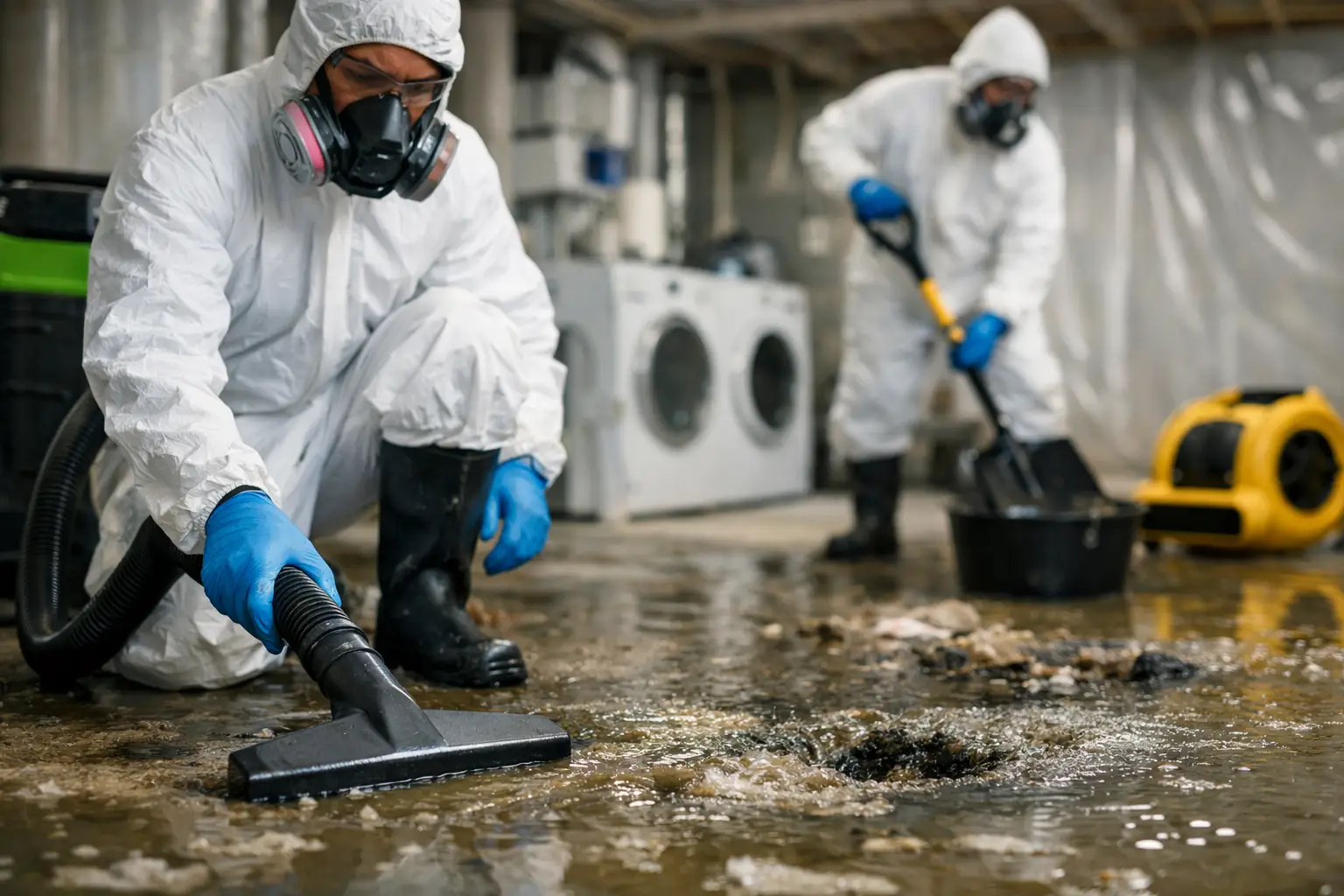 Sewage
Safe biohazard cleanup and sanitizing after sewage backups and overflows.
Learn more Reconstruction
Full rebuild by a licensed general contractor, so your property comes back whole.
Learn moreElevated Operations is an IICRC-certified, licensed general contractor based in Mableton that handles the entire recovery in-house, so after one loss you are never coordinating a cleanup crew, a mold crew, and a contractor separately. One team, one point of contact, from the first pump-out to the final coat of paint.
People call when the property feels like a disaster. They leave reviews because Chris and the crew made it right. These are real, verified Google reviews.
Yes. I handle water mitigation services across Rex and the surrounding unincorporated Clayton area, including older homes that sit near busy roads and drainage paths. Those homes often have hidden moisture in crawl spaces, floors, and wall cavities, so I focus on fast extraction, drying, and documentation from the start.
Older Rex homes usually have more mixed materials, older framing, and tighter or less predictable cavities. That changes where water sits and how fast it dries. I inspect carefully, use the right drying equipment, and watch for moisture control issues that can linger after the visible water is gone.
Yes, I offer direct insurance billing for covered water losses in Rex. That helps keep the paperwork organized while I focus on the mitigation work itself. I also provide deductible assistance up to $1,000 when applicable, which can help when a claim starts under stress.
Crawl space water needs attention quickly because it can affect framing, subfloors, and indoor air. In older Clayton County homes, that moisture can sit out of sight for too long. I check for saturation, set up the right drying approach, and use containment if it helps control the area.
If there is standing water, water extraction comes first. If the water is already gone but materials still hold moisture, drying and dehumidification take over. In Rex homes, I often find both conditions in the same loss, especially when the leak moved under floors or into walls.
Yes. I document the loss and work directly with the insurance process so the adjuster has the details needed to review the claim. I keep the mitigation side clear and factual, which matters when the home is an older Clayton County property with hidden damage.
Yes. I provide 24/7 emergency response and target a 60-minute emergency response window. Water losses in Rex do not wait for morning, and the longer the structure stays wet, the more likely you are to need larger repairs and extended drying.
I back my work with a 12-month warranty. That matters because mitigation should stabilize the loss correctly the first time. After the structure is dried and monitored, you should know the work was handled with care and that the process was done by a licensed general contractor.
Elevated Operations dispatches IICRC-certified crews across Metro Atlanta from our Mableton base, with a 60-minute emergency response day or night. Choose your city:
Call now for an immediate response, or request your free inspection and get a certified crew on-site within the hour across Atlanta and nearby areas.