24/7 Emergency Restoration · Serving Metro AtlantaEmergency? (770) 404-6895
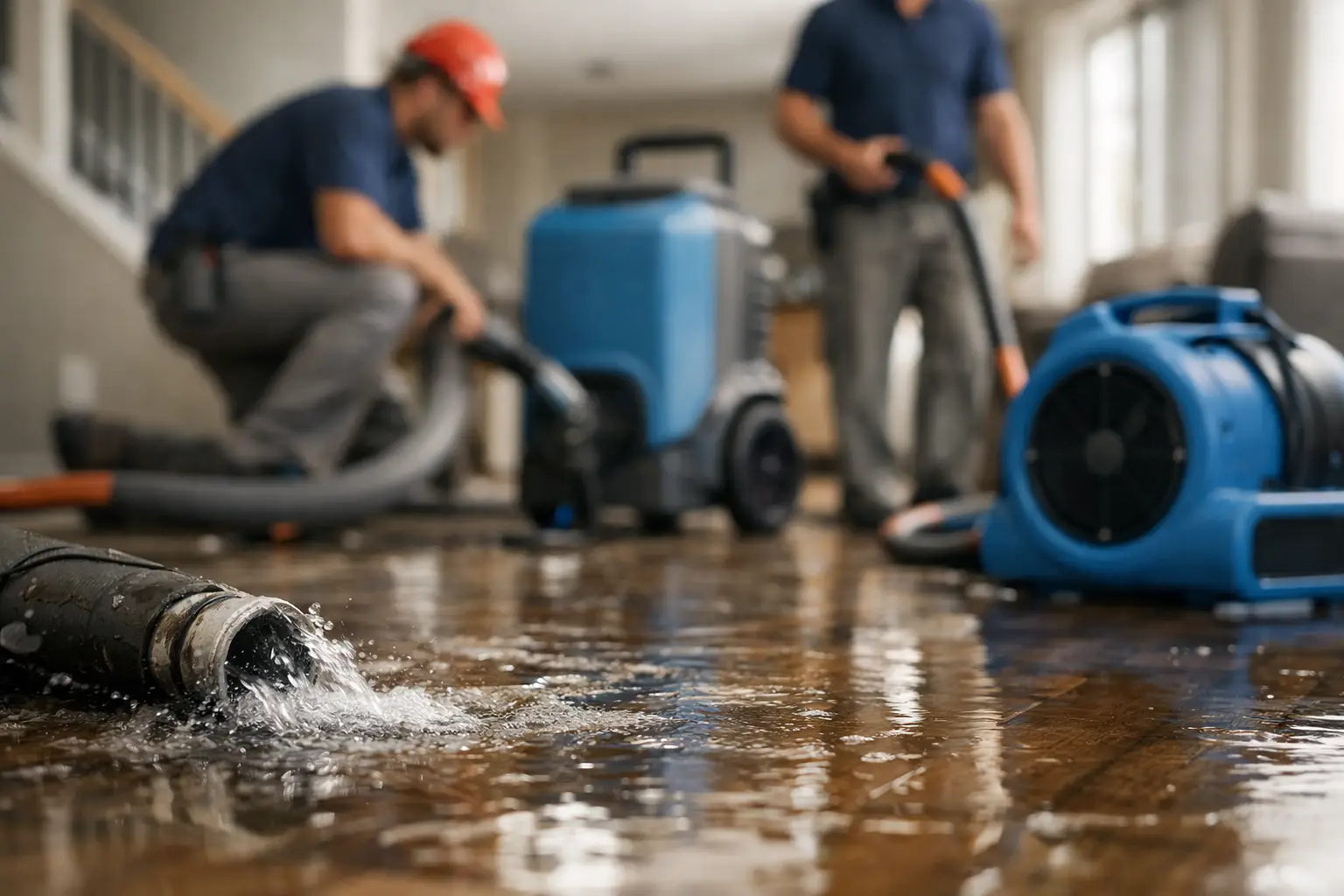
Storm damage restoration Smyrna means I move fast after hail, wind, or roof failure, then I stop the damage from spreading. From 60s and 70s slab ranch homes near Windy Hill to Battery townhomes with tight roofs and shared walls, I handle emergency protection, dry-out, repairs, and insurance paperwork from one call.
IICRC-Certified · 5-Star Rated · 60-Minute Response · Insurance Billed Directly
Yes. I respond across Smyrna, including older residential streets and mixed rooflines near those corridors. The structure tells me what to do next.
I inspect the source, protect the opening, then dry the structure before repairs. Attic leaks are common after wind damage and lifted shingles.
Yes. I use direct insurance billing so the process stays organized while I handle mitigation, repair, and documentation.
Yes. I back completed restoration work with a 12-month warranty, so the repair is not left hanging after the storm.
It includes emergency protection, water mitigation, debris removal, roof tarping, temporary boarding, and the repair work that follows. I start by stopping active leaks, then I document damage, coordinate direct insurance billing, and move into structural repair, hail damage repair, or wind damage repair when the property is ready.
In Smyrna, the first job is not pretty work. It is control work. On a slab ranch off Concord Road, I may find shingles peeled back and water running down a hall ceiling, while in a Battery townhome I may be dealing with shared roof edges and siding damage that affects adjoining units.
IICRC-certified technicians handle the mitigation side, and I stay on the repair side as a licensed general contractor. That matters when storm damage touches more than one trade. A single hail event can mean roof tarping, interior drying, drywall replacement, trim work, and final structural repair after the structure is dry.
I have been in restoration since 2007, so I do not guess at the order of operations. I document, protect, dry, and rebuild. If your home sits closer to Silver Comet Trail drainage paths or tree cover near the neighborhoods around Old Concord Road, I look closely for hidden wind-driven leaks and saturated materials.
I fix storm damage by stopping further intrusion first, then drying and stabilizing the structure before any finish work begins. On older ranch homes, that may mean roof tarping, water extraction, and interior demolition. On newer townhomes, it may mean temporary boarding, siding repair, and careful coordination with HOA or insurance.
The sequence matters. I do not start by replacing pretty finishes while wet materials are still trapped behind the walls. In Smyrna, storm work often begins with a roof inspection, then temporary protection, then removal of unsalvageable debris and damaged materials so the home can dry the right way.
With 60s and 70s slab ranch homes, I often see storm water move fast because the homes were built low and simple. Once a ridge cap fails or a limb hits the roof, water can travel far before anyone notices. That is where quick mitigation and clean structural repair keep the bill from growing.
Battery townhomes ask for a different approach. Shared walls, tighter attic spaces, and grouped roofs mean one damaged unit can reveal issues in another. I watch the seams, the flashing, and the exterior transitions closely. Then I build the repair plan around actual damage, not assumptions.
Yes, roof tarping should happen quickly after storm damage when the roof is open to weather. I use it as short-term protection, not as a fix. If hail, wind, or a fallen branch has exposed underlayment or decking, tarping helps keep rain out until permanent repairs begin.
I say this plainly, tarping is a bridge. It buys time. In Smyrna, a fast-moving storm can peel shingles on a ranch near South Cobb Drive or lift roof edges on a townhome near The Battery corridor, and the next rain will punish any delay.
If the home has active leaks, I move to roof tarping before I move to cosmetic concerns. That may pair with temporary boarding on broken openings or damaged vents. Once the structure is protected, I can assess whether the roof needs partial repair, full replacement coordination, or hail damage repair.
People sometimes wait because the storm passed and the sky looks clear. That is a mistake. Wind damage repair starts with preventing the second wave, which is usually rain entering through the new opening. I have seen a small roof failure turn into ceiling collapse because the property sat unprotected overnight.
Yes, storm damage often leads to water intrusion, and in Smyrna it can happen fast. A loose shingle, lifted flashing, cracked vent, or broken siding seam can let rain travel into insulation, framing, and ceilings. Once water enters, the job shifts from exterior repair to mitigation and drying.
The tricky part is that water does not always show up where it entered. On older ranch houses, I may find staining in a front room while the actual opening is on the back slope of the roof. On townhomes, the leak can track along framing and appear several feet away from the source.
That is why I inspect carefully after storms. I look for wet insulation, swollen trim, buckled flooring, and hidden moisture behind drywall. If I miss the intrusion, the damage keeps spreading. In restoration, the clock matters, and mold starts in 24 to 48 hours under the right conditions.
Smyrna’s tree cover and changing rooflines create plenty of leak paths. I have seen limb strikes, clogged gutters, and wind-driven rain all create the same result, wet materials where they do not belong. The fix is not just patching the roof, it is stopping the intrusion, drying the structure, and rebuilding correctly.
Hail damage repair starts with a close inspection of the roof, gutters, vents, and exterior surfaces, then I document the damage for the claim and set the repair plan. In Smyrna, I often see hail reveal weak shingles, dented metal, and hidden leaks that require both exterior and interior work.
Hail does not always leave dramatic holes. Sometimes it bruises shingles, weakens the roof surface, and opens the door for water later. In a ranch neighborhood, that can mean a ceiling stain in the next storm. On a townhome, it can mean multiple exterior components need attention at once.
I work with direct insurance billing, and I keep the file organized because storm claims are easier when the damage is clearly documented. If deductible assistance up to $1,000 applies, I handle that conversation carefully and only within the facts of the job. No games. No confusion.
Hail also exposes the age of the home. Many Smyrna houses built in the 60s and 70s have been patched over the years, so a storm can reveal old weaknesses that were already there. My job is to separate new hail damage from old wear and then repair what the storm actually changed.
Debris removal is part of making the property safe and workable again. After wind or limb damage, I clear fallen materials, damaged soffit, broken roofing, and other storm debris before repair crews can move cleanly. It prevents trip hazards, protects exposed areas, and helps the inspection go faster.
In Smyrna, debris often means more than branches in the yard. It can mean broken shingles along the driveway, attic debris from a roof hit, or exterior pieces scattered around townhomes where wind funnels through tighter spaces. I clear what the storm left behind, then I assess what it damaged underneath.
Debris removal also helps avoid missed damage. A pile of broken trim or roofing material can hide wet siding, cracked flashing, or detached gutters. Once that material is out of the way, I can inspect the structure honestly and decide whether temporary boarding or structural repair comes next.
The goal is not clean-up for show. It is clean-up for recovery. And when the damage came from a storm rolling through Cobb County, speed matters because the next rain can turn loose debris and open roof edges into bigger problems fast.
A windstorm lifted shingles and drove rain into a low-pitch roof, then water showed up in a back bedroom. I used roof tarping, drying, and structural repair to stop the spread before the next storm hit.
Hail and wind damaged a corner elevation, then water began showing inside a top-floor closet. I handled temporary boarding, direct insurance billing, and careful repairs where the roofline and shared wall met.
A limb struck the roof, left debris in the yard, and exposed the attic to rain. I removed the debris, protected the opening, and moved into wind damage repair before hidden moisture turned into a larger loss.
From emergency mitigation to full reconstruction, handled in-house so you are never managing a chain of subcontractors mid-crisis.
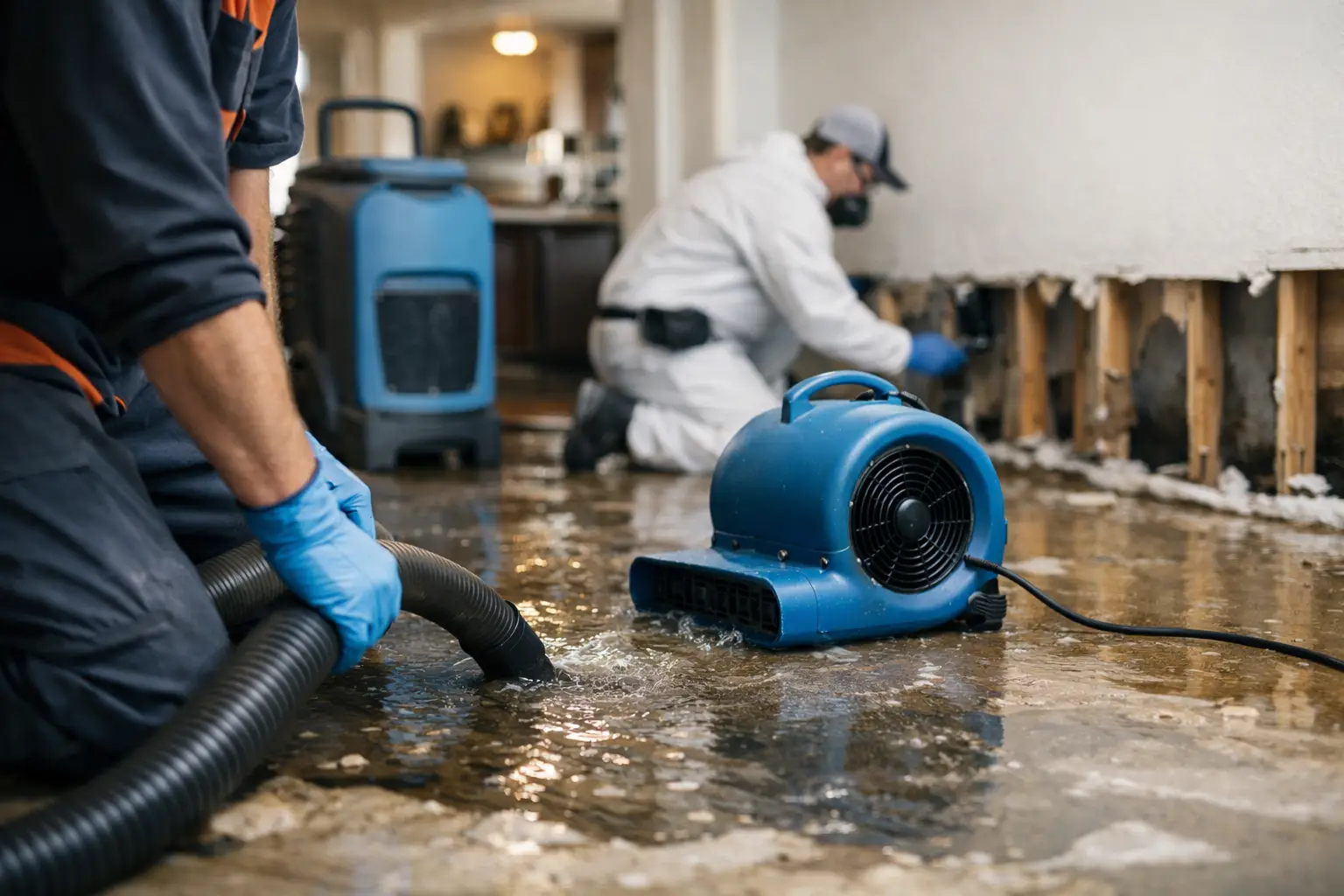 Water Damage
Extraction, structural drying, and moisture mapping after floods, leaks, and burst pipes.
Get help now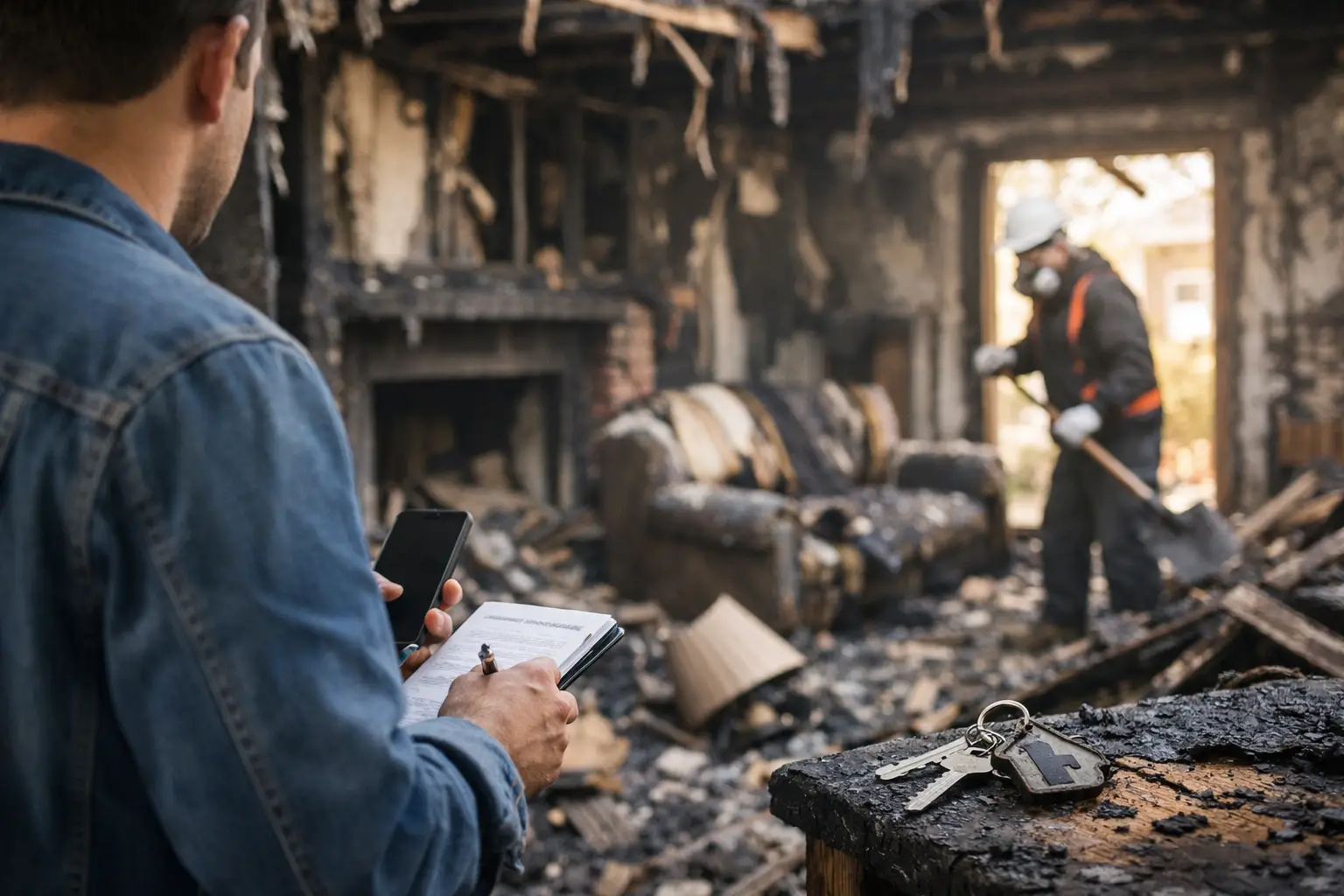 Fire & Smoke
Soot removal, odor deodorization, and content cleaning after fire and smoke damage.
Learn more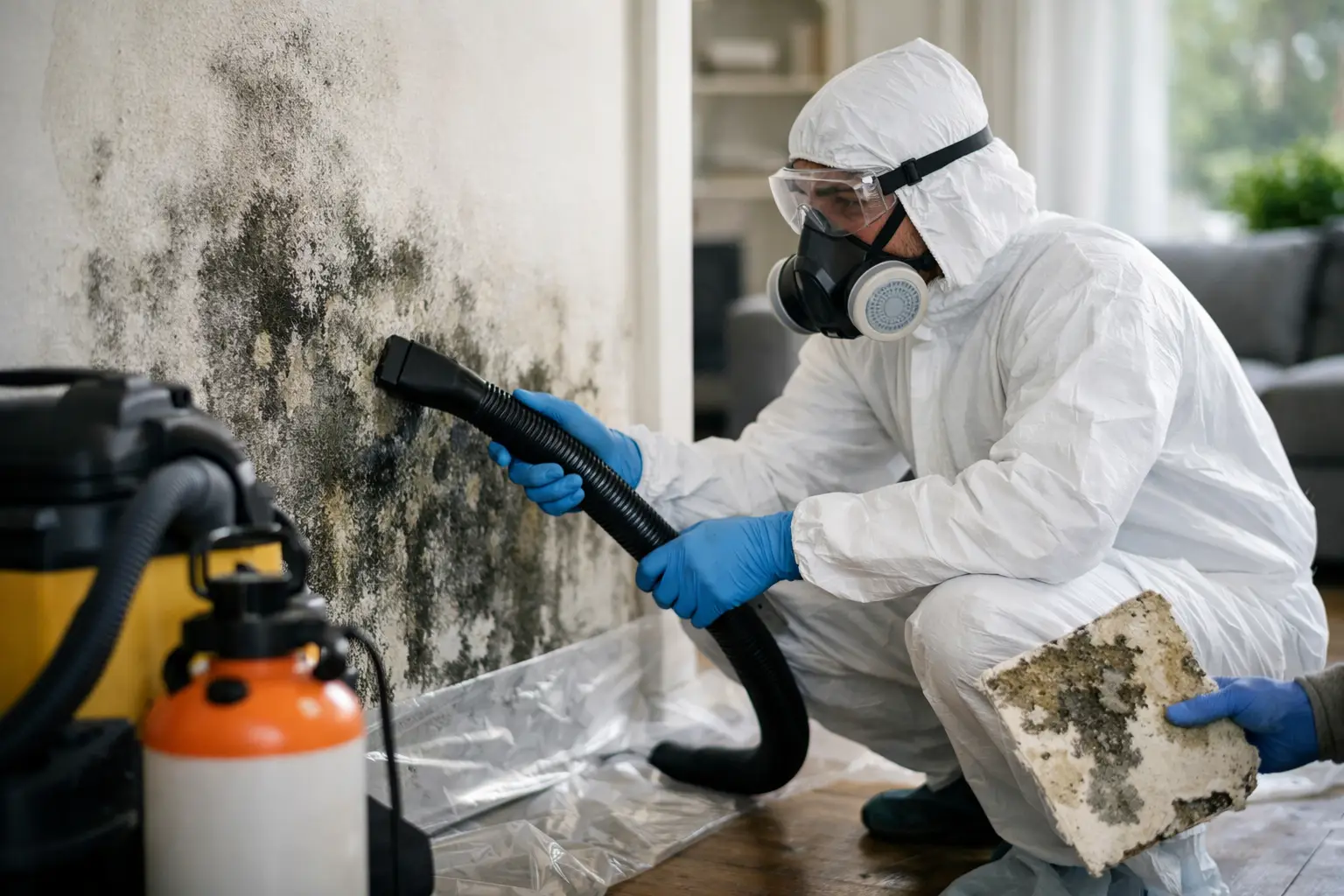 Mold
MoldContainment, removal, and moisture control that stops mold from coming back.
Learn more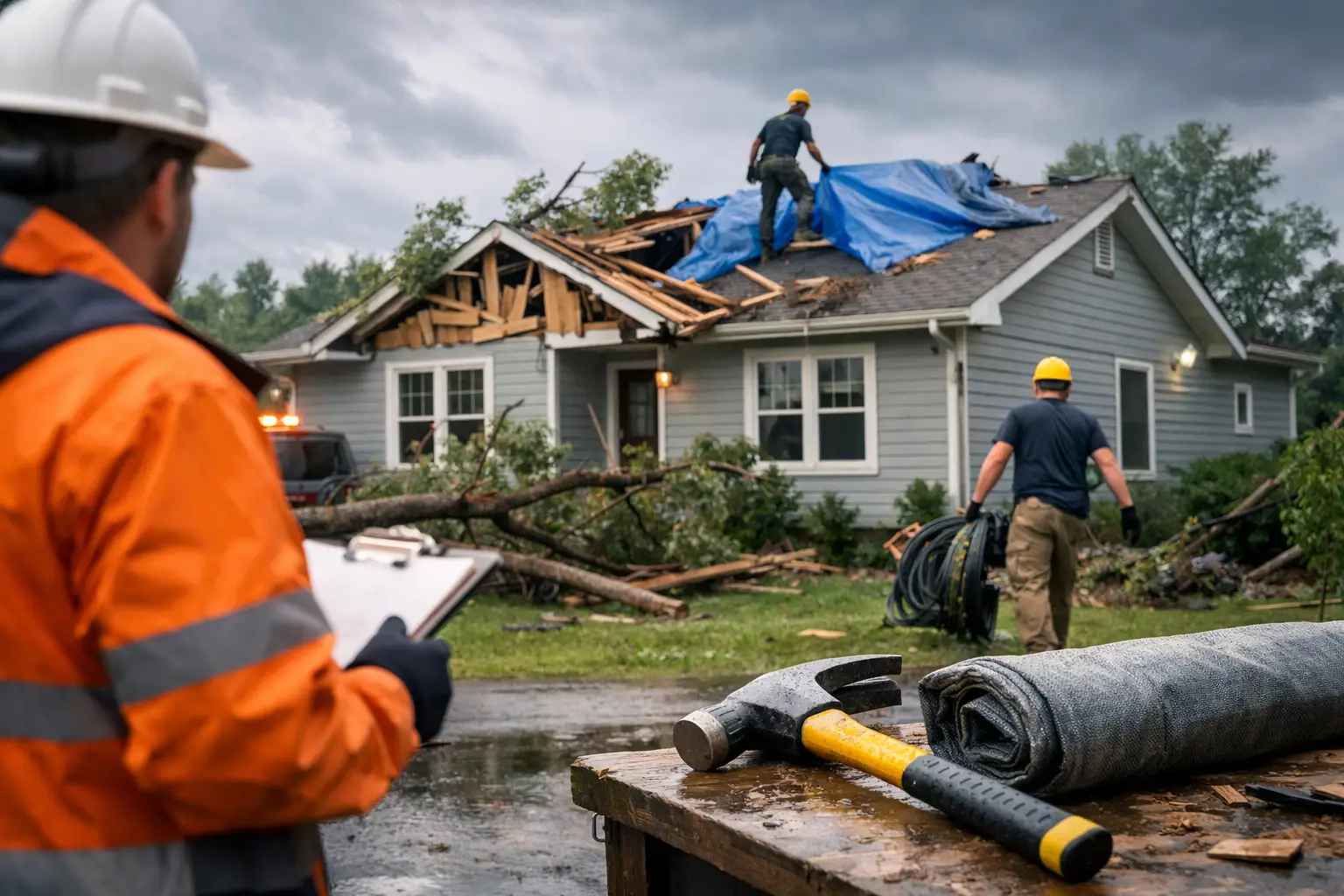 Storm
StormEmergency board-up, roof tarping, and full recovery after wind, hail, and storms.
Learn more Sewage
Safe biohazard cleanup and sanitizing after sewage backups and overflows.
Learn more Reconstruction
Full rebuild by a licensed general contractor, so your property comes back whole.
Learn moreElevated Operations is an IICRC-certified, licensed general contractor based in Mableton that handles the entire recovery in-house, so after one loss you are never coordinating a cleanup crew, a mold crew, and a contractor separately. One team, one point of contact, from the first pump-out to the final coat of paint.
People call when the property feels like a disaster. They leave reviews because Chris and the crew made it right. These are real, verified Google reviews.
I offer 24/7 emergency response with a 60-minute response window. That matters in Smyrna because a roof leak near The Battery can become interior damage fast, especially if the home is a townhome with shared construction or a low-slope roofline that holds water.
Yes. A 60s or 70s slab ranch usually gives me simpler attic access and wider interior spread, while a Battery townhome can involve tighter roof details, shared walls, and HOA coordination. I adjust the mitigation and repair plan to the structure, not to a generic storm checklist.
If shingles are missing, flashing is lifted, tree limbs struck the roof, or rain is entering the attic or ceiling, I treat roof tarping as immediate protection. In Smyrna, waiting for the next dry day can be a bad bet because one quick shower can drive the loss deeper.
Yes, if wet materials stay trapped after the storm. Water intrusion can settle into drywall, insulation, and framing, and mold starts in 24 to 48 hours under the right conditions. That is why I move from protection to drying quickly, especially in older ranch homes and tight townhomes.
I photograph the damage, note the affected materials, separate emergency protection from permanent repairs, and use direct insurance billing when the claim is moving. That keeps the file organized for Smyrna homeowners dealing with hail damage repair, wind damage repair, or structural repair after a storm.
Yes. If a window, opening, or exterior section is exposed after the storm, I can use temporary boarding to protect the home until permanent repairs are ready. That is common after wind events or limb strikes in neighborhoods with older roofs and mature trees.
That happens often. A roof can look acceptable from the ground while storm damage has opened a hidden path for water. I inspect the roof, flashing, attic, and interior to find the entry point, then I build the repair around the actual source instead of the visible stain.
Yes. I serve Cobb, Fulton, DeKalb, Douglas, Clayton, Henry, and Paulding counties. Smyrna is my local focus here, but the same storm response process applies when hail, wind, or roof failure hits homes across the area.
Elevated Operations dispatches IICRC-certified crews across Metro Atlanta from our Mableton base, with a 60-minute emergency response day or night. Choose your city:
Call now for an immediate response, or request your free inspection and get a certified crew on-site within the hour across Atlanta and nearby areas.