24/7 Emergency Restoration · Serving Metro AtlantaEmergency? (770) 404-6895
Fire damage restoration Atlanta starts with one simple move, call me before the damage spreads. I am Chris Kwangwari, owner of Elevated Operations, and I handle fire cleanup across Atlanta with 24/7 emergency response, IICRC-certified technicians, direct insurance billing, and a 12-month warranty.
IICRC-Certified · 5-Star Rated · 60-Minute Response · Insurance Billed Directly
Yes. I answer 24/7 and provide 60-minute emergency response. If the home needs stabilization, I start with board up services and site control right away.
Yes, I back my restoration work with a 12-month warranty. I stand behind the cleanup and the repair.
I do. I am Chris Kwangwari, owner of Elevated Operations, LLLP, and I have been in restoration since 2007.
I serve Cobb, Fulton, DeKalb, Douglas, Clayton, Henry, and Paulding counties from my Mableton base.
Start with safety, then document, then call for fire damage restoration Atlanta. I want you out of the danger zone first, then I want board up services, debris removal, and smoke odor removal started before soot and moisture keep working through the house.
Do not go back in until the fire department clears it. Intown bungalows can look stable from the street and still have hidden ceiling damage, loose plaster, and wet floors from suppression water. Creek basements are even trickier because moisture can sit below grade and feed secondary damage fast.
Take photos only if it is safe. Then call me. I dispatch 24/7 from our Mableton base, and I bring IICRC-certified technicians who know how to stabilize the structure, protect salvageable rooms, and keep the claim moving with direct insurance billing.
Atlanta homes take smoke differently depending on layout. Open bungalows move odor quickly through the whole footprint, while tight basement stairs trap soot in hallways, laundry rooms, and HVAC paths. That is why the first checklist item is not repair, it is control.
Fire damage restoration Atlanta follows a strict order, secure the site, remove debris, clean soot, address odor, dry water damage, then complete structural repair. I do not jump straight to rebuild work, because Atlanta homes with smoke staining and hidden moisture need stabilization first.
First I inspect the damage and map what is salvageable. Then I set board up services where windows, doors, or roof openings expose the house to weather. After that comes fire cleanup, which includes debris removal and soot removal before residue gets pushed deeper into trim, cabinets, and ducts.
Smoke odor removal is not an air freshener job. It starts with source removal, surface cleaning, and targeted cleaning of contents. In Atlanta, that matters in compact intown bungalows because one burned kitchen can send odor into bedrooms, closets, and attic access points quickly.
If water hit the structure, I address that too. Creek basements and lower-level rooms in Atlanta often need drying before structural repair can begin. I am a licensed general contractor, so I can keep the process under one roof instead of handing you a pile of separate trades.
A lot can be saved after a house fire in Atlanta if it is handled quickly. Contents cleaning, soot removal, and odor treatment often recover furniture, hard goods, and documents, while charred structural members, melted plastics, and heavily soaked materials usually need replacement.
I look at three things: heat damage, smoke exposure, and water saturation. A dining table may clean up well, but upholstered pieces, porous insulation, and some electronics may not. The key is fast sorting, because smoke keeps staining and odor keeps traveling the longer materials sit.
Intown bungalows often have original wood trim, doors, and built-ins that can be worth saving if the fire never reached the wood itself. Creek basements are different, because stored items down low can be hit by both smoke and water, and that combination makes content cleaning more selective.
I do not guess. I separate salvageable contents from irrecoverable debris, then explain what I would clean, what I would dry, and what I would recommend replacing. That keeps the insurance claim cleaner and stops avoidable argument later.
Fire damage restoration Atlanta can move quickly or slowly depending on smoke spread, structural damage, and water intrusion. The right answer is not a guessed timeline, it is a scoped plan after inspection, because a small kitchen fire and a multi-room loss are completely different jobs.
I can usually stabilize a site fast, especially when board up services and debris removal are the first priority. But complete fire cleanup, smoke odor removal, and structural repair depend on how far the smoke traveled and whether the house has hidden damage behind walls or above ceilings.
Atlanta housing stock changes the pace. Older intown bungalows may need extra care around plaster, trim, and original framing. Creek basements often add drying time because moisture settles in low spaces and can linger behind finished walls, storage areas, and stairs.
The fastest restoration is the one that starts right. If I get in early, I can reduce secondary damage and keep the claim organized with direct insurance billing. Waiting usually means more soot removal, more demolition, and more reconstruction.
Yes, smoke damage must be cleaned before most repairs in Atlanta. If soot and odor stay on surfaces, new paint, trim, and finishes lock the problem in. I clean first, then repair, because that is the only way structural repair holds up and smells right.
Smoke residue is acidic. Leave it on drywall, framing, cabinets, or HVAC components and it keeps eating at the surfaces. That is why I do soot removal before cosmetic work. Painting over damage is not restoration, it is covering a problem that will come back.
This matters a lot in Atlanta bungalows with short hallways and open floor plans. Smoke can settle on ceiling fans, closets, and window casings in rooms far from the fire. In creek basements, residue often collects where airflow is poor, so the cleanup has to be more exact.
I also check contents before repairs start. If furniture, clothing, or personal items still carry smoke odor, the whole house can still smell finished even after new materials go in. That is why content cleaning belongs before the rebuild, not after.
Atlanta’s mix of intown bungalows and homes with creek basements changes how I approach fire damage restoration Atlanta. Older framing, crawlspaces, lower-level rooms, and tight lot lines all affect access, odor movement, moisture, and the order of cleanup and repair.
Intown bungalows often sit close to neighboring homes, so board up services and controlled debris removal matter right away. Narrow driveways and tight side yards can also shape how I move equipment, protect landscaping, and keep the site secure while work is underway.
Creek basements need a different mindset. Water from firefighting can sit below grade, and smoke can settle into joists, utility rooms, and stored contents. If you do not account for that, you end up with lingering odor and a bigger structural repair bill later.
Atlanta is not one type of house. That is why I inspect the structure, the airflow, and the moisture path before I recommend anything. A fire in a bungalow near Grant Park does not behave like a fire in a basement off a creek corridor.
Safety comes first. Wait for clearance, then keep the structure closed until I can assess the fire damage and stop more weather, soot, and odor from moving through the house.
Reach me at (770) 404-6895. I respond in 60 minutes for emergencies, and I start with board up services, debris removal, and site control before anything else.
Take photos from outside or from cleared areas only. Good documentation helps with direct insurance billing and keeps the claim tied to the actual fire cleanup work.
Move recoverable items away from heavy soot and moisture if the site is safe. I can then handle content cleaning, smoke odor removal, and sorting so you do not throw away good property.
Painting, patching, or replacing finishes before soot removal and drying can trap odor and create repeat work. I clean first, then rebuild with structural repair that matches the actual damage.
From emergency mitigation to full reconstruction, handled in-house so you are never managing a chain of subcontractors mid-crisis.
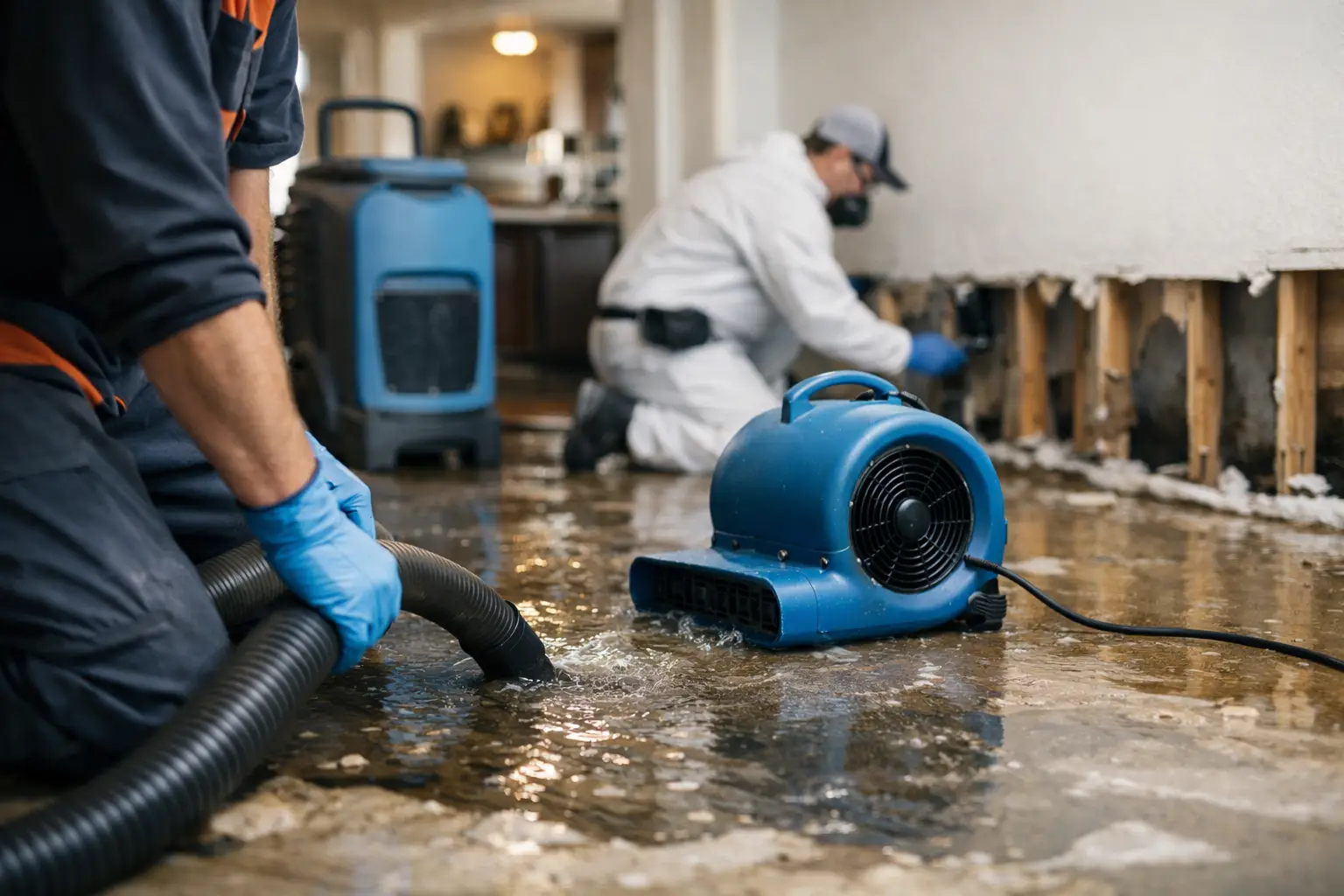 Water Damage
Extraction, structural drying, and moisture mapping after floods, leaks, and burst pipes.
Get help now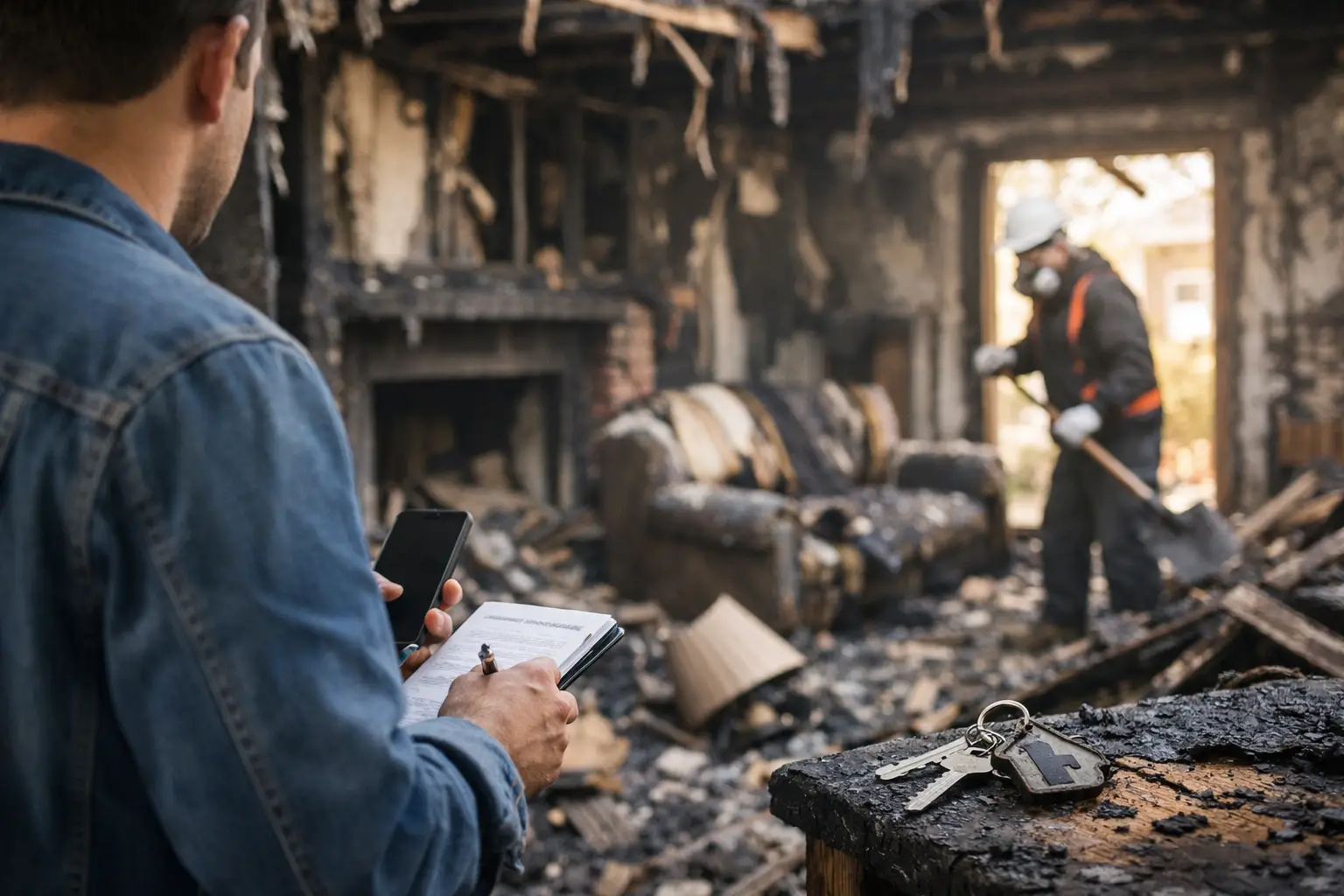 Fire & Smoke
Soot removal, odor deodorization, and content cleaning after fire and smoke damage.
Learn more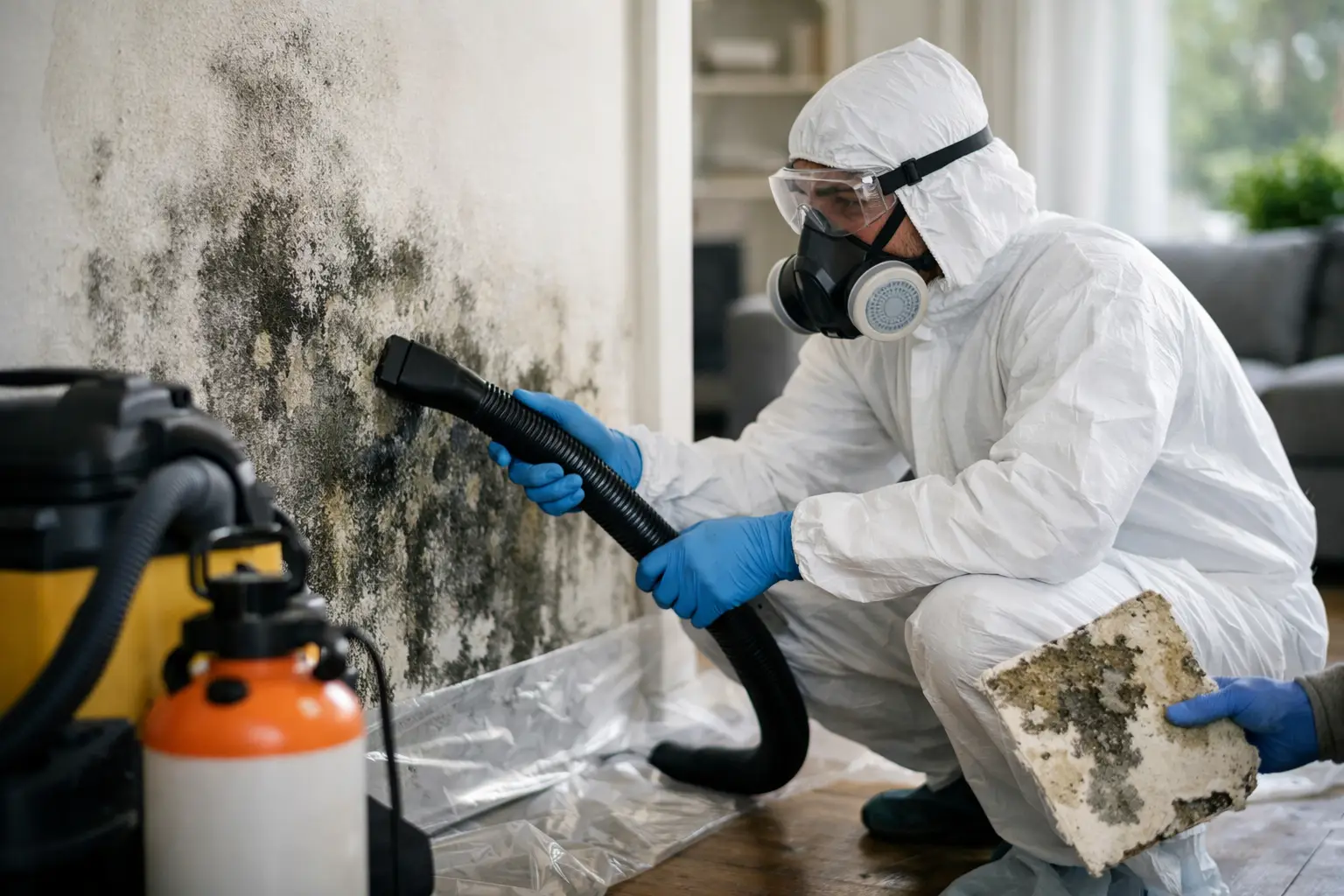 Mold
MoldContainment, removal, and moisture control that stops mold from coming back.
Learn more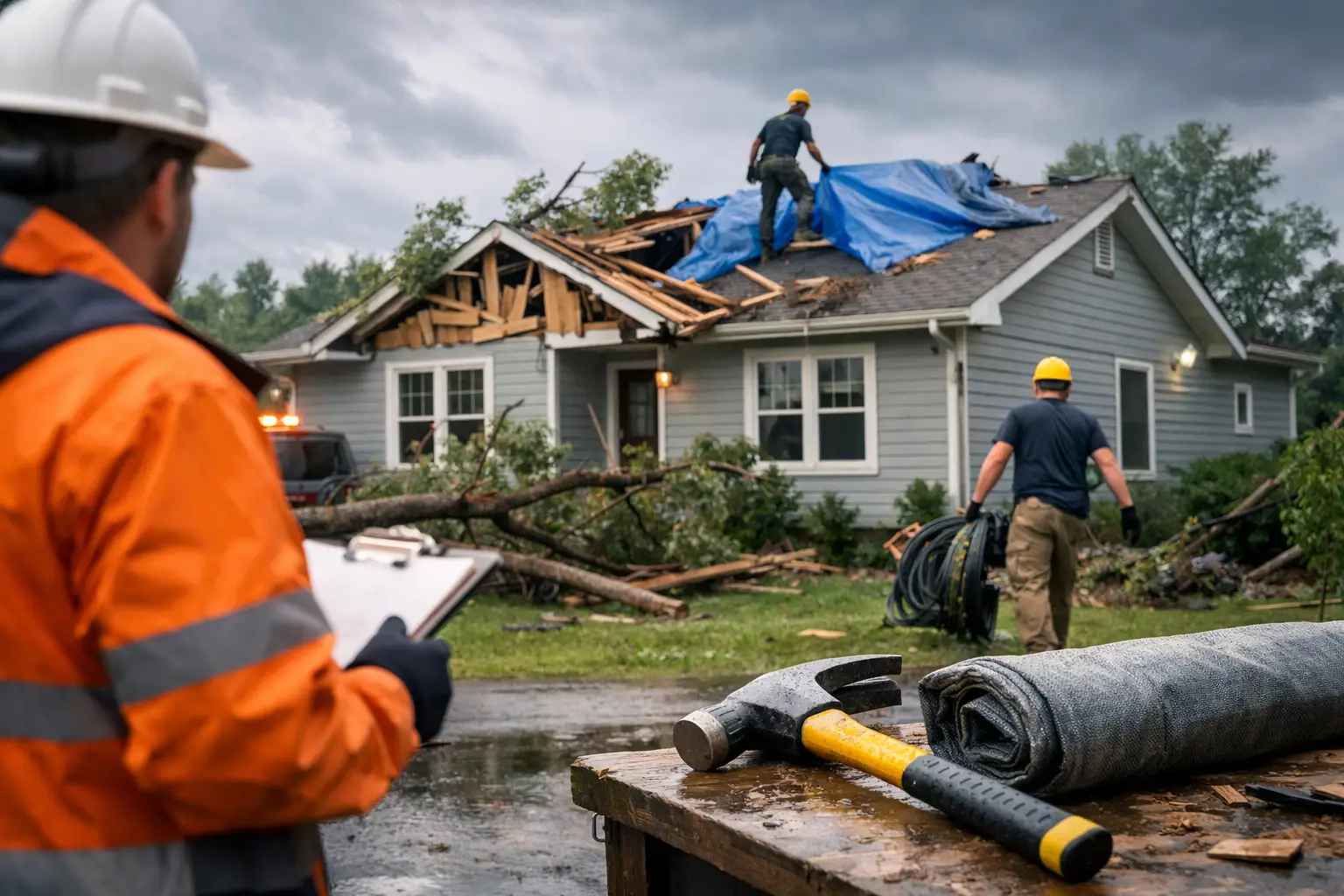 Storm
StormEmergency board-up, roof tarping, and full recovery after wind, hail, and storms.
Learn more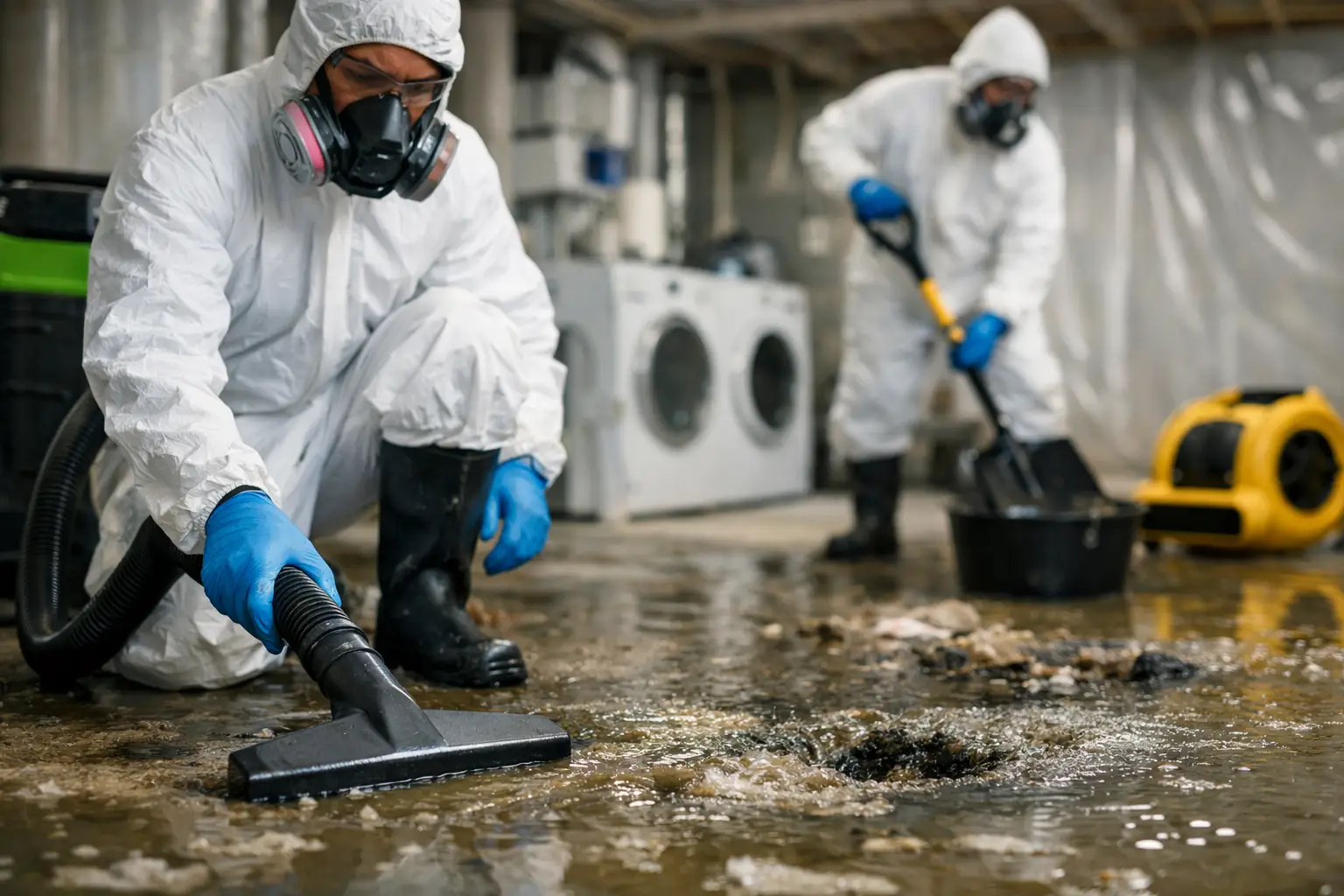 Sewage
Safe biohazard cleanup and sanitizing after sewage backups and overflows.
Learn more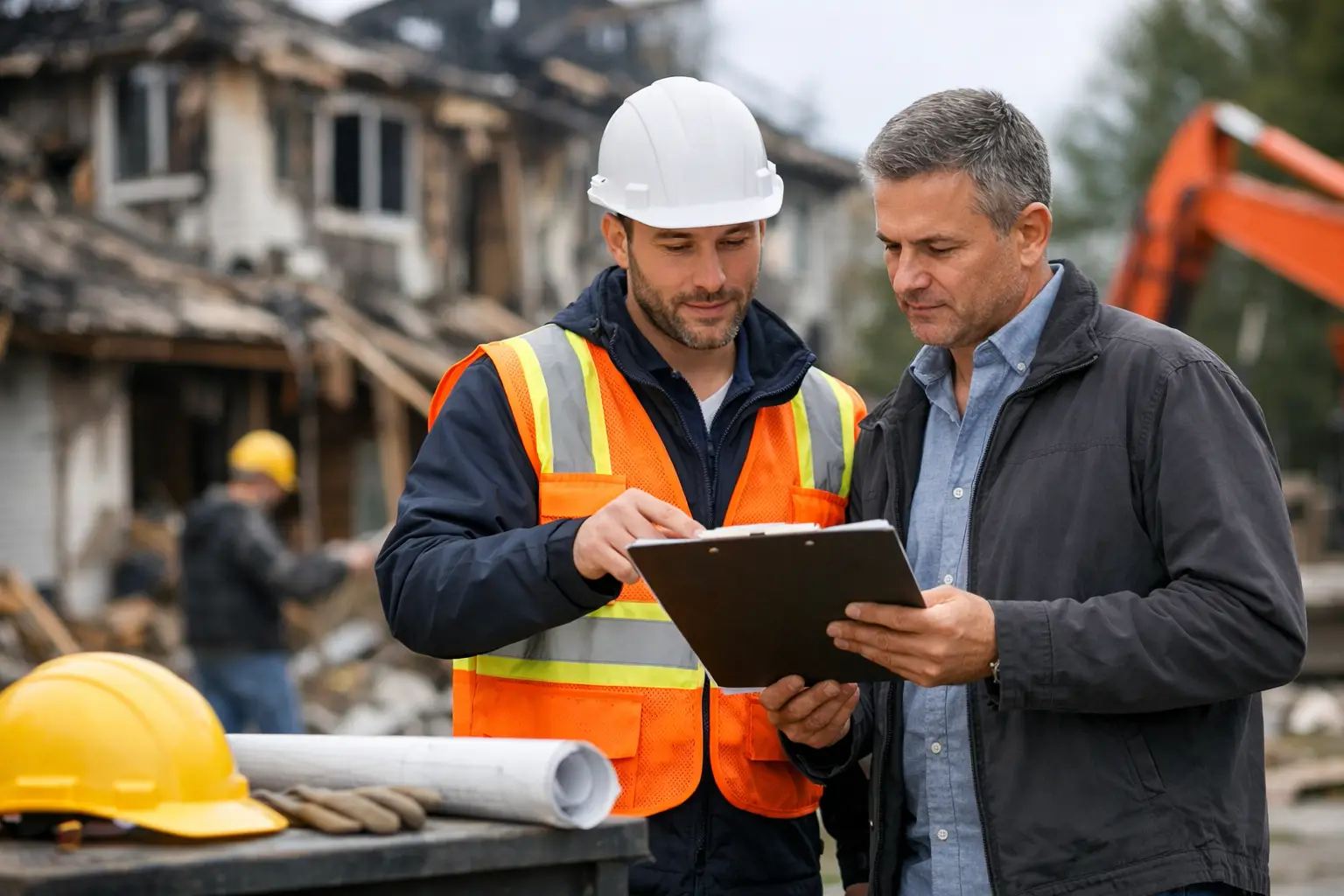 Reconstruction
Full rebuild by a licensed general contractor, so your property comes back whole.
Learn moreElevated Operations is an IICRC-certified, licensed general contractor based in Mableton that handles the entire recovery in-house, so after one loss you are never coordinating a cleanup crew, a mold crew, and a contractor separately. One team, one point of contact, from the first pump-out to the final coat of paint.
People call when the property feels like a disaster. They leave reviews because Chris and the crew made it right. These are real, verified Google reviews.
Yes. I work across Atlanta, and tight intown lots are common in my service area. Narrow drive access changes how I set up board up services, debris removal, and material staging, but it does not change the process. I still secure the home first, then clean soot, then rebuild what the fire actually damaged.
Treat it as active smoke damage, not just a bad smell. Creek basements can trap odor in framing, stored items, and low air spaces, especially after water from firefighting sits below grade. I start with inspection, soot removal, drying, and smoke odor removal so the odor source is actually addressed.
Yes. I use direct insurance billing, and that helps keep the claim moving without forcing you to front everything and chase paperwork later. I document the fire cleanup, contents cleaning, and any structural repair work so the insurer sees the scope clearly and the file stays organized.
I look at heat, soot, moisture, and what the materials are made of. If cabinets, trim, or counters only took smoke and soot, cleaning may work. If they warped, charred, or absorbed odor too deeply, replacement is usually smarter. I do not oversell rebuild work when cleaning will do the job.
Yes. Smoke odor removal is a major part of my process because odor settles into porous materials, HVAC paths, and contents. I do not treat it like a cover-up job. I address the source, clean the surfaces, and handle the items that are still worth saving.
That happens, especially when water and smoke both move through the structure. I inspect both levels, stabilize openings, dry wet areas, and separate the work into cleanup and structural repair. In a basement loss, I pay close attention to moisture because hidden water can keep causing damage after the fire is out.
If the item is porous, melted, heavily charred, or soaked through, replacement may be the better call. If it is hard-surface, lightly smoked, or valuable enough to justify restoration, I look at content cleaning first. I base that decision on damage, not guesswork.
Because fire damage restoration is not only cleaning. Once the soot is gone and the structure is dry, you need someone who can handle structural repair correctly. I am a licensed general contractor, so I can manage the cleanup and the rebuild with one accountable plan.
Elevated Operations dispatches IICRC-certified crews across Metro Atlanta from our Mableton base, with a 60-minute emergency response day or night. Choose your city:
Call now for an immediate response, or request your free inspection and get a certified crew on-site within the hour across Atlanta and nearby areas.