24/7 Emergency Restoration · Serving Metro AtlantaEmergency? (770) 404-6895
Fire damage restoration in Roswell starts with safety, then cleanup, then repair. I’m Chris Kwangwari, and I handle the full sequence after a house fire, from board up services and debris removal to soot removal, smoke odor removal, and structural repair, so your Roswell property can move from loss to recovery with a clear plan.
IICRC-Certified · 5-Star Rated · 60-Minute Response · Insurance Billed Directly
I clean soot, remove debris, and treat odor in the right order, so the damage does not get sealed into fresh materials.
I secure broken openings fast to protect the structure, especially on exposed homes near older Canton St streets and creekside lots.
I repair only after cleaning and drying, because fire damage restoration should solve the source first, then rebuild.
I target the odor source, not just the smell. That is how I keep smoke from coming back after cleanup and repairs.
Start by making the property safe, then call me for 24/7 emergency response. I handle fire damage restoration in Roswell with a fast stabilization plan, direct insurance billing, and IICRC-certified technicians who know how to protect a burned home before more damage spreads.
Step one is simple, keep people out until the scene is safe. Smoke, weakened framing, and wet materials from extinguishing efforts can make a Roswell home unstable fast, especially in older Canton St mill cottages where tight crawlspaces and mixed materials need careful inspection.
Then I arrive with board up services, debris removal, and a plan for fire cleanup. I look at what is exposed, what is wet, what is covered in soot, and what can be protected right now so the damage does not keep moving through the house.
Around Vickery and Big Creek, homes often have open plans, attached garages, and finished spaces that let smoke travel quickly. I document the loss, coordinate direct insurance billing, and start the first pass of cleanup before odor and staining settle deeper into finishes.
It works in order: secure the site, remove debris, clean soot, treat smoke odor, repair damaged materials, and then verify the property is ready to use again. I keep the process tight because fire damage restoration in Roswell only works when each step happens in the right sequence.
The first pass is containment and assessment. I check for safety hazards, open up access where needed, and decide whether board up services are needed for broken windows, damaged doors, or roof openings after a fire hit a Roswell property.
Next comes fire cleanup, soot removal, and content cleaning. IICRC-certified technicians know how smoke behaves on painted drywall, trim, cabinets, and fabrics, and that matters in Roswell homes where open shelving, hardwood floors, and detailed millwork can trap residue in different ways.
After cleaning, I move into smoke odor removal and structural repair. Some materials can be saved, some need replacement, and some need drying or sealing first. I inspect every area again so the repair work matches the actual damage, not guesses.
A lot can be saved if the property is secured quickly and the right cleaning starts early. I look at structural material, finishes, and contents separately, then decide what needs content cleaning, what needs soot removal, and what is too damaged for reuse.
Hard surfaces often respond better than people expect. Cabinet boxes, tile, some appliances, and many fixtures may be recoverable depending on heat, smoke, and water exposure. In Roswell, that can matter a lot in older homes near Canton St where original details are worth preserving when possible.
Soft goods are a different story. Fabrics, insulation, and porous items hold smoke differently, so I sort them carefully instead of forcing everything into one category. That is how I keep salvageable items from getting dragged through unnecessary demolition.
I also look at the structure itself. Framing, subfloor, and wall assemblies can sometimes be kept with the right structural repair plan, but only after soot removal and odor treatment are handled. If the smoke reached Big Creek area additions or attic spaces, I check those hidden zones too.
It depends on the amount of fire, smoke, and water damage, plus how much structural repair is needed. I do not guess at timelines. I inspect first, then build the plan, because small Roswell smoke losses and larger structural fires do not move at the same pace.
A simple cleanup after light smoke exposure is not the same as a full rebuild after a room fire. The timeline changes based on debris removal, drying, odor removal, and whether framing, electrical, or finishes need replacement before the property can move ahead.
Roswell homes near Vickery and Big Creek often have mixed construction, with renovated sections next to older framing. That means one area may be ready for cleaning while another needs structural repair first, and I stage the work in that order.
I keep owners updated as the job moves. Since 2007, I’ve seen that rushed fire cleanup usually creates more delays later, especially when smoke odor removal is skipped or hidden damage gets missed behind cabinets, drywall, or attic access points.
Yes, always. Smoke damage should be cleaned before most repairs because soot and odor can get sealed into fresh materials if you skip that step. I handle smoke odor removal and soot removal first, then move to structural repair so the finished work does not trap the problem inside.
If you repair first, you can lock odor into paint, drywall, trim, and insulation. I do not recommend that on any Roswell job, whether it is a Canton St mill cottage with tight rooms or a newer home near Big Creek with open circulation and shared air paths.
My sequence is cleaning, testing, then rebuilding. That lets me see what actually survived the fire and what needs replacement. It also helps with direct insurance billing, because the scope stays tied to the real damage instead of a surface-level guess.
Some materials can be sealed after cleaning, but only when the soot removal is complete and the odor source is controlled. I’d rather take the extra pass now than have you smell smoke every time the heat comes on later.
Layout matters because smoke, heat, and water follow the building, not the property line. In Roswell, older mill cottages, renovated homes, and creekside neighborhoods all behave differently after a fire, so I adjust board up services, fire cleanup, and repair planning to the structure in front of me.
Canton St mill cottages can have older framing, tighter rooflines, and original finishes that demand careful content cleaning and controlled soot removal. One rough move can spread residue into rooms that were not heavily burned, so I slow the process where the structure needs it.
Vickery and Big Creek properties often have more open interior flow, which helps smoke move farther than owners expect. That is why I check closets, attic returns, and attached garage connections, even when the fire started in only one room.
I know Roswell from the restoration side, not just the map. That means I think about how water from suppression, soot on hard surfaces, and hidden odor in wall cavities all interact before I start structural repair or finish work.
Call me any time, day or night. I provide 24/7 emergency response, and I get a technician moving fast to Roswell so the property can be assessed before more smoke, water, or exposure damage spreads.
I handle board up services, stop unsafe access, and protect openings after the fire. This is where I stabilize the loss, especially in older Roswell homes where windows, roofs, and doors may be compromised.
I inspect the structure, contents, and affected rooms, then build the scope for direct insurance billing. That includes smoke patterns, soot deposits, and areas that need debris removal before cleaning can begin.
My crew performs fire cleanup, soot removal, content cleaning, and smoke odor removal in the right order. We clean first, because repairs should not trap residue or odor inside new materials.
Once the property is clean and dry, I move into structural repair and finish replacement as needed. I keep the repair scope matched to the actual fire damage, not a guess made too early.
When the job is complete, I walk the work with you and back it with a 12-month warranty. If insurance deductible assistance applies, I can help up to $1,000, and I keep the paperwork straight.
From emergency mitigation to full reconstruction, handled in-house so you are never managing a chain of subcontractors mid-crisis.
 Water Damage
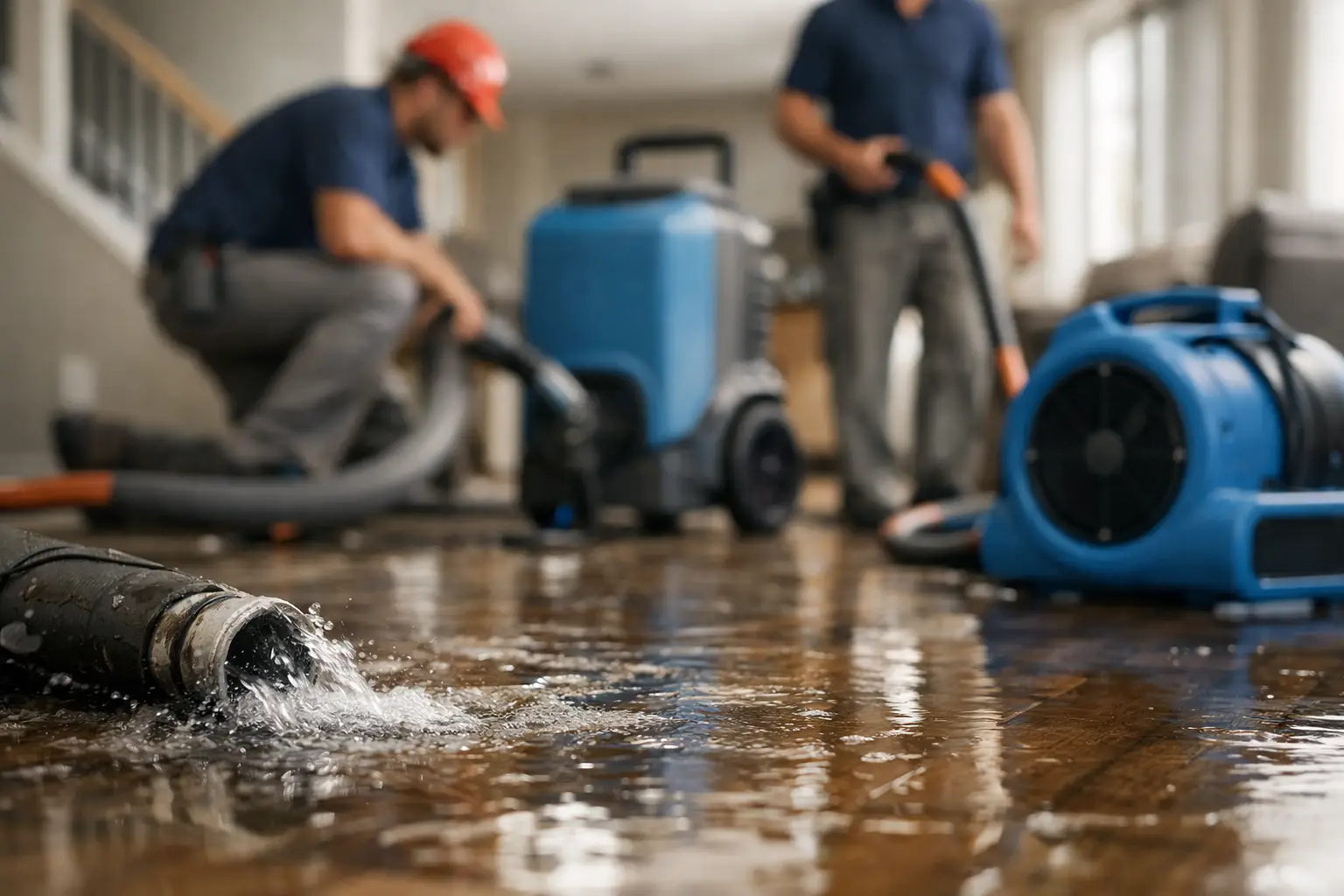
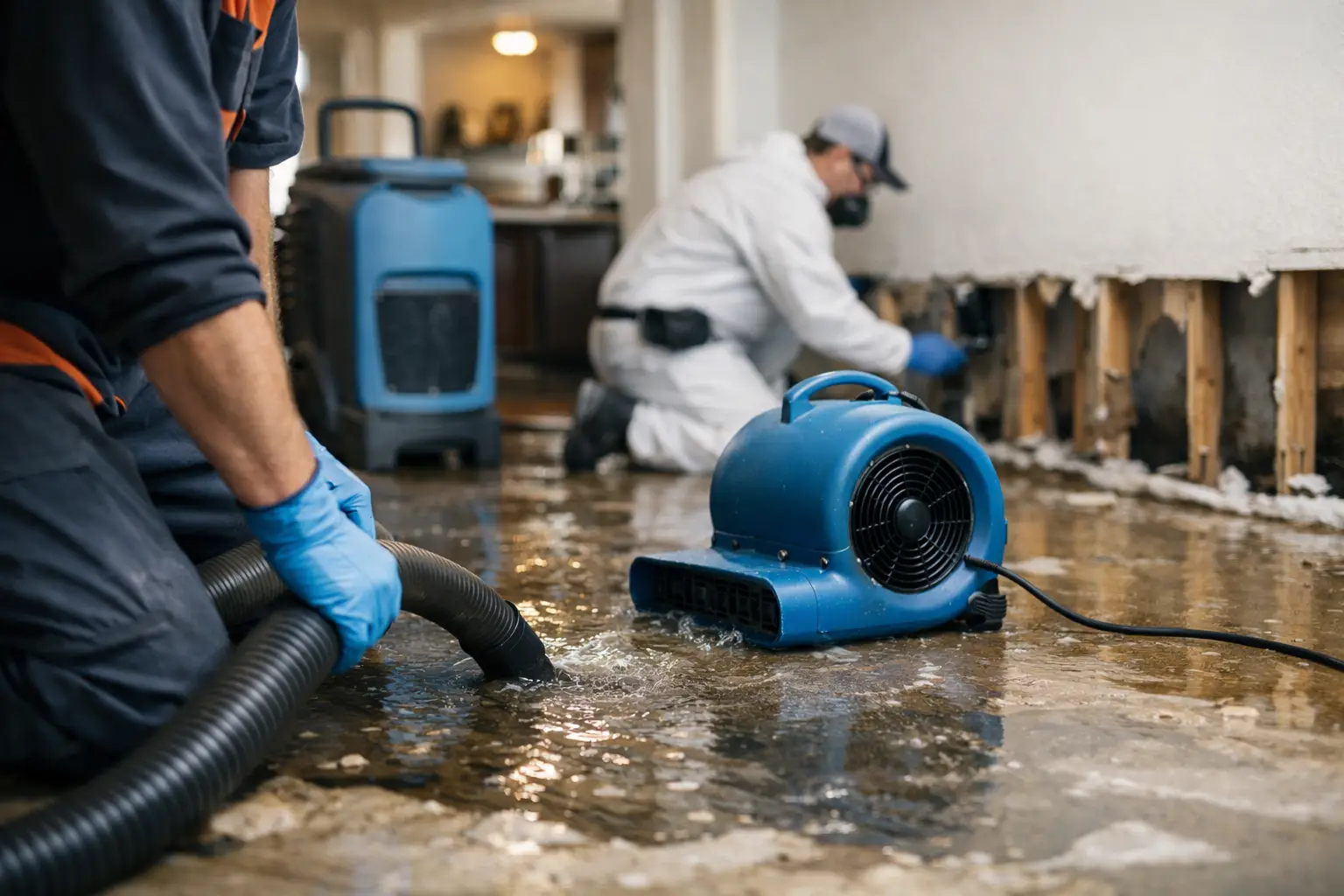
Extraction, structural drying, and moisture mapping after floods, leaks, and burst pipes.
Get help now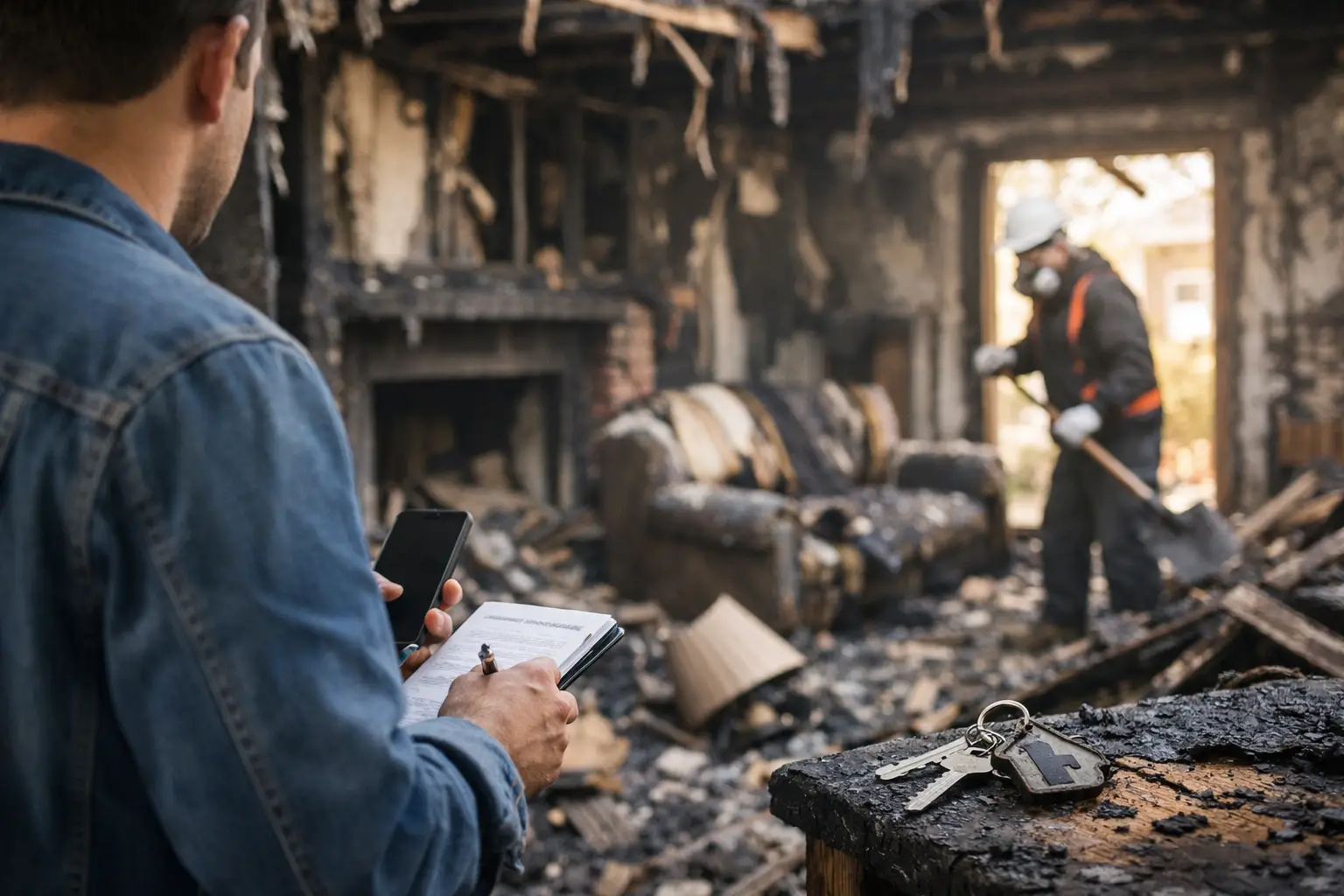 Fire & Smoke
Soot removal, odor deodorization, and content cleaning after fire and smoke damage.
Learn more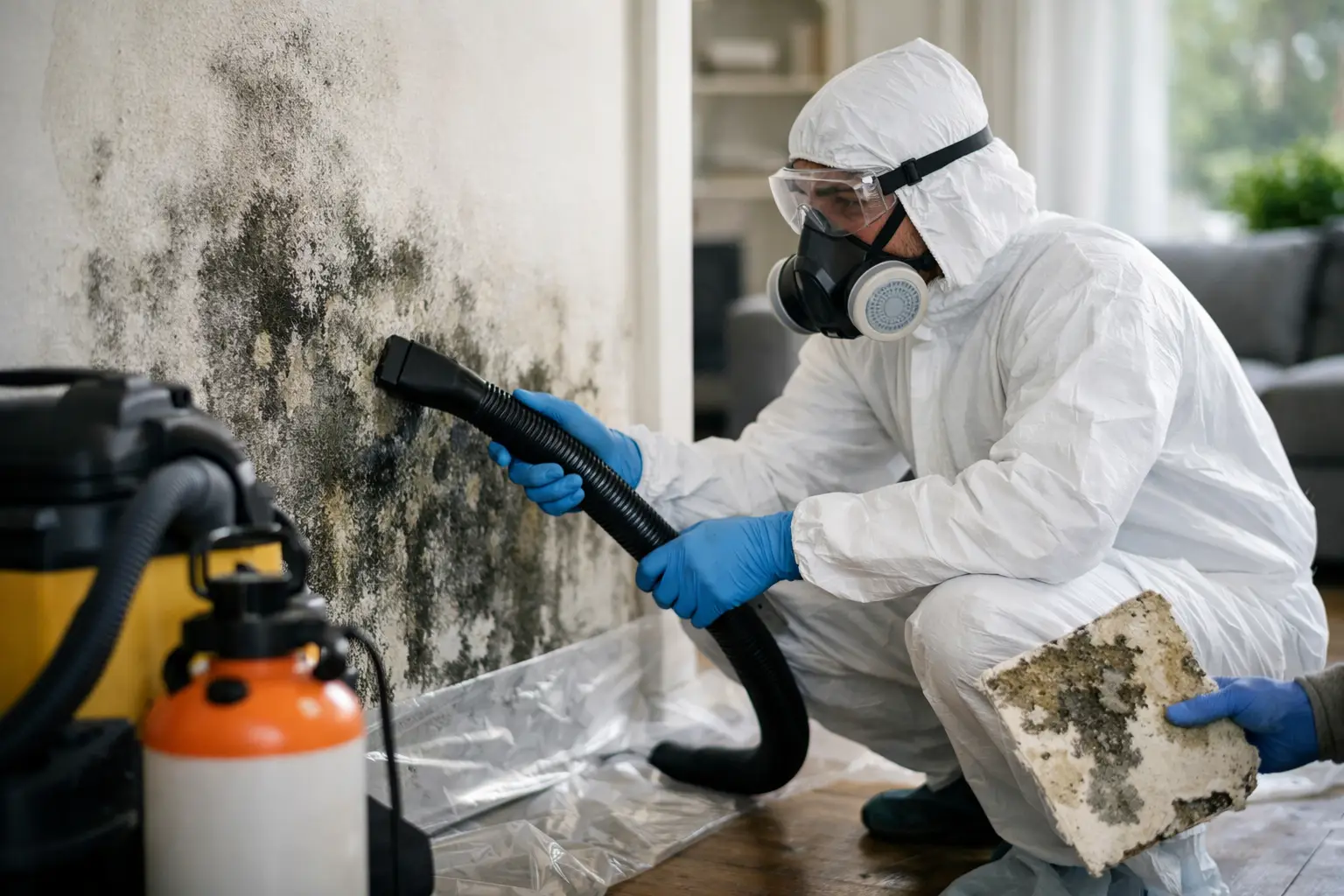 Mold
MoldContainment, removal, and moisture control that stops mold from coming back.
Learn more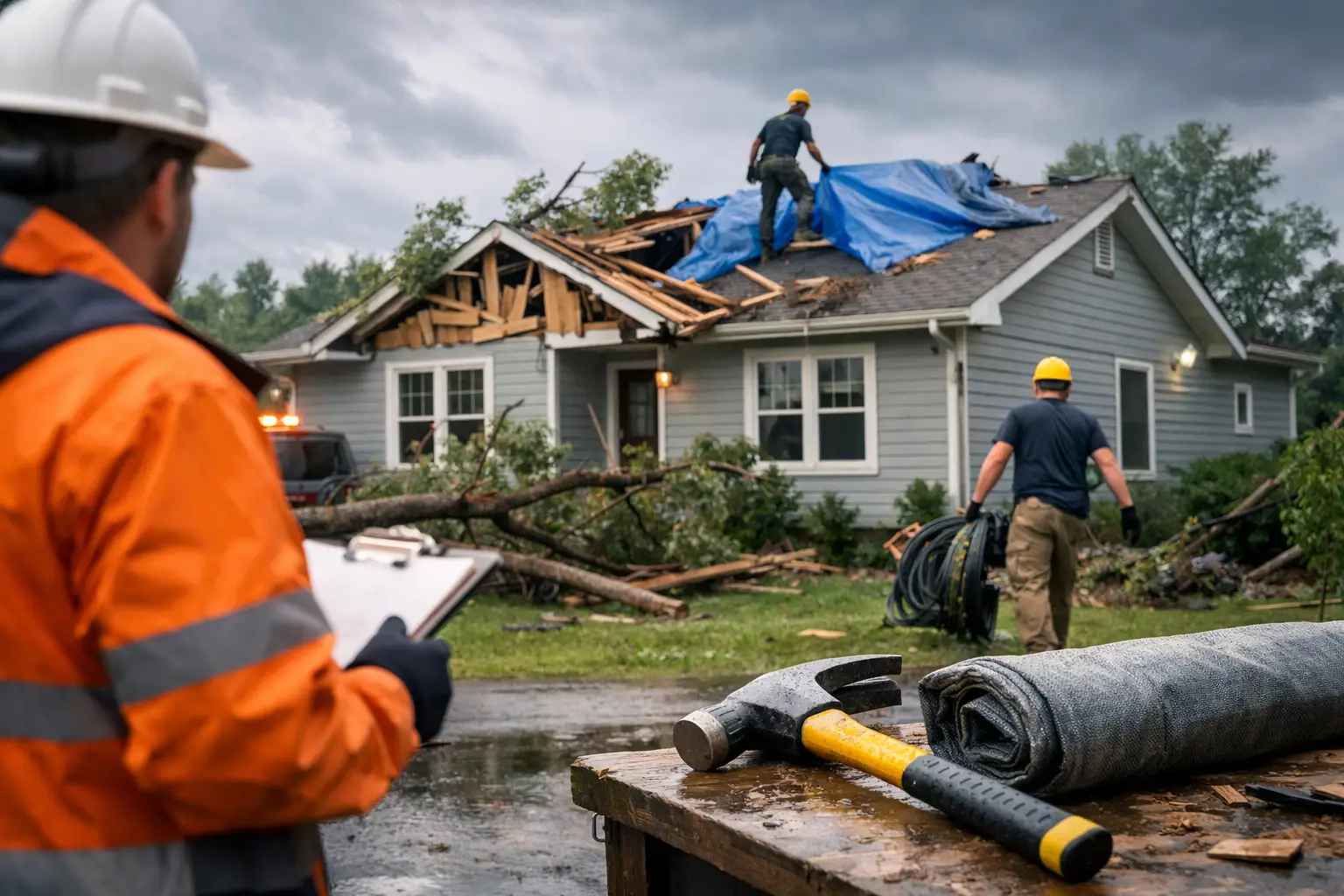 Storm
StormEmergency board-up, roof tarping, and full recovery after wind, hail, and storms.
Learn more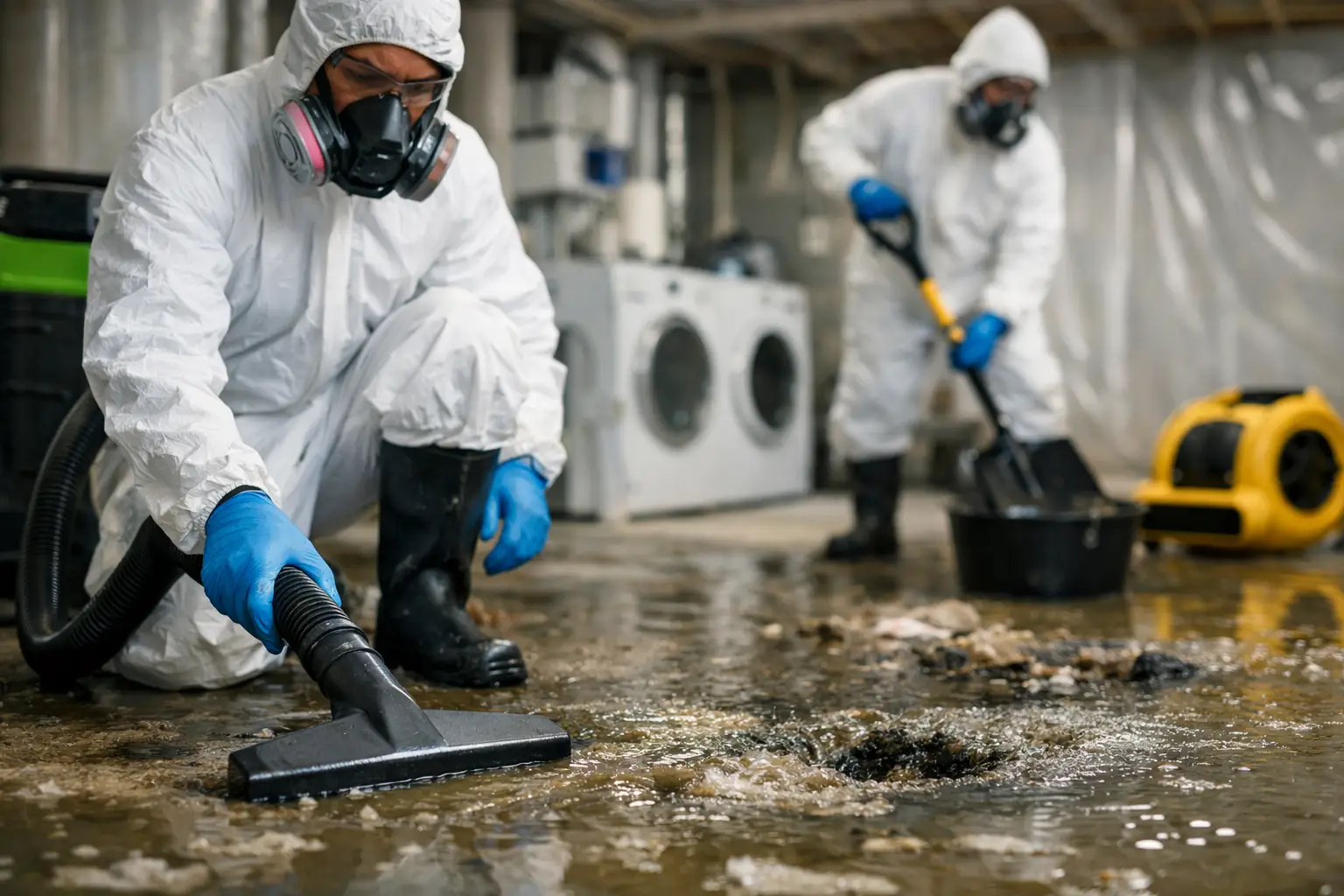 Sewage
Safe biohazard cleanup and sanitizing after sewage backups and overflows.
Learn more Reconstruction
Full rebuild by a licensed general contractor, so your property comes back whole.
Learn moreElevated Operations is an IICRC-certified, licensed general contractor based in Mableton that handles the entire recovery in-house, so after one loss you are never coordinating a cleanup crew, a mold crew, and a contractor separately. One team, one point of contact, from the first pump-out to the final coat of paint.
People call when the property feels like a disaster. They leave reviews because Chris and the crew made it right. These are real, verified Google reviews.
Get everyone out, stay clear of damaged rooms, and call for emergency help. Then call me for fire damage restoration in Roswell. I start with safety, board up services if needed, and a fast look at soot, smoke, and water damage before anything gets moved or cleaned.
Yes. Smoke moves fast in open layouts, and homes near Vickery often need cleaning in more than one room even if the fire started in one place. I inspect the whole property, then handle fire cleanup, soot removal, and smoke odor removal in the right order.
I check both levels because attic heat, smoke, and hidden framing damage can affect the rooms below. In Roswell homes, that often means debris removal upstairs, soot removal downstairs, and structural repair in any areas where framing, insulation, or ventilation was compromised.
Yes. If windows, doors, or roof openings are exposed, I secure them right away. Board up services help protect the structure from weather and trespass while I document the loss and prepare the rest of the fire damage restoration plan.
I sort contents by salvageability, then clean what can be restored and separate what cannot. Content cleaning matters because smoke and soot can keep damaging items long after the fire is out. I treat each category based on material, exposure, and residue level.
It can if the odor source is not fully removed before repairs. That is why I clean, deodorize, and confirm the affected areas first. In older Canton St mill cottages, I pay close attention to tight walls, older trim, and hidden cavities where odor can linger.
I’m a licensed general contractor, IICRC-certified, and I’ve been in restoration since 2007. I also offer direct insurance billing, 12-month warranty coverage, and 24/7 emergency response. I run the job myself from Mableton and keep the scope practical, not padded.
Yes. That happens often because suppression water spreads fast. I account for both fire and water damage during the first inspection, then build the cleanup and structural repair sequence so wet materials do not become a second problem after the fire is already handled.
Elevated Operations dispatches IICRC-certified crews across Metro Atlanta from our Mableton base, with a 60-minute emergency response day or night. Choose your city:
Call now for an immediate response, or request your free inspection and get a certified crew on-site within the hour across Atlanta and nearby areas.