24/7 Emergency Restoration · Serving Metro AtlantaEmergency? (770) 404-6895
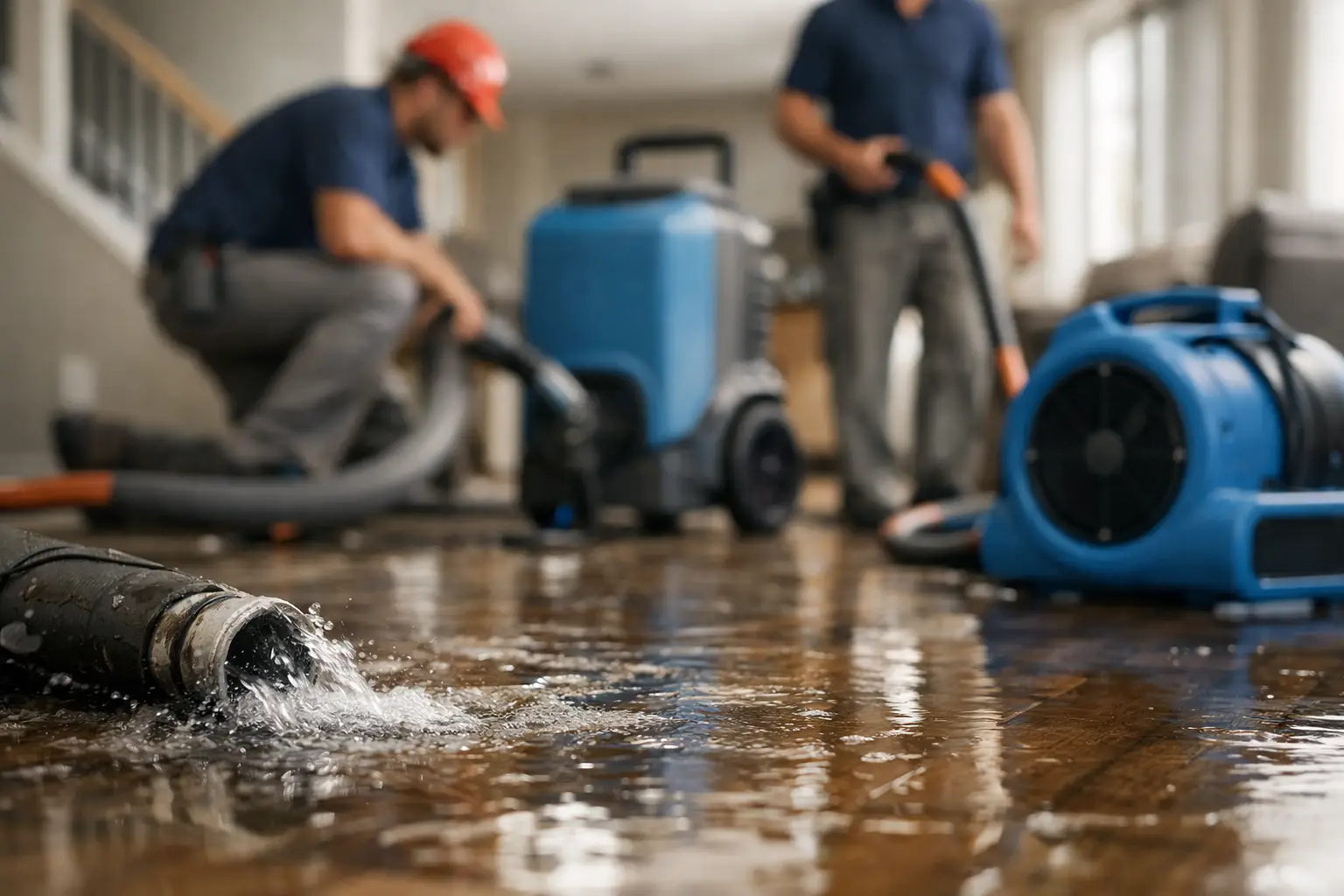
Flooded basement cleanup Hiram starts with facts, not guesses. I handle basement water removal, flood water extraction, and basement drying in Hiram homes near the Paulding retail corridor and newer subdivisions, because the wrong shortcut turns a wet basement into a mold problem fast.
IICRC-Certified · 5-Star Rated · 60-Minute Response · Insurance Billed Directly
Yes. I serve Hiram from my Mableton base and work across Paulding County, including neighborhoods near the retail corridor and newer subdivisions.
Yes. I offer 60-minute emergency response 24/7, because basement water does not wait for business hours.
Yes. I provide direct insurance billing so the claim process is easier to manage after the water is out.
I send IICRC-certified technicians led by me, Chris Kwangwari, owner of Elevated Operations, LLLP.
Myth: I can wait until the water stops spreading. Fact: the first move is to shut off the source if it is safe, then call for emergency response right away so basement water removal starts before damage spreads into framing, carpet, and stored items.
In Hiram, I see this after heavy rain, failed sump equipment, and plumbing leaks in homes near the Paulding retail corridor and in newer subdivisions where finished basements are common. Waiting gives water time to move under baseboards, into wall cavities, and across concrete joints where it hides.
And wet carpet is not just a surface issue. Water wicks into the pad, tack strip, and subfloor edges, which means a simple spill can turn into a bigger loss. I use direct insurance billing when needed, and I back the work with a 12-month warranty.
If the water smells foul or came from a backed-up drain, treat it as sewage backup cleanup, not a simple mop job. That changes the safety plan immediately. IICRC-certified technicians know what needs removal, what can be salvaged, and what must be dried or discarded.
Myth: cleaning means pumping out water and spraying disinfectant. Fact: real flooded basement cleanup starts with flood water extraction, then moisture mapping, controlled basement drying, salvage decisions, and targeted cleaning so hidden water does not keep feeding mold growth or odors.
I do not treat every basement the same. A Hiram slab basement near the retail corridor may have utility rooms, storage walls, and carpeted living space, while a newer subdivision basement may have finished trim and insulated wall systems that hold water in different places.
My process focuses on the actual path of water. That means extracting standing water, lifting damaged materials when needed, checking for trapped moisture behind baseboards, and setting drying equipment where the structure needs it most. Basement water removal only works when the hidden water is found.
And if the loss involves muddy water, storm debris, or sewage, the cleaning step has to match the contamination. I am a licensed general contractor, so I look at structural damage too, not just the floor surface. That matters when a basement is finished, partially finished, or packed with storage.
Myth: mold only happens after visible rot appears. Fact: mold can start in 24 to 48 hours when basement moisture is left alone, so mold prevention begins during the first day of flooded basement cleanup, not after the room smells musty.
Hiram basements in newer subdivisions often have carpet, drywall, and stored belongings that trap moisture longer than people expect. One missed corner behind a couch or a stack of boxes can keep humidity high even after the floor looks dry. That is how mold gets a head start.
I watch for damp insulation, wet carpet backing, and moisture under plates and trim because these are classic trouble spots. Drying the visible surface is not enough. The point of basement drying is to stop hidden moisture from feeding microbial growth in walls and flooring systems.
Myth says bleach fixes it. Fact says bleach on porous materials does not solve the moisture source. If the basement flooded from river runoff, storm entry, or sewage, you need the right removal and drying plan first. That is how I protect the structure and the air in the house.
Myth: every basement dries on the same schedule. Fact: basement drying depends on how much water entered, what materials got wet, and whether the basement is finished, but the goal is the same, remove moisture fast enough to prevent secondary damage and mold.
A basement off the Paulding retail corridor with tile and open storage dries differently than a newer subdivision basement with carpet, drywall, and built-ins. I look at the structure first, then place drying equipment where the moisture is trapped. That is the only honest way to manage the job.
Flood water extraction and air movement are only part of the picture. I also check hidden pockets behind walls, around HVAC equipment, and at the edges of laminate or carpet. If those areas stay wet, the basement is not truly dry even if the floor feels comfortable underfoot.
And I never promise a fake finish line. I do promise 60-minute emergency response 24/7, IICRC-certified technicians, and a 12-month warranty on the work. That gives Hiram homeowners a real plan, not a guess, when water hits the basement on a weekend or after dark.
Myth: wet carpet always has to be thrown away. Fact: some carpet can be saved if cleanup starts quickly, but wet carpet removal is often the right call when the water is contaminated, the pad is saturated, or the backing has held moisture too long.
In Hiram homes, carpeted basements often sit below finished living areas, game rooms, or storage spaces. If water sits long enough, the pad becomes a sponge and the carpet backing can hold moisture even after surface extraction. That is where odor and mold prevention matter most.
I decide based on what the water was, how far it spread, and whether the carpet can be cleaned without trapping moisture underneath. Basement water removal is not about saving every material. It is about saving what is actually safe, dryable, and worth keeping.
If the water came from a sewer line or drain backup, wet carpet removal is usually the safer answer. I will say that plainly. A fast, honest call beats trying to deodorize a contaminated floor and pretending the problem is gone. It is not.
Myth: newer homes do not flood as often. Fact: newer subdivisions can still flood from grading issues, foundation entry points, plumbing failures, or stormwater intrusion, and when that happens the damage can spread fast because finished basements hide moisture.
Hiram has a mix of newer subdivisions and homes tied to the Paulding retail corridor, and I see the same pattern in both: the basement looks fine at first, then water shows up along a wall, around a water heater, or under carpet where nobody checks immediately.
A newer build does not mean a waterproof basement. It often means more finished surfaces, more insulation, and more hidden cavities that trap moisture. That makes flood water extraction and basement drying more technical, not less. The structure still needs a real inspection after the standing water is gone.
I built this company in restoration since 2007, and I know the difference between a cosmetic clean-up and true recovery. When water reaches baseboards or mechanical rooms, I treat it as a structural problem first and a cleaning problem second. That is the only way to do it right.
Fact: water often stays behind walls, under carpet, and in trim. In Hiram basements, that hidden moisture is what causes odors, warped materials, and mold prevention failures if cleanup stops too early.
Fact: basement drying only works after flood water extraction and moisture checks. I use the right equipment for the right loss, because a little surface dryness can hide a lot of trapped water.
Fact: clean rainwater, plumbing leaks, and sewage backup cleanup require different handling. I do not blur those lines, especially in Hiram homes with finished basements and stored belongings that can absorb contamination fast.
From emergency mitigation to full reconstruction, handled in-house so you are never managing a chain of subcontractors mid-crisis.
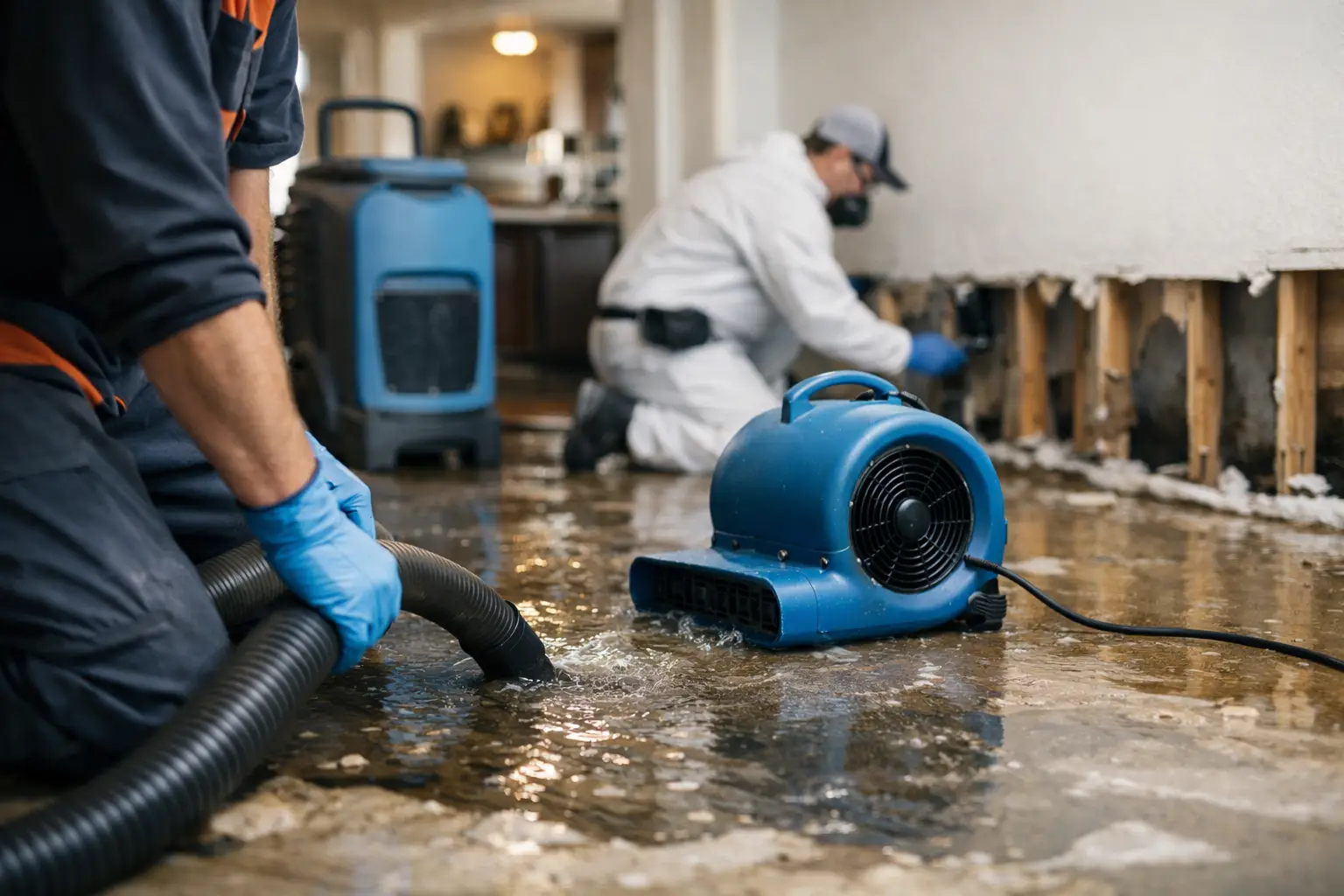 Water Damage
Extraction, structural drying, and moisture mapping after floods, leaks, and burst pipes.
Get help now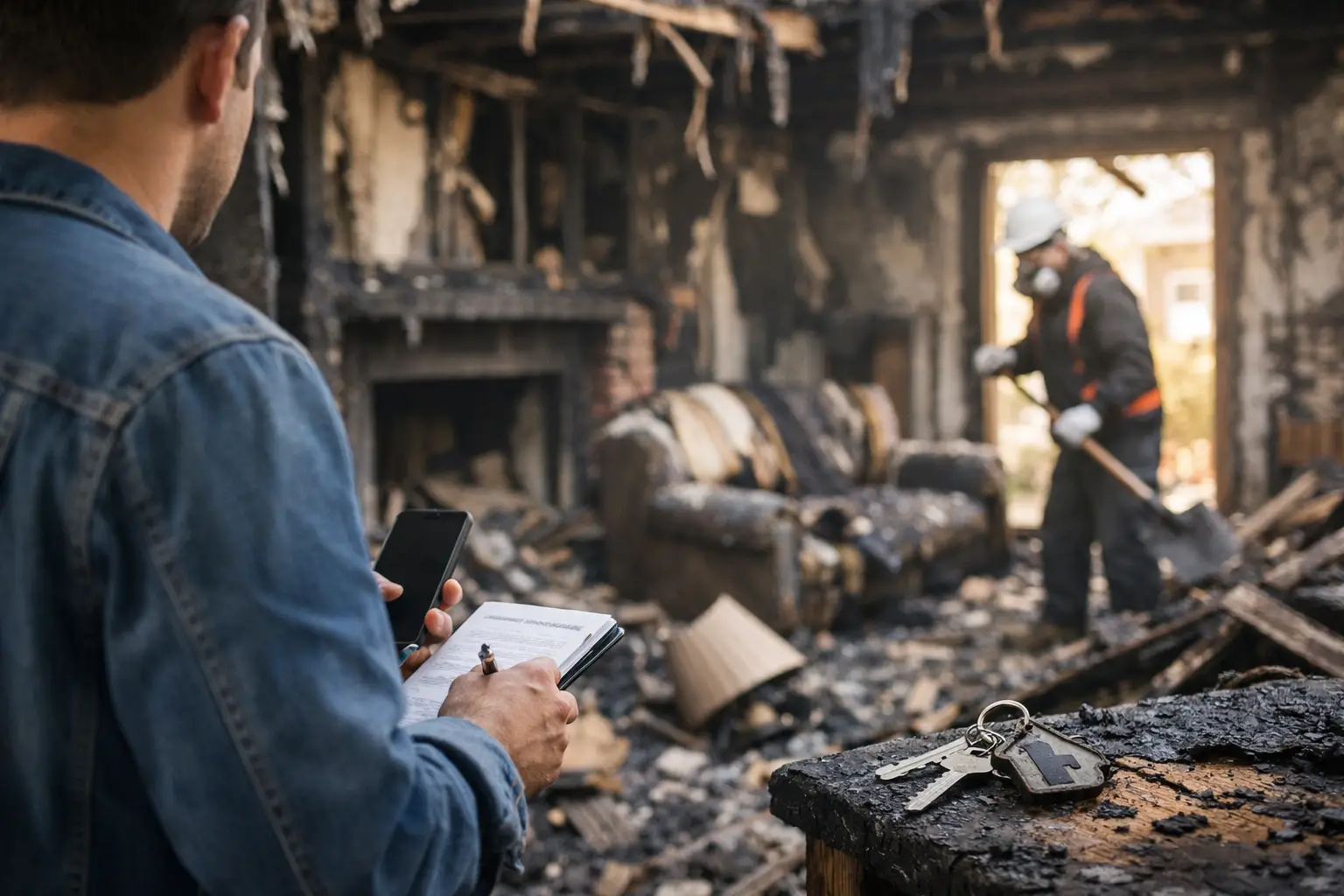 Fire & Smoke
Soot removal, odor deodorization, and content cleaning after fire and smoke damage.
Learn more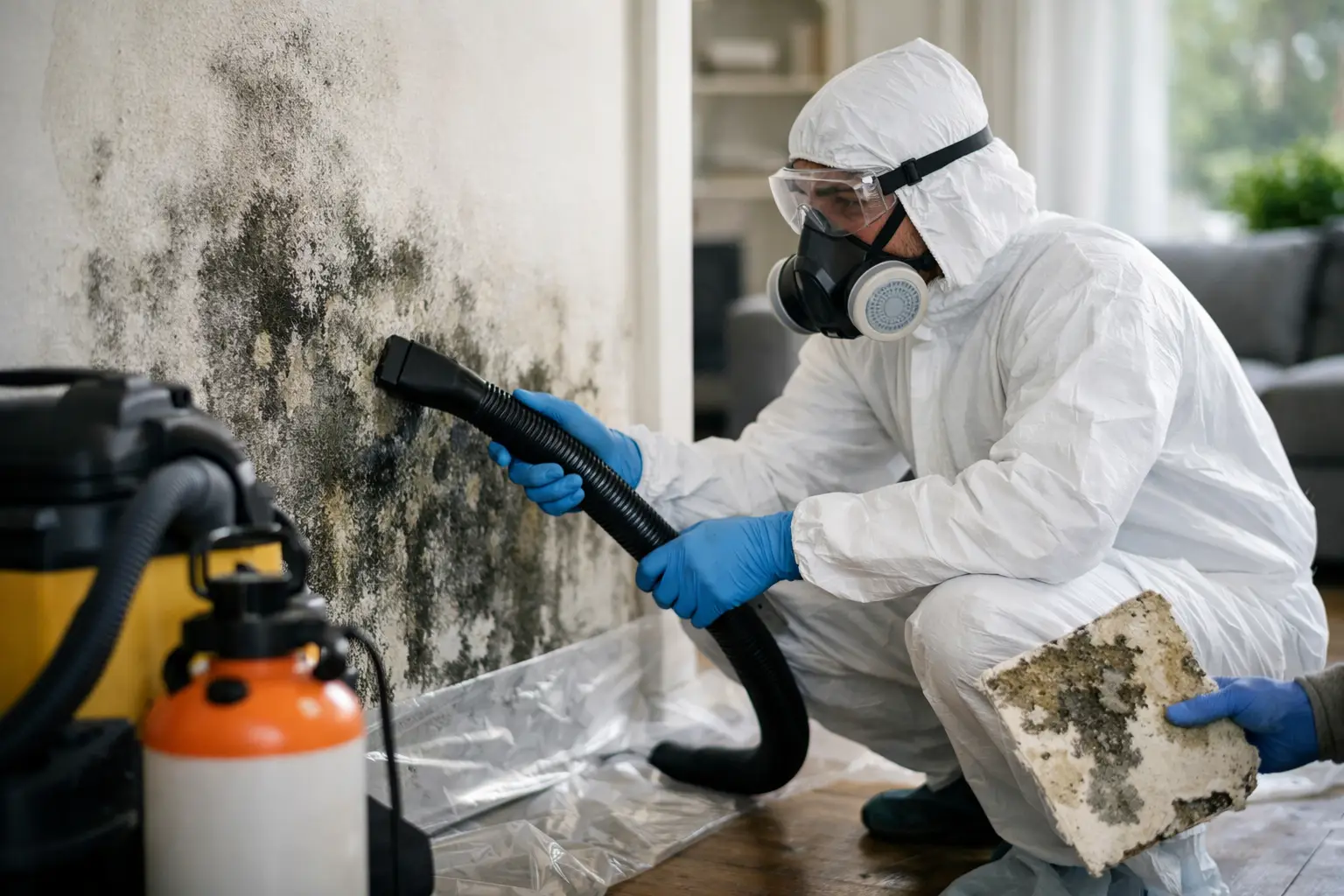 Mold
MoldContainment, removal, and moisture control that stops mold from coming back.
Learn more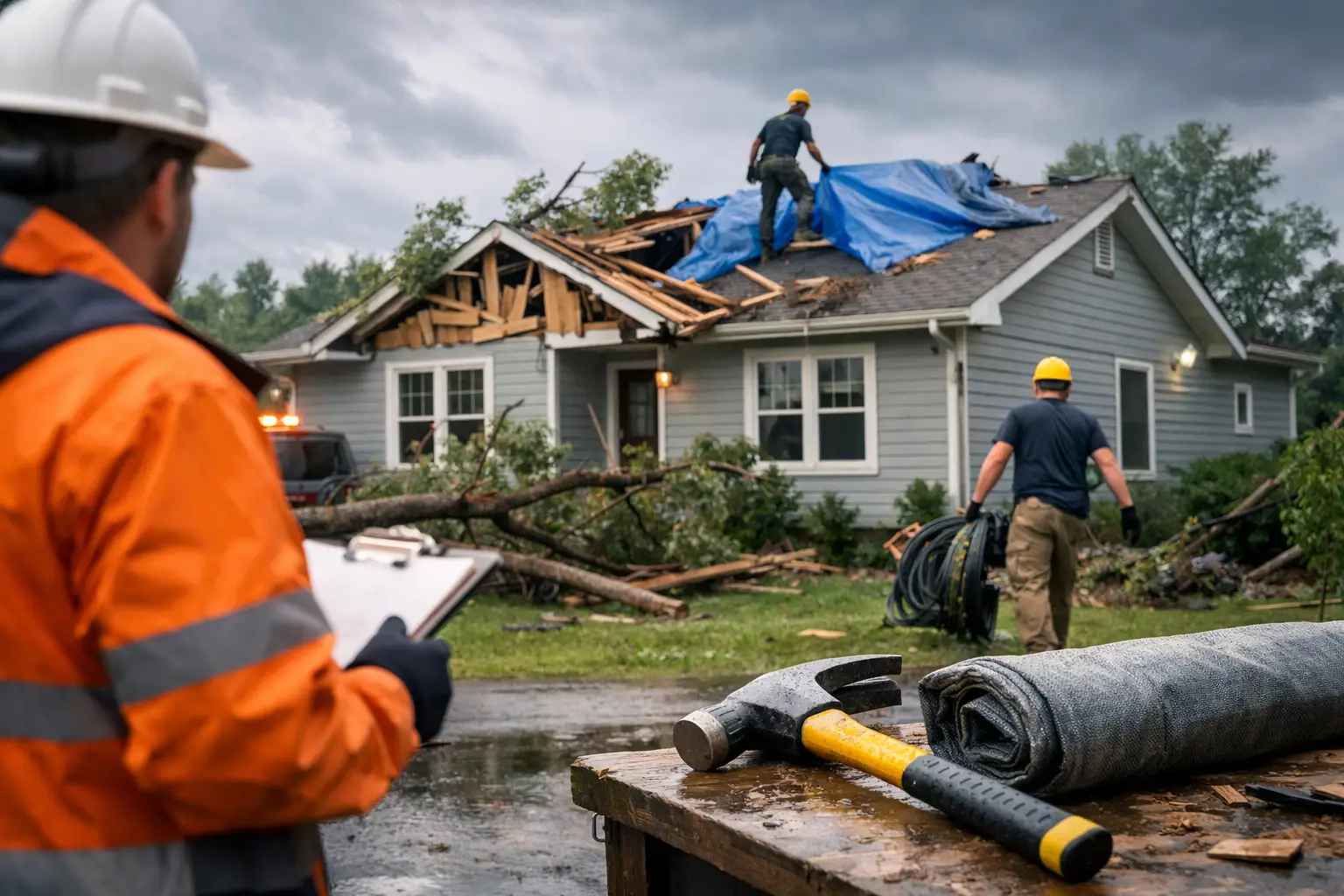 Storm
StormEmergency board-up, roof tarping, and full recovery after wind, hail, and storms.
Learn more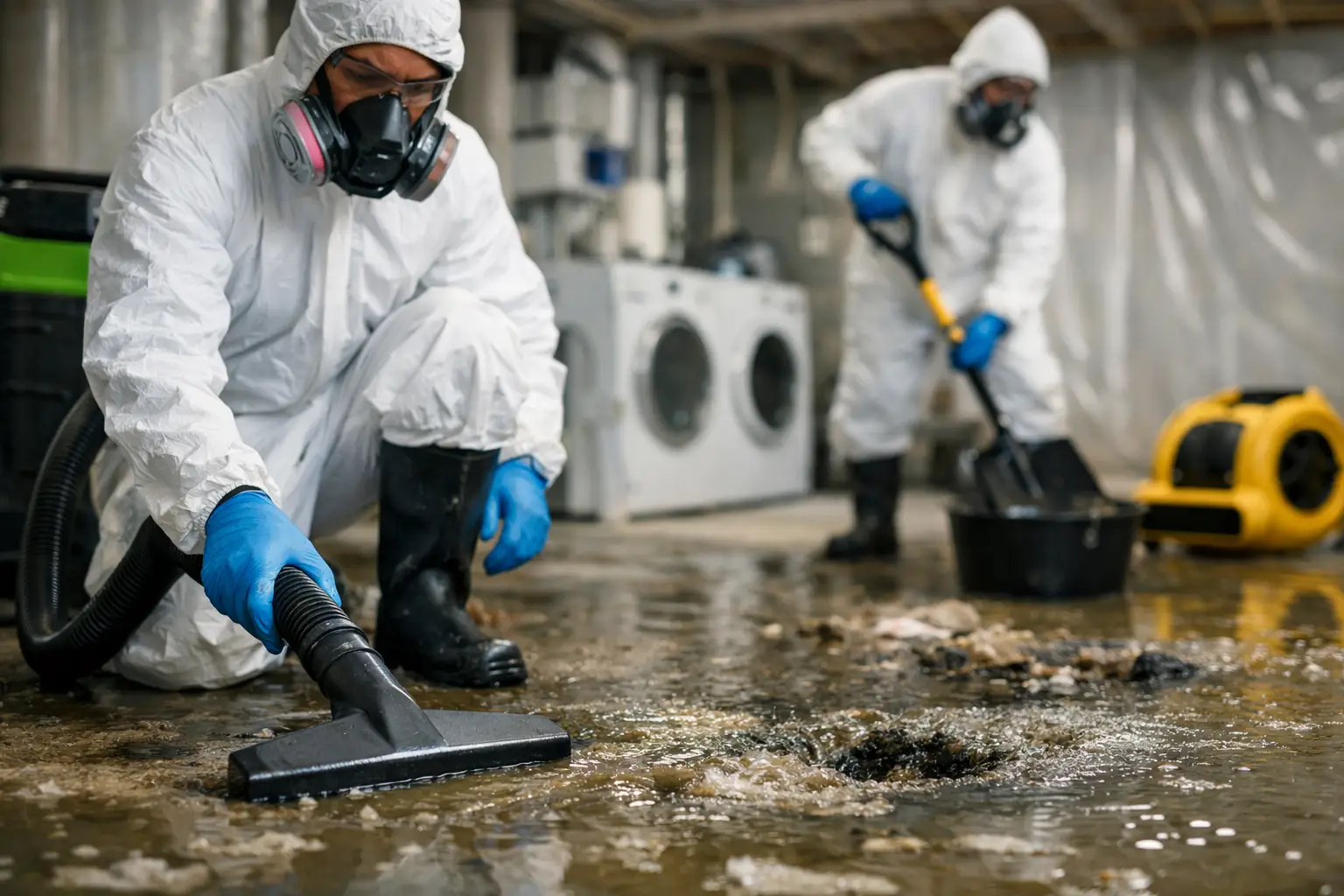 Sewage
Safe biohazard cleanup and sanitizing after sewage backups and overflows.
Learn more Reconstruction
Full rebuild by a licensed general contractor, so your property comes back whole.
Learn moreElevated Operations is an IICRC-certified, licensed general contractor based in Mableton that handles the entire recovery in-house, so after one loss you are never coordinating a cleanup crew, a mold crew, and a contractor separately. One team, one point of contact, from the first pump-out to the final coat of paint.
People call when the property feels like a disaster. They leave reviews because Chris and the crew made it right. These are real, verified Google reviews.
My first answer is simple, protect safety and stop the source if you can do it without risk. Then call for 24/7 emergency response so the water does not keep moving through flooring, walls, and stored items. I handle the extraction, drying, and insurance paperwork after that.
I start with flood water extraction, then I inspect how far the moisture traveled into carpet, pad, trim, and wall cavities. Finished basements in newer subdivisions often hide water in places homeowners cannot see, so I do not rely on surface appearance. The cleanup has to match the structure, not just the mess.
Yes, it can. Mold starts in 24 to 48 hours when moisture lingers, especially in carpet, drywall, and insulation. That is why I push mold prevention from the first visit, not after the smell shows up. Quick drying and correct material removal are what protect the house.
It depends on the amount of water, the materials involved, and how much of the basement is finished. A concrete utility space dries differently than a carpeted family room. I focus on the actual moisture in the structure, then set the drying plan around that, not around a guess.
Not always, but it is often the safest move when the carpet has absorbed contaminated water or the pad is saturated. If the water was clean and the carpet is addressed quickly, some materials may be saved. I look at the source, the spread, and the hidden moisture before I decide.
Sewage backup cleanup is treated as contamination, not a simple water loss. That changes the handling of carpet, porous materials, and protective measures immediately. In Hiram homes, especially finished basements, I separate contaminated materials from salvageable ones so the cleanup is safe and defensible.
Yes. I do direct insurance billing, and I also offer deductible assistance up to $1,000 when applicable. That helps keep the process moving without turning the homeowner into the middleman. I document the loss, explain what was removed, and keep the work organized for the claim.
Because I am a licensed general contractor and IICRC-certified, and I have been in restoration since 2007. Basement flooding is a structural and moisture problem, not just a cleanup job. I bring the right crew, the right process, and a 12-month warranty behind the work.
Elevated Operations dispatches IICRC-certified crews across Metro Atlanta from our Mableton base, with a 60-minute emergency response day or night. Choose your city:
Call now for an immediate response, or request your free inspection and get a certified crew on-site within the hour across Atlanta and nearby areas.