24/7 Emergency Restoration · Serving Metro AtlantaEmergency? (770) 404-6895
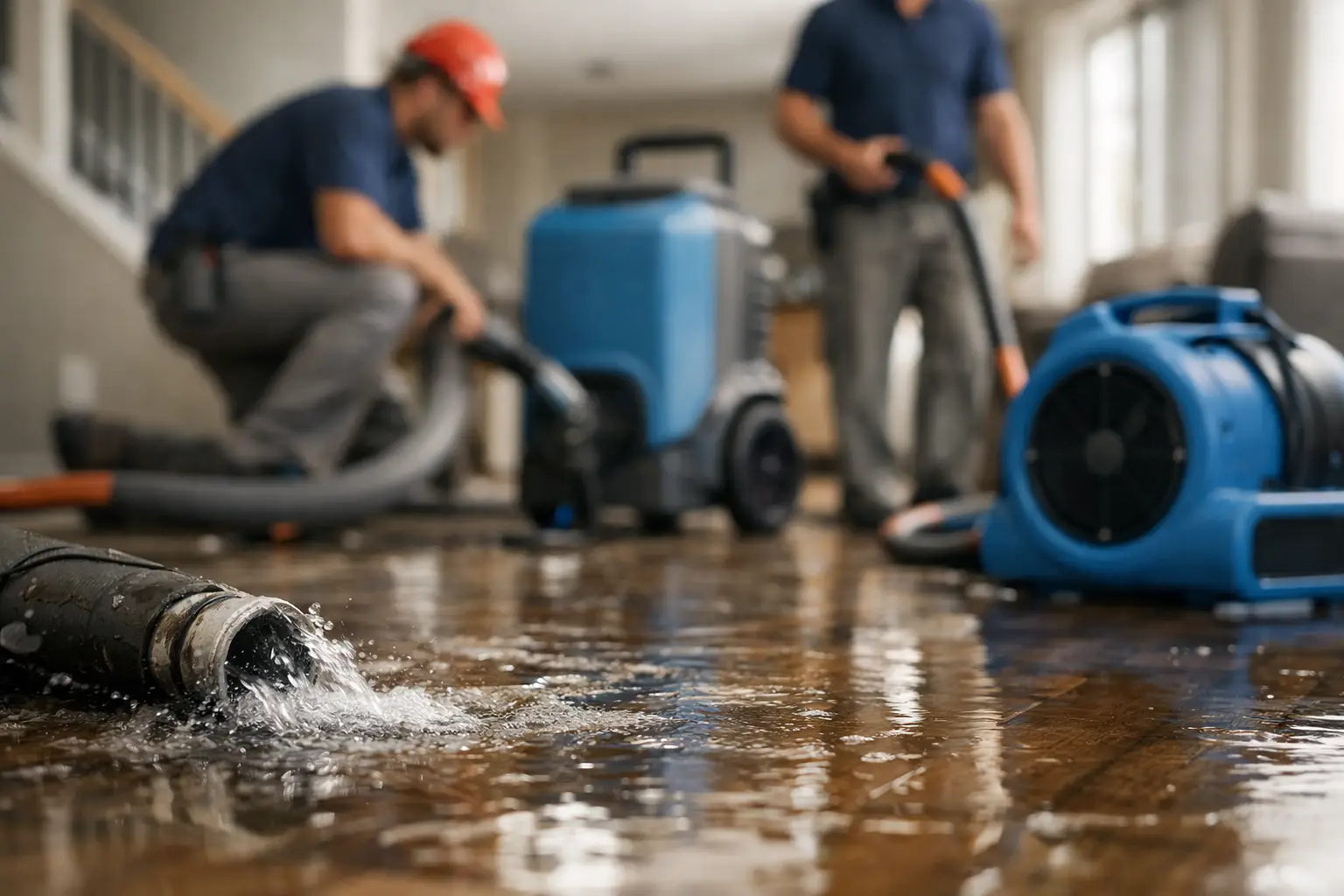
Emergency water removal College Park starts with stopping the spread, pulling water out fast, and deciding what can be saved. I handle that decision point for historic district properties near the convention hotel corridor and for apartments, rentals, and businesses across College Park, with 24/7 response, IICRC-certified technicians, and direct insurance billing.
IICRC-Certified · 5-Star Rated · 60-Minute Response · Insurance Billed Directly
No. Historic homes, rentals, and convention hotels each need a different salvage call, different access plan, and different drying setup.
I would not. Waiting raises the chance that hidden moisture becomes a mold problem and pushes more materials into replacement.
Yes, I offer deductible assistance up to $1,000, and I use direct insurance billing to keep the process moving.
Call Elevated Operations at (770) 404-6895. I respond 24/7 and start with the right comparison, save it or replace it.
Fast. I treat emergency water removal like a race against soaked framing, carpet, and hidden cavities, because water moves into materials long before the room looks wet. In College Park, that matters in historic district homes and convention hotels where finishes, trim, and guest traffic make delay expensive.
I start with water mitigation immediately, then move to water extraction and water cleanup so the spread stops before it reaches baseboards, underlayment, and wall cavities. If the water is still sitting there, I am already behind.
College Park properties have different pressure points. A historic district bungalow may have older flooring and plaster that reacts differently than a hotel hallway or a lobby near the convention traffic. The right move is not waiting to see if it dries on its own.
If you are asking whether you can wait until morning, my answer is no. Standing water removal and emergency drying work best when they begin right away, especially after a line break, roof leak, or overflow near occupied rooms or shared spaces.
The right setup depends on the source and the material, but emergency water removal usually starts with extraction tools, wet vac extraction where it fits, and drying equipment positioned to move moisture out of the structure. I use equipment based on the job, not guesswork, and that matters in tight College Park spaces.
For some rooms, pumping water out is the first move. For others, I use water extraction tools that target carpet, pad, hard surfaces, and edges where water hides. A convention hotel hallway is not the same as a small house near the historic district.
I am careful with flood water removal in occupied buildings because access, noise, and moisture tracking matter. A good setup does not just remove visible water, it controls where the water goes next and how quickly the structure can start emergency drying.
The point is not to make the room look better for an hour. The point is to get the moisture out of materials before damage deepens. That is why I prefer equipment matched to the structure, the finish, and the source of water.
Sometimes I restore it, sometimes I replace it, and I say that plainly because the wrong call costs money later. If materials are structurally sound and dryable, restoration is the smarter move. If they are swollen, contaminated, or delaminated, replacement is the safer choice.
Historic district properties in College Park deserve a careful call because original trim, floors, and built-ins may be salvageable if water extraction starts quickly. But once materials break down, saving them becomes false economy.
Convention hotels and commercial spaces often push me toward replacement in specific zones because foot traffic, time pressure, and repeated use make compromised materials a liability. I do not force restoration where it does not belong.
The comparison is simple. Restoration wins when drying can reverse the damage. Replacement wins when the material has lost integrity. IICRC-certified technicians and a licensed general contractor perspective help me make that call without hand-waving.
Yes, sometimes, if the carpet and pad are still structurally sound and the water source is clean enough to justify it. I can often save carpet with rapid standing water removal, water extraction, and emergency drying, but I will not promise that outcome when the material has been soaked too long.
Carpet in a College Park hotel room near the convention corridor is a different problem than carpet in a single-family home in the historic district. Traffic, padding, and subfloor conditions change the salvage decision fast.
I compare the carpet to the replacement option by looking at how long water sat there, where it came from, and whether the pad stayed stable. Wet vac extraction may help in some cases, but the decision is really about what is underneath.
If the carpet edge, tack strip, or pad starts failing, I move away from saving it. That is not being aggressive, it is being honest. The goal is water cleanup that prevents a second loss after the first one is already under control.
After emergency water extraction, I shift to moisture control, drying, and a material-by-material review of what can stay and what has to go. The job is not finished when the visible water is gone. That is the first phase, not the last.
The next step is emergency drying, with attention to hidden moisture in walls, under flooring, and around trim. In College Park, where historic homes and hospitality properties can have different construction details, that follow-up matters more than people expect.
Then I compare damaged materials against the replacement threshold. If the room needs restoration, I keep going. If replacement is the safer route, I say so and explain why. That is how I keep a water event from becoming a mold event.
I also coordinate direct insurance billing when needed, because paperwork should not slow down the job. I have been in restoration since 2007, and I know that good documentation helps owners move from shock to action without losing time.
No, they are related but not the same. Water damage is the wet event, mold is a downstream problem that can begin when moisture is left in place. In many cases, mold starts in 24 to 48 hours, which is why I push emergency water removal instead of waiting to see what happens.
A convention hotel room with a hidden leak can look fine at check-in and still become a mold problem by the time the next guest arrives. A historic district home can have the same issue behind plaster or under flooring.
This is where comparison matters. Water damage is about the source, spread, and moisture. Mold is about what happens when that moisture is ignored or trapped. One calls for extraction and drying. The other may need additional remediation steps.
If you want the practical verdict, treat water as the first fight and mold as the consequence you prevent. That is why I do not separate emergency water removal from the larger moisture problem. They are on the same timeline.
| Typical Trigger | Water Damage Restoration | Mold Remediation |
|---|---|---|
| Water in a historic district bungalow after a supply line break | Restore trim, flooring, and drywall if emergency drying starts quickly | Replace damaged porous materials if moisture stays trapped and odor begins |
| Overflow in a convention hotel guest room or corridor | Use rapid water extraction and water cleanup to keep rooms usable | Replace soaked pad or backing if the material cannot dry cleanly |
| Standing water after a storm or roof leak | Choose flood water removal and stabilization if the structure is still sound | Replace anything that stays wet in concealed spaces or breaks down |
From emergency mitigation to full reconstruction, handled in-house so you are never managing a chain of subcontractors mid-crisis.
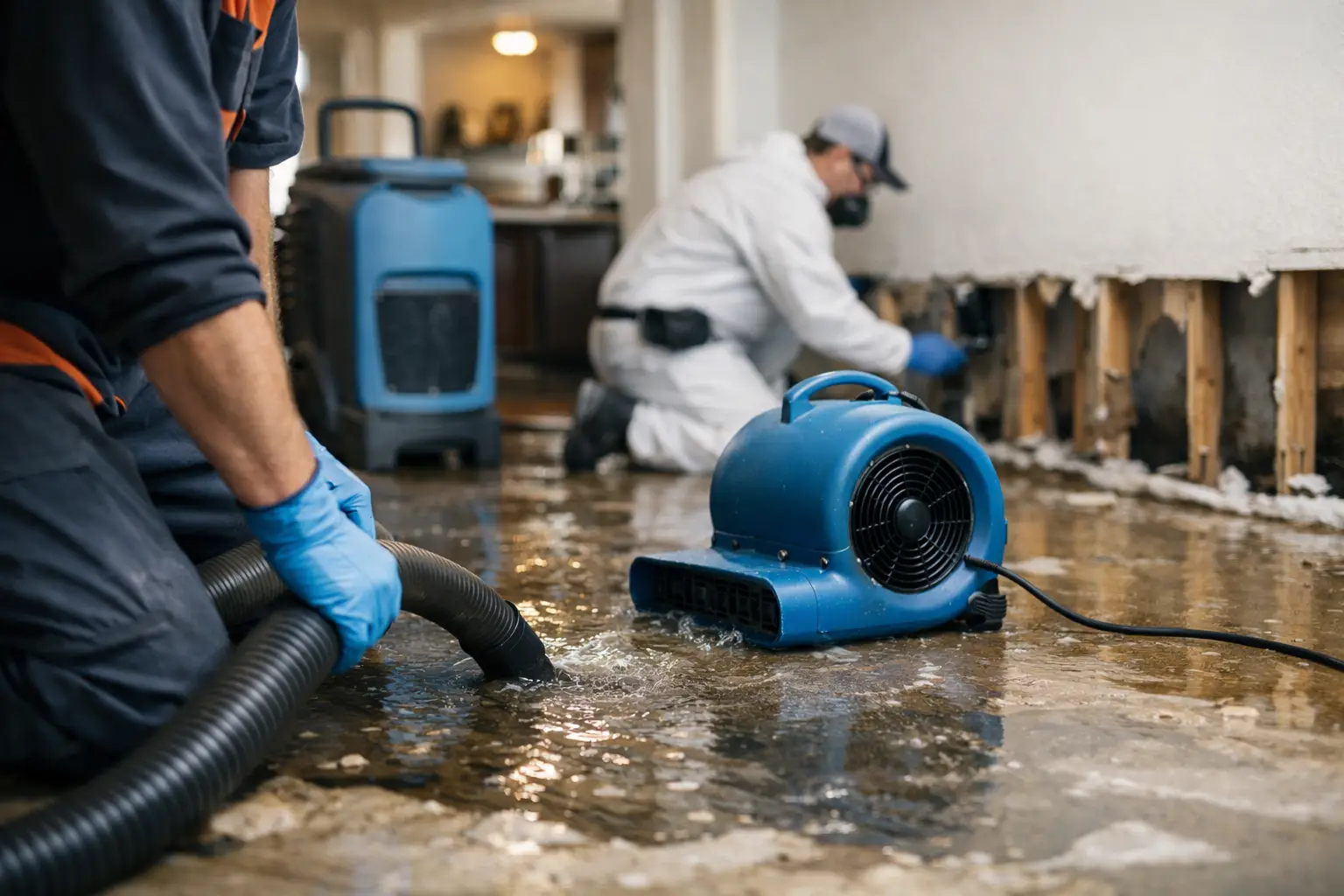 Water Damage
Extraction, structural drying, and moisture mapping after floods, leaks, and burst pipes.
Get help now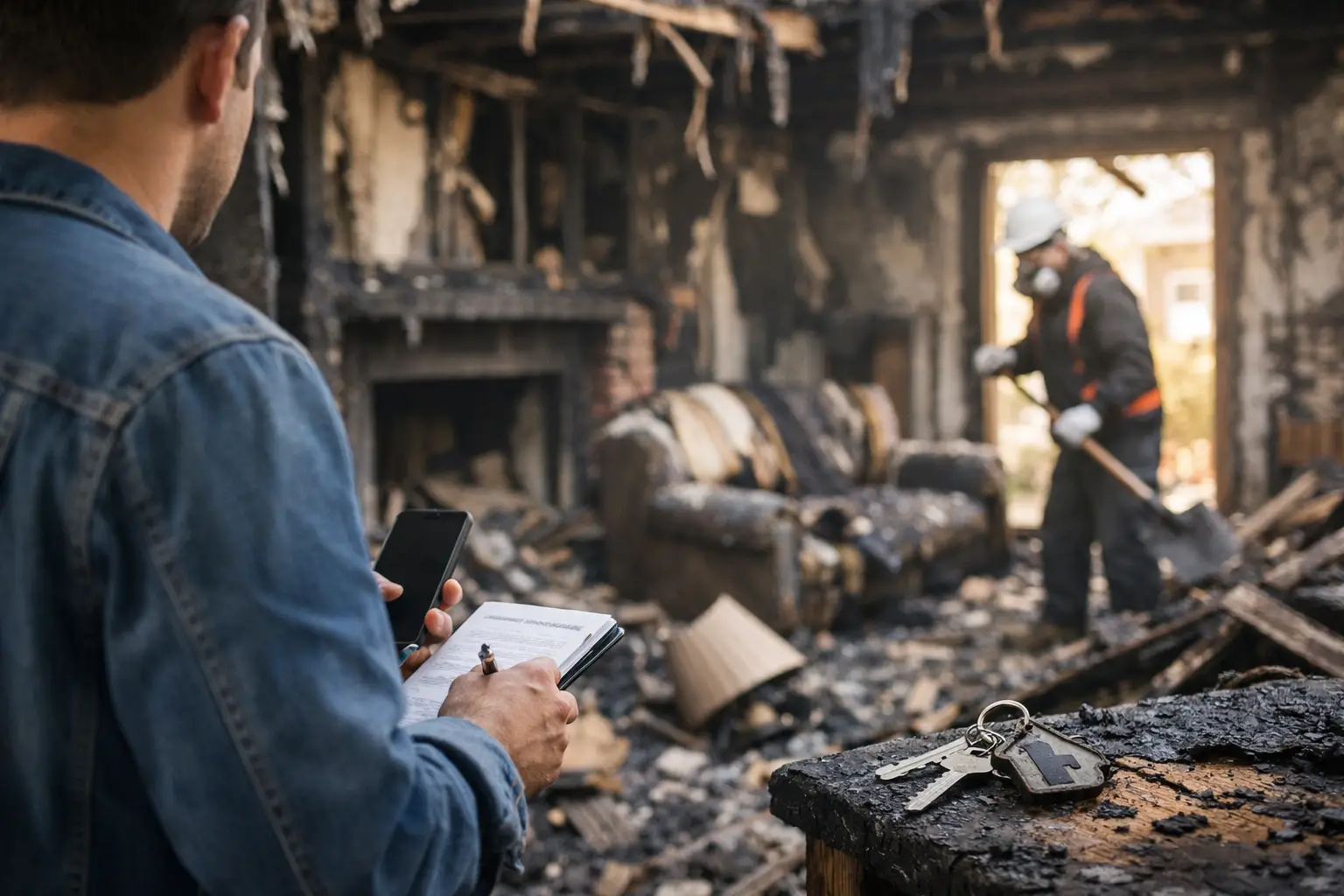 Fire & Smoke
Soot removal, odor deodorization, and content cleaning after fire and smoke damage.
Learn more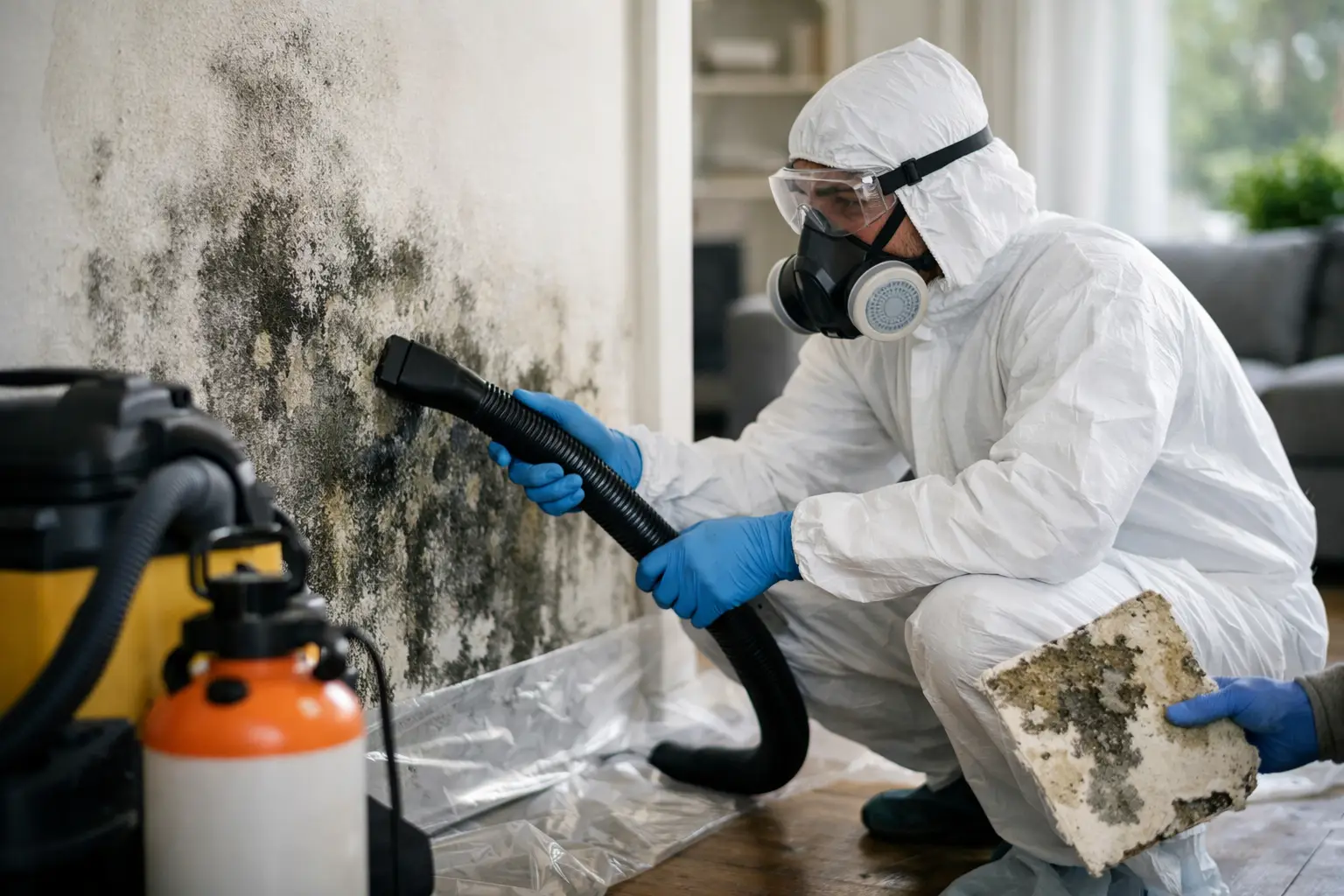 Mold
MoldContainment, removal, and moisture control that stops mold from coming back.
Learn more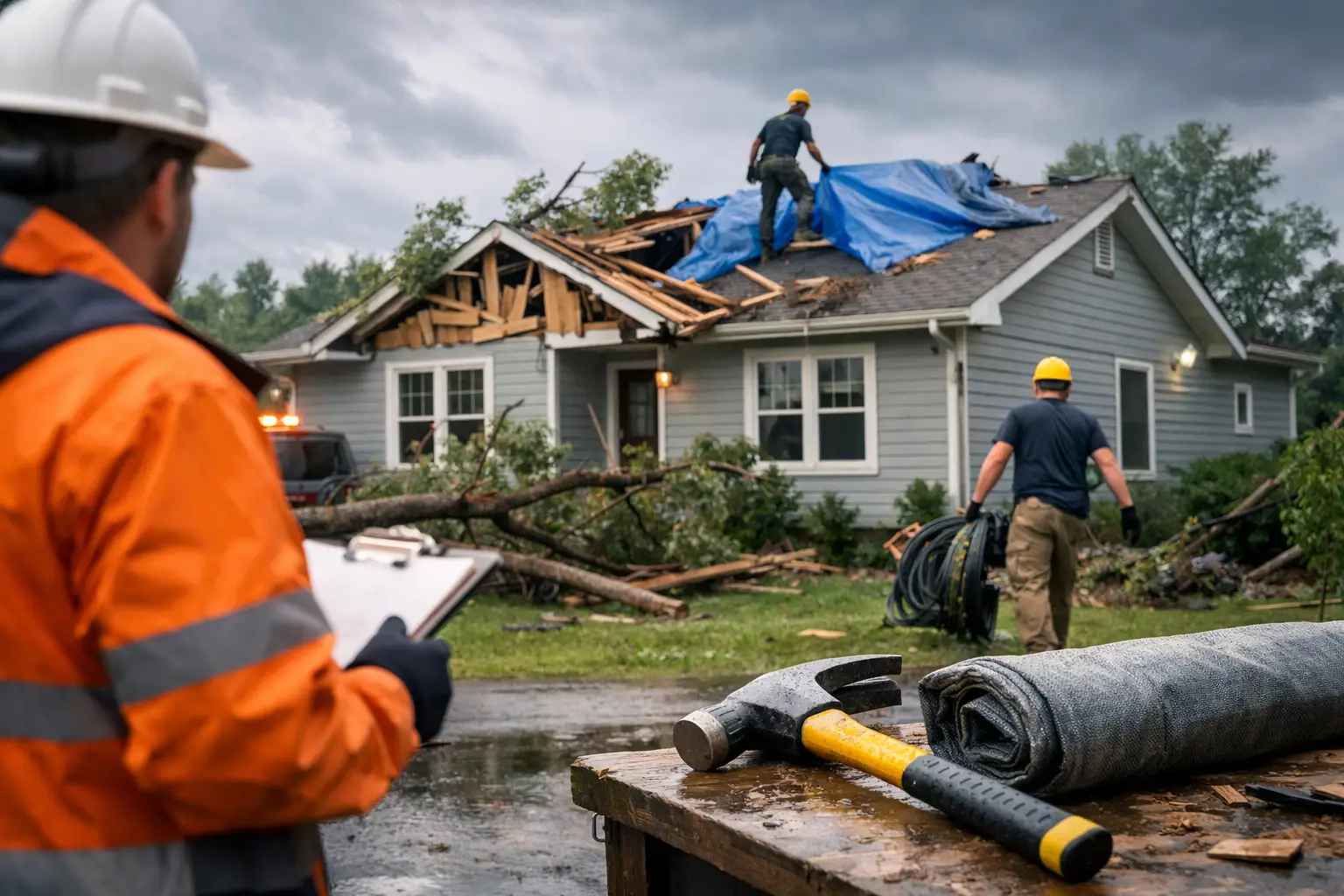 Storm
StormEmergency board-up, roof tarping, and full recovery after wind, hail, and storms.
Learn more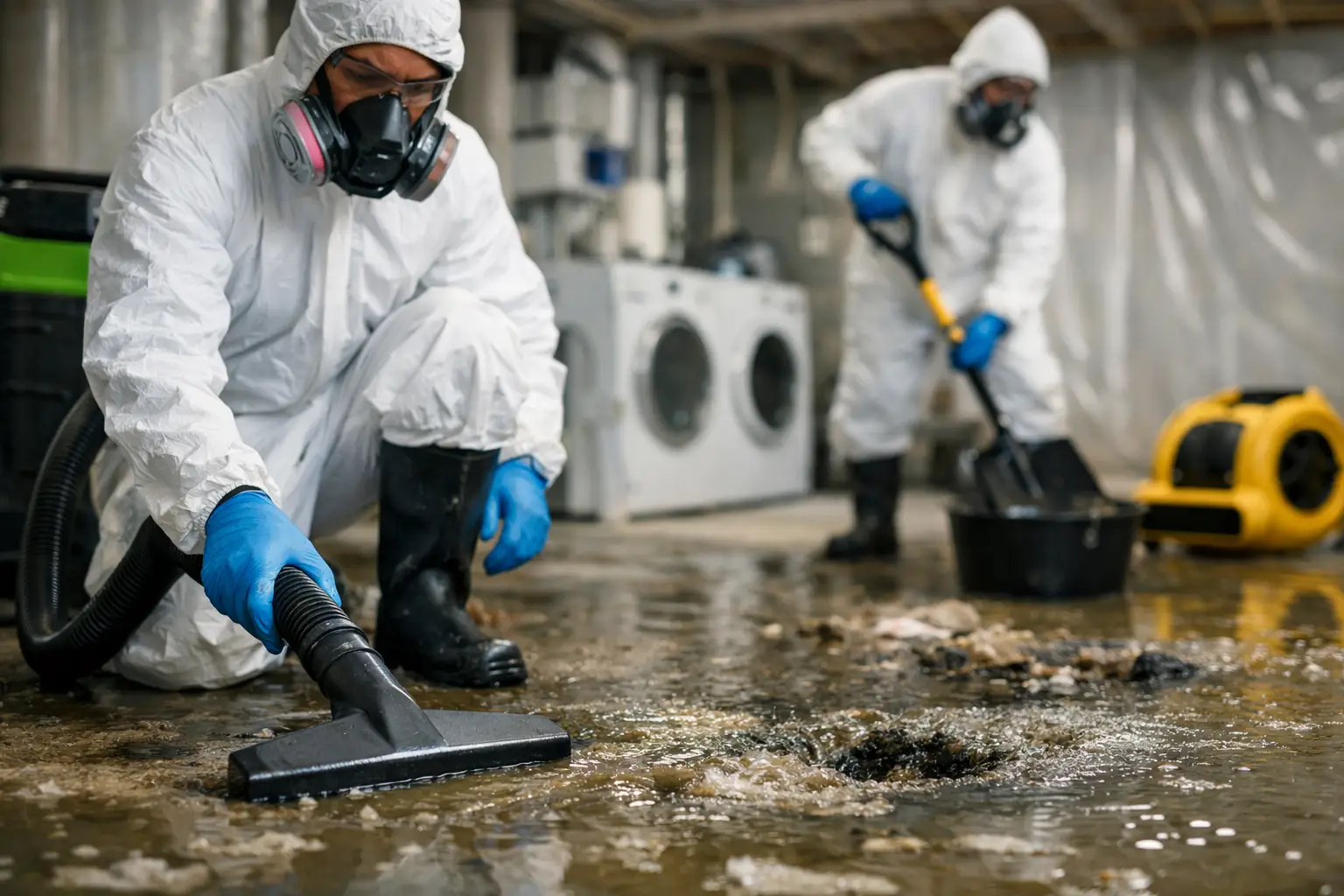 Sewage
Safe biohazard cleanup and sanitizing after sewage backups and overflows.
Learn more Reconstruction
Full rebuild by a licensed general contractor, so your property comes back whole.
Learn moreElevated Operations is an IICRC-certified, licensed general contractor based in Mableton that handles the entire recovery in-house, so after one loss you are never coordinating a cleanup crew, a mold crew, and a contractor separately. One team, one point of contact, from the first pump-out to the final coat of paint.
People call when the property feels like a disaster. They leave reviews because Chris and the crew made it right. These are real, verified Google reviews.
I start by stopping the source, then I move into water extraction, standing water removal, and emergency drying. In College Park’s historic district, older materials can react fast, so I compare restoration versus replacement early instead of guessing. The goal is to save what still has structure and remove what does not before the loss spreads.
Call for emergency water removal right away and keep guests away from the affected area if possible. Hotels near the convention corridor need fast water mitigation because moisture can travel through hallways, rooms, and shared walls. I focus on water cleanup, documentation, and a clear salvage versus replacement call so operations can move again.
Sometimes, yes. If the carpet, pad, and subfloor are still stable, I can use water extraction and wet vac extraction to recover the room. If the water sat too long or the pad is compromised, replacement is the better move. I do not force a save when it will fail later.
I bring equipment based on the building and the source, not a one-size approach. That can include extraction tools, wet vac extraction for tight areas, and drying equipment for emergency drying after pumping water out. In commercial spaces, I also think about access, traffic flow, and how fast the area needs to come back online.
I look at structure, contamination, and drying potential. If the materials are still sound and can dry fully, restoration usually makes sense. If swelling, delamination, or hidden moisture has taken over, replacement is the safer decision. That is especially true in College Park properties where old finishes and busy hospitality spaces age differently.
Water damage is the immediate wet condition. Mold risk begins when moisture stays in place long enough for growth to start, which can happen fast. That is why I treat emergency water removal as the front line and not just cleanup. In College Park, delay is what turns a water job into a mold job.
Yes, I offer direct insurance billing. That helps when the loss hits a historic home, rental, or convention hotel room and the owner needs the paperwork handled cleanly. I also provide deductible assistance up to $1,000, and I approach every job with a licensed general contractor mindset so the repair path stays clear.
Because I bring a local, practical comparison mindset to the job. I have been in restoration since 2007, I am IICRC-certified, and I know when restoration is smart and when replacement is the honest answer. For College Park owners, that matters when the property sits between historic character and heavy convention traffic.
Elevated Operations dispatches IICRC-certified crews across Metro Atlanta from our Mableton base, with a 60-minute emergency response day or night. Choose your city:
Call now for an immediate response, or request your free inspection and get a certified crew on-site within the hour across Atlanta and nearby areas.