24/7 Emergency Restoration · Serving Metro AtlantaEmergency? (770) 404-6895
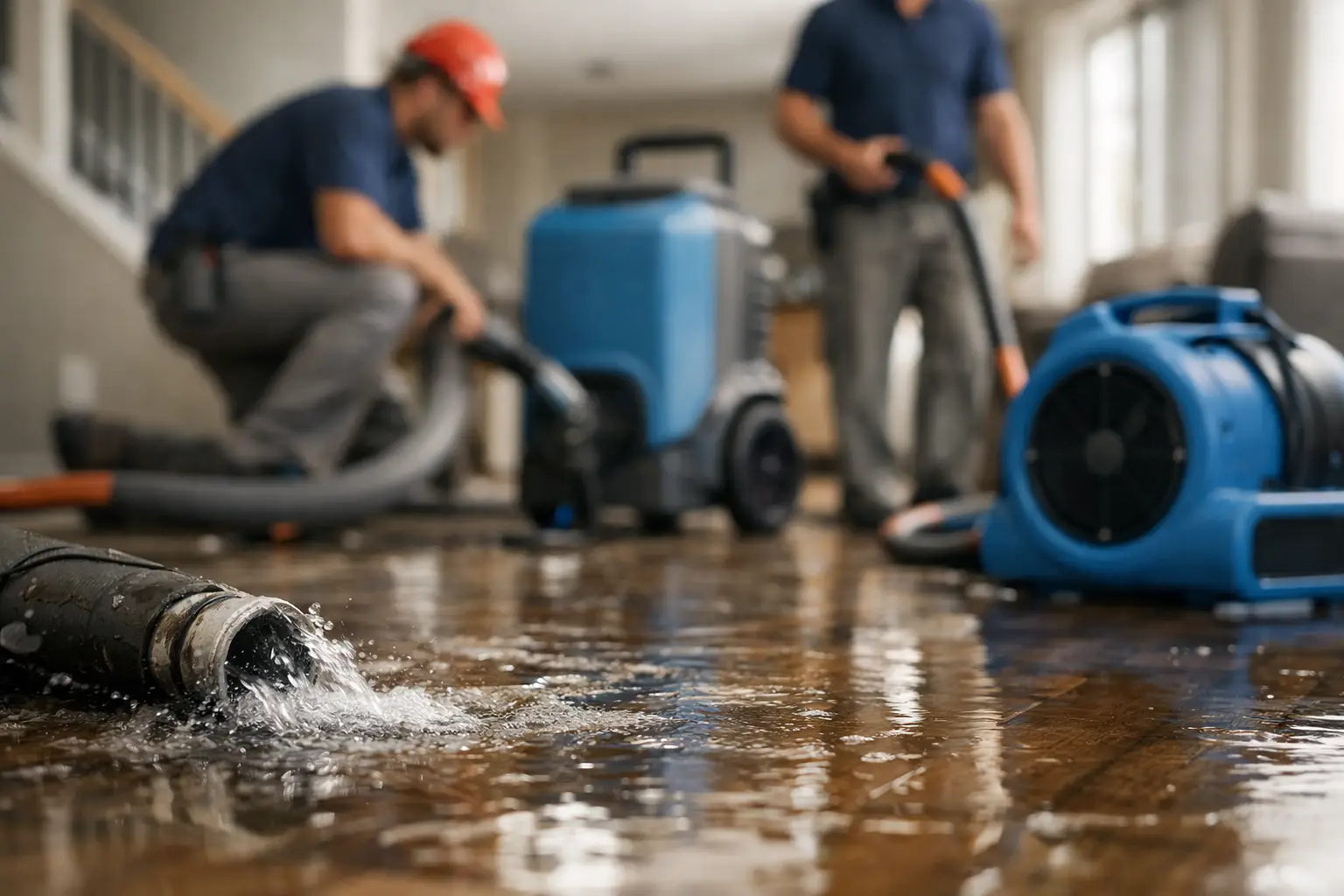
Water mitigation services Atlanta often start with water extraction, containment, and structural drying, and the bill usually follows the amount of loss, the access, and the drying scope. In Atlanta, I see intown bungalows and creek basements need fast moisture control, clean documentation, and straight insurance handling from day one.
IICRC-Certified · 5-Star Rated · 60-Minute Response · Insurance Billed Directly
Because the loss itself varies. Access, hidden moisture, materials, and how much structural drying is needed all change the scope.
Sometimes, yes, if the loss is covered and the drying equipment is part of necessary mitigation. The policy decides.
Yes, I serve Cobb, Fulton, DeKalb, Douglas, Clayton, Henry, and Paulding counties from my Mableton base.
I am owner Chris Kwangwari, licensed general contractor, IICRC-certified team, direct billing, and I keep the scope tied to the real damage.
Water mitigation services Atlanta usually include water extraction, containment, dehumidification, structural drying, and moisture control, with the scope shaped by where the water traveled and what materials got wet. In intown bungalows and creek basements, I focus on stopping spread fast, then documenting what has to dry or come out.
The first cost driver is the size of the affected area, because a small ceiling leak and a basement intrusion do not call for the same setup. IICRC-certified technicians assess wet materials, use drying equipment, and decide whether containment is needed to isolate the loss from the rest of the home.
Atlanta housing changes the work. Many intown bungalows have older finishes, tight rooms, and layered repairs, while creek basements often bring hidden dampness and saturation behind walls or under flooring. That means more labor around access, monitoring, and structural drying, not just the visible puddle.
I have been in restoration since 2007, and I do not treat mitigation like a guess. I document what I find, coordinate direct insurance billing when the claim is active, and keep the process tied to the actual loss. That is how cost stays honest and defensible.
Water mitigation should start as soon as possible, because the longer water sits, the more the loss can spread and the more drying equipment and labor the job may need. In Atlanta, fast response matters for creek basements and intown bungalows where hidden moisture can move into framing, trim, and subfloors.
I offer 60-minute emergency response 24/7, and that speed matters more than any sales pitch. The first hours after a supply line break, appliance failure, or storm intrusion are when loss mitigation can limit how much material has to be dried, cleaned, or removed.
When water sits, pricing usually moves with the damage path. A quick water extraction and targeted drying setup is different from a job that has already spread into insulation, cavities, or lower levels. That is why insurance adjusters pay attention to the timeline, not just the finish outcome.
In Atlanta, basement moisture can be deceptive. A creek basement may look manageable at the surface while humidity keeps feeding hidden wet materials. I use containment and dehumidification when needed, then monitor the space until the readings show the home is actually dry, not just looking dry.
Pricing for water mitigation services Atlanta is usually determined by the amount of water, the materials affected, the need for containment, and how much structural drying the loss requires. Homes with tight access, older finishes, or basement moisture often need more labor and monitoring than a simple surface clean-up.
I do not quote fantasy numbers, because no honest restoration company should. The real cost comes from what has to be done, not from a one-size-fits-all promise. Water extraction, dehumidification, drying equipment, and daily checks all add labor based on the actual loss conditions.
In intown bungalows, small rooms can still create complicated mitigation if water gets under hardwood, into plaster transitions, or behind trim. In creek basements, the challenge is often saturation below grade, which can require longer structural drying and more moisture control before the space is stable.
Licensed general contractor oversight matters when the job moves beyond simple drying. If demolition, material removal, or reconstruction becomes necessary, I keep the line clear between mitigation and repair. That clarity helps owners understand what they are paying for and helps claims move without confusion.
Insurance usually covers sudden and accidental water damage mitigation when the claim fits the policy, but it may not cover long-term seepage, maintenance issues, or neglected leaks. In Atlanta, I help homeowners document the loss so the carrier can review water extraction, drying, and related mitigation costs clearly.
Every carrier looks for cause, timing, and damage type. A burst pipe or appliance failure is treated differently from a slow leak or repeated moisture problem. That matters in older intown bungalows and creek basements, where the source may be hidden behind walls or below finished flooring.
Direct insurance billing can simplify the front end, but coverage still depends on the policy and the claim facts. My job is to document moisture, note affected materials, and keep the mitigation record clean so the adjuster has what they need to evaluate the loss properly.
I also see homeowners worry about the deductible before they even know whether the claim is viable. That is backward. First confirm the damage and the policy response, then deal with the deductible discussion. I offer deductible assistance up to $1,000 when the claim and scope support it.
Claims and deductibles work by matching the loss to the policy, then applying the deductible once the carrier accepts the covered portion of the work. For water mitigation services Atlanta, I document the loss, bill insurance directly when appropriate, and help homeowners understand what the deductible means for the claim.
A deductible is the amount the homeowner is responsible for before coverage pays the covered remainder. That is why the scope and documentation matter so much. If the claim is missing details about water extraction, moisture control, or drying equipment, the carrier may ask for more proof before payment.
I keep the paperwork practical. Photos, moisture readings, and a plain description of the loss help the adjuster understand why containment or structural drying was necessary. In Atlanta, that can matter a lot when the water damage is hidden in a basement wall or under an old bungalow floor.
With a 4.9-star Google rating from 73 reviews, my business depends on doing the process cleanly, not creatively. Elevated Operations, LLLP is based in Mableton and serves Cobb, Fulton, DeKalb, Douglas, Clayton, Henry, and Paulding counties, so I know how local claims are handled across the metro.
No, water mitigation is not the same as water restoration. Mitigation is the urgent work that stops spread, removes water, and dries the structure, while restoration is the repair and rebuilding that may follow. In Atlanta, I treat these as separate phases, especially in intown bungalows and creek basements.
That distinction matters for cost. Water mitigation services Atlanta usually focus on loss mitigation, water extraction, containment, dehumidification, and structural drying. Restoration may involve reconstruction after the space is dry, which is a different scope and often a different insurance discussion.
Homeowners sometimes want one word for the whole event, but the claim does not work that way. Carriers want to see what was done to stop the damage first, then what it takes to repair the finish materials. Keeping those phases separate helps avoid scope disputes.
I am a licensed general contractor, so I know where mitigation ends and repair begins. That helps Atlanta homeowners in older housing stock make sense of the invoice, the claim file, and the next step after the drying equipment comes out of the house.
The more water, materials, and hidden spaces involved, the more labor and drying time the job usually needs. Intown bungalows and creek basements can both add complexity.
Water extraction, containment, dehumidification, moisture control, and structural drying are priced around what the loss requires, not around a canned estimate.
Claims often turn on cause and timing. Sudden and accidental water damage is treated differently than wear, neglect, or ongoing seepage.
If the claim is covered, the deductible is the homeowner’s share first. I offer deductible assistance up to $1,000 when the claim and scope support it.
Photos, moisture readings, and a clean mitigation record help the adjuster understand the loss and the work needed before repair starts.
From emergency mitigation to full reconstruction, handled in-house so you are never managing a chain of subcontractors mid-crisis.
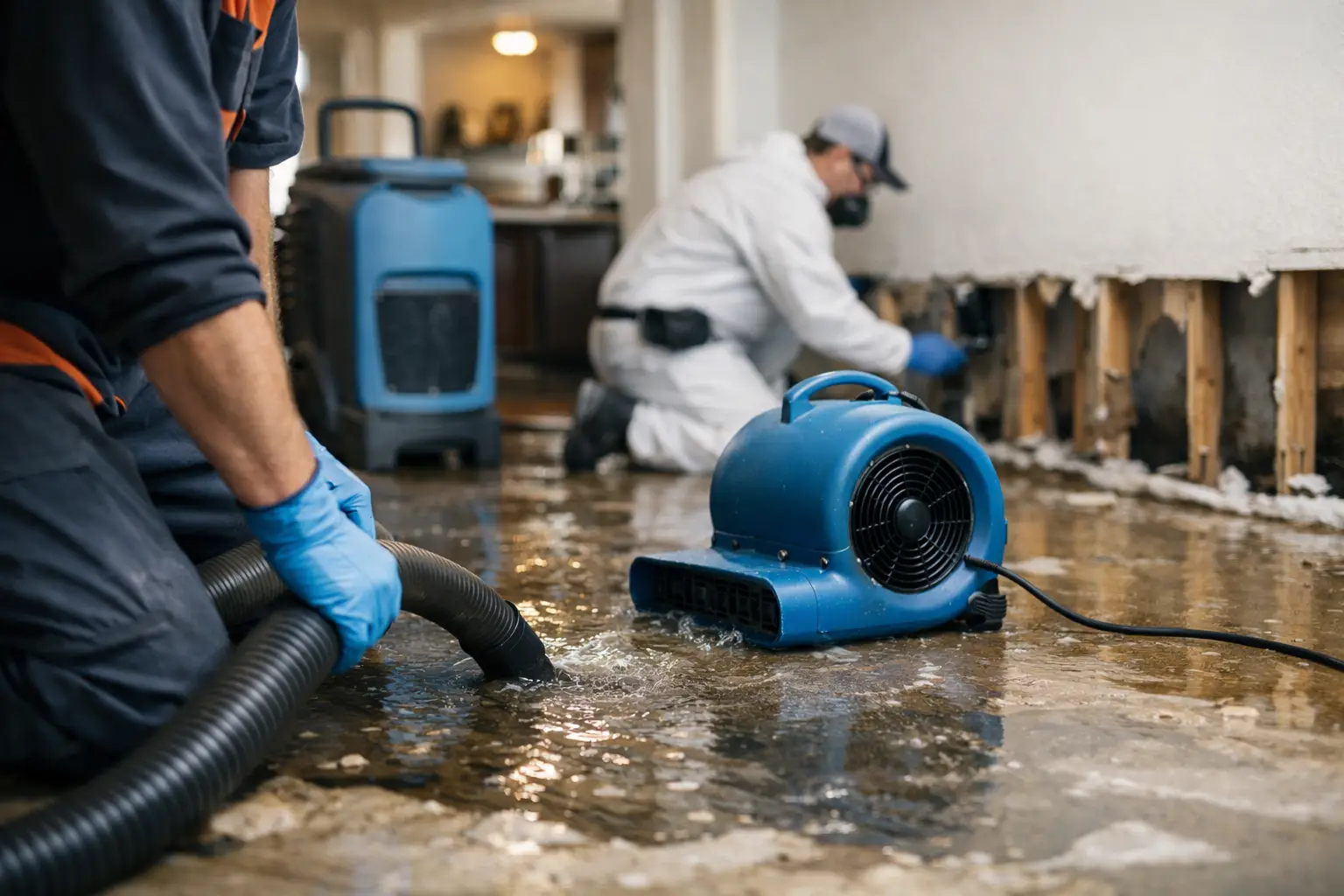 Water Damage
Extraction, structural drying, and moisture mapping after floods, leaks, and burst pipes.
Get help now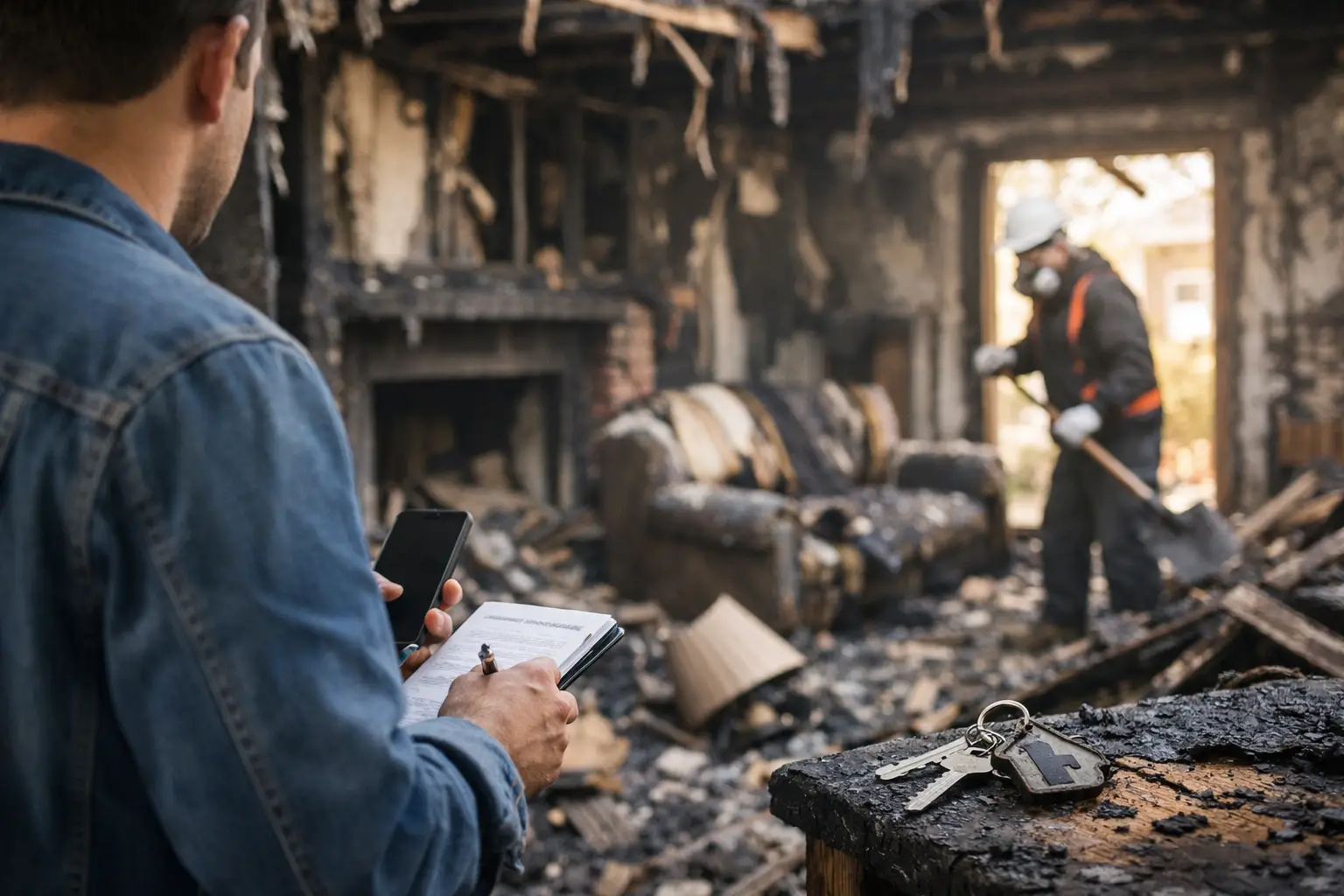 Fire & Smoke
Soot removal, odor deodorization, and content cleaning after fire and smoke damage.
Learn more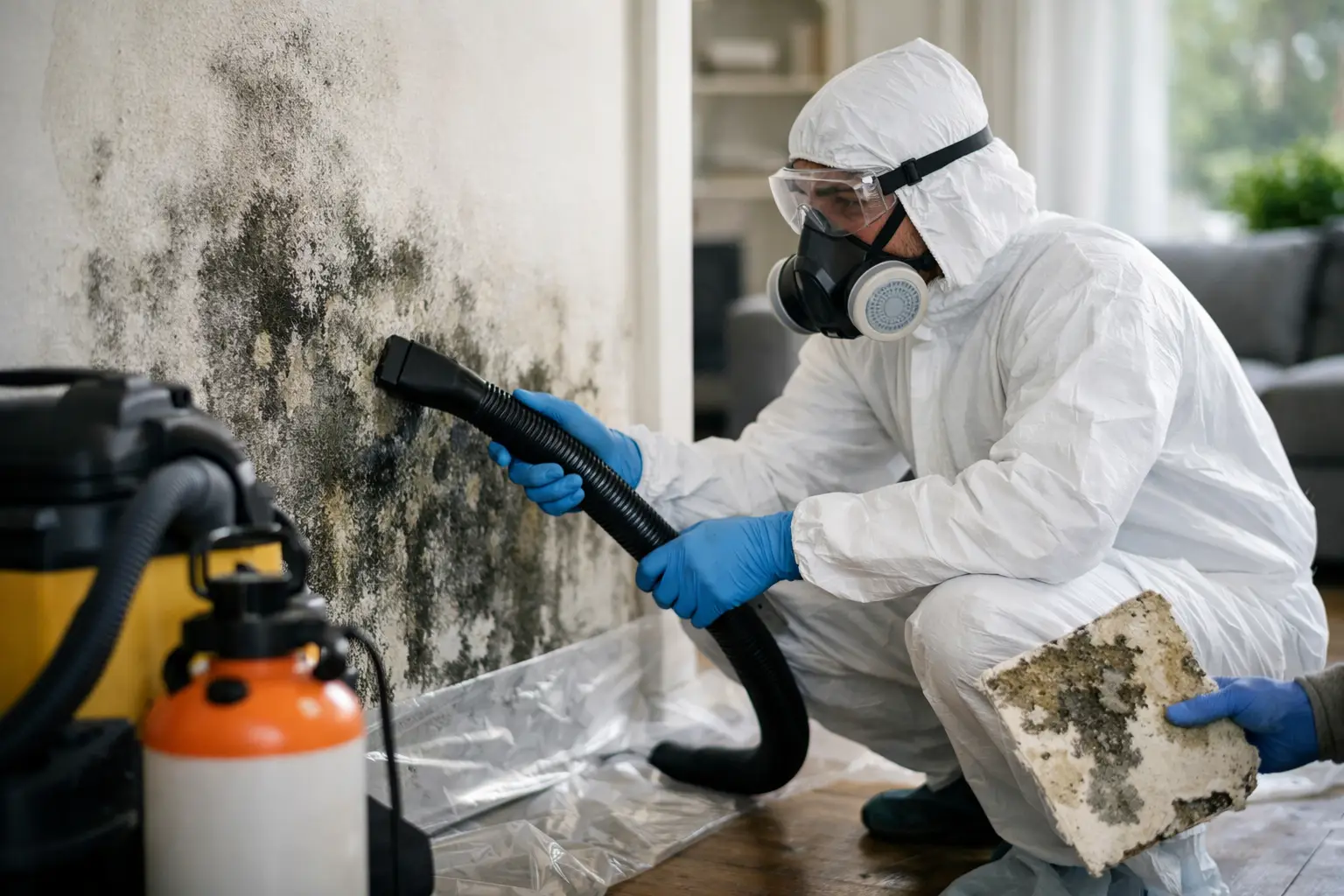 Mold
MoldContainment, removal, and moisture control that stops mold from coming back.
Learn more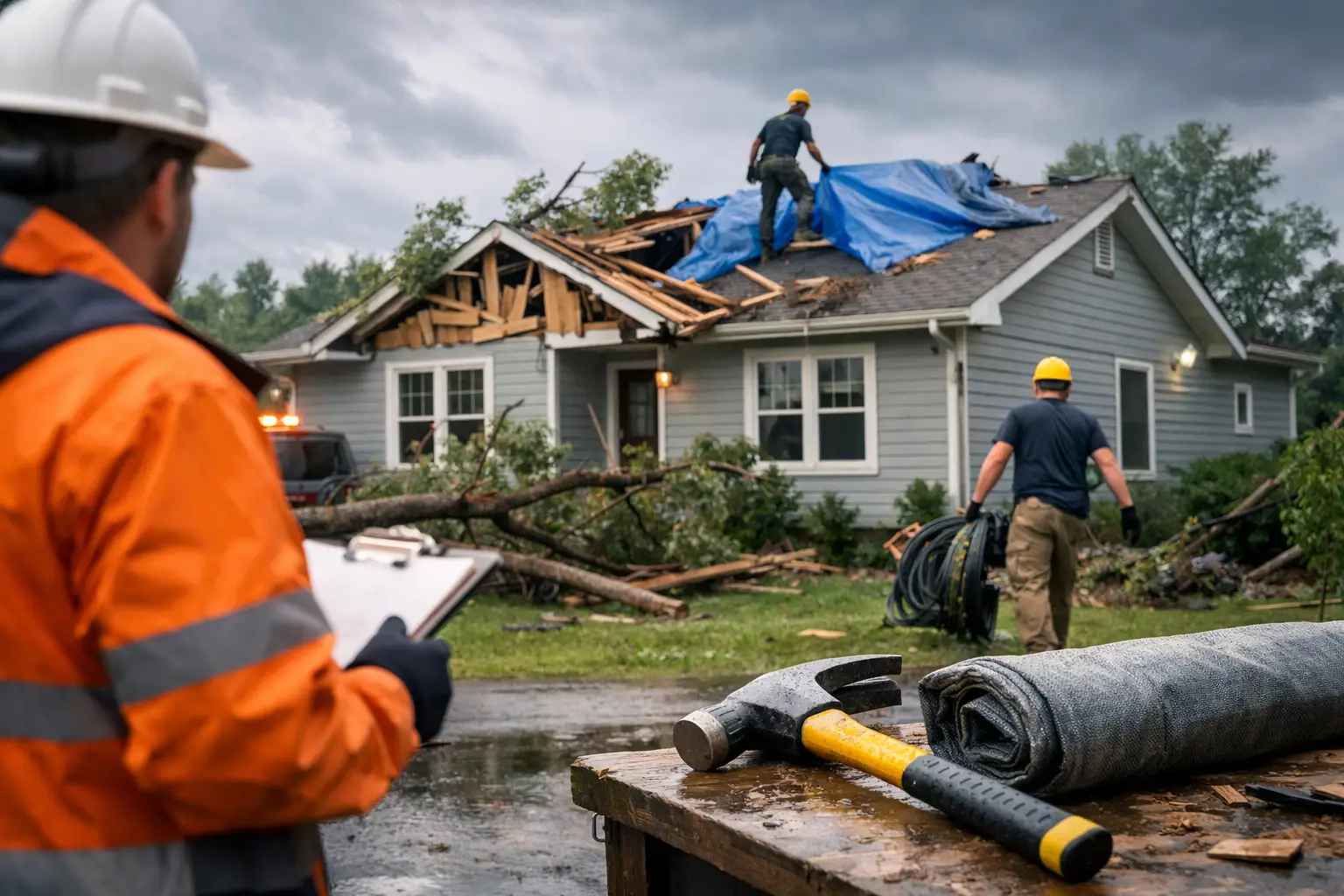 Storm
StormEmergency board-up, roof tarping, and full recovery after wind, hail, and storms.
Learn more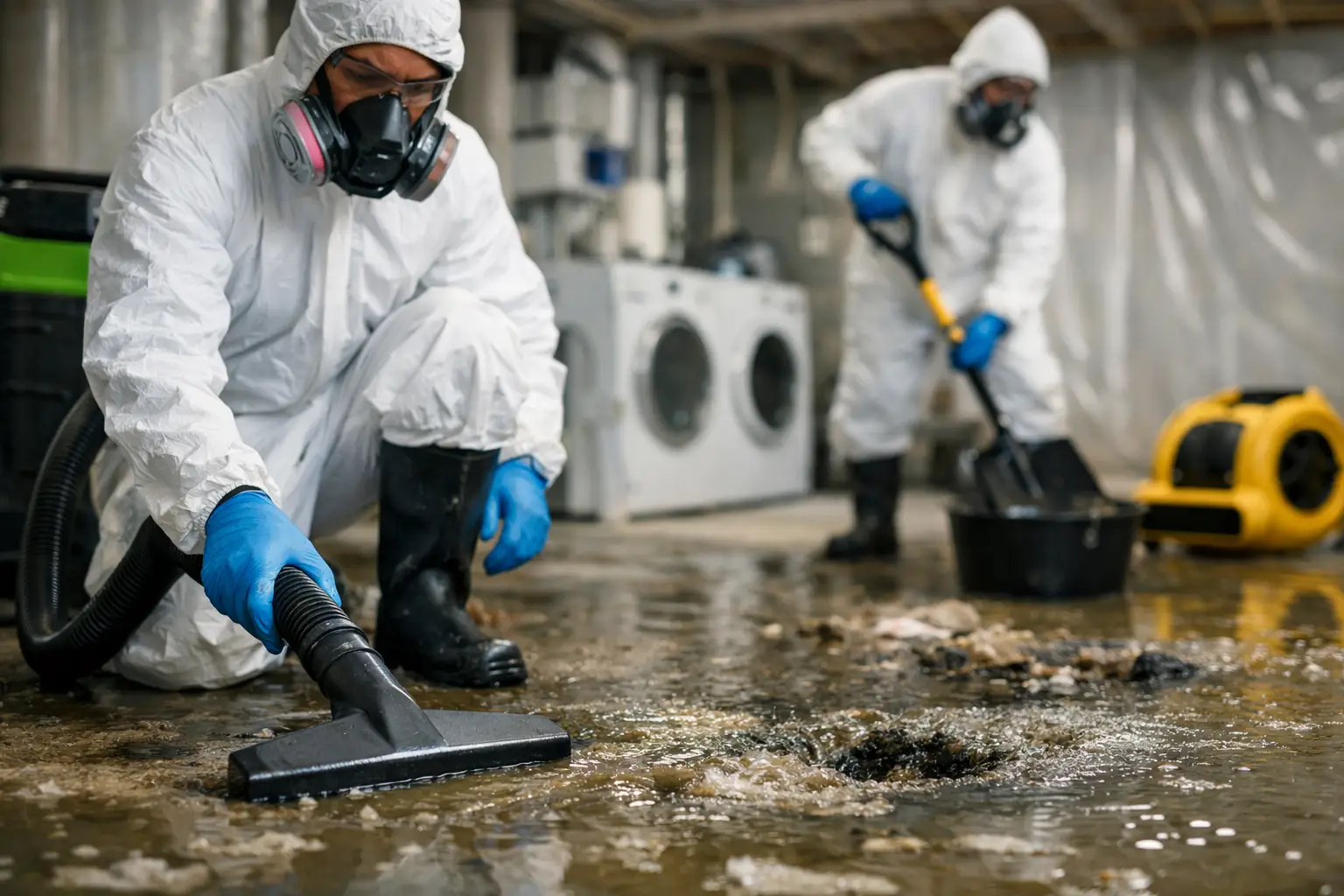 Sewage
Safe biohazard cleanup and sanitizing after sewage backups and overflows.
Learn more Reconstruction
Full rebuild by a licensed general contractor, so your property comes back whole.
Learn moreElevated Operations is an IICRC-certified, licensed general contractor based in Mableton that handles the entire recovery in-house, so after one loss you are never coordinating a cleanup crew, a mold crew, and a contractor separately. One team, one point of contact, from the first pump-out to the final coat of paint.
People call when the property feels like a disaster. They leave reviews because Chris and the crew made it right. These are real, verified Google reviews.
Expect the cost to depend on the actual loss, not the neighborhood name. In an intown bungalow, tight rooms, older finishes, and hidden wet areas can require more labor for water extraction, containment, and structural drying. I do not use invented numbers. I scope the work from the damage itself and document it for the claim.
Creek basements often push the job toward more moisture control and longer monitoring because water can sit below grade or behind finishes. That can mean more drying equipment, more follow-up checks, and a more complicated scope. The price tracks the work required to dry the structure correctly, not just the visible water.
Often, a sudden burst pipe is the kind of loss insurers review for coverage, but the policy language and facts still control. I document the water extraction, affected materials, and timeline so the claim has a clean record. Coverage is never automatic, but strong documentation helps the carrier evaluate it quickly.
The process starts with inspection, then water extraction, containment if needed, and drying equipment placement. After that, I monitor moisture levels and adjust structural drying until the space is stable. In creek-adjacent homes, hidden dampness is common, so the work has to go beyond what the eye can see.
I offer 60-minute emergency response 24/7. That matters when water is still moving through hardwoods, plaster, or basement materials. Fast arrival helps limit loss mitigation costs because the job can sometimes stay focused on drying instead of turning into larger removal and repair.
Yes, I use direct insurance billing when the claim is active and the carrier allows it. That reduces friction for homeowners who are already dealing with water damage. I still keep the scope clear and documented, because the insurer needs a clean record of the mitigation work done.
If the claim is covered, the deductible is the homeowner’s responsibility before policy payment applies to the covered portion. I explain the deductible in plain terms and can offer deductible assistance up to $1,000 when the claim and scope support it. The key is matching the loss to the policy first.
No, the method changes with the structure. Condos may have limited access and shared systems, while older Atlanta houses can hide moisture in walls, floors, and crawl spaces. The basic steps stay the same, but the cost and insurance documentation reflect the specific building and the actual water damage path.
Elevated Operations dispatches IICRC-certified crews across Metro Atlanta from our Mableton base, with a 60-minute emergency response day or night. Choose your city:
Call now for an immediate response, or request your free inspection and get a certified crew on-site within the hour across Atlanta and nearby areas.