24/7 Emergency Restoration · Serving Metro AtlantaEmergency? (770) 404-6895
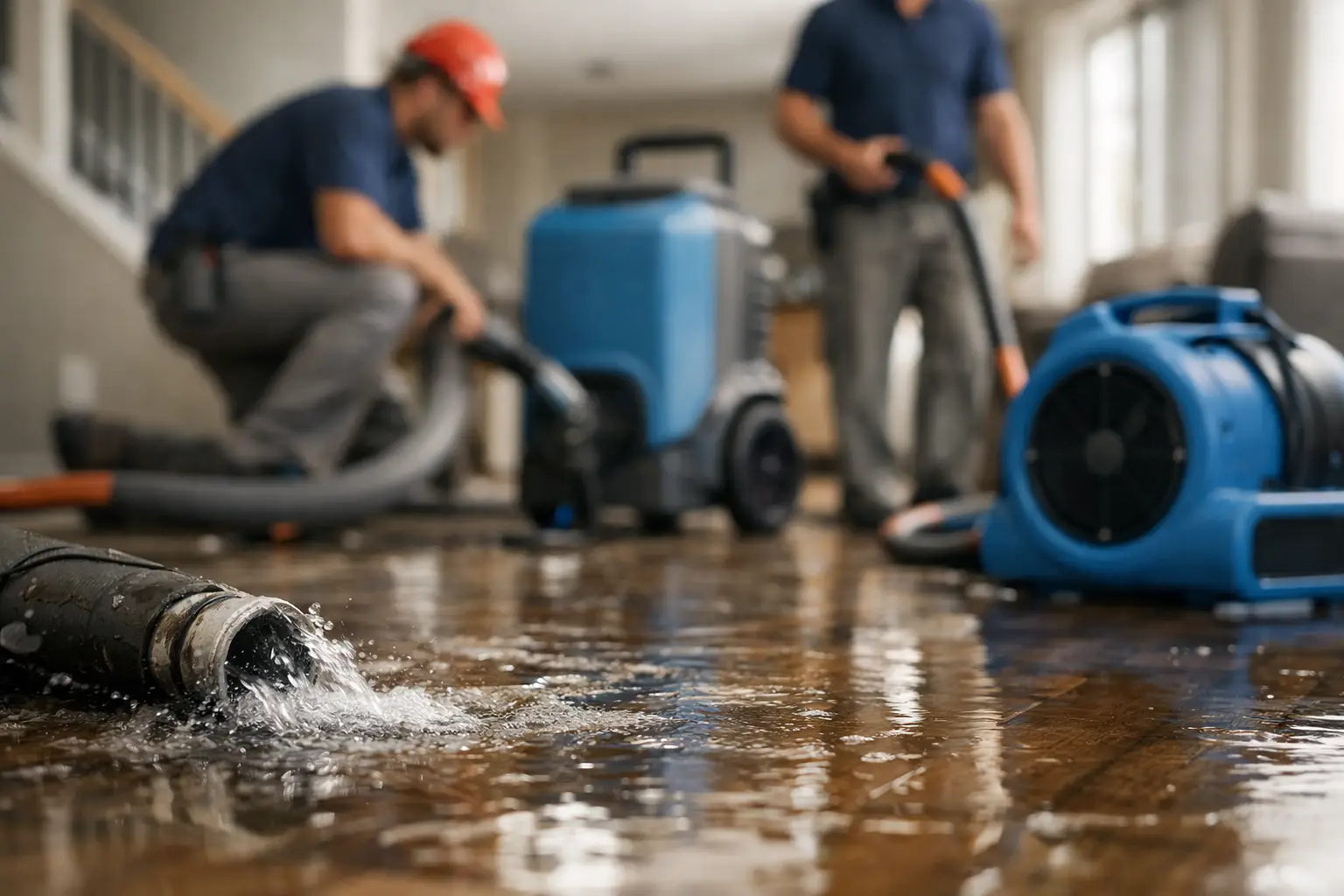
Contents cleaning and restoration Acworth families call us for when smoke, water, or storm damage hits a house near Lake Acworth, Allatoona dock homes, or older neighborhoods off Cobb Parkway. I am Chris Kwangwari, and I send IICRC-certified technicians, direct insurance billing, and careful pack out services when personal property needs real treatment.
IICRC-Certified · 5-Star Rated · 60-Minute Response · Insurance Billed Directly
Smoke odor clings to porous materials like upholstery, paper, and wood. If contents sit too long, the smell sinks deeper. Fast odor removal and proper cleaning make the difference.
If the leak touched stored items, electronics, or furniture, yes. Moving contents out often prevents more loss and lets us clean them correctly instead of trying to work around standing damage.
Yes. I handle furniture cleaning when the piece is salvageable and the material allows it. In Acworth basements, that often means acting before moisture, odor, and mildew set in.
I am the owner, IICRC-certified technicians do the work, and I keep it practical. No fluff. Just careful content restoration, direct insurance billing, and a 12-month warranty on the job.
Contents cleaning and restoration is the work of sorting, stabilizing, cleaning, drying, deodorizing, and storing personal property after fire, water, or smoke damage. In Acworth, I see it as protecting the items that make a house feel like home, from furniture cleaning to electronics cleaning and document drying.
A Lake Acworth ranch with wet carpet is one story. A basement near a creek line in Cobb County is another. We do not treat contents like junk. We identify what can be saved, what needs specialty cleaning, and what must move fast before mold starts in 24 to 48 hours.
Content cleaning is hands-on work. It can mean wiping soot from cabinets, drying paper records, handling odor removal on fabrics, or wrapping fragile keepsakes before they spread contamination to the rest of the room. And yes, we document what we remove so insurance records stay clean.
Some jobs start with the garage. Others start in a kitchen after a stovetop fire. But the process stays the same, controlled pack out services, careful sorting, and a plan that respects the property owner. Elevated Operations, LLLP has been in restoration since 2007, and I still insist on that discipline.
Yes, many damaged contents can be restored after a fire or flood in Acworth if the right steps start quickly. Smoke-damaged contents, wet furniture, books, and electronics often respond well to professional content restoration, especially when we act before corrosion, odor, and microbial growth take hold.
I have walked into homes near the Lake Acworth side where a minor fire left soot on everything from curtain rods to family photos. Those items were not disposable. With the right content restoration work, a lot of them could be cleaned, dried, and returned instead of replaced.
Floods hit differently. A lower level in Acworth may take on water from a burst pipe, a storm, or a drainage problem around the property. When that happens, we separate salvageable items, start document drying, and move delicate belongings into climate-controlled handling before the damage spreads.
Fire plus water is the worst combination. Soot becomes sticky, water pushes contamination deeper, and smell settles into fabric fast. That is where I make the call to use pack out services, direct insurance billing, and a methodical process that gives the contents a real chance.
We clean smoke damaged contents by sorting items by material, stabilizing them, and using the right method for each surface. That can include dry soot removal, wet cleaning, odor removal, electronics cleaning, and furniture cleaning, all matched to the type of smoke and the level of exposure.
Smoke from a kitchen fire in a newer Acworth subdivision does not behave like smoke from an older fireplace incident near a lakefront home. I look at residue first. Dry soot needs a different touch than greasy smoke, and pushing the wrong cleaner across a surface can ruin it.
Some items need immediate isolation. Books, upholstery, framed photos, and small appliances can carry smoke odor into the rest of the house if they sit too long. We package, tag, and clean them in the right order so content cleaning does not create a second problem.
Electronics are especially tricky. You do not guess with them. We handle them carefully, assess whether they are dry enough for recovery, and document what happened. I prefer honesty over drama. If something can be saved, I say so. If it cannot, I say that too.
During content restoration, many household items can be saved, including furniture, documents, photographs, decor, clothing, books, and some electronics. Salvage depends on the type of damage, how long it sat wet or smoky, and whether the item was protected from heat, soot, or contamination.
Near Lake Acworth, I have seen homeowners worry first about family albums and then about the couch. That is normal. Personal property restoration should start with what matters most, not what looks cheapest. We build the salvage plan around value, use, and emotional importance.
Furniture cleaning can rescue wood pieces, upholstered items, and dining sets if the damage is not too deep. Paper goods are different. Document drying has a short window, and once pages stick together or mildew starts, the odds drop fast. Timing matters in every room.
Some things usually require more caution. Mattresses, heavily saturated insulation, or items contaminated by sewage are not the same as a dresser with soot on the outside. I do not blur those lines. The job is to save what can be saved and keep the rest from spreading damage.
Pack out services protect contents by moving them out of the damaged structure for cleaning, drying, and sorting. In Acworth, they are often the smartest choice when a home near the lake, a crawlspace, or a basement has smoke, water, or odor damage that needs controlled handling.
A house near Allatoona dock can have exposure that starts small and gets worse by the hour. If the contents sit in place, moisture, soot, and odor settle deeper. Moving items out lets us work on them properly and keeps the rest of the home from becoming more contaminated.
I use pack out services when the scene is messy enough that on-site cleaning would risk more loss. That includes crowded rooms, tight hallways, and homes with layered damage from leaks or fire. The point is control. Without control, contents restoration turns into guesswork.
We inventory the property, handle the move carefully, and keep the insurance side organized. That matters in Acworth, where homeowners expect straight answers. I do not like loose paperwork. A clean chain of custody helps everyone, and it keeps the focus on the belongings, not the confusion.
We handle personal property restoration in older Acworth houses by matching the cleaning method to the material, the age of the item, and the damage pattern. Older homes often have wood furniture, heirlooms, books, and mixed finishes that require more judgment than a one-size-fits-all cleanup.
Older Acworth houses can hide the problems well. A small supply line leak in a laundry room may run under baseboards and reach furniture or boxes before anybody notices. When that happens, we sort by salvage potential, not by appearance alone, because looks can lie.
I pay attention to what the item is made of. Veneer, solid wood, paper, metal, and fabric all behave differently after damage. One bad cleaning choice can warp a family table or set a smoke odor deeper into a chair. That is why experience matters.
We also work around the life of the home. If the property is occupied, the process has to stay organized and respectful. If it is vacant near the lake or in a quiet pocket of Cobb County, we still keep the same standards. No shortcuts. No drift.
Water tracked into storage boxes, family albums, and a sectional. We pulled the contents, started document drying on the important papers, cleaned the furniture, and separated the damaged pieces before mold could take hold.
A cooking flare-up left soot on patio cushions, decor, and electronics near the entry. We handled odor removal, electronics cleaning, and careful content restoration so the homeowner could keep more than they expected.
The leak spread under a hall closet and into stored clothing, wood furniture, and keepsakes. We used pack out services, sorted the salvageable items, and kept the insurance file clean from the start.
From emergency mitigation to full reconstruction, handled in-house so you are never managing a chain of subcontractors mid-crisis.
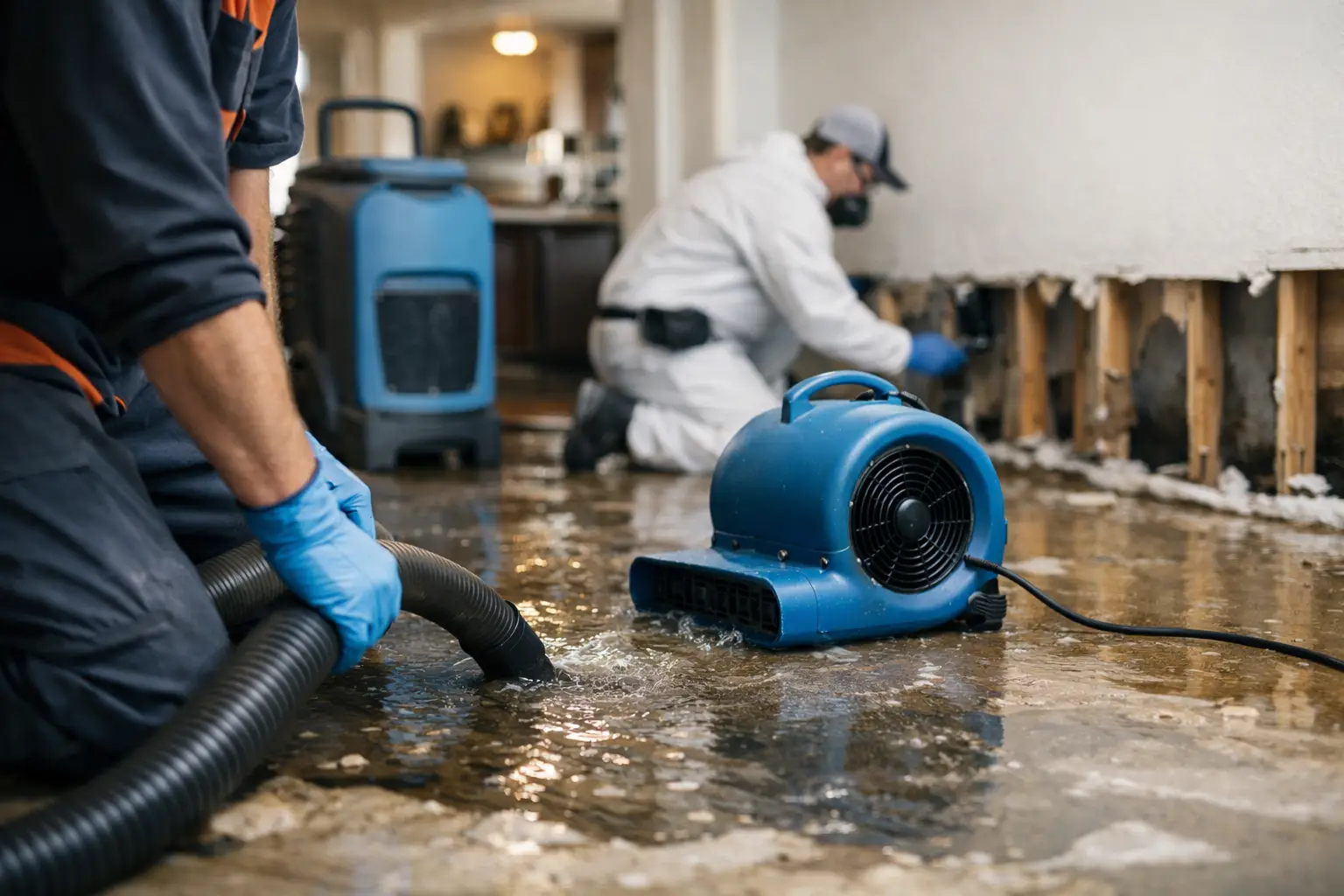 Water Damage
Extraction, structural drying, and moisture mapping after floods, leaks, and burst pipes.
Get help now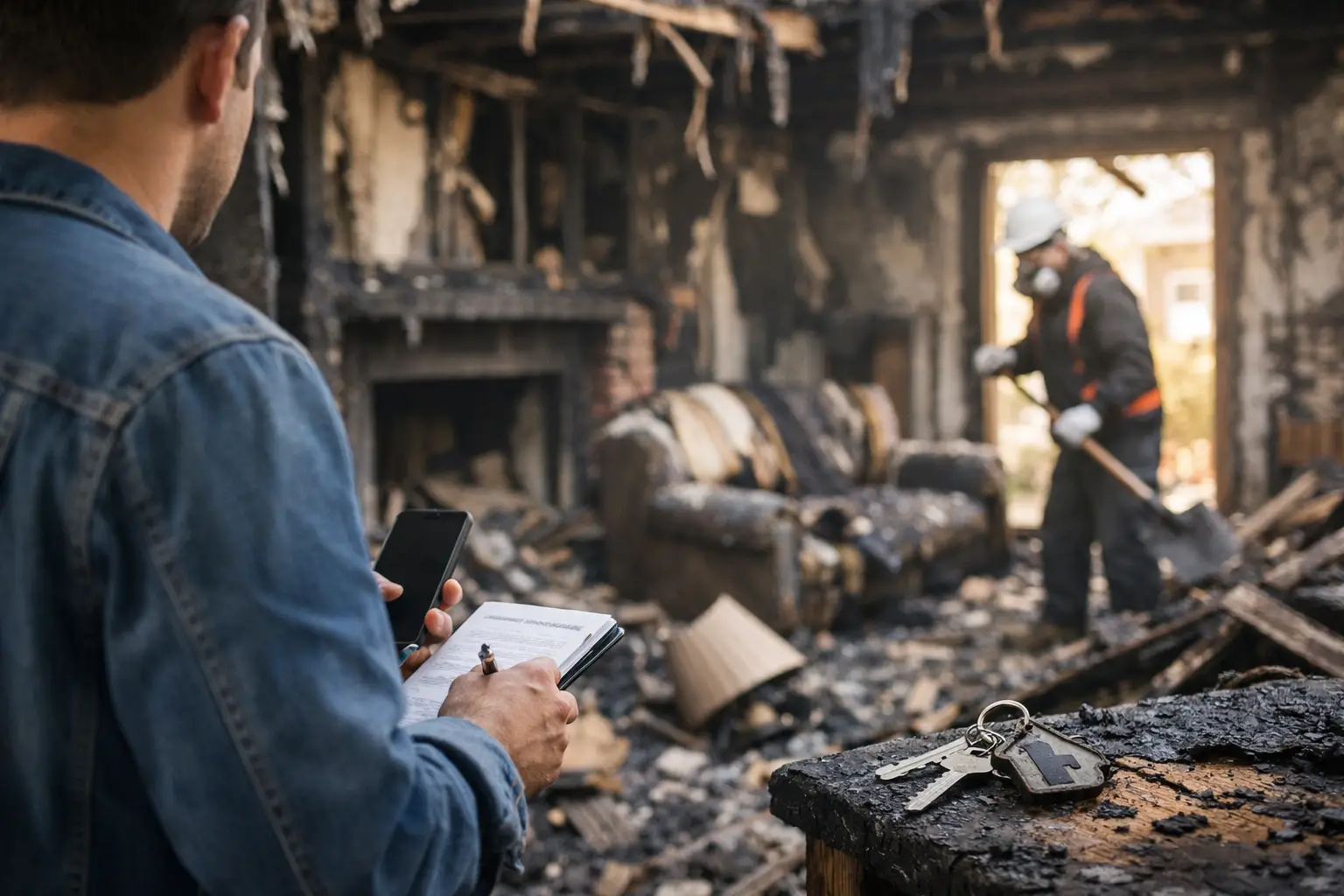 Fire & Smoke
Soot removal, odor deodorization, and content cleaning after fire and smoke damage.
Learn more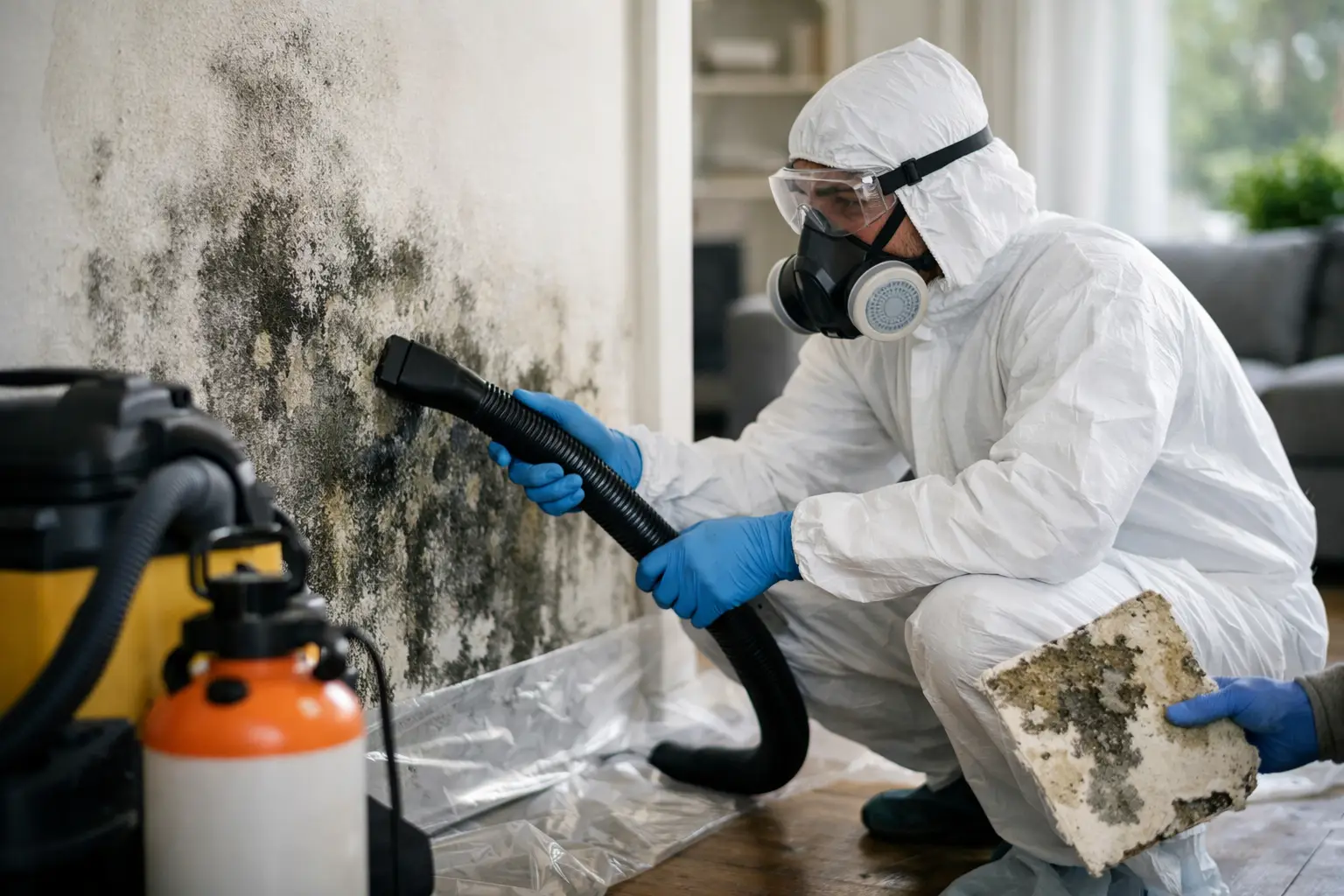 Mold
MoldContainment, removal, and moisture control that stops mold from coming back.
Learn more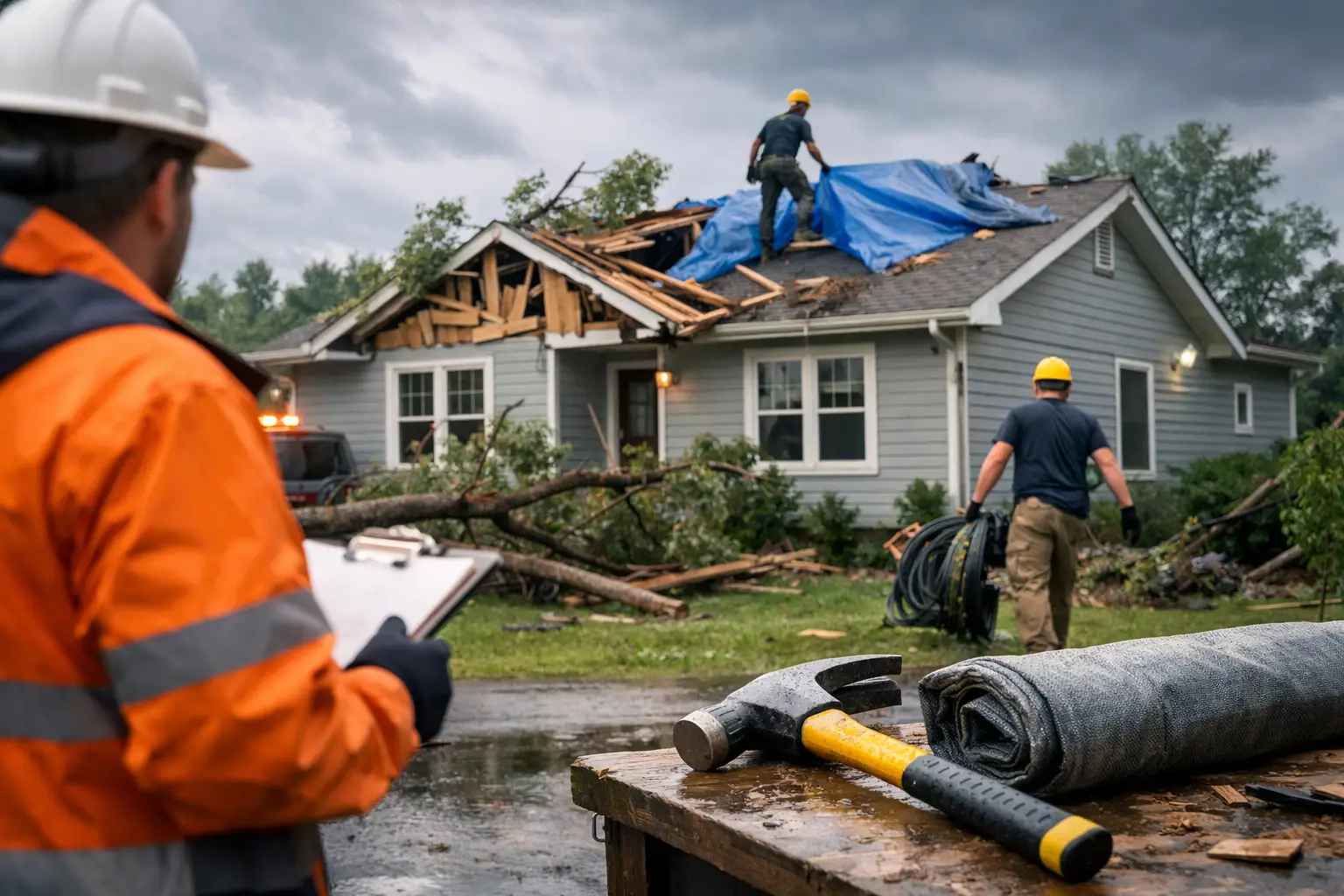 Storm
StormEmergency board-up, roof tarping, and full recovery after wind, hail, and storms.
Learn more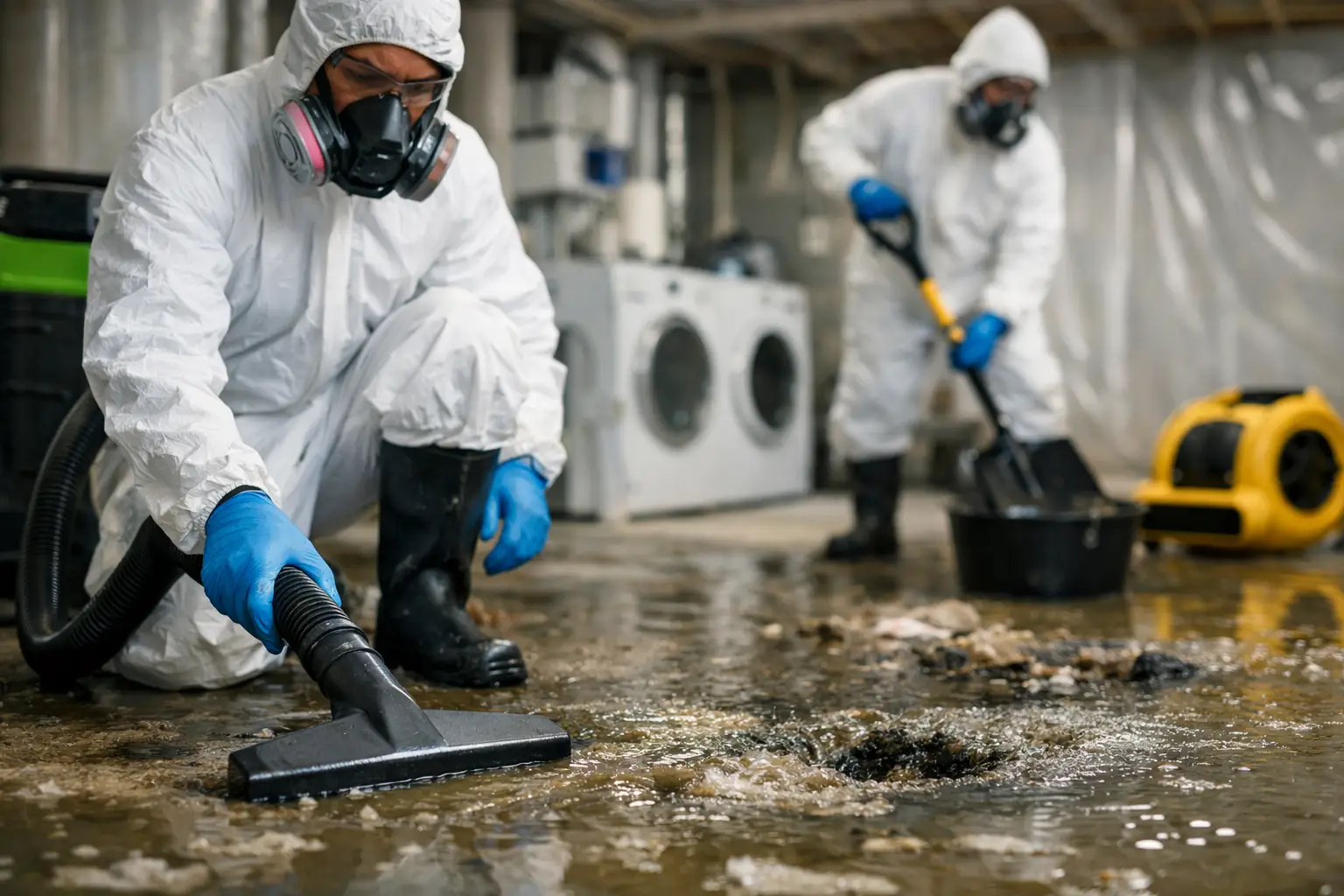 Sewage
Safe biohazard cleanup and sanitizing after sewage backups and overflows.
Learn more Reconstruction
Full rebuild by a licensed general contractor, so your property comes back whole.
Learn moreElevated Operations is an IICRC-certified, licensed general contractor based in Mableton that handles the entire recovery in-house, so after one loss you are never coordinating a cleanup crew, a mold crew, and a contractor separately. One team, one point of contact, from the first pump-out to the final coat of paint.
People call when the property feels like a disaster. They leave reviews because Chris and the crew made it right. These are real, verified Google reviews.
It includes sorting, inventory, pack out services, cleaning, drying, deodorizing, and safe storage of personal property after fire, water, or smoke damage. In Acworth, that can mean furniture cleaning, electronics cleaning, document drying, and odor removal for items from a basement, attic, or whole home. I treat the contents as part of the recovery, not an afterthought.
Yes, many smoke damaged contents from a Lake Acworth home can be restored if we get to them quickly and choose the right cleaning method. Soot on hard surfaces, upholstery, books, and decor often responds well to professional content cleaning. The key is not waiting while odor and residue settle deeper into the materials.
We assess each device before touching it, because wet electronics need careful handling and fast decisions. Some items can be stabilized and cleaned, while others cannot be safely recovered. In Acworth, where water can spread from a lower level or garage area, I prefer documentation first, then controlled electronics cleaning and insurance reporting.
Call right away. Once contents stay wet, the risk rises quickly, and mold starts in 24 to 48 hours. That matters for books, upholstered furniture, clothing, and papers in Acworth homes, especially if the damage came from a basement leak, storm water, or a burst pipe. Fast response protects more salvageable property.
We can coordinate both. Contents cleaning and restoration works best when the structure is handled at the same time, because wet walls, floors, and insulation keep damaging the belongings around them. In Acworth, I often see this in homes near the lake, where water, humidity, and trapped odor all need attention together.
Yes, document drying is part of what we do when papers, photos, or records get wet. I have seen family files, school papers, and photographs damaged by leaks in Acworth homes near older neighborhoods and lake properties. The faster we separate and dry them, the better the chance of saving readable, meaningful material.
We look at the material, the level of exposure, the length of time since damage, and the item’s value to the homeowner. In Acworth, that often means saving furniture, books, decor, and keepsakes while being realistic about items that are too contaminated or too degraded to recover safely.
Yes, I offer direct insurance billing, and I keep the paperwork tight so the claim side stays organized. That helps when a Lake Acworth home, an Allatoona dock property, or a house off Cobb Parkway needs content restoration after fire or water damage. I also offer deductible assistance up to $1,000 when applicable.
Elevated Operations dispatches IICRC-certified crews across Metro Atlanta from our Mableton base, with a 60-minute emergency response day or night. Choose your city:
Call now for an immediate response, or request your free inspection and get a certified crew on-site within the hour across Atlanta and nearby areas.