24/7 Emergency Restoration · Serving Metro AtlantaEmergency? (770) 404-6895
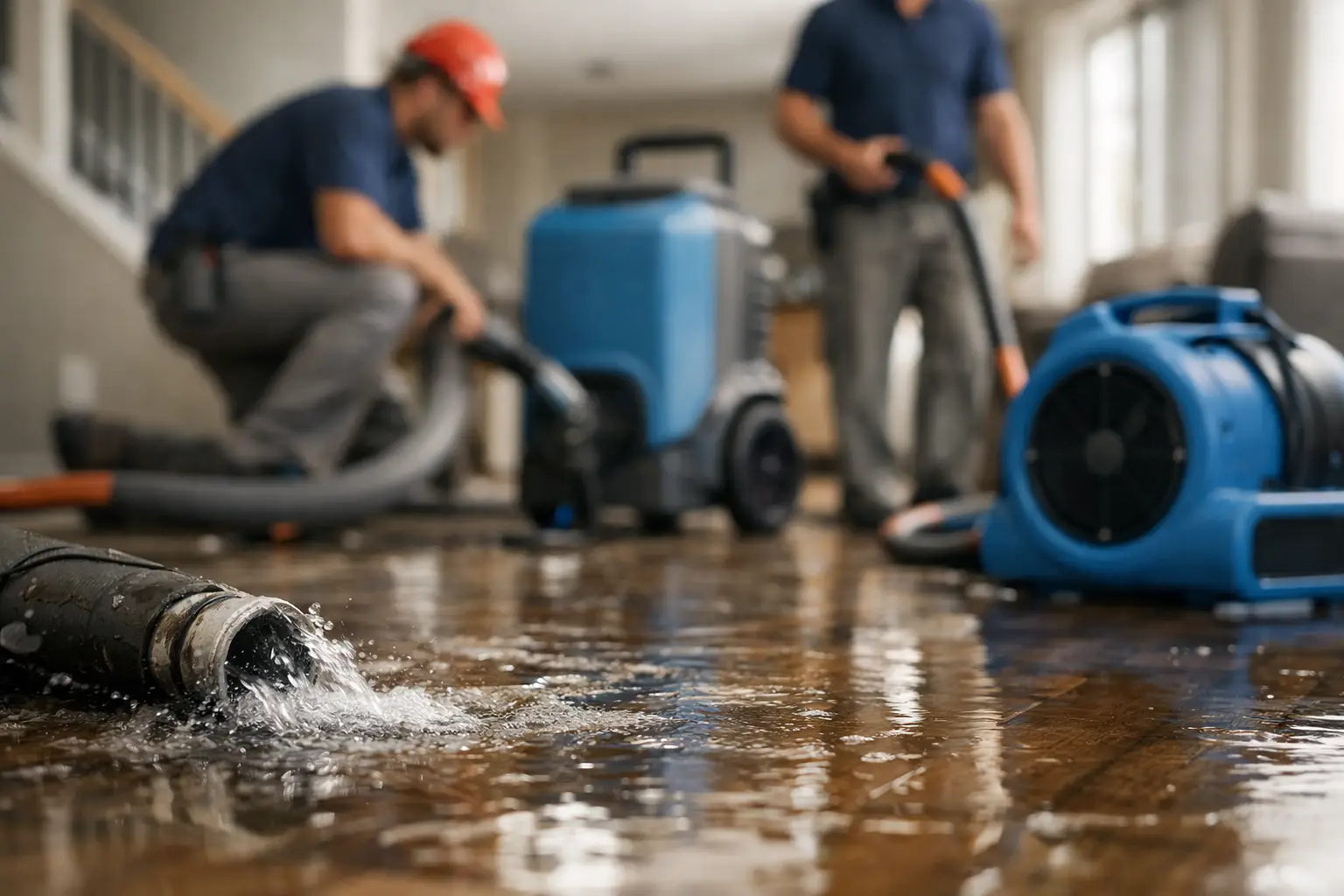
Disaster reconstruction contractor Mableton means I move fast after fire, water, storm, or impact damage, because the first hour shapes the whole job. My Mableton-based crew responds 24/7, starts stabilization, documents damage for insurance, and protects the structure before small losses turn into bigger repairs.
IICRC-Certified · 5-Star Rated · 60-Minute Response · Insurance Billed Directly
I offer 24/7 emergency response with a 60-minute emergency response goal. If the structure is in trouble, I want to move immediately, especially for homes near the Silver Comet corridor.
Yes. I offer direct insurance billing and help organize the claim side while the construction side moves forward. That keeps the project from stalling.
I serve Cobb, Fulton, DeKalb, Douglas, Clayton, Henry, and Paulding counties from my Mableton base.
I have been in restoration since 2007, I am IICRC-certified, licensed as a general contractor, and I back the work with a 12-month warranty. I answer to my name and my company.
I send a local crew fast, assess the damage, and start stabilization right away. In the first hour, I focus on safety, water or debris control, and securing the structure so the loss does not spread while we prepare the rebuild path.
You reach me at (770) 404-6895, and I treat the call like what it is, an emergency. Elevated Operations, LLLP is based in Mableton, so I am not sending someone from three counties away. I want eyes on the building, not excuses.
The first visit is about control. I look for active leaks, compromised framing, damaged drywall, wet flooring, and anything that threatens the structure. If the job sits near the Silver Comet, I know the access patterns, the neighborhoods, and the kind of homes we see across this part of Cobb County.
Then I start the paper trail. IICRC-certified technicians document conditions for direct insurance billing, and I coordinate the next steps with the goal of keeping the work moving. Chris Kwangwari owns the company, I am a licensed general contractor, and I stand behind the work with a 12-month warranty.
Speed matters because damage grows while you wait. Water migrates, materials weaken, and mold can start in 24 to 48 hours. Fast response helps preserve more of the structure, reduces rebuild scope, and keeps the project from turning into a full reconstruction when a smaller repair would have worked.
I have been in restoration since 2007, and I have seen simple damage turn into major property reconstruction because someone waited for the weekend to pass. That delay can mean more demolition, more drying, more structural repairs, and a longer insurance claim.
Mableton homes see a mix of older construction and newer finishes, which means one leak can spread fast through drywall installation areas, flooring replacement zones, and framing repair points. If the water gets into hidden cavities, the fix gets larger and more expensive to manage.
And this is why I keep the response tight. A 60-minute emergency response 24/7 is not a slogan to me, it is the difference between securing a room and rebuilding half a house. Quick stabilization protects the parts of the structure that are still worth saving.
I handle the rebuild after the emergency work is done. That means damage assessment, demo where needed, structural repairs, roof repair, drywall installation, framing repair, flooring replacement, and full rebuild work that puts the property back into usable condition.
A disaster reconstruction contractor is not just a cleanup crew. I step in when the building needs actual construction again, after fire, water, storm, or impact damage. My job is to move from stabilization to property reconstruction without wasting time or letting gaps sit open.
That can mean replacing damaged framing, repairing a roof leak that caused the loss, or rebuilding walls and finishes after demolition. Some jobs are narrow. Some become a full rebuild. I do not guess at scope, I look at what the structure needs and what insurance will support.
In Mableton, that matters because many losses involve a chain reaction, one broken exterior point leading to soaked interiors and hidden structural issues. My team does the work with IICRC-certified technicians and direct insurance billing, so the rebuild can keep moving instead of stalling in paperwork.
Yes, and I think that is usually the better path. One contractor can coordinate the emergency response, demolition, drying support, and reconstruction, which reduces handoff delays and keeps the scope aligned from the first hour through the rebuild.
I prefer one accountable contractor because chaos gets expensive when different crews blame each other. If I am on the job from the start, I can document the loss, coordinate with insurance, and plan the rebuild based on what was actually damaged, not what somebody assumed.
That is especially useful when the work includes drywall installation, framing repair, structural repairs, or flooring replacement. Those tasks all connect. If the cleanup crew cuts too much, the rebuild gets larger. If the rebuild crew never saw the damage source, leaks and failures can come back.
Being based in Mableton helps. I know the routes around the Silver Comet corridor, and I know how to get a crew moving without losing a day to logistics. That local base matters when a house needs immediate stabilization and then a clean transition into construction.
You need reconstruction when damage has crossed from cleanup into actual building repair. If walls are open, framing is damaged, the roof failed, floors are ruined, or the structure is no longer safe or functional, reconstruction is the right move.
A lot of people wait too long because they hope drying or cleaning will solve everything. Sometimes it will. But if the damage reaches framing, subfloor, wall assemblies, or the roof system, you are no longer talking about a minor fix. You are talking about rebuilding part of the property.
In Mableton, I see this after storms, burst pipes, and fires. The signs are obvious if you know what to look for, bowing drywall, soft flooring, odors, visible soot, or leaks that keep coming back. Those are reconstruction problems, not cosmetic problems.
I always tell owners to act early. The faster I inspect, the faster I can tell you whether you need targeted structural repairs or a larger full rebuild. That distinction matters, because the right call in the first day can save weeks of extra work.
It depends on the damage, the materials involved, and how quickly the emergency phase gets controlled. The early response is immediate, but reconstruction only starts after the structure is stabilized, the loss is documented, and the scope is confirmed.
I do not make up timelines, because every loss is different. A small roof repair after storm damage is one thing. A fire that requires framing repair, drywall installation, flooring replacement, and a full rebuild is a different job entirely.
What I can say is this, speed at the start shortens the road later. If I can stabilize the property fast, dry what can be saved, and confirm the scope with insurance quickly, then the rebuild phase has fewer surprises and fewer stop-and-start delays.
That is why my team works on a tight emergency rhythm. Chris Kwangwari built Elevated Operations around accountability, and the 12-month warranty backs the finished work. I want the building usable again, not trapped in a half-done condition.
You call, and I mobilize a local Mableton crew. We assess access, safety, active damage, and immediate threats, then start stabilization so the problem does not keep spreading.
We document conditions, communicate the scope, and move into protection work. That may include securing openings, checking for water intrusion, and preparing for direct insurance billing while I map the rebuild path.
IICRC-certified technicians help separate what can be saved from what must go. This is where demolition, structural repairs planning, and rebuild prep come together, especially after water, fire, or storm losses near the Silver Comet area.
Once the structure is ready, we move into property reconstruction, framing repair, drywall installation, flooring replacement, roof repair, and full rebuild work. I keep the job moving and back the finished work with a 12-month warranty.
From emergency mitigation to full reconstruction, handled in-house so you are never managing a chain of subcontractors mid-crisis.
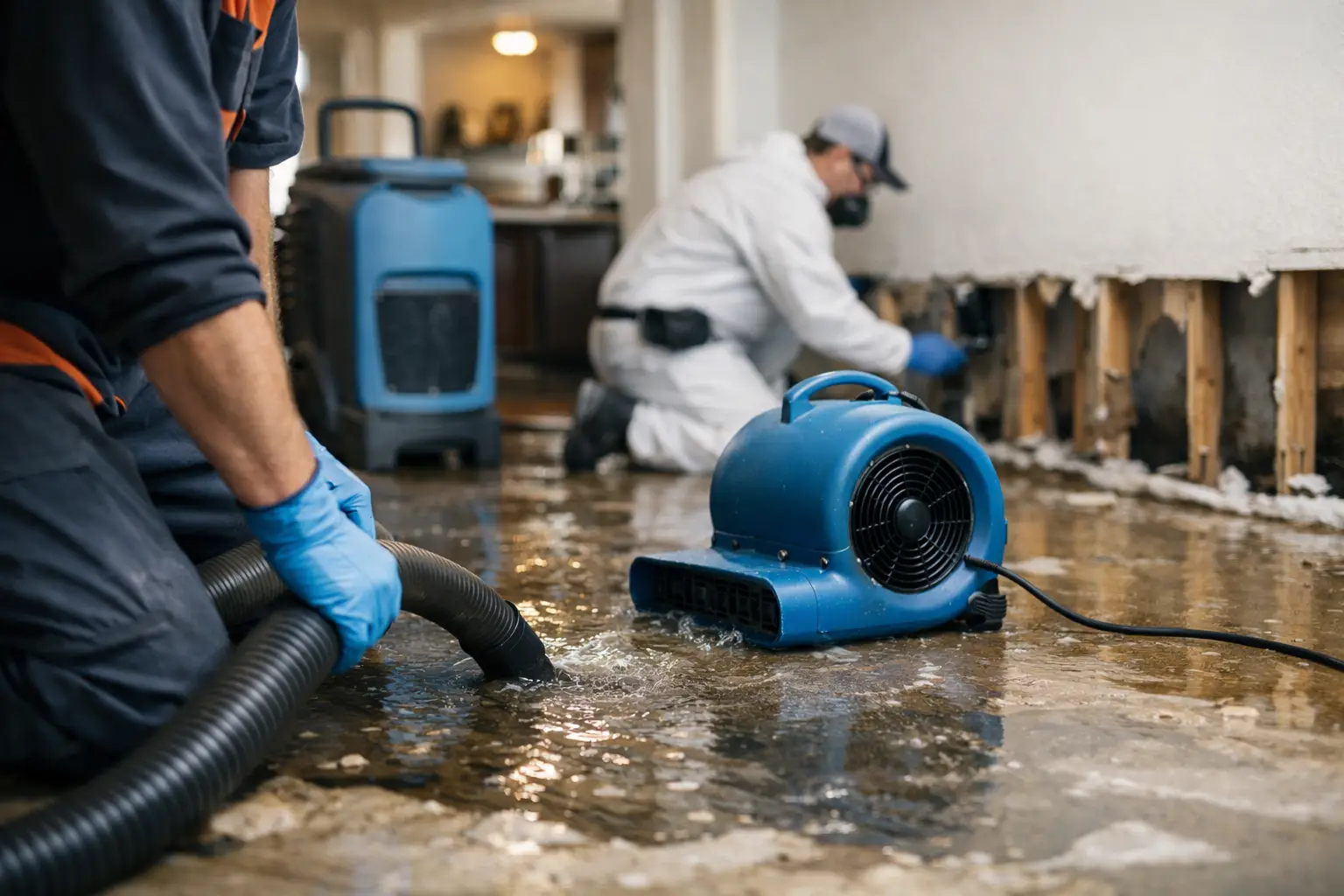 Water Damage
Extraction, structural drying, and moisture mapping after floods, leaks, and burst pipes.
Get help now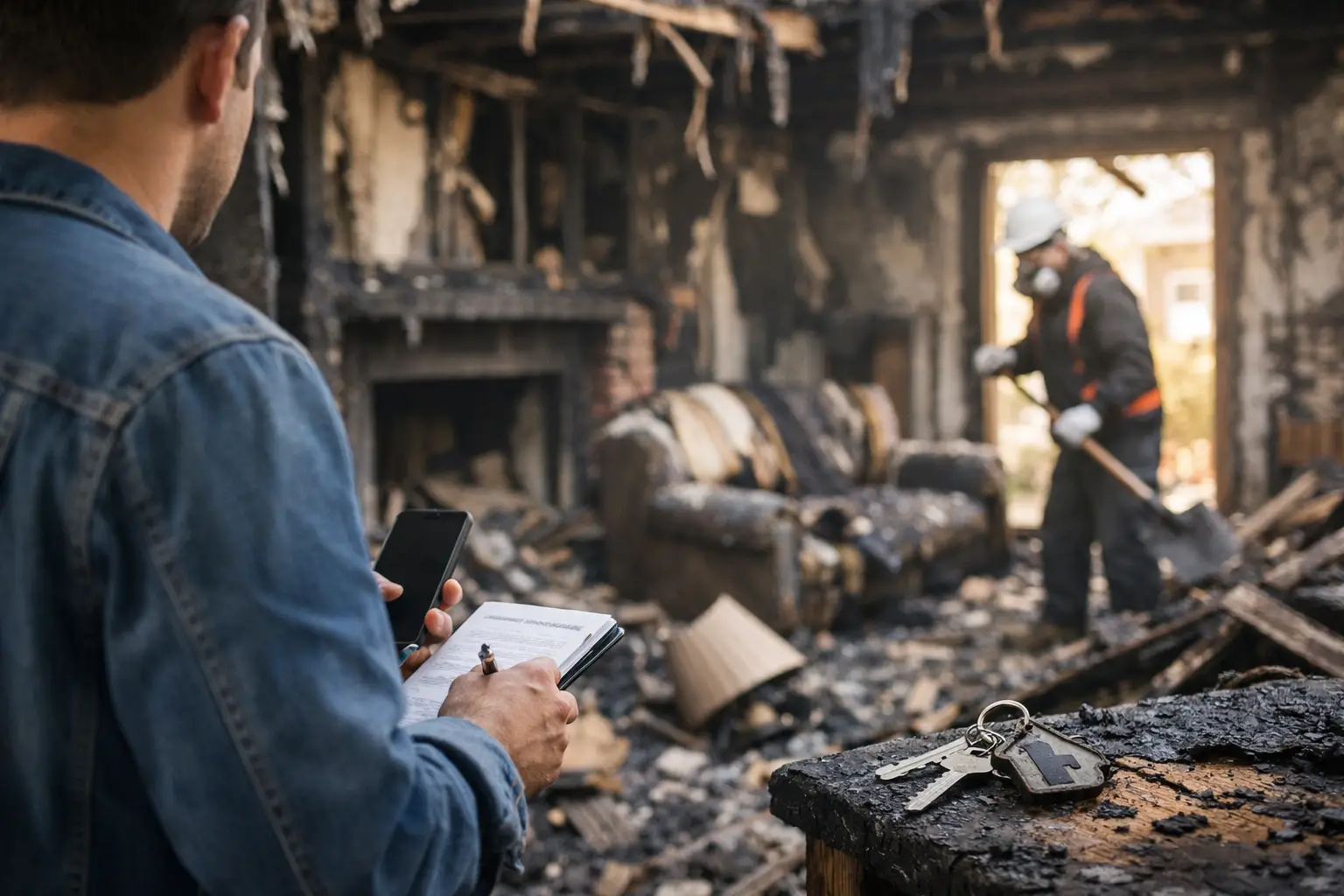 Fire & Smoke
Soot removal, odor deodorization, and content cleaning after fire and smoke damage.
Learn more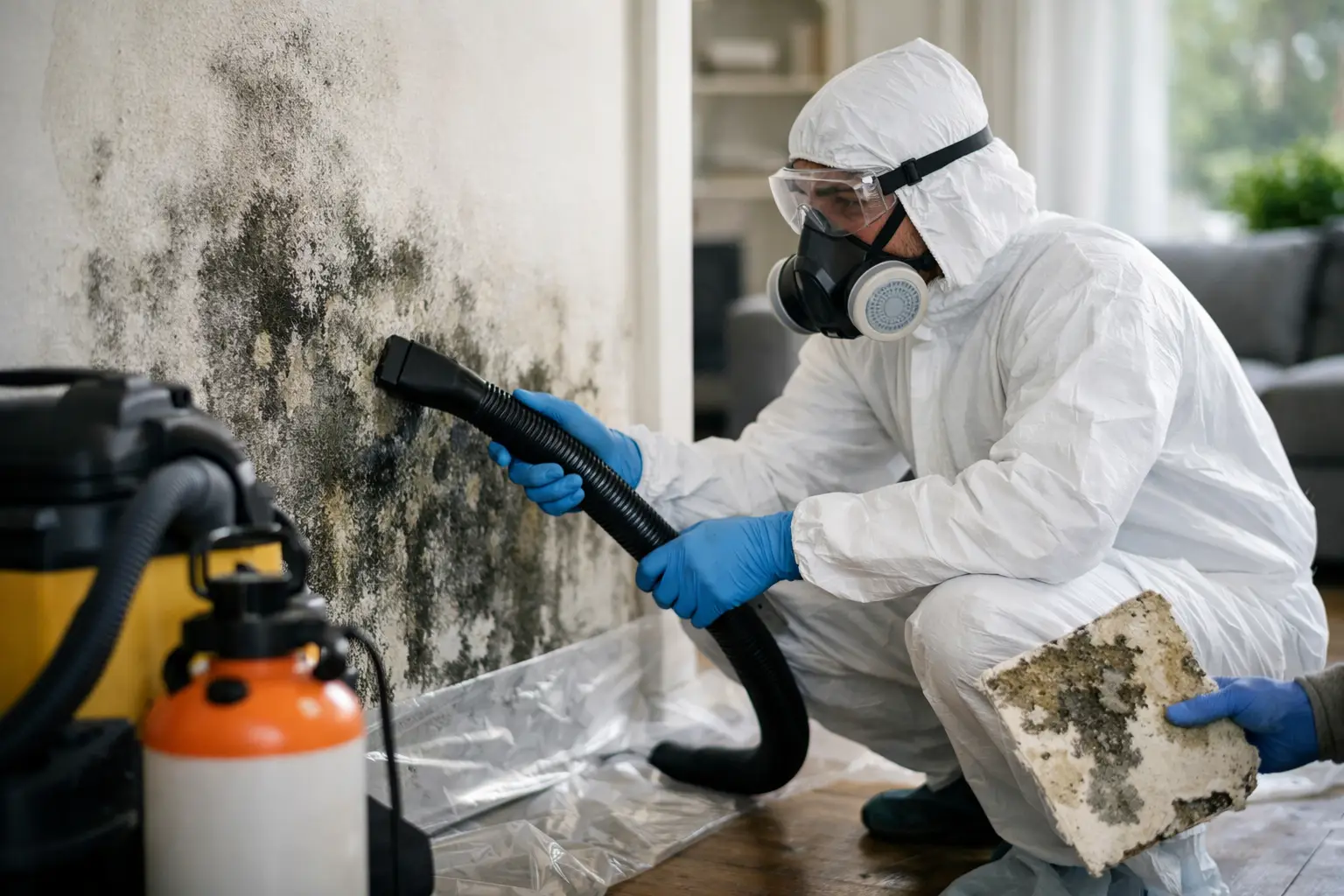 Mold
MoldContainment, removal, and moisture control that stops mold from coming back.
Learn more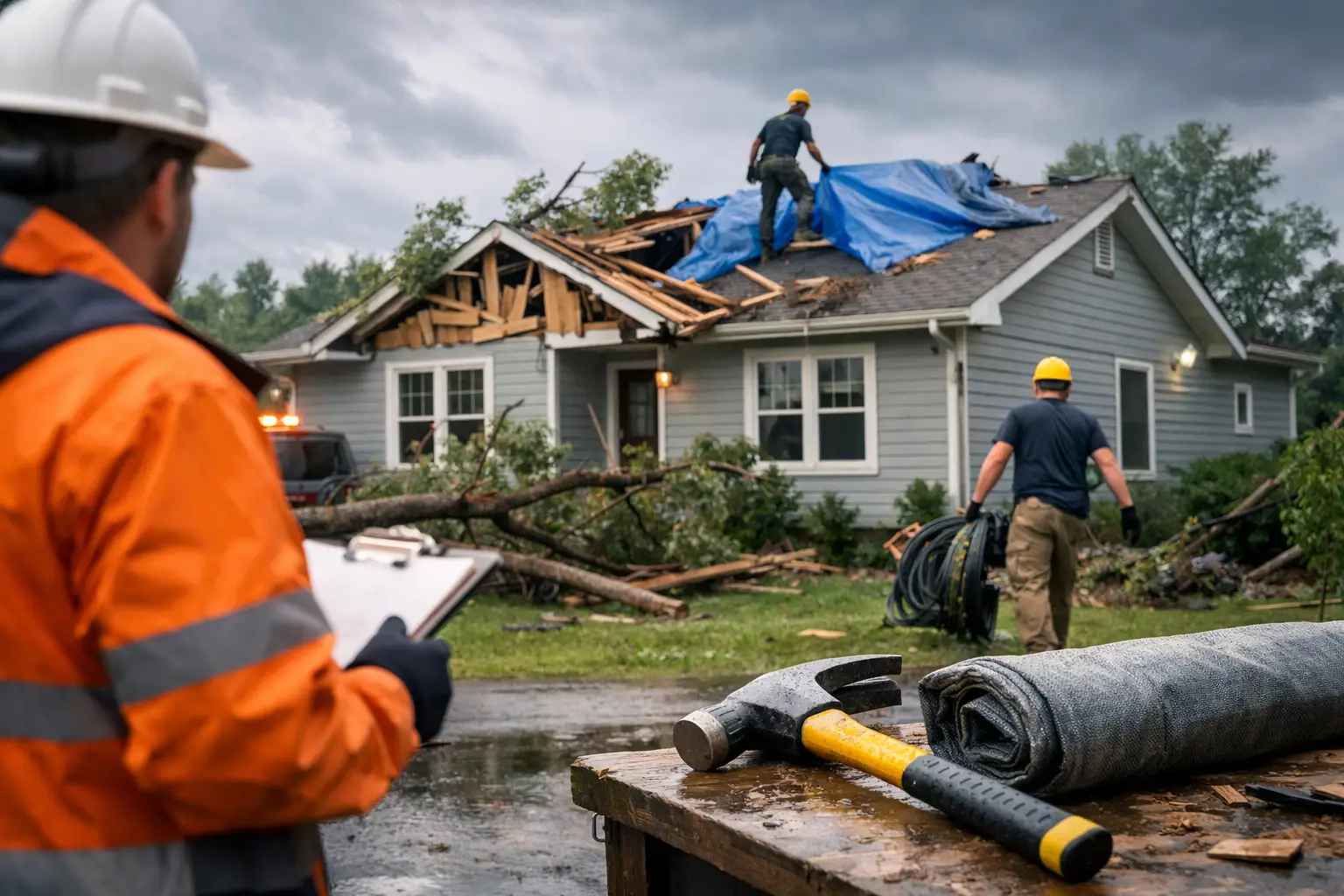 Storm
StormEmergency board-up, roof tarping, and full recovery after wind, hail, and storms.
Learn more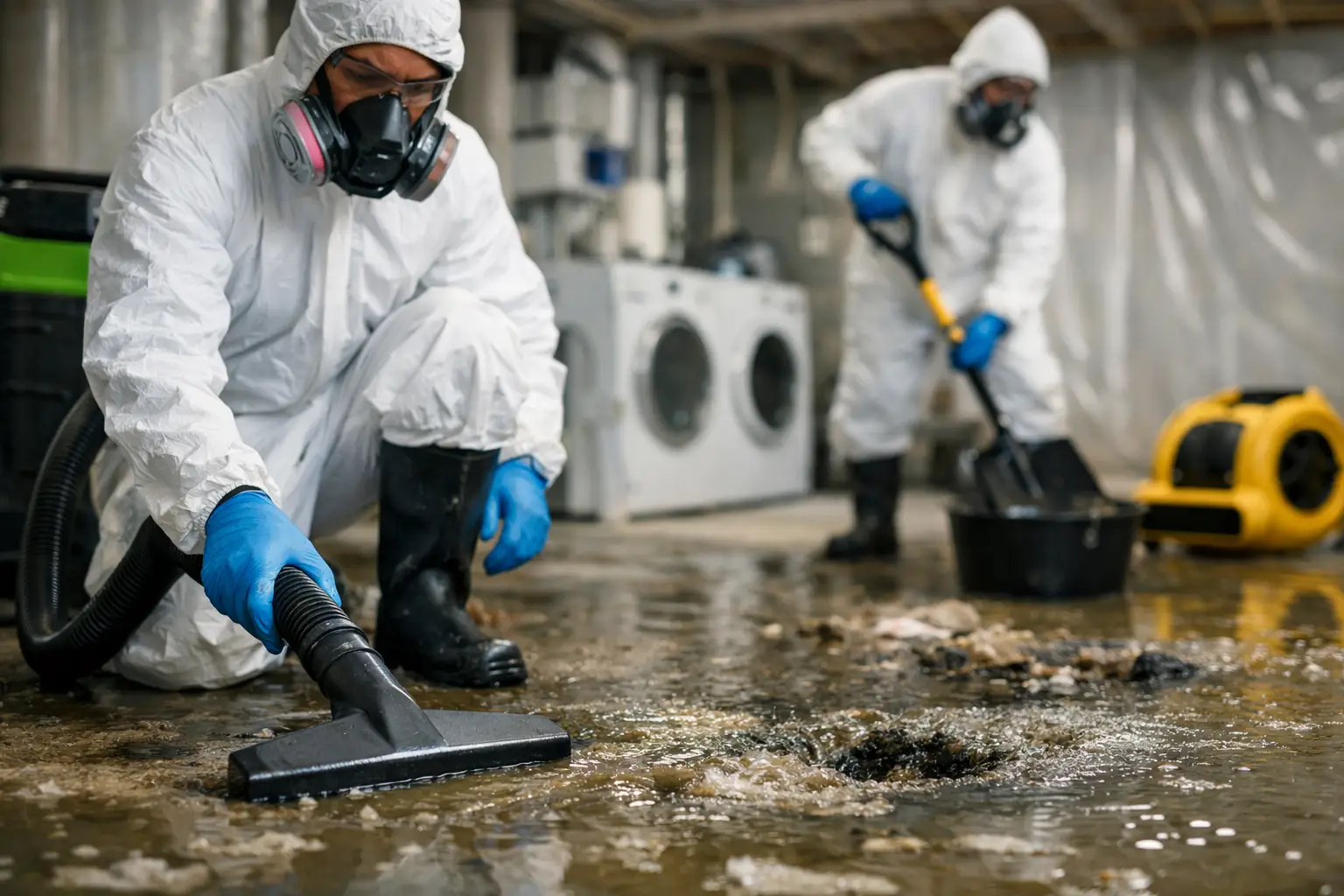 Sewage
Safe biohazard cleanup and sanitizing after sewage backups and overflows.
Learn more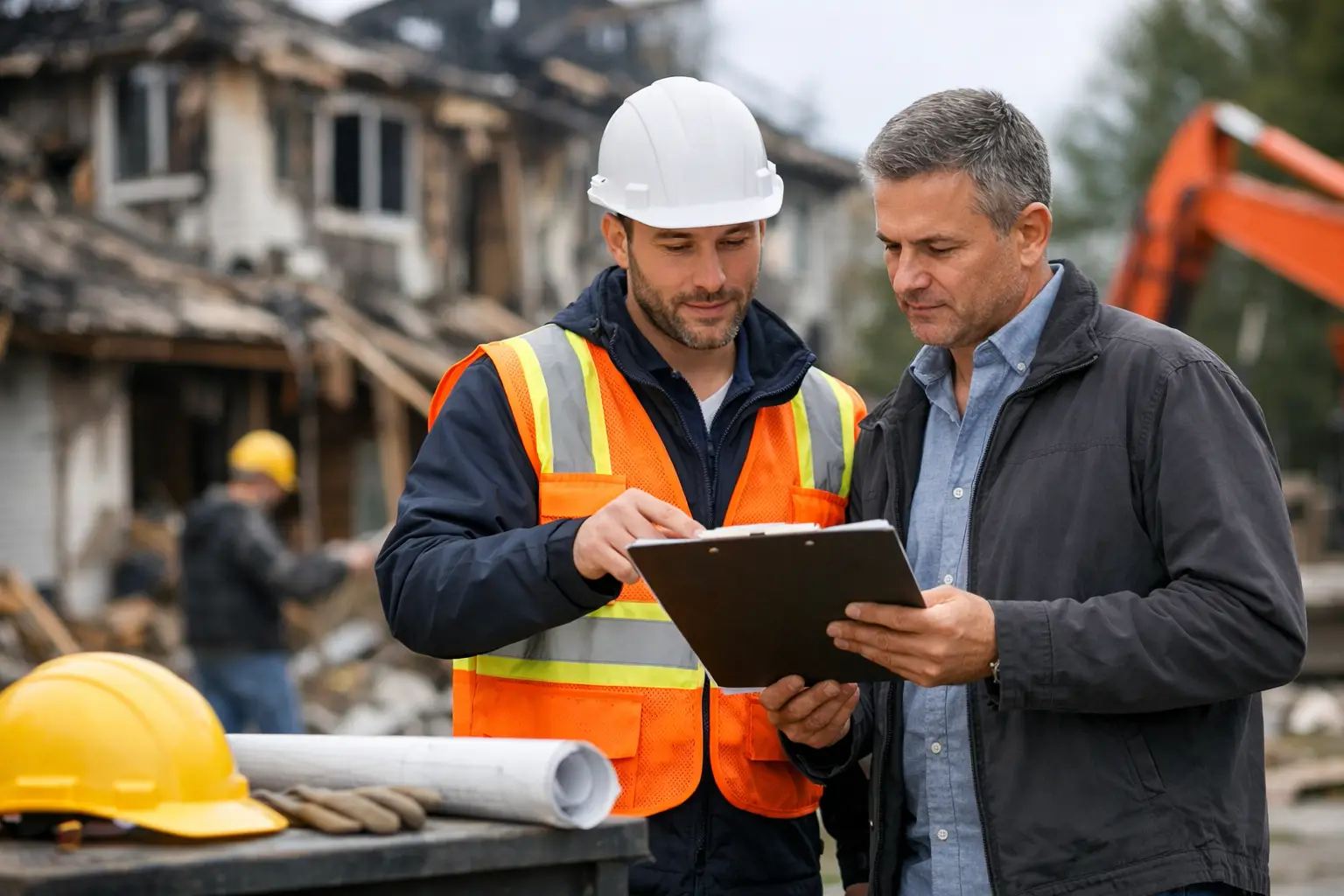 Reconstruction
Full rebuild by a licensed general contractor, so your property comes back whole.
Learn moreElevated Operations is an IICRC-certified, licensed general contractor based in Mableton that handles the entire recovery in-house, so after one loss you are never coordinating a cleanup crew, a mold crew, and a contractor separately. One team, one point of contact, from the first pump-out to the final coat of paint.
People call when the property feels like a disaster. They leave reviews because Chris and the crew made it right. These are real, verified Google reviews.
If the leak stayed limited to the roof surface, roof repair may be enough. But if water reached the attic, walls, insulation, drywall, or flooring, I treat it as a reconstruction job because the damage has moved inside the structure and may require more than a patch.
Older homes often hide damage behind finishes, so I inspect carefully before I tear in. That matters for framing repair, structural repairs, and matching older materials. I do not rush past the structure just to make the place look done, because hidden issues come back.
Yes. I offer direct insurance billing, and I document damage so the claim process stays organized. That does not mean the carrier controls the repair, it means I help keep the paperwork, scope, and construction aligned so the job can move instead of sitting idle.
Call me right away, and if it is safe, shut off the water source or avoid damaged areas. Then let my crew assess the loss. Early action matters because water spreads fast, and a small entry point can become a much larger property reconstruction problem.
Yes, when the structure needs it. I handle full rebuild work after fire damage when demolition, framing repair, drywall installation, flooring replacement, and other construction steps are required to return the property to usable condition. I start with the damage, not with a sales pitch.
If walls are bowed, floors feel soft, framing is exposed, or the roof has failed, I want to inspect it quickly. Structural repairs are not something to guess about. I look at what is safe, what is salvageable, and what must be rebuilt.
Yes. I offer 24/7 emergency response with a 60-minute emergency response goal, because disaster damage does not wait for business hours. If the loss happens at night, on a weekend, or during a storm, I still want the first call answered and the job started.
I back finished work with a 12-month warranty. That matters after the dust settles, because the job is not just about getting a house closed back up. It is about doing the reconstruction right and standing behind it after completion.
Elevated Operations dispatches IICRC-certified crews across Metro Atlanta from our Mableton base, with a 60-minute emergency response day or night. Choose your city:
Call now for an immediate response, or request your free inspection and get a certified crew on-site within the hour across Atlanta and nearby areas.