24/7 Emergency Restoration · Serving Metro AtlantaEmergency? (770) 404-6895
Fire and smoke restoration Marietta starts with a fast, direct response, and I run it that way. Elevated Operations, LLLP sends IICRC-certified technicians, offers 24/7 emergency response with a 60-minute arrival goal, and handles direct insurance billing, board up services, soot removal, odor neutralization, and content restoration when the job calls for it.
IICRC-Certified · 5-Star Rated · 60-Minute Response · Insurance Billed Directly
Get everyone safe, then call for emergency response. After that, board up services, debris removal, and smoke damage cleanup need to start quickly so the damage does not keep spreading.
Yes, if the residue is not fully removed. True odor neutralization has to follow soot removal, not replace it.
It often does. Historic Square plaster can absorb soot differently, and aggressive scrubbing can make a cleanable surface worse.
I do, through Elevated Operations, LLLP. I am Chris Kwangwari, and I bring licensed contracting, IICRC-certified technicians, and direct insurance billing to the job.
Start with safety, then look for active hazards, smoke travel, and water damage from suppression. In Marietta, I also pay attention to older plaster near the Historic Square and to runoff issues after heavy rain around Kennesaw Mountain, because both can change how cleanup and drying should begin.
I always want homeowners to think in this order: people first, structure second, contents third. If the fire was small, smoke can still move through ducts, closets, and upstairs rooms fast, and soot can settle on plaster walls that look stable but are already marked.
Around the Historic Square, a lot of older finishes take smoke differently than newer drywall. Plaster can hold odor and fine soot in a way that makes simple wiping useless, and I have seen well-meaning cleanup smear the damage deeper into the surface.
If rain has already pushed water through crawl spaces, porches, or low spots near Kennesaw Mountain runoff routes, structural drying matters right away. Fire damage cleanup is never just ash removal. It is debris removal, moisture control, and a hard look at what can actually be saved.
Fire and smoke restoration usually includes fire damage cleanup, debris removal, soot removal, smoke damage cleanup, odor neutralization, board up services, structural drying, and content restoration when salvage is possible. I build the scope around the building, the soot type, and how far smoke moved through the property.
I do not treat every fire the same. A kitchen flare-up on one side of Marietta is different from a whole-house smoke event in an older home near the Square, and the order of work matters. What gets removed first affects what can be cleaned later.
Board up services come first when openings are exposed. Then we move into fire damage cleanup and debris removal, because loose material keeps spreading contamination. After that, soot removal and odor neutralization begin, and those two steps have to match the material that burned.
If water was used to put out the fire, structural drying gets folded in early. IICRC-certified technicians know that moisture left behind after suppression can turn a fire job into a mold problem. That is exactly why I check both smoke and water impacts, not one or the other.
Smoke damage cleanup starts with identifying the soot type, then choosing the right cleaning method for each surface. I use controlled soot removal, residue wiping, air scrubbing when needed, and odor neutralization, because smoke from wood, plastics, and mixed household materials does not behave the same way.
This is where people lose time. They grab a sponge and start scrubbing. That usually pushes soot deeper and stains paint, plaster, trim, and cabinet faces. On historic finishes near Marietta Square, one bad pass can turn a cleanable surface into a refinishing decision.
Smoke travels above eye level, into closets, and through HVAC pathways. I look at ceiling lines, supply vents, attic access points, and tucked-away storage first. If a room smells burnt but looks clean, that usually means the residue is hiding in seams and porous materials.
Odor neutralization is not fragrance. I do not pretend it is. It means removing the source residue, then treating the remaining smell so it does not come back when humidity rises. That matters in Cobb County homes where summer air and post-fire moisture can bring the odor back fast.
Yes, sometimes. Fire damaged contents can often be restored if we get to them early, separate salvageable items from items that are beyond cleaning, and use the right content restoration process for smoke, soot, and water exposure. Soft goods, electronics, documents, and furniture each need a different approach.
I look at contents one room at a time, not as a pile. That is how you save more. A dining table near the smoke line may clean up well, while upholstered chairs may hold odor and soot in a way that makes them poor candidates for restoration.
Photos, keepsakes, and business records often need immediate sorting because smoke keeps attacking them until they are cleaned or packed out. In homes around Marietta, especially older properties with mixed materials and tight storage, delays can make a salvageable item go bad.
Content restoration is not guesswork. I inspect for heat warping, soot penetration, and water damage from suppression. If an item can be cleaned and stabilized, I will say so. If it cannot, I say that too. I would rather be direct than sell false hope.
As soon as the property is safe to enter. Fire restoration should begin immediately because smoke damage keeps spreading, soot keeps etching surfaces, and moisture from suppression can start creating new problems within hours. The faster the response, the better the salvage options for the building and contents.
I offer 24/7 emergency response because fires do not wait for business hours. My 60-minute emergency response is built for that first critical window when a board-up, debris removal, or temporary stabilization can keep a bad situation from becoming worse overnight.
After a fire, every hour counts for the structure and for the smell. Smoke can keep moving through ductwork and attic spaces, and wet materials can start breaking down fast. If Kennesaw Mountain runoff or stormwater adds extra moisture, the job becomes more urgent, not less.
I have been in restoration since 2007, and I have seen what delays do. They raise the cleanup burden and shrink what can be saved. Direct insurance billing helps reduce friction, and deductible assistance up to $1,000 can also help homeowners get the process moving.
Marietta has a mix of older plaster homes, historic properties near the Square, and moisture patterns tied to local terrain, including Kennesaw Mountain runoff. That mix changes how smoke, soot, and water behave, so fire and smoke restoration has to account for surface type, ventilation, and drying conditions.
I do not assume a smoke job is only a smoke job. Older plaster can trap residue in a way newer materials do not, and a small fire in a historic-style home can become a bigger cleaning project because the surfaces are more absorbent and more delicate.
Water is the other part people forget. If suppression water or stormwater gets into the structure, structural drying needs to run alongside cleanup. In parts of Marietta where runoff patterns matter, especially after heavy rain, hidden moisture can sit under flooring or behind baseboards.
That is why I am a licensed general contractor as well as restoration operator. I need to know when a surface can be cleaned, when it needs drying, and when it needs a deeper repair plan. Fire and smoke restoration should answer all three.
If the Historic Square style plaster looks gray or streaked, do not scrub it hard. Soot removal has to match the surface or you can spread the stain.
Odor that gets stronger when windows close often means residue is still inside porous materials, HVAC paths, or stored contents.
If the fire was put out with water, structural drying should be checked early so hidden moisture does not create another problem.
Debris removal should happen before fine cleaning. Ash keeps traveling until it is contained and taken out.
That usually means smoke damage cleanup is incomplete, and content restoration may still be possible if the item is treated quickly.
From emergency mitigation to full reconstruction, handled in-house so you are never managing a chain of subcontractors mid-crisis.
 Water Damage
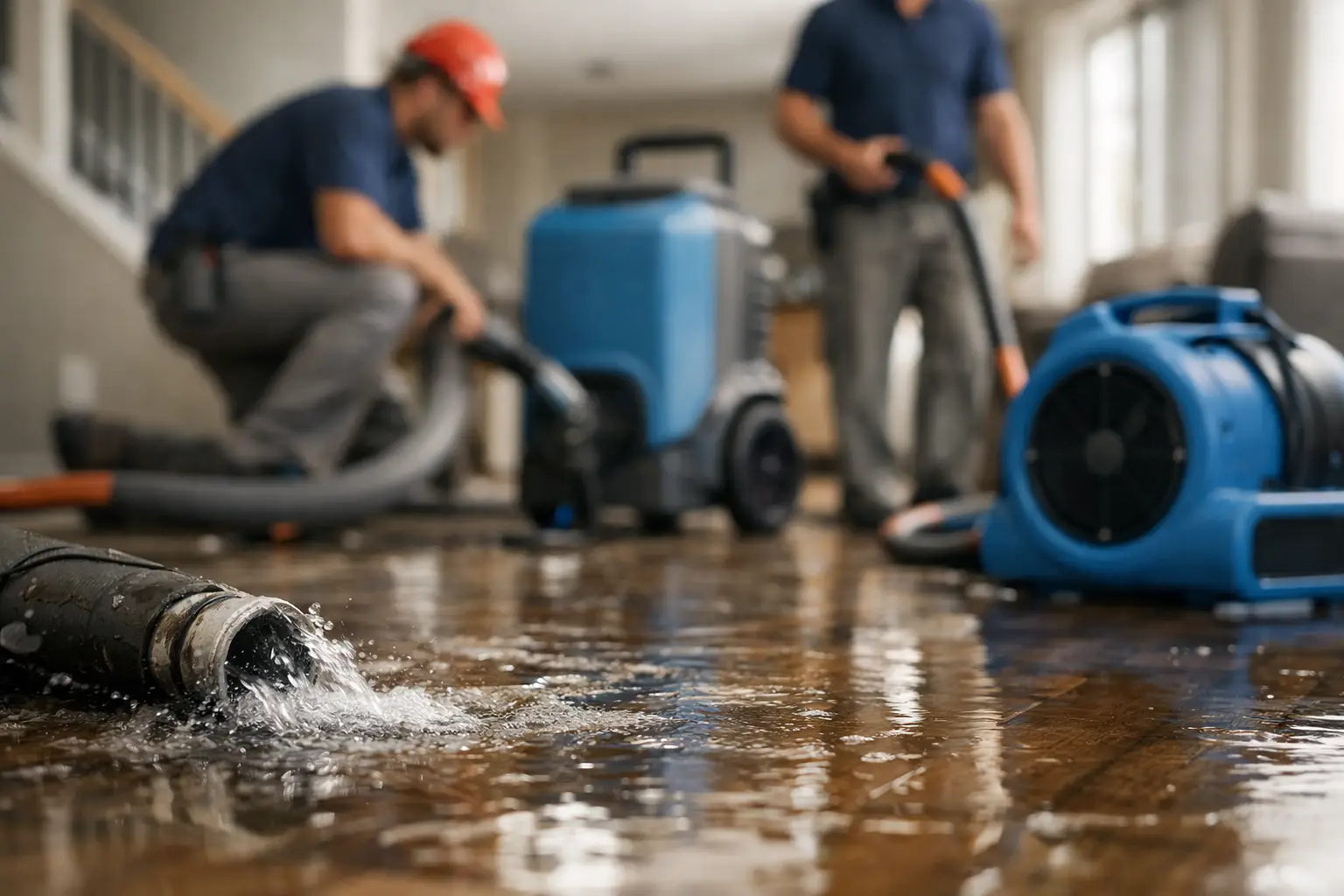
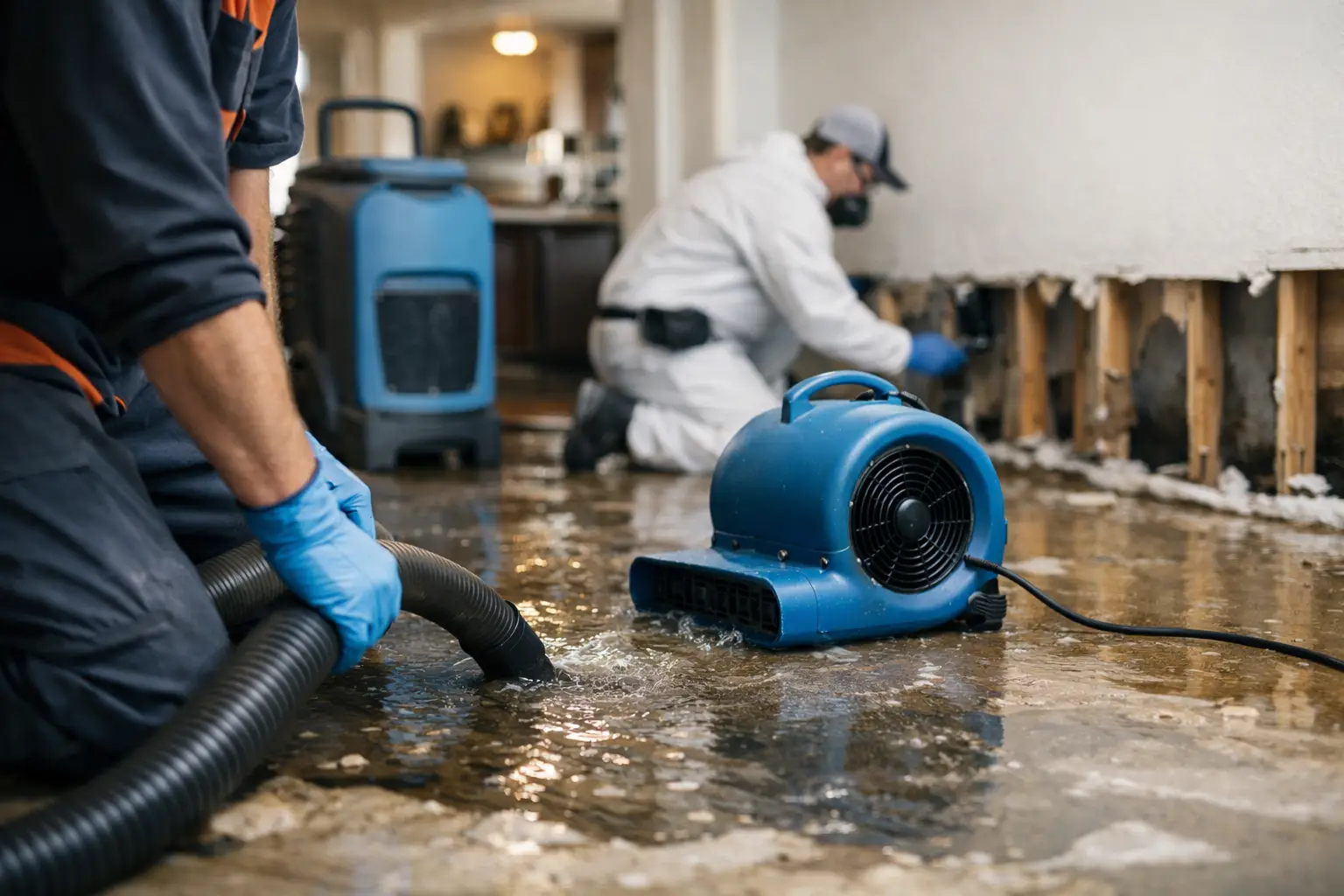
Extraction, structural drying, and moisture mapping after floods, leaks, and burst pipes.
Get help now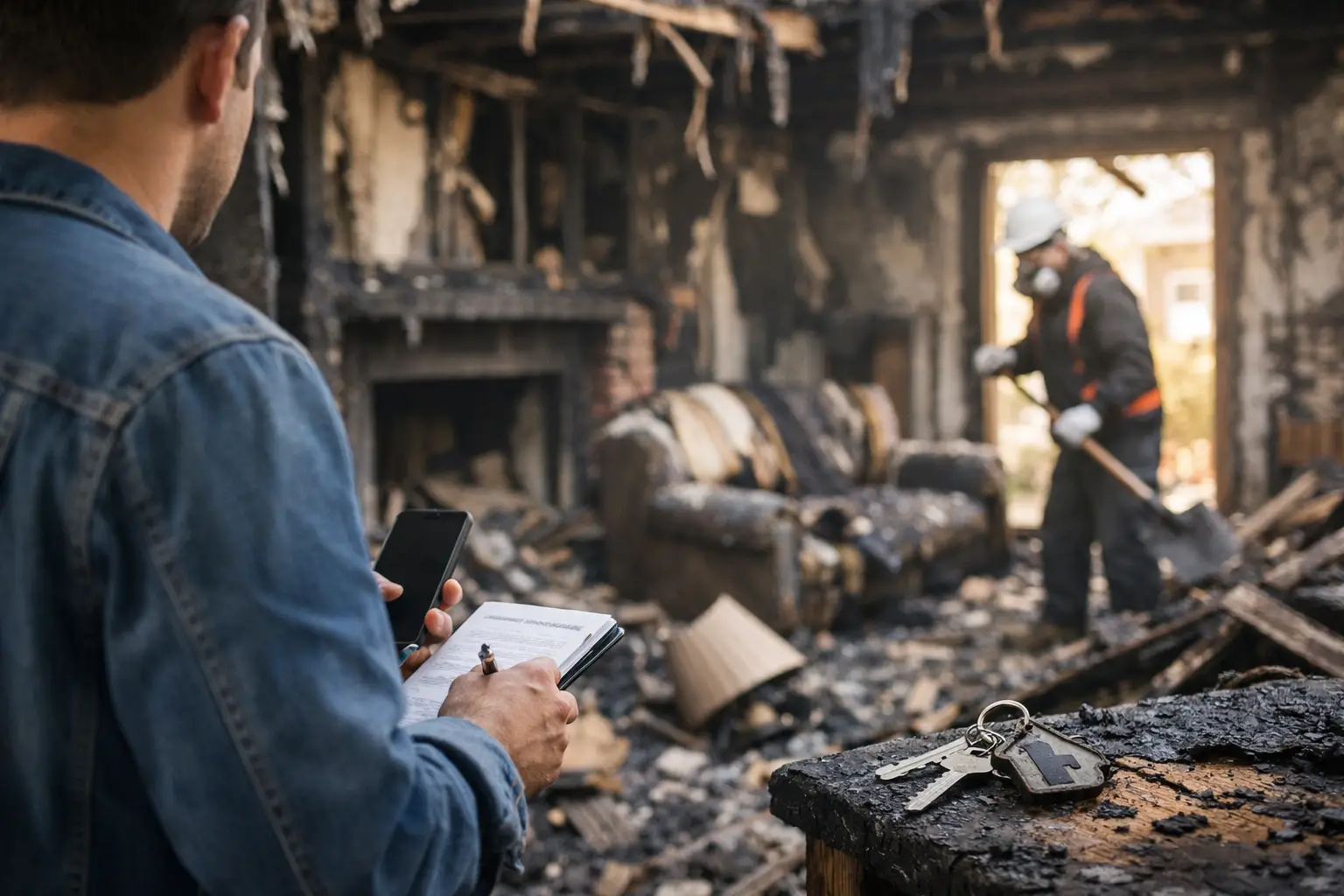 Fire & Smoke
Soot removal, odor deodorization, and content cleaning after fire and smoke damage.
Learn more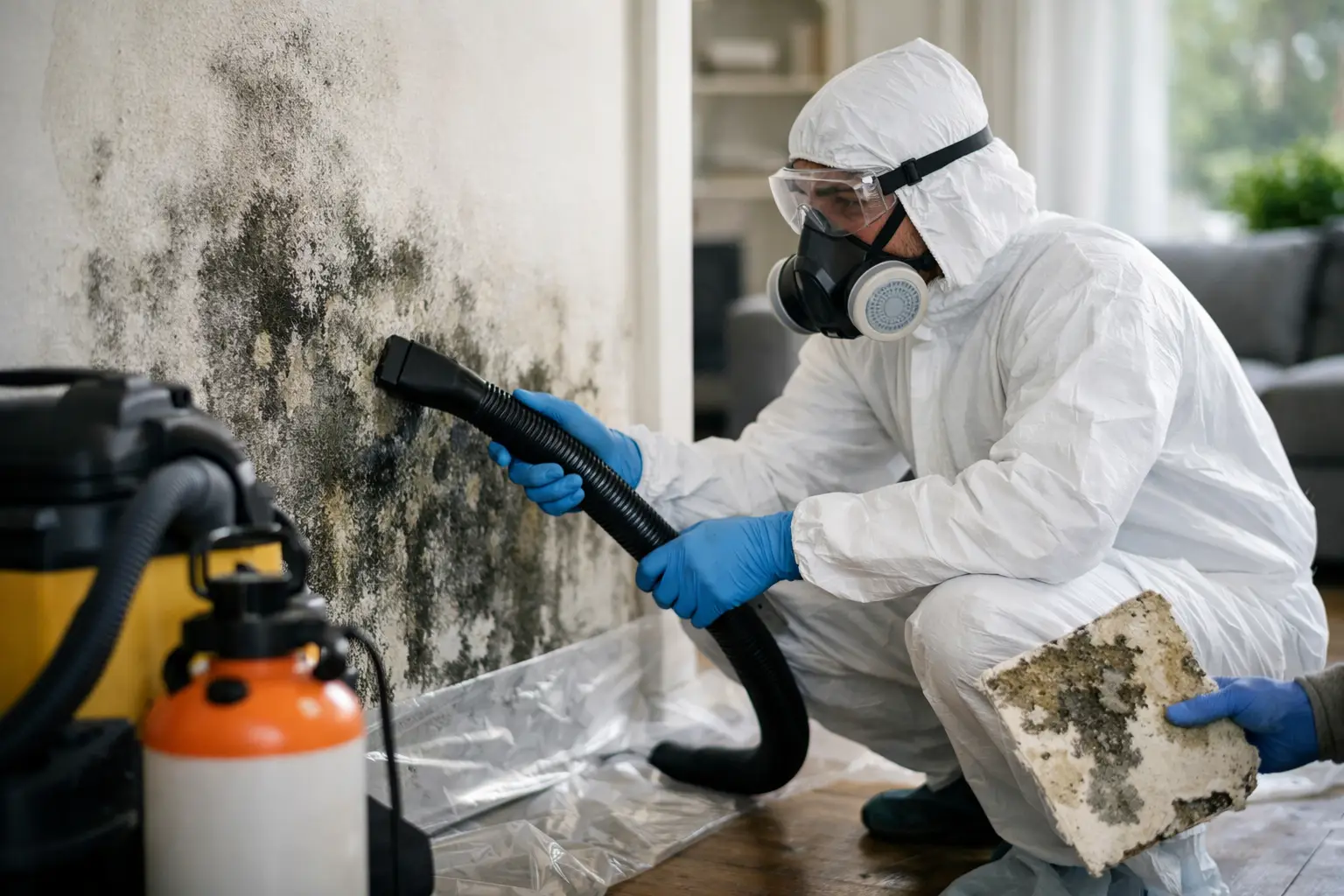 Mold
MoldContainment, removal, and moisture control that stops mold from coming back.
Learn more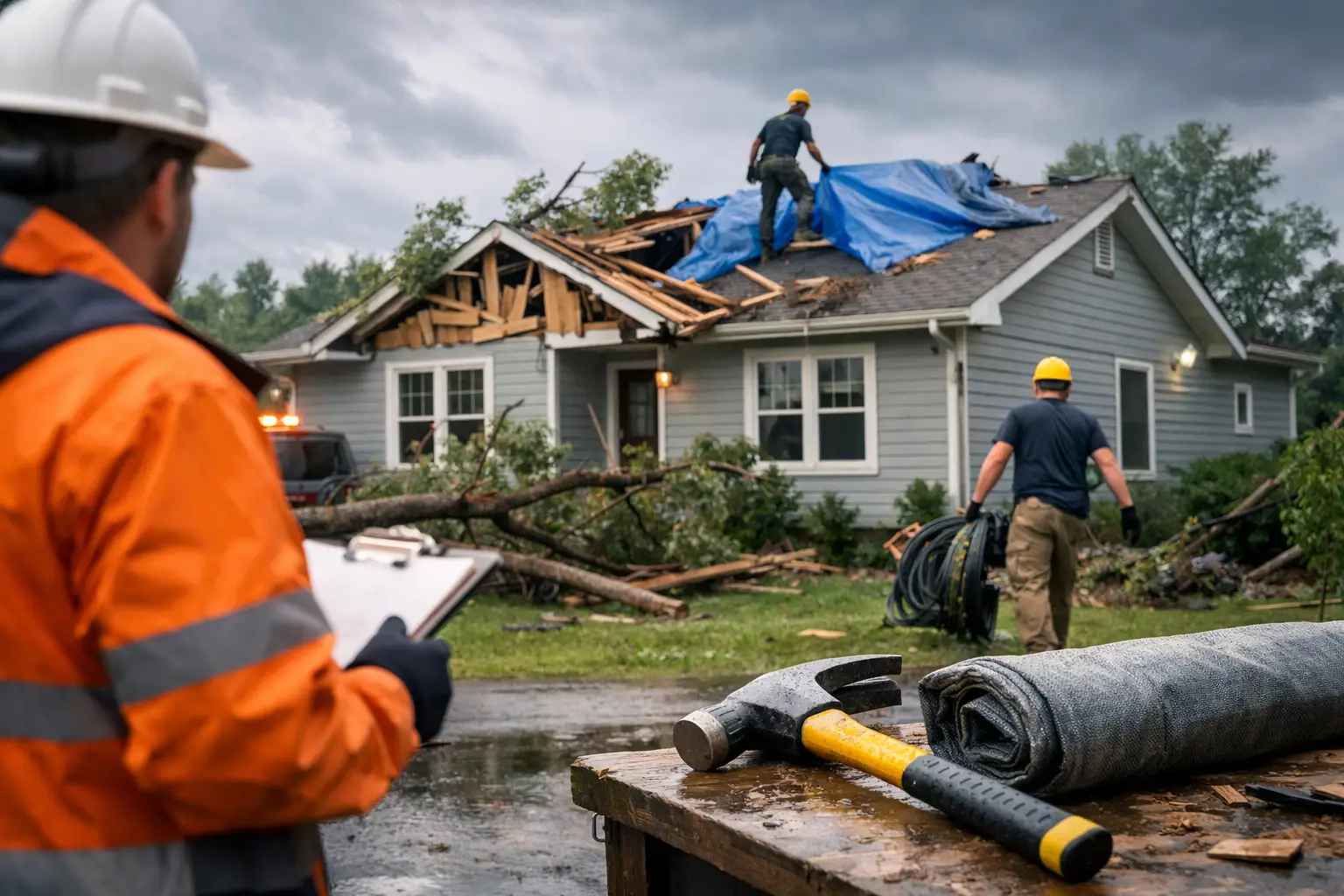 Storm
StormEmergency board-up, roof tarping, and full recovery after wind, hail, and storms.
Learn more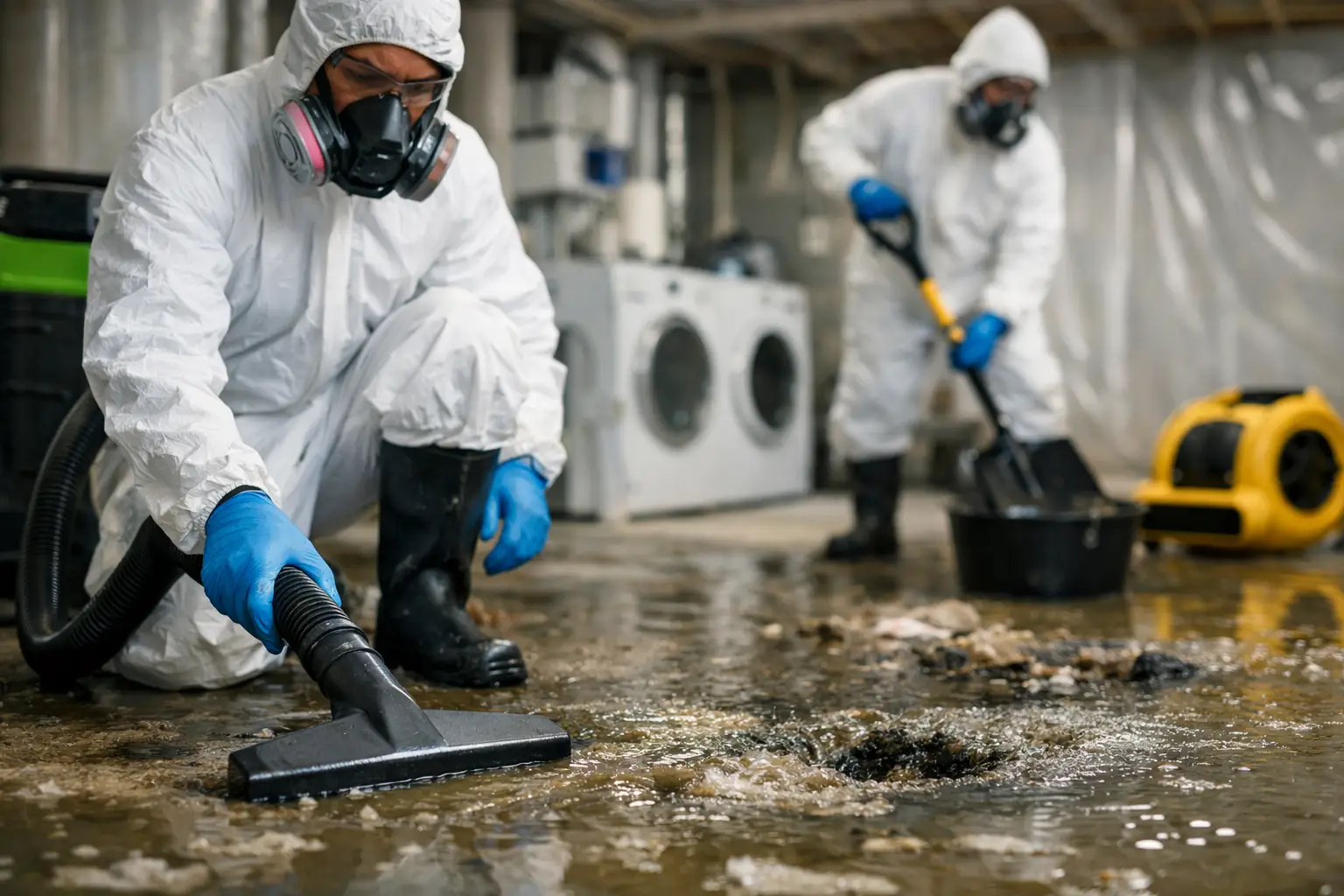 Sewage
Safe biohazard cleanup and sanitizing after sewage backups and overflows.
Learn more Reconstruction
Full rebuild by a licensed general contractor, so your property comes back whole.
Learn moreElevated Operations is an IICRC-certified, licensed general contractor based in Mableton that handles the entire recovery in-house, so after one loss you are never coordinating a cleanup crew, a mold crew, and a contractor separately. One team, one point of contact, from the first pump-out to the final coat of paint.
People call when the property feels like a disaster. They leave reviews because Chris and the crew made it right. These are real, verified Google reviews.
I start as fast as the property is safe to access. My team offers 24/7 emergency response, and I built the business around a 60-minute emergency response standard. In Marietta, that matters after a kitchen fire, a roof opening, or a smoke event that keeps spreading through older homes near the Square.
Yes. Board up services are one of the first steps when windows, doors, or other openings are exposed after a fire. In and around Marietta Square, that protection matters because a damaged opening invites weather, debris, and unwanted entry before cleanup and repairs can begin.
Older plaster, trim, and woodwork can hold soot and odor differently than modern materials. I treat those surfaces with more care because aggressive scrubbing can make the damage worse. In historic parts of Marietta, the cleaning method has to respect the material or it stops being restoration.
Yes. Soot removal is part of what I do every day after kitchen fires, appliance fires, and small structure fires. The key is to identify the soot type first, because grease-based residue and dry soot behave differently. Using the wrong cleaner can smear the damage deeper into cabinets and walls.
Yes. If water was used during fire suppression, I check for hidden moisture and bring structural drying into the plan. That is especially important in Marietta when water sits in crawl spaces, behind baseboards, or near low spots where runoff and drainage can keep things wet longer than expected.
I remove the source residue first, then treat the remaining odor so it does not keep returning. That is different from masking the smell. In Marietta homes with porous finishes, older plaster, or smoke in ducts and closets, odor neutralization only works when the cleanup is thorough.
Then I sort them fast and move into content restoration. Some furniture, documents, soft goods, and personal items can be cleaned if they are addressed early. I look at smoke, soot, heat, and water exposure item by item, because one damaged room does not mean every item is a loss.
Yes. I offer direct insurance billing, and that helps keep the process moving after a fire. I also offer deductible assistance up to $1,000. I want the paperwork handled cleanly so the homeowner can focus on the property instead of fighting the claim process alone.
Elevated Operations dispatches IICRC-certified crews across Metro Atlanta from our Mableton base, with a 60-minute emergency response day or night. Choose your city:
Call now for an immediate response, or request your free inspection and get a certified crew on-site within the hour across Atlanta and nearby areas.