24/7 Emergency Restoration · Serving Metro AtlantaEmergency? (770) 404-6895
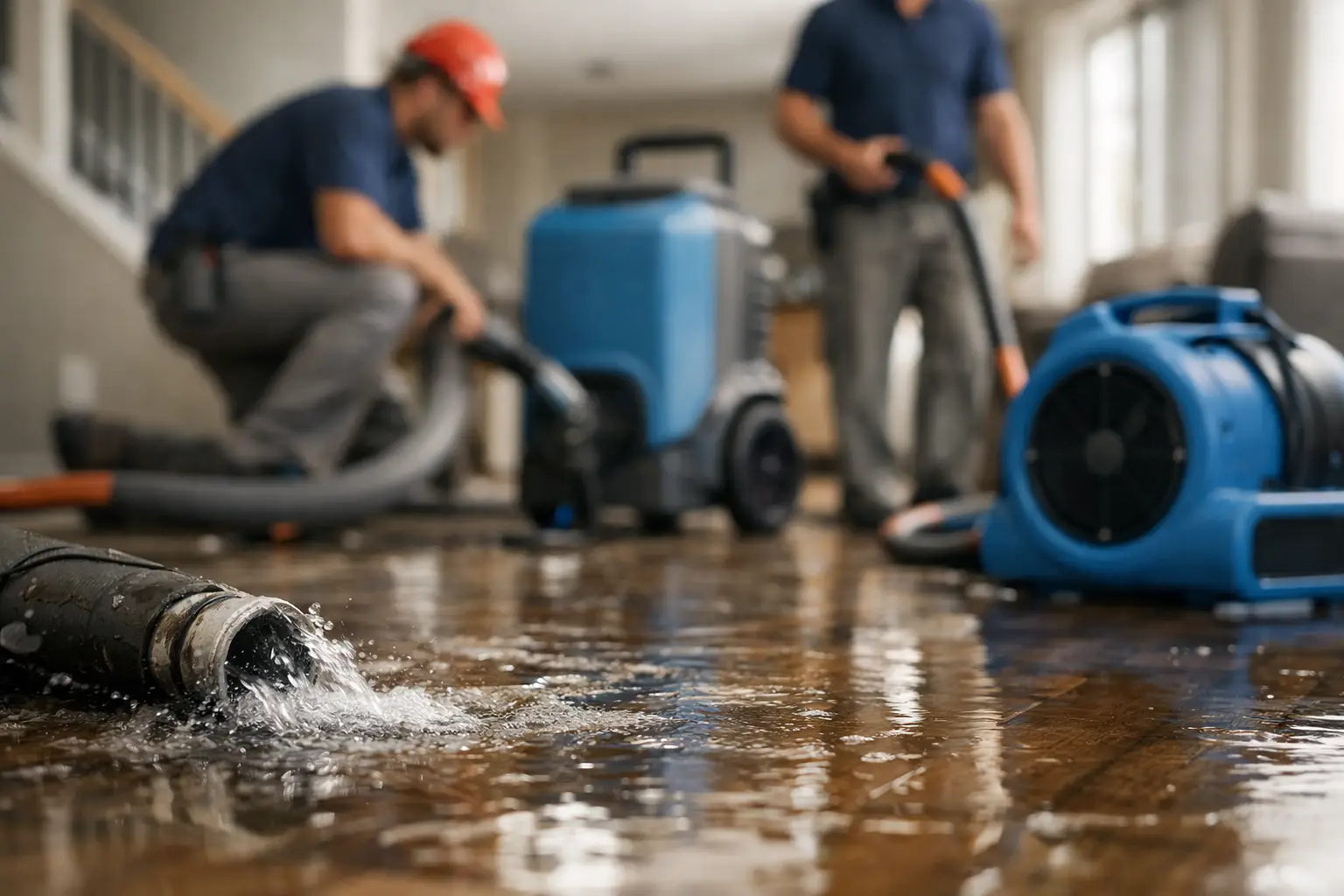
Water mitigation services in Alpharetta start with fast action, not guesswork. I am Chris Kwangwari, owner of Elevated Operations, and I handle water damage mitigation for Avalon-area townhomes, GA-400 properties, and HOA homes across Alpharetta with 24/7 emergency response, IICRC-certified technicians, direct insurance billing, and a 12-month warranty.
IICRC-Certified · 5-Star Rated · 60-Minute Response · Insurance Billed Directly
I handle emergency water extraction fast, then I move straight into drying and moisture control so the damage does not keep spreading.
I check the structure, not just the surface. That matters in newer Alpharetta builds with shared walls, cabinets, and tight mechanical spaces.
I do direct insurance billing and document the loss clearly, which makes the claim process easier for Alpharetta homeowners and HOA properties.
I am a licensed general contractor and restoration contractor, so I can handle mitigation with an eye on what comes after the drying is done.
Check the source, shut water off if you can, then protect floors, cabinets, and wall cavities from spreading moisture. In Avalon and nearby GA-400 townhome communities, I look hard at stacked plumbing, shared walls, and HOA limits because a small leak can move fast between finishes and structure.
In Alpharetta, the first mistake is waiting to see if it dries on its own. I do not take that chance. Water sits under LVP, behind trim, and inside wall cavities where homeowners cannot see it, especially in newer townhome construction near Avalon.
I start by tracing the source and controlling the spread. That can mean water extraction, basic containment, and setting up drying equipment before the moisture migrates into adjacent rooms. The goal is simple, stop the damage from growing while documenting what happened for the claim.
HOA properties around GA-400 often add another layer. Shared structures, condo-style rules, and managed exteriors can slow a response if nobody knows who owns what. I have worked restoration since 2007, and I know when a fast inspection saves a lot of back and forth.
Water mitigation services include stopping the source, water extraction, moisture checks, containment when needed, structural drying, and dehumidification. I also document the loss, communicate with insurance, and keep the work focused on limiting further damage in the home or HOA property.
I treat mitigation as the damage control phase. The point is not to remodel anything, it is to reduce loss. That means removing standing water, placing drying equipment correctly, and checking materials that look fine on the surface but are soaked underneath.
In Alpharetta townhomes near Avalon, I pay close attention to cabinets, base plates, flooring transitions, and drywall at shared walls. Those are the places where hidden moisture can linger. Moisture control has to be measured, not guessed, or the job drags out.
If the situation needs containment, I use it to isolate affected areas and protect clean space. Then I track the drying process until the readings tell the truth. That is how loss mitigation should work, clean, direct, and documented from the start.
Water mitigation should start immediately, because mold can start in 24 to 48 hours and wet materials keep spreading damage before then. In Alpharetta, I offer 60-minute emergency response 24/7 so I can get to the site and start controlling the loss fast.
Speed matters more than almost anything else in water damage mitigation. A wet condo, townhome, or single-family home around Alpharetta does not wait for business hours. The longer materials stay wet, the more likely you are dealing with structural drying instead of a simple cleanup.
Around GA-400, traffic and access can make timing tricky, but I plan for that. I base my work in Mableton and cover Cobb, Fulton, DeKalb, Douglas, Clayton, Henry, and Paulding counties, so I am set up to move quickly when Alpharetta calls.
And I do not send a crew just to look busy. IICRC-certified technicians arrive ready to assess, extract, dry, and document. If insurance is involved, I can bill them directly and help with deductible assistance up to $1,000 when the job qualifies.
No, water mitigation is the emergency work that limits damage, while water restoration is the repair and rebuild phase after drying is complete. In Alpharetta, I focus on mitigation first so the home is stabilized before any reconstruction decisions are made.
People mix these up all the time. I do not. Mitigation is about stopping the spread, extracting water, drying the structure, and protecting the parts of the property that still can be saved. Restoration comes later, after the readings and materials tell us the wet area is under control.
That distinction matters in newer Alpharetta townhomes near Avalon, where finishes can be clean and modern but the structure underneath can still hold moisture. You do not want to rush into cosmetic repairs before the base material is dry. That is how callbacks happen.
As a licensed general contractor and restoration contractor, I understand both sides of the job. But I stay disciplined about sequence. First loss mitigation. Then, if needed, the repair conversation. That is the right order for insurance, for the homeowner, and for the property.
Look for bubbling paint, a soft floor, a musty odor, warped trim, or discoloration near baseboards and ceilings. In Alpharetta, I also watch for moisture patterns around HVAC closets, upstairs laundry rooms, and shared walls in HOA townhomes near Avalon.
Visible water is the easy part. Hidden moisture is what I worry about. If a floor feels spongy or a wall sounds hollow and damp, that is not a cosmetic issue, it is a drying equipment job with real consequences if it is ignored.
Townhomes around GA-400 can show damage in one place and hold moisture in another. Water moves through seams, under flooring, and into insulation before anyone notices. That is why moisture control starts with a proper inspection, not just a quick wipe-down.
I use the signs as clues, then confirm with equipment and a clean process. No drama. No guessing. If the home needs containment or structural drying, I set it up early so the affected area stays controlled and the rest of the property stays usable.
HOA homeowners should expect fast communication, documentation, and clear coordination around access, shared walls, and any association rules. In Alpharetta townhome communities near Avalon, I make sure the mitigation work fits the property setup and does not create extra headaches.
HOA properties are not like detached homes. A water event can touch a neighbor, a shared line, or a managed exterior element. I factor that in immediately because one missed detail can slow approvals, delay drying, or create a dispute nobody wants.
I keep the process practical. I document the loss, talk through what is affected, and use direct insurance billing when the claim applies. That helps owners stay focused on the home instead of chasing paperwork while the wet materials keep absorbing more damage.
In Alpharetta, especially around Avalon and GA-400, speed and clarity matter because many properties are newer and tightly built. The clean look can hide water inside the structure. I have been doing this since 2007, so I know how to keep the work moving.
A floor that feels springy, warped, or uneven often means moisture has reached the underlayment or subfloor, not just the surface.
If a room smells damp after a leak, hidden moisture may still be inside wall cavities, cabinets, or trim.
In Avalon and other Alpharetta townhomes, discoloration along a shared wall or ceiling can point to a plumbing or unit-to-unit issue.
If water keeps reappearing or materials stay cool and damp, the structure may need dehumidification and controlled structural drying.
Swelling, separation, or cracking around cabinets and baseboards can mean moisture has been there longer than it looked.
From emergency mitigation to full reconstruction, handled in-house so you are never managing a chain of subcontractors mid-crisis.
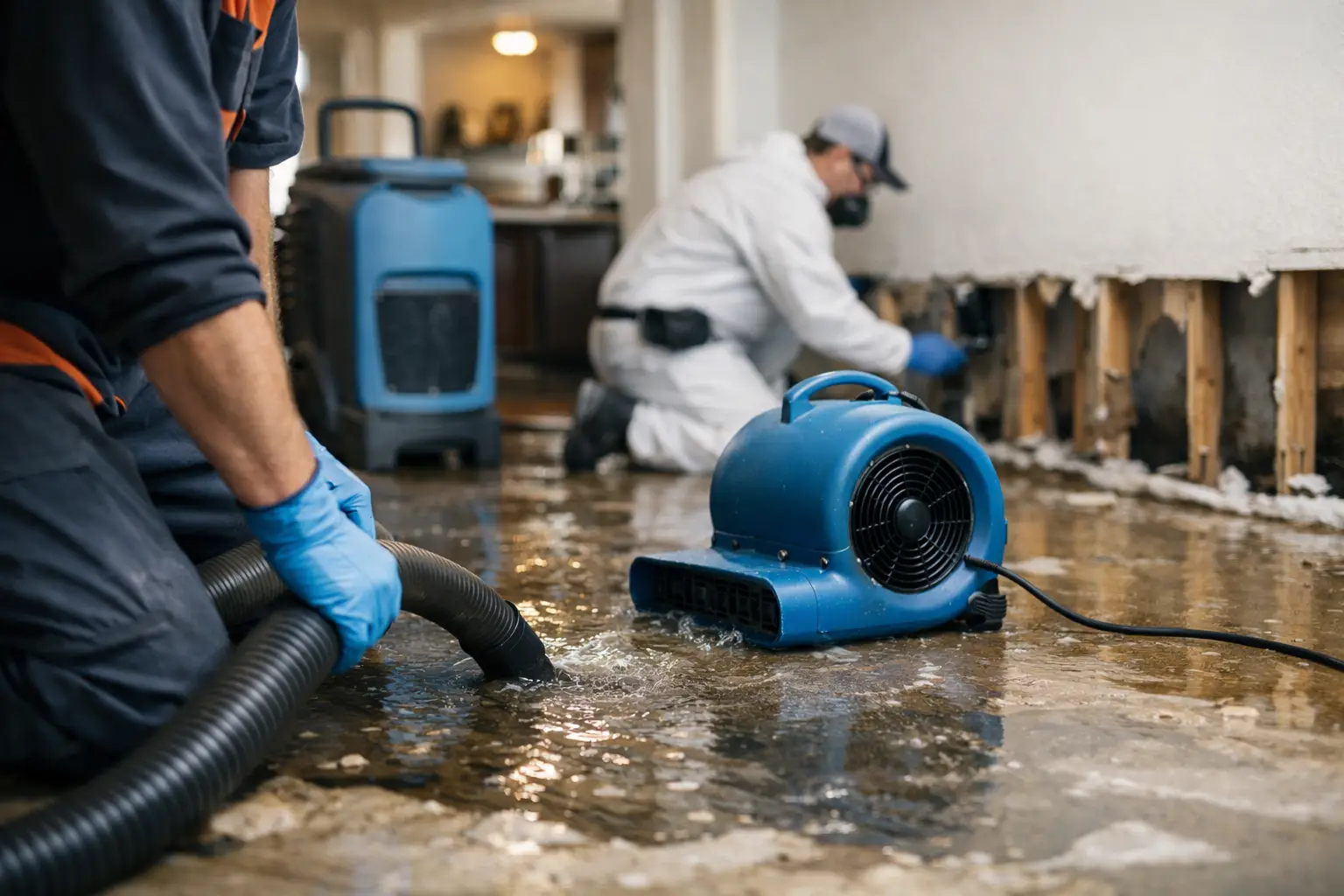 Water Damage
Extraction, structural drying, and moisture mapping after floods, leaks, and burst pipes.
Get help now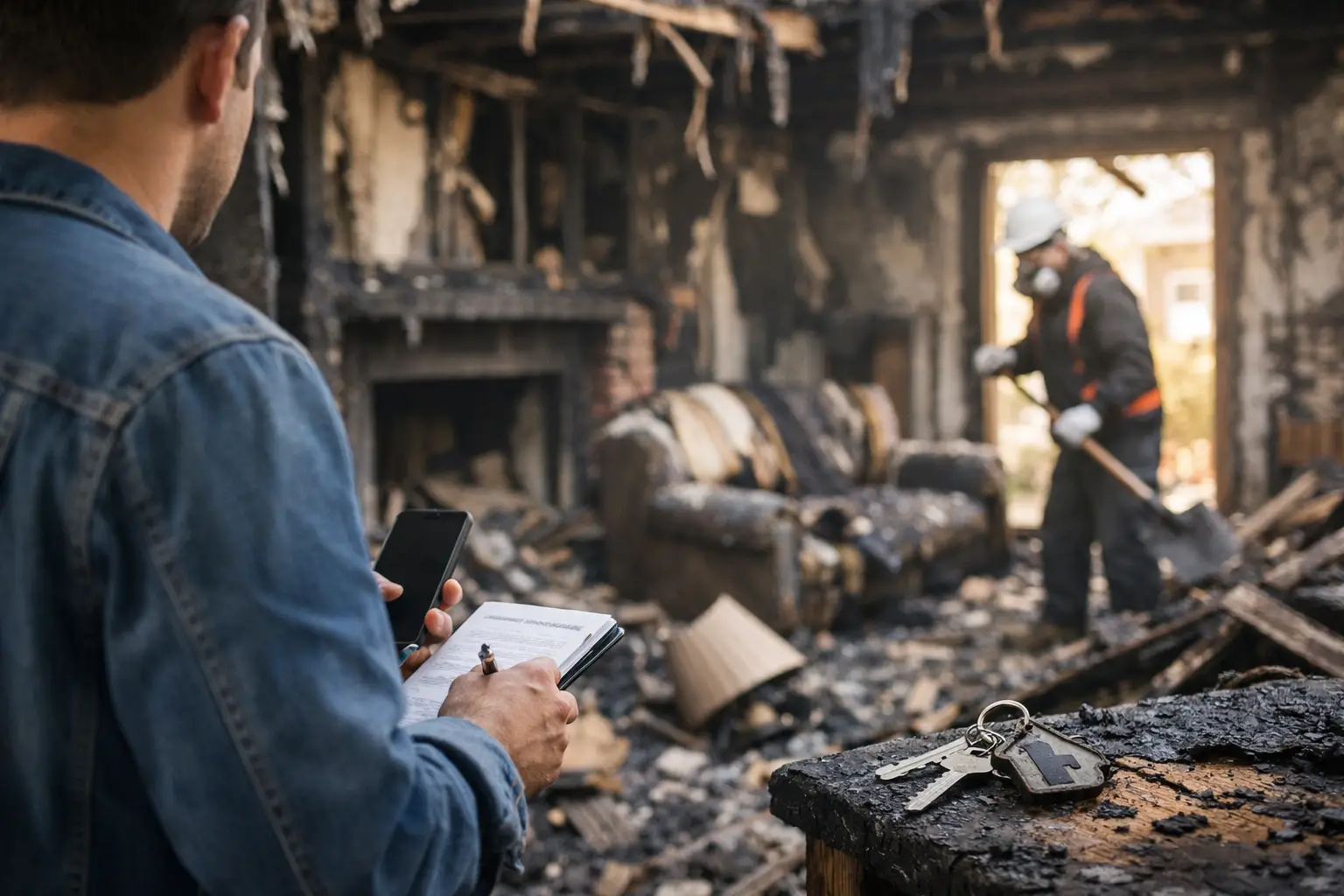 Fire & Smoke
Soot removal, odor deodorization, and content cleaning after fire and smoke damage.
Learn more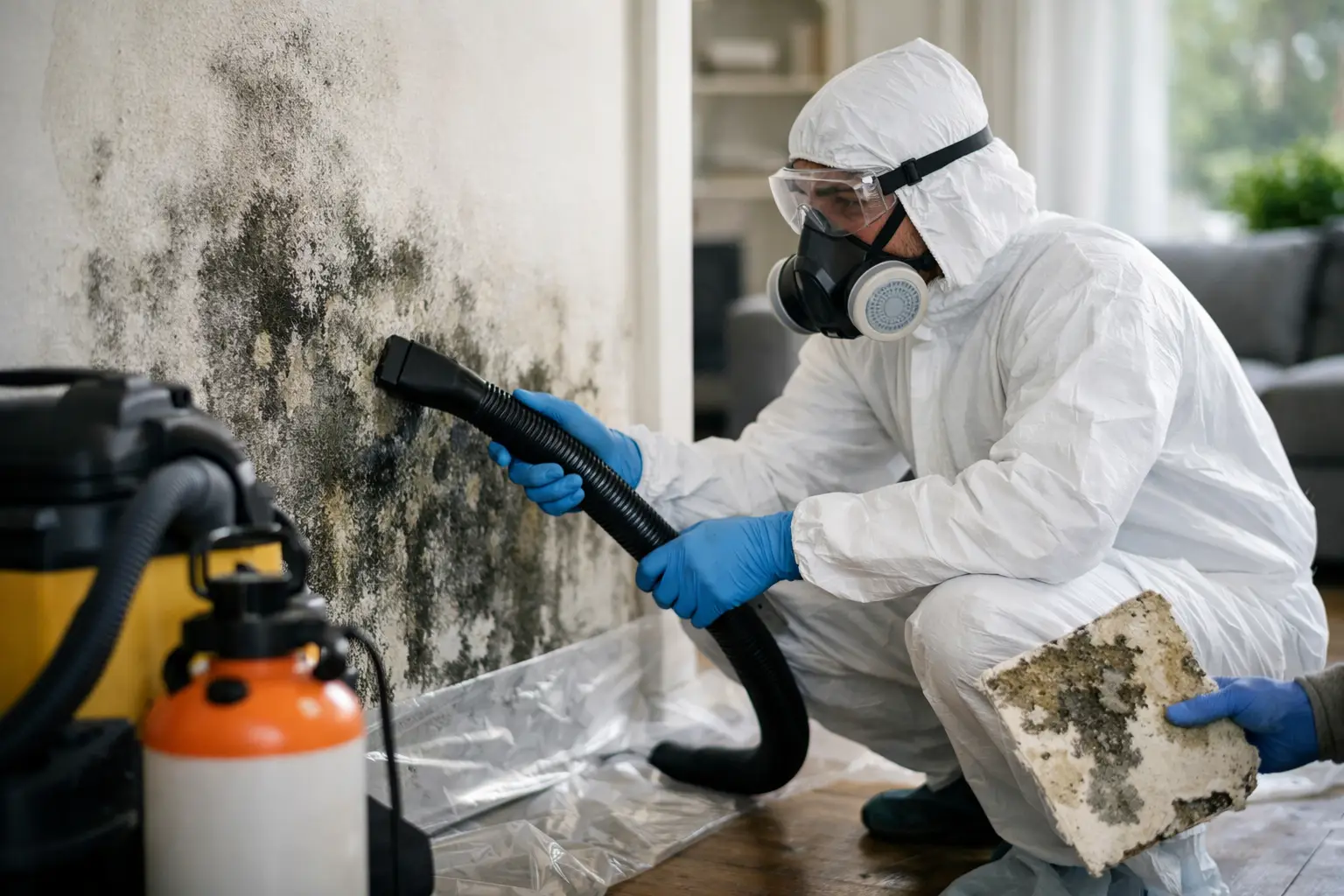 Mold
MoldContainment, removal, and moisture control that stops mold from coming back.
Learn more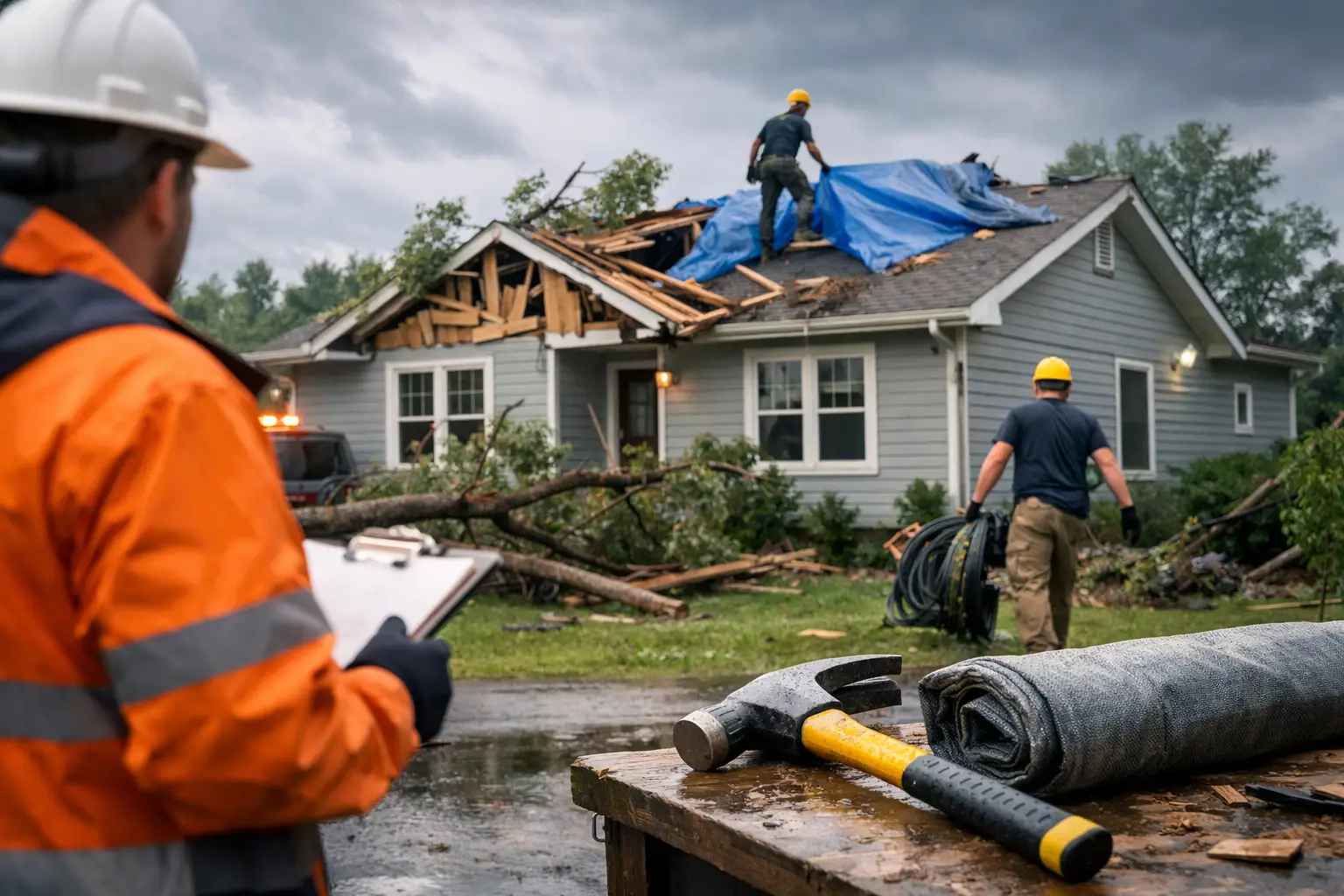 Storm
StormEmergency board-up, roof tarping, and full recovery after wind, hail, and storms.
Learn more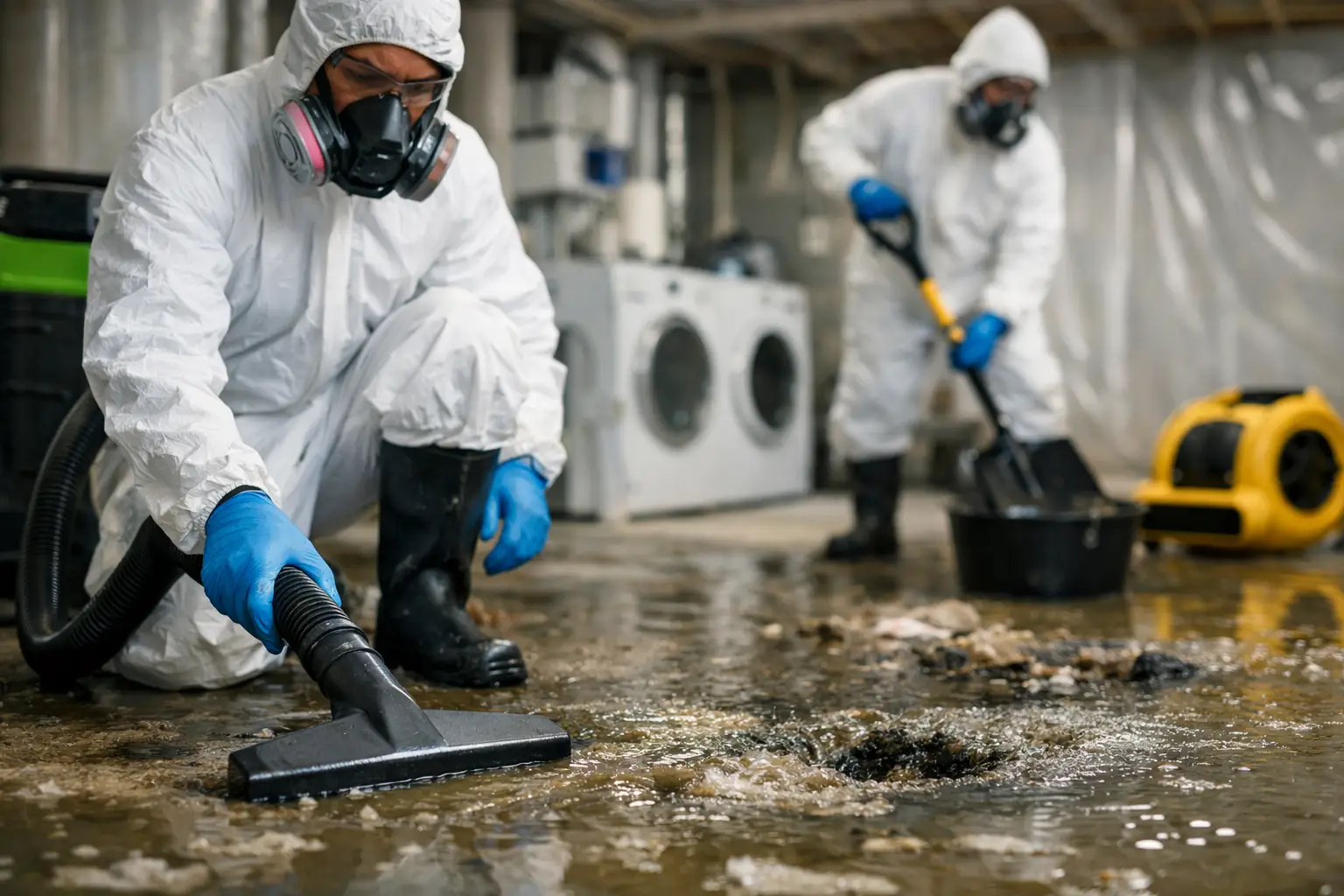 Sewage
Safe biohazard cleanup and sanitizing after sewage backups and overflows.
Learn more Reconstruction
Full rebuild by a licensed general contractor, so your property comes back whole.
Learn moreElevated Operations is an IICRC-certified, licensed general contractor based in Mableton that handles the entire recovery in-house, so after one loss you are never coordinating a cleanup crew, a mold crew, and a contractor separately. One team, one point of contact, from the first pump-out to the final coat of paint.
People call when the property feels like a disaster. They leave reviews because Chris and the crew made it right. These are real, verified Google reviews.
I start with inspection, water extraction, and moisture mapping, then I dry the affected structure with the right drying equipment. In Alpharetta townhomes near Avalon, I also watch shared walls, stacked plumbing, and HOA access issues so the work stays controlled and documented.
Immediately. Wet drywall, insulation, and framing do not wait for a convenient time, and mold can start in 24 to 48 hours. In HOA homes around Alpharetta, I move fast because shared structures and managed access can make a small delay turn into a larger loss.
I stop the source, remove standing water, check hidden moisture, and set up dehumidification and structural drying as needed. Kitchens and laundry rooms in Alpharetta often hide damage under cabinets or around appliance lines, so I focus on the materials that trap water first.
No. Mitigation is the emergency response that limits damage, while restoration is the repair phase after the structure is dry. In Alpharetta, I keep those steps separate so the property is stabilized before anyone starts talking about cosmetic repairs or rebuild work.
Yes. I offer direct insurance billing and document the loss so the claim file is easier to follow. For qualifying jobs, I also offer deductible assistance up to $1,000. That keeps the process practical for Alpharetta homeowners dealing with a sudden water event.
Yes. I handle HOA properties often, including newer Alpharetta townhomes near Avalon and GA-400. I pay attention to access, shared walls, and association rules, then I keep the work moving without creating extra friction for the owner or the board.
That is exactly when I want to inspect it. Hidden moisture often causes more trouble than the visible spill, especially behind cabinets, baseboards, and drywall. I use moisture control methods and drying equipment to treat what you cannot see before it spreads further.
I am Chris Kwangwari, and I have been in restoration since 2007. Elevated Operations, LLLP is a Mableton-based company with IICRC-certified technicians, a 4.9-star Google rating from 73 reviews, a 12-month warranty, and 60-minute emergency response 24/7.
Elevated Operations dispatches IICRC-certified crews across Metro Atlanta from our Mableton base, with a 60-minute emergency response day or night. Choose your city:
Call now for an immediate response, or request your free inspection and get a certified crew on-site within the hour across Atlanta and nearby areas.




