24/7 Emergency Restoration · Serving Metro AtlantaEmergency? (770) 404-6895
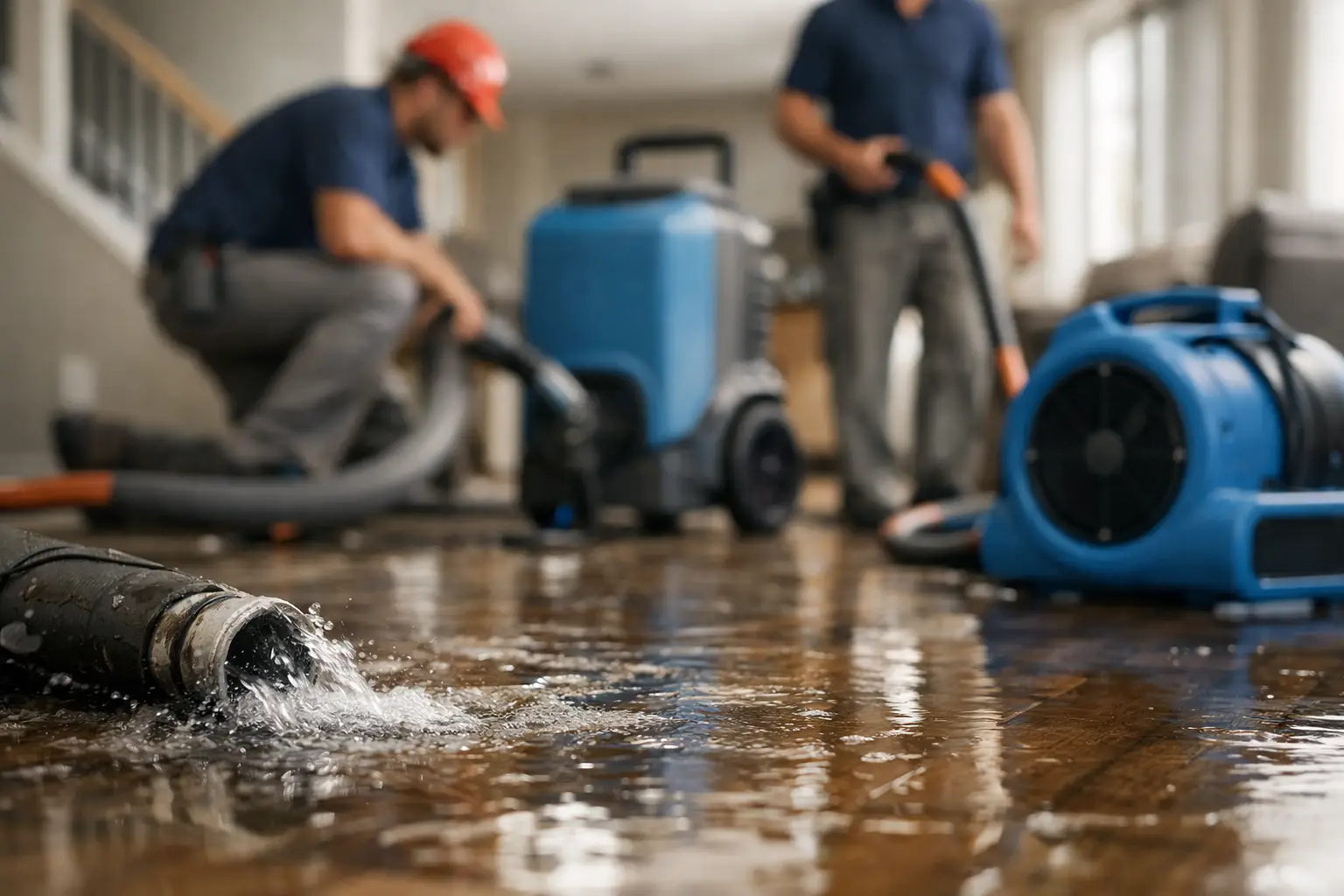
Water extraction and drying Atlanta is the first move when a bungalow leak, creek basement seepage, or a burst line soaks floors and walls. I compare repair versus replacement, DIY versus a pro, and water damage versus mold, so you know what fits the job before the damage spreads.
IICRC-Certified · 5-Star Rated · 60-Minute Response · Insurance Billed Directly
Yes. Creek basements need fast water removal, moisture monitoring, and the right drying setup so the dampness does not come back through the structure.
I can. If the wood is still stable, I lean restoration. If it has swelled, cupped badly, or separated, replacement is usually the cleaner answer.
That usually means hidden moisture. I check the structure, not just the surface, because dried-looking rooms can still hold water in framing or subfloors.
Yes. I provide 60-minute emergency response 24/7, and I handle the cleanup with IICRC-certified technicians, direct insurance billing, and a 12-month warranty.
Water extraction and drying starts with removal of standing water, then controlled drying with air movers, dehumidification, and moisture monitoring. In Atlanta, that matters in intown bungalows and creek basements where hidden dampness can stay behind trim, under hardwood, and inside wall cavities.
I start with water removal that targets what you can see and what you cannot. Wet carpet extraction, pad removal when needed, and surface drying come first. Then I check the structure, because old bungalows and finished basements can trap water in layers that look fine from the top.
The drying process is not guesswork. IICRC-certified technicians track moisture levels, set air movers where airflow matters, and adjust dehumidification as materials release water. That is how we dry framing, subfloors, and drywall instead of just making the room feel less wet for a few hours.
In Atlanta, creek basements often have repeated seepage, and that changes the plan. I compare the source, the material, and the level of saturation before I decide whether the fix is structural drying, selective removal, or full replacement. One size does not fit every house.
Restore when the material is structurally sound, salvageable, and dried fast enough to avoid secondary damage. Replace when the surface is swollen, delaminated, or contaminated. In Atlanta bungalows and creek basements, I look hard at hardwood, drywall, insulation, and subfloors before I recommend either path.
Restoration is the better choice when the water was clean, the material did not sit too long, and the structure can be dried correctly. That often applies to hardwood in older Atlanta homes, especially when the boards can be saved without turning the whole room into a tear-out.
Replacement wins when materials have already failed. Swollen baseboards, buckled flooring, and saturated insulation rarely bounce back. In creek basements, I often see moisture pulled up into finishes that should come out, while the framing underneath gets dried and checked before anything goes back.
I do not push replacement just to make the job bigger. But I also do not force a salvage plan when the material is done. The verdict is simple, restore what can be dried and stabilized, replace what has lost its shape, strength, or cleanliness.
Structural drying matters because visible water is only part of the problem. In Atlanta, moisture can hide in joists, sill plates, subfloors, and plaster or drywall, especially in creek basements and older bungalows. If the structure stays wet, repairs fail and odors return.
Structural drying is the difference between a room that looks better and a structure that is actually dry. I use moisture monitoring to find what is still wet after the surface is dry. That is the part homeowners miss when they only run a fan and hope.
Atlanta bungalows often have older framing and repairs layered over time. Water can travel along these hidden paths and sit in places you never check. Air movers and dehumidification help, but only if they are aimed at the structure, not just the open room.
Creek basements need special attention because repeated dampness can keep materials from releasing moisture at the normal rate. I dry the structure, then confirm it with readings. That is how you avoid having to tear out finished work twice.
DIY works only for tiny, fresh spills with no hidden saturation. For burst pipes, wet carpet extraction, wall wetting, or basement seepage, a pro is the safer move. In Atlanta homes, hidden moisture and repeat leaks make quick cleanup too easy to get wrong.
A shop vacuum and box fan can help with a small spill, but they do not equal professional water extraction and drying. If the water reached carpet pad, base plates, or cabinets, you need equipment and training that can pull moisture out of the building, not just the air.
I see DIY failures after owners dry the surface and leave the structure wet. That is common in intown bungalows with crawl spaces or basements where water spreads under finished floors. By the time they smell mildew, the problem has moved from cleanup to repair.
A pro makes sense when the damage crosses materials, rooms, or finishes. IICRC-certified technicians can set the drying plan, document the readings, and work with your insurer. That is a cleaner path than guessing, especially when the house is older and the layout is tight.
The core equipment is water extraction equipment, air movers, dehumidification units, and moisture meters for monitoring. For Atlanta homes, I also use wet carpet extraction tools when carpet is salvageable and adjust the setup based on the room, the floor type, and where water traveled.
Water removal starts with extraction tools that pull standing water and lift moisture from carpet and pad. Then air movers push air across wet surfaces while dehumidification removes that moisture from the room. That combination matters in enclosed basements and older homes with slower airflow.
Moisture monitoring is not optional. I check subfloors, base plates, drywall, and hidden cavities so the drying process is based on readings, not guesswork. In Atlanta bungalows, one wet wall can hide moisture behind trim or plaster longer than people expect.
The equipment choice changes with the job. A laundry leak in a condo is different from creek basement seepage in a split-level home. I size the setup to the structure, because too little equipment leaves moisture behind and too much can waste time without fixing the source.
Drying time depends on how much water entered, what materials got wet, and how quickly extraction started. Some clean water losses dry faster, while saturated hardwood, insulation, or basement materials take longer. In Atlanta, hidden moisture in bungalows and creek basements can extend the drying process.
There is no honest one-number answer. A small supply line leak that is extracted quickly is one story. A basement seepage event that reached framing, drywall, and carpet is another. The drying process moves as fast as the structure allows, not as fast as anyone wants.
I watch the readings, not the calendar. Moisture monitoring tells me when a wall, floor, or subfloor is actually dry. That matters because a room can feel ready while the structure still holds water that will later feed odors or mold growth.
Atlanta weather and house style both matter. Older construction and tight rooms slow airflow, and creek basements can keep materials damp longer. I dry until the structure is stable, then I verify it. That is how I avoid calling a job done too soon.
| Typical Trigger | Water Damage Restoration | Mold Remediation |
|---|---|---|
| A wet first-floor bungalow after a pipe break | Restore the hardwood and trim if the water was clean and the boards are still stable after extraction and drying. | Replace any swollen or soft materials, because mold can start in 24 to 48 hours if wet layers stay trapped. |
| Creek basement seepage after a storm | Use structural drying, moisture monitoring, and targeted dehumidification when framing and finishes are still salvageable. | Choose replacement for insulation, carpet pad, or damaged drywall if water has stayed in the assembly too long. |
| DIY cleanup after a small leak under a sink | DIY can work only if the water never reached cabinets, subfloor, or wall cavities and the area dries fully. | Call a pro when odors, discoloration, or hidden wet spots show the leak spread beyond the visible surface. |
From emergency mitigation to full reconstruction, handled in-house so you are never managing a chain of subcontractors mid-crisis.
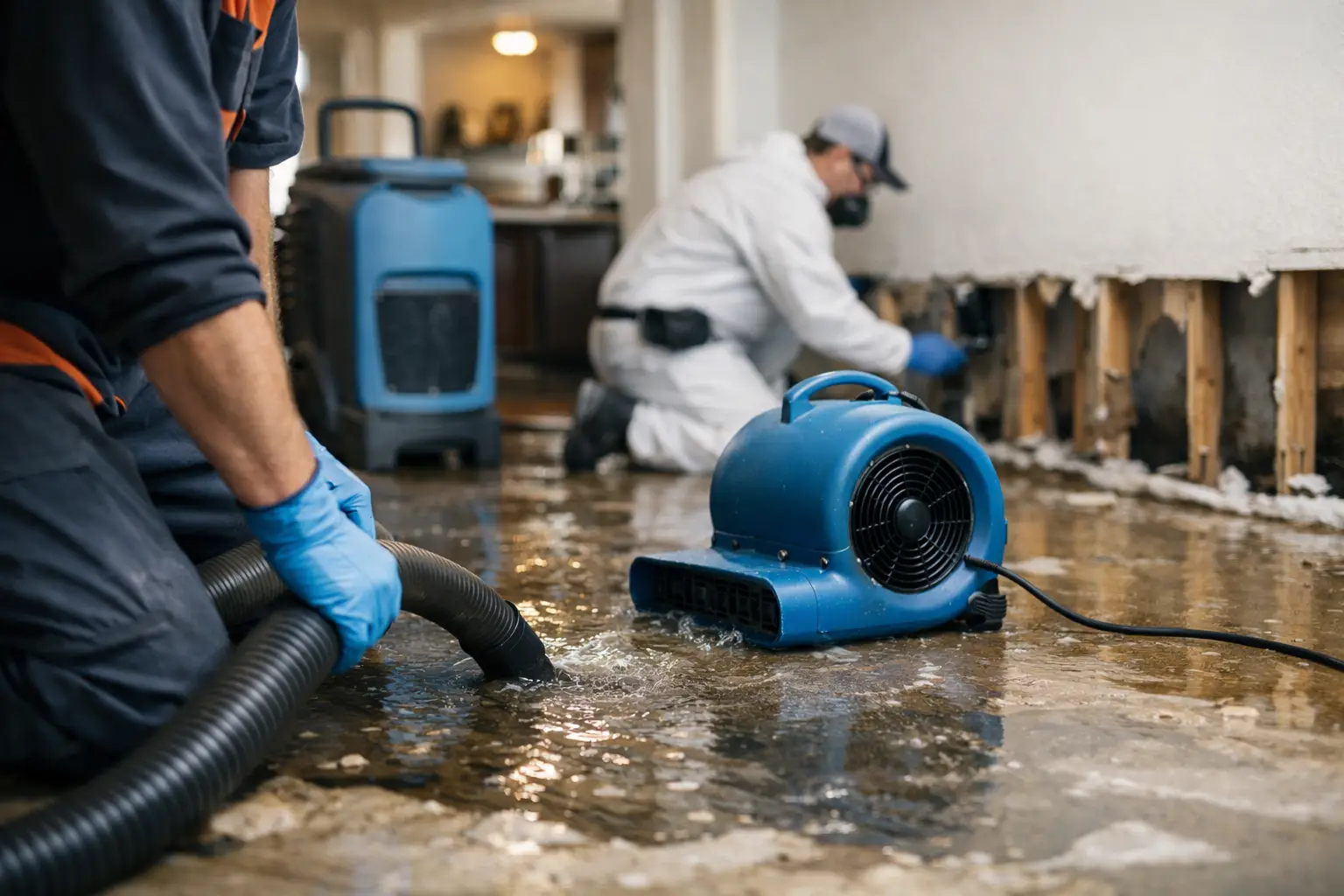 Water Damage
Extraction, structural drying, and moisture mapping after floods, leaks, and burst pipes.
Get help now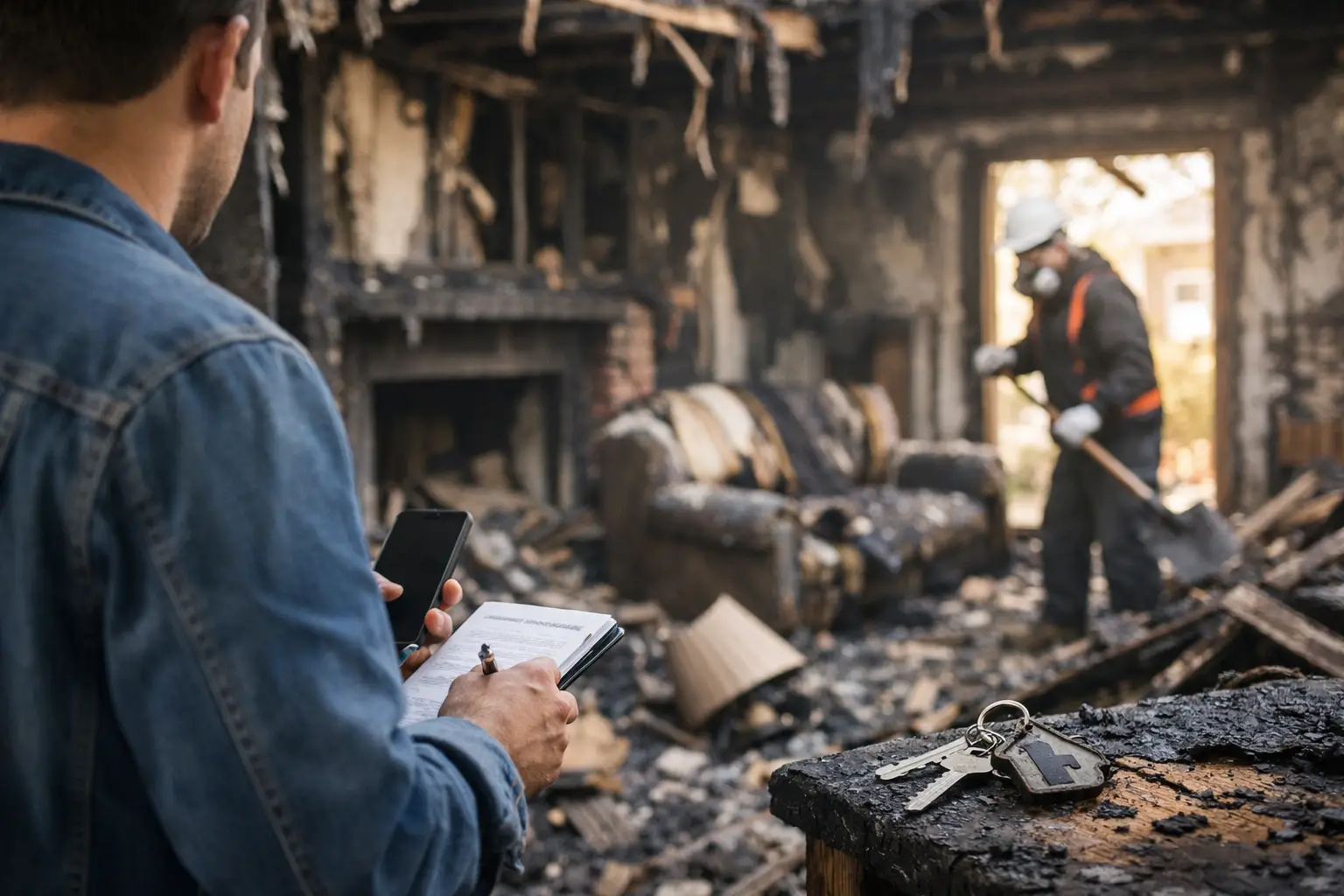 Fire & Smoke
Soot removal, odor deodorization, and content cleaning after fire and smoke damage.
Learn more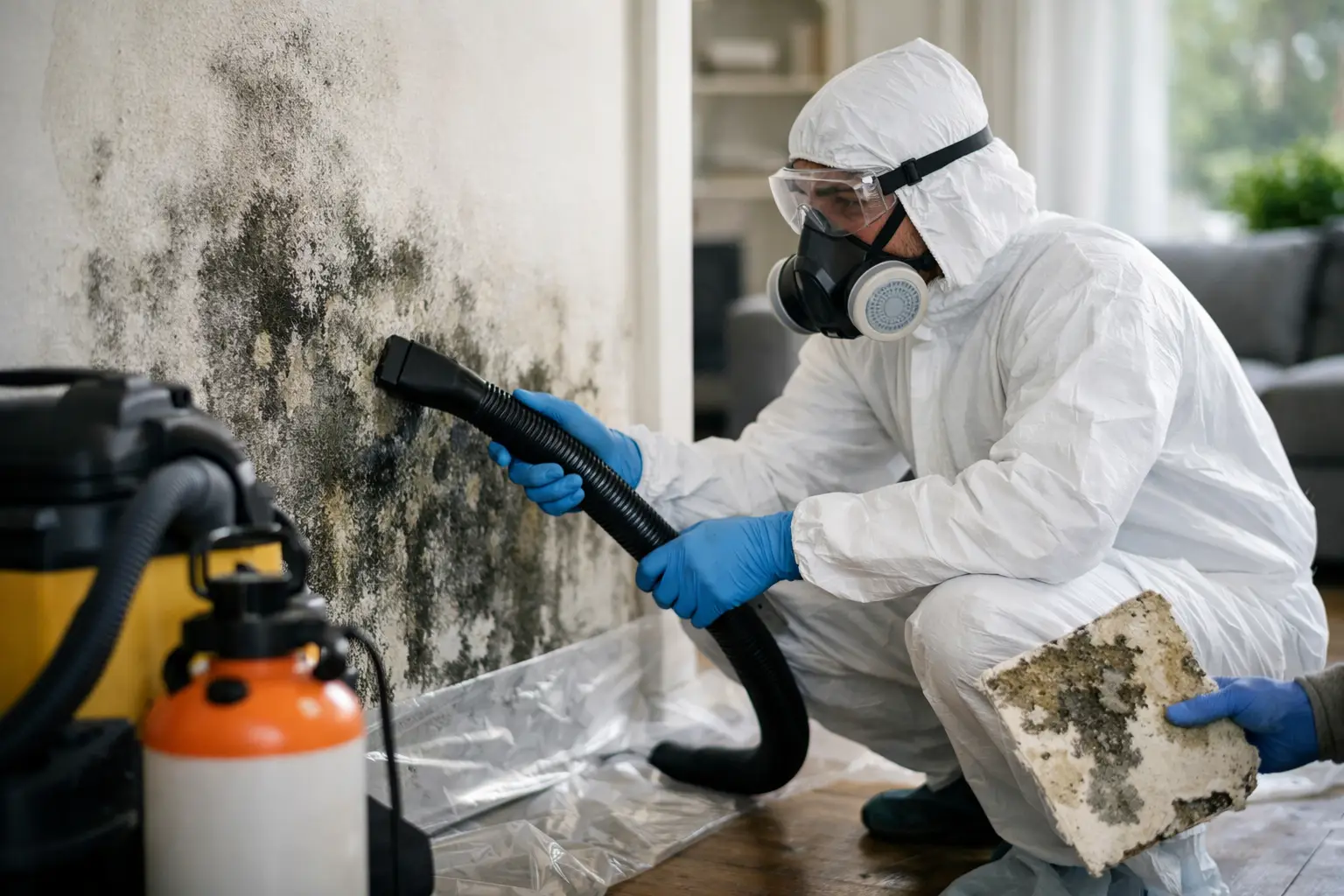 Mold
MoldContainment, removal, and moisture control that stops mold from coming back.
Learn more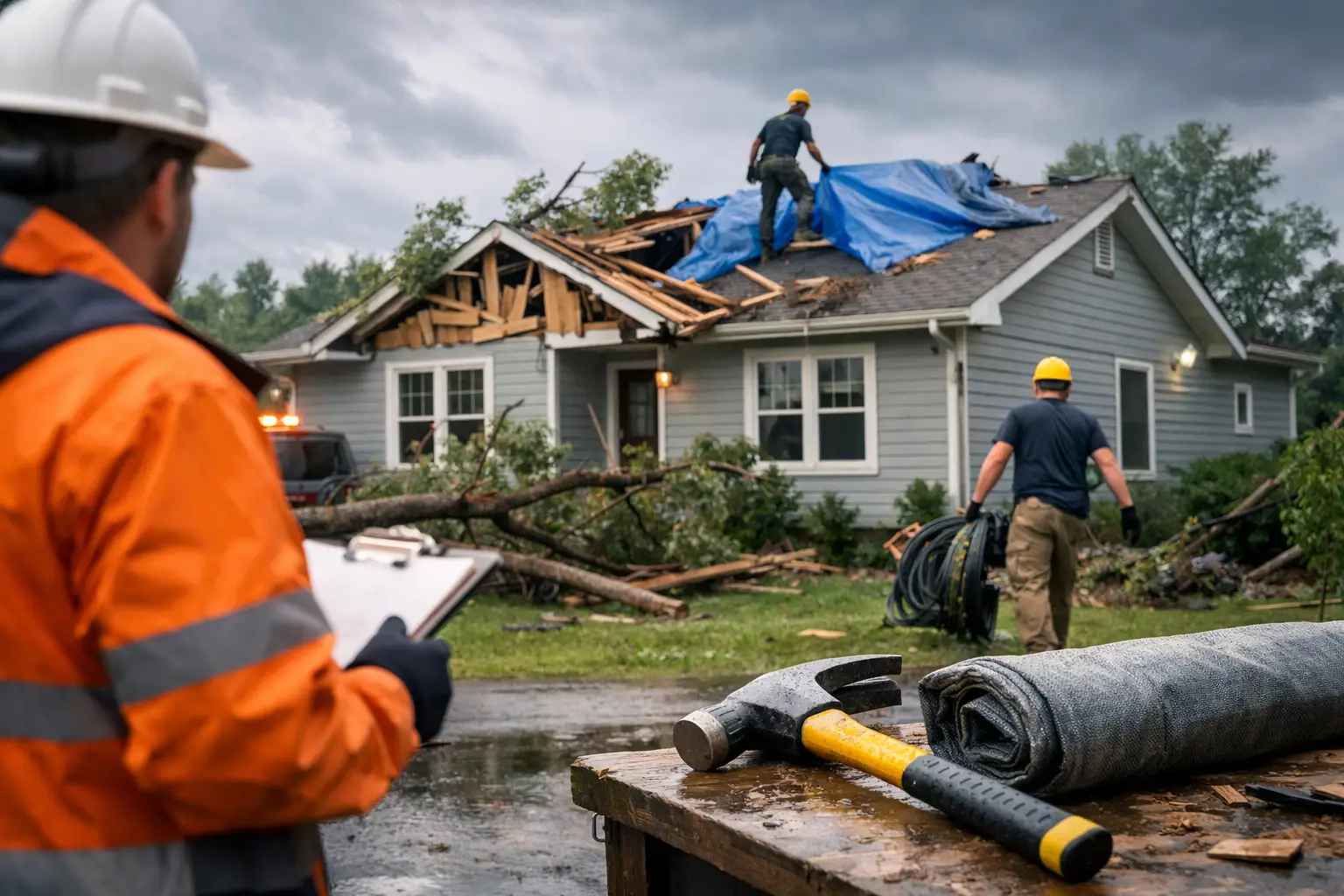 Storm
StormEmergency board-up, roof tarping, and full recovery after wind, hail, and storms.
Learn more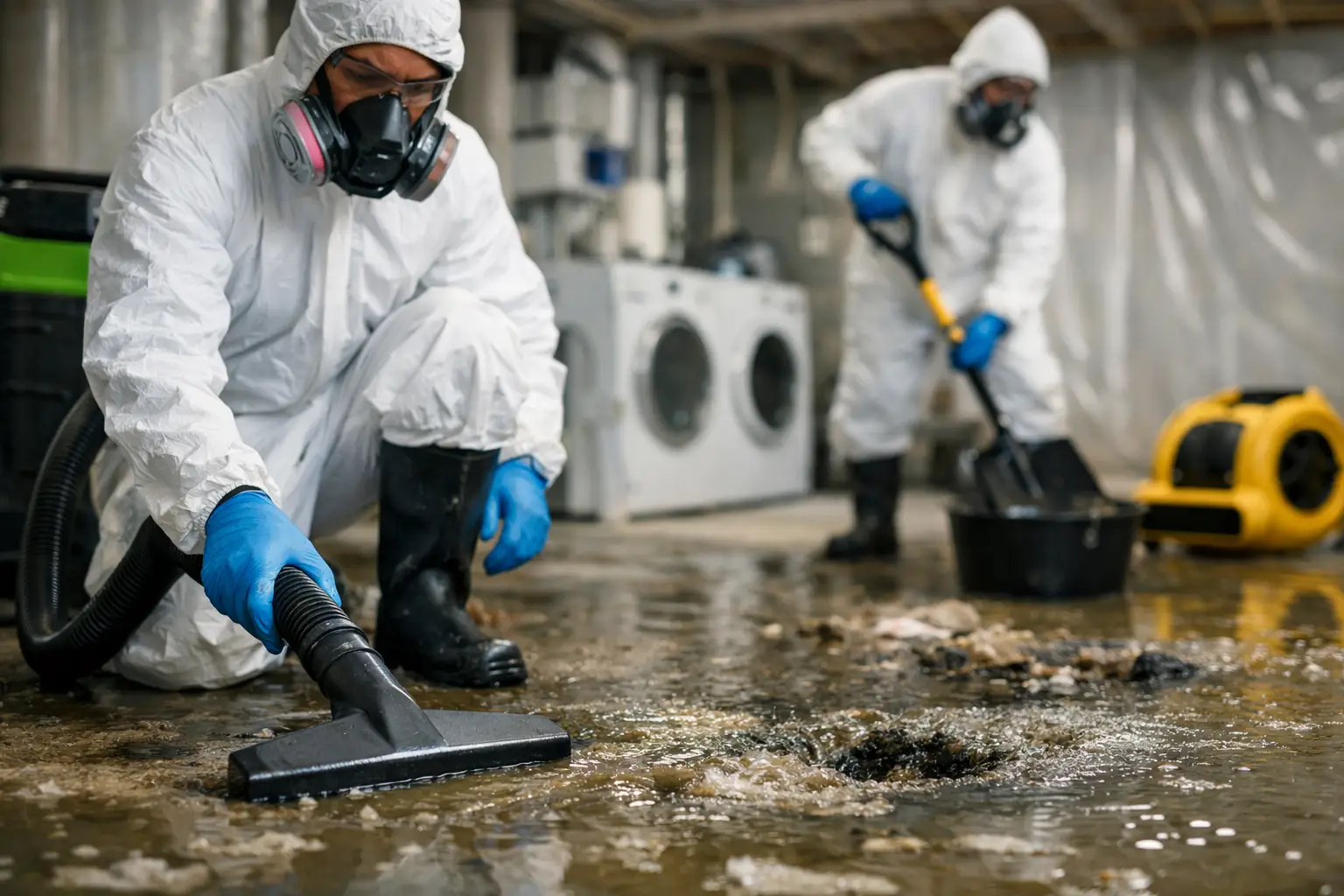 Sewage
Safe biohazard cleanup and sanitizing after sewage backups and overflows.
Learn more Reconstruction
Full rebuild by a licensed general contractor, so your property comes back whole.
Learn moreElevated Operations is an IICRC-certified, licensed general contractor based in Mableton that handles the entire recovery in-house, so after one loss you are never coordinating a cleanup crew, a mold crew, and a contractor separately. One team, one point of contact, from the first pump-out to the final coat of paint.
People call when the property feels like a disaster. They leave reviews because Chris and the crew made it right. These are real, verified Google reviews.
It beats replacement when the materials are still structurally sound, the water was addressed quickly, and moisture monitoring shows the assembly can dry fully. In Atlanta bungalows, that often means saving hardwood, trim, and framing when the damage stayed limited. If boards cup badly, drywall swells, or insulation is soaked, replacement is usually the better call.
Creek basements often bring repeat moisture, so I have to treat them differently than a one-time leak. I look for water paths, hidden dampness, and ongoing seepage before setting air movers and dehumidification. If the source is still active, drying alone will not hold. The source has to be controlled first, then the structure can be dried correctly.
No. Wet carpet extraction helps, but it only handles part of the problem. Water can move into pad, tack strip, subfloor, and wall base. In Atlanta homes, especially older ones, the carpet may look better while the structure stays wet. I always check beneath the surface before calling the job under control.
Water damage is the wetting event. Mold is the secondary problem that can follow when moisture lingers. In a tight intown bungalow, hidden dampness behind trim or in a wall cavity can become a mold issue fast. That is why I push fast extraction and drying before the clock runs out on the building materials.
Yes, if moisture readings show the structure is still wet. A floor can feel dry on top while the subfloor, framing, or wall bottom stays damp. That gap is common in Atlanta basements and older homes. Structural drying closes that gap, and moisture monitoring proves the building is actually ready for repair work.
I offer direct insurance billing, so the claims side does not have to slow the cleanup. That matters when you are dealing with a burst pipe, a sewer issue, or storm intrusion in Atlanta. I document the loss, track the work, and help with the deductible up to $1,000 when eligible. The goal is straightforward communication, not confusion.
Ask whether the technicians are IICRC-certified, whether they will use moisture monitoring, and whether they can explain restoration versus replacement clearly. In Atlanta, I would also ask how they handle basements and older bungalows. A real pro should talk about the structure, not just the wet surface, and should give you a direct plan.
Get the water out and start drying immediately. That first window matters most in Atlanta homes because hidden moisture can linger in trim, subfloors, and wall cavities. If the water involved anything dirty, or if odors and discoloration are already showing, I want to inspect it fast and decide whether drying or removal is the right path.
Elevated Operations dispatches IICRC-certified crews across Metro Atlanta from our Mableton base, with a 60-minute emergency response day or night. Choose your city:
Call now for an immediate response, or request your free inspection and get a certified crew on-site within the hour across Atlanta and nearby areas.