24/7 Emergency Restoration · Serving Metro AtlantaEmergency? (770) 404-6895
Mold remediation services College Park homeowners need are not guesswork, and they are not just a bleach job. I’m Chris Kwangwari, owner of Elevated Operations, LLLP in Mableton, and I handle mold cleanup the right way with IICRC-certified technicians, direct insurance billing, and 24/7 emergency response.
IICRC-Certified · 5-Star Rated · 60-Minute Response · Insurance Billed Directly
Yes. I handle mold cleanup and inspection in homes and commercial properties near the convention hotels, where moisture, HVAC, and plumbing issues can create the same risks.
Older homes can hide moisture in walls, trim, and crawlspaces. I treat those jobs carefully, especially around the National Register historic district, where materials and access often change the approach.
Yes. I offer 24/7 emergency response with a 60-minute emergency response commitment, and I start with source control so the problem does not keep spreading.
Because I bring IICRC-certified technicians, direct insurance billing, a 12-month warranty, and owner-led accountability from Chris Kwangwari, with service from our Mableton base.
The biggest myth is that visible mold is the whole problem, but that is usually wrong. In College Park homes near the historic district and the convention hotels, moisture can spread behind walls, under flooring, and into HVAC paths long after the spot you see is wiped away.
Myth: if it looks small, it is small. Fact: mold growth often tracks to hidden water intrusion, especially in older homes and mixed-use properties around College Park’s National Register historic district where original materials can hold moisture longer than modern finishes.
Myth: bleach fixes everything. Fact: mold cleanup without proper containment, source control, and air filtration can push spores around instead of removing the problem. I use mold inspection findings to decide whether we are doing mold removal, mold abatement, or a larger restoration plan.
Myth: commercial buildings near the convention hotels are different. Fact: the science is the same. A damp break room, a leak under a sink, or condensation near a mechanical room can create the same issue in a hotel-adjacent property or a family home off Main Street.
I start by finding the moisture source, then I contain the affected area, remove damaged materials, and finish with HEPA vacuuming and air filtration. That process matters in College Park because historic-district homes and hotel-area properties can hide mold behind finishes, trim, and older framing.
Myth: mold remediation is just scrubbing. Fact: real mold remediation services include assessment, containment, removal of contaminated material, and post-cleaning verification steps. If the source is still active, the mold returns. I do not treat mold like a surface stain because it is not one.
Myth: mold inspection is optional. Fact: a proper mold inspection tells me where moisture traveled and which materials can be saved. In a College Park bungalow or near a commercial corridor by the convention hotels, that difference keeps the scope focused and the work honest.
Myth: air filtration is only for major losses. Fact: if spores are disturbed during mold cleanup, they move. I use air filtration and hepa vacuuming when needed so the work area stays controlled and the cleanup stays controlled too.
You need mold remediation when you have active moisture, a musty odor, visible growth, or materials that stayed wet long enough for mold to start. In practice, that means fast action after leaks, roof issues, plumbing failures, or humidity problems in College Park homes and properties.
Myth: you can wait and see. Fact: mold can start in 24 to 48 hours once materials stay wet, so waiting is the wrong move. In College Park, where older structures and hotel-heavy blocks both see frequent plumbing and HVAC stress, delay raises the risk.
Myth: only flooded homes need help. Fact: slow leaks matter too. A pinhole under a sink, a drip behind a wall, or condensation around an air handler can create the same need for mold abatement as a bigger event, just with less obvious warning signs.
Myth: if guests do not complain, there is no issue. Fact: convention hotels and nearby properties often deal with odor or air quality complaints after moisture problems begin. My job is to stop the source and handle the cleanup before the damage spreads.
No one should promise complete removal in the absolute sense, but mold contamination can be remediated to safe, controlled conditions when the source is fixed and the affected materials are handled correctly. That is the honest answer for College Park homeowners and property managers.
Myth: total eradication is the goal. Fact: the real goal is to remove contaminated materials, clean what can be saved, and control the environment so mold does not keep growing. That is the difference between marketing talk and actual mold remediation services.
Myth: once it is dry, the problem is gone. Fact: dried mold can still live on surfaces and in hidden cavities. In older College Park homes near the historic district, and in buildings serving convention traffic, a dry wall is not proof of a clean wall.
Myth: smell equals failure. Fact: odor can linger after source control and mold cleanup, especially in enclosed spaces. The important question is whether the moisture is stopped, the materials are treated correctly, and the affected area is cleared with care.
The honest answer is that it depends on the size of the affected area, the moisture source, and how much material must be removed. I do not guess on timelines, but I do move fast, with 24/7 emergency response and a 60-minute emergency response commitment.
Myth: all mold jobs take the same amount of time. Fact: a small bathroom leak and a whole-house moisture problem are not the same job. College Park homes range from historic-district properties to newer infill and nearby commercial spaces, and each one changes the scope.
Myth: the cleanup clock starts when I arrive. Fact: it starts when the source is controlled and the affected area is contained. That is why I focus on inspection, access, and sequencing before mold removal begins. Rushing the first step makes the rest slower.
Myth: hotel-area properties always need a big shutdown. Fact: not always. In some cases, targeted mold cleanup, hepa vacuuming, and air filtration keep the disruption narrower. The point is to work accurately, not theatrically.
Mold comes back when the moisture source was never fixed, the cleanup was incomplete, or contaminated materials stayed in place. That is the real pattern I see in College Park, especially in older structures and busy properties near the convention hotels.
Myth: paint seals mold away. Fact: paint may hide stains, but it does not stop moisture. If water keeps entering from a roofline, window, crawlspace, or plumbing line, the growth returns and the damage can spread farther than before.
Myth: a fan and a dehumidifier solve it. Fact: drying equipment helps, but it does not replace mold abatement when materials are already contaminated. If drywall, insulation, or trim has been affected, those materials may need removal before the space is truly corrected.
Myth: only obvious leaks matter. Fact: condensation can be enough. In a city with historic buildings, hospitality properties, and active air systems, hidden humidity and temperature swings can create repeated problems unless the building is inspected carefully.
Fact: small visible growth can point to a bigger moisture problem behind the surface, especially in College Park homes near the historic district where older materials hold water longer.
Fact: bleach does not solve hidden contamination, and it does not replace containment, hepa vacuuming, or proper air filtration during mold remediation services.
Fact: musty odor can be one of the first clues in properties near the convention hotels, and that smell often means the source is still active.
From emergency mitigation to full reconstruction, handled in-house so you are never managing a chain of subcontractors mid-crisis.
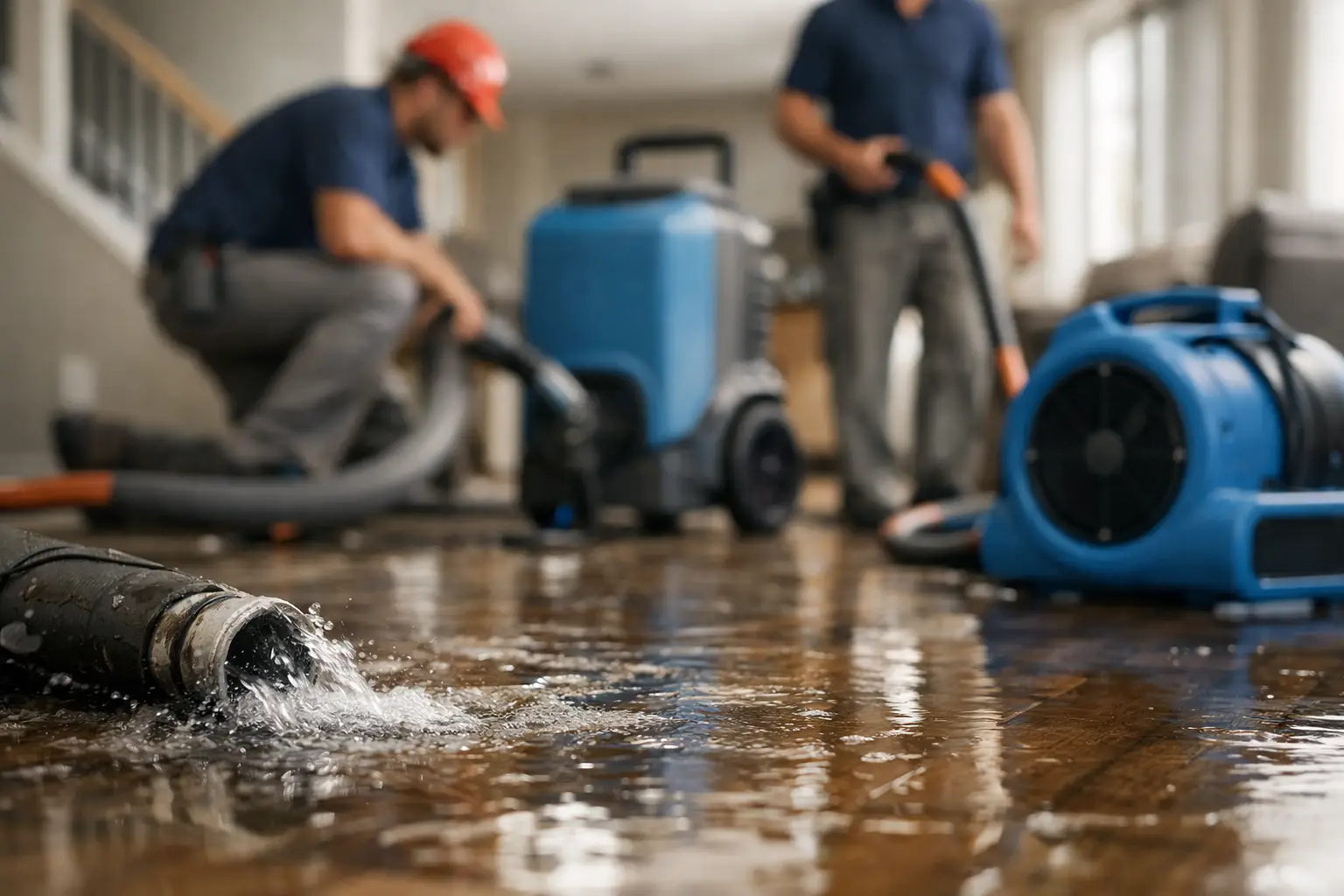
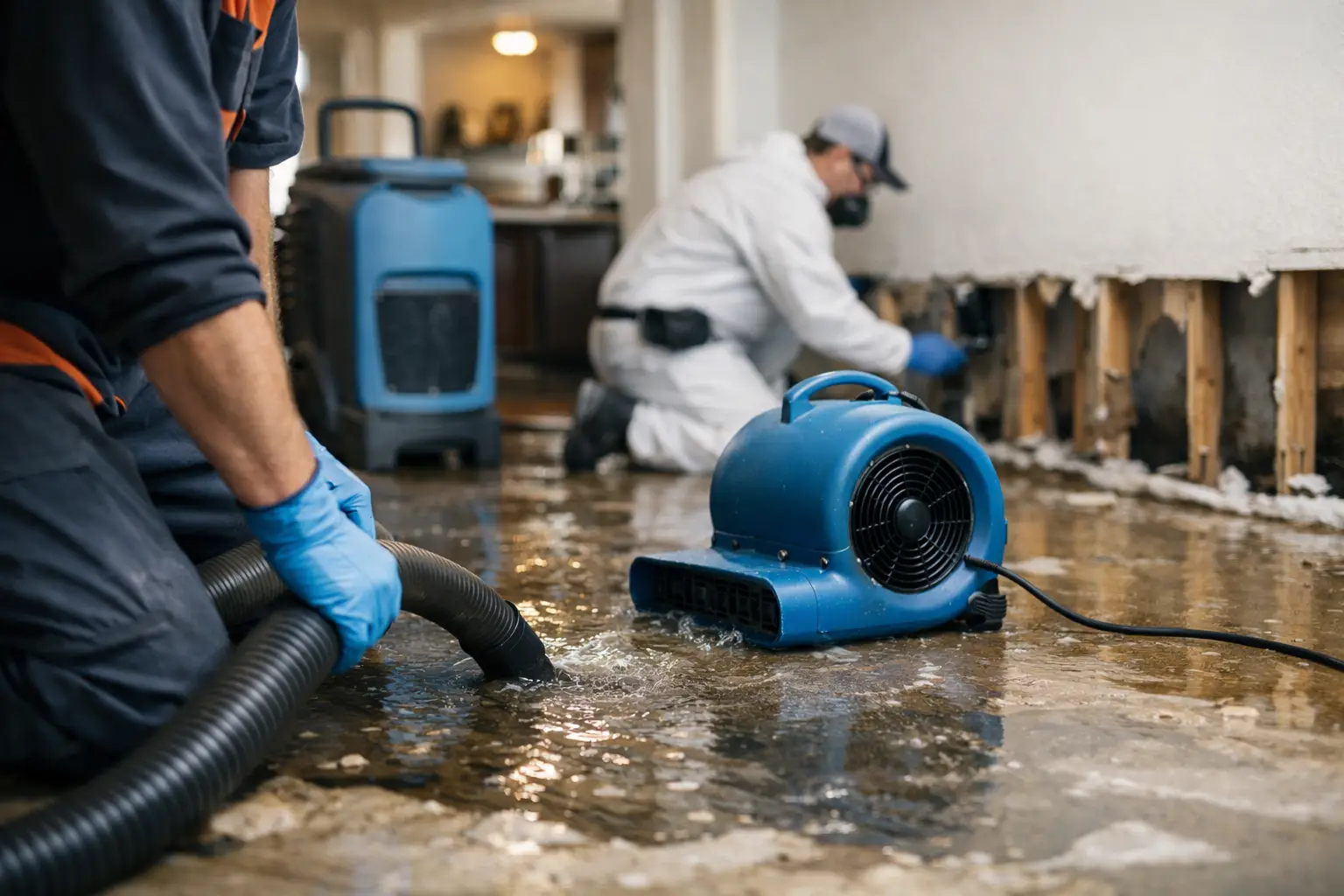 Water Damage
Extraction, structural drying, and moisture mapping after floods, leaks, and burst pipes.
Get help now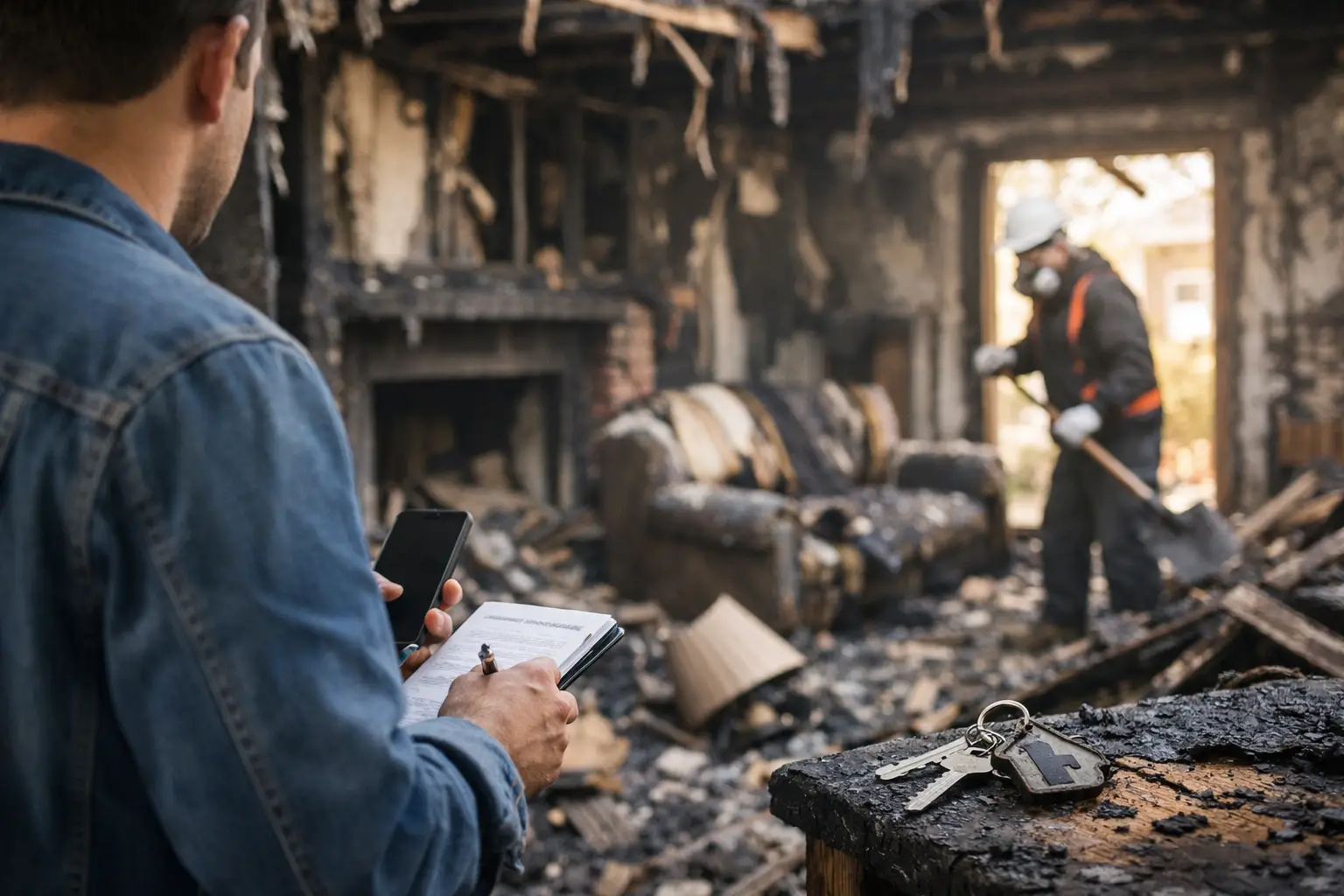 Fire & Smoke
Soot removal, odor deodorization, and content cleaning after fire and smoke damage.
Learn more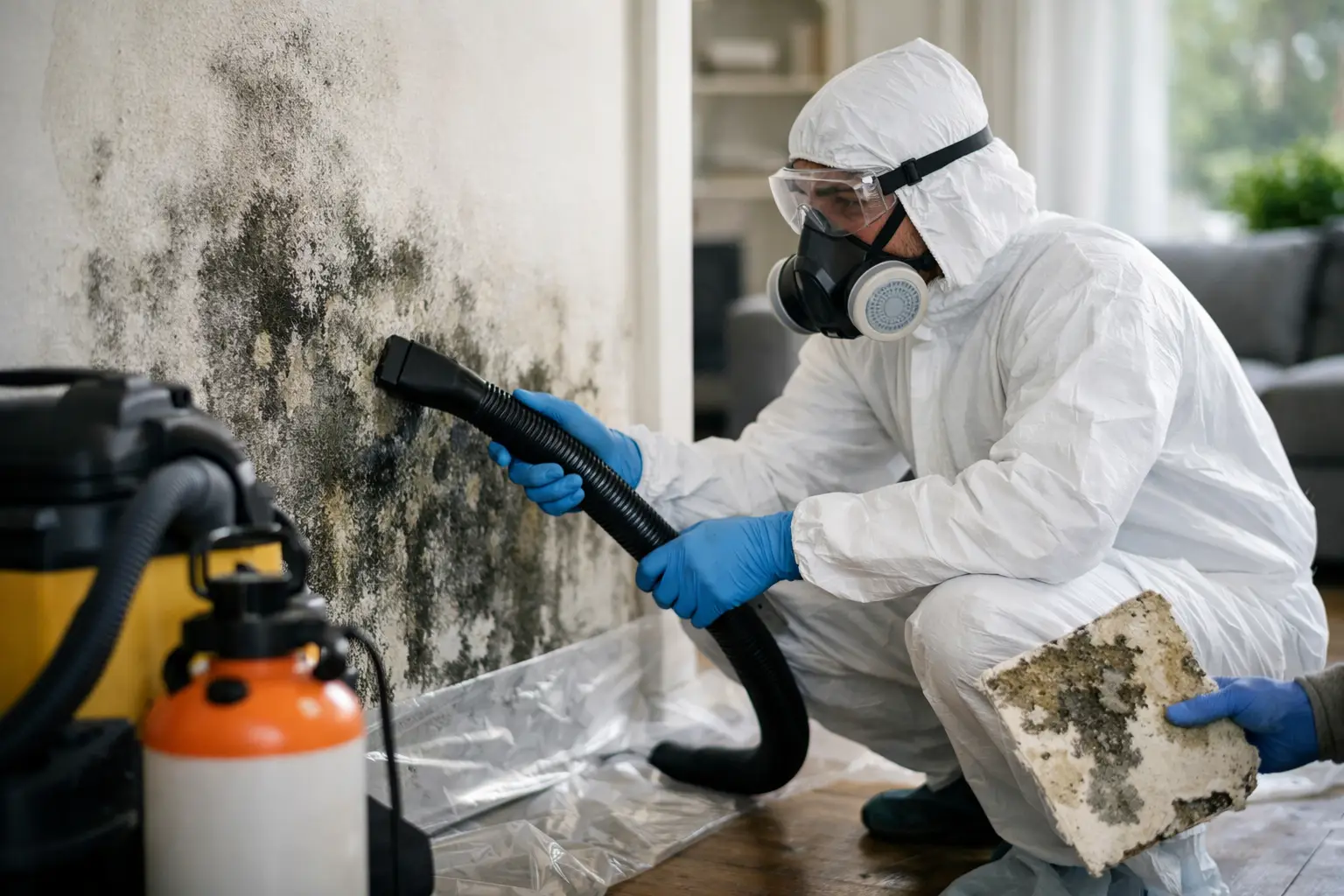 Mold
MoldContainment, removal, and moisture control that stops mold from coming back.
Learn more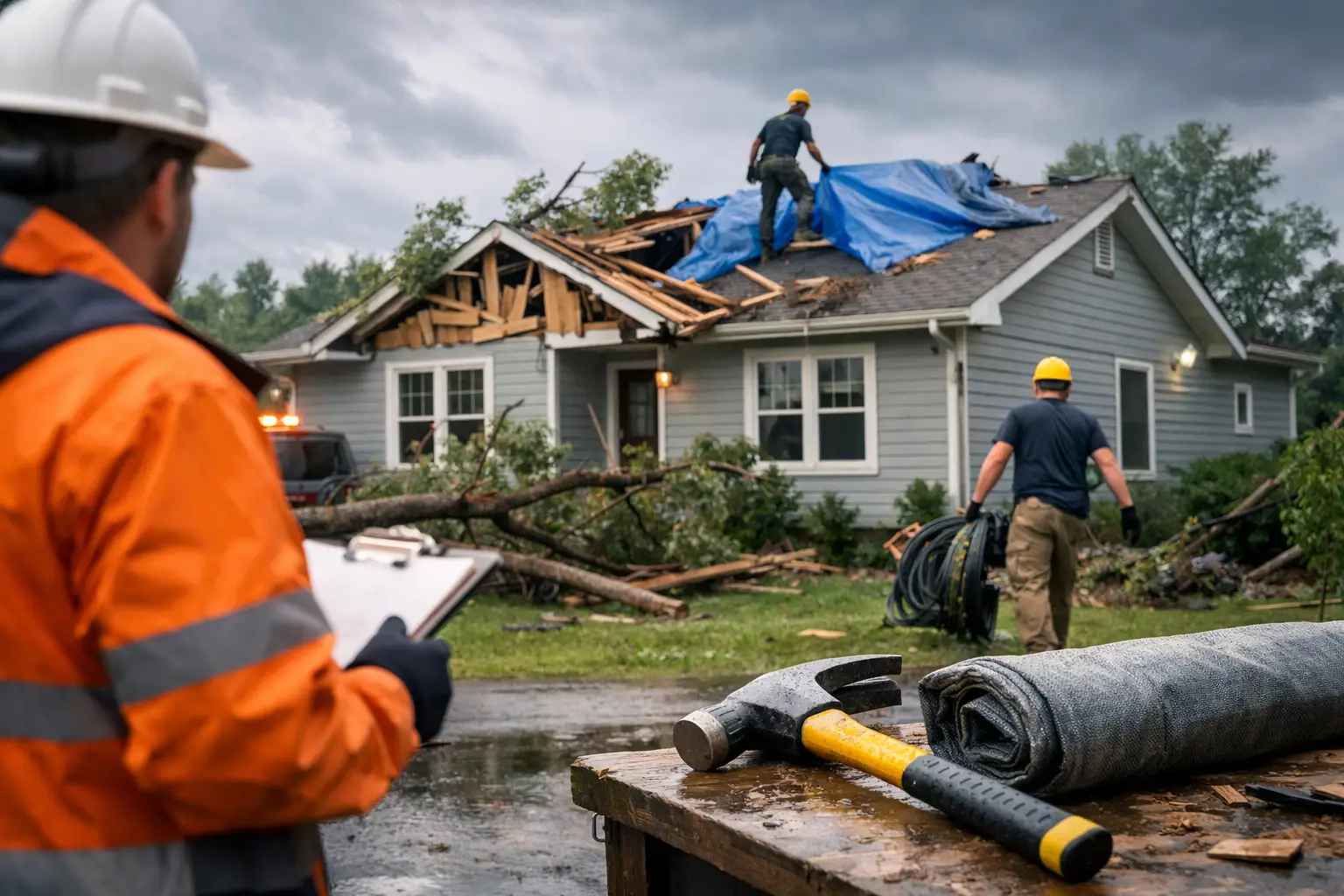 Storm
StormEmergency board-up, roof tarping, and full recovery after wind, hail, and storms.
Learn more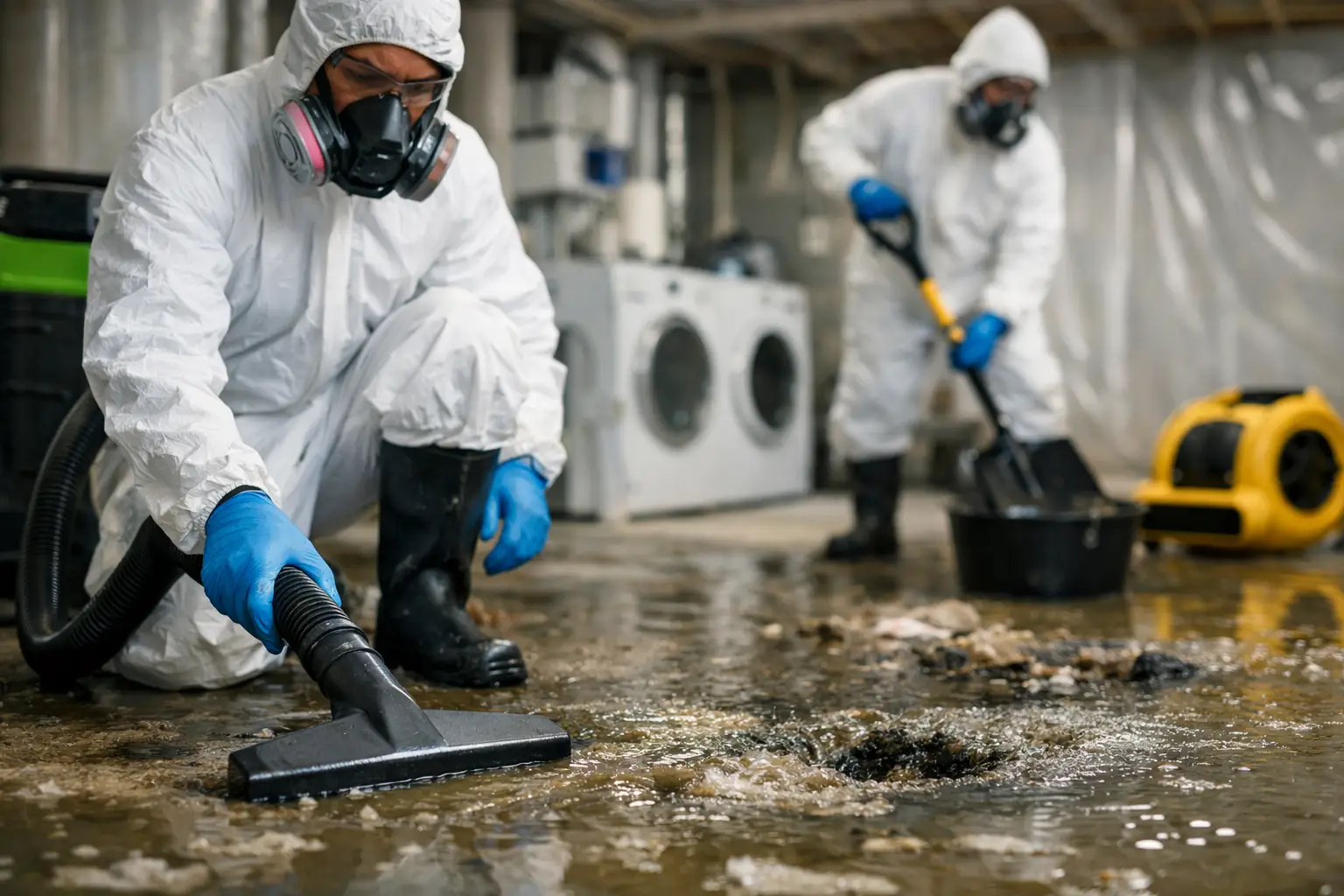 Sewage
Safe biohazard cleanup and sanitizing after sewage backups and overflows.
Learn more Reconstruction
Full rebuild by a licensed general contractor, so your property comes back whole.
Learn moreElevated Operations is an IICRC-certified, licensed general contractor based in Mableton that handles the entire recovery in-house, so after one loss you are never coordinating a cleanup crew, a mold crew, and a contractor separately. One team, one point of contact, from the first pump-out to the final coat of paint.
People call when the property feels like a disaster. They leave reviews because Chris and the crew made it right. These are real, verified Google reviews.
Yes, and I insist on it when the situation is unclear. A mold inspection tells me where moisture traveled, what materials are affected, and whether the job is simple mold removal or a wider restoration issue. Historic-district homes often have older framing, plaster, or trim that hide moisture longer than newer finishes do.
They see heavy HVAC use, frequent occupancy, and more opportunities for condensation or plumbing issues. That is why I treat those properties the same way I treat homes, with source control first and mold cleanup second. If the air system or a hidden leak is ignored, the growth usually returns.
You can clean a tiny, non-porous surface problem if you know the cause and the area is truly limited, but most homeowners stop too soon. Once mold reaches drywall, insulation, or subflooring, you need mold remediation services, not guesswork. Disturbing the area without containment can spread spores.
HEPA vacuuming captures fine particles that ordinary vacuums push back into the air. I use it as part of a controlled cleanup process after contaminated materials are removed. In College Park, that matters in older homes and in properties near the convention hotels where tight indoor air spaces can trap residue.
Yes. Mold removal usually refers to taking out contaminated materials and cleaning the area, while mold abatement means reducing the hazard and controlling the condition so it does not keep spreading. I choose the right approach based on the structure, the moisture source, and what the mold inspection shows.
If materials stayed wet long enough, if you smell a musty odor, or if you see visible growth, it is time to act. Mold can start in 24 to 48 hours. I do not wait for a bigger failure when a leak has already affected walls, flooring, or insulation.
It can make the process easier once the claim is moving. I offer direct insurance billing, and I also provide deductible assistance up to $1,000 when eligible. The key is to document the problem correctly from the start so the carrier has the facts, not a vague story.
You should expect the affected area to be cleaned, the source issue addressed, and the work backed by a 12-month warranty. I also stand behind the job with licensed general contractor oversight, which matters when mold damage is tied to broader restoration work.
Elevated Operations dispatches IICRC-certified crews across Metro Atlanta from our Mableton base, with a 60-minute emergency response day or night. Choose your city:
Call now for an immediate response, or request your free inspection and get a certified crew on-site within the hour across Atlanta and nearby areas.