24/7 Emergency Restoration · Serving Metro AtlantaEmergency? (770) 404-6895
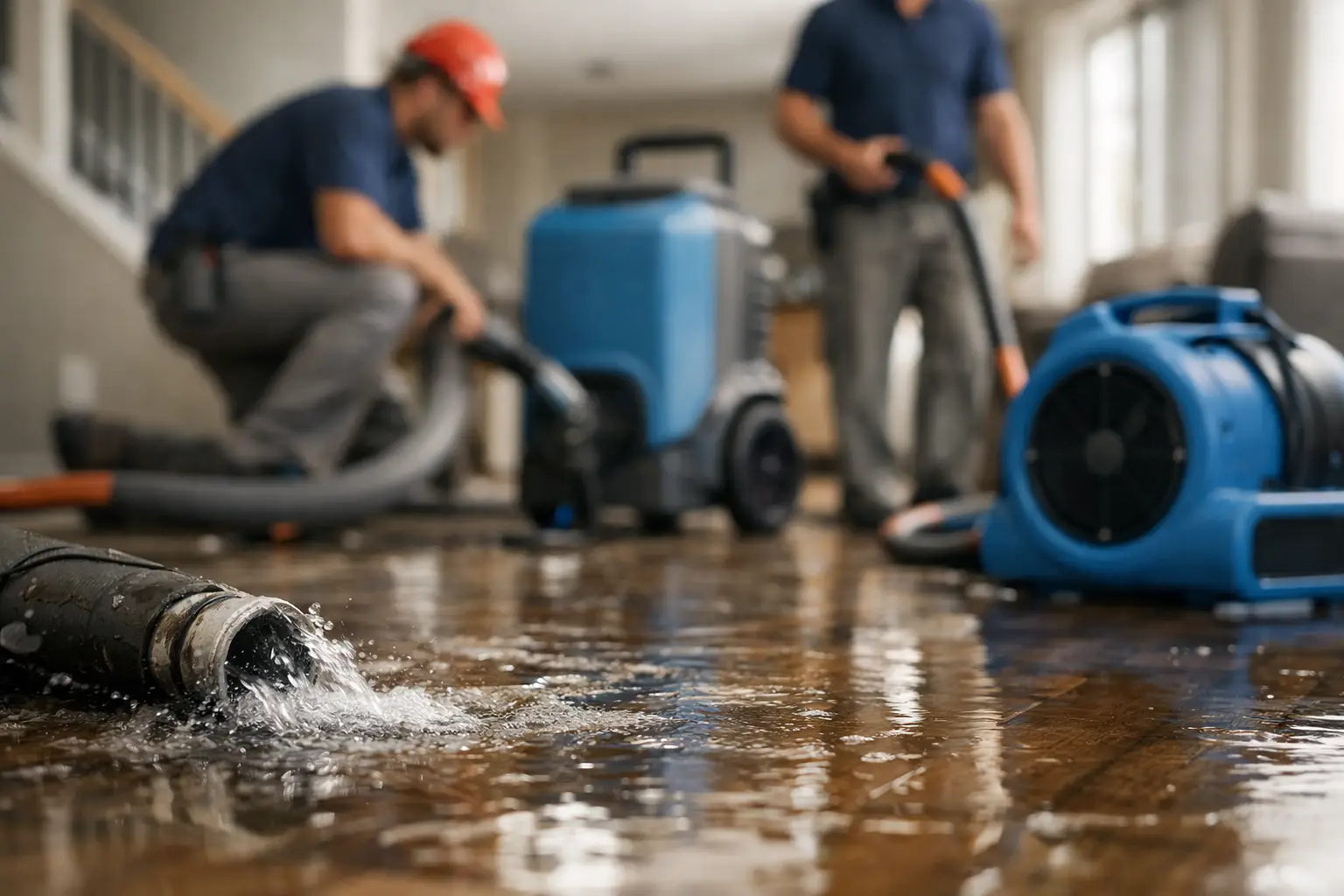
Flooded basement cleanup in College Park starts with fast flood water extraction, safe basement water removal, and a plan that fits the home. I handle the hard parts with IICRC-certified technicians, direct insurance billing, and a 12-month warranty, so the basement gets dried the right way.
IICRC-Certified · 5-Star Rated · 60-Minute Response · Insurance Billed Directly
Yes. We provide 60-minute emergency response 24/7 and start with safety, extraction, and drying. That matters when water reaches finished space or utility areas.
Yes, deductible assistance up to $1,000 is available on qualifying jobs. I keep the process straightforward and handle direct insurance billing.
Yes. My team uses IICRC-certified technicians, which means the cleanup follows restoration standards, not shortcuts. That matters on water, sewage, and mold-prone losses.
We back our work with a 12-month warranty. After flooded basement cleanup, I want the structure dry and the process documented before anyone moves on to repairs.
Start by cutting power to the affected area if you can do that safely, then keep people out of the basement and call for 24/7 help. In College Park, where older homes and lower levels near the historic district can take water fast, the first move is safety and documentation.
Take photos before you move anything. That helps when I handle direct insurance billing, and it also gives a clean record if the water came through a failed line, storm runoff, or a sewage backup cleanup situation. Do not drag wet carpet around the house.
If the water is clean enough to approach, lift a few items onto dry surfaces and open doors for ventilation. But do not run fans into standing water. Basement drying starts after the water is out, not before. That order matters.
College Park has a mix of older structures and hospitality properties near the convention hotels, so I often see basements that hold water in finished rooms, storage areas, and utility spaces. The faster you call, the better the mold prevention outcome.
I clean it in order: stop the source, remove standing water, remove damaged materials, dry the structure, then confirm the space is ready for repairs. That sequence matters in College Park because water in a basement near the National Register historic district can spread into framing, finishes, and hidden cavities fast.
First, my crew inspects the entry point and identifies whether this is storm water, a plumbing failure, or sewage backup cleanup. Then we start flood water extraction and basement water removal with equipment sized for the loss, not guesswork. Fast work here prevents a bigger cleanup.
Next comes selective demolition if materials cannot be saved. Wet carpet removal is not about tearing things out first, it is about removing what has already absorbed contaminated water or cannot dry safely. IICRC-certified technicians decide what stays and what goes based on condition.
Then we move into basement drying with air movement and dehumidification, checking hidden spaces around base plates, wall cavities, and utility corners. That is how we protect against mold prevention problems later. College Park homes and business basements both need that careful approach.
Drying time depends on how much water entered, what materials were affected, and whether the basement is finished or unfinished. The basement drying phase starts after extraction and can take longer when water sits behind walls, under carpet, or inside older structures near College Park’s historic areas.
I never promise a shortcut, because drying is measured by conditions, not hope. A basement with wet carpet, soaked trim, and trapped moisture behind drywall will take longer than a bare concrete room. We check the environment, then keep the equipment running until readings are acceptable.
If the loss involves sewage backup cleanup, the drying process is only one part of the job. Contaminated materials have to be removed first, then the remaining structure gets dried and cleaned. That is how I protect the property and the people who use it.
In the College Park area, basements near the convention hotels and older residential blocks often have different ventilation and drainage behavior. I adjust the setup to the structure, not the ZIP code. That is the difference between drying a room and drying it correctly.
Yes. Mold can start in 24 to 48 hours when moisture stays in a basement, especially around carpet, drywall, wood framing, and stored contents. That is why I push basement water removal and basement drying immediately in College Park, before the problem spreads into a full remediation situation.
The risk goes up when water sits overnight, when fans are used without extraction, or when homeowners think a dehumidifier alone will solve it. It will not. Mold prevention starts with removing the water, removing unsalvageable materials, and drying every hidden pocket of moisture.
Older properties near College Park’s National Register historic district can have materials that absorb and hold water differently than newer builds. That means one wet wall or one soaked carpet pad can create a larger moisture footprint than it looks like at first glance.
I have been in restoration since 2007, and I have learned this the hard way: timing is everything. If you smell a musty odor after flooding, or see staining on trim and drywall, the drying window may already be closing. Call immediately.
I treat sewage backup cleanup as a contamination job first and a drying job second. We isolate the area, remove contaminated materials, clean the structure, and then dry it fully. In a College Park basement, that order protects adjacent rooms, hallways, and utility spaces from spread.
Sewage is not a simple wet-basement problem. It can contaminate carpet, insulation, furniture, and anything porous. That is why basement water removal alone is not enough. Once the source is controlled, we remove the affected materials and clean the remaining structure with care.
If the basement connects to finished living space, the work has to be staged so clean areas stay clean. College Park homes and commercial spaces near the convention hotels often have shared traffic paths and lower-level entries, so I plan access around the building, not just the room.
Then basement drying begins with the right equipment, placed where moisture is trapped. I inspect framing, subfloor, and hidden spaces as the job moves forward. That is how I reduce secondary damage and keep the cleanup on track.
Because I bring one team, one plan, and one point of contact. Elevated Operations, LLLP is based in Mableton, I am a licensed general contractor, and my IICRC-certified technicians handle flood water extraction, direct insurance billing, and the repair path after the basement is dry.
My company has been in restoration since 2007, and I own the job from the first call through the final check. We offer 60-minute emergency response 24/7, a 12-month warranty, and deductible assistance up to $1,000. That gives College Park property owners a clear path forward.
I do not hand off the hard parts. If the basement needs wet carpet removal, structural drying, or follow-up repair planning, I stay involved. That matters in a city with older homes, active commercial properties, and a lot of foot traffic around the historic district and convention hotels.
We are a 4.9-star Google rated team with 73 reviews, and I take that seriously. The rating is not the point, though. The point is getting the basement back to normal without wasted time, guesswork, or broken communication.
Call us any time, and I send an IICRC-certified crew to College Park fast. We start with safety, source control, and a clear look at the water path.
We inspect the basement, identify clean water or contamination, and decide what can be saved. In older College Park properties, hidden moisture matters as much as what you can see.
We perform flood water extraction and basement water removal with professional equipment, then remove damaged porous materials when needed. That clears the space for actual drying.
We set the basement drying equipment and monitor moisture until the structure is dry. This is where mold prevention gets serious, especially around framing, carpet, and enclosed cavities.
We handle direct insurance billing and document the loss so you do not have to manage the paperwork alone. I keep the file clean and the communication direct.
When the space is ready, we confirm the work and back it with a 12-month warranty. If repairs are needed, I can guide the next steps as a licensed general contractor.
From emergency mitigation to full reconstruction, handled in-house so you are never managing a chain of subcontractors mid-crisis.
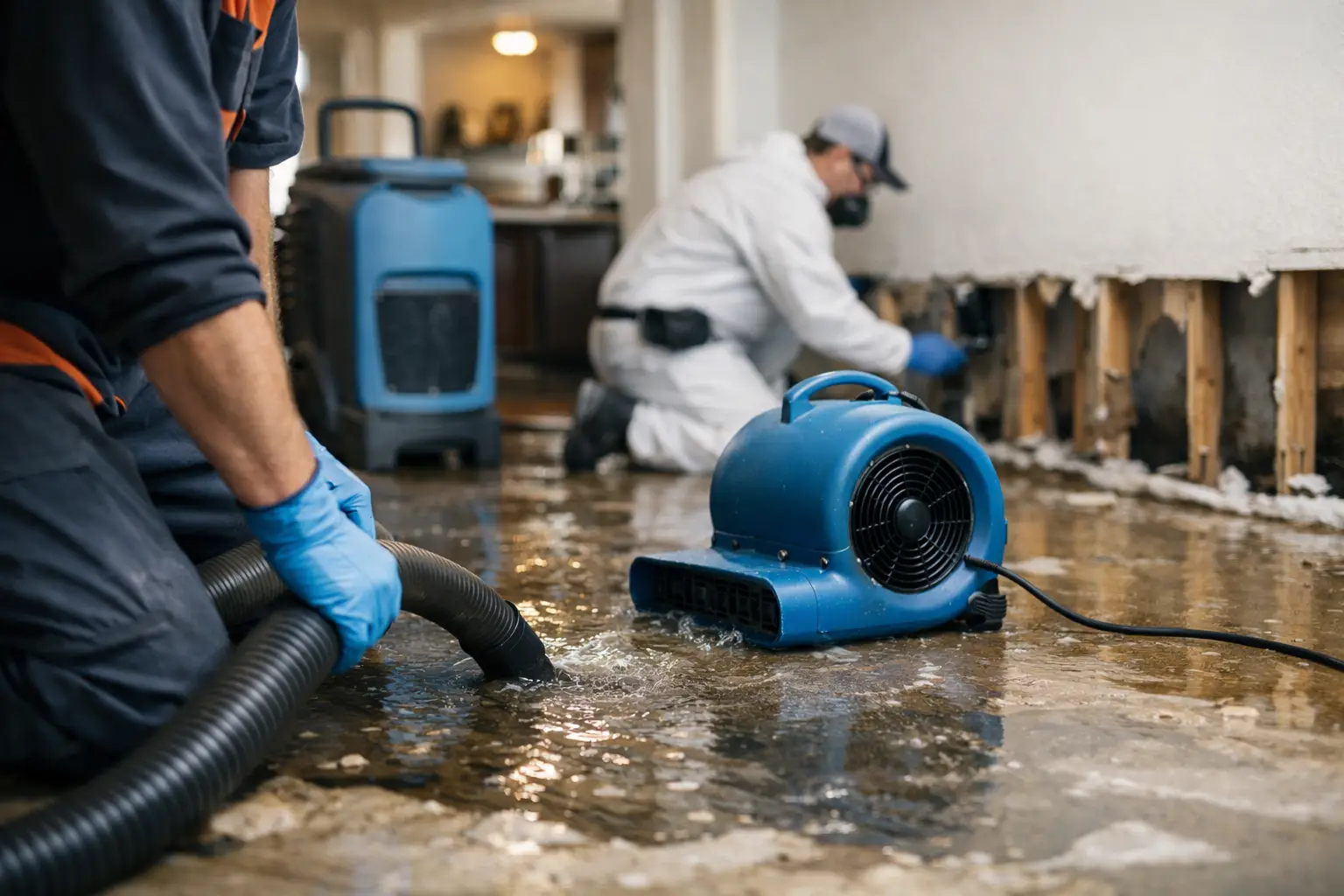 Water Damage
Extraction, structural drying, and moisture mapping after floods, leaks, and burst pipes.
Get help now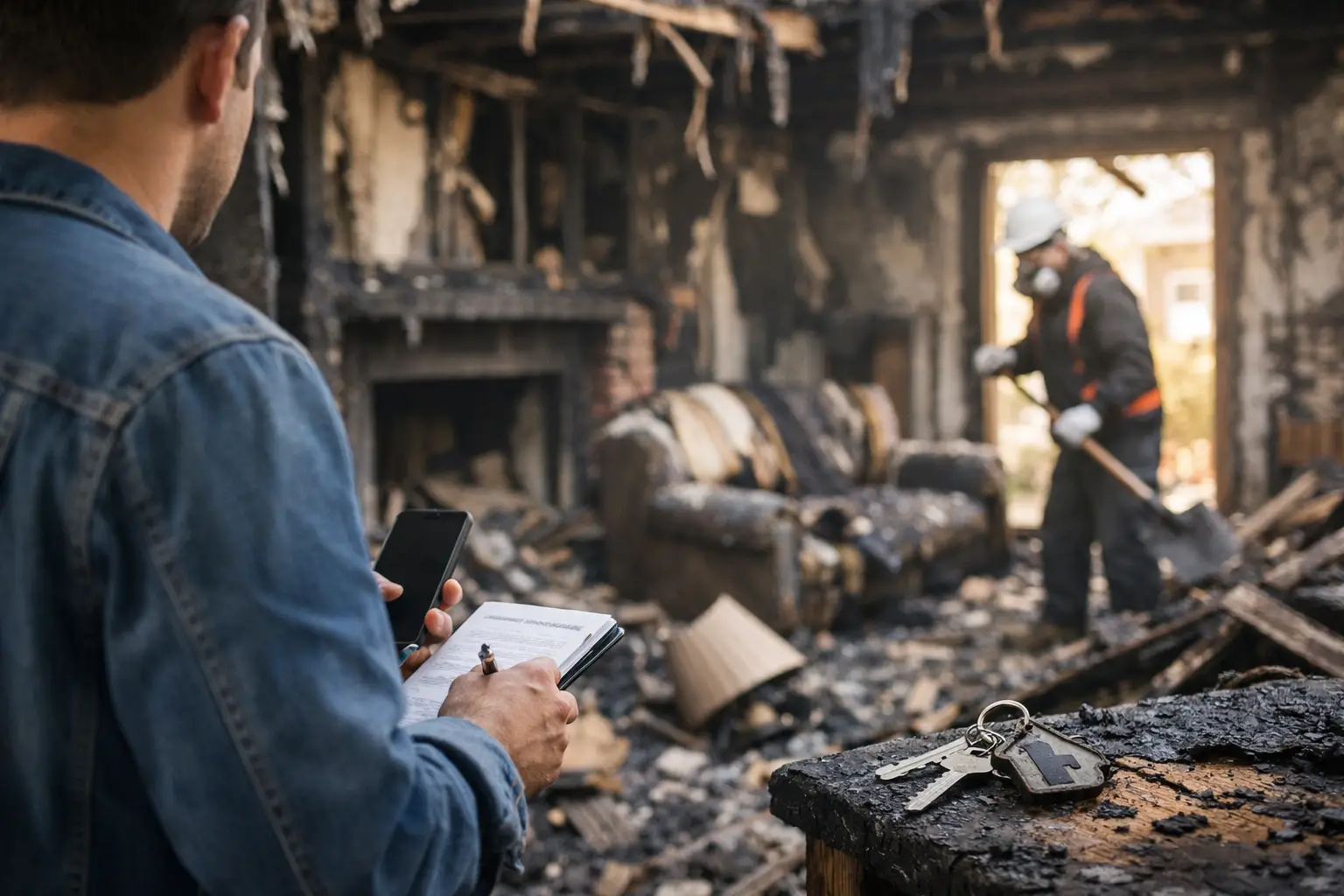 Fire & Smoke
Soot removal, odor deodorization, and content cleaning after fire and smoke damage.
Learn more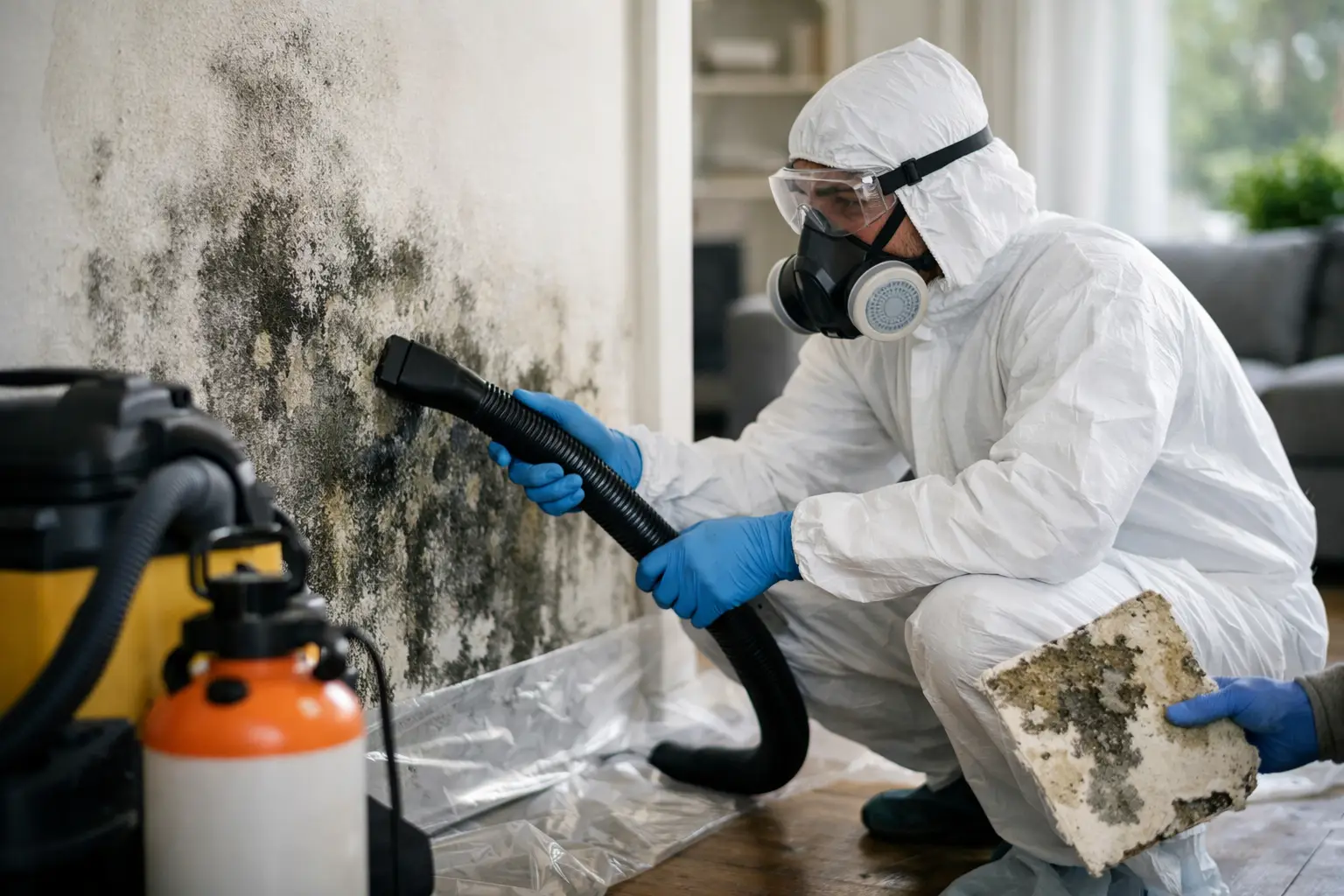 Mold
MoldContainment, removal, and moisture control that stops mold from coming back.
Learn more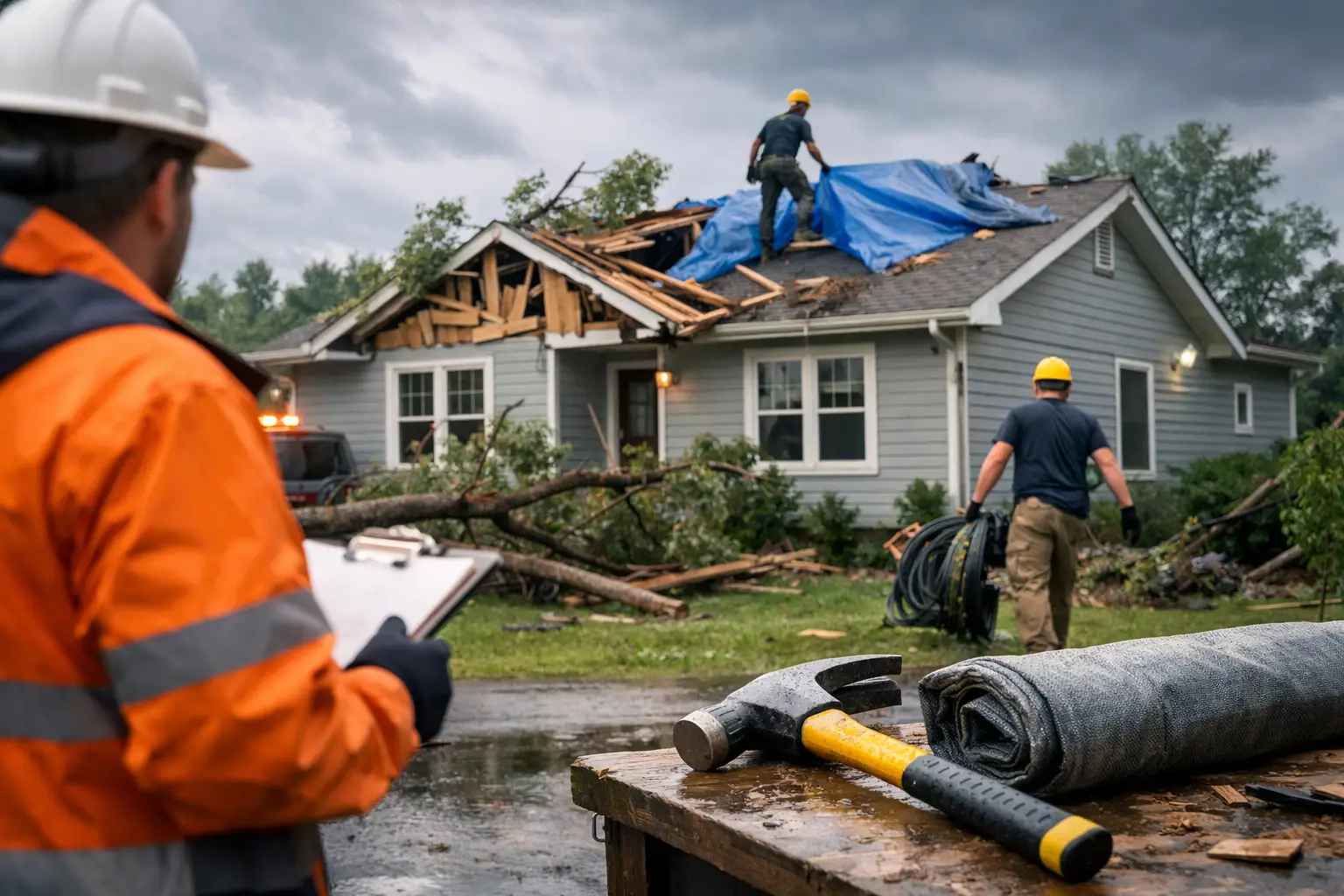 Storm
StormEmergency board-up, roof tarping, and full recovery after wind, hail, and storms.
Learn more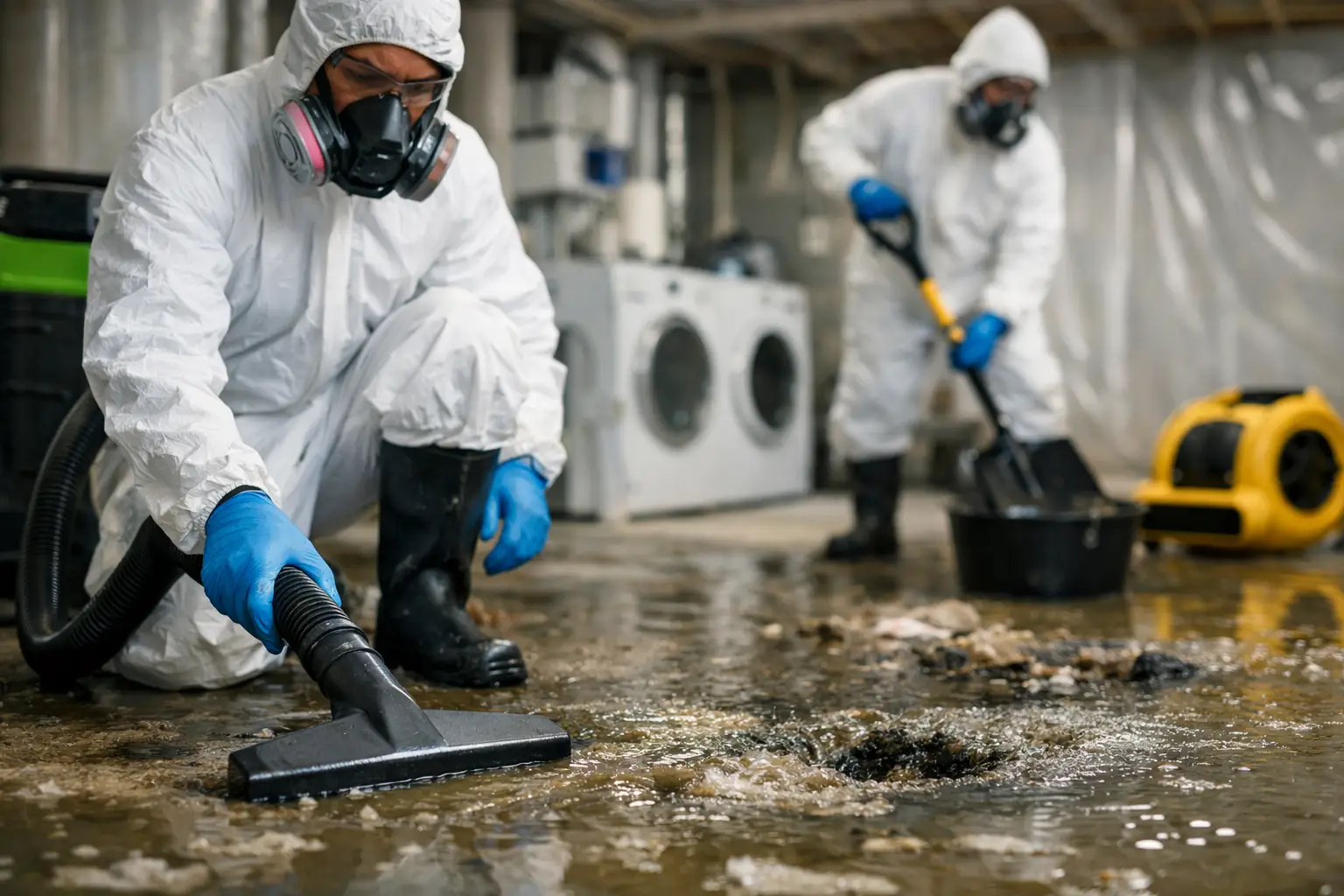 Sewage
Safe biohazard cleanup and sanitizing after sewage backups and overflows.
Learn more Reconstruction
Full rebuild by a licensed general contractor, so your property comes back whole.
Learn moreElevated Operations is an IICRC-certified, licensed general contractor based in Mableton that handles the entire recovery in-house, so after one loss you are never coordinating a cleanup crew, a mold crew, and a contractor separately. One team, one point of contact, from the first pump-out to the final coat of paint.
People call when the property feels like a disaster. They leave reviews because Chris and the crew made it right. These are real, verified Google reviews.
I start with safety, then extraction, then drying. In older College Park buildings near the historic district, water can move into framing and finish materials quickly, so I document the loss, remove damaged contents, and set drying equipment right away. That order protects the structure and keeps the job focused.
Wet carpet removal may be necessary if the padding, backing, or subfloor has absorbed too much water. I inspect the carpet, walls, and trim as a system. If material cannot dry safely, I remove it before basement drying begins, because trapped moisture causes bigger problems later.
Yes. Storm runoff can push water into basements fast, especially when drainage is overwhelmed. I handle basement water removal, flood water extraction, and drying in the right sequence. If the water reached finishes or contents, I separate what can be saved from what has to come out.
Yes, and I understand those buildings often have lower-level utility rooms, storage areas, and guest-facing spaces that need fast attention. I respond 24/7, assess the source, and move straight into extraction and drying so the damage does not spread into adjacent areas.
If the water contains sewage, smells foul, or came from a contaminated drain or line, I treat it as sewage backup cleanup. That means isolation, removal of contaminated materials, and cleaning before drying. I do not gamble with that call, because exposure and spread matter.
Immediately. Mold can start in 24 to 48 hours if moisture remains. That is why I push flood water extraction and basement drying right away. In a College Park basement, waiting even one day can turn a manageable cleanup into a larger remediation problem.
Yes. I offer direct insurance billing, and I document the job so the claim process is cleaner. That helps College Park property owners stay focused on the house or building instead of getting buried in forms after a basement flood.
I am the owner, and I stay involved. Elevated Operations, LLLP is based in Mableton, we have been in restoration since 2007, and my licensed general contractor background helps when the cleanup turns into a repair plan. I bring one process, not scattered vendors.
Elevated Operations dispatches IICRC-certified crews across Metro Atlanta from our Mableton base, with a 60-minute emergency response day or night. Choose your city:
Call now for an immediate response, or request your free inspection and get a certified crew on-site within the hour across Atlanta and nearby areas.