24/7 Emergency Restoration · Serving Metro AtlantaEmergency? (770) 404-6895
Crawl space mold removal Jonesboro starts with moisture, not stains. In Jonesboro homes near the Flint River and in older, heart-pine houses tied to the city’s antebellum history, I see the same pattern: damp air, wood decay, and hidden fungal growth under the floor. I’m Chris Kwangwari, and I explain the process plainly so you know what matters.
IICRC-Certified · 5-Star Rated · 60-Minute Response · Insurance Billed Directly
No. I often find it behind insulation, on joists, or on the underside of subflooring before the homeowner sees anything.
Not if moisture stays active. Cleaning helps, but moisture control, drying, and sometimes encapsulation are what keep it from coming back.
Often yes, if the wood is sound. I inspect carefully first, then decide whether cleaning, treatment, or material removal is the right step.
Yes. I use direct insurance billing, and I also offer deductible assistance up to $1,000 when the claim and job qualify.
Crawl space mold removal is the process of finding fungal growth, removing contaminated material, drying the space, and correcting the moisture source so the mold does not keep coming back. In Jonesboro, it often starts under older homes with damp crawl spaces, soil moisture, and limited airflow.
I treat it as a moisture problem first. Mold can sit on joists, subflooring, insulation, and debris, then spread when the crawl space stays humid. That matters in Jonesboro because many homes sit on aging framing, and the local climate near the Flint River can keep crawl spaces damp longer than owners expect.
A real crawl space mold remediation plan includes crawl space cleanup, containment, removal of damaged materials when needed, and drying. It is not just spraying something and leaving. If the source stays active, the spores return. That is why dehumidification and moisture control belong in the same conversation.
In historic parts of Jonesboro, especially where older construction used heart-pine and other old-growth lumber, mold can hide in small cracks and rough framing surfaces. The problem may look small from the hatch, but the underside of the home can tell a very different story once I inspect it closely.
Mold in a crawl space usually comes from moisture intrusion, poor ventilation, warm humid air, or groundwater moving through the soil. In Jonesboro, crawl spaces near low-lying areas and around the Flint River can hold humidity, and older homes often lack the moisture control needed to keep wood dry.
I look for the source, not just the surface growth. Common causes include exposed dirt floors, plumbing leaks, unsealed vents, standing water, and failed vapor barriers. If the crawl space breathes humid outdoor air all summer, the wood stays damp enough for fungal growth to take hold.
Jonesboro’s housing mix includes older homes that were built before modern crawl space encapsulation practices were common. That means the space may have open soil, weak drainage, or old ductwork sweating in the heat. In those homes, one wet season can create enough moisture for mold to start fast.
The Flint River area matters because local ground moisture can work against a crawl space that already has poor drainage. Add a shaded lot, clogged gutters, or a downspout dumping too close to the foundation, and the crawl space becomes a damp storage area for spores, wood decay, and odors.
Professional removal starts with inspection, containment, and drying, then moves to physical cleanup, antimicrobial treatment when appropriate, and correction of the moisture source. The goal is not just fungal growth removal, it is stopping the conditions that let mold survive under the home.
I begin by checking framing, insulation, joists, subflooring, and the soil conditions. Then I decide what can be cleaned and what needs removal. In a crawl space, a proper process often includes HEPA vacuuming, debris removal, and targeted treatment of affected wood surfaces after the area is stabilized.
Drying is not optional. Dehumidification helps pull the crawl space back toward a dry condition, but only after the source of moisture is addressed. If there is standing water or wet insulation, those materials can keep feeding mold, odors, and wood damage long after the visible spots are gone.
Some jobs also need wood treatment after the space is clean and dry. That step supports crawl space mold remediation when framing has been exposed to long-term moisture. I do not treat a crawl space as a cosmetic job. It is structural, mechanical, and environmental all at once.
Yes. Crawl space mold can affect indoor air quality because air from below the home moves upward through gaps, duct penetrations, and floor openings. If the crawl space is damp and moldy, the house can carry odors and particles into living areas, especially in older Jonesboro homes.
This is one reason I take crawl space problems seriously even when the visible mold seems limited. Air does not stay put. In homes around Jonesboro, especially older houses with aging framing and floor systems, crawl space air can mix with indoor air through pressure changes and leakage points.
A moldy crawl space may cause musty smells, persistent humidity, and dust that seems harder to control. But the bigger issue is what the air is carrying. When moisture control is poor, spores and breakdown products can move upward, and that can affect the comfort of bedrooms, hallways, and living rooms.
Encapsulation, a vapor barrier, and dehumidification can help reduce that exchange when they are part of a full corrective plan. I do not sell air cleanup as a shortcut. The source has to be addressed below the floor if you want the indoor environment to improve in a lasting way.
Often, yes, if the crawl space keeps taking in moisture from the soil, outside air, or drainage problems. Encapsulation can support mold prevention after cleanup because it helps seal the ground, reduce humidity, and limit future fungal growth, but only when the space is first cleaned and dried correctly.
Encapsulation is not the same as mold removal. I explain it this way because homeowners sometimes think the liner alone solves everything. It does not. The crawl space has to be cleaned, dried, and stabilized first, then encapsulation can help create a better long-term moisture control system.
A proper vapor barrier is one part of that system. It reduces ground moisture moving into the crawl space, which matters in Jonesboro where humid conditions and seasonal rains can keep the soil wet. If you skip the barrier and the dehumidification plan, the same problem often returns.
Some homes need encapsulation after remediation because the crawl space has a chronic moisture source, not a one-time leak. Older structures in Jonesboro, including homes with historic framing and original wood members, can benefit from a more controlled crawl space environment when the underfloor area has repeatedly stayed damp.
Crawl space mold can damage framing, subflooring, insulation, and HVAC components, while also creating odors and moisture-related rot. In Jonesboro, that can be especially serious in older homes with heart-pine framing, because long-term dampness weakens wood and can turn a manageable cleanup into a structural concern.
The damage is not only visual. Mold often marks the spots where moisture has been active long enough to soften wood, stain insulation, and break down materials. If the crawl space stays wet, wood treatment may help protect cleaned surfaces, but only after the moisture source is corrected.
I often find crawl space cleanup needs to include damaged insulation and debris, not just visible mold. When old organic material stays damp, it feeds more fungal growth and can create odors that move through the living space. That is why a thorough inspection matters before anyone starts work.
Jonesboro’s historic housing stock deserves careful attention. A home with older framing can be very solid, but it also reacts poorly to chronic moisture. Once rot, mold staining, and soft wood show up under the floor, the repair plan has to consider both restoration and the long-term health of the structure.
I do not treat crawl space mold as the root problem. It is a sign that the crawl space has been wet, humid, or poorly vented long enough for fungal growth to settle in.
Jonesboro’s historic homes can include heart-pine and other older framing that reacts differently to long-term dampness. Strong-looking wood can still hide decay, staining, or soft spots.
A vapor barrier helps cut moisture from the ground, but it works best as part of a larger crawl space cleanup and moisture control plan, not as a stand-alone fix.
Drying the space after remediation is what helps keep the crawl space from becoming a mold farm again. IICRC-certified technicians focus on the full environment, not just the spots you can see.
When the crawl space stays damp, odors and particles can move into the living area. That is why crawl space mold remediation can improve more than the space under the home.
From emergency mitigation to full reconstruction, handled in-house so you are never managing a chain of subcontractors mid-crisis.
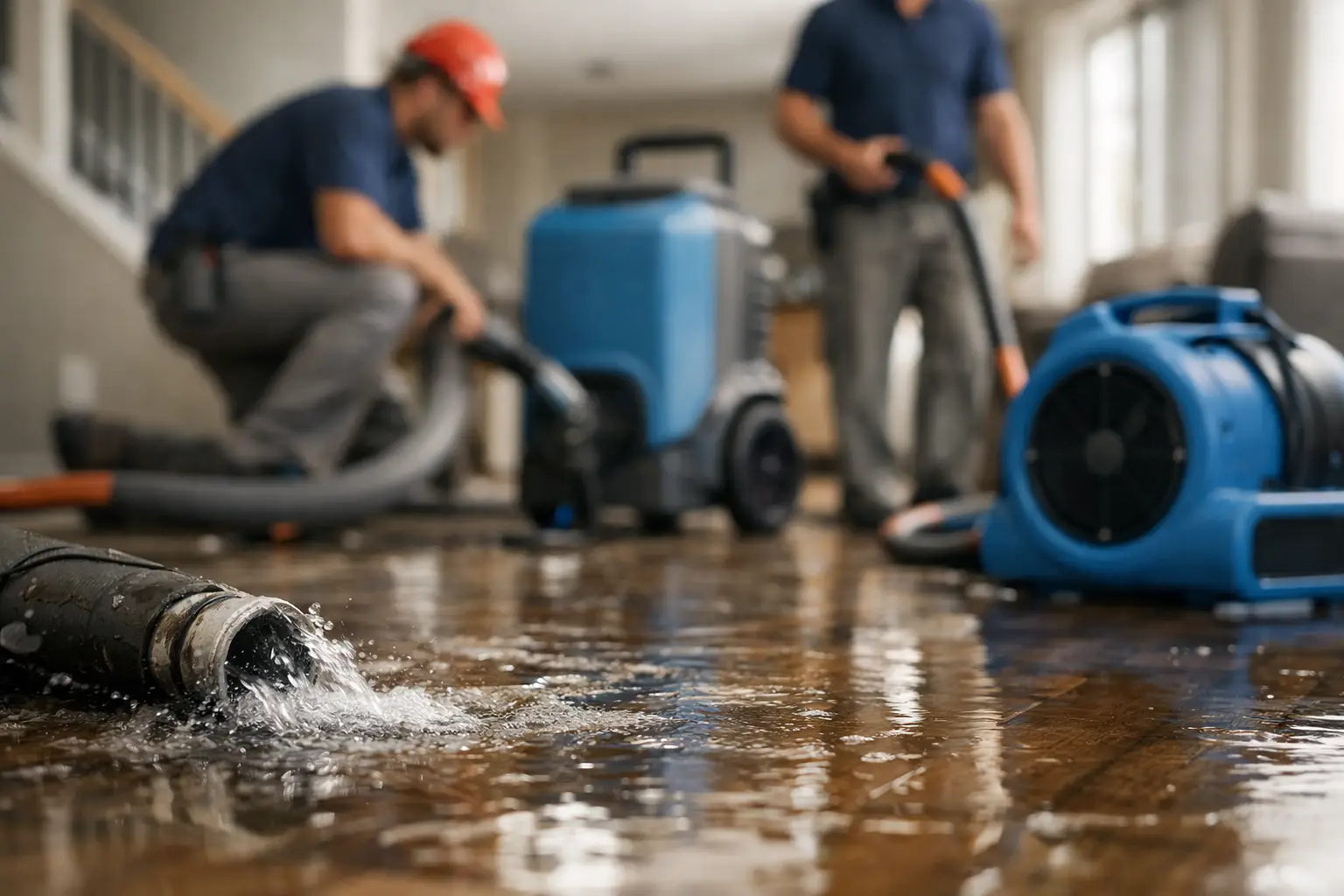
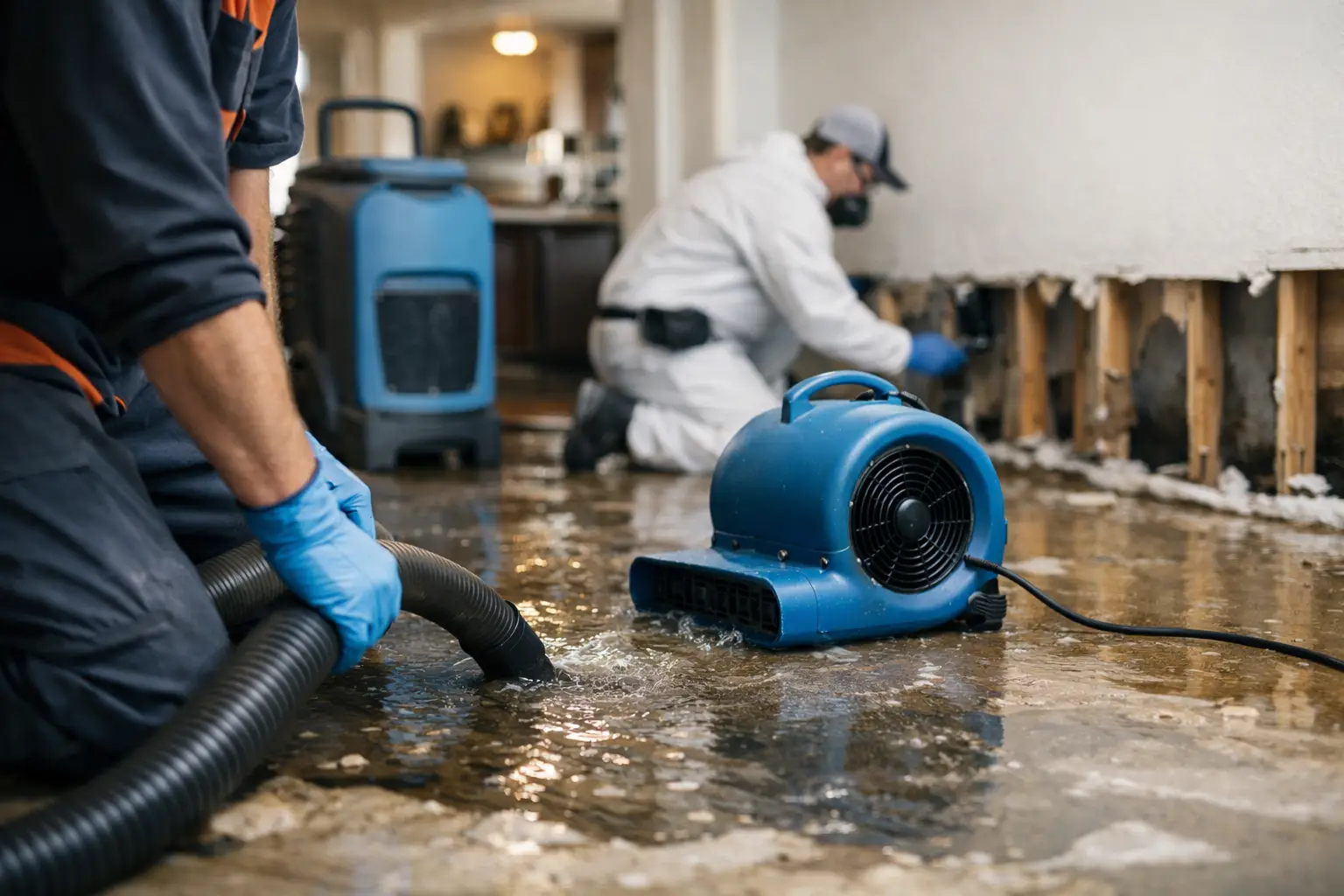 Water Damage
Extraction, structural drying, and moisture mapping after floods, leaks, and burst pipes.
Get help now Fire & Smoke
Soot removal, odor deodorization, and content cleaning after fire and smoke damage.
Learn more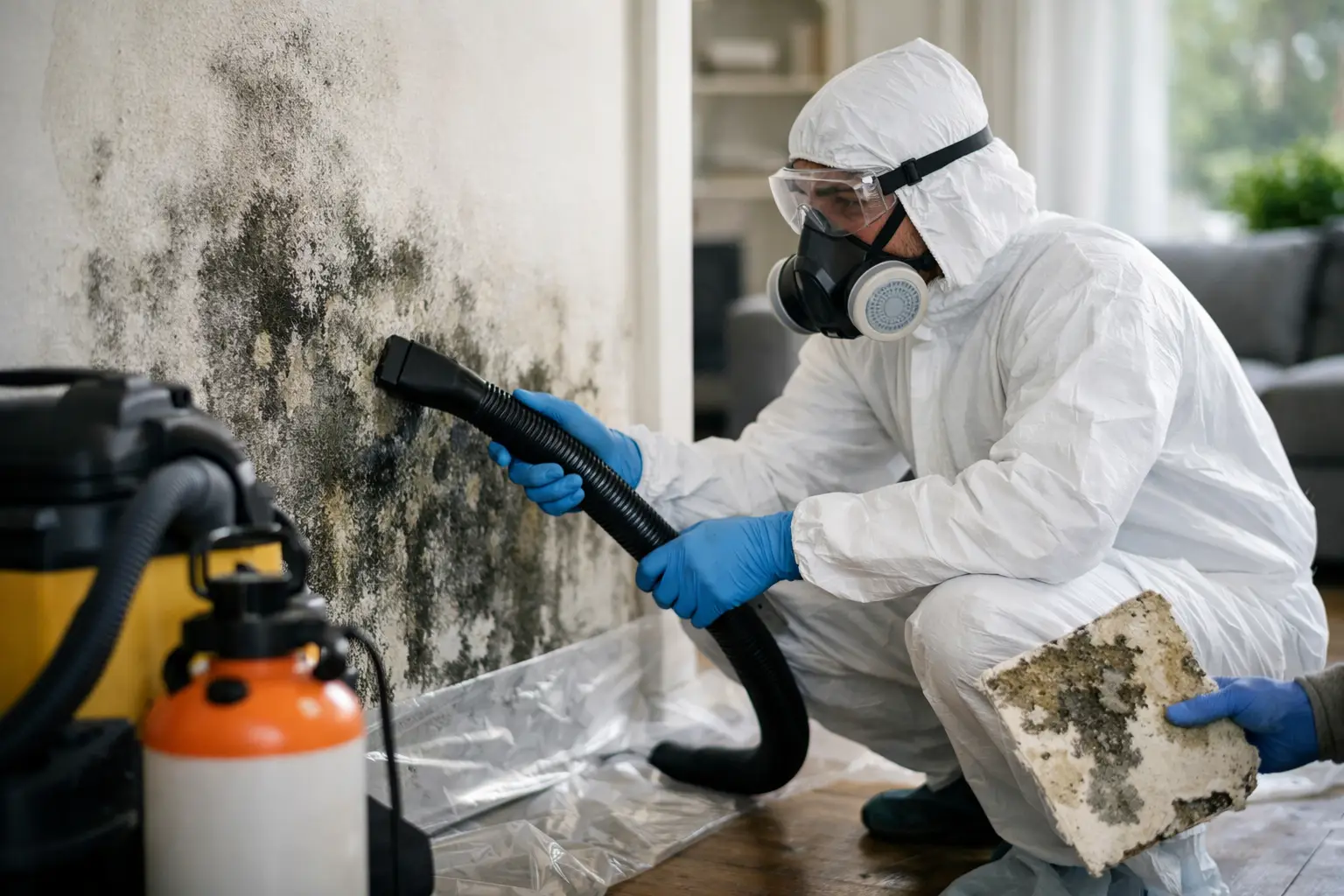 Mold
MoldContainment, removal, and moisture control that stops mold from coming back.
Learn more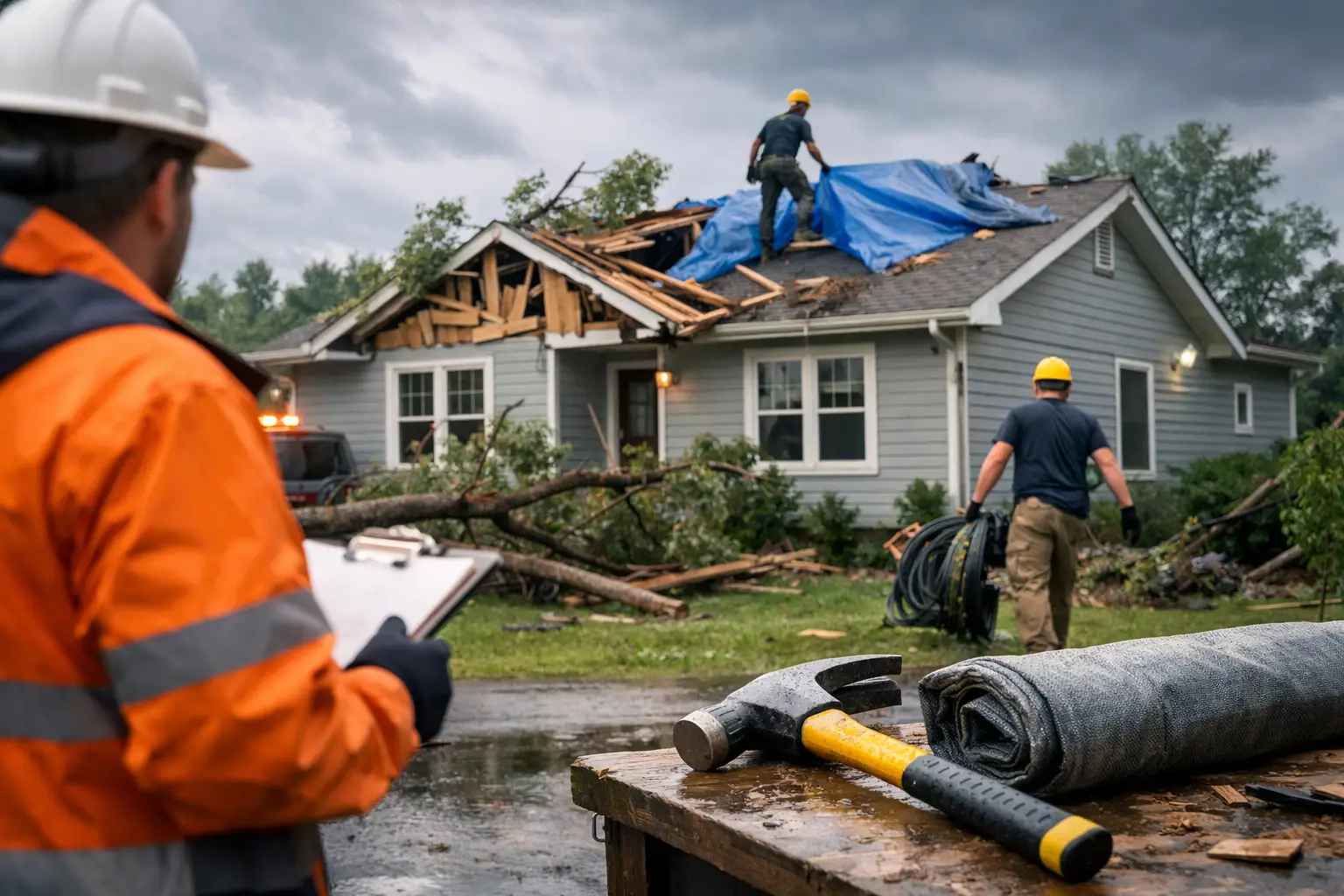 Storm
StormEmergency board-up, roof tarping, and full recovery after wind, hail, and storms.
Learn more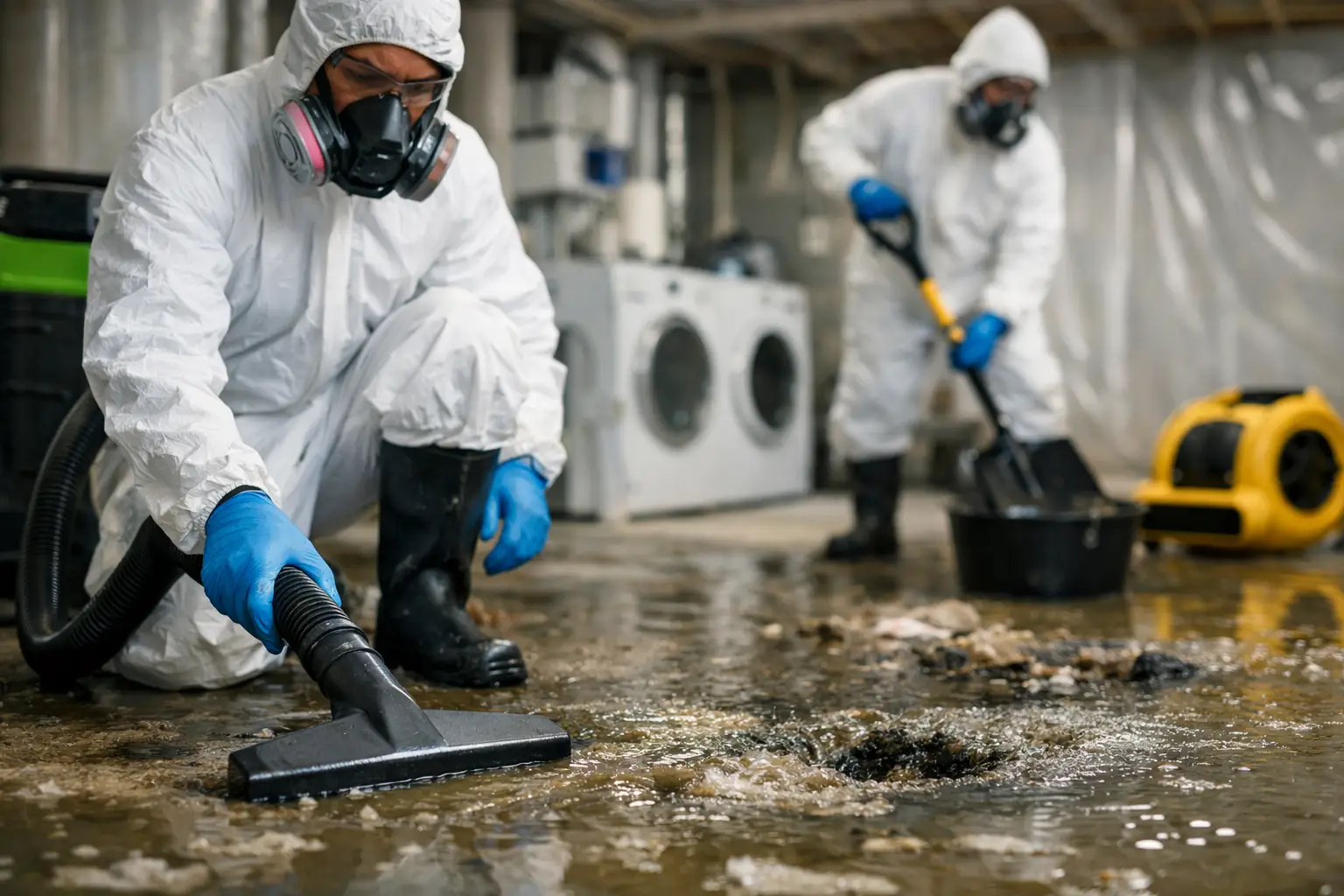 Sewage
Safe biohazard cleanup and sanitizing after sewage backups and overflows.
Learn more Reconstruction
Full rebuild by a licensed general contractor, so your property comes back whole.
Learn moreElevated Operations is an IICRC-certified, licensed general contractor based in Mableton that handles the entire recovery in-house, so after one loss you are never coordinating a cleanup crew, a mold crew, and a contractor separately. One team, one point of contact, from the first pump-out to the final coat of paint.
People call when the property feels like a disaster. They leave reviews because Chris and the crew made it right. These are real, verified Google reviews.
I start with inspection, moisture mapping, and containment, then remove debris, clean affected surfaces, and dry the space before any preventive treatment. Near the Flint River, moisture pressure can be persistent, so I also check drainage, ground conditions, and any source that keeps the crawl space humid. If the source is not corrected, mold can return.
The usual causes are soil moisture, poor drainage, humidity, leaks, and air movement through vents or floor openings. Older Jonesboro homes, especially those with original framing, can have years of wear that let moisture linger. Once the wood stays damp, mold can grow on joists, insulation, and subflooring before owners notice.
Not every home needs it, but many do if the crawl space keeps taking in moisture. Encapsulation helps create a controlled environment by reducing ground moisture and supporting dehumidification. In Jonesboro, where humid air and wet soil can keep a crawl space active, encapsulation often makes sense after cleanup and drying are complete.
Yes, and I see that often in older homes. Air moves upward through gaps, duct openings, and framing penetrations, carrying musty odors and particles with it. If the crawl space is moldy, the living space may feel damp or smell off even when the problem is below the floor. Fixing the source matters.
It usually includes inspection, crawl space cleanup, removal of contaminated debris or insulation, cleaning of affected wood, drying, and moisture control measures. Depending on what I find, wood treatment, a vapor barrier, or dehumidification may also be part of the work. The goal is to stop the environment that let mold spread.
Jonesboro sits in a moisture-sensitive part of the region, and homes near the Flint River can deal with damp soil and humid air. That matters under the house, where crawl spaces often trap moisture. When you combine local climate with older construction, mold cleanup needs to address the environment, not just the stains.
A licensed general contractor can look beyond surface cleaning and evaluate structural concerns, damaged materials, and repair needs that show up during remediation. In crawl spaces, that matters because mold is often tied to rot, framing issues, or drainage problems. I approach it as a restoration and building problem together.
Call when you smell musty air, see staining on joists or insulation, notice standing water, or suspect hidden moisture under the house. I offer 24/7 emergency response with a 60-minute emergency response, direct insurance billing, and a 12-month warranty. I’m Chris Kwangwari, and I work from our Mableton base across Jonesboro and nearby counties.
Elevated Operations dispatches IICRC-certified crews across Metro Atlanta from our Mableton base, with a 60-minute emergency response day or night. Choose your city:
Call now for an immediate response, or request your free inspection and get a certified crew on-site within the hour across Atlanta and nearby areas.