24/7 Emergency Restoration · Serving Metro AtlantaEmergency? (770) 404-6895
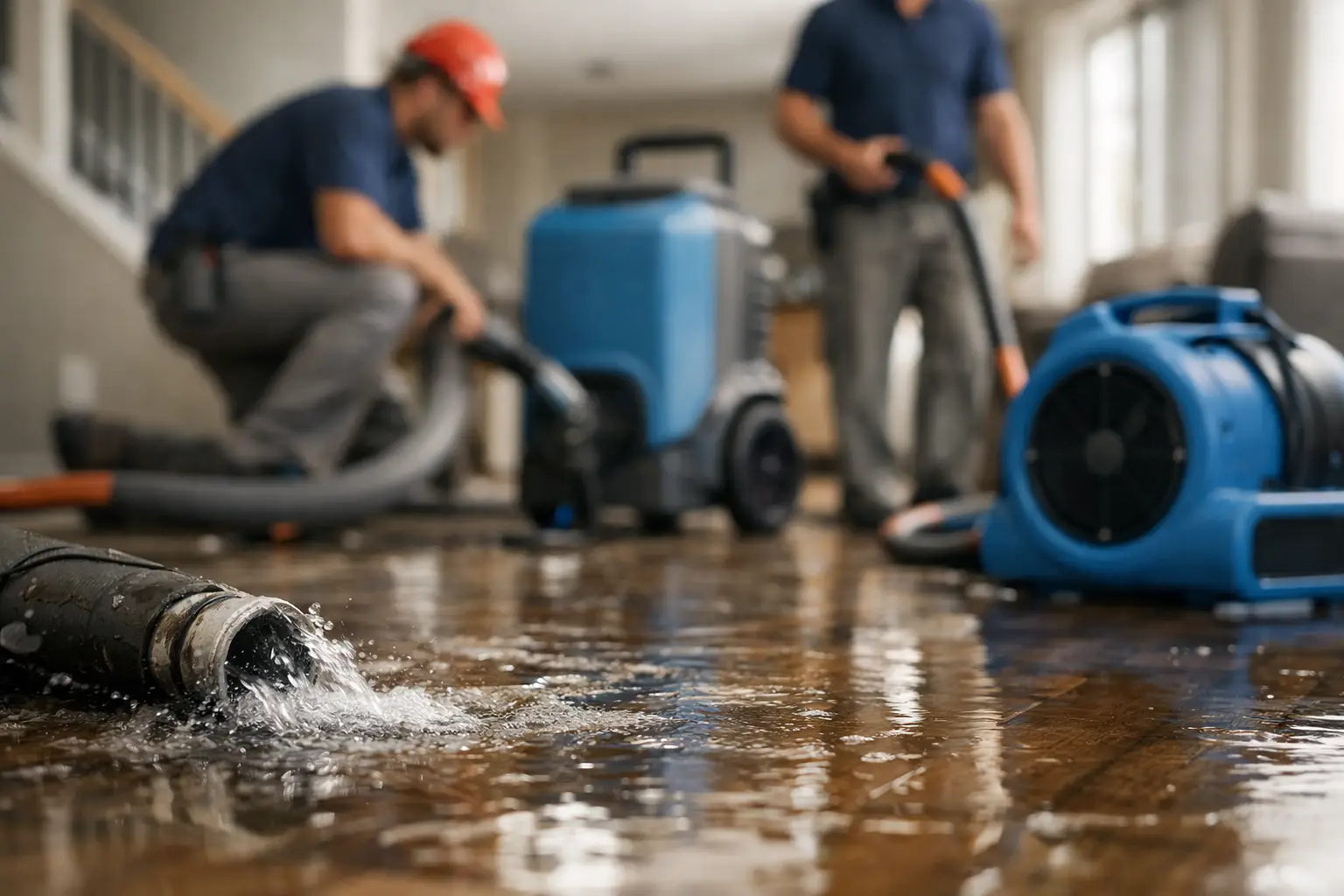
Reconstruction Austell means I move fast when damage threatens the structure, finishes, and daily use of the home. From our Mableton base, I send IICRC-certified technicians for a 60-minute emergency response 24/7, then I handle direct insurance billing and the rebuild path with owner Chris Kwangwari.
IICRC-Certified · 5-Star Rated · 60-Minute Response · Insurance Billed Directly
I respond 24/7, assess the structure, and move the rebuild forward fast so hidden damage does not spread.
Yes, I do direct insurance billing and keep the reconstruction scope organized from the start.
Yes. I handle drywall repair, flooring repair, and the structural work around them when damage has gone deeper.
Owner Chris Kwangwari leads the company, and I back the work with licensed general contractor oversight and a 12-month warranty.
Reconstruction is the rebuild phase after damage removal, when I restore the structure, finishes, and function of a home or business. In Austell, that often means roof repair, drywall repair, flooring repair, framing repair, and structural repair after water, fire, or storm loss.
I do not treat reconstruction like cosmetic patchwork. I treat it like getting the building back to use, safely and in the right order. In Austell, that matters because a wet subfloor or weakened framing can keep causing trouble long after the visible mess is gone.
The Sweetwater Creek 2009 flood is the reminder. Water can move fast through crawlspaces, lower walls, and flooring systems, then the damage keeps spreading quietly. A proper reconstruction plan starts with the structure, not with paint or trim.
And I keep the process tight. I am a licensed general contractor, I work with IICRC-certified technicians, and I use direct insurance billing so the rebuild does not stall while paperwork drags. That is how I keep property reconstruction moving after the first shock.
The first hour is about stopping further loss, checking safety, and identifying what can be saved. I respond 24/7, and from my Mableton base I aim to get a technician moving fast so the damage does not spread through drywall, flooring, and framing.
First, I want the site made safe. That means assessing water intrusion, fire impact, or storm damage, then deciding what needs immediate protection. If a roof opening, broken line, or soaked lower level is still active, the clock is working against you.
Austell homes near the Sweetwater Creek corridor have seen what fast-moving water can do. It is not only the floodwater itself, it is the hidden moisture in walls, cavities, and floors. Quick action in the first hour protects the house from turning one problem into three.
I also start the documentation early. Direct insurance billing helps, but good reconstruction begins with photos, notes, and a clear scope. That is how I keep the rebuild clean and accountable, instead of guessing after the damage has already changed.
Reconstruction is needed when cleanup is finished but the building still cannot function or stay safe. If you still need structural repair, framing repair, drywall repair, flooring repair, or roof repair, the job has moved into reconstruction, not just mitigation.
Cleanup removes wet materials, smoke residue, and debris. Reconstruction starts when I have to rebuild the pieces that hold the home together. That can be a section of wall, a damaged ceiling, a floor system, or larger structural repair after a bad loss.
Water damage cleanup often exposes what was already weak. Fire cleanup can leave framing, drywall, and finishes too compromised to keep. In Austell, especially after severe storms or a burst line, I see the same pattern, stop the source, dry the structure, then rebuild what failed.
And speed matters because waiting creates more demolition later. Mold starts in 24 to 48 hours. That is why I move quickly into the rebuild plan once the structure is ready, instead of letting a short delay become a larger property reconstruction job.
Yes. Reconstruction often follows water or fire damage cleanup, and that is usually the correct sequence. Once the loss is stabilized, I rebuild damaged areas, coordinate with insurance, and restore the structure so the home is safe to occupy again.
After water cleanup, I check for hidden damage in the framing, subfloor, drywall, and trim. After fire cleanup, I look at smoke impact, heat damage, and any materials that no longer meet the standard for safe use. The rebuild depends on what the inspection shows.
Austell property owners near Sweetwater Creek know the problem is not always obvious from the street. Floodwater can hit lower walls, crawlspaces, and flooring systems while the top half of the room still looks normal. That is why I do not skip the structural review.
I keep the process direct. IICRC-certified technicians handle the restoration side, I handle the licensed reconstruction side, and direct insurance billing keeps the paperwork from slowing the project. That combination helps the job move from cleanup into full rebuild without confusion.
Speed matters because damage keeps spreading after the visible water, fire, or storm event ends. The longer you wait, the more likely you need additional drywall repair, flooring repair, framing repair, and structural repair before the property is usable again.
I have seen what delay does. A small wet area becomes a larger tear-out. A soft floor becomes a structural issue. A damaged wall that could have been rebuilt cleanly turns into a broader property reconstruction project because moisture or smoke sat too long.
In Austell, the Sweetwater Creek flood history is not just a headline, it is a warning. Water finds low points, stays hidden, and keeps working on the building. If I can get there fast, I can reduce the spread and shorten the rebuild path.
That is why I keep emergency response active 24/7 and why I do not separate urgency from reconstruction. The first hour affects the first day, and the first day affects how much of the building I can save instead of replace.
I handle direct insurance billing, and I can offer deductible assistance up to $1,000 on qualifying work. That keeps the reconstruction process organized, especially when you are dealing with a stressful claim and trying to get the home back in service.
Insurance claims move better when the scope is clear. I document the damage, define the rebuild work, and stay focused on what is needed for the structure, not just what looks damaged at first glance. That matters in Austell where flood and storm losses can spread into multiple rooms.
Owner Chris Kwangwari leads Elevated Operations, LLLP, and I keep the company grounded in practical work, not sales talk. If the job calls for roof repair, drywall repair, or broader structural repair, I want the claim and the reconstruction plan lined up from the start.
I also back the work with a 12-month warranty. That is not a slogan. It is part of my standard for the rebuild. When I finish property reconstruction, I want the repair to hold up, not send you right back into the same problem.
I respond 24/7, assess the damage, protect the structure, and identify urgent hazards. In Austell, that often means checking for active leaks, roof openings, soaked lower walls, or fire-compromised materials before the loss spreads.
I document the scope, begin coordination with insurance, and map the reconstruction sequence. The goal is simple, stop more damage, preserve salvageable materials, and line up drywall repair, flooring repair, framing repair, or roof repair in the right order.
I move from stabilization into actual rebuild preparation. That can include demolition of unsalvageable sections, structural repair planning, material matching, and setting the work path so the property reconstruction does not stall between phases.
I finish the rebuild, confirm the work holds, and close out the project with the 12-month warranty. The end goal is a safe, usable property that is no longer held back by hidden damage or unfinished repairs.
From emergency mitigation to full reconstruction, handled in-house so you are never managing a chain of subcontractors mid-crisis.
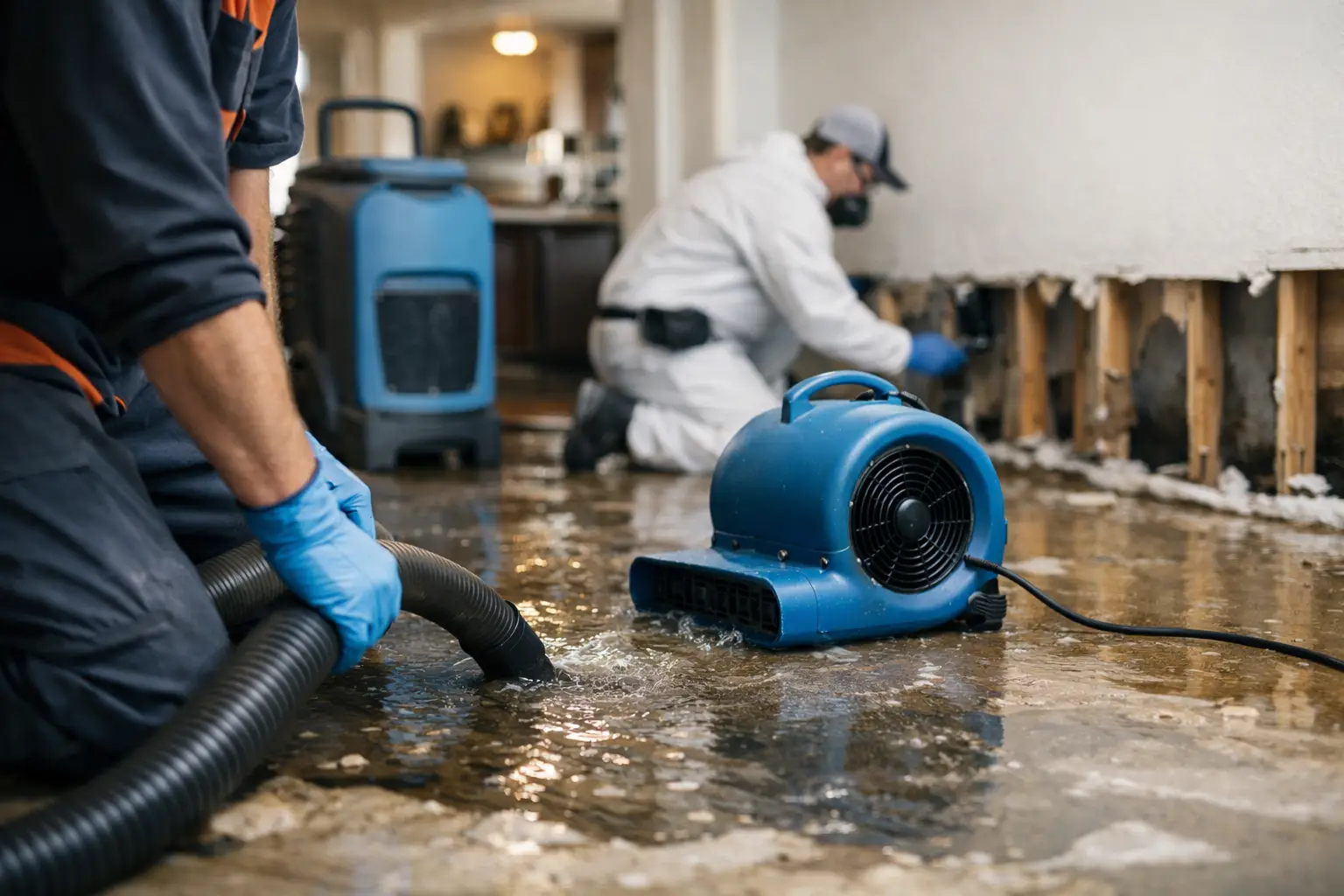 Water Damage
Extraction, structural drying, and moisture mapping after floods, leaks, and burst pipes.
Get help now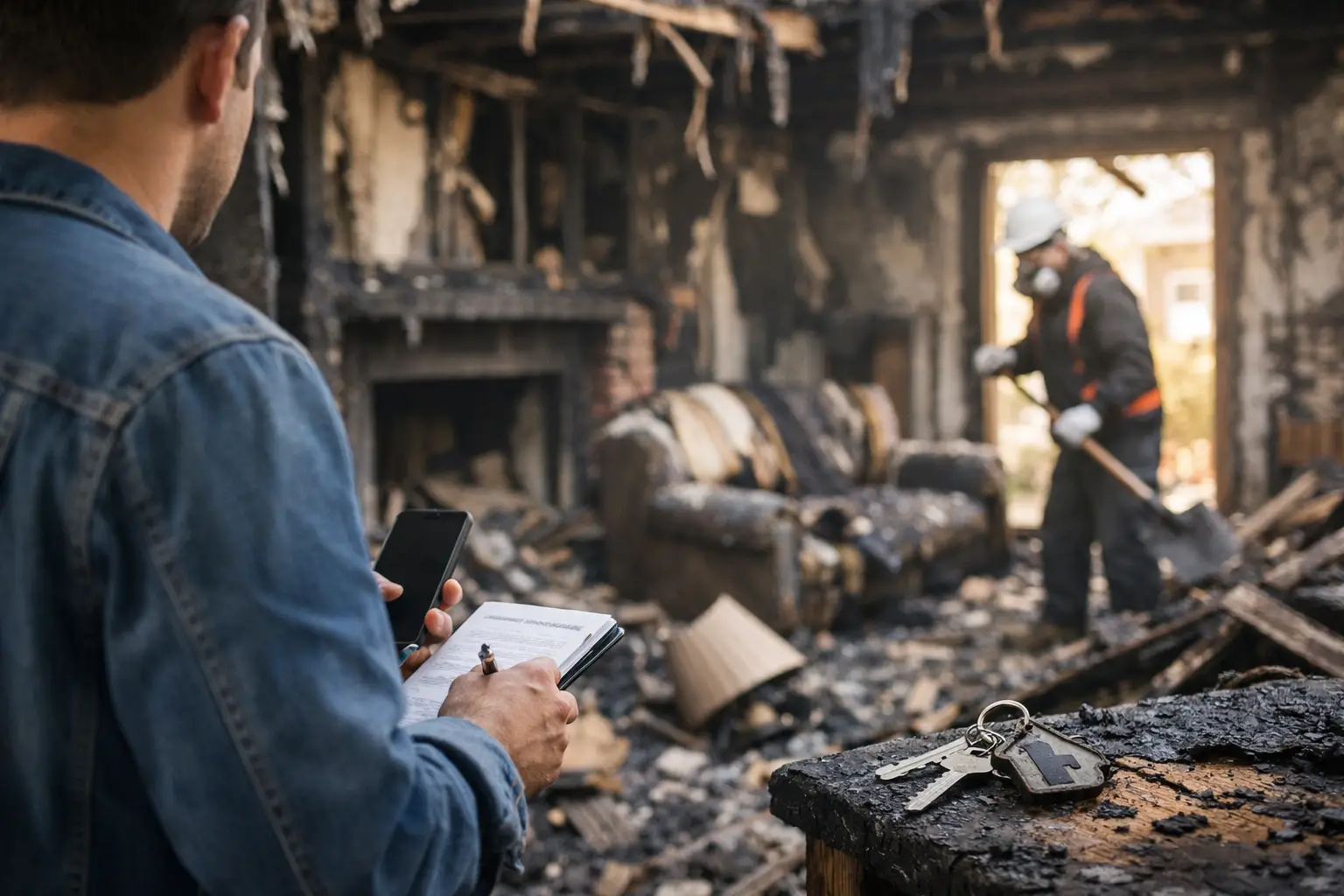 Fire & Smoke
Soot removal, odor deodorization, and content cleaning after fire and smoke damage.
Learn more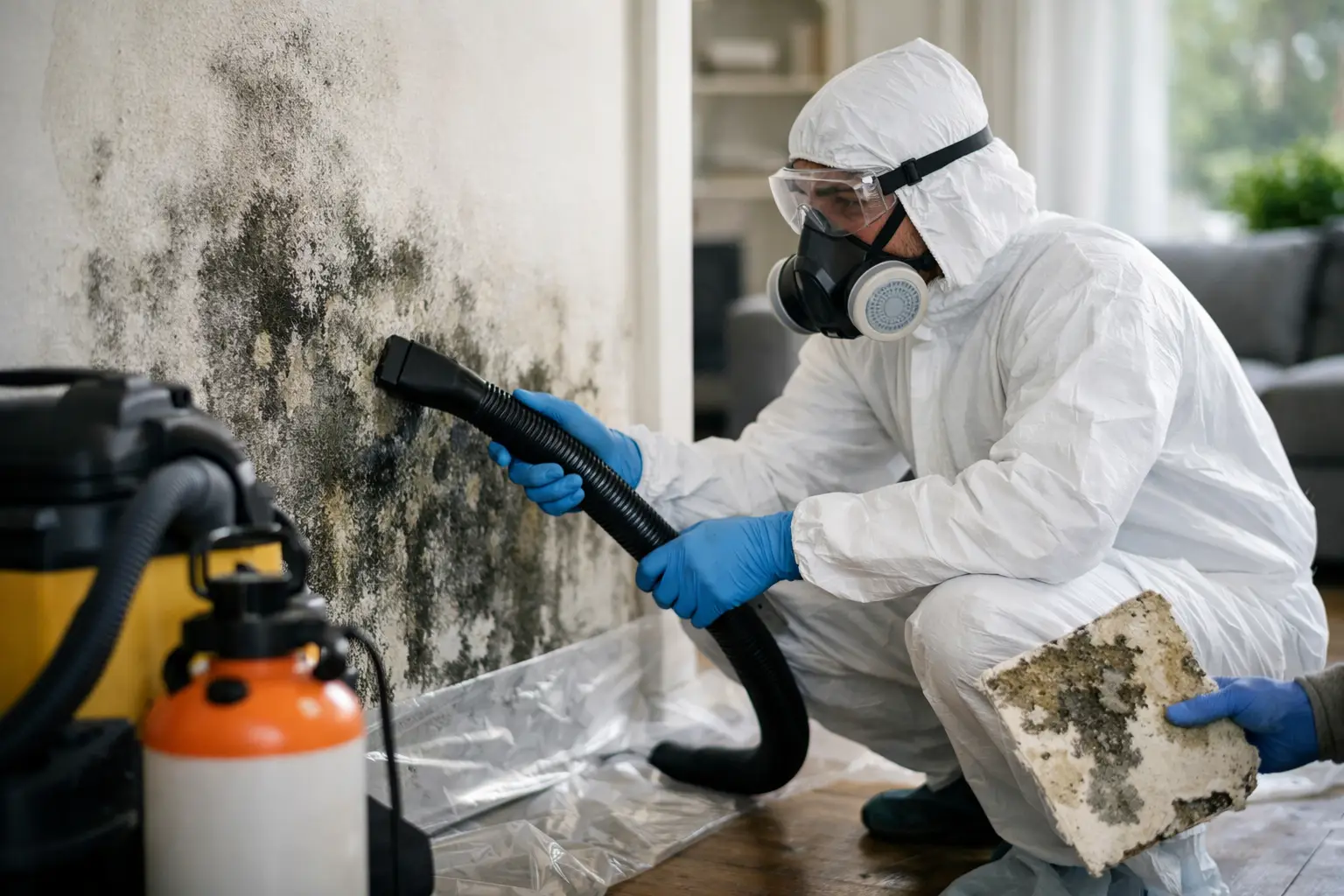 Mold
MoldContainment, removal, and moisture control that stops mold from coming back.
Learn more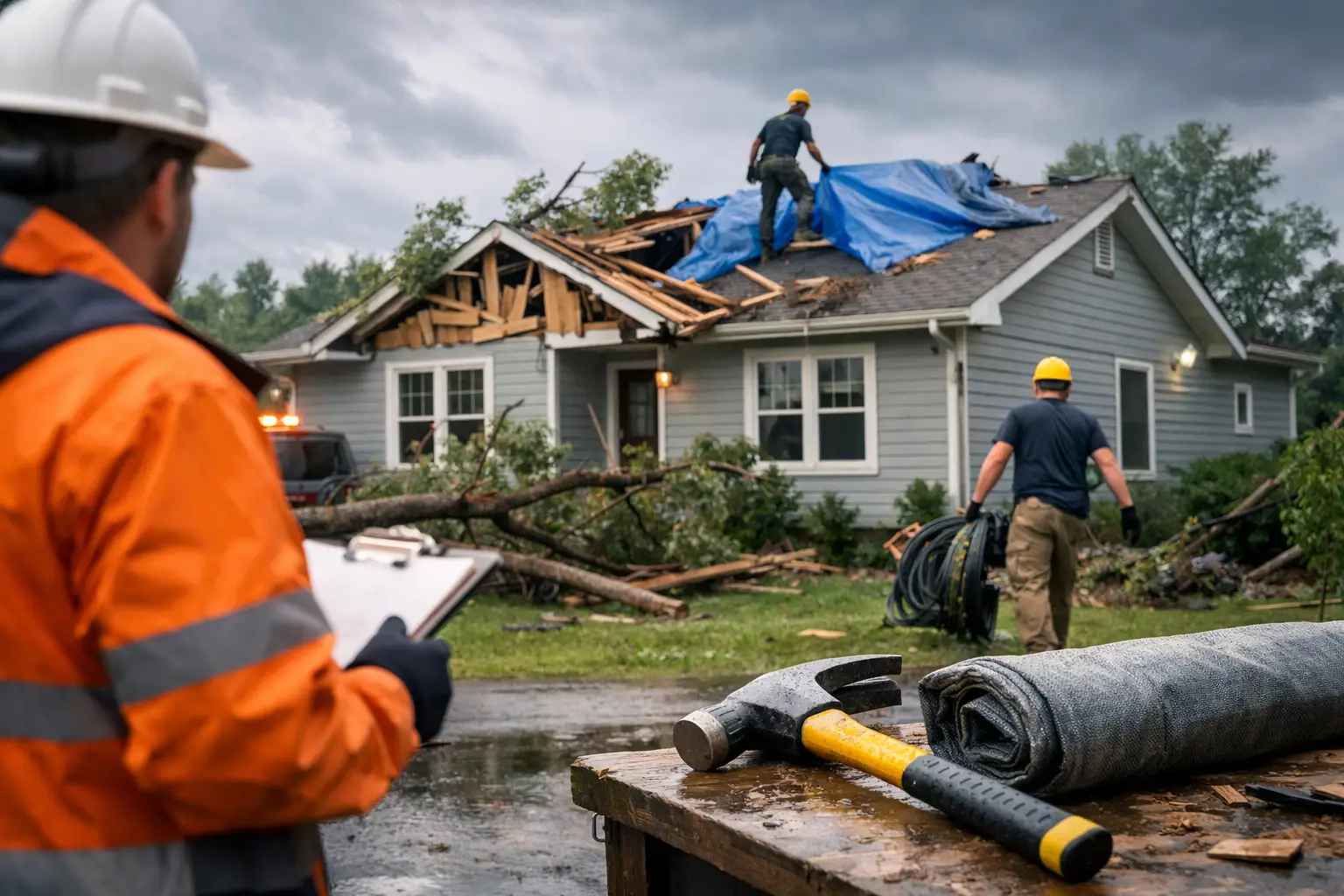 Storm
StormEmergency board-up, roof tarping, and full recovery after wind, hail, and storms.
Learn more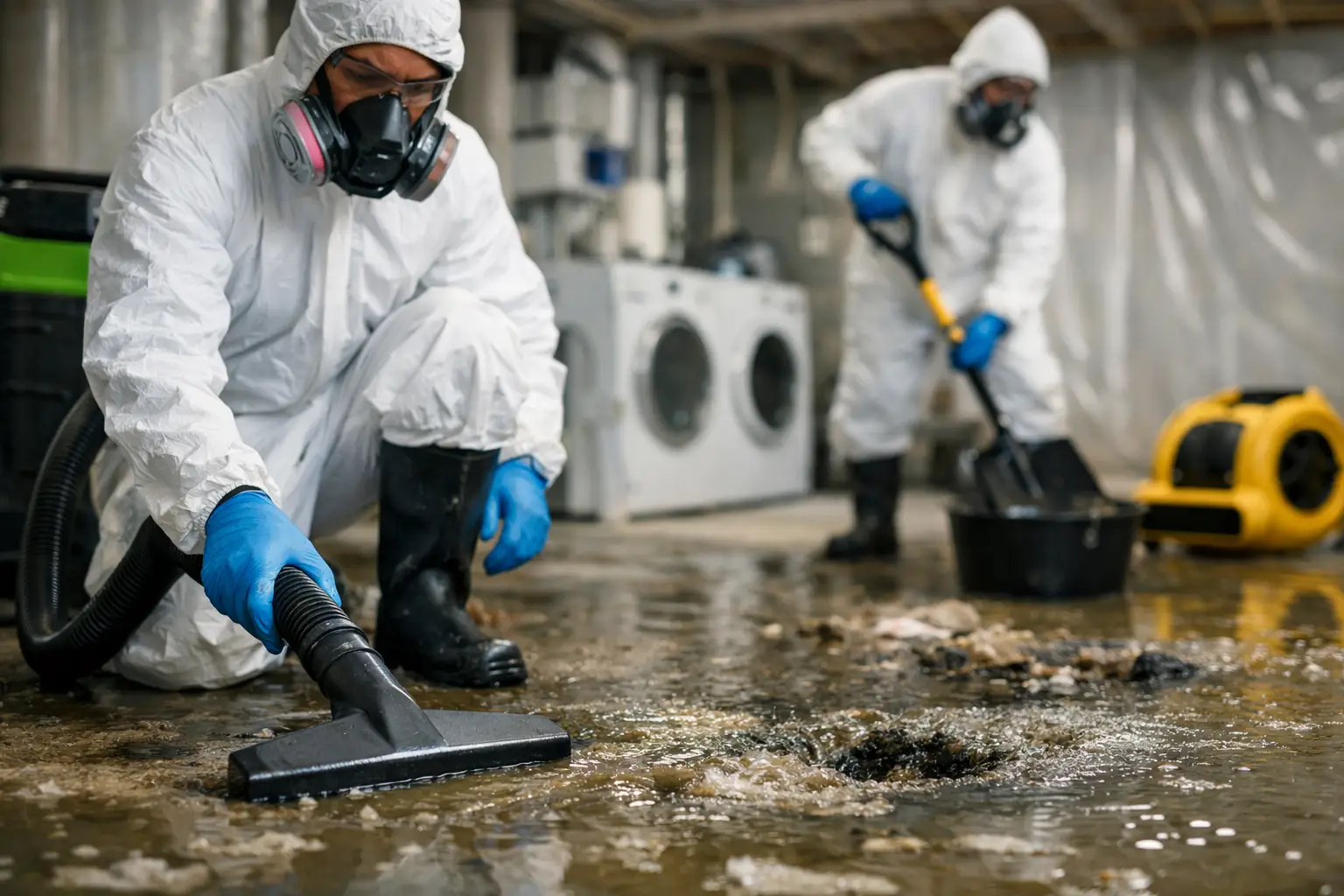 Sewage
Safe biohazard cleanup and sanitizing after sewage backups and overflows.
Learn more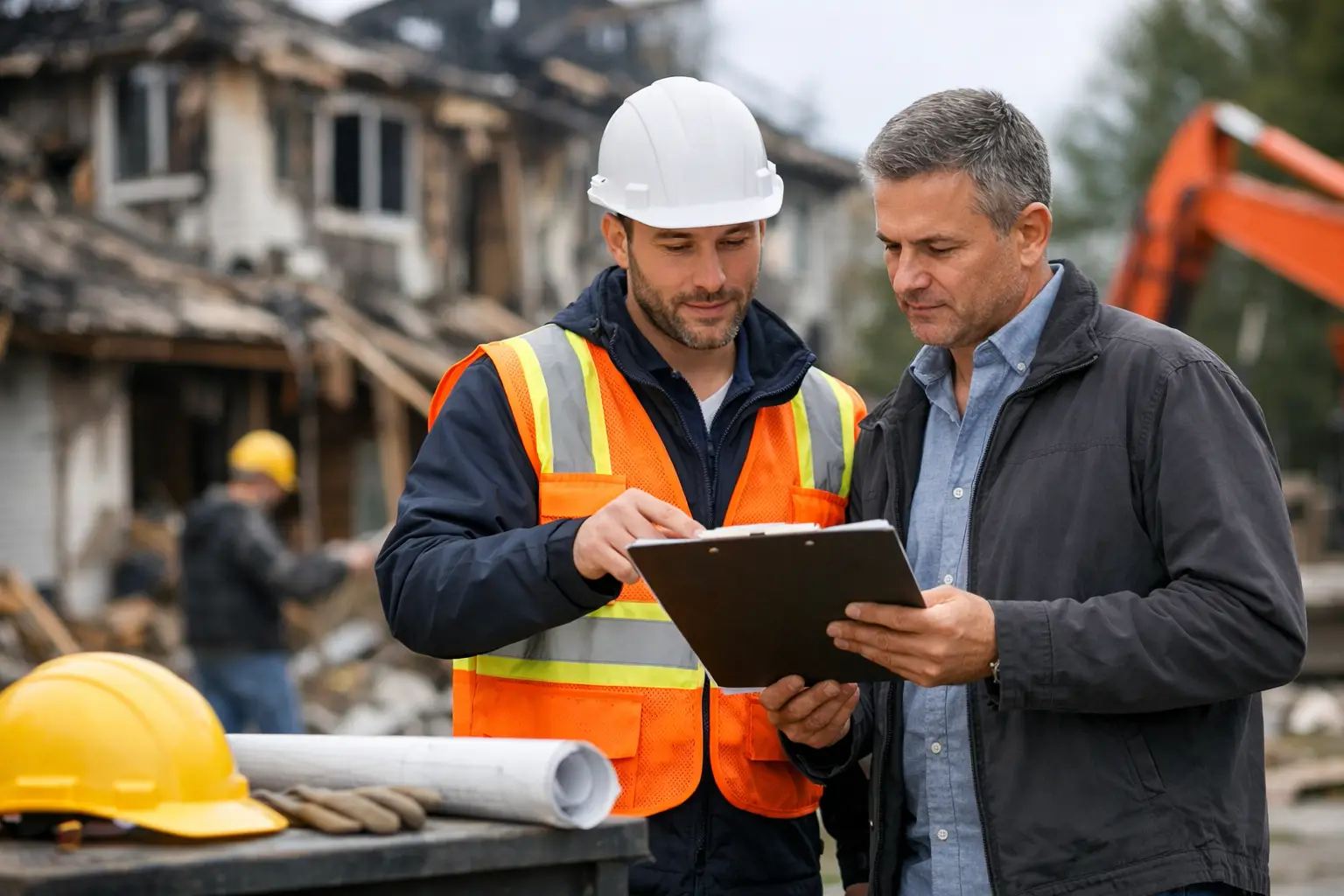 Reconstruction
Full rebuild by a licensed general contractor, so your property comes back whole.
Learn moreElevated Operations is an IICRC-certified, licensed general contractor based in Mableton that handles the entire recovery in-house, so after one loss you are never coordinating a cleanup crew, a mold crew, and a contractor separately. One team, one point of contact, from the first pump-out to the final coat of paint.
People call when the property feels like a disaster. They leave reviews because Chris and the crew made it right. These are real, verified Google reviews.
The Sweetwater Creek flood is a reminder that water can affect more than one level of a home at once. In a normal water loss, I may be rebuilding one area. In a flood-related loss, I often have to think about lower walls, flooring systems, hidden cavities, and structural repair together.
Yes, I handle reconstruction after storm damage throughout Austell, including properties affected by heavy rain and runoff near Sweetwater Creek. I look at roof repair, framing repair, drywall repair, and any structural repair needed to make the building safe and functional again.
After fire cleanup, I inspect what heat and smoke left behind, then decide what must be rebuilt. That can include drywall repair, framing repair, flooring repair, and sometimes structural repair if the loss affected load-bearing materials. I move quickly because delay makes the rebuild more complicated.
That depends on how much of the structure was damaged and whether the project needs roof repair, drywall repair, flooring repair, or structural repair. I do not give fake timelines. I look at the actual loss, the insurance scope, and the condition of the building before I set the rebuild plan.
Often, yes. I can document the damage, begin direct insurance billing, and move the project forward once the site is stable and the scope is clear. The key is not rushing past safety. I want the structure protected first, then the rebuild can proceed in order.
I work across Austell and the surrounding Cobb County area, and I see a lot of homes that need rebuild work after water, storm, or fire damage. Older floor systems, lower walls, and roof-related losses often need careful framing repair and drywall repair to get back to normal use.
I handle both. Some jobs are limited to drywall repair, flooring repair, or roof repair. Others require broader property reconstruction with structural repair and framing repair. I size up the damage honestly and build the repair plan around what the building actually needs.
Because time changes the job. Water can keep moving into materials, fire damage can keep weakening surfaces, and the rebuild can grow if the structure sits too long. I keep emergency response active 24/7 so I can protect the property early and reduce avoidable demolition later.
Elevated Operations dispatches IICRC-certified crews across Metro Atlanta from our Mableton base, with a 60-minute emergency response day or night. Choose your city:
Call now for an immediate response, or request your free inspection and get a certified crew on-site within the hour across Atlanta and nearby areas.