24/7 Emergency Restoration · Serving Metro AtlantaEmergency? (770) 404-6895

Mold remediation services in Douglasville need straight answers on cost, claims, and what insurance actually pays. I’m Chris Kwangwari with Elevated Operations, LLLP, and I handle mold cleanup the same way I handle every loss, with documented scope, direct insurance billing, and IICRC-certified technicians serving Douglasville from our Mableton base.
IICRC-Certified · 5-Star Rated · 60-Minute Response · Insurance Billed Directly
Yes. I do direct insurance billing and document the scope so the claim matches the loss.
Then the scope usually shifts toward containment, removal, and HEPA vacuuming, because hidden damage drives the job.
Yes. My technicians are IICRC-certified, and I’m a licensed general contractor.
Yes. I respond 24/7 in 60 minutes for emergencies and handle the cleanup with the right documentation.
Mold remediation services in Douglasville start with inspection, containment, and a written scope, then move into mold removal, HEPA vacuuming, air filtration, and cleanup of affected materials. IICRC-certified technicians use the right process for the source, whether the issue starts in an I-20 subdivision attic, crawlspace, or near Dog River moisture.
The process is not guesswork. First, I look at where moisture is coming from, because mold cleanup is always a water problem first. In Douglasville, that often means builder-grade homes near I-20, older ventilation issues, or a damp area tied to the Dog River reservoir corridor.
Then we contain the work area and remove affected materials as needed. Air filtration helps reduce airborne particles during mold abatement, and HEPA vacuuming cleans surfaces that can be cleaned instead of torn out. That matters in lived-in homes where you want the work controlled, not scattered.
I keep the scope tied to the actual damage, not a sales pitch. Some jobs need full material removal, some need targeted mold removal, and some need drying plus verification that the moisture source is fixed. That is how I keep cost predictable and claims easier to document.
Mold remediation cost in Douglasville depends on how much material is affected, where the mold is located, and whether the problem is active or already dried in place. Hidden attic, crawlspace, and wall cavity jobs usually cost more work than surface mold cleanup because access, containment, and disposal all increase.
I do not quote mold remediation like a commodity. A small patch of visible mold in a bathroom is one thing. A crawlspace issue in a builder-grade I-20 home, especially one with recurring moisture, is another. Cost follows scope, not square-foot buzzwords.
If the job needs air filtration, longer containment, demolition of damaged drywall, or repeated HEPA vacuuming, the labor and materials go up because the work gets more technical. That is normal. Mold abatement is really controlled demolition, cleaning, and moisture correction in a sequence.
The biggest cost driver is hidden damage. If mold inspection shows spread inside wall cavities or around insulation, the job expands. I prefer that over missing a problem. A cheap estimate that skips the source usually turns into a bigger claim, bigger headache, and more delay.
You need mold remediation when mold keeps coming back, when you smell it, when you see growth after a leak, or when a mold inspection shows contamination behind surfaces. In Douglasville, recurring moisture around basements, crawlspaces, and homes near Dog River makes early mold cleanup the smarter move.
A little surface spotting is not always the whole story. If the smell stays after cleaning, or if a leak, roof issue, or HVAC problem happened recently, the real damage may be hidden. That is where mold remediation services matter, because the visible area is often just the warning sign.
Douglasville homes built along I-20 can have the same issue in different places, especially with builder-grade materials that do not forgive moisture. I see this in bathrooms, laundry rooms, attic runs, and crawlspaces where airflow is weak and water gets trapped.
The Dog River reservoir area matters because moisture patterns matter. Higher humidity, shaded lots, and drainage issues can keep materials damp longer than owners expect. And if the material stays wet, mold starts in 24 to 48 hours. That is the clock I pay attention to.
Insurance may cover mold remediation services when mold results from a covered water loss, such as a sudden pipe break or other accidental discharge. Coverage depends on the policy, the cause, and how fast the loss was reported. I handle direct insurance billing so the paperwork matches the work.
Insurance does not cover every mold problem. It usually turns on the source of water, not just the mold itself. If the loss came from a sudden event that the policy covers, the remediation claim may include inspection, mold cleanup, and related drying or demolition that the adjuster approves.
If the moisture came from long-term neglect, chronic seepage, or a condition the policy excludes, coverage can be limited or denied. That is why I document the source carefully. A clean file matters. So does fast reporting, because carriers want a clear timeline and consistent photos.
I do direct insurance billing, which helps keep the claim moving and reduces back-and-forth. If the policy allows it, deductible assistance up to $1,000 can help with the out-of-pocket side. That is practical help, not a sales gimmick, and it matters when a Douglasville homeowner is dealing with a wet house.
Claims start with reporting the water event, documenting the damage, and sending the insurer a scope that supports the mold remediation services needed. The deductible is the homeowner’s share under the policy, and I can offer deductible assistance up to $1,000 when the claim and job qualify.
The adjuster is looking for cause, timing, and proof. I build the file from the start, with photos, notes, and a scope that ties mold removal to the water source. That is important in Douglasville because many losses start small and then spread in a crawlspace or wall cavity.
If the insurer approves part of the work, the claim pays only what the policy covers. The deductible is still the homeowner’s responsibility unless deductible assistance applies. I keep that conversation direct, because people do better when they know where the numbers stand before the work starts.
Not every policy handles mold the same way. Some are narrow, some are broader, and many are sensitive to the exact cause of loss. That is why I focus on documentation and direct billing. I want the claim to match reality, not force the homeowner to guess what comes next.
Mold can be remediated to professional standards, but the real goal is removing contaminated material, cleaning remaining surfaces, and fixing the moisture source so it does not return. In a Douglasville house near I-20 or Dog River, that is the practical definition of success, not pretending mold never existed.
I do not promise magic. Mold spores are part of the environment, but active growth and contaminated materials need proper removal. That means mold abatement, HEPA vacuuming, and air filtration where needed, plus disposal of what cannot be cleaned safely. Precision matters more than a blanket claim.
If the source stays wet, mold comes back. That is why I treat the moisture issue as part of the job, not a side note. In a shaded Dog River area or a tight builder-grade home near I-20, the conditions can keep feeding the problem if they are ignored.
A good result is a dry building, clean surfaces, and no active growth where it used to be. That is what homeowners should expect. And if the damage is extensive, the honest answer is removal and rebuild, not cosmetic cleaning that only looks finished.
Mold remediation pricing depends on where the mold is, how far it spread, and whether containment, air filtration, demolition, or HEPA vacuuming is required.
Crawlspaces, wall cavities, attics, and shaded Dog River properties often need more labor than visible surface mold cleanup because access and drying are harder.
Coverage usually depends on whether the mold came from a covered water loss, not simply on the presence of mold.
I document the source, scope, and affected materials so the carrier can review the claim cleanly and the work matches the loss.
I offer deductible assistance up to $1,000 when the job and claim qualify, and I handle direct insurance billing.
From emergency mitigation to full reconstruction, handled in-house so you are never managing a chain of subcontractors mid-crisis.
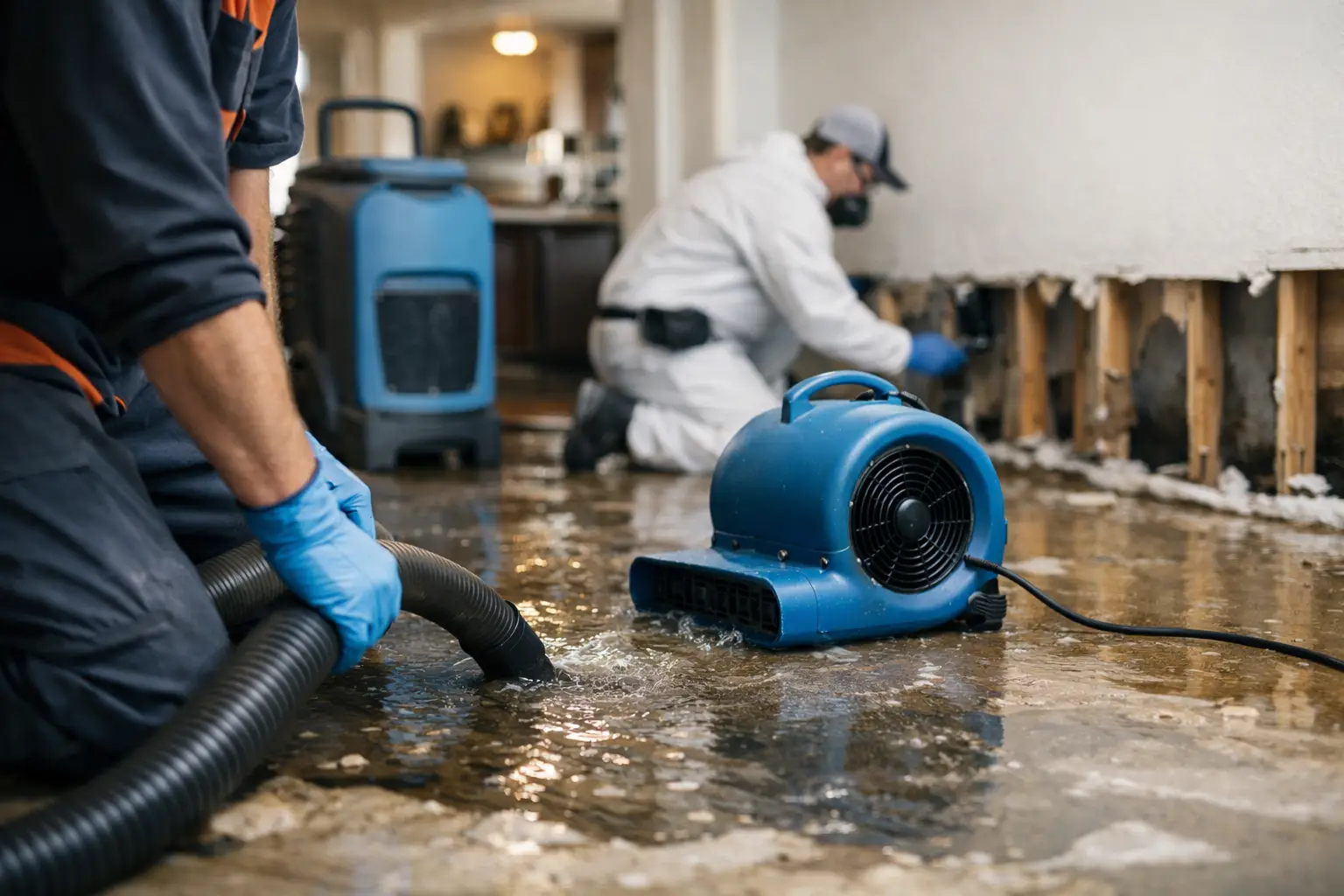 Water Damage
Extraction, structural drying, and moisture mapping after floods, leaks, and burst pipes.
Get help now Fire & Smoke
Soot removal, odor deodorization, and content cleaning after fire and smoke damage.
Learn more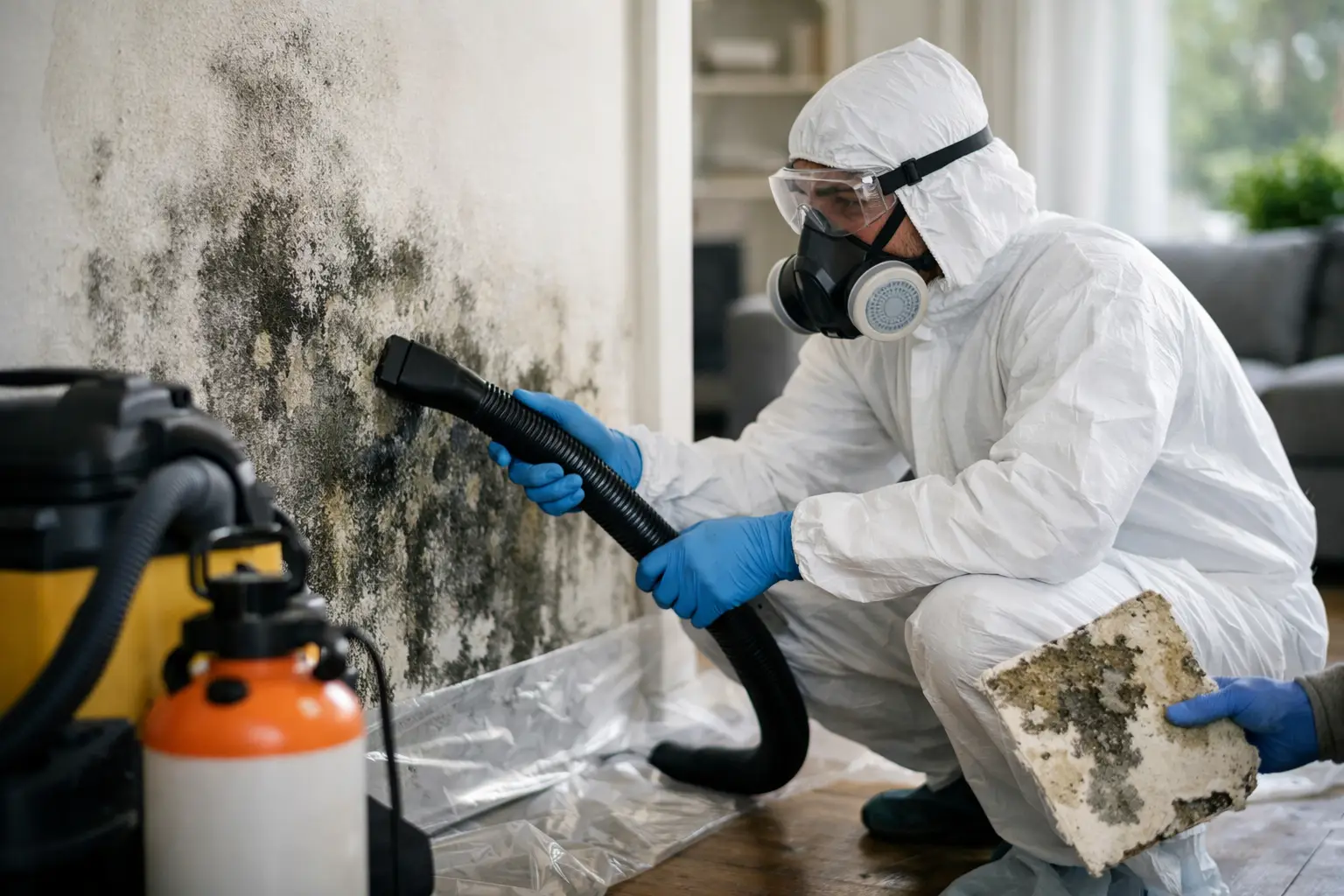 Mold
MoldContainment, removal, and moisture control that stops mold from coming back.
Learn more Storm
StormEmergency board-up, roof tarping, and full recovery after wind, hail, and storms.
Learn more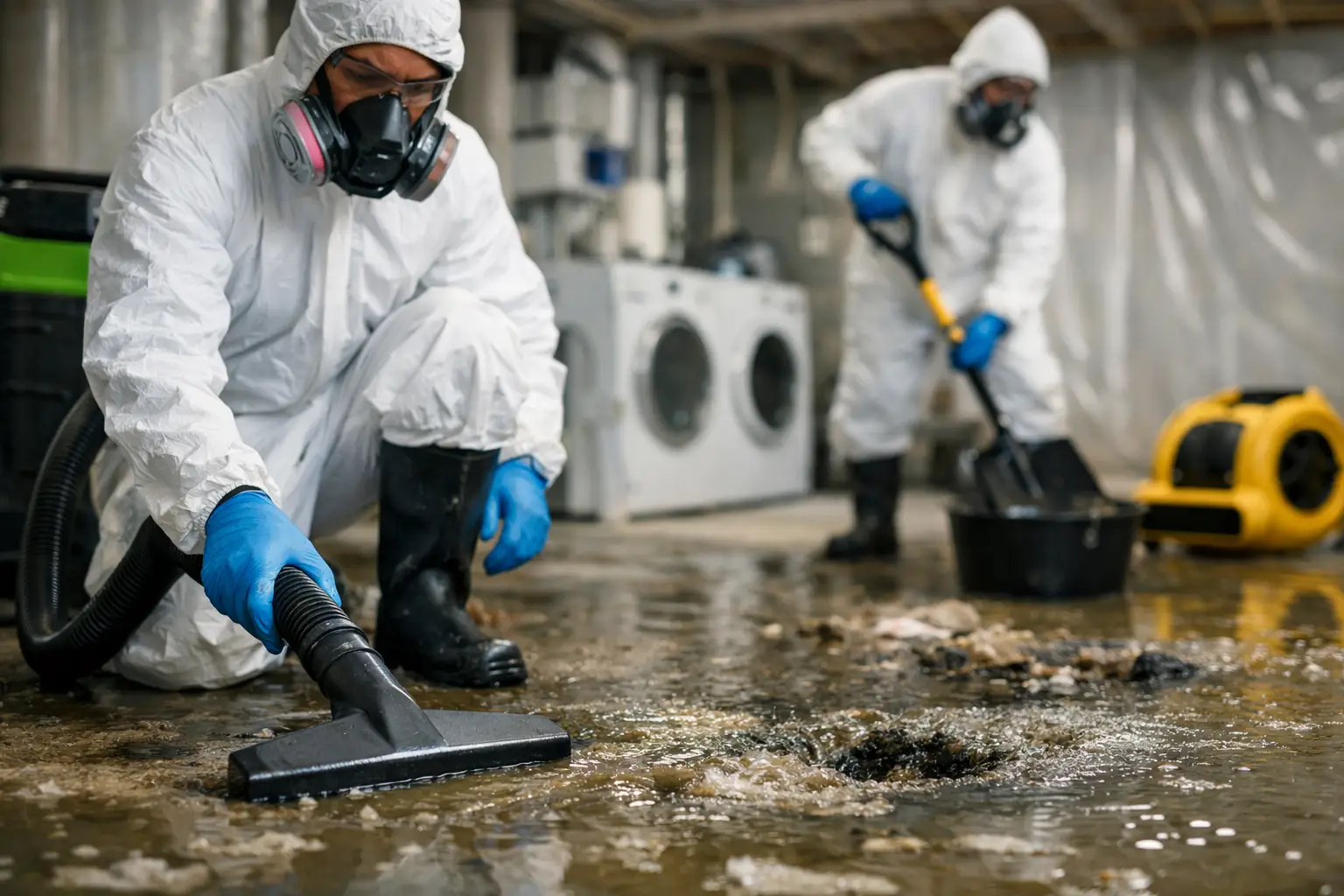 Sewage
Safe biohazard cleanup and sanitizing after sewage backups and overflows.
Learn more Reconstruction
Full rebuild by a licensed general contractor, so your property comes back whole.
Learn moreElevated Operations is an IICRC-certified, licensed general contractor based in Mableton that handles the entire recovery in-house, so after one loss you are never coordinating a cleanup crew, a mold crew, and a contractor separately. One team, one point of contact, from the first pump-out to the final coat of paint.
People call when the property feels like a disaster. They leave reviews because Chris and the crew made it right. These are real, verified Google reviews.
Mold removal cost in Douglasville depends on how much area is affected, where the mold is hiding, and how far it has spread, so every job starts with a free inspection and a written quote before any work begins. As a local mold remediation company, we answer 24/7 and bill your insurance directly.
What drives mold removal cost is the affected area and contamination level, so we inspect first and price it in writing, no guesswork.
We handle black mold with containment and HEPA filtration, then verify the air before we call the job done.
Dispatched from Mableton, our IICRC-certified crew reaches Douglasville homes fast, 24/7, and bills insurance directly.
Cost depends on the extent of the contamination, not the zip code. In builder-grade homes near I-20, small visible patches may be straightforward, while hidden crawlspace or wall-cavity damage can require containment, mold removal, and air filtration. I quote the actual scope after inspection, because that is the only honest way to price it.
Sometimes, yes, if the leak was a covered sudden event and the policy allows mold coverage tied to that loss. Insurance is usually looking at cause, timing, and documentation. I handle direct insurance billing and build the file so the carrier can review the water source, remediation scope, and any related drying or demolition.
Yes, I offer deductible assistance up to $1,000 when the claim and job qualify. That does not change what the policy covers, and it does not replace the homeowner’s responsibility under the deductible. It does help with the out-of-pocket side when the loss is moving through insurance and the paperwork is in order.
If you have a smell, recent water damage, visible growth, or recurring dampness near the Dog River reservoir area, start with a mold inspection. If the inspection shows active contamination or affected materials, then mold remediation services are the next step. The deciding factor is whether the issue is superficial or still feeding from moisture.
Sometimes, yes, if the contamination is limited and the materials can be cleaned safely. I use HEPA vacuuming, controlled mold cleanup, and air filtration when that approach fits the damage. But if the material is damaged, saturated, or spreading, removal is the right call. I do not force demolition when cleaning will do the job.
The answer depends on how much material is affected, where it is located, and whether the moisture source is fixed first. A small bathroom issue is very different from a crawlspace problem in a shaded I-20 subdivision lot. I do not guess on timing until I see the scope, because the work has to match the damage.
If the insurer denies the claim, the next step is to review the cause of loss, the policy language, and the documentation. Not every mold problem is covered, especially if it came from long-term moisture or maintenance issues. I can still perform the remediation, but I will be clear about what the claim supports and what it does not.
Because moisture lingers. Shaded lots, drainage patterns, and humidity can keep materials damp longer than people expect, especially in crawlspaces and lower wall areas. Mold starts in 24 to 48 hours once moisture gets into the material. If the source is not corrected, cleanup becomes a cycle instead of a solution.
Elevated Operations dispatches IICRC-certified crews across Metro Atlanta from our Mableton base, with a 60-minute emergency response day or night. Choose your city:
Call now for an immediate response, or request your free inspection and get a certified crew on-site within the hour across Atlanta and nearby areas.