24/7 Emergency Restoration · Serving Metro AtlantaEmergency? (770) 404-6895
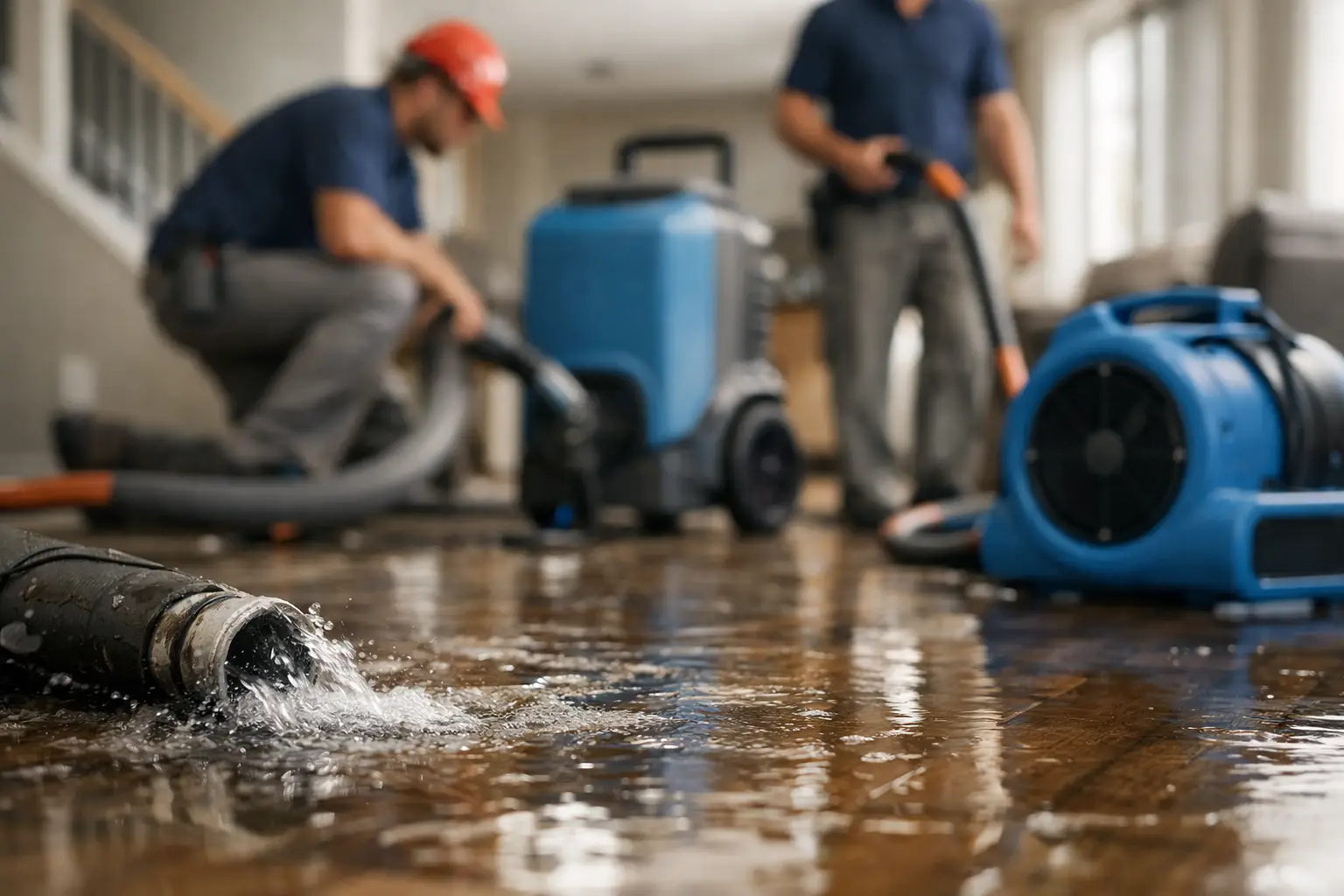
Water damage restoration Smyrna starts with a simple comparison, save the structure when drying and repair make sense, replace only when the materials are done for, and call a pro before a small leak becomes mold. I handle water cleanup, water extraction, and structural drying for Smyrna homes, from 60s and 70s slab ranches to Battery townhomes.
IICRC-Certified · 5-Star Rated · 60-Minute Response · Insurance Billed Directly
Call me at (770) 404-6895. I handle fast water extraction, drying, and repair decisions for ranch homes and townhomes.
Act fast. Mold can start in 24 to 48 hours, and I use drying and cleanup to stop that clock.
I compare the material, the soak time, and the structure, then tell you what is worth saving.
I offer direct insurance billing and deductible assistance up to $1,000 when the claim qualifies.
Water damage restoration in Smyrna starts with stopping the source, then water extraction, dehumidification, and structural drying. On a slab ranch, I watch for hidden moisture in base plates and low wall sections. In a Battery townhome, I pay close attention to stacked plumbing, shared walls, and tight enclosed spaces.
I start with the conditions in front of me, not a guess. Water mitigation means removing standing water, setting air movement, and checking where moisture traveled, because a wet carpet on a ranch can hide soaked pad and trim while a townhome leak can run down a wall cavity fast.
And the structure matters. Smyrna’s older 60s and 70s slab ranch homes often hold water at the lowest points near floors and along exterior walls. Battery townhomes can trap moisture behind drywall, under LVP, and around stairs, which changes the drying setup completely.
When I see salvageable materials, I push water damage repair instead of defaulting to tear-out. If drywall replacement is needed, I say so. If floor drying can save the assembly, I use it. That is the comparison that protects the home and keeps the bill from growing without reason.
Repair wins when the material is still sound, dryable, and not structurally broken. Replacement wins when drywall, flooring, or trim has swollen, delaminated, or stayed wet too long. In Smyrna, slab ranch rooms often save more finishes, while townhome wall systems can force replacement sooner.
I compare the material itself, the time it sat wet, and where it sits in the house. A hardwood edge near a ranch entry may dry and stay. A swollen particleboard cabinet toe-kick in a Battery townhome usually does not come back, even with strong structural drying.
Replacement is not failure. It is the right call when water cleanup has already done what it can and the material has crossed the line. I would rather replace one damaged section cleanly than leave a soft wall or buckled floor that keeps causing problems later.
And I do not treat every wet spot the same. A small supply line leak on a slab can be a repair job if it is caught early. A ceiling stain from an upstairs bath in a townhome often means drywall replacement below because gravity already finished the damage pattern for us.
DIY can help with fast cleanup of a very small spill, but it rarely beats a pro when water has reached drywall, subfloor, or insulation. In Smyrna homes, hidden moisture in slab ranch walls and townhome assemblies makes professional water extraction and drying the safer choice.
A fan in the hallway is not a plan. Homeowners can mop up, move furniture, and stop the source, but once water gets under flooring or into wall cavities, the drying path becomes technical. That is where I use meters, dehumidification, and targeted air movement.
Battery townhomes make DIY especially risky because the moisture path can cross shared walls or move between levels. On a slab ranch, the danger is slower drying under low walls and flooring. Both look manageable at first. Both can become much bigger if the hidden moisture is missed.
I am blunt about this: if you can still see active water, smell damp materials, or spot swelling, call a pro. IICRC-certified technicians know what to remove, what to dry, and what can be preserved. That judgment is the part DIY usually cannot match.
Shut off the source if you can, document the area, and call for water mitigation right away. Do not wait for walls to dry on their own. In Smyrna, quick action matters in both older slab ranches and Battery townhomes because moisture spreads differently in each build type.
First, protect the home from more water. If a supply line failed, shut the water off. If storm water came in, keep people away from wet outlets and slick floors. Then take photos for insurance before moving too much. That record helps with direct insurance billing later.
After that, get water extraction started fast. Standing water is the easiest problem to remove, but it also starts the clock on mold. EPA guidance says mold can start in 24 to 48 hours, so waiting around is the wrong move. I treat that window seriously.
In Smyrna, I also want the layout described correctly. A ranch near Cleveland Avenue does not dry the same way a townhome off the Battery does. Different floors, different wall assemblies, different airflow. The first hours decide whether you save material or chase damage later.
The timeline depends on the amount of water, the material soaked, and how hidden the moisture is. Small, caught-early losses dry faster than wall or floor assemblies. Smyrna slab ranches and Battery townhomes can both dry well, but townhomes often need more careful structural drying.
There is no honest shortcut here. Water cleanup may be quick, but full drying takes as long as the material and the building assembly demand. I check moisture levels, not guesses. If hidden areas stay wet, I keep the drying equipment in place until the readings make sense.
A ranch home with a simple supply leak may be straightforward if the water stayed on one level and did not get into wall cavities. A townhome leak under a bathroom or kitchen often takes longer because moisture can travel through framing, subfloors, and drywall in more than one direction.
I do not promise a clock I cannot verify. What I can say is this, fast response matters, and my team answers 24/7 with a 60-minute emergency response. The sooner I start water mitigation and dehumidification, the better the odds of keeping repair instead of replacement on the table.
Yes, sometimes they can be saved, but only if the material is still structurally sound and drying starts quickly. In Smyrna, many slab ranch floors and wall sections can be preserved if the water was clean and limited. Townhome assemblies often need more aggressive evaluation.
I look for swelling, delamination, warping, and moisture trapped behind surfaces. If a floor only got wet at the edge and the subfloor is stable, floor drying may save it. If drywall has wicked water high up the wall, replacement is usually the cleaner call.
Older Smyrna ranch homes can be forgiving when the issue is caught early, especially with simple room-by-room water damage repair. Battery townhomes are less forgiving when water gets into stacked systems or shared walls, because a small visible stain can hide a broader wet cavity.
The verdict is not emotional. It is material by material. I save what can still perform. I replace what cannot. That is why I inspect both the surface and the structure before I recommend anything, instead of guessing from the stain alone.
Water damage is the wet event, mold is the biological problem that can follow if the wet materials stay damp too long. In Smyrna, a leak in a ranch or townhome can start as water damage and turn into mold if the dry-out is delayed or incomplete.
I separate the two because the right response changes. Water damage restoration focuses on extraction, drying, and repair. Mold concerns start when moisture lingers in drywall, framing, insulation, or flooring. That is why fast mitigation matters more than trying to deodorize a wet space and hope it works.
A Battery townhome with a small bathroom leak can hide moisture behind a vanity or inside a wall longer than a homeowner expects. A slab ranch with seepage at the base of a wall can hold damp materials low and out of sight. Both can become mold issues if ignored.
The clean comparison is this, water is the cause, mold is the consequence. If I can stop the water, dry the structure, and replace only the damaged parts, I can often keep mold from becoming the next project. Waiting turns one job into two.
| Typical Trigger | Water Damage Restoration | Mold Remediation |
|---|---|---|
| Small supply line leak in a 60s slab ranch | Water damage repair often works if we extract fast and dry the wall base and flooring before swelling starts. | Mold risk stays lower when I start water mitigation quickly and the area is fully dried. |
| Upstairs bath leak in a Battery townhome | Water cleanup may need drywall replacement under the leak because water can travel through stacked framing. | Mold risk rises when moisture hides behind walls, so structural drying has to be exact. |
| Wet flooring after a broken appliance | Floor drying can save some materials if the subfloor stays sound and the spill is caught early. | Mold risk jumps if pad and underlayment stay wet, especially in tight townhome layouts. |
From emergency mitigation to full reconstruction, handled in-house so you are never managing a chain of subcontractors mid-crisis.
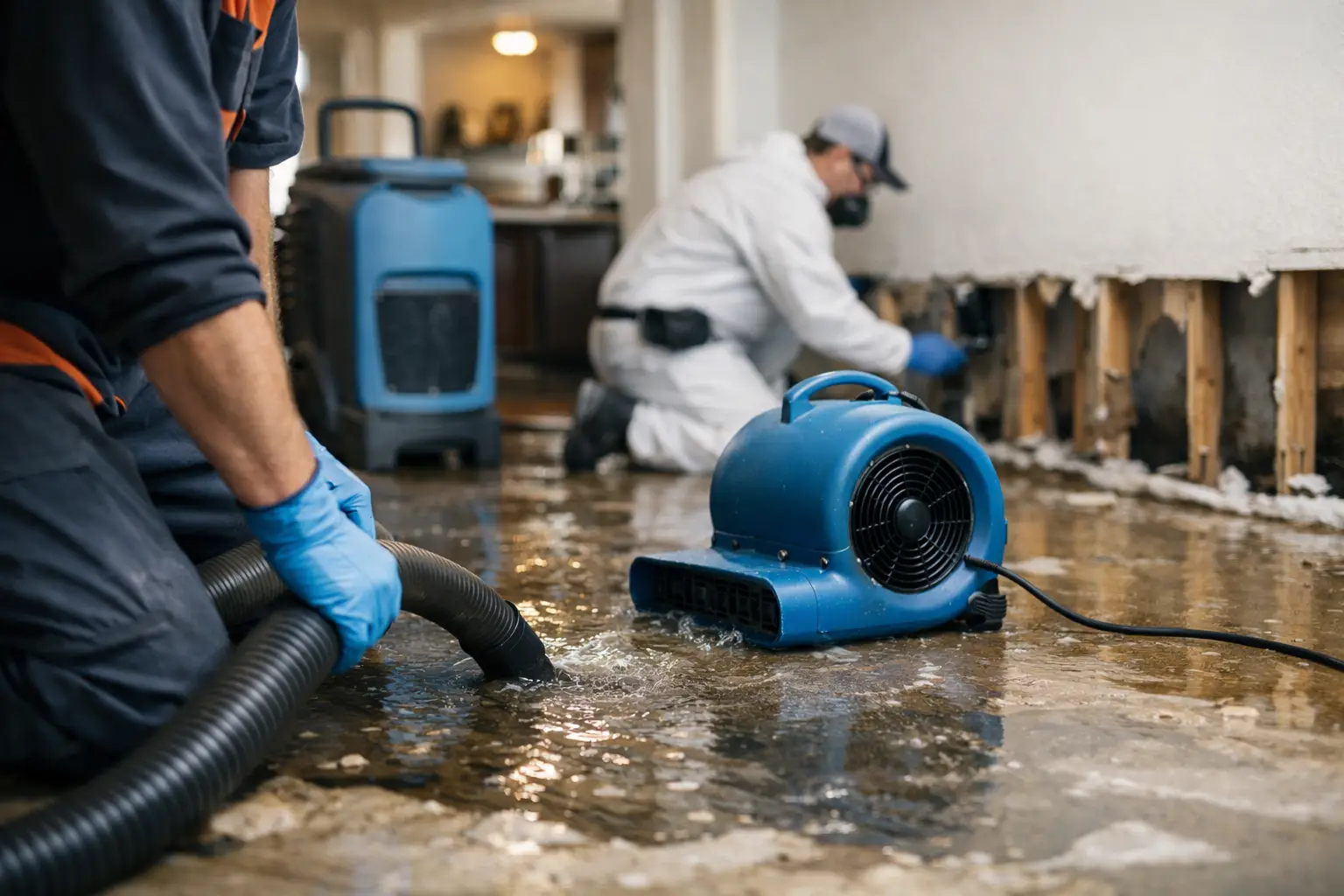 Water Damage
Extraction, structural drying, and moisture mapping after floods, leaks, and burst pipes.
Get help now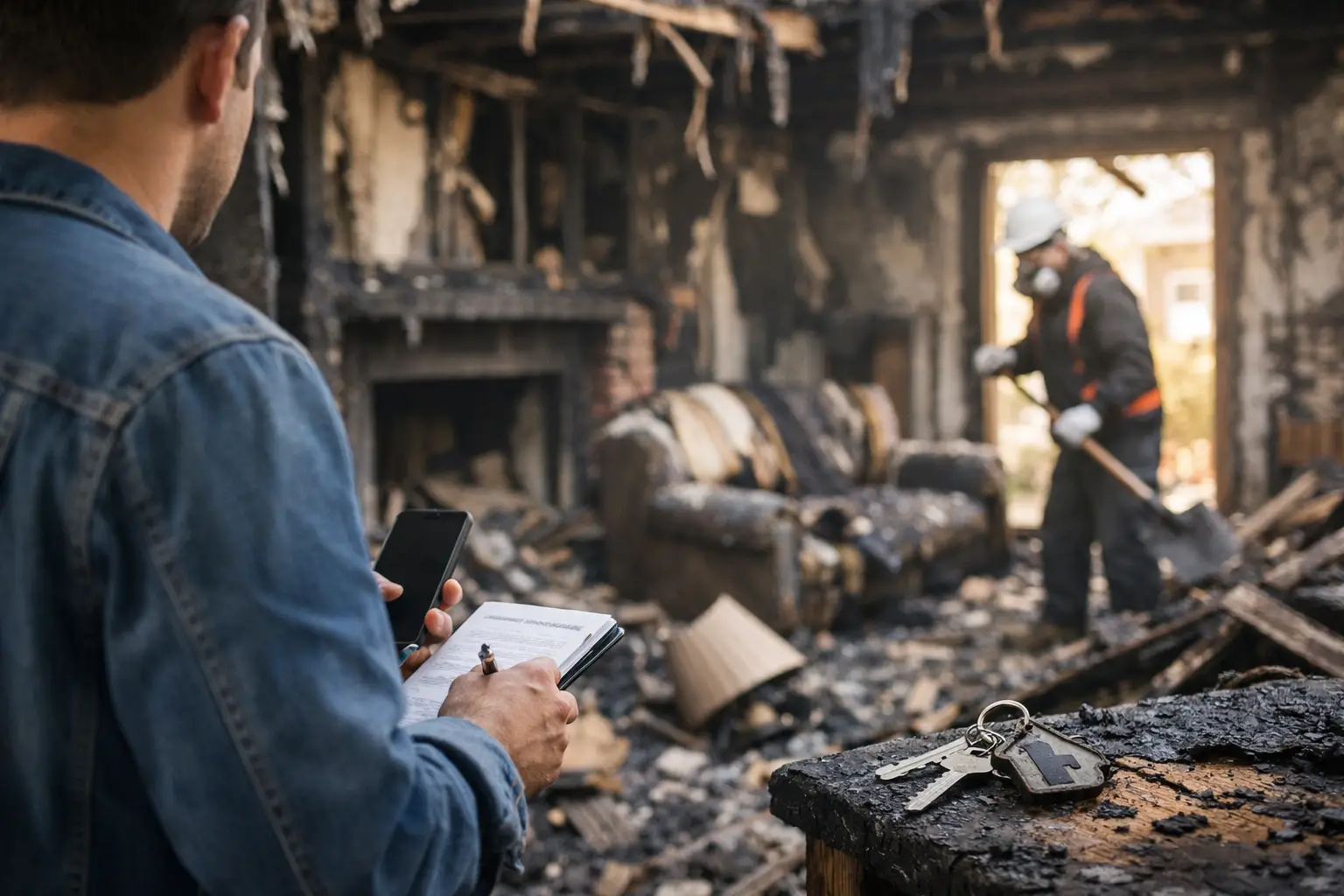 Fire & Smoke
Soot removal, odor deodorization, and content cleaning after fire and smoke damage.
Learn more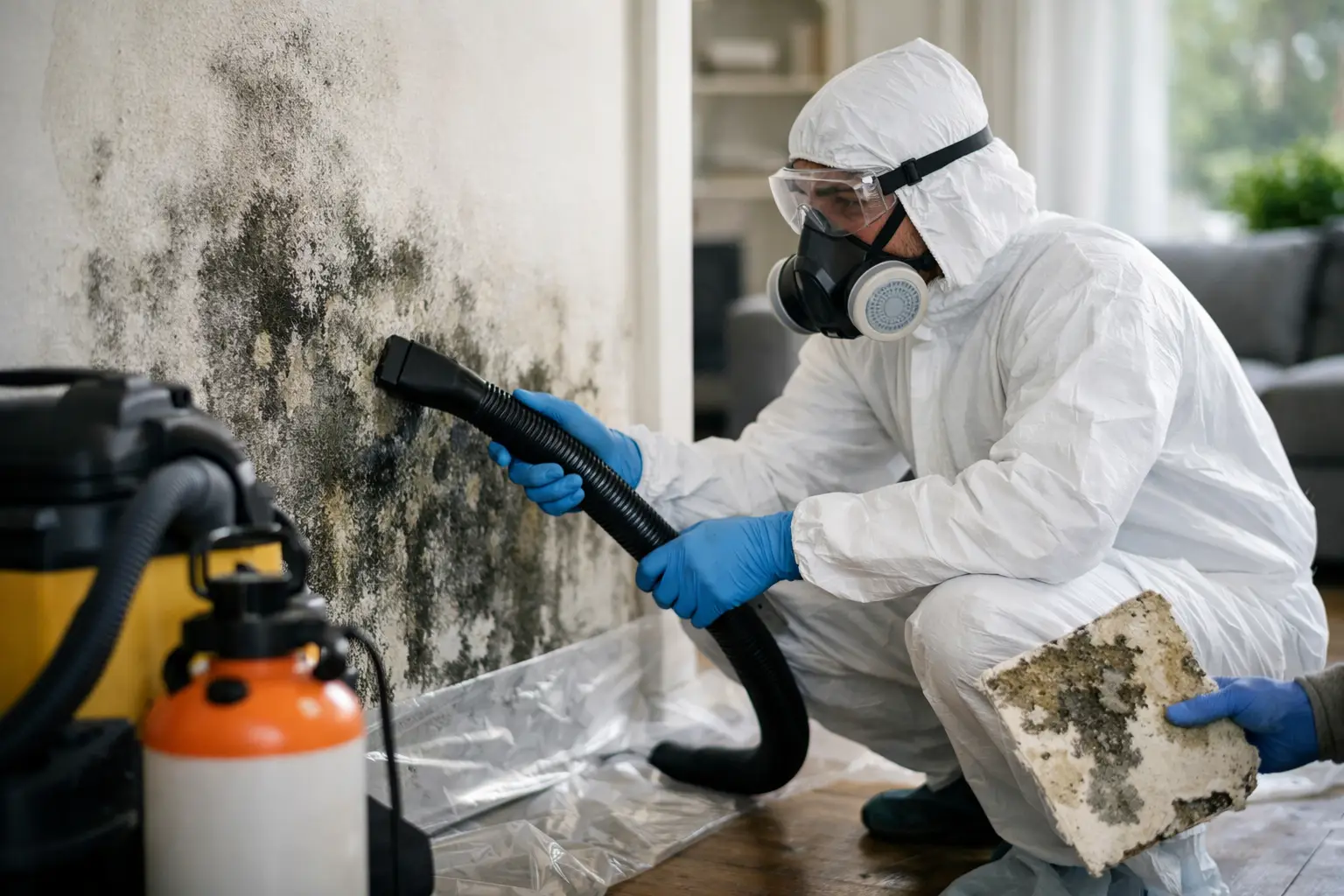 Mold
MoldContainment, removal, and moisture control that stops mold from coming back.
Learn more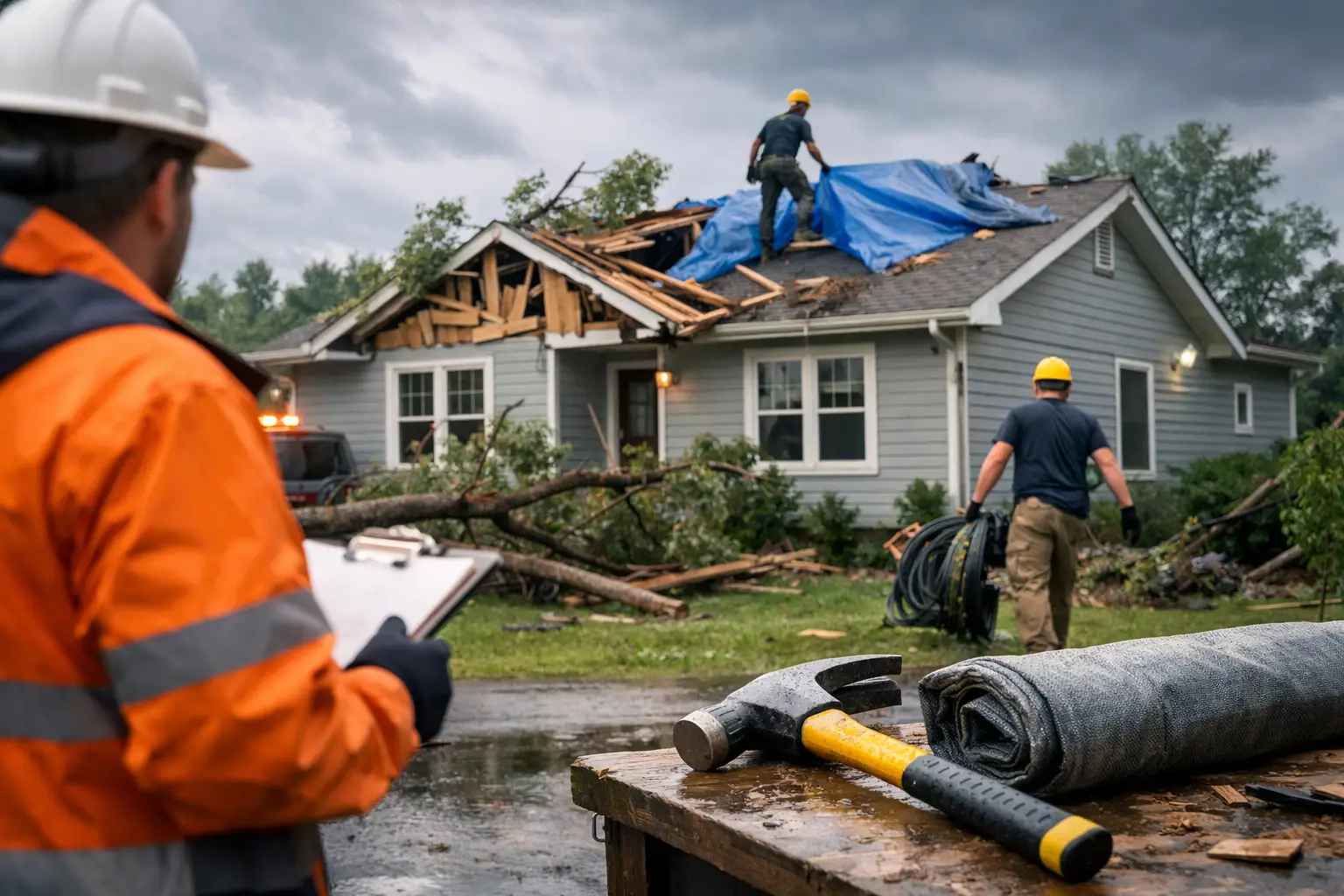 Storm
StormEmergency board-up, roof tarping, and full recovery after wind, hail, and storms.
Learn more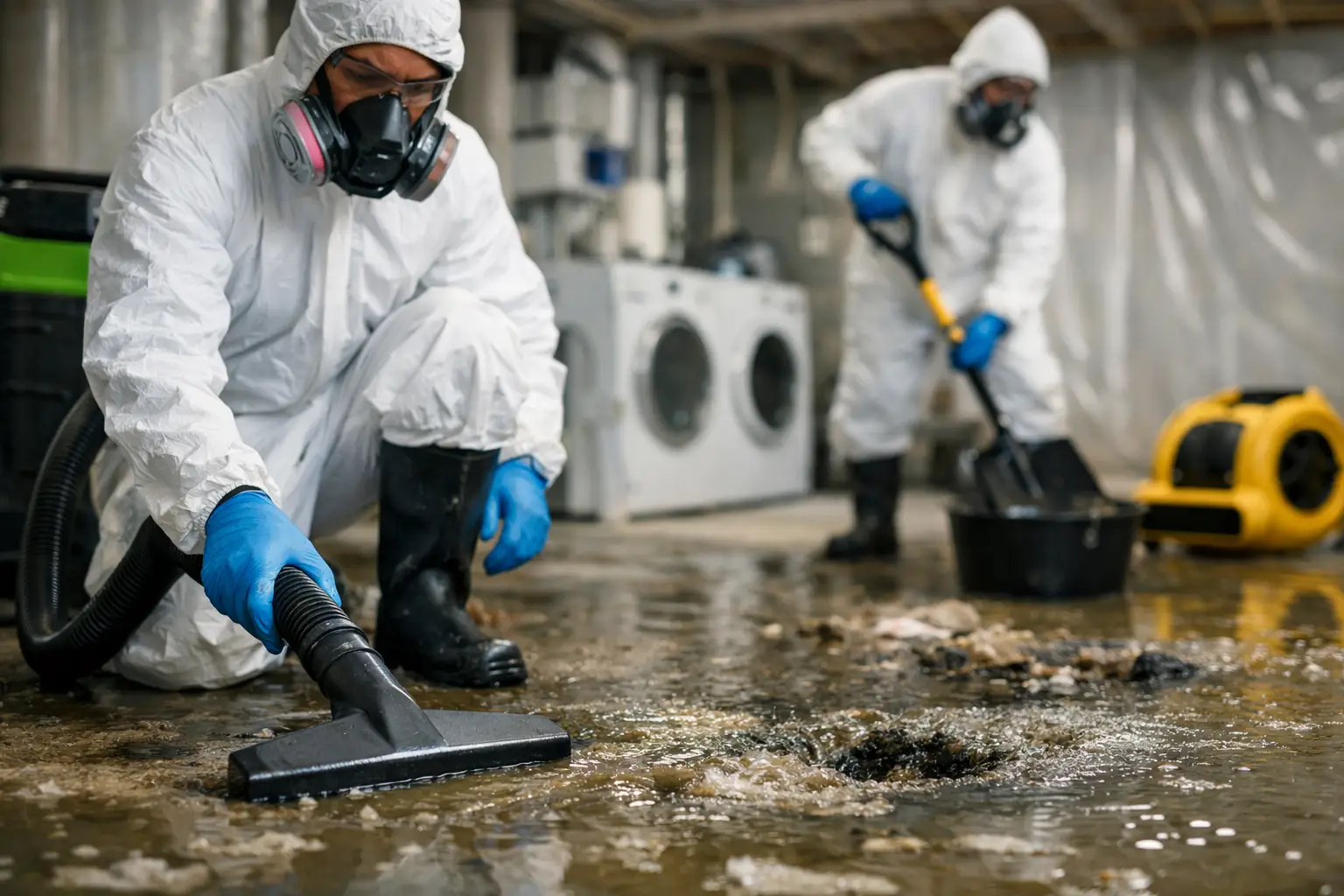 Sewage
Safe biohazard cleanup and sanitizing after sewage backups and overflows.
Learn more Reconstruction
Full rebuild by a licensed general contractor, so your property comes back whole.
Learn moreElevated Operations is an IICRC-certified, licensed general contractor based in Mableton that handles the entire recovery in-house, so after one loss you are never coordinating a cleanup crew, a mold crew, and a contractor separately. One team, one point of contact, from the first pump-out to the final coat of paint.
People call when the property feels like a disaster. They leave reviews because Chris and the crew made it right. These are real, verified Google reviews.
Water damage repair cost in Smyrna depends on how much water there is, how long it sat, and what it soaked into, so every job starts with a free inspection and a written quote. As a local water damage restoration company, we answer 24/7, extract and dry fast, and bill your insurance directly.
What drives water damage cost is the water category and the area affected, so we inspect first and price it in writing.
We extract standing water and start structural drying fast to stop mold before it starts, day or night.
Dispatched from Mableton, our IICRC-certified crew reaches Smyrna homes fast, 24/7, and bills insurance directly.
Sometimes, yes. If the hardwood only saw limited water and I start structural drying quickly, I can often keep some sections. The key is whether the boards cupped, buckled, or separated. On a slab ranch, edge moisture can look small but still move under the floor, so I check the whole room before I recommend repair or replacement.
They do. Battery townhomes often have stacked plumbing, tighter wall cavities, and more vertical moisture movement, so I focus on hidden wall and subfloor drying. Older slab ranch homes usually spread water flatter and wider at floor level. That changes where I place equipment and what I expect to salvage.
A washer leak can be a straightforward water extraction job if it is caught early. I still inspect behind the machine, under the flooring, and along adjacent baseboards because appliance water often runs farther than it looks. In a townhome laundry closet or ranch utility room, that hidden path decides whether repair is enough.
If the drywall is swollen, crumbly, stained through, or wet for too long, replacement is usually the right call. I also look at insulation and framing behind it. In Smyrna homes, lower wall sections in slab ranches and bathroom walls in townhomes are common candidates because moisture can sit there unseen.
Often yes, but it depends on where the water is and how much equipment I need. A small, contained area may be manageable. A larger loss in a townhome or a wet main living area in a ranch can be disruptive. I decide based on safety, drying access, and what the structure needs to dry properly.
Coverage depends on the cause, but I do handle direct insurance billing and can help with deductible assistance up to $1,000. I document the loss carefully so the carrier sees the scope clearly. That matters whether the home is a ranch near the city center or a townhome closer to the Battery.
I am a licensed general contractor, and my team is IICRC-certified. That means I can assess the structure, drying needs, and repair scope, not just patch the surface. A handyman may stop at visible damage, but water often keeps moving behind drywall, flooring, and trim until it is properly dried.
Right away. My team answers 24/7 and responds in 60 minutes for emergencies. The earlier I start water mitigation, the more likely I can save materials instead of replacing them. That is true in a basement, on a slab ranch floor, or inside a Battery townhome wall system.
Elevated Operations dispatches IICRC-certified crews across Metro Atlanta from our Mableton base, with a 60-minute emergency response day or night. Choose your city:
Call now for an immediate response, or request your free inspection and get a certified crew on-site within the hour across Atlanta and nearby areas.