24/7 Emergency Restoration · Serving Metro AtlantaEmergency? (770) 404-6895
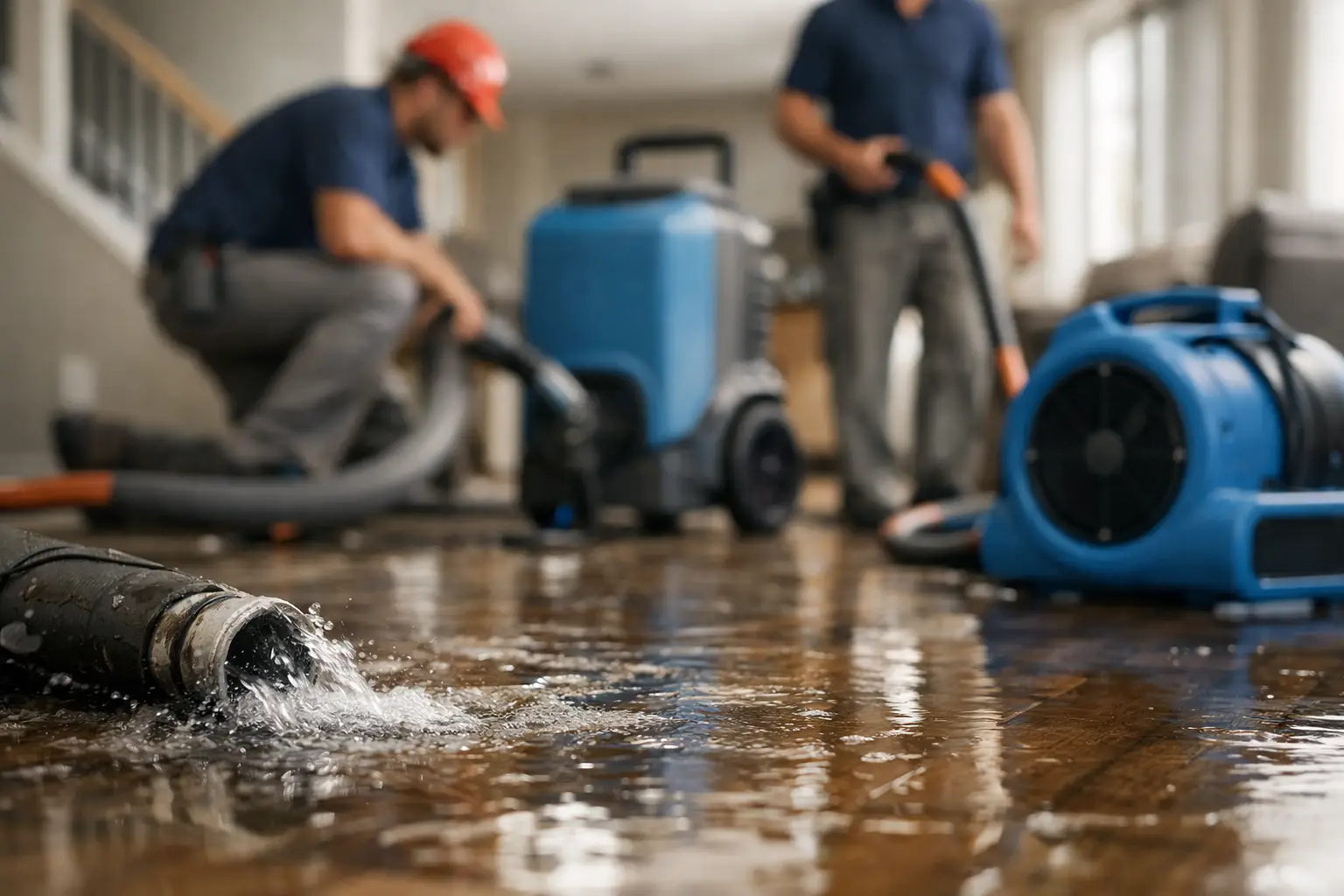
Crawl space mold removal Riverdale starts with speed, not guesses. I send IICRC-certified technicians from our Mableton base, and I handle the cleanup, moisture control, and insurance paperwork with direct billing. If the crawl space is wet, musty, or spreading odor into the house, call me now at (770) 404-6895.
IICRC-Certified · 5-Star Rated · 60-Minute Response · Insurance Billed Directly
Yes. I offer 24/7 emergency response with a 60-minute target, and I start crawl space mold removal fast when the home is at risk.
Older homes are common here, and I see crawl space moisture problems often. I inspect, clean, dry, and correct the cause instead of treating only the surface.
Yes. I offer direct insurance billing, and I document the work so the claim process stays organized.
I back qualifying work with a 12-month warranty. I want the crawl space dry, clean, and stable after I leave.
I can usually get moving fast, because mold does not wait and neither do I. We offer 60-minute emergency response 24/7, and in Riverdale that matters in older subdivisions near the airport where damp crawl spaces can spread odor and spores quickly through the home.
The first hour is about control. I have my team listen for the symptoms, ask about standing water, musty smells, and visible fungal growth, then get eyes on the crawl space as quickly as possible. That is how crawl space mold remediation starts the right way.
In Riverdale, homes built in older subdivisions often have low crawl spaces, tired vapor barriers, and years of moisture hiding under the floor. Near the airport corridor, heavy rain and humid air make moisture control a daily problem, not a seasonal one.
I do not drag this out. I am a licensed general contractor, IICRC-certified, and I have been in restoration since 2007. That means I can move from inspection to crawl space cleanup, wood treatment, and dehumidification without wasting the first day.
The first hour is triage. I confirm the source, stop the spread, and prepare the crawl space for containment, cleanup, and drying. If conditions point to active mold, I move fast on fungal growth removal and moisture control before the problem gets into insulation, framing, and indoor air.
I start with a direct conversation, because bad information wastes time. If you smell mildew upstairs, see damp insulation, or notice a sagging vapor barrier, I treat that as a crawl space emergency and send the right crew, not a sales pitch.
Once on site, my technicians look for standing water, condensation, soil moisture, and wood staining. In Riverdale’s older housing stock, the crawl space often tells the story first. The goal is to identify what is active now, not what may have happened months ago.
Then I move to containment and documentation. That may include direct insurance billing if the loss is covered. I keep the process tight, because the difference between a quick response and a slow one is often the difference between simple crawl space mold cleanup and larger structural work.
I remove crawl space mold by stopping moisture first, then cleaning, treating, and drying the affected surfaces. That can include crawl space cleanup, wood treatment, dehumidification, and replacing failed vapor barrier materials so the mold does not come right back after the job is done.
There is no shortcut I trust. If the crawl space still has moisture, mold removal is temporary. I start with the conditions that fed it, then I clean the contaminated areas and treat exposed wood where needed. That is how I approach crawl space mold remediation in Riverdale.
Older homes near the airport and in Clayton County subdivisions often have soft spots, sweating ductwork, and compromised access points that let humid air linger. I check those details because fungal growth removal is not just about what you can see, it is about what keeps feeding the problem.
After cleaning, I focus on drying and moisture control. Dehumidification matters. Encapsulation may matter too. If the crawl space floor is exposed and damp, a vapor barrier helps separate the home from the ground, which is where a lot of repeat mold starts.
Mold in a crawl space usually comes from moisture, plain and simple. In Riverdale, that often means humid air, plumbing leaks, poor drainage, failed vapor barrier material, or an unsealed crawl space under older homes close to the airport and across Clayton neighborhoods.
I see the same pattern again and again. Water gets in, air stays damp, wood stays wet, and mold starts in 24 to 48 hours. In older subdivisions, that chain can begin with one rainy week and turn into a crawl space cleanup that should have started sooner.
Riverdale has homes that were built before today’s moisture standards were common. Some have low vents, weak sealing, or no meaningful encapsulation at all. That makes them vulnerable when summer humidity hits hard or when a plumbing issue goes unnoticed under the floor.
I also look at grading, downspouts, and the condition of the ground in the crawl space itself. If the area stays wet, even good cleaning will not hold. Moisture control has to be the fix, not an afterthought.
Often, yes. If the crawl space is still open to ground moisture or repeated humidity, encapsulation is the step that helps keep the mold from returning. I recommend it when the site needs a vapor barrier, better sealing, and steadier dehumidification after the cleanup is complete.
Encapsulation is not decoration. It is a moisture strategy. In Riverdale crawl spaces, especially in older subdivisions, I use it when the floor, walls, or air volume keep pulling moisture back into the home. Without that barrier, the crawl space can relapse fast.
Some homes only need targeted crawl space mold remediation and better drainage. Others need a fuller system. I make that call based on the site, not a script. If I see chronic dampness, open soil, and recurring mustiness, encapsulation becomes hard to ignore.
The right setup usually includes sealing problem points, installing a vapor barrier, and adding dehumidification to hold the space dry. That is how I reduce repeat calls. It is also how I protect framing, subflooring, and the air moving into the living space.
Yes, and I take that seriously. Air from the crawl space moves up through the house, especially in older Riverdale homes with gaps, leaks, and worn subfloors. If mold is active below, the odor, spores, and dampness can show up inside before the owner sees the problem.
People usually call me because they smell something first. Musty air upstairs is often the clue. In a Riverdale home near the airport or in an older subdivision, that odor can come from a crawl space that has been wet long enough to support fungal growth.
Indoor air quality issues can show up as persistent odor, dusty HVAC returns, or a home that just never smells clean. If I find mold below, I do not separate the crawl space from the house in my thinking. They are connected, and the air proves it.
That is why I push fast action. Crawl space mold removal is not only about the visible contamination. It is about protecting the air your family breathes, and that means cleaning the source, drying the space, and fixing the moisture that caused it.
You call, I answer, and we start triage. I ask about smell, visible mold, water, and access, then I dispatch fast from our Mableton base for Riverdale crawl space mold removal.
My crew inspects, documents, and contains the area. We look for moisture sources, begin crawl space cleanup, and set the plan for dehumidification, wood treatment, and mold control.
We complete fungal growth removal, address contaminated materials as needed, and install or repair moisture control measures. If the space needs encapsulation or a vapor barrier, this is when that work gets coordinated.
After drying and cleanup, I close out the job with a 12-month warranty on the work we perform, direct insurance billing when applicable, and a final walk-through so you know what changed and why.
From emergency mitigation to full reconstruction, handled in-house so you are never managing a chain of subcontractors mid-crisis.
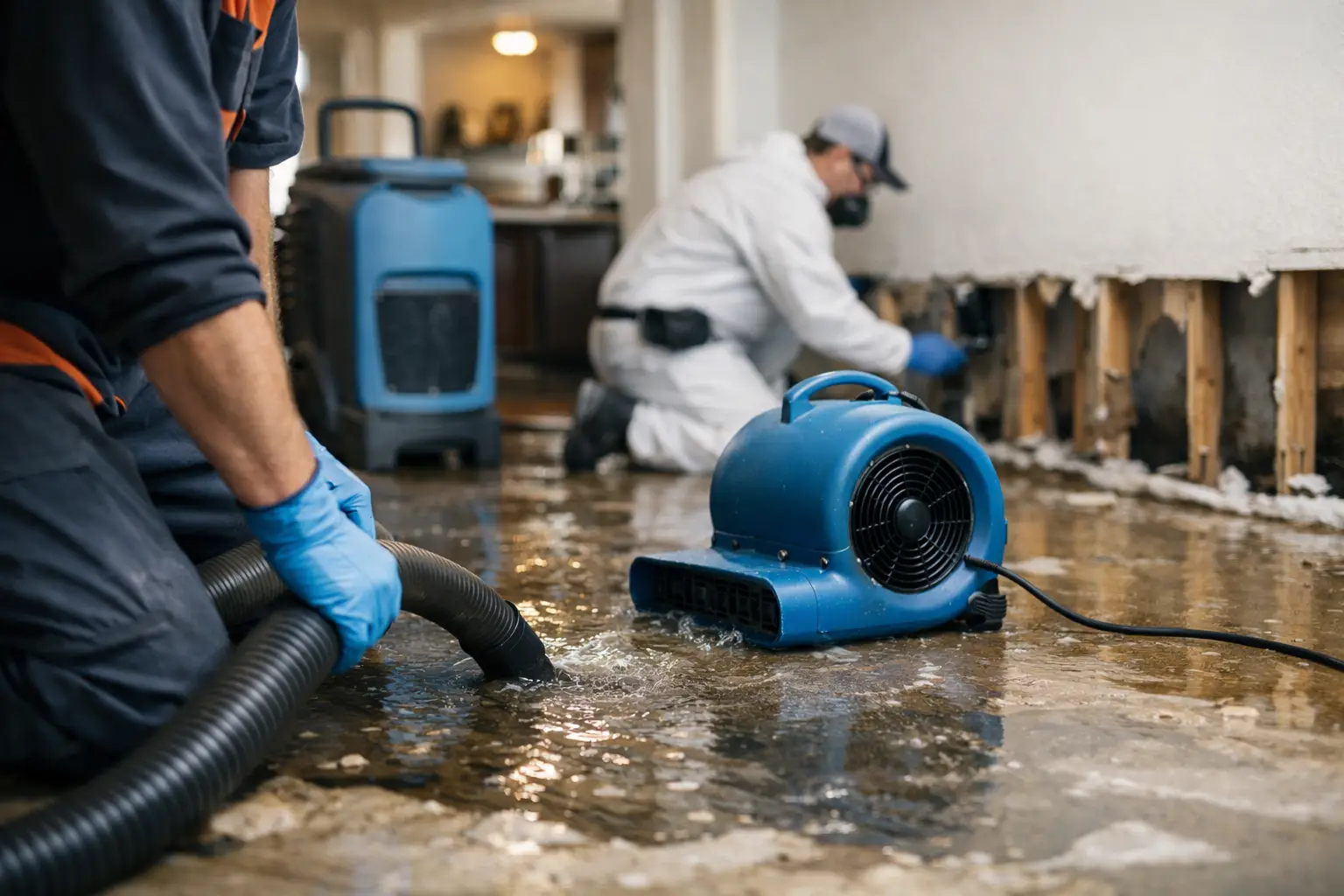 Water Damage
Extraction, structural drying, and moisture mapping after floods, leaks, and burst pipes.
Get help now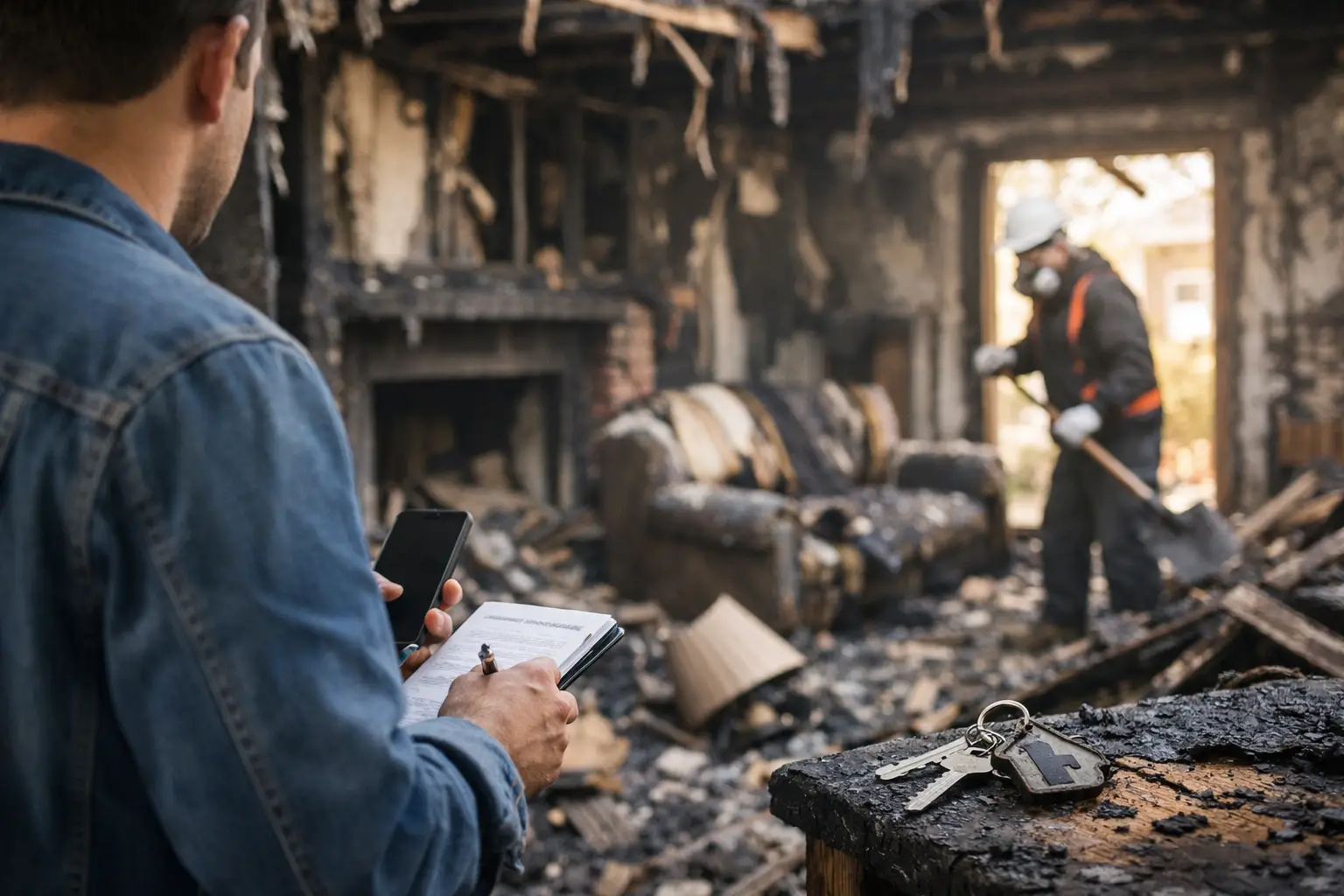 Fire & Smoke
Soot removal, odor deodorization, and content cleaning after fire and smoke damage.
Learn more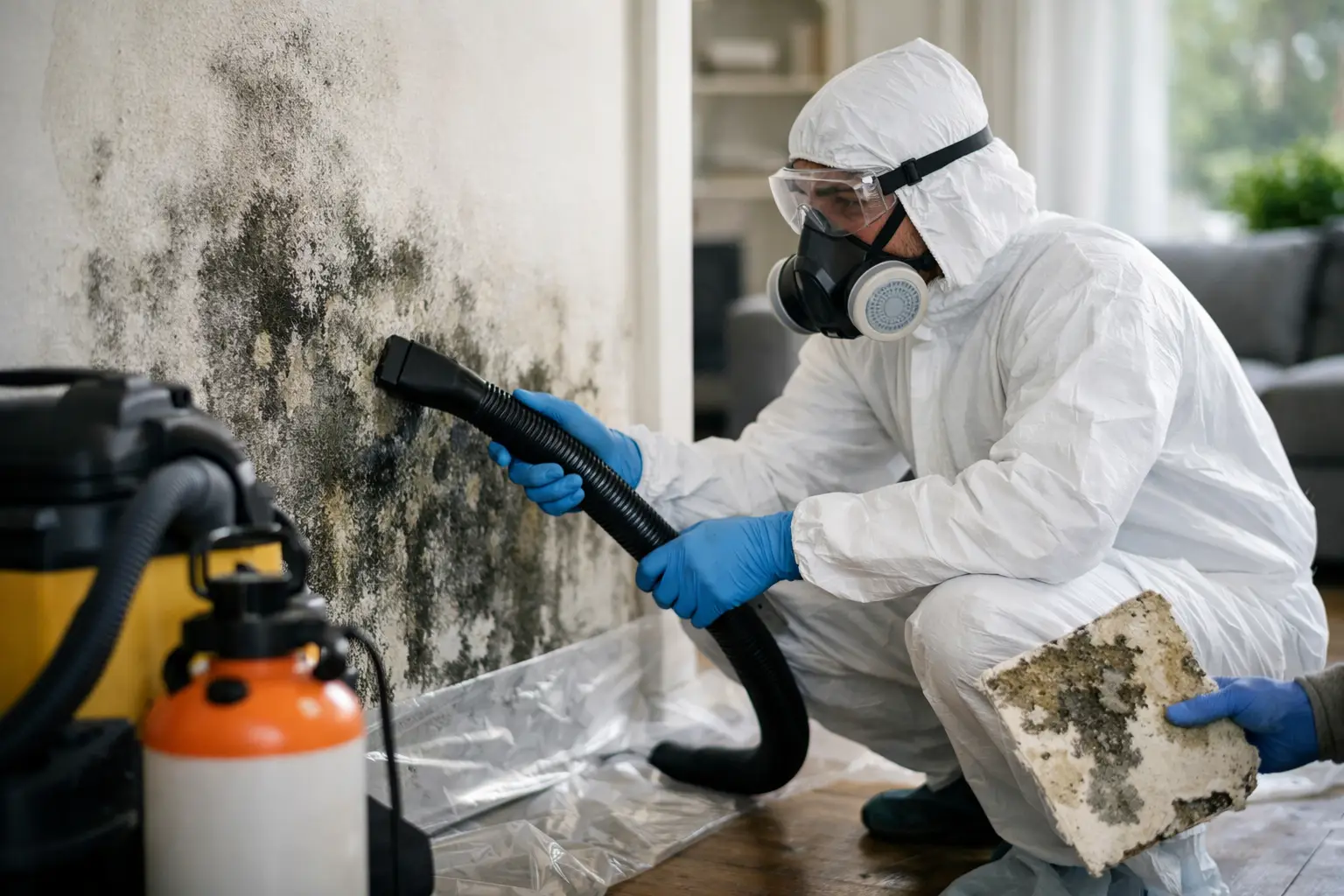 Mold
MoldContainment, removal, and moisture control that stops mold from coming back.
Learn more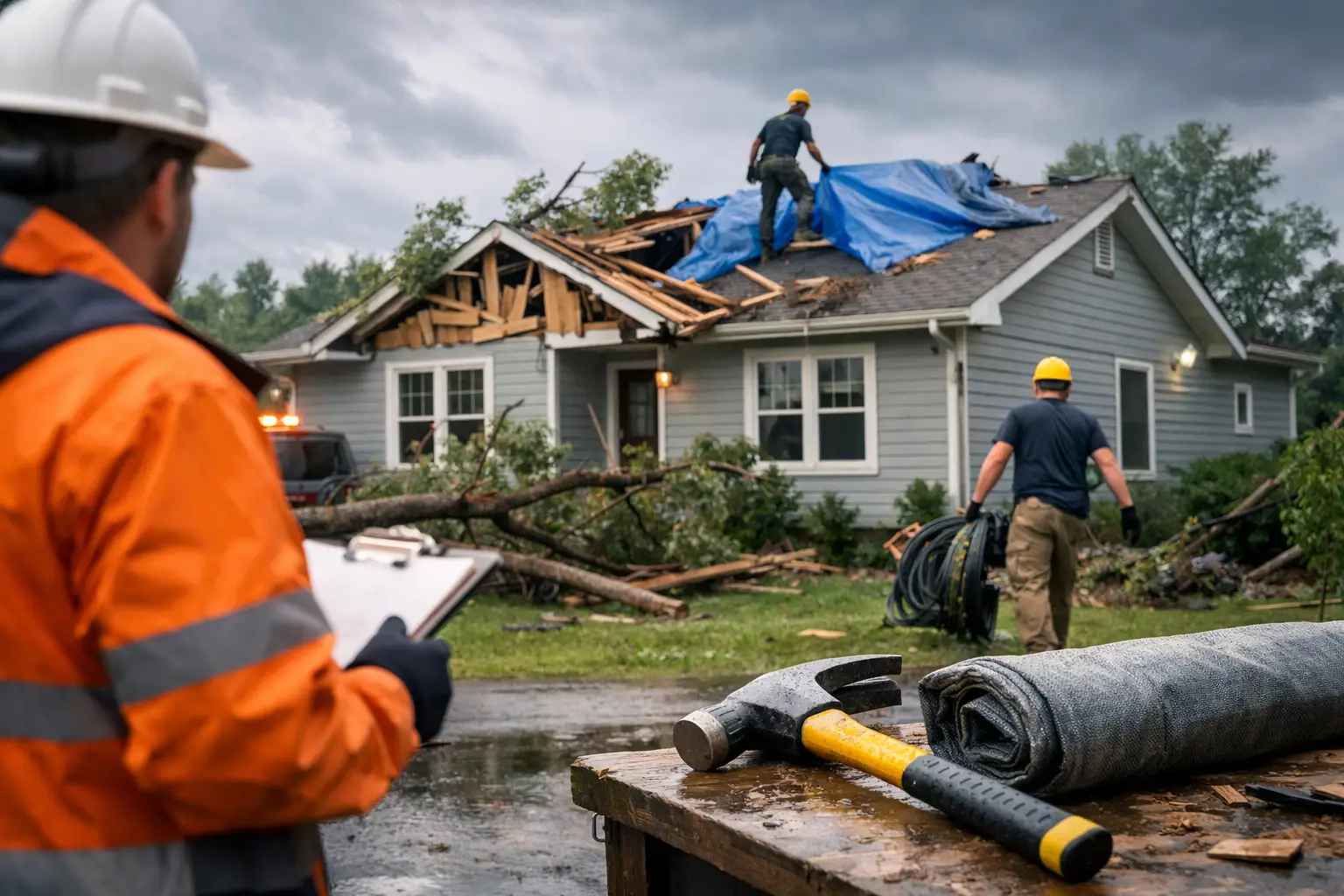 Storm
StormEmergency board-up, roof tarping, and full recovery after wind, hail, and storms.
Learn more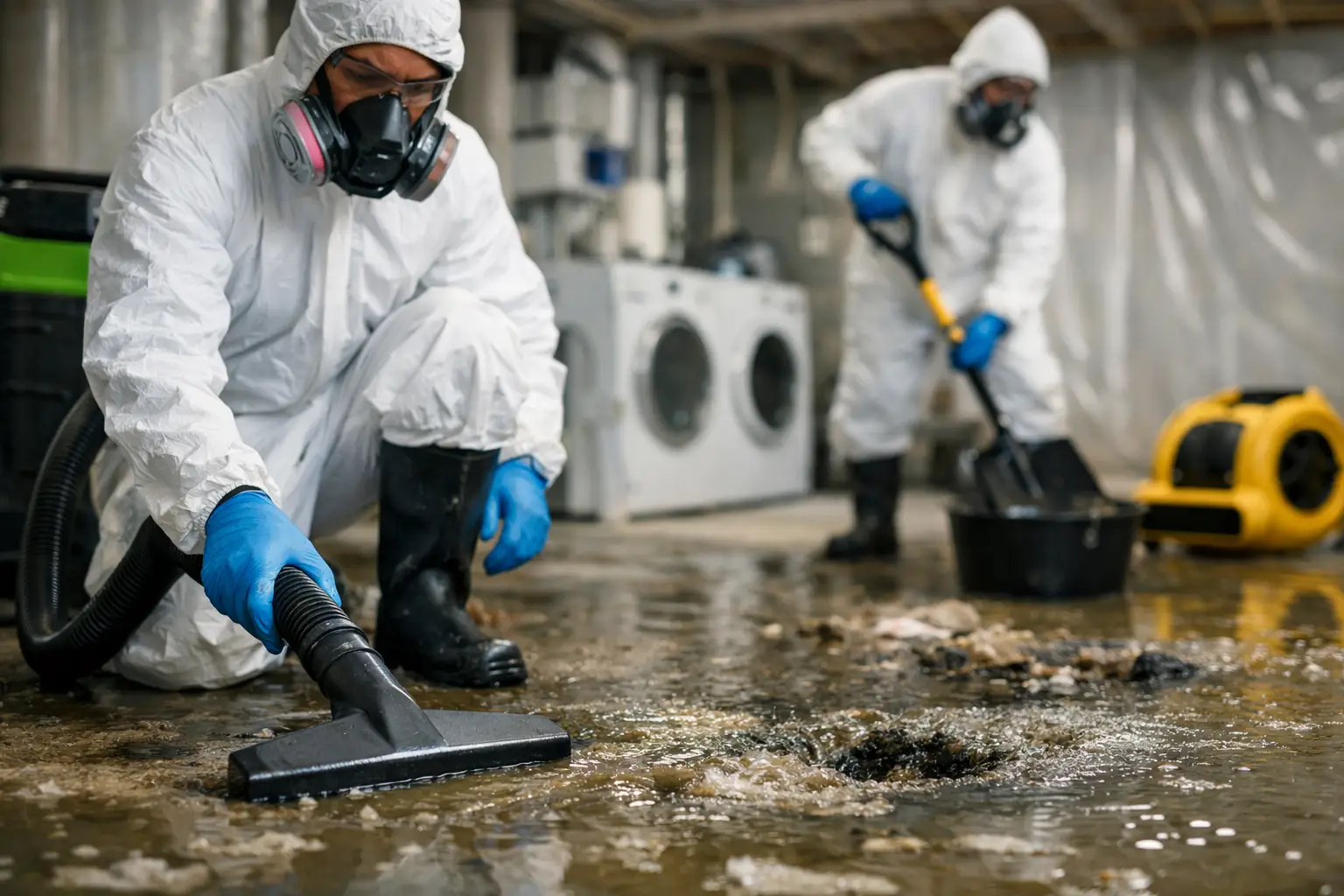 Sewage
Safe biohazard cleanup and sanitizing after sewage backups and overflows.
Learn more Reconstruction
Full rebuild by a licensed general contractor, so your property comes back whole.
Learn moreElevated Operations is an IICRC-certified, licensed general contractor based in Mableton that handles the entire recovery in-house, so after one loss you are never coordinating a cleanup crew, a mold crew, and a contractor separately. One team, one point of contact, from the first pump-out to the final coat of paint.
People call when the property feels like a disaster. They leave reviews because Chris and the crew made it right. These are real, verified Google reviews.
Older Riverdale subdivisions often have crawl spaces that were built before moisture control was treated as a priority. If humid air, soil moisture, or small leaks stay in place, mold can start fast and spread under the floor. Near the airport corridor, weather and air movement can make that worse, not better.
Call right away. I do not wait for a crawl space smell to turn into a bigger indoor problem. When the odor is coming from below the house, the space may already need crawl space mold remediation, dehumidification, and moisture control before the damage gets into insulation or framing.
Yes. When water gets into a Riverdale crawl space after rain, I treat it like an emergency cleanup. The first step is to identify where the moisture is coming from, then remove contaminated debris, dry the space, and stop the conditions that keep mold active.
I handle both when needed. If the wood is stained, softened, or affected by moisture, I look at wood treatment as part of the cleanup plan. In crawl spaces, mold and wood damage usually travel together, so I address the source and the surfaces instead of splitting them apart.
Many do, especially in older homes with exposed soil and recurring dampness. A vapor barrier helps separate ground moisture from the structure, which makes future mold less likely. I recommend it when I see conditions that are likely to bring the problem back.
Yes. I offer direct insurance billing, and I document the job so the carrier has the facts. If the loss is covered, that can reduce the paperwork burden on you. I still make decisions based on the crawl space conditions, not on what is easiest for the file.
I move fast and I know the local housing patterns. Riverdale homes near the airport and in older subdivisions often have moisture issues that show up under the floor first. I use that experience to prioritize containment, drying, and crawl space mold removal before the odor spreads upstairs.
If the crawl space keeps pulling in moisture, encapsulation is often the right next move. I look for recurring dampness, soil exposure, and poor air sealing. When the space cannot stay dry on its own, encapsulation plus dehumidification is usually the practical fix.
Elevated Operations dispatches IICRC-certified crews across Metro Atlanta from our Mableton base, with a 60-minute emergency response day or night. Choose your city:
Call now for an immediate response, or request your free inspection and get a certified crew on-site within the hour across Atlanta and nearby areas.