24/7 Emergency Restoration · Serving Metro AtlantaEmergency? (770) 404-6895
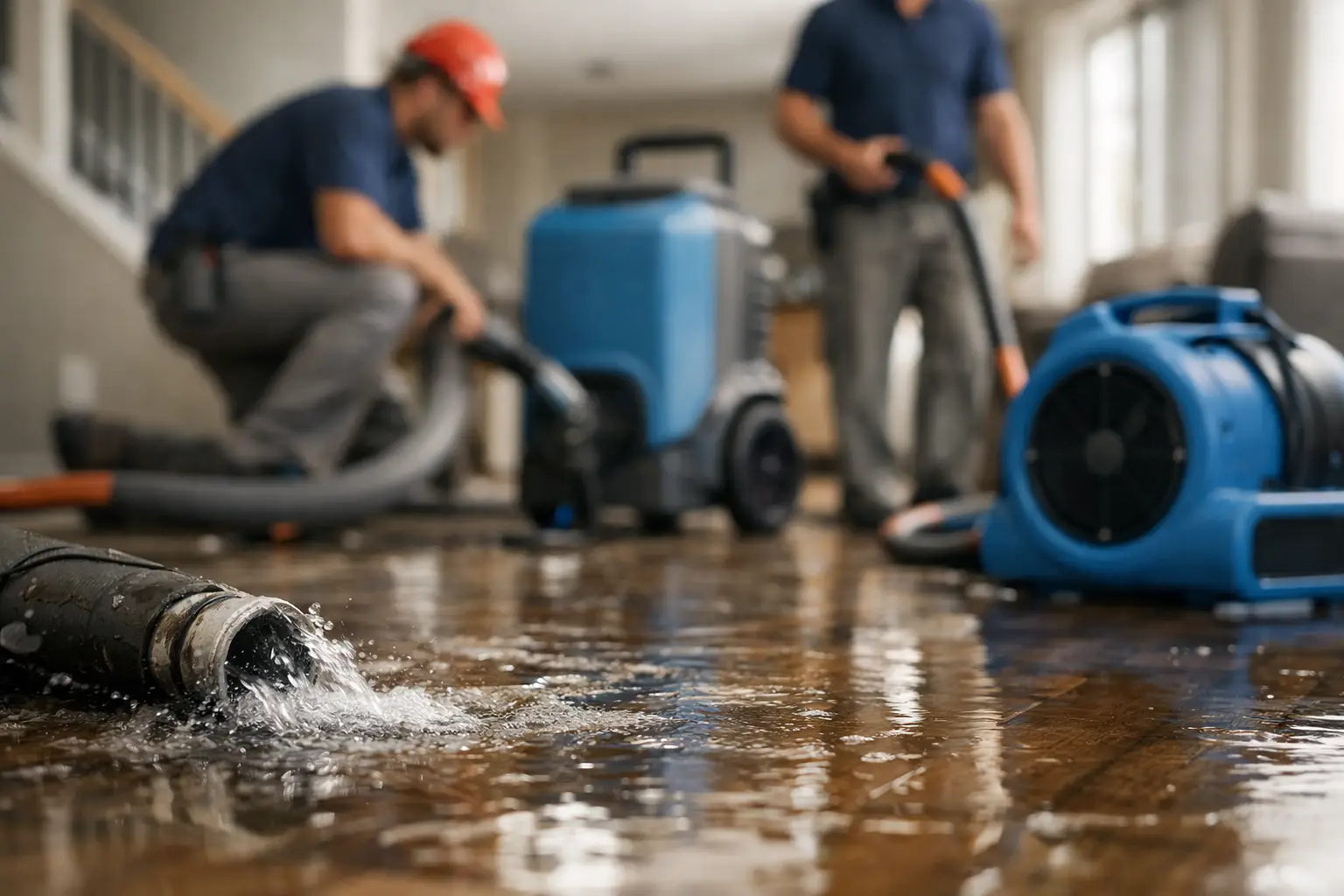
Emergency water removal Mableton means I get the water out fast, then tell you whether the structure can be saved or needs replacement. I run a Mableton-based crew at Elevated Operations, LLLP, and I compare restoration, DIY, and mold risk so you do not waste time on the wrong move.
IICRC-Certified · 5-Star Rated · 60-Minute Response · Insurance Billed Directly
Yes, that is a normal part of my Mableton work. I am based locally, and I respond to homes along the Silver Comet side quickly when water needs extraction and drying.
Yes. Burst pipes are one of the clearest cases for fast water mitigation. I extract the water, check hidden moisture, and decide whether the basement can be restored or needs replacement work.
Sometimes. If the leak was caught fast and the materials stayed sound, emergency drying can prevent bigger damage. If moisture got under cabinets or into the subfloor, I treat it more aggressively.
Because I bring owner-level accountability, IICRC-certified technicians, direct insurance billing, and a 12-month warranty. I do not guess at water damage. I compare the real options and tell you which one fits.
Restore when the water is clean, the structure is still sound, and drying starts quickly. Replace when materials are swollen, warped, contaminated, or trapped behind finishes. I compare both paths on site in Mableton, then give you the least wasteful option that still protects the home.
In a lot of Mableton homes near the Silver Comet Trail, the first question is not whether there was water, it is whether the drywall, trim, and flooring can be dried in place. That is where water mitigation matters more than panic.
IICRC-certified technicians on my crew look at what actually soaked through, not just what you can see. If the water sat in carpet padding, baseboards, or under cabinets, restoration may still work. If it soaked engineered wood or insulation, replacement often wins.
I have been in restoration since 2007, and I do not push one answer on every job. I compare damage, materials, and the source, then explain why restoration makes sense or why replacement is the better call for the house and the budget.
It should start right away, because standing water starts damaging materials fast and mold can begin in 24 to 48 hours. In Mableton, I treat every active leak or flooded room as urgent, especially in homes where water can move under flooring or into wall cavities.
My emergency response is 60 minutes, 24/7, and that matters in a place like Mableton where a small leak can run into a hallway, crawlspace, or split-level lower room before anyone notices. Fast water extraction is the difference between drying and demolition.
The Silver Comet area has a mix of older homes and updated interiors, so water often hides where homeowners do not expect it. I check around thresholds, closets, and transitions because standing water removal is only the start. Moisture left behind keeps spreading.
If you wait until morning, a wet room can become a mold issue. That is not drama, it is how moisture works. I start pumping water out, then move into emergency drying, because the clock is always the enemy on a water loss.
The core tools are high-capacity extraction equipment, drying equipment, and moisture meters. For carpet and hard surfaces, I use water extraction and wet vac extraction where it fits, then I set up emergency drying to pull moisture out of framing, flooring, and hidden spaces.
Equipment is not about looking impressive. It is about removing water from the structure in the right order. I use extraction tools for water cleanup, then controlled drying to target the materials that hold moisture longest, especially around baseboards and subfloors.
On some Mableton jobs, a wet vac extraction is enough for a small laundry room spill. On others, flood water removal needs a more aggressive approach because water has already reached closets, wall bottoms, or beneath laminate flooring.
I also inspect where the water traveled. A home near the Silver Comet Trail may have grading or drainage patterns that send runoff toward low points. The gear only works if the plan matches the path the water took through the house.
Yes, standing water removal from carpet is often possible if the water is clean and the carpet is pulled up, extracted, and dried fast. Carpet does not always need replacement, but the padding, tack strip, and subfloor decide the outcome more than the carpet face does.
I look at the carpet system, not just the top layer. In Mableton, a lot of homeowners want a simple yes or no, but carpet recovery depends on what the water touched underneath. Water extraction on the surface is only part of the job.
If the water is clean and the response is quick, carpet can sometimes be saved with proper water mitigation and emergency drying. But if the padding stayed wet too long, or if contamination is involved, replacement is usually the smarter move.
I tell people the truth even when it is not the easy answer. And that is especially important if the room sits near a hallway or living area where trapped moisture can spread. Saving carpet that should go is just expensive denial.
DIY works only for tiny, clean spills with no hidden moisture. Call a pro when water reaches padding, walls, cabinets, or multiple rooms. In Mableton, a licensed general contractor with IICRC-certified technicians can see the difference between a surface spill and a building problem.
A shop vac and towels are fine for a cup of water. They are not fine for a burst supply line or a dishwasher leak that runs under cabinets. DIY water cleanup often misses moisture in places you cannot see without proper tools.
I do this work with a licensed general contractor mindset, not a guess-and-go approach. If the water reached drywall, trim, or the subfloor, I want documented drying and a plan. That protects the structure and helps with direct insurance billing.
Near the Silver Comet Trail, I see homeowners try to manage water on their own because the damage looks small. Then the baseboards swell, the floor cups, and the repair gets bigger. That is when a pro stops being optional.
After emergency water extraction, I map the moisture, remove what cannot be saved, and start controlled drying. Then I document the damage, communicate with insurance if needed, and decide whether restoration or replacement is the correct finish for the room and the structure.
The water is not gone just because the visible puddle is gone. After extraction, I check beneath flooring, behind trim, and inside wall cavities where moisture likes to hide. That is the part many people miss, and it is where future problems start.
Once the drying plan is running, I keep the job organized around the building, not the noise. Elevated Operations, LLLP offers direct insurance billing and deductible assistance up to $1,000, which helps when the loss was not budgeted and the paperwork is already annoying.
In Mableton, I also watch for secondary damage. A room can look fine after water cleanup, but if the humidity stayed high or the materials stayed wet, mold starts building behind the scene. That is why follow-through matters more than speed alone.
| Typical Trigger | Water Damage Restoration | Mold Remediation |
|---|---|---|
| A water heater leaks into a Mableton utility room off the Silver Comet side of the house | Choose restoration if the leak was clean, the room got emergency water removal fast, and the subfloor stays solid after drying | Choose replacement if moisture sat long enough for hidden growth risk or the wall bottoms stayed wet |
| A laundry room overflow spreads across carpet near the hallway | Choose DIY only for a tiny, visible spill that never reaches padding; otherwise call for water extraction and emergency drying | Choose replacement if the pad, tack strip, or baseboard stayed wet and odor starts later |
| A crawlspace or lower level takes on flood water removal after a storm | Choose restoration when pumping water out and drying start immediately and the structure is still sound | Choose replacement when contamination, trapped moisture, or long soak time makes the materials unsafe to keep |
From emergency mitigation to full reconstruction, handled in-house so you are never managing a chain of subcontractors mid-crisis.
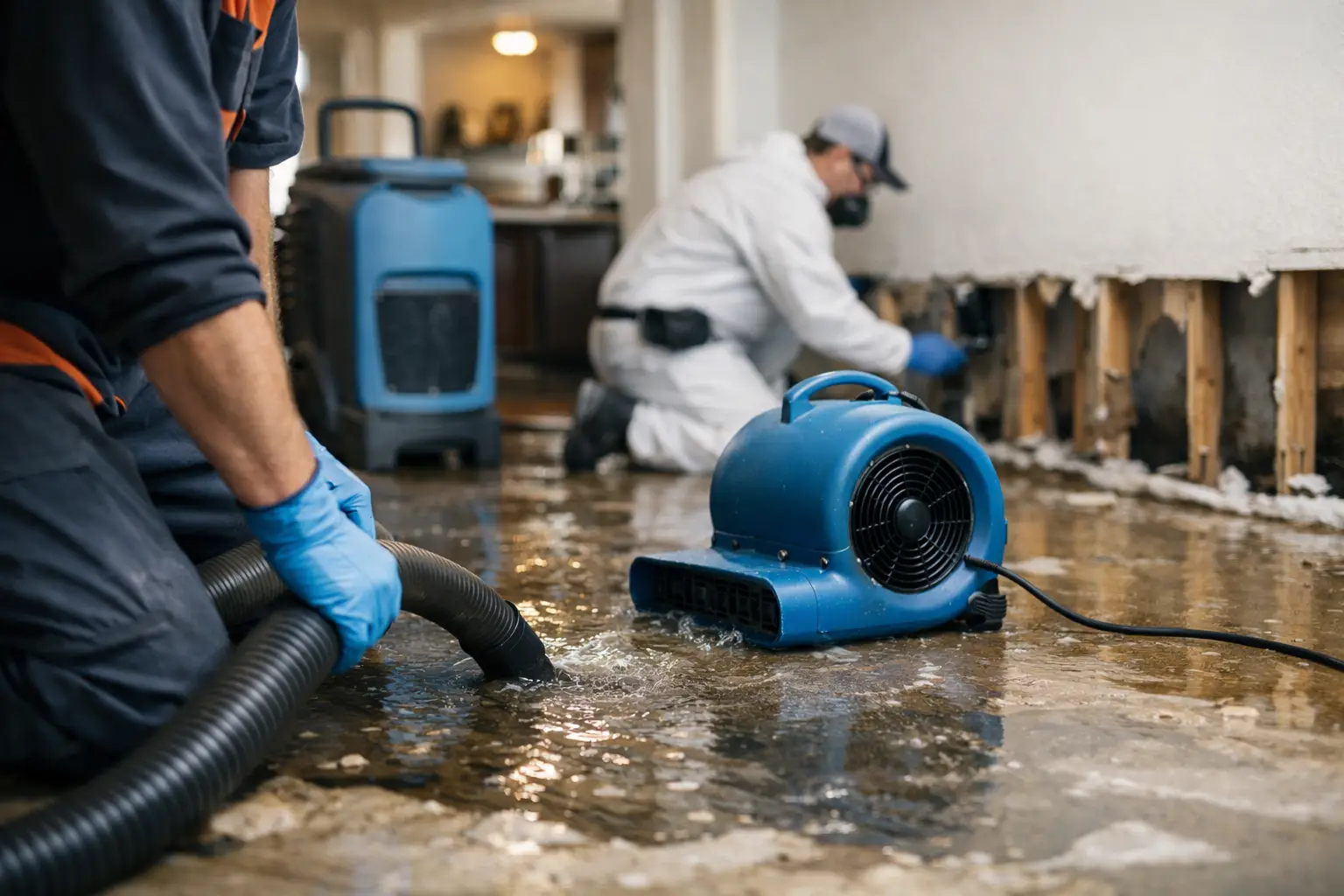 Water Damage
Extraction, structural drying, and moisture mapping after floods, leaks, and burst pipes.
Get help now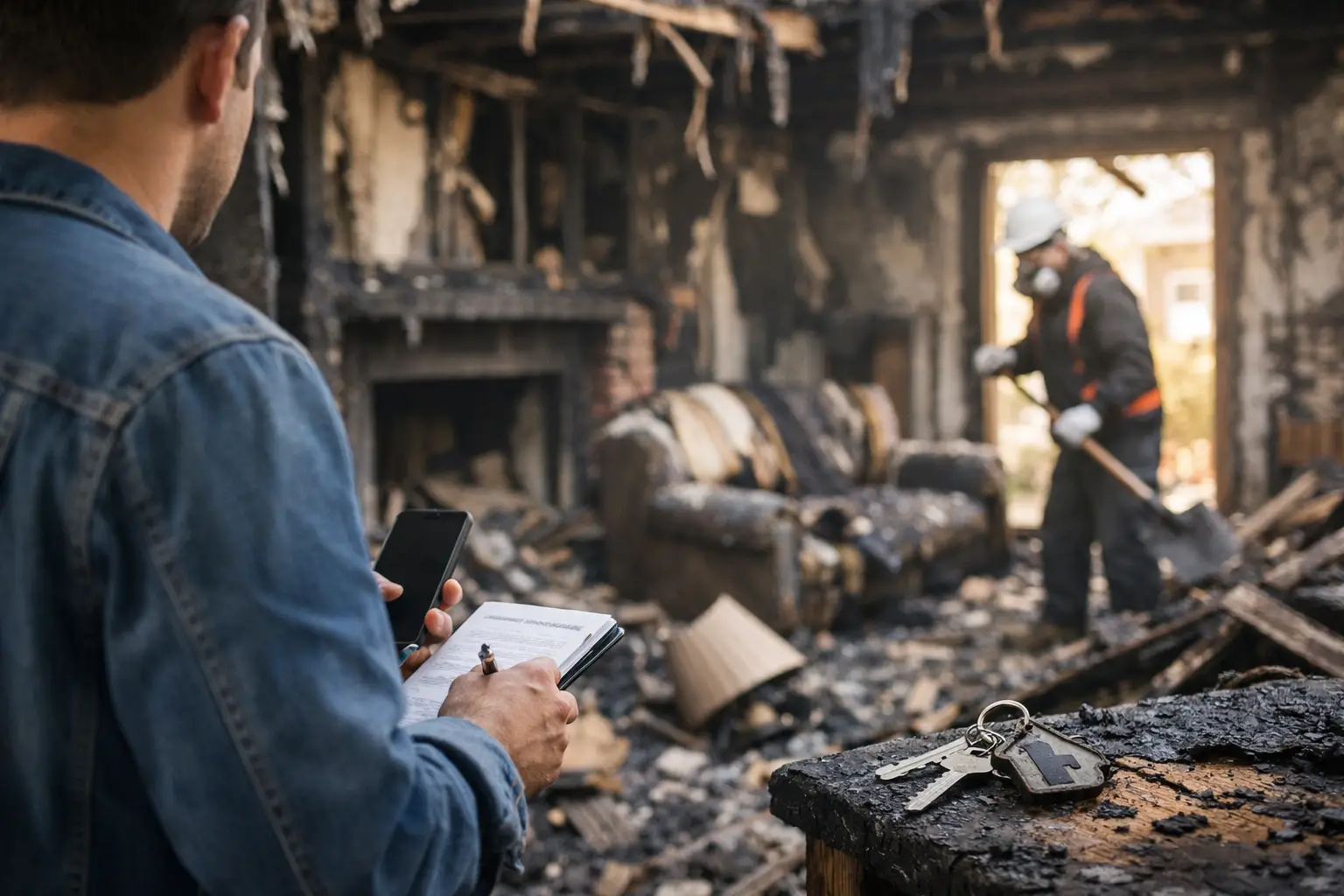 Fire & Smoke
Soot removal, odor deodorization, and content cleaning after fire and smoke damage.
Learn more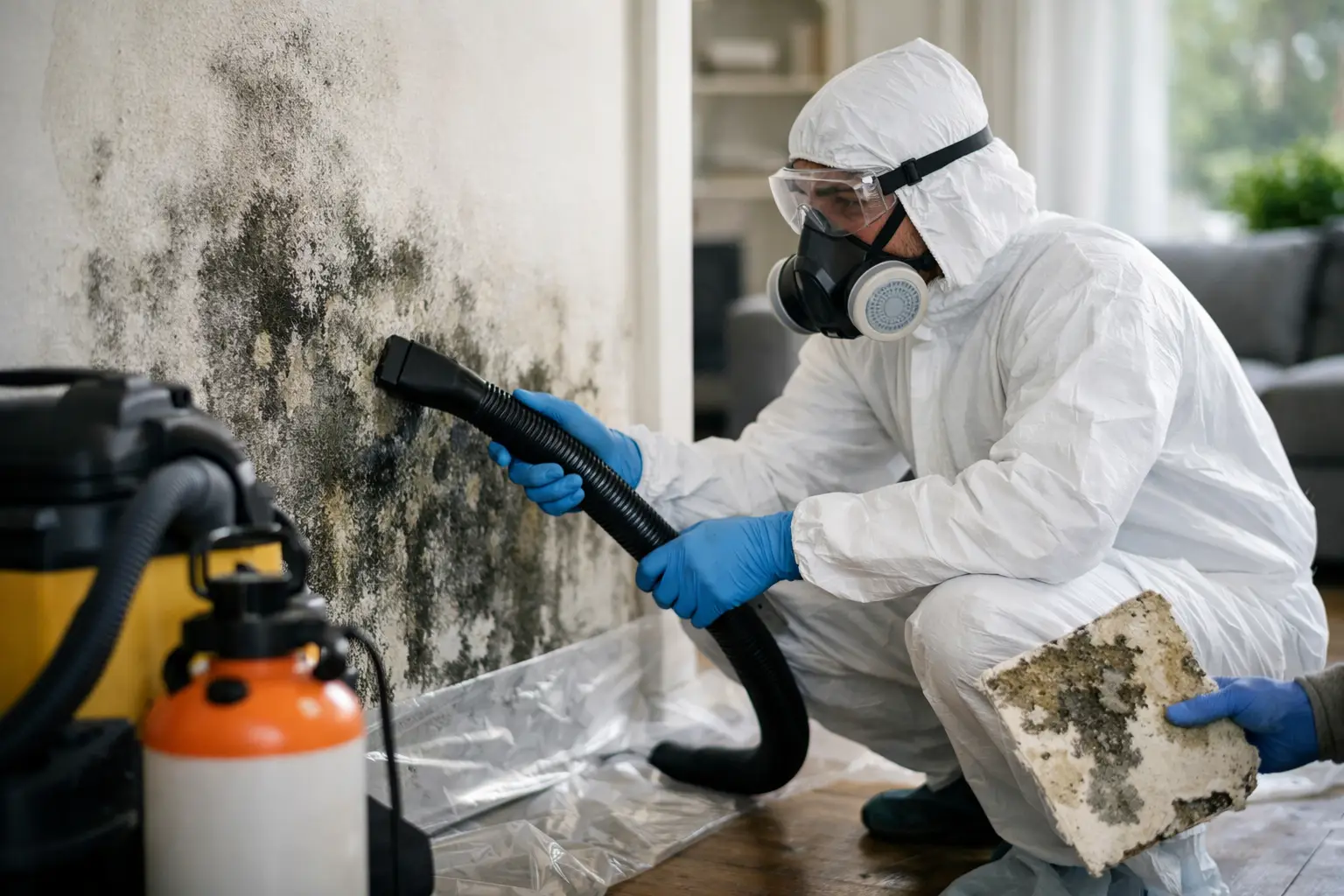 Mold
MoldContainment, removal, and moisture control that stops mold from coming back.
Learn more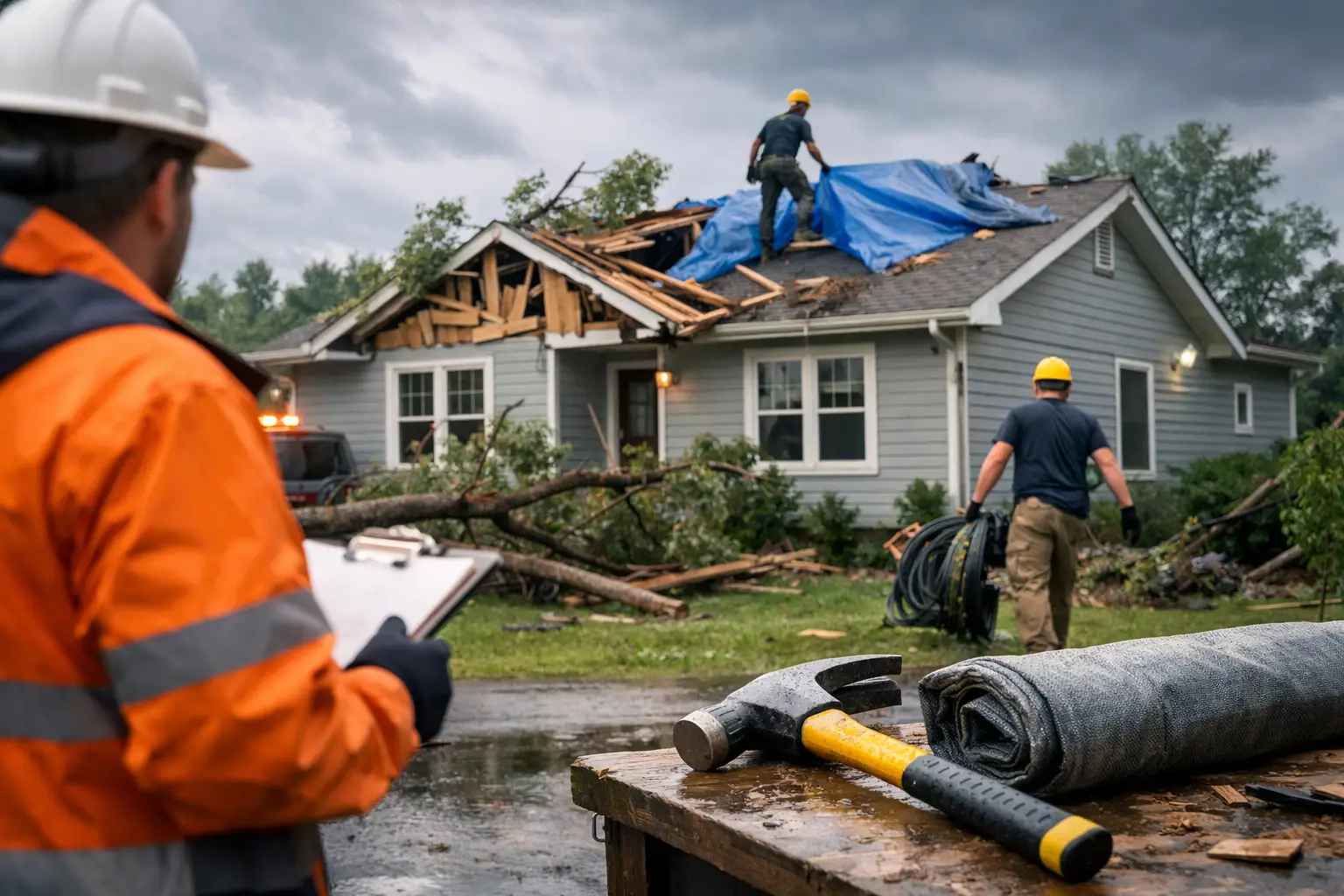 Storm
StormEmergency board-up, roof tarping, and full recovery after wind, hail, and storms.
Learn more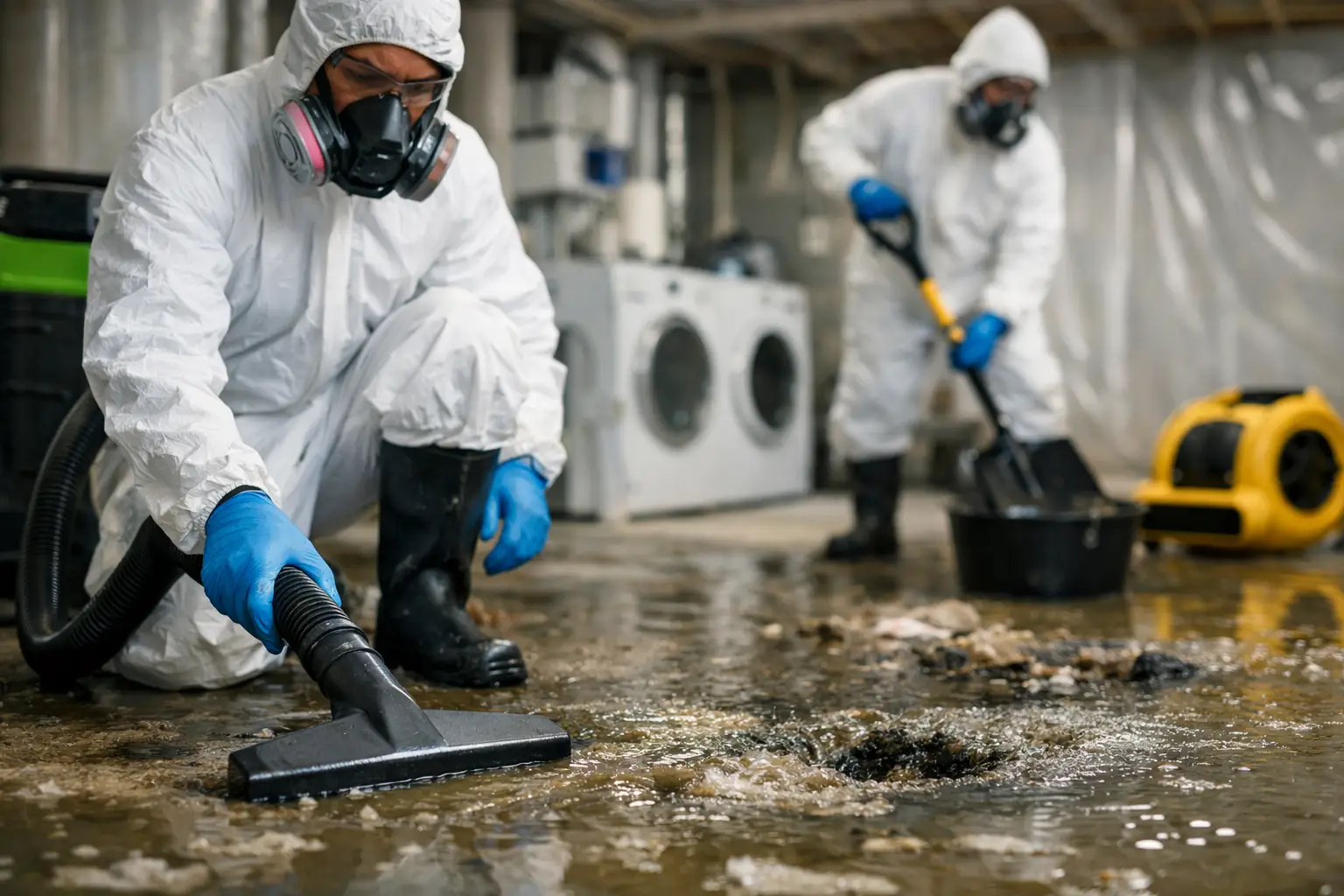 Sewage
Safe biohazard cleanup and sanitizing after sewage backups and overflows.
Learn more Reconstruction
Full rebuild by a licensed general contractor, so your property comes back whole.
Learn moreElevated Operations is an IICRC-certified, licensed general contractor based in Mableton that handles the entire recovery in-house, so after one loss you are never coordinating a cleanup crew, a mold crew, and a contractor separately. One team, one point of contact, from the first pump-out to the final coat of paint.
People call when the property feels like a disaster. They leave reviews because Chris and the crew made it right. These are real, verified Google reviews.
Waiting is cheaper in the moment and costlier later. In Mableton, natural drying rarely reaches the hidden moisture under flooring, inside baseboards, or behind drywall. I compare active water removal against passive drying every day, and active removal wins when the goal is to keep materials, reduce mold risk, and avoid larger repair work.
Outdoor water intrusion changes the decision fast. If runoff or storm water brought contamination into the room, I treat it differently than a clean supply line leak. In Mableton homes near the Silver Comet Trail, I check the source, the path, and the materials touched before I say whether restoration or replacement is the right call.
Sometimes hardwood can be saved, sometimes it cannot. The deciding factors are how long it stayed wet, how much water got under the boards, and whether the subfloor was affected. In Mableton, I inspect for cupping, edge lift, and trapped moisture before I recommend restoration or replacement.
Yes. I offer direct insurance billing, which helps keep the claim process cleaner after a loss. In Mableton, that matters when you are already dealing with water cleanup, photos, documentation, and deciding what should be dried versus replaced. I also offer deductible assistance up to $1,000 when it applies.
I look at the material, the moisture level, and how the home was built. Older Mableton homes can hide water in framing, cavities, and transitions. If the structure is sound and the water was addressed fast, mitigation may work. If the assembly stayed wet, replacement protects the home better.
A handyman can remove visible water, but that is not the same as managing the structure after a loss. My crew is IICRC-certified, I am a licensed general contractor, and I have been in restoration since 2007. That means I look at drying, hidden damage, and the repair path together.
If water is still visible, if it is near outlets, if it reached carpet padding, or if you smell musty air, call now. I answer emergency calls 24/7 with a 60-minute response goal because standing water does not wait for business hours, and mold does not care about your schedule.
Then the job shifts from simple water cleanup to a more serious moisture and contamination issue. Mold can begin in 24 to 48 hours, so I push emergency drying immediately and inspect the affected materials closely. In Mableton, fast action is the difference between restoring a room and replacing it.
Elevated Operations dispatches IICRC-certified crews across Metro Atlanta from our Mableton base, with a 60-minute emergency response day or night. Choose your city:
Call now for an immediate response, or request your free inspection and get a certified crew on-site within the hour across Atlanta and nearby areas.