24/7 Emergency Restoration · Serving Metro AtlantaEmergency? (770) 404-6895
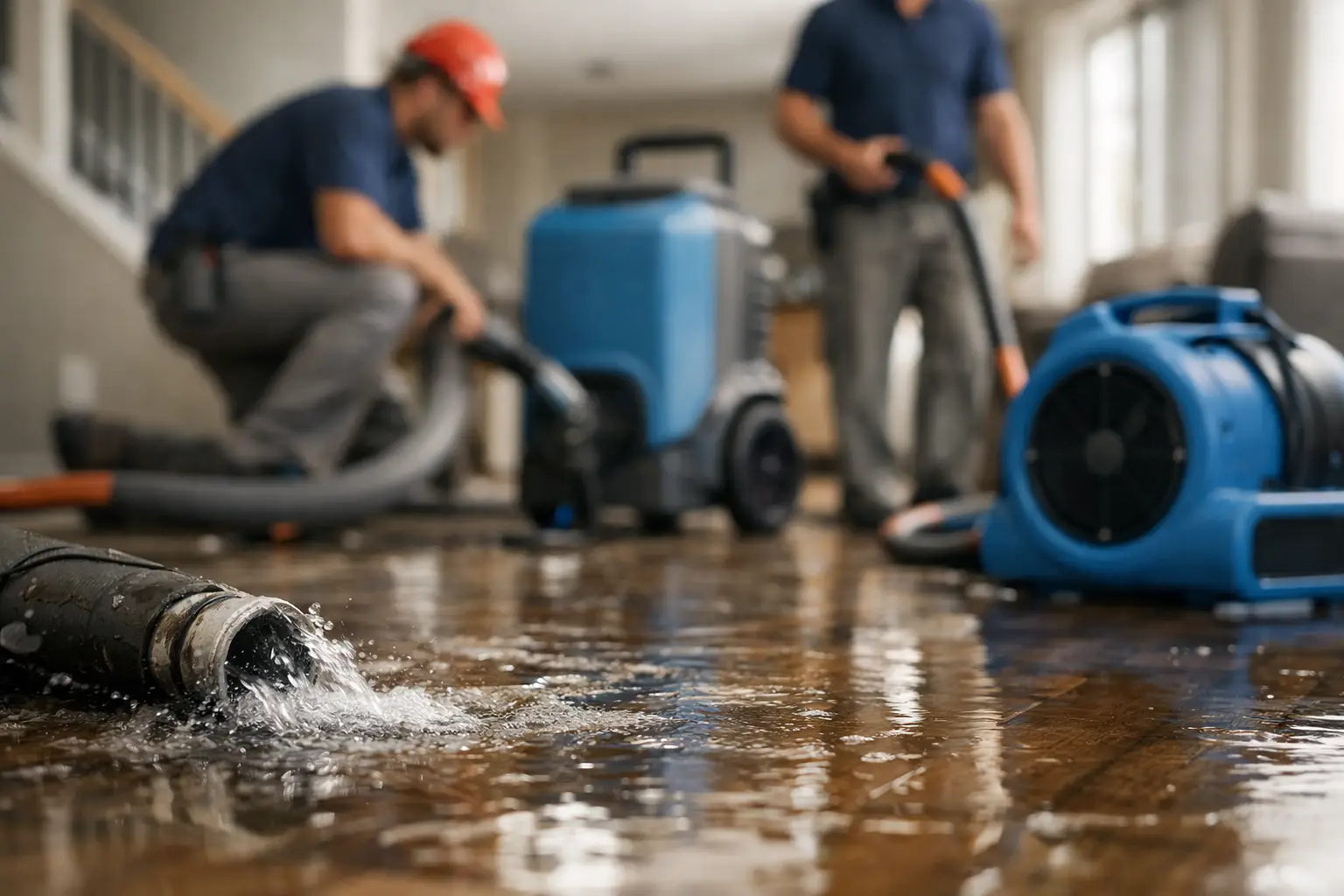
Water extraction and drying Dallas starts with one decision, do you dry the structure or replace it. I am Chris Kwangwari with Elevated Operations, LLLP, and I compare the real options for Dallas homes near Pumpkinvine Creek, well water systems, and septic setups in Paulding County so you can act before water damage becomes mold.
IICRC-Certified · 5-Star Rated · 60-Minute Response · Insurance Billed Directly
Yes. Crawl spaces change the drying plan, so I account for hidden moisture, airflow, and the source of water before I start.
Yes. I offer direct insurance billing, which helps keep the process moving while the drying and repair work is underway.
I back my restoration work with a 12-month warranty, because I stand behind the job after the equipment is gone.
I do. I am Chris Kwangwari, owner of Elevated Operations, LLLP, and I have been in restoration since 2007.
Dry it when the materials are still sound, the moisture is removable, and the damage is caught early. Replace it when the structure is swollen, delaminated, contaminated, or too far gone to dry correctly. In Dallas, I look hard at crawl spaces, carpet, trim, and subfloors near well and septic homes.
Restoration wins when the water is clean enough, the materials have not broken down, and the drying process can actually reach the wet framing or flooring. That is common after a supply line break, an appliance leak, or a fast storm intrusion that got addressed quickly.
Replacement makes sense when water extraction and drying would only delay the inevitable. If the carpet backing is separating, the subfloor is too softened, or the material has held contamination from a sewer or septic backup, I do not waste a homeowner’s time pretending otherwise.
Dallas homes near Pumpkinvine Creek and older Paulding County properties can have crawl space access issues, mixed flooring, and moisture trapped under older finishes. That is where I make the call based on structure, not wishful thinking. Dry what can be saved, replace what cannot.
I remove standing water first, then move into dehumidification, air movers, and moisture monitoring until the affected materials reach dry targets. The goal is structural drying, not just surface drying. In Dallas, that matters because crawl spaces, carpet padding, and wall cavities can hold moisture long after the floor looks better.
Water removal starts the job. I use wet carpet extraction where it applies, pull out hidden water, and open the areas that need to breathe. If water sits in pad, under baseboards, or beneath laminate, the surface can look fine while the structure stays wet.
Then the drying process gets controlled. Air movers push moisture off surfaces, dehumidification pulls that vapor out of the air, and moisture monitoring tells me whether the structure is actually drying or just looking busy. That is the difference between real work and guesswork.
Dallas and nearby Paulding County homes often have crawl spaces, utility rooms, and split-level layouts that trap humidity. Add a well-water or septic setup, and you need more than fans pointed at a floor. You need a plan that tracks the materials, the air, and the hidden pockets.
DIY can work for a very small, clean spill on a hard surface if you catch it immediately. Anything larger, anything in carpet or drywall, or anything tied to a crawl space, septic backup, or repeated leak needs a pro. The risk is leaving moisture behind where mold and rot start.
A homeowner can mop, blot, or run a small fan after a minor spill. That is not the same as professional water extraction and drying. A store-bought vacuum does not check behind baseboards, inside wall cavities, or under flooring where damage keeps spreading.
A pro makes sense when the water touched carpet, padding, framing, insulation, or a space below grade. I also recommend calling when the source is from a septic issue, a pipe break, or water that has already sat long enough to soak materials in place.
Around Dallas, that line gets crossed fast in homes near Pumpkinvine Creek or on lots with drainage problems. If moisture keeps feeding back from the crawl space or yard, DIY turns into a repeat problem. I would rather dry it correctly once than watch a repair fail twice.
Structural drying matters because visible water is only the first layer of damage. Wood, drywall, insulation, and subfloors can stay wet long after the surface feels dry, and that trapped moisture leads to mold, swelling, odors, and decay. In Dallas, that is especially risky in crawl spaces and older construction.
If the structure is not dried, the problem does not end. It migrates. Moisture moves into base plates, under trim, behind cabinets, and into flooring seams. That is why structural drying is not a fancy phrase, it is the difference between a recovered room and a coming reconstruction bill.
I see this often in homes with crawl spaces, septic lines nearby, or ground moisture that never fully leaves the area. Water may be removed from the surface, but the framing still needs dehumidification, airflow, and moisture monitoring to confirm the job is done.
Dallas homes near Pumpkinvine Creek can deal with damp soil and drainage pressure after heavy rain. Add older build materials and a tight crawl space, and the structure can stay vulnerable long after cleanup. Dry the assembly, not just the floor. That is the whole point.
Drying time depends on the materials, the source of the water, and how fast extraction starts. A small clean-water event dries faster than a soaked crawl space or a contaminated loss. I do not guess on timing. I check conditions, run the drying equipment, and monitor moisture until the structure is ready.
There is no honest one-size answer. A room with wet carpet and padding is different from a basement wall, and a crawl space is different again. The drying process depends on how deeply the water moved, what materials are affected, and whether the source has been stopped completely.
The key is starting fast. The sooner water extraction and drying begin, the less moisture has time to migrate into cavities and framing. That is why I respond 24/7 with a 60-minute emergency response. Water does not wait, and Dallas humidity does not make the clock easier.
In Paulding County, I also look at weather, ventilation, and whether the home sits near lower-lying ground or Pumpkinvine Creek drainage. A well-water or septic property can complicate access and contamination concerns too. The honest answer is this: dry until readings confirm it, not until the room looks better.
I use equipment built for actual water removal and structural drying, not just surface cleanup. That usually means extraction tools, air movers, dehumidification, and monitoring equipment to track moisture in floors, walls, and hidden cavities. For Dallas homes, the setup changes based on carpet, hardwood, crawl space, and contamination level.
Wet carpet extraction gets the bulk water out of carpet and pad when those materials can be saved. From there, air movers increase evaporation at the surface, while dehumidification removes that moisture from the air so it does not settle right back into the structure.
Moisture monitoring is the part homeowners do not see but always need. I check the building materials as they dry, not just the room temperature. That matters in Dallas homes where crawl spaces, older subfloors, and utility chases can hide trapped moisture long after the loud equipment is running.
The right tools also depend on the water source. Clean water from a supply line is different from a backup tied to septic or contaminated runoff near Pumpkinvine Creek. I choose the equipment based on the actual loss, because sloppy tool selection wastes time and leaves problems behind.
| Typical Trigger | Water Damage Restoration | Mold Remediation |
|---|---|---|
| Water from a burst supply line in a Dallas hallway | Drying fits, because the structure can often be saved with fast water removal, air movers, and dehumidification | Mold risk stays lower if moisture monitoring confirms the subfloor and base plates dry before 24 to 48 hours pass |
| Wet carpet after a storm near Pumpkinvine Creek | Drying fits if the carpet, pad, and tack strip are still salvageable after wet carpet extraction | Mold risk climbs if damp carpet sits, especially when crawl space humidity keeps feeding the room from below |
| Backup tied to a septic issue on a Paulding County property | Replacement often fits because contamination can make structural drying and reuse a poor call | Mold is not the first problem, contamination is, but hidden moisture still raises the risk if cleanup is incomplete |
From emergency mitigation to full reconstruction, handled in-house so you are never managing a chain of subcontractors mid-crisis.
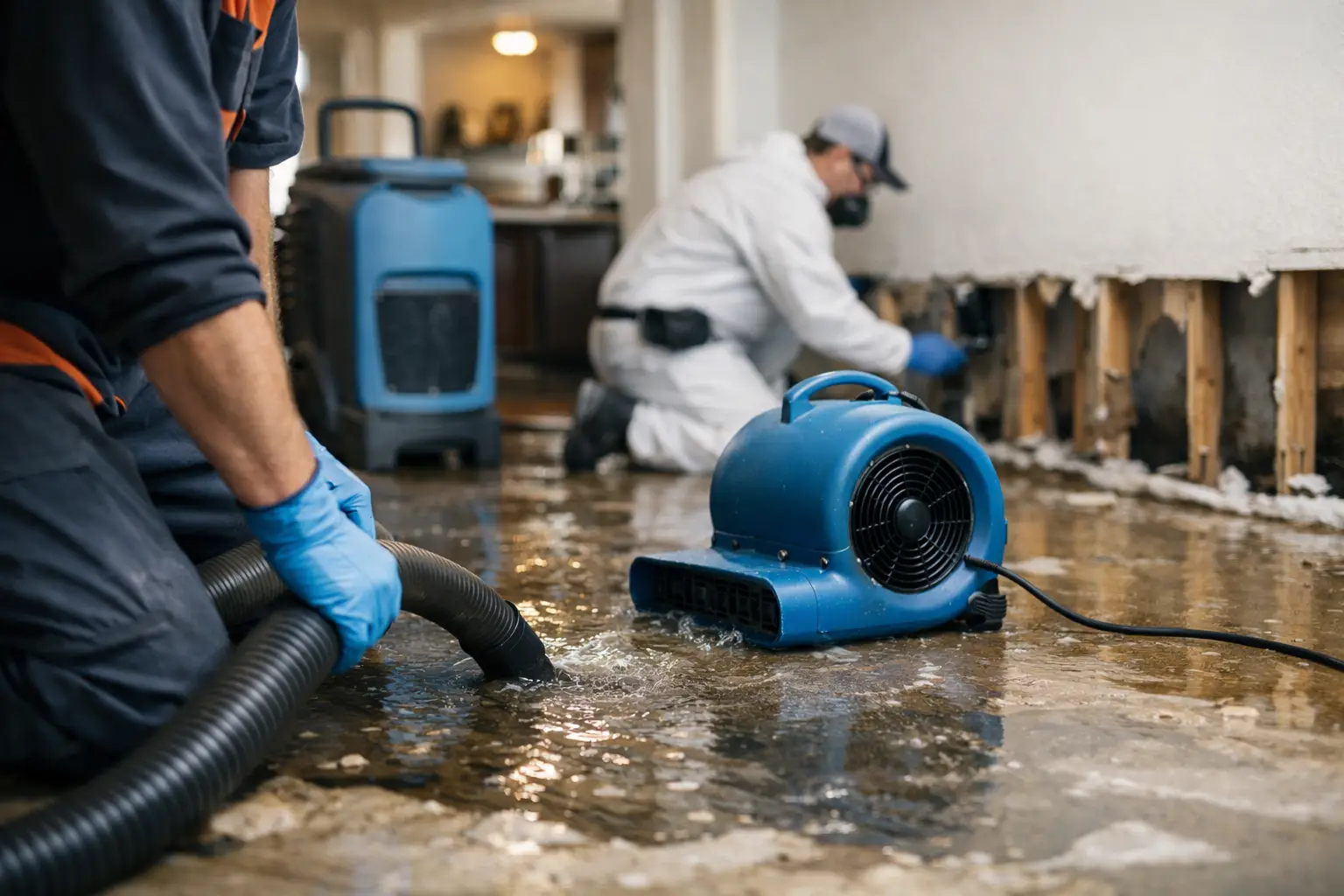 Water Damage
Extraction, structural drying, and moisture mapping after floods, leaks, and burst pipes.
Get help now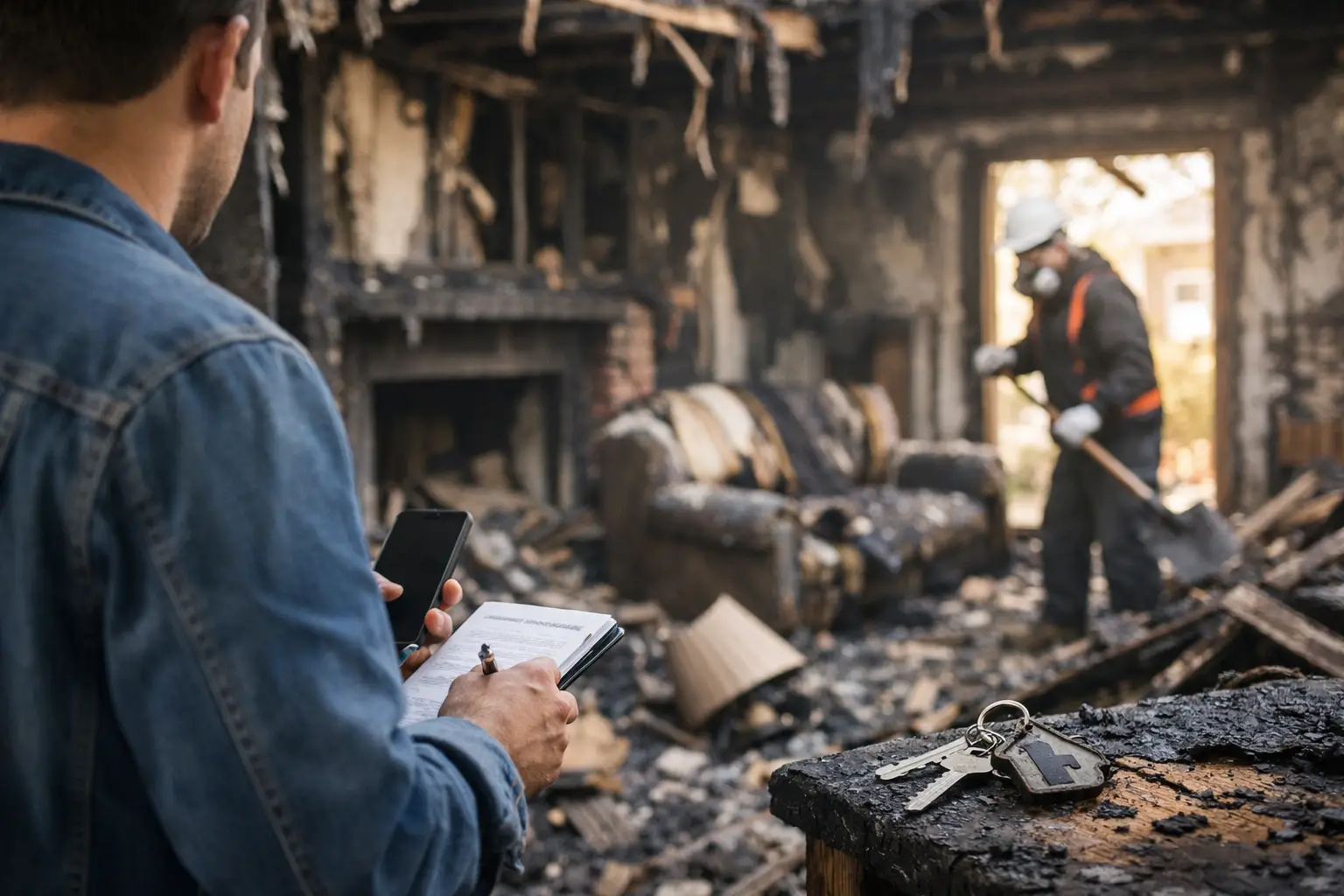 Fire & Smoke
Soot removal, odor deodorization, and content cleaning after fire and smoke damage.
Learn more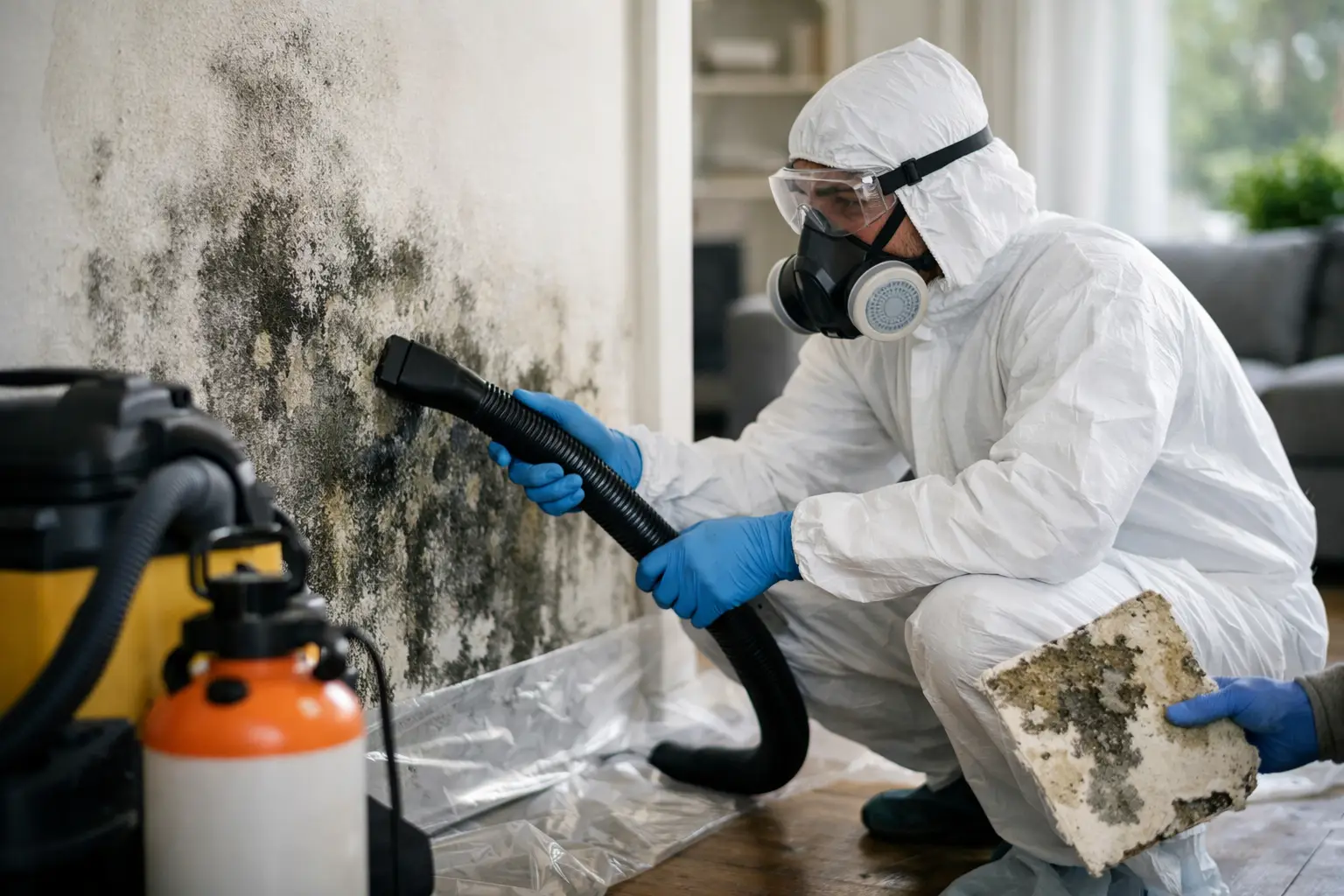 Mold
MoldContainment, removal, and moisture control that stops mold from coming back.
Learn more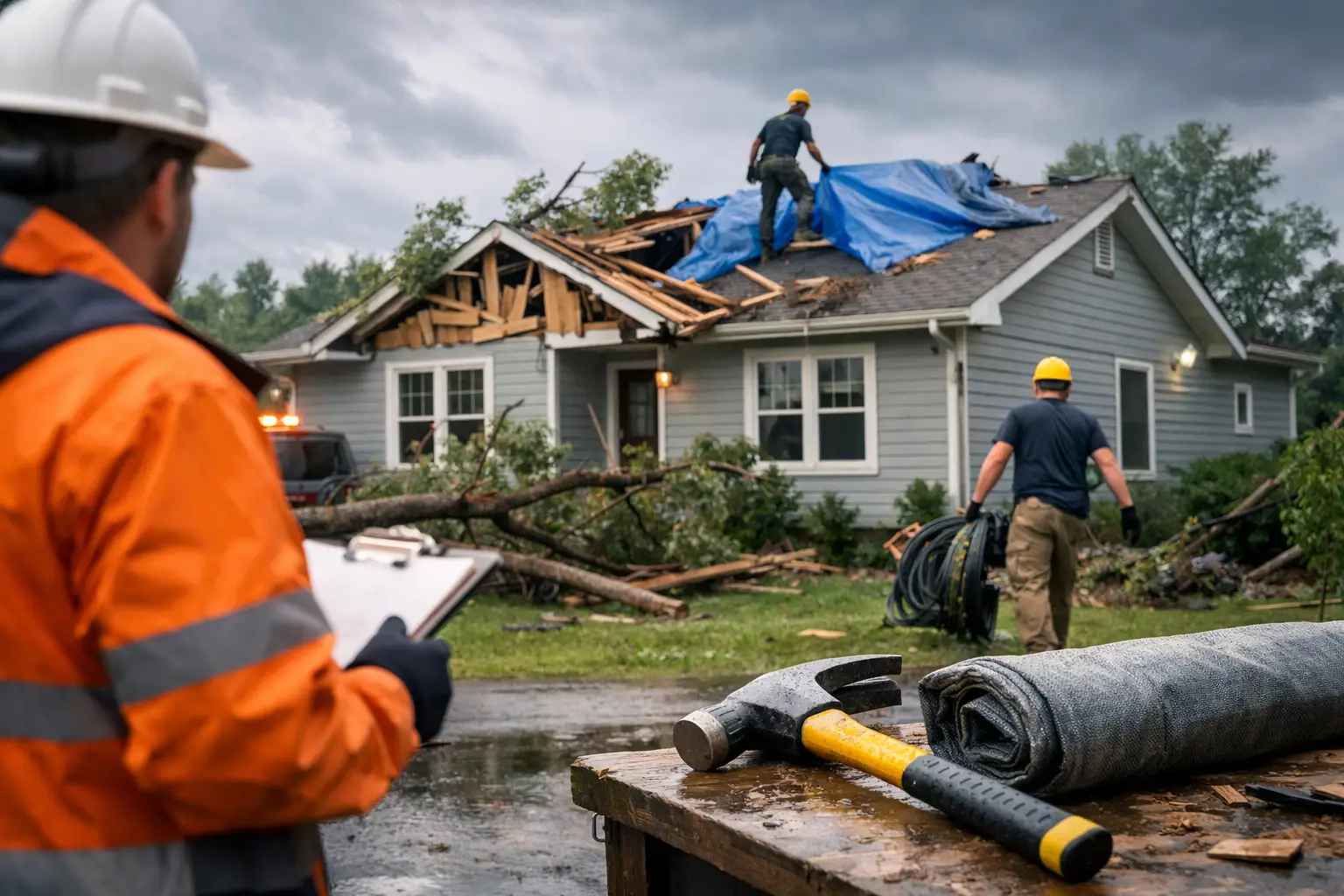 Storm
StormEmergency board-up, roof tarping, and full recovery after wind, hail, and storms.
Learn more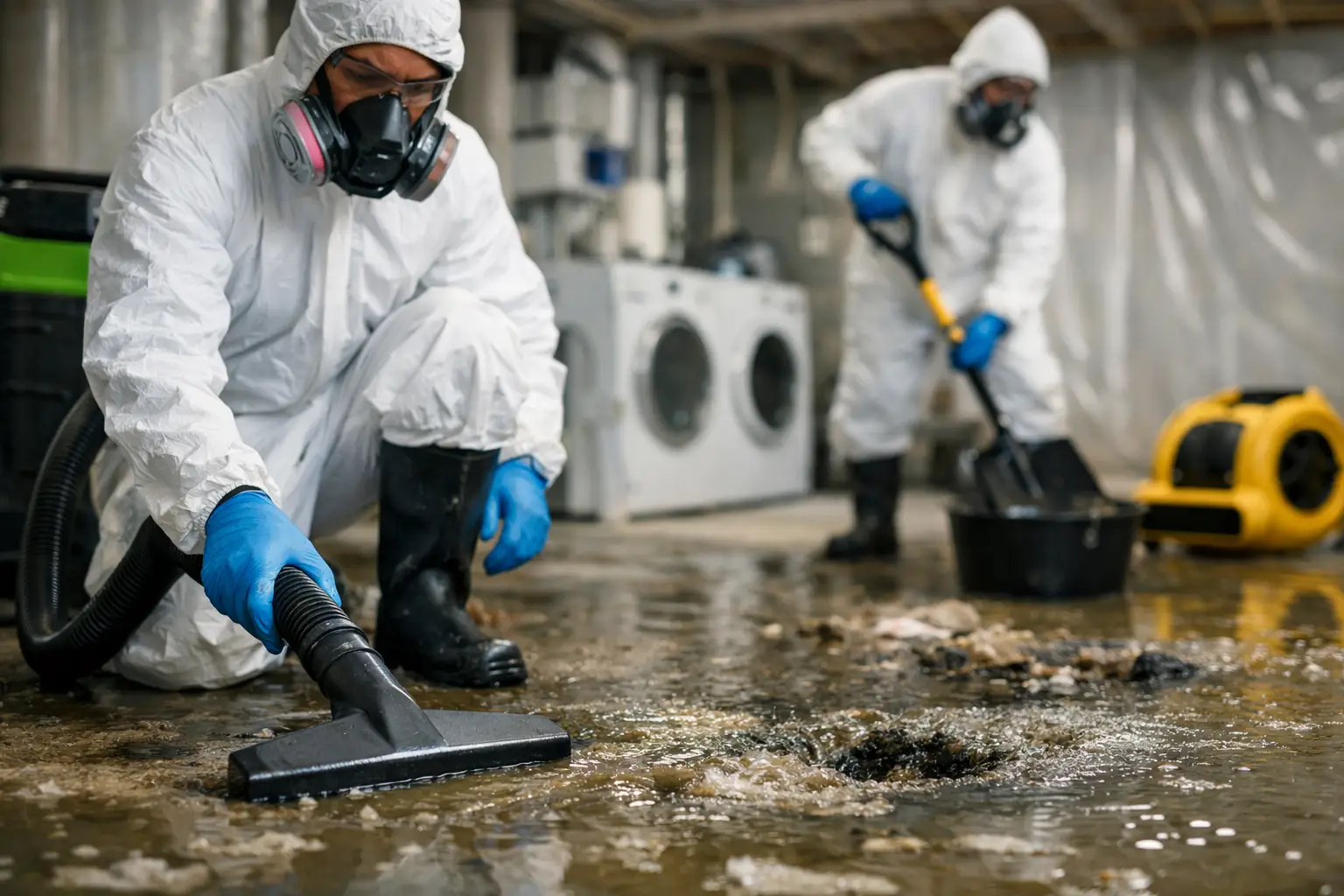 Sewage
Safe biohazard cleanup and sanitizing after sewage backups and overflows.
Learn more Reconstruction
Full rebuild by a licensed general contractor, so your property comes back whole.
Learn moreElevated Operations is an IICRC-certified, licensed general contractor based in Mableton that handles the entire recovery in-house, so after one loss you are never coordinating a cleanup crew, a mold crew, and a contractor separately. One team, one point of contact, from the first pump-out to the final coat of paint.
People call when the property feels like a disaster. They leave reviews because Chris and the crew made it right. These are real, verified Google reviews.
Stop the source if you can do it safely, then call for water extraction and drying right away. Fast action matters because moisture spreads into carpet, subfloor, and wall cavities before the room looks damaged. Near Pumpkinvine Creek, drainage and crawl space conditions can make hidden moisture worse, so I would not wait for visible signs.
They change the risk picture fast. A septic backup is not the same as a clean supply line leak, and well-water homes can have access and pressure issues that delay the fix. In Paulding County, I look at source, contamination, and where moisture traveled before I decide whether drying or replacement makes sense.
Wet carpet can often be saved if I get to it quickly and the water is clean. I use wet carpet extraction, then dry the pad and subfloor beneath it. If the carpet backing is separating, contamination is present, or moisture sat too long, replacement is the better call. I do not force a salvage job that will fail.
Because mold starts in 24 to 48 hours when materials stay wet. That is why water extraction and drying cannot be delayed. In Dallas, crawl spaces, humidity, and older construction can hold moisture longer than people expect. If the structure does not dry, mold is not a maybe, it is the next step.
I use moisture monitoring, not a guess. A floor can feel dry while the subfloor, trim base, or wall cavity still holds water. That hidden moisture is common in Dallas homes with crawl spaces or layered flooring. If readings are still high, the drying process is not finished, no matter how good the room looks.
No, but septic-related losses are often strong candidates for replacement because contamination can penetrate materials deeply. I look at what was exposed, how long it sat, and whether the structure can be cleaned and dried correctly. If there is any doubt about sanitation, I would rather replace the affected material than leave a health problem behind.
Speed. Water keeps moving into hidden spaces every hour it sits. My 60-minute emergency response and 24/7 availability matter because early extraction reduces the amount of material that needs repair. In Dallas, that can be the difference between drying a room and tearing out a larger section of flooring or drywall.
Because the repair is often bigger than cleanup. As a licensed general contractor, I do not just look at the wet spot, I look at the structure, the finish materials, and what has to be rebuilt if drying is not enough. That matters in Dallas homes with crawl spaces, older framing, and tricky moisture paths.
Elevated Operations dispatches IICRC-certified crews across Metro Atlanta from our Mableton base, with a 60-minute emergency response day or night. Choose your city:
Call now for an immediate response, or request your free inspection and get a certified crew on-site within the hour across Atlanta and nearby areas.