24/7 Emergency Restoration · Serving Metro AtlantaEmergency? (770) 404-6895
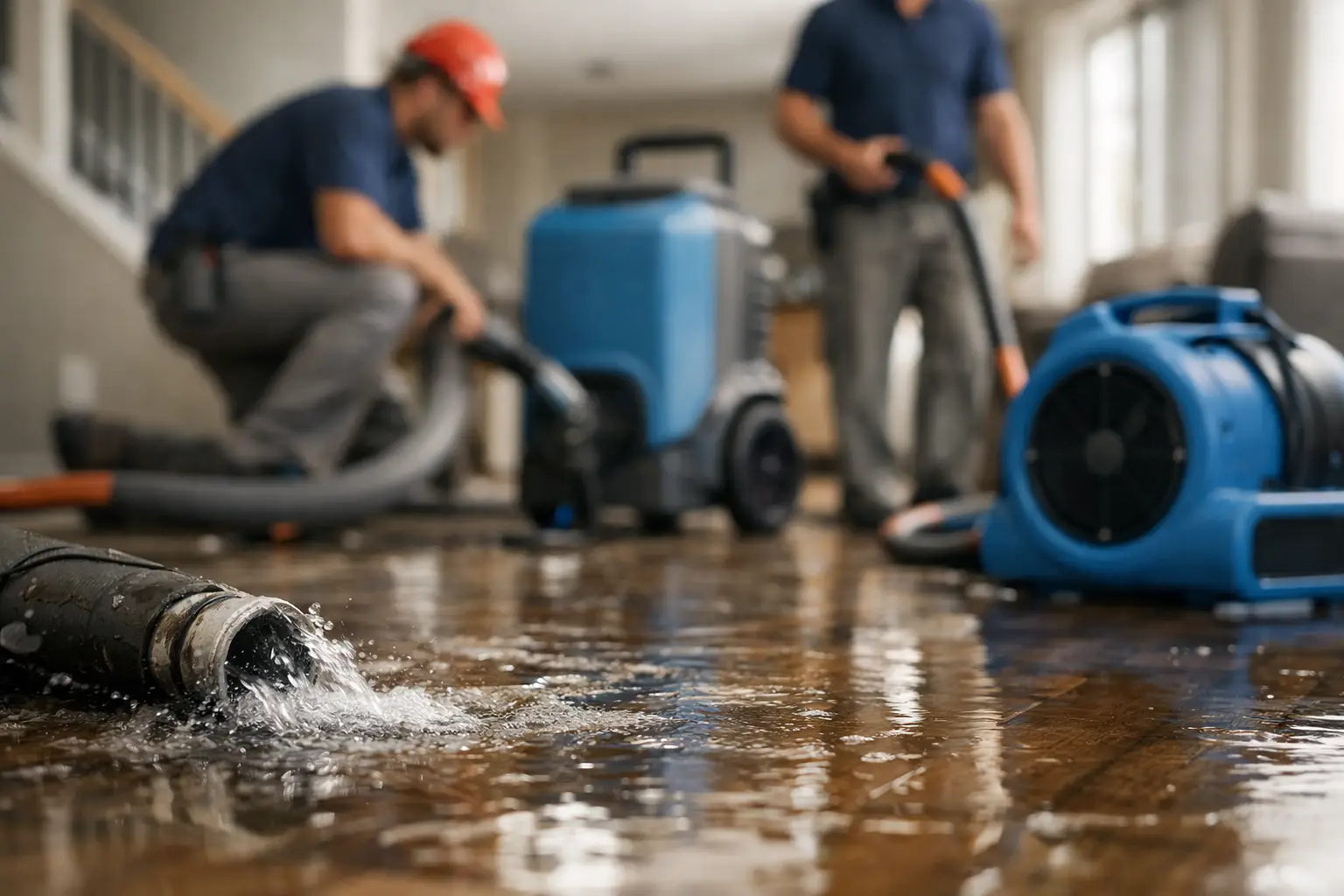
Flooded basement cleanup in Roswell is never just about water on the floor. I get the crawl of a mill cottage off Canton St, the hidden seepage near Vickery, and the runoff pressure tied to Big Creek. I am Chris Kwangwari, and my team handles basement water removal, drying, and mold prevention with 24/7 emergency response.
IICRC-Certified · 5-Star Rated · 60-Minute Response · Insurance Billed Directly
Yes. I offer 24/7 emergency response with a 60-minute emergency response target.
Yes. I use direct insurance billing and document the loss for the claim.
I assess both, remove what cannot be saved, and move straight into basement drying.
Yes. I offer deductible assistance up to $1,000 on qualifying restoration work.
It starts with flood water extraction, then we find what the water touched, and then we build the dry-out plan around the house. In Roswell, that often means older mill cottages near Canton St with low entries, finished storage rooms, and flooring that holds moisture after the standing water is gone.
I have walked into homes near Canton St where the basement looked small but the damage ran deep. Old framing, aging block walls, and a few inches of water can turn into a bigger loss if you wait. I treat those jobs as urgent, because basement water removal has to start before the damp spreads.
And the story changes by street. In some of those Roswell cottages, wet carpet removal is the first hard call, especially when the padding is already saturated and the room smells musty. I do not guess. I test, I explain, and I tell you what can be saved and what needs to come out.
The point is simple. Flooded basement cleanup is not one task, it is a sequence. Extraction, drying, checks for hidden moisture, then mold prevention. That is how I approach Roswell homes, because a pretty room can hide wet base plates and trapped moisture behind finished walls.
I start with safety, water removal, and a moisture map of the basement. Near Big Creek and Vickery, drainage patterns matter, so I look at where the water came in, whether it carried dirt or sewage, and how far it moved before we begin basement drying.
Homes near Big Creek can get hit fast when runoff backs up against the foundation. I have seen basement water removal turn into sewage backup cleanup when the water path picked up contaminants on the way in. That changes the whole job, because sanitizing matters as much as drying.
Vickery area homes often have newer layouts, but new does not mean dry. Finished basements, media rooms, and storage areas can hide water under trim and inside wall cavities. I use direct insurance billing when needed, because homeowners should not be stuck chasing paperwork while the wet material keeps breaking down.
Basement drying is where patience pays off. I set the plan around the actual moisture readings, not a guess from the surface. And if the carpet is soaked, I will call wet carpet removal early, because wet pad left in place can make the room smell worse by the hour.
Shut off the water if it is safe, stay out of standing water if electricity may be involved, and call me right away. The faster we start flooded basement cleanup, the more likely you are to reduce hidden damage, odor, and the need for larger tear-out later.
People often want to mop first. I would rather you stop and look at the source. If it is a supply line, a sump issue, or storm water pushing in through the foundation, the fix begins with identifying where it came from. Then we move into flood water extraction and drying.
In Roswell, I also tell people not to keep walking wet carpet back and forth. That spreads moisture into adjacent rooms and makes the cleanup wider. If sewage is involved, step away and wait for trained help. Sewage backup cleanup needs proper containment and fast removal, not quick cleanup with household products.
If you call Elevated Operations, LLLP, I bring IICRC-certified technicians and a licensed general contractor mindset to the scene. That matters when the basement has finished walls, built-ins, or older structure. I want the loss controlled early, before small basement water removal becomes a major rebuild conversation.
Drying starts right after extraction, but the timeline depends on how much water entered, what materials got wet, and how much air is trapped in the space. Basement drying is a process, not a clock, and I will not promise a number I cannot verify on your house.
In a Roswell basement, the material mix decides everything. Concrete walls dry differently than carpet, pad, drywall, and wood trim. A mill cottage near Canton St may need a different drying setup than a finished basement near Vickery, because the age and construction of the house shape the moisture path.
I check readings as the job moves forward. If the water sat long enough, mold starts in 24 to 48 hours, which is why the first day matters so much. Fast flood water extraction reduces the chance that mold prevention turns into mold remediation later.
And I keep the communication plain. If the carpet is a loss, I say so. If the structure can dry in place, I say that too. The goal is not drama. The goal is a dry, safe basement with the least amount of demolition that still protects the home.
Yes, and fast. A flooded basement can cause mold when moisture stays trapped in carpet, drywall, framing, or insulation. In Roswell, that risk rises when cleanup is delayed, especially in older homes near Canton St or in finished basements close to Big Creek runoff paths.
I tell homeowners this because it is true. Mold prevention starts during the first response, not after the smell shows up. If water sits under carpet pad or behind baseboards, the problem grows quietly. That is why I push basement water removal and basement drying as the first priorities.
I also watch for sewage backup cleanup situations, because contaminated water changes the risk. The surface may look manageable, but the materials underneath can hold bacteria and moisture together. That is a bad combination, especially in spaces people use for laundry, storage, or family rooms.
My crew has been in restoration since 2007, and I have seen how quickly a basement goes from wet to damaged to moldy. We do the work with direct insurance billing, a 12-month warranty, and the kind of discipline that keeps one small leak from becoming a larger claim.
Older Roswell homes often have different materials, tighter crawl transitions, and more hidden paths for water to travel. That means flooded basement cleanup can take a different approach near Canton St than it does in newer neighborhoods with cleaner layouts and more direct drainage paths.
Mill cottages near Canton St can have surprises. Older block walls, patched floors, and mixed materials make moisture move in odd directions. I do not assume the water stayed where you saw it. I inspect the edges, corners, and transitions because that is where hidden damage likes to sit.
Newer homes near Vickery may look cleaner on day one, but finished basements often include insulation, trim, and wall assemblies that trap moisture. The water does not need a lot of room to cause trouble. It only needs time. That is why basement drying has to be deliberate.
I am based in Mableton, but Roswell is a regular part of my work across Cobb, Fulton, DeKalb, Douglas, Clayton, Henry, and Paulding counties. When a basement floods here, I bring the same approach every time: inspect, extract, dry, document, and keep the claim moving without delays.
A Roswell cottage near Canton St had water creeping in at the basement threshold after a storm. We handled flood water extraction, wet carpet removal, and basement drying before the musty smell spread into the main floor.
A finished basement near Vickery had water under trim and into the media room carpet. I used basement water removal, documented the loss for direct insurance billing, and focused on mold prevention before hidden moisture settled in.
Near Big Creek, one basement took in dirty water that required sewage backup cleanup steps, not a basic mop-and-dry. We extracted the water, removed damaged materials, and kept the home on a proper drying path.
From emergency mitigation to full reconstruction, handled in-house so you are never managing a chain of subcontractors mid-crisis.
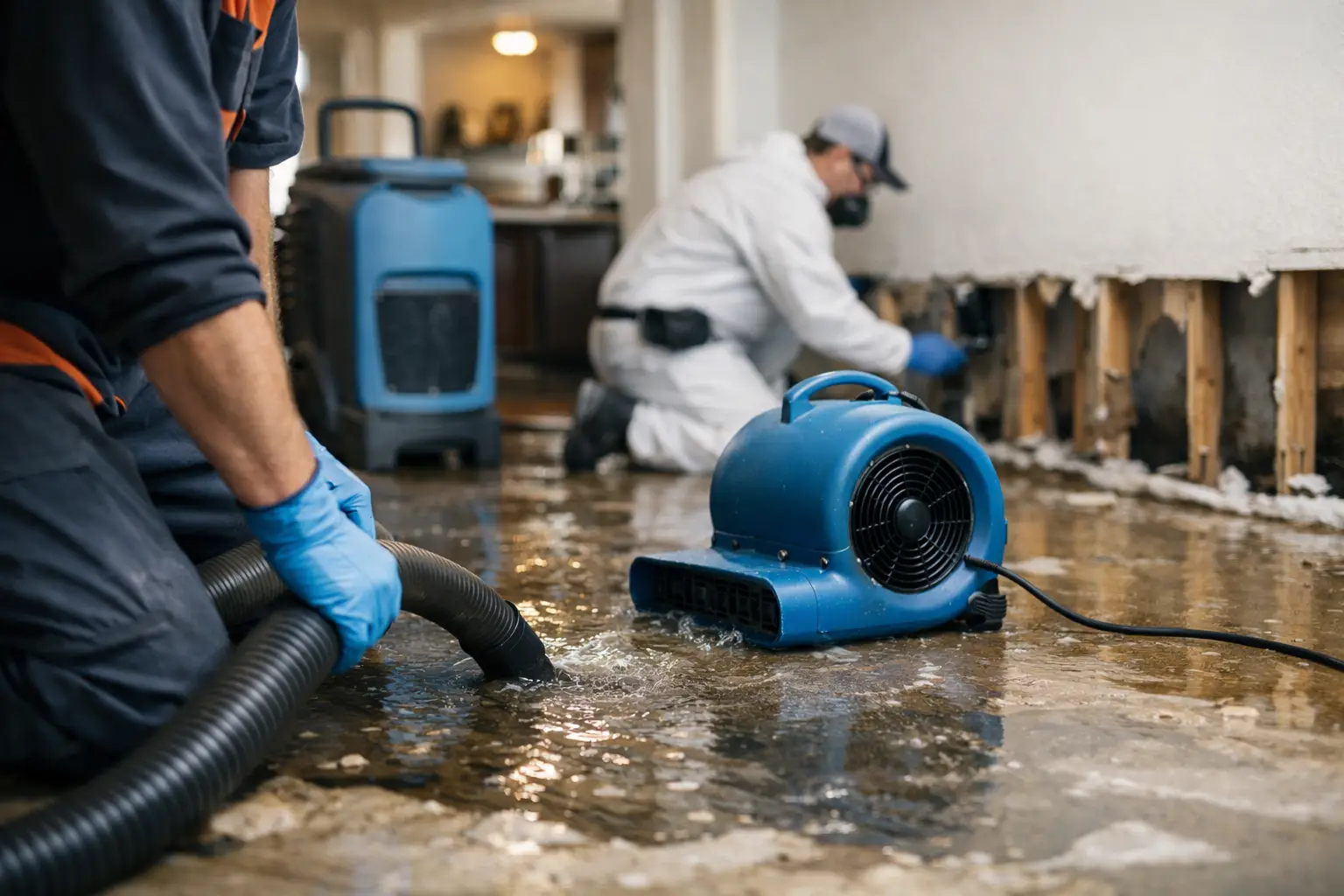 Water Damage
Extraction, structural drying, and moisture mapping after floods, leaks, and burst pipes.
Get help now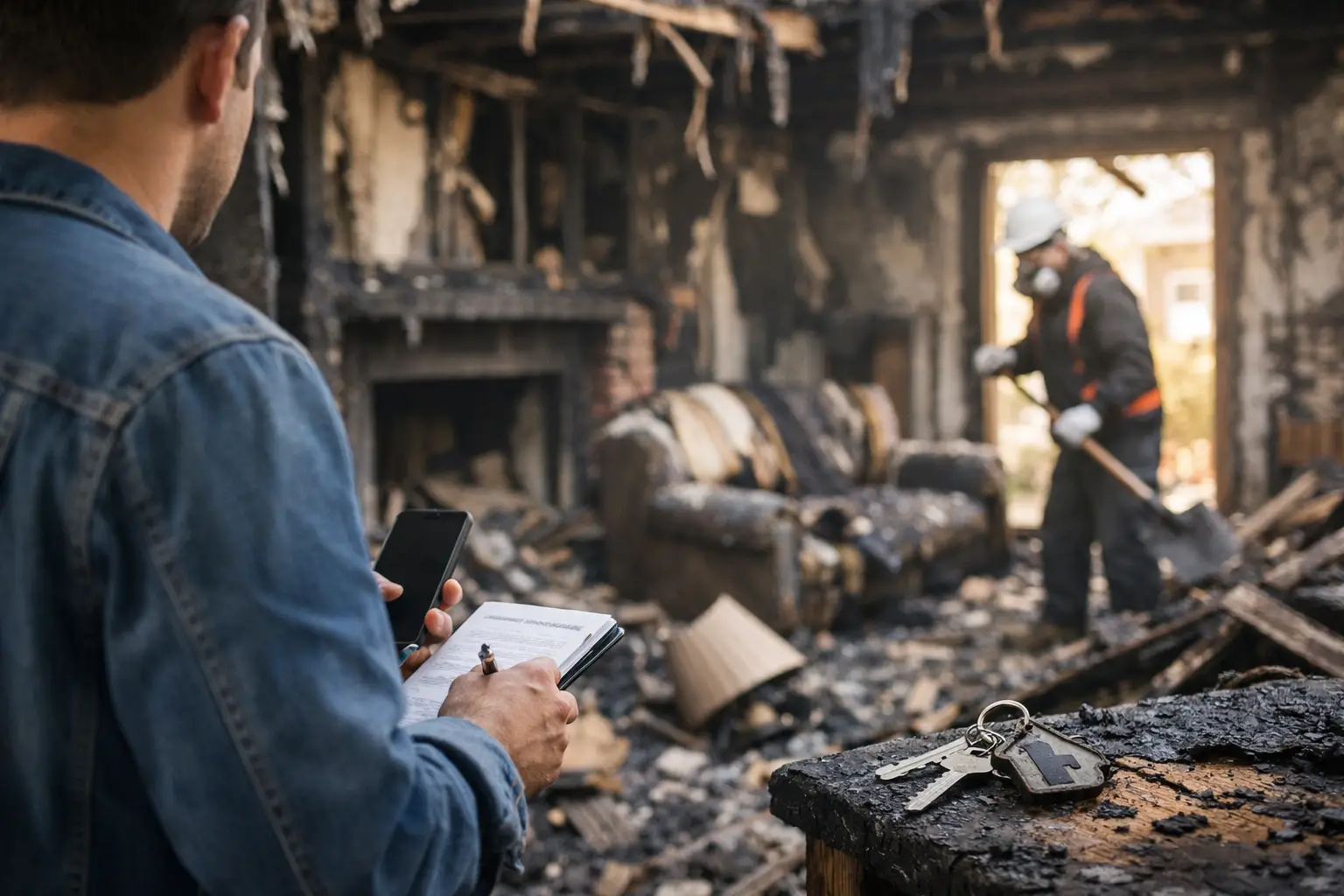 Fire & Smoke
Soot removal, odor deodorization, and content cleaning after fire and smoke damage.
Learn more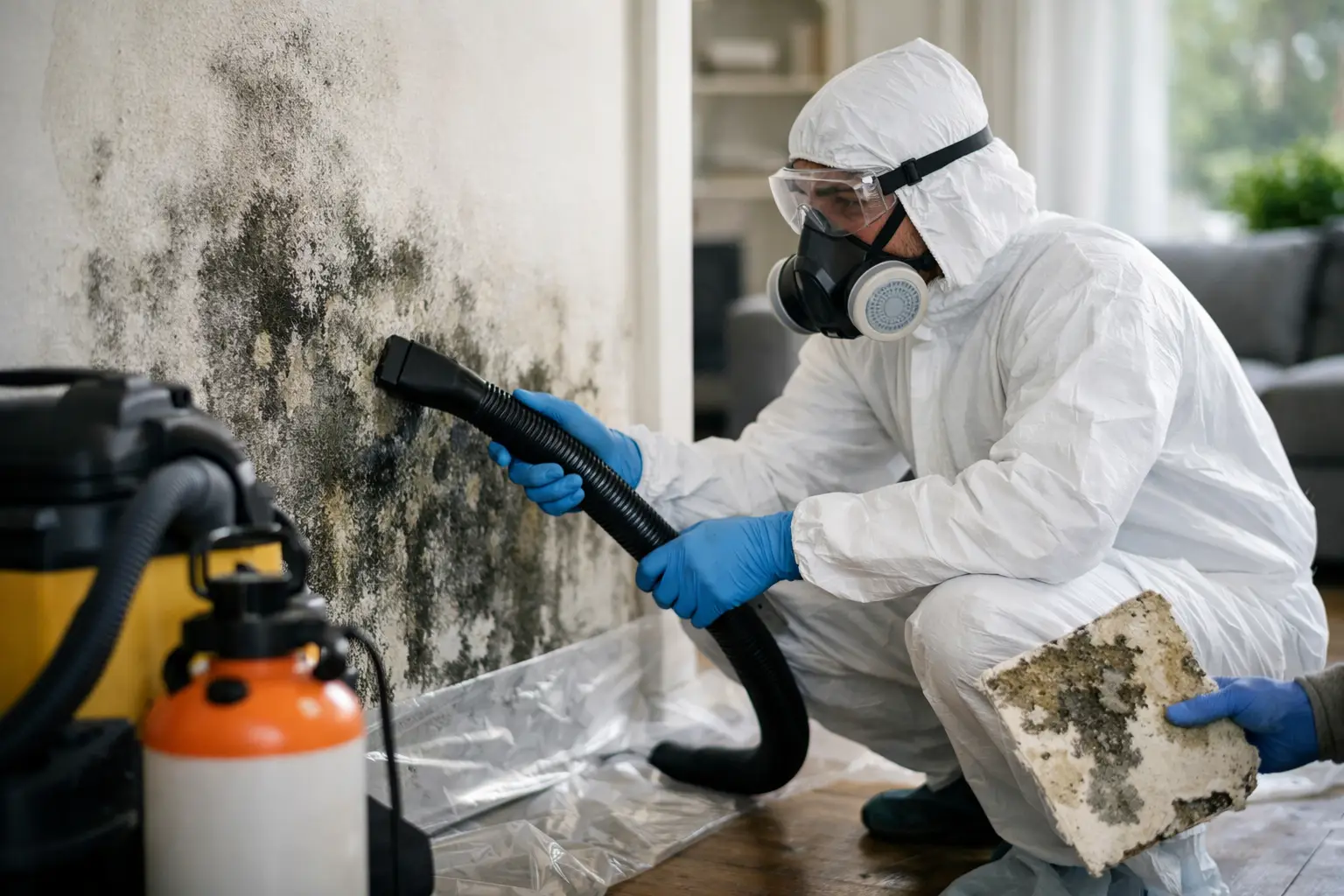 Mold
MoldContainment, removal, and moisture control that stops mold from coming back.
Learn more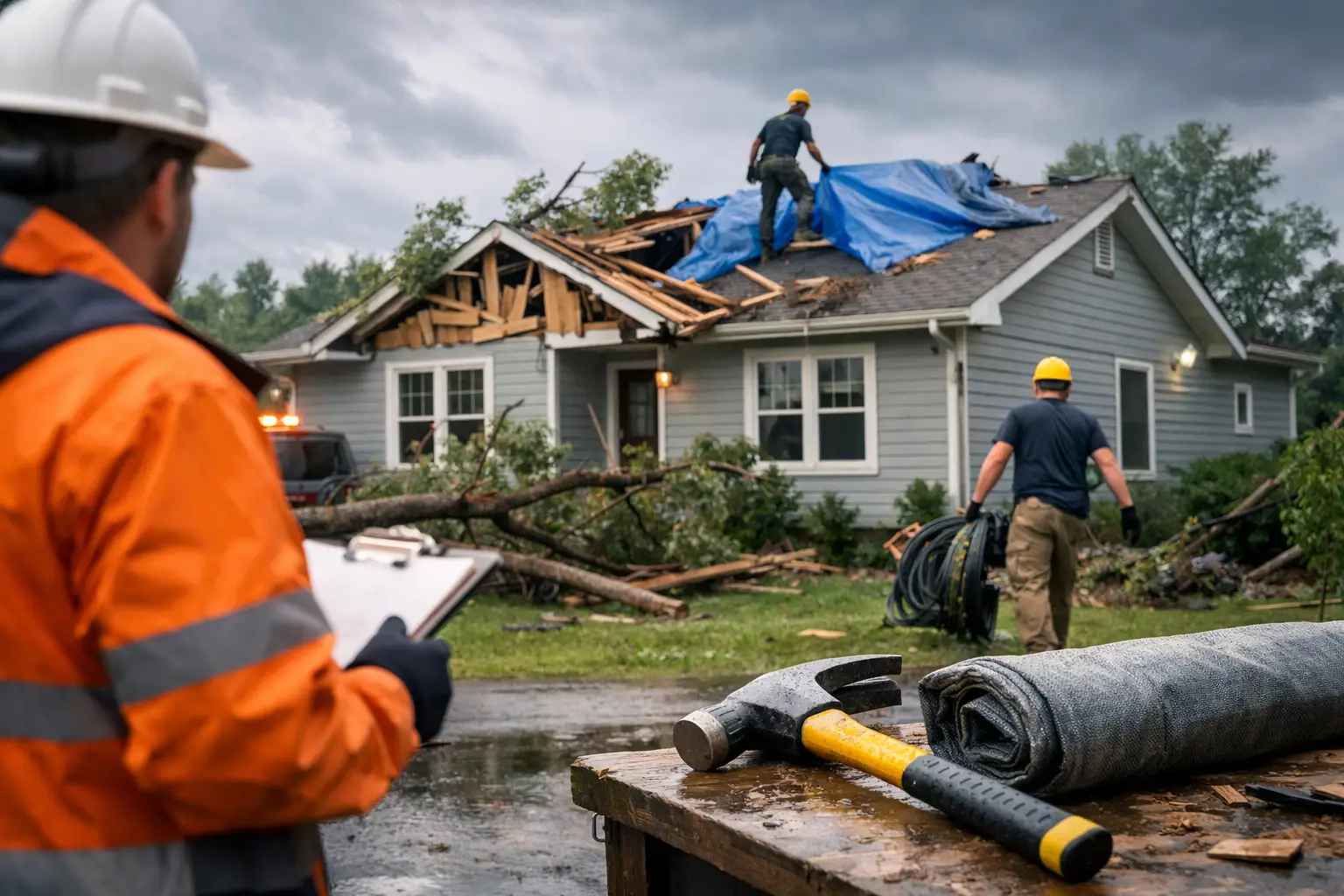 Storm
StormEmergency board-up, roof tarping, and full recovery after wind, hail, and storms.
Learn more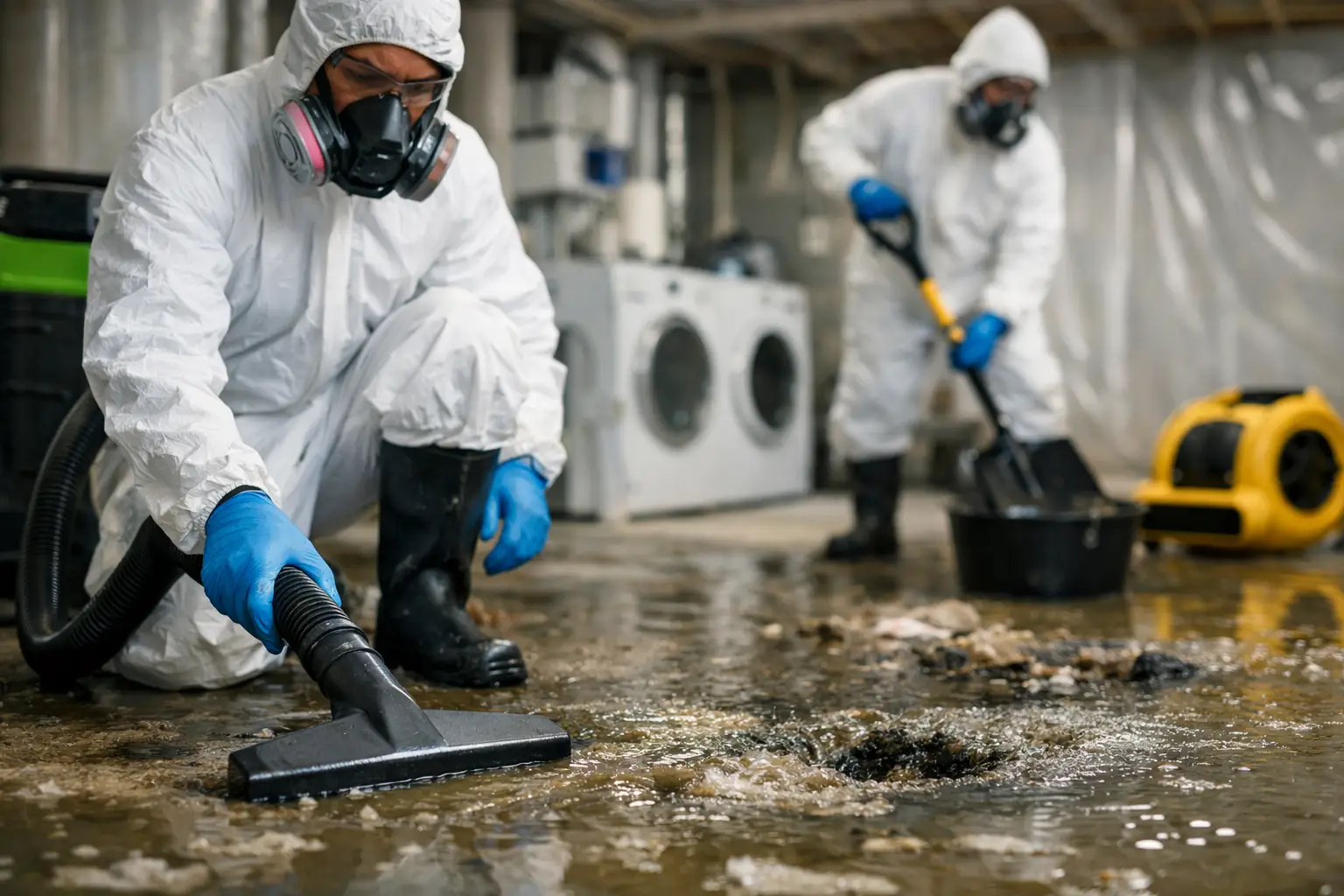 Sewage
Safe biohazard cleanup and sanitizing after sewage backups and overflows.
Learn more Reconstruction
Full rebuild by a licensed general contractor, so your property comes back whole.
Learn moreElevated Operations is an IICRC-certified, licensed general contractor based in Mableton that handles the entire recovery in-house, so after one loss you are never coordinating a cleanup crew, a mold crew, and a contractor separately. One team, one point of contact, from the first pump-out to the final coat of paint.
People call when the property feels like a disaster. They leave reviews because Chris and the crew made it right. These are real, verified Google reviews.
I start with flood water extraction, then I check for contamination, then I dry the structure. Near Big Creek, runoff can bring dirt and bacteria into the basement, so the cleanup has to be controlled, documented, and fast. I do not treat that like a simple spill. It is a property loss that needs proper handling.
First, stop the source if you can do it safely. Then stay out of standing water if electricity is a concern and call me. In older Canton St homes, water can move into hidden places fast, so early basement water removal and moisture checks matter more than trying to dry it yourself.
Yes. If moisture stays in carpet, drywall, or framing, mold can start fast. That is why I push mold prevention during the first response, especially in finished basements near Vickery or older homes near Canton St. The room may look okay on top while the damage is building underneath.
It depends on the materials, the amount of water, and how much was trapped behind walls or under flooring. I will not guess at a timeline. I inspect the structure, set the basement drying plan, and keep you updated based on actual readings and the condition of the home.
Sometimes yes, sometimes no. If the carpet and pad are saturated, wet carpet removal is often the right move because trapped moisture can cause odor and slow the dry-out. I check each room, because a finished basement can hide water long after the surface looks better.
I isolate the affected area, remove the contaminated water, and handle the damaged materials with care. Sewage backup cleanup is not the same as ordinary basement water removal. Near Big Creek, I am looking at contamination, odor, and the structure underneath, not just what is visible on the floor.
Yes. I use direct insurance billing, and that helps keep the process moving while the basement is still being stabilized. My team documents the loss, explains the scope, and keeps the paperwork from slowing down the response. That matters when water has already started moving through the house.
Because waiting gives water time to move into hidden materials. I have been in restoration since 2007, and I know how fast a wet basement can turn into a bigger claim. I am a licensed general contractor, my technicians are IICRC-certified, and I stand behind the work with a 12-month warranty.
Elevated Operations dispatches IICRC-certified crews across Metro Atlanta from our Mableton base, with a 60-minute emergency response day or night. Choose your city:
Call now for an immediate response, or request your free inspection and get a certified crew on-site within the hour across Atlanta and nearby areas.