
Can baking soda get rid of a smoke smell after fire damage?
Baking soda smoke smell treatment can reduce a light odor, but it rarely fixes smoke that has soaked into drywall, insulation, carpet, or framing. The real fix is finding the source, removing soot and odor residue, and cleaning or replacing porous materials that keep releasing smell back into the air.
What does a baking soda smoke smell actually mean?
It usually means the odor source is still in the building, not just in the air. Baking soda can absorb some surface odor, but if you still smell smoke after cleaning, the real issue is trapped residue in porous materials and hidden voids.
Smoke smell is not one thing. It is a mix of odor compounds, soot, and fine particles that cling to surfaces and keep off-gassing long after the fire is out. That is why a room can look clean and still smell wrong.
Baking soda helps with light, temporary odors because it can absorb some smells at the surface level. But it does not pull contamination out of drywall, insulation, subflooring, ductwork, or fabrics that already absorbed the smoke.
If the smell gets stronger when the HVAC runs or when the home heats up, that is a clue. The odor is being recirculated or released from materials that were affected during the fire.
This is the common mistake: people treat smoke odor like a kitchen smell. It is not. Fire odor is a restoration problem, which means you have to remove contamination, not just mask it.
- Smoke odor residue keeps releasing smell after the visible cleanup is done.
- Porous materials hold odor deeper than the surface you can wipe.
- HVAC systems can spread smoke smell through the whole house.
- Baking soda is a helper, not a full fix for fire damage odors.
- A lingering smell usually means the source is still present somewhere in the structure.
Why does the smell linger after you use baking soda?
Because baking soda sits on the symptom, while smoke damage hides in the structure. If the odor keeps coming back, the source is usually embedded in materials that need professional cleaning, sealing, or removal.
A lot of people assume odor equals air quality alone. Sometimes it does not. Smoke particles settle into soft goods, cracks, trim, attic spaces, and the backsides of walls where cleaning wipes cannot reach.
Baking soda can help neutralize some odor molecules in a bowl, box, or on a surface. That is useful for a refrigerator. It is not a serious answer when the smell is coming from char, soot, or residue in building materials.
The smell returns because heat, humidity, and airflow reactivate what is trapped. So if you clean the room but the odor comes back later, the house is telling you the cleanup did not reach the source.
That is why fire smoke restoration looks beyond the room you can see. The technician has to identify what can be cleaned, what needs deodorizing, and what is contaminated enough to replace.
- Odor returns when hidden residue is disturbed by heat or airflow.
- Cleaning the visible area does not address the source inside materials.
- Smoke often spreads farther than the burned room itself.
- Soft goods and building cavities hold smell differently than hard surfaces.
- A good assessment separates cleanable items from materials that need removal.
Which surfaces keep smoke smell trapped the longest?
The worst offenders are usually the soft and layered materials. If smoke got into carpet, insulation, drywall, furniture, or ductwork, expect the odor to stay until those materials are properly treated or replaced.
Carpet and padding are obvious, but they are not the only problem. Drywall, insulation, baseboards, cabinets, and even the insulation around wiring can hold smoke odor in ways homeowners do not expect.
Fabrics are another trap. Curtains, upholstery, bedding, and clothing can absorb smoke fast, and some items need deep cleaning rather than surface deodorizing. If they were directly exposed, they may keep feeding the smell back into the room.
HVAC components can move the odor around the house. Once smoke enters supply or return air pathways, the smell can keep showing up in rooms that were never burned.
The point is simple: if the material can absorb, it can hold odor. That is why a one-room fire can feel like a whole-house problem.
- Carpet, padding, and upholstery absorb odor aggressively.
- Drywall and insulation can retain smoke beyond the visible burn area.
- Ductwork can recirculate smoke smell after the event.
- Cabinets and trim may need sealing or replacement if odor persists.
- If a material soaked up smoke, baking soda will not erase it completely.
Elevated Operations provides 24/7 water, fire, mold, storm, and sewage damage restoration across Metro Atlanta.
Get a free quoteCan baking soda help, or is it just masking the problem?
It can help a little, but mostly for light odor control, not true remediation. If the smoke smell is tied to fire damage, baking soda is a temporary tool, not the strategy that gets your home back to normal.
Used correctly, baking soda can absorb some lingering odor on small household items or in enclosed spaces. That is real, but limited. It does not clean soot, remove tar-like residue, or restore damaged building materials.
Masking the smell is the trap. If you only chase odor, you can miss contamination that keeps creating the smell and may also affect indoor air quality. The house can smell better for a day and still be dirty underneath.
The right question is not, ‘How do I cover this up?’ It is, ‘Where is the smoke still living?’ Once you answer that, the next step becomes a restoration plan, not a deodorizer routine.
If the fire involved plastics, insulation, or heavy smoke, the odor can be particularly stubborn. In those cases, ozone, thermal fogging, cleaning agents, and material replacement may all be part of the solution, depending on the loss.
- Baking soda can help with light odor on limited surfaces.
- It does not remove soot, tar, or deep contamination.
- Masking the smell can delay real cleanup.
- Fire damage often needs cleaning plus deodorization plus material removal.
- The odor source matters more than the odor itself.
What a proper smoke odor cleanup has to remove
A real cleanup starts with contamination, not fragrance. The goal is to remove soot, clean affected surfaces, address hidden odor reservoirs, and restore materials that were damaged enough to keep smelling.
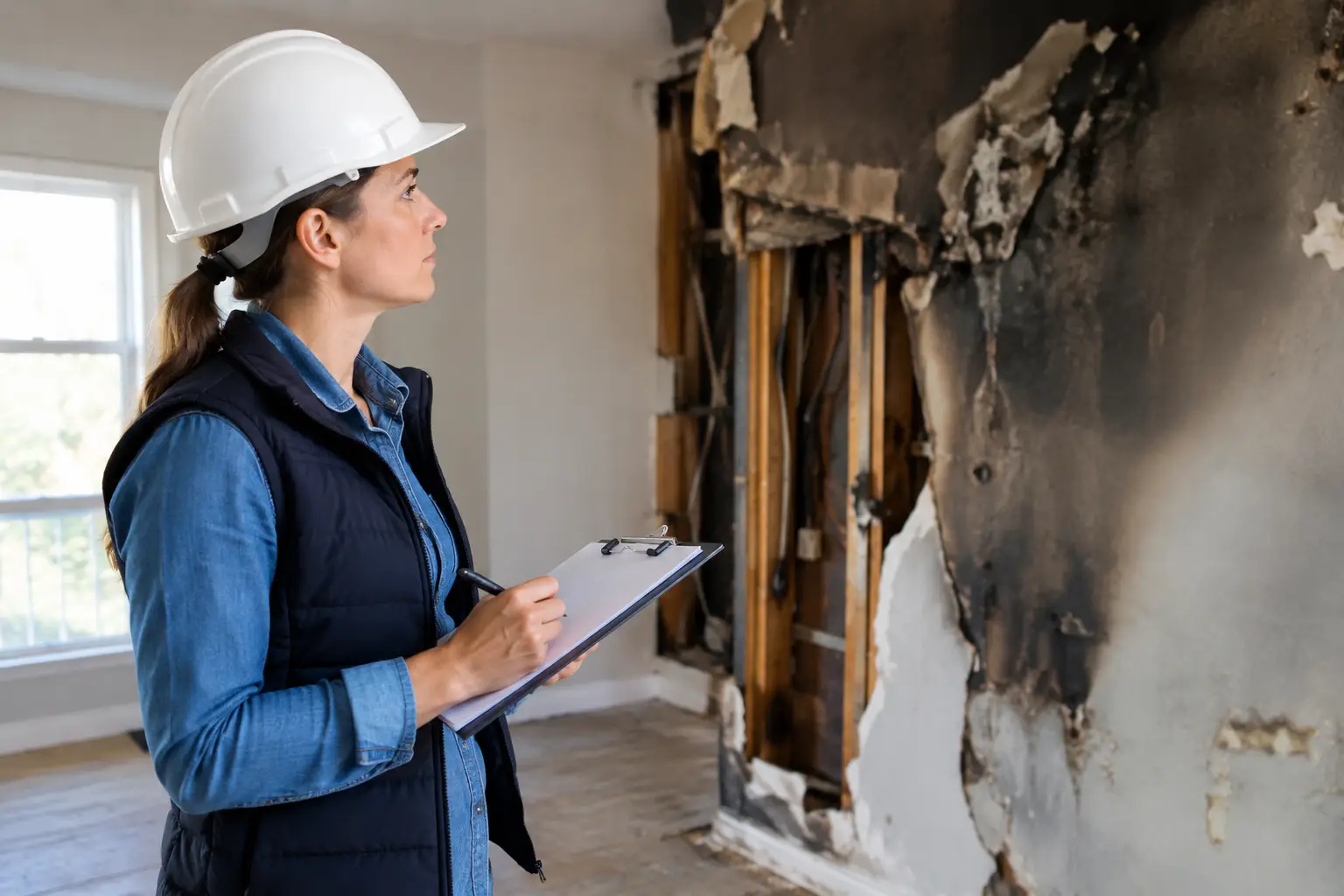
First comes assessment. Someone has to identify the fire-affected materials, the spread of soot, and the places where odor is likely hiding. Without that, cleanup turns into random scrubbing, which is a fast way to waste time.
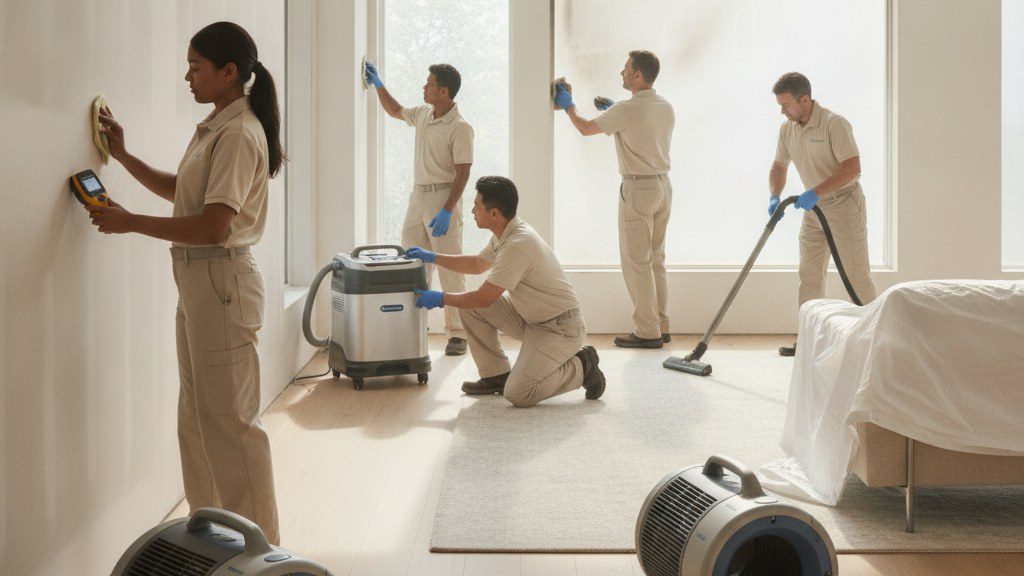
Then comes source removal. That may include dry soot cleaning, HEPA vacuuming, detailed surface cleaning, odor treatment, and removal of porous items that cannot be salvaged. You cannot deodorize what is still dirty.
If the home needs it, components may also be sealed, treated, or reconstructed. That is the part many people do not expect. Sometimes the only way to stop smoke smell is to replace what absorbed it too deeply.
A proper restoration company also pays attention to the whole system. That includes contents, HVAC, and adjacent rooms, because smoke never politely stays where you want it.
- Assessment should identify hidden odor sources, not just visible soot.
- Cleaning must remove residue before deodorizing starts.
- Some porous materials are not worth trying to save.
- HVAC and adjacent rooms can carry the smell farther than the burn site.
- Reconstruction may be needed when materials are too contaminated to clean.
When to stop trying DIY fixes and call for fire smoke restoration
If the smell is stubborn, widespread, or coming back after repeated cleaning, you are past the DIY stage. At that point, the issue is no longer household odor control. It is smoke damage that needs professional restoration.
You should stop guessing when the odor is in multiple rooms, the HVAC is moving it around, or soot is still showing up on surfaces after cleaning. That means the contamination is bigger than a quick home remedy can handle.
The hidden cost of waiting is simple: odor gets deeper, materials stay contaminated longer, and the cleanup usually becomes more complicated. That is especially true if there was water used during firefighting, because moisture can add mold risk on top of smoke damage.
This is where a restoration contractor matters. You want someone who understands both the visible damage and the structural cleanup that keeps the smell from coming back. In Metro Atlanta, that is the difference between wiping surfaces and actually restoring the home.
If you are already at that point, get an assessment before you spend another weekend chasing the same smell with another box of baking soda.
- Call when the smell keeps returning after cleaning.
- Get help if soot remains on walls, ceilings, or fixtures.
- Do not ignore odor moving through the HVAC system.
- Water from firefighting can add secondary damage.
- A restoration assessment saves time and prevents partial cleanup.
Should you keep cleaning or get a smoke odor inspection?
| Situation | What to do | Why |
|---|---|---|
| The smell is only in one small item or cabinet. | Try a limited cleanup and ventilation step first. | A contained odor may be surface-level and not a structural fire damage issue. |
| The odor comes back after you clean the room. | Schedule a smoke odor inspection. | That usually means residue is trapped in porous materials or hidden cavities. |
| Soot is still visible on walls, trim, or vents. | Bring in professional fire smoke restoration. | Visible soot means contamination is still present and likely spreading the smell. |
| You smell smoke through multiple rooms or the HVAC. | Get a full assessment right away. | The odor has likely moved through the structure and needs source-based cleanup. |
Doing it yourself vs bringing in Elevated Operations
| Doing it yourself | With Elevated Operations | |
|---|---|---|
| Finding the odor source | You can clean what you can see, but hidden smoke residue is easy to miss. | We inspect the affected areas and look for the places where odor is actually living. |
| Removing soot and smell | You may reduce the smell for a while, but it often returns from porous materials. | We handle smoke odor cleanup as part of restoration, not as a surface deodorizing job. |
| Handling damaged materials | You have to guess what can be saved and what needs to be removed. | We help identify contaminated materials and restore the space from cleanup through reconstruction. |
| Insurance and coordination | You manage photos, notes, invoices, and adjuster follow-up on your own. | We can manage the claim process and keep the project moving toward a real resolution. |
Frequently Asked Questions
Is baking soda enough for smoke smell after a fire?
Usually no. Baking soda can help with light surface odor, but smoke smell from fire damage often lives in drywall, carpet, insulation, and other porous materials. If the odor keeps coming back, the source still needs to be cleaned or removed.
Why does my house still smell like smoke after cleaning everything?
Because visible cleaning and odor removal are not the same thing. Smoke residue can hide in vents, fabrics, subfloors, and wall cavities. When air moves through those areas, the smell returns. That is a sign the source was not fully addressed.
Can smoke smell come back after water damage cleanup too?
Yes, if fire suppression or a related event left moisture behind, hidden damp areas can hold odor and create new problems. Smoke, soot, and water together can make the cleanup more complicated and increase the risk of secondary damage.
How much does smoke odor restoration cost?
It depends on how far the smoke spread, which materials were affected, and whether cleanup, deodorization, or reconstruction is needed. The cleanest answer is to book a call for a free quote so the scope can be reviewed properly.
Who can help if I need smoke smell removed in Metro Atlanta?
If you want a real assessment instead of another temporary fix, Elevated Operations can help with fire smoke restoration in the Atlanta metro area. They handle cleanup, restoration, and reconstruction, so you are not left coordinating every step yourself.
Get a free, no-obligation restoration estimate
Elevated Operations provides 24/7 water, fire, mold, storm, and sewage damage restoration across Metro Atlanta.
Get a free quoteCall (770) 404-6895Last updated October 14, 2026