How do I choose a sewage cleanup service after a backup?
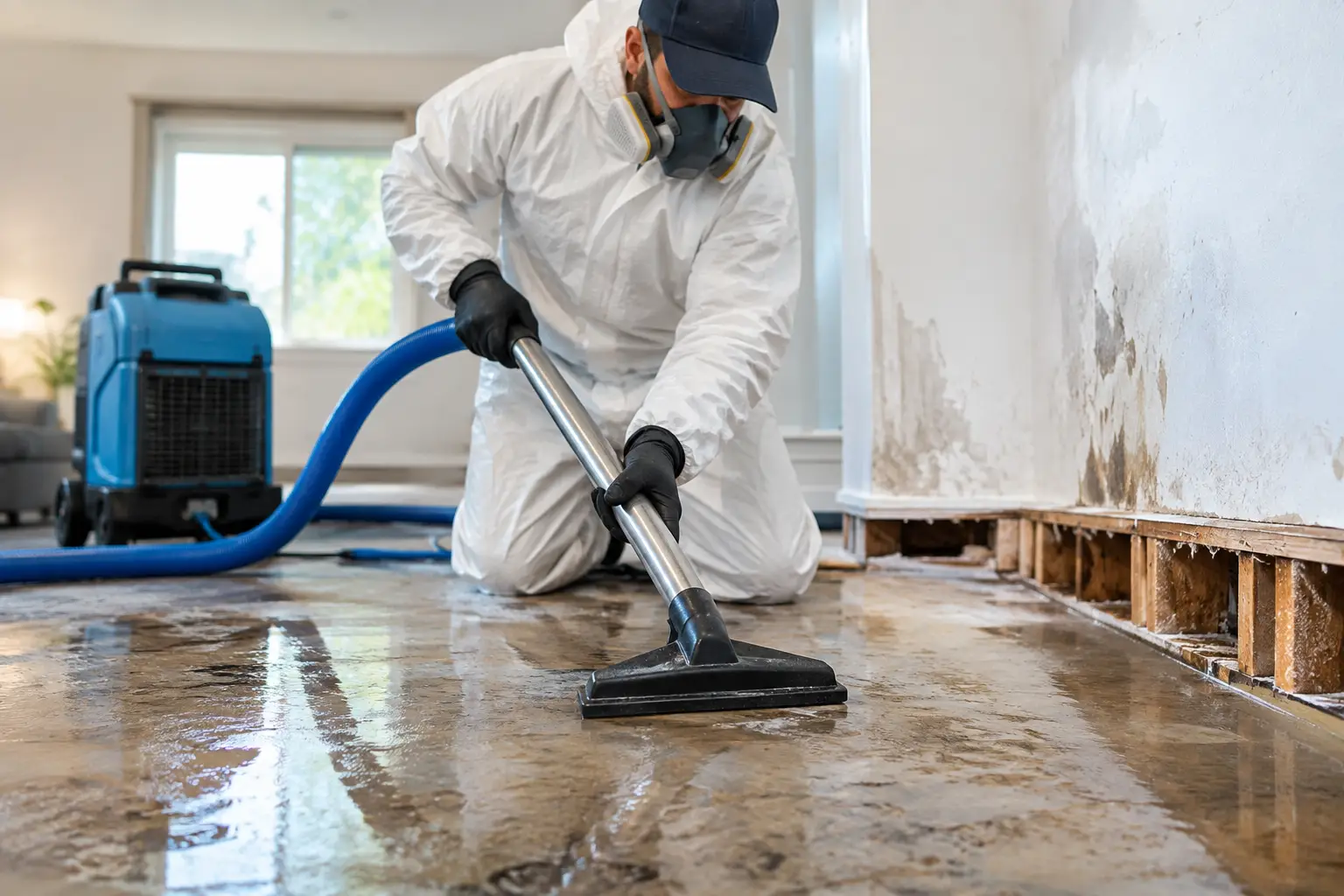
A sewage cleanup service should remove contaminated water, disinfect affected areas, dry hidden moisture, and handle sewage cleanup remediation before mold or structural damage spreads. The real fix is fast containment, proper PPE, source control, and documented cleanup from an IICRC-certified team that can also manage reconstruction if needed.
What does a sewage cleanup service actually include?
In this context, sewage cleanup means more than removing the puddle you can see. It covers containment, extraction, disinfection, drying, odor control, and any demolition needed to stop contamination from spreading deeper into the structure.
If sewage has entered a home, the first job is source control. You stop the backup if possible, keep people away from the affected area, and prevent foot traffic from carrying contamination into clean rooms. That is why sewage cleanup service is a health-and-damage problem, not just a housekeeping problem.
Next comes removal of contaminated water and materials. Porous items can hold waste and moisture even after the surface looks dry, which is where homeowners get fooled. The visible mess is rarely the whole mess.
Then the structure has to be cleaned, disinfected, and dried. That matters because residual moisture hides in subflooring, wall cavities, and trim. Miss that, and you are setting up odor, microbial growth, and a much bigger repair later.
The right company should also know when cleanup turns into restoration. If flooring, drywall, or insulation is compromised, the solution is not more deodorizer. It is proper remediation and, if needed, reconstruction.
Do not treat this like regular water extraction. Sewage cleanup remediation is a controlled process, and the sequence matters.
PPE and containment to reduce exposure
Extraction of contaminated water and waste
Disinfection of affected structural surfaces
Drying of hidden moisture
Demolition or reconstruction when materials cannot be saved
- Contaminated water removal
- Surface cleaning and disinfection
- Odor control and deodorization
- Moisture detection and drying
- Removal of unsalvageable materials
Why do sewage cleanup companies near me need to respond so fast?
Because the clock changes the damage. Once sewage enters porous materials, it spreads beyond the visible wet spot, and the cleanup becomes larger, slower, and more disruptive than it needed to be.
Homeowners often assume they can wait until morning or handle the surface cleanup themselves. That is usually the mistake. Wastewater does not sit politely in one place. It wicks into carpet pad, drywall, insulation, and cracks in flooring.
Fast response also matters for safety. The area may contain bacteria and unpleasant odors, but it can also become a slip hazard and a contamination pathway through the rest of the home. The sooner it is isolated, the easier it is to control.
This is where local availability matters more than marketing copy. If you are searching for sewage cleanup companies near me, you are usually already in a time-sensitive situation. You need a team that can show up, assess, and start the right sequence immediately.
In Metro Atlanta, speed is not a luxury. It is the difference between cleanup and a larger restoration project. When the problem spreads into framing or subfloors, you are no longer looking at one room and one invoice.
A fast response also creates a cleaner insurance trail. Photos, moisture readings, and scope documentation are easier to gather before people move things around and make the scene harder to assess.
The odor gets harder to control the longer it sits
Contamination spreads into materials you cannot easily clean
Delayed response can increase demolition scope
Hidden moisture raises the chance of mold
Documentation is simpler when the loss is still intact
Sewage cleanup service near me: what should you check before you book?
A nearby company is not automatically the right company. You want someone local enough to respond quickly, but also qualified enough to handle contamination, drying, and reconstruction without bouncing you between vendors.
Start with the basics: do they offer sewage cleanup and sewage remediation as actual services, or are they stretching a general water damage menu to fit the problem? A sewage loss needs specific procedures, not vague promises.
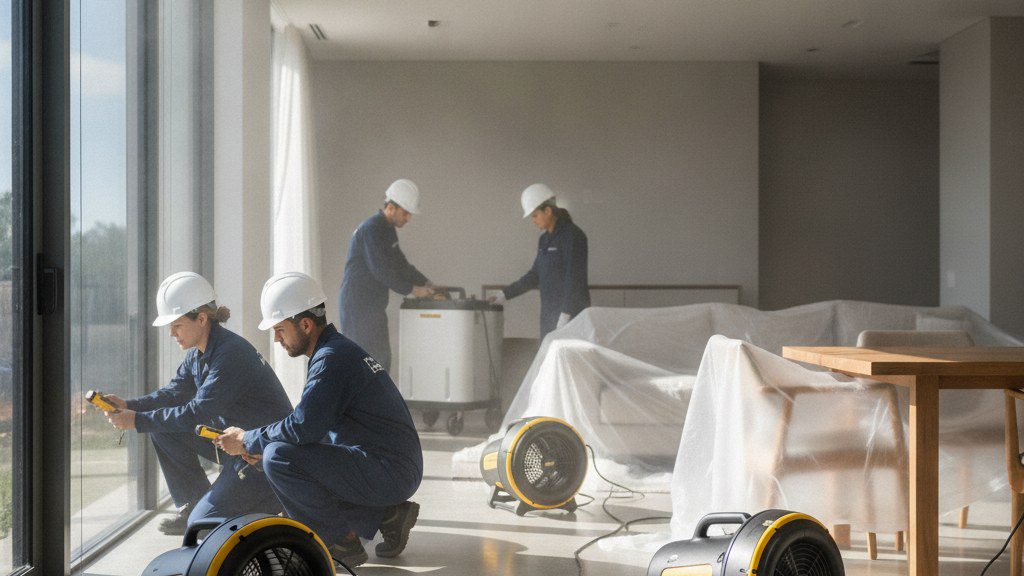
Then look at the people doing the work. IICRC-certified technicians matter because sewage cleanup is not guesswork. It requires proper containment, handling, cleaning, and drying methods that reduce the chance of leaving contamination behind.
You should also care about whether the company can manage the whole loss. A lot of homeowners do not want a cleaner on day one and a different contractor on day five. They want a team that can move from mitigation to reconstruction without turning the job into a coordination headache.
And yes, location matters. When people search sewage cleanup service near me, they usually need someone who knows the Atlanta area, can get there quickly, and can keep the process moving without long delays between callbacks.
Do not let a slick homepage outrun the actual service model. The question is whether they can make the mess smaller, faster, and more controllable.
Ask whether they offer emergency sewage cleanup remediation
Confirm IICRC-certified technicians
Check for local service across Metro Atlanta
Find out if reconstruction is available after cleanup
Make sure estimates and scope are clear before work starts
- Emergency availability
- Certified restoration technicians
- Local Atlanta-area response
- Cleanup plus reconstruction capability
- Clear scope and estimate process
Elevated Operations provides 24/7 water, fire, mold, storm, and sewage damage restoration across Metro Atlanta.
Get a free quoteWhat happens during sewage cleanup remediation from start to finish?
The process should be orderly, not improvised. First the area is stabilized, then contaminated material is removed, then the structure is cleaned and dried, and finally the space is rebuilt if the damage goes that far.
A solid process begins with assessment. The technician identifies what was affected, what can be cleaned, and what has to come out. That distinction matters because not every material survives sewage exposure safely.
Containment comes next. The point is to keep contamination from traveling through the rest of the home while the work is underway. This is where protection, controlled removal, and smart staging prevent the problem from becoming a whole-house headache.
After that comes cleaning and disinfection. Surfaces that remain get treated appropriately, moisture is extracted, and equipment is used to dry the structure. If there is odor, it is addressed as part of the remediation, not tacked on later as an afterthought.
Finally, if demolition is necessary, reconstruction starts only after the area is ready. That includes making the space usable again, not just “dry enough.” Sewage cleanup remediation is about returning the property to a safe condition, not simply making it look less bad for a day.
Assessment of affected materials and spread
Containment to limit cross-contamination
Extraction and disinfection of salvageable surfaces
Structural drying and odor control
Reconstruction where removal was unavoidable
Can I treat sewage cleanup like a DIY water damage project?
No, not if you care about what is left behind. The visible mess is only part of the issue, and the hidden contamination is exactly what causes homeowners trouble later.
People reach for towels, bleach, and a shop vac because that feels decisive. It is not the same as remediation. You may remove some surface waste, but you are not automatically solving the contamination, moisture, or odor hiding below the surface.
The second problem is exposure. Sewer backup cleanup can put you in direct contact with contaminated water and aerosolized residue. That is not the moment for optimism or improvisation. It is the moment for proper protective measures and cleanup methods.
DIY also tends to miss the moisture map. Water moves under flooring and into cavities you cannot see from standing height. If the subfloor or drywall stays wet, the job is not finished, no matter how clean the room looks.
Then there is the rebuilding question. A lot of households discover they needed more than cleaning after the fact. That is why sewage cleanup companies exist in the first place: to solve the full problem, not just the part that smells worst.
There is a place for homeowner action, but it is not the main cleanup in a contaminated loss. Shut off the source if safe, stay out of the area, and call a qualified team.
Surface cleaning does not equal decontamination
Hidden moisture can survive under flooring and walls
Exposure risk rises when you disturb the waste
Odor often returns if cleanup is incomplete
You may end up with bigger repair costs later
How does sewage cleanup connect to mold, odor, and reconstruction?
This is the part people underestimate. Sewage and water create the setup for mold, lingering odor, and structural damage, which is why a cleanup plan has to include drying and possible rebuild work.
Once contaminated water gets into a structure, moisture becomes the enemy. If materials stay wet long enough, mold can follow. That is not a scare tactic. It is the predictable result of leaving organic materials damp.
Odor is another clue that the job is not done. If the smell lingers, contamination or hidden moisture may still be present. A real sewage cleanup service does not just mask that with fragrance. It resolves the source and the affected materials.
Reconstruction becomes necessary when materials cannot be cleaned safely. That often includes flooring, trim, drywall, or other components that absorbed contamination. If a company only cleans and leaves, you may still need another contractor to finish the job.
This is where a one-stop restoration model helps. When the same team can move from sewage cleanup remediation into reconstruction, there are fewer handoffs and fewer chances for the scope to get lost in translation.
Think of it as one chain, not separate chores. Remove the contamination, dry the structure, and rebuild what cannot be saved.
Moisture left behind can support mold growth
Odor suggests hidden contamination or wet materials
Porous finishes may need removal instead of cleaning
Reconstruction closes the loop after mitigation
One team reduces coordination problems
When the loss is small, when it is already spreading, and when you need a pro
| Situation | What to do | Why |
|---|---|---|
| The backup is contained to one area and did not reach porous materials. | Isolate the area, avoid contact, and get a professional assessment before moving anything. | Even a small-looking sewage loss can hide moisture where you cannot see it. |
| The smell is strong, the water has soaked flooring, or the backup reached multiple rooms. | Call for immediate sewage cleanup remediation and stop using the area. | Spread into porous materials usually means cleanup is now a contamination and drying job. |
| You are unsure whether drywall, subfloor, or insulation was affected. | Bring in an IICRC-certified restoration team to inspect and map the damage. | Hidden damage is where homeowners get burned after the visible mess is gone. |
| You know reconstruction will be needed after cleanup. | Choose a company that can handle both mitigation and reconstruction. | Fewer handoffs mean a smoother scope, fewer delays, and less chance of something being missed. |
Doing it yourself vs bringing in Elevated Operations
| Doing it yourself | With Elevated Operations | |
|---|---|---|
| Initial exposure control | You have to decide what is safe to touch, what to remove, and how to protect the rest of the home. | We assess the scene, contain the area, and start the cleanup with proper safety and restoration procedures. |
| Drying and hidden moisture | You may dry what you can see and still miss moisture inside materials and cavities. | We use professional water extraction and drying methods to target visible and hidden moisture. |
| Cleanup, disinfection, and odor | You are left guessing what has been cleaned well enough and what still needs treatment. | We handle sewage cleanup remediation as a complete process, not just a surface wash. |
| Reconstruction after damage | You may need to find another contractor once cleanup is over. | Elevated Operations can move from cleanup into licensed reconstruction, keeping the job moving from start to finish. |
Frequently Asked Questions
What makes sewage cleanup companies different from normal water damage contractors?
Sewage cleanup companies deal with contaminated water, not just clean water intrusion. That changes the safety steps, the materials that must come out, the cleaning process, and the need for disinfection and odor control. The right team also knows when the damage is past simple drying and needs remediation or reconstruction.
What should I do before a sewage cleanup service arrives?
If it is safe, stop using the affected plumbing source and keep people and pets out of the area. Do not walk contaminated water through the house, do not run fans that spread odors and particles, and do not start tearing out materials unless a pro has told you to. A careful first response helps the cleanup stay smaller.
Can sewage cleanup service remove the smell completely?
It can if the source of the odor is fully removed and the affected materials are treated correctly. If smell remains, that usually means hidden moisture, contaminated porous material, or incomplete cleanup. The goal is not to cover odor. It is to remove what is causing it.
How long does sewage cleanup take?
It depends on how far the sewage spread, what materials were affected, and whether demolition or reconstruction is needed. A small contained loss is different from a basement or multi-room backup. The right approach is an on-site assessment and a custom plan, so book a call for a free quote.
Can Elevated Operations help if I need cleanup and repairs after a sewer backup?
Yes. Elevated Operations provides sewage cleanup remediation and can also handle reconstruction when the damage requires it. If you are in the Atlanta metro area and need a free quote, book a call and let the team evaluate the cleanup and repair scope together.
Get a free, no-obligation restoration estimate
Elevated Operations provides 24/7 water, fire, mold, storm, and sewage damage restoration across Metro Atlanta.
Get a free quoteCall (770) 404-6895Last updated October 9, 2026