
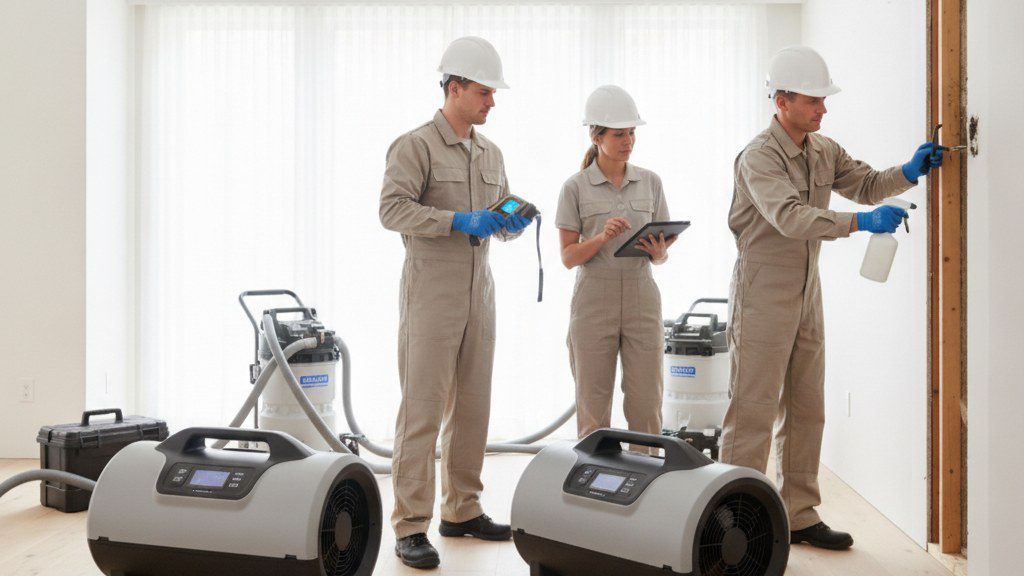
How do I choose a mold removing company near me after water damage?
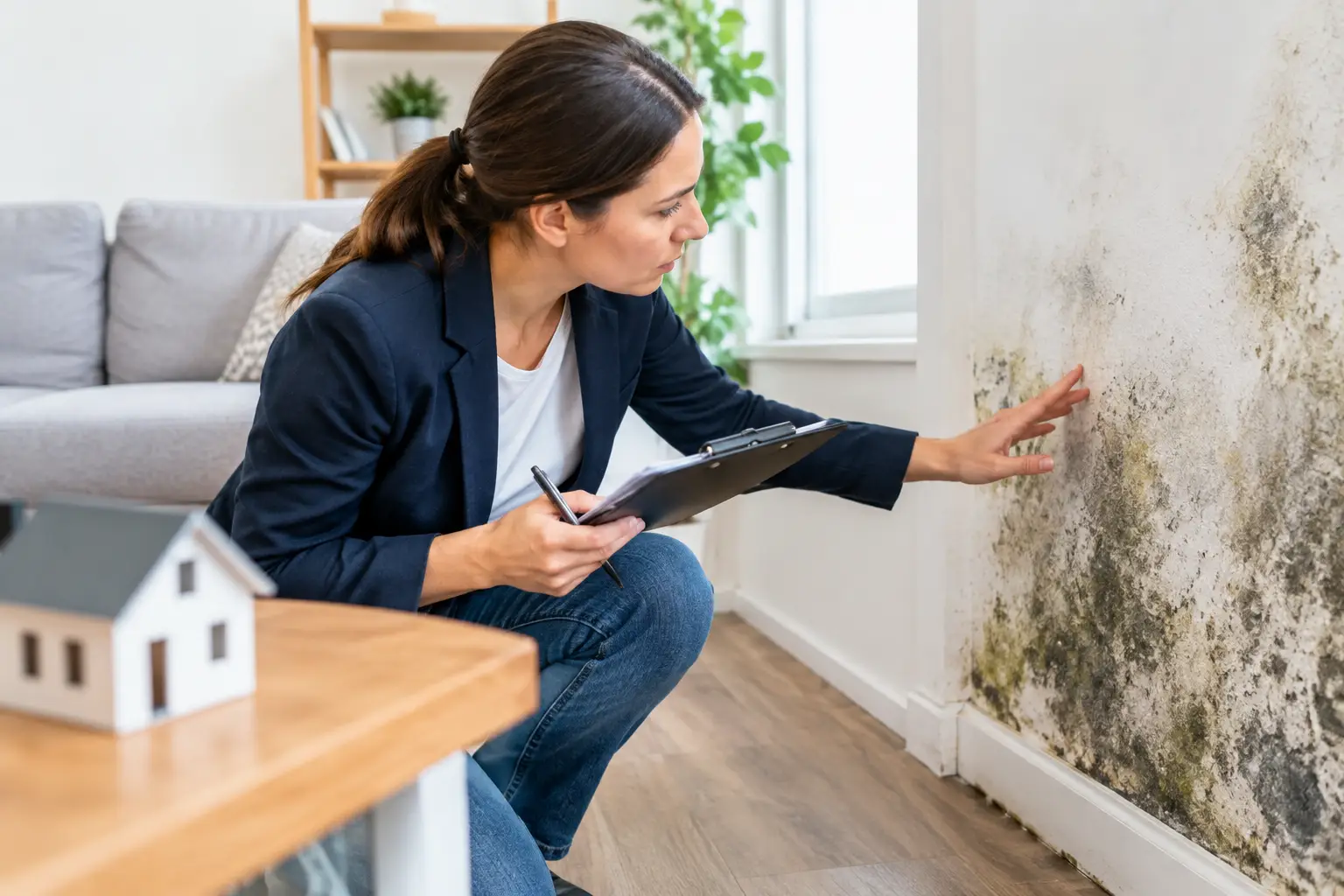
A mold removing company near me should do more than spray a product and leave. The real fix is moisture control, containment, safe removal, HEPA cleaning, and drying the source so the mold does not come back. In Atlanta, speed matters because water problems turn into mold problems fast.
What does a mold removing company near me actually do?
A real mold removing company near me handles the whole problem, not just the visible spots. That means finding the moisture source, isolating the work area, removing affected materials safely, and cleaning the space so the home is usable again.
People often picture a bottle, a scrub brush, and a quick spray. That is not remediation. Mold is usually a moisture problem first, which is why a proper company starts by looking at where water entered, stayed, or keeps coming back.
The work should be controlled. If mold is disturbed without containment, you can spread spores into clean rooms, ducts, and soft materials. That is how a small issue becomes a whole-house headache.
After removal, the area needs cleaning and drying, and sometimes reconstruction if drywall, insulation, flooring, or other materials were compromised. If you only clean what you can see, you are not finished.
For Atlanta homeowners, speed is not a luxury. A damp wall cavity, crawl space, or basement can give mold the conditions it wants before you have time to guess your way through it.
- Identify the source of moisture before removal begins
- Set up containment so spores do not spread
- Remove damaged materials that cannot be cleaned safely
- Clean adjacent surfaces with proper restoration methods
- Dry the structure and prepare for reconstruction if needed
How do you know mold is hidden behind walls or under floors?
You usually know by the pattern, not the panic. A mold removing company near me should look for staining, soft drywall, warped flooring, recurring odor, and any history of water intrusion in the same area.
Hidden mold rarely announces itself with one neat clue. More often, you get a combination: a musty smell, a bubble in the paint, a warped baseboard, or a room that stays damp after a leak seemed “fixed.”
The most important detail is the timeline. If water damage happened first and the smell or staining followed, hidden growth is on the table. That is especially true in basements, crawl spaces, around windows, and behind plumbing walls.
A legitimate inspection is about tracing conditions, not guessing from the surface. The goal is to determine what got wet, how long it stayed wet, and whether nearby materials were affected enough to remove.
This is where homeowners waste time. They clean what they can see, feel relieved for a week, and then the odor returns because the moisture source never got addressed.
- Musty odor that returns after cleaning
- Warped, soft, or staining drywall and trim
- Peeling paint or bubbling finishes near a leak
- Flooring that feels uneven or swollen
- Repeated dampness in crawl spaces, basements, or around windows
Why does a mold problem often start with a water damage problem?
Because mold needs moisture, and water damage provides it. If a burst pipe, leak, flood, or sewer issue soaked the structure, mold can grow before the damage looks dramatic to the eye.
This is the part people hate hearing, because it changes the plan. You are not just removing growth, you are interrupting the conditions that allowed it to develop in the first place.
Even small intrusions can matter. Water behind baseboards, under flooring, in insulation, or inside a wall cavity can linger long after the visible puddle is gone. That hidden dampness is what makes mold removal so often tied to water mitigation.
If the structure is not dried correctly, the mold problem can return. That is why moisture control, extraction, and drying are not side tasks. They are the actual foundation of the job.
In practical terms, the right company should be thinking like a restoration team, not a janitorial crew. The goal is to restore the home safely, then reconstruct what cannot be salvaged.
- Leaks and burst pipes create the conditions mold needs
- Wet cavities can stay hidden after surface water is gone
- Drying is part of remediation, not an optional extra
- Basements and crawl spaces are common repeat sources
- Sewer or flood water raises the urgency even more
Elevated Operations provides 24/7 water, fire, mold, storm, and sewage damage restoration across Metro Atlanta.
Get a free quoteWhat should you look for in a local mold removal estimate?
A useful estimate should explain scope, not hide behind a vague total. When you search for a mold removing company near me, you want a clear picture of what is being removed, cleaned, dried, and rebuilt.
A good estimate should tell you what the company found and what they plan to do about it. If the proposal never mentions containment, source control, or post-removal drying, it is probably too thin to trust.
You also want to know whether the company is only cleaning or whether it can handle reconstruction if damaged materials have to come out. That matters because mold work often exposes underlying repair needs.
The estimate should match the actual condition of the property. If there is water damage, the scope should reflect the wet materials and any safety concerns, not just the stains you can see from the doorway.
Local service matters too. In Atlanta, a company that understands the area can respond faster and coordinate the work without turning the process into a long back-and-forth.
- A written scope that names affected areas and materials
- Containment and cleaning steps, not just removal language
- Moisture drying or water mitigation if the source is still active
- Reconstruction planning if drywall, flooring, or insulation is damaged
- Direct communication that explains what happens next
Which signs tell you the mold company is not doing real remediation?
You can usually spot the shortcut fast if you know what to listen for. A mold removing company near me should not act like the job is finished after a quick spray or a casual wipe-down.
The biggest red flag is any answer that avoids the moisture source. If the company talks only about surface cleaning and never about drying, containment, or affected materials, the problem is probably being minimized.
Another warning sign is a one-size-fits-all promise. Mold work is condition-based. What is safe in a small bathroom issue is not the same as what is needed after basement flooding, a sewer backup, or long-term crawl space moisture.
Be cautious if the company cannot explain what materials are being removed, what stays, and why. Real remediation is specific. It should sound like a plan, not a sales script.
And if they rush past your questions about insurance, reconstruction, or the next steps after removal, you may end up hiring two companies instead of one.
- No mention of the moisture source
- No containment or air-control plan
- Vague promises without a scope of work
- No explanation of what gets removed versus saved
- No path from cleanup to reconstruction
How should a mold issue be handled when insurance is involved?
Insurance adds paperwork, not magic. A mold removing company near me should help document the loss clearly, coordinate the restoration scope, and keep the job organized so you are not trying to translate contractor language for the adjuster.
The claim process gets messy when the work is not documented well. Photos, moisture findings, affected materials, and a clear scope all help make the file easier to understand.
That is why homeowners do better with a restoration company that can manage the claim conversation instead of tossing it back to you. You already have the house issue. You should not have to become the project manager too.
Mold tied to water damage often overlaps with extraction, drying, cleanup, and reconstruction. If each step is handled by a different vendor, the paperwork can become harder to track and the repair path gets longer.
The practical goal is simple: make the damage legible, the work coordinated, and the next step clear. Confusion does not remove mold. Documentation does.
- Photograph damage before and during work
- Document the moisture source and affected areas
- Keep the scope tied to actual restoration needs
- Coordinate cleanup and reconstruction under one plan
- Reduce confusion between homeowner, contractor, and insurer
What problem are you actually solving when mold shows up after water damage?
| Situation | What to do | Why |
|---|---|---|
| You smell mold, but the leak already stopped. | Inspect for hidden moisture and affected materials before cleaning anything. | If the source remains in the wall, floor, or crawl space, the mold will keep returning. |
| You see visible spots near a baseboard or ceiling stain. | Contain the area and remove only what can be removed safely. | Disturbing growth without control can spread contamination into clean rooms. |
| You cleaned the surface, but the odor came back. | Treat the moisture source and dry the structure, not just the stain. | Surface cleaning does not solve wet framing, insulation, or subfloor issues. |
| You need proof for insurance and a clean path to repair. | Use a restoration team that can document, remove, dry, and reconstruct. | A connected process is easier to track than calling separate vendors for each phase. |
Doing it yourself vs bringing in Elevated Operations
| Doing it yourself | With Elevated Operations | |
|---|---|---|
| Finding the real source | You may clean what you can see and miss the wet cavity, crawl space, or hidden leak path. | We trace the damage, identify the moisture source, and build the job around what actually caused the mold. |
| Containment and safety | Most homeowners do not have the setup to isolate the area correctly or keep spread under control. | We use restoration-grade containment and IICRC-certified technicians to handle the work more safely. |
| Drying and removal | You can remove surface growth, but wet materials and hidden damage are hard to judge without the right process. | We handle water extraction, drying, mold removal, and the reconstruction that may follow. |
| Insurance and coordination | You end up chasing photos, notes, and next steps while also trying to fix the house. | We can manage the claim process and coordinate the restoration so you are not stuck translating everything yourself. |
Frequently Asked Questions
Is every mold smell proof that I need remediation?
Not always, but a persistent musty odor after a leak, flood, or burst pipe is a strong sign that moisture is still present somewhere. Smell alone does not prove the full scope, but it is enough reason to have the area inspected before the problem spreads or gets more expensive to repair.
Can I clean a small mold area myself?
A tiny surface issue may look manageable, but the real question is whether moisture has affected hidden materials. If the spot is tied to water damage, DIY cleaning can miss the source and spread contamination. If you are unsure, it is safer to get a restoration inspection first.
How fast should mold be addressed after water damage?
As soon as possible. Mold does not need a dramatic flood to start growing, just wet conditions and time. If your home has a leak, sewer backup, or standing water, the priority is extraction, drying, and then removal if contamination has already started.
Will you have to replace drywall or flooring?
Sometimes, yes. If materials are contaminated or too damaged to clean safely, they may need removal and reconstruction. The right answer depends on what got wet, how long it stayed wet, and how far the damage traveled beyond the visible stain.
How much does mold removal cost near me?
It depends on the size of the affected area, whether the source of moisture is still active, and whether reconstruction is needed after removal. The most honest way to price it is to inspect the loss and then book a call for a free quote. Elevated Operations can help with that in the Atlanta metro area.
Get a free, no-obligation restoration estimate
Elevated Operations provides 24/7 water, fire, mold, storm, and sewage damage restoration across Metro Atlanta.
Get a free quoteCall (770) 404-6895Last updated October 12, 2026