
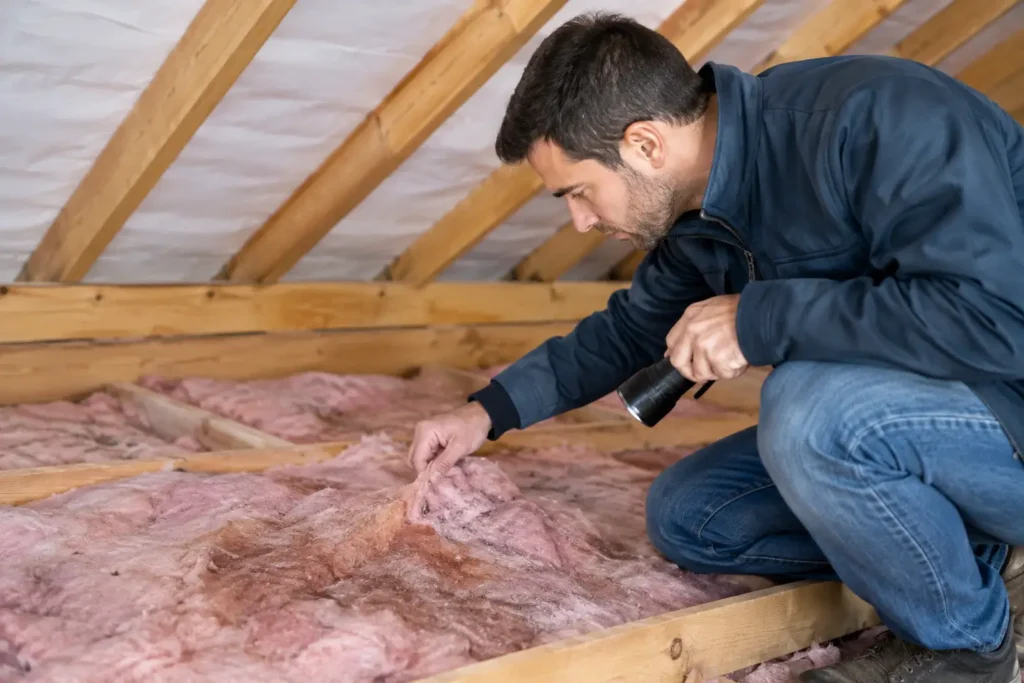
A burst pipe above a ceiling or a roof leak in the attic can soak insulation long before you see a stain. The practical question is: can wet insulation dry? Sometimes, yes. But insulation that is wet, contaminated, compressed, or left damp inside a wall assembly may no longer protect your property or your indoor air quality.
The right decision is not based on whether the material feels dry at the surface. It depends on the insulation type, the source of the water, how long it remained wet, and whether moisture has reached framing, drywall, subflooring, or other concealed materials. Fast action gives you the best chance to limit replacement costs and avoid mold growth.
Can Wet Insulation Dry Without Being Replaced?
Clean-water exposure caught early may allow some insulation to be dried in place. For example, fiberglass batts exposed to a small supply-line leak for a short time can sometimes be removed, evaluated, dried thoroughly, and reinstalled if they retain their shape and loft. The surrounding cavity still needs professional moisture testing. Dry insulation alone does not prove the wood framing and drywall behind it are dry.
That said, drying is not always the smart or safe choice. Insulation is designed to trap air. Once it traps water instead, it can hold moisture against structural materials and lose much of its R-value. A wall or ceiling may look normal while wet insulation continues feeding mold growth out of sight.
Replacement is usually the safer path when insulation has been saturated, compressed, contaminated, or wet for more than 24 to 48 hours. Removing compromised material creates access for proper structural drying and makes it possible to verify the cavity is truly dry before reconstruction begins.
The Type of Insulation Changes the Answer
Not all insulation reacts to water the same way. A restoration plan should identify the material before anyone decides to dry it or leave it in place.
Fiberglass Batts
Fiberglass does not absorb water in the same way paper-based insulation does, but it can retain water between its fibers. If a batt is lightly wet from clean water and addressed immediately, it may be salvageable. It must be removed or opened up enough to dry completely, then checked for matting, odor, staining, and loss of loft.
If fiberglass has been soaked by a flood, sewage backup, stormwater, or water that traveled through dirty building materials, replacement is generally necessary. Contamination cannot be solved by running fans nearby.
Blown-In Cellulose
Cellulose insulation is highly absorbent because it is commonly made from treated recycled paper. When wet, it clumps, settles, and loses thermal performance. It also stays damp longer than many property owners expect, especially in dense attic areas or closed walls.
Wet cellulose is typically removed. Leaving it in place can conceal elevated moisture at roof decking, framing, and ceiling drywall. Even after the surface seems dry, settled cellulose may no longer provide consistent coverage.
Spray Foam and Rigid Foam
Closed-cell spray foam and rigid foam boards resist water better than fiberglass or cellulose. In some clean-water events, they can be dried and retained. The issue is often what sits beside or behind them: wood framing, sheathing, drywall, adhesives, and seams may still be wet.
Open-cell spray foam is more absorbent and can hold moisture. It requires careful evaluation, particularly after a roof leak or plumbing failure inside a wall. Do not assume foam insulation makes a hidden water loss harmless.
Mineral Wool
Mineral wool is more water-resistant than fiberglass and does not readily support mold growth. However, dirty water can contaminate it, and saturation can affect the surrounding building materials. It may be reusable after clean-water exposure, but only after moisture readings confirm the assembly is dry.
When Wet Insulation Must Be Removed
There are situations where replacement is not a judgment call. Insulation exposed to sewage, floodwater, or other contaminated water should be removed and handled as part of a proper remediation process. These sources can carry bacteria, viruses, chemicals, and other harmful contaminants.
Removal is also the right move when insulation has lost its form. Flattened fiberglass, clumped cellulose, and soaked batts that sag from a ceiling cavity will not perform as intended even if they eventually dry. The material may look acceptable after a few days, but it can leave your home with cold spots, higher energy bills, and recurring condensation risks.
A persistent musty odor, visible mold, water staining, or a delayed discovery also points toward removal. Mold can begin growing quickly under the right conditions. Waiting for an odor to become obvious is not a drying strategy.
Why Surface Dryness Is Not Enough
Homeowners often place a fan in the room, run a dehumidifier, and wait for the carpet or ceiling to feel dry. That may improve conditions in the occupied space, but it does not reliably dry a closed wall, attic cavity, or ceiling assembly.
Professional drying starts with stopping the source and extracting standing water. Technicians then use moisture meters and thermal imaging to find wet areas that are not visible. Controlled air movement, dehumidification, and sometimes cavity drying are used to pull moisture out of affected materials. Readings are monitored until materials return to an acceptable dry standard.
This documentation matters for more than peace of mind. It supports insurance claims, helps establish the scope of necessary repairs, and reduces the chance that a contractor closes a wall before hidden moisture is resolved.
What to Do After You Find Wet Insulation
First, stop the water source if you can do so safely. Shut off the affected water supply for a plumbing leak, place a container under an active drip if conditions allow, and protect belongings from additional exposure. Avoid entering an attic with a compromised ceiling or walking through standing water near electrical equipment.
Next, document the damage with photos and contact your insurer if the loss may be covered. Do not pack wet insulation into trash bags and leave it indoors. That can trap moisture and odors inside the building. If the insulation is exposed to sewage or floodwater, keep people and pets away from the affected area.
For a small, clean-water issue discovered immediately, you may be able to remove a loose fiberglass batt and let it dry in a clean, ventilated area while the cavity is assessed. For a larger leak, wet ceiling, wet wall, flooded crawlspace, or any questionable water source, bring in a restoration team. The goal is not simply to dry what you can see. It is to protect the structure before damage spreads.
Common Questions About Wet Insulation
How long does insulation take to dry?
It varies widely. Lightly damp fiberglass may dry within a day or two under controlled conditions, while saturated cellulose in an attic or wall can remain wet much longer. Temperature, humidity, material density, airflow, and access to the cavity all affect drying time. Moisture readings, not the calendar, should determine when a material is dry.
Can mold grow on wet insulation?
Fiberglass itself is not a food source for mold, but dust, paper backing, wood framing, and drywall around it can support growth. Cellulose and other paper-based products are more vulnerable. Wet insulation also holds moisture against materials that mold can colonize.
Will homeowners insurance pay to replace wet insulation?
Coverage depends on the cause of the damage and the language in your policy. Sudden and accidental events, such as a burst pipe, may be covered, while gradual leaks, deferred maintenance, and certain flood losses may not be. Clear photos, moisture documentation, and an itemized restoration estimate can help support the claim process.
When water reaches insulation, speed is your leverage. A prompt, measured response can preserve more of the structure, limit mold risk, and keep a manageable leak from turning into a full reconstruction project. For Metro Atlanta property owners facing an active loss, Elevated Operations can assess the moisture, manage the drying and removal work, and carry the recovery through the repairs needed to make the space whole again.