

How do I choose a professional mold removal service after water damage?
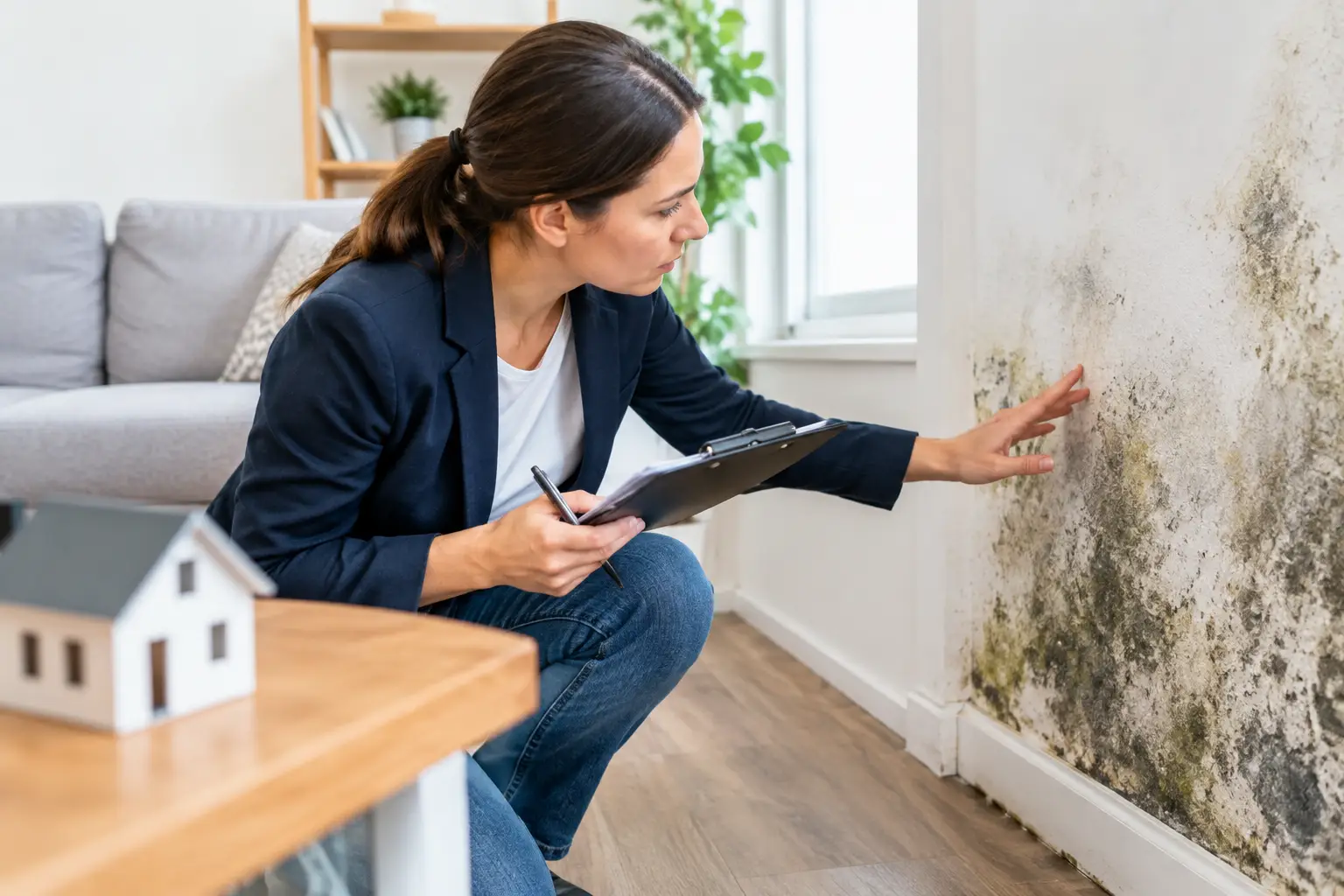
A professional mold removal service should find the moisture source, contain the affected area, remove contaminated materials, clean and dry the space, and verify that the problem is actually solved. If the leak, flooding, or sewer backup is still active, mold will come back, no matter how good the cleanup looks on the surface.
What does a professional mold removal service actually do?
A real mold job starts with the cause, not the stain. If the moisture source is still active, cleanup is temporary, and you already know how that story ends.
A professional mold removal service is supposed to remove the conditions that let mold grow, not just make the room look better. That means inspecting the area for moisture intrusion, identifying affected materials, setting containment, removing contaminated items that cannot be saved, and cleaning the surfaces that remain.
The phrase gets abused a lot. Homeowners hear it and picture someone spraying a product on visible spots. That is not the job. The job is to handle the contaminated area in a way that limits spread, protects other parts of the home, and addresses the water damage underneath the surface.
When mold shows up after sudden water damage, the sequencing matters. Drying, removal, cleaning, and reconstruction have to happen in the right order. Skip the order and you just trap moisture or leave damaged materials in place, which is how odor and growth linger.
This is why IICRC-certified technicians matter. Certification does not magically solve the problem, but it does mean the work is being handled with the restoration standards that separate real remediation from cosmetic cleanup.
Assess the water source first, then the affected materials.
Use containment to protect clean areas of the home.
Remove unsalvageable materials instead of coating over damage.
Clean, dry, and verify the area before rebuilding.
If reconstruction is needed, coordinate it after the environment is stable.
- Find the source of the moisture before touching the surface growth.
- Use containment when the affected area can spread debris or spores.
- Remove porous materials that have been damaged beyond saving.
- Dry the structure, not just the visible room.
- Coordinate reconstruction only after the area is ready.
How do you tell if a mold problem is tied to water damage?
If the mold came from a burst pipe, leak, flood, or sewer backup, the clues are usually in the materials around it. You do not need a microscope to see the pattern.
Water damage and mold are linked more often than homeowners want to admit. Drywall, insulation, baseboards, flooring, and framing can absorb moisture quickly, and mold may start growing in hidden areas before the room smells bad or the stain spreads.
A small ceiling ring can still mean a larger wet cavity above it. A damp crawl space can create recurring odor through the house. A sewer backup brings a different problem entirely because contamination is no longer just about moisture; it is also about sanitation and health risk.
The mistake is focusing on the most visible spot and assuming that is the whole loss. It rarely is. A proper inspection looks at the path of water, the materials involved, and whether the affected area is isolated or already migrating into adjacent rooms.
If the damage came from a plumbing failure or intrusion event, the next step is not guesswork. It is drying, removal, and a plan for the damaged structure before the problem compounds.
Check for active leaks, dampness, and soft materials.
Look behind finished surfaces, not only on top of them.
Treat sewer-related contamination as a separate safety issue.
Do not ignore crawl spaces, basements, and wall cavities.
Assume visible staining may be the smallest part of the damage.
- Visible mold is often only one piece of the loss.
- Drywall and insulation can hold moisture behind the finished surface.
- Basements and crawl spaces can feed recurring odor and growth.
- Sewer backups require more than ordinary cleaning.
- The water path tells you where the real damage is.
Why does containment matter during mold cleanup?
Containment is not theater. It is the difference between removing a problem and pushing that problem into the rest of the house.
A homeowner can understand containment pretty quickly once they have watched construction dust travel through every doorway in the house. Mold cleanup creates the same risk if the affected area is opened without barriers, negative pressure, and disciplined work habits.
Containment keeps spores, dust, and debris from hitching a ride into clean rooms. That matters most when the damage is in a bathroom, basement, crawl space, or a wall cavity connected to living areas. One careless cut in the wrong place can create a wider mess.
This is also where sequencing matters again. Before removal, the team should think through airflow, access points, and what materials are being disturbed. The goal is not simply removal. It is controlled removal.
If a contractor shrugs off containment, they are telling you something useful. They are telling you they are treating a restoration problem like a cleaning task. Those are not the same thing.
Set barriers before demolition or material removal starts.
Keep contaminated dust from moving into HVAC or hallways.
Use a controlled work area when the loss is inside finished space.
Plan the sequence so clean areas stay clean.
Choose a crew that treats the site like a restoration project, not a wipe-down.
- Containment protects the rest of the home from spread.
- Controlled airflow helps keep debris where the work is happening.
- Bad containment can turn one room into multiple affected areas.
- It matters especially in crawl spaces, bathrooms, and basements.
- Restoration work should be controlled, not improvised.
Elevated Operations provides 24/7 water, fire, mold, storm, and sewage damage restoration across Metro Atlanta.
Get a free quoteWhat should you expect from mold removal after sudden water damage?
After a loss, you want fewer moving parts, not more. The best outcome is one team handling the mess in order, so you are not coordinating five different contractors while the house keeps drying.
After sudden water damage, the right mold response should feel organized even if the situation does not. The property needs assessment, moisture control, cleanup, and then rebuilding if any structure was removed or damaged beyond repair.
This is where a one-stop restoration approach helps. If one company handles extraction, drying, mold remediation, and reconstruction, you are not left translating between vendors. That reduces delay, miscommunication, and the common problem of a rebuild starting before the structure is actually ready.
For a homeowner, the most frustrating part is not only the damage. It is the uncertainty. Is the area dry enough? Is the odor gone because the problem is solved or because someone sprayed over it? Is reconstruction safe to begin? Those are real questions, and the answers should come from a process, not a guess.
In Metro Atlanta, where storms, plumbing failures, and sewer issues all happen often enough, a response that can move from emergency water removal to final construction is the practical answer, not the fancy one.
Expect assessment, drying, cleanup, and rebuilding to follow a clear order.
Ask who is responsible for the work after demolition is complete.
Confirm the moisture issue is addressed before reconstruction begins.
Make sure the cleanup plan matches the type of water intrusion.
Prefer one coordinated process over disconnected trades.
- The work should move in a logical sequence.
- You should not have to coordinate every trade yourself.
- Reconstruction should wait until the space is stable.
- Water damage and mold cleanup belong in the same plan.
- Good communication matters when the home is already disrupted.
How do insurance claims affect mold removal and repairs?
Insurance adds paperwork, not healing. The problem is that many homeowners try to manage the claim and the loss at the same time, which is a bad trade on a stressful day.
Insurance-guided restoration is not just about sending a bill. It involves documenting damage, communicating clearly about the affected areas, and making sure the scope of work is understandable to both the homeowner and the adjuster.
That matters because mold after water damage can be tied to several moving parts: the source of the intrusion, the impacted materials, the cleaning required, and the reconstruction needed to restore the space. If the scope is vague, the claim process gets harder than it needs to be.
The smarter approach is to treat the insurance side as part of the restoration workflow, not a separate headache to solve later. A team that can help manage the claim can reduce friction and keep the project moving.
You still need to stay involved, of course. But you should not have to become the project manager, estimator, and translator while your home is half-open and your schedule is already wrecked.
Document the source of loss and the affected materials.
Keep the scope clear enough for claim review.
Coordinate communication so the project does not stall.
Separate cleanup decisions from reconstruction decisions.
Use a restoration team that understands adjuster communication.
- Documentation helps the claim and the repair plan.
- The scope should match the actual damage, not a guess.
- Clear communication reduces delays with adjusters.
- Homeowners should not have to run the whole project.
- Restoration and insurance paperwork are linked, whether people like it or not.
When does mold removal turn into reconstruction?
This is the part people hate because it means the damage was real. If drywall, trim, flooring, or framing is compromised, cleaning alone is not enough.
Mold removal turns into reconstruction when the damaged materials cannot be safely kept in place. If porous components have absorbed contamination or water for too long, the right move is removal and replacement, not optimism.
That can include drywall, insulation, cabinetry, flooring, or other interior finishes depending on where the loss occurred. A crawl space problem might require a different rebuild than a bathroom leak, but the logic is the same: damaged structure gets removed, stabilized, and rebuilt properly.
This is another reason the one-stop model matters. If the cleanup crew and the reconstruction crew are disconnected, the handoff can get messy. If one licensed contractor handles both phases, the work stays aligned with the actual condition of the home.
You do not want a pretty finish over hidden damage. You want a rebuild that follows a real cleanup, with the structure ready for it.
Replace materials that cannot be safely cleaned or dried.
Do not reinstall finishes over unresolved moisture.
Match the reconstruction scope to the actual loss.
Keep the cleanup and rebuild under one plan when possible.
Use licensed contractors for the rebuilding phase.
- Reconstruction starts when materials are no longer salvageable.
- The rebuild should follow verified drying and cleanup.
- Different losses call for different repair scopes.
- A coordinated handoff prevents rework.
- Licensed reconstruction matters when the structure is involved.
How to decide whether the problem is still active
| Situation | What to do | Why |
|---|---|---|
| The musty smell comes back after cleaning. | Check for hidden moisture, damaged materials, and an uncorrected water source. | Odor often means the conditions for growth are still present. |
| Drywall, flooring, or trim feels soft, swollen, or warped. | Have the material inspected for removal and replacement needs. | Porous or compromised materials usually cannot be trusted just because they look better. |
| The issue began after a leak, flood, or sewer backup. | Treat it as a restoration problem, not a surface cleaning job. | The water event is the root cause, and root causes matter more than appearances. |
| You are unsure whether cleanup or reconstruction should happen first. | Get a restoration estimate that covers both phases in order. | Starting the rebuild too early can trap moisture and create repeat work. |
DIY cleanup versus bringing in Elevated Operations
| Doing it yourself | With Elevated Operations | |
|---|---|---|
| Moisture diagnosis | You can see stains and smell odor, but hidden water behind walls, flooring, or in a crawl space is easy to miss. | Our team looks at the restoration issue as a whole, from the water source through drying and rebuilding, so the job is not based on guesswork. |
| Containment and cleanup | Homeowners often disturb contaminated areas without proper barriers, which risks spreading debris and spores. | We handle the cleanup as a controlled restoration process, using IICRC-certified technicians and the right sequence for the site. |
| Reconstruction coordination | You may end up juggling separate contractors, which slows the job and creates handoff problems. | We provide a one-stop path from emergency response through reconstruction, so the project stays organized. |
| Insurance communication | Claims paperwork, photos, and adjuster coordination can become a second full-time job. | We help manage the insurance side so the restoration scope is documented and the project keeps moving. |
Frequently Asked Questions
How fast should mold cleanup start after water damage?
It should start as soon as the moisture source is controlled and the affected area is assessed. The longer wet materials sit, the more likely mold and odor become part of the loss. The first priority is stopping the water, then drying, then removal and cleanup.
Is every mold problem a full-home emergency?
No, but it should never be treated casually. Some losses are small and isolated, while others involve crawl spaces, basements, or wall cavities that spread moisture farther than expected. A proper inspection tells you whether the problem is contained or already more widespread.
Can I stay in the home during mold removal?
Sometimes, depending on the location and size of the affected area. If the work is contained and isolated, parts of the home may remain usable. If the issue involves extensive contamination, sewer backup, or major reconstruction, the safest plan may be different.
How much does professional mold removal cost?
The cost depends on the source of the moisture, how much material is affected, whether containment is needed, and whether reconstruction is required afterward. The honest answer is that every loss is different, so the best next step is to book a call for a free quote.
Why would I choose Elevated Operations for this?
Because when mold is tied to water damage, you usually need more than a cleaner. Elevated Operations handles restoration and reconstruction across Metro Atlanta, and that means one team can manage the cleanup, drying, insurance process, and rebuild instead of leaving you to coordinate everything.
Get a free, no-obligation restoration estimate
Elevated Operations provides 24/7 water, fire, mold, storm, and sewage damage restoration across Metro Atlanta.
Get a free quoteCall (770) 404-6895Last updated October 12, 2026