
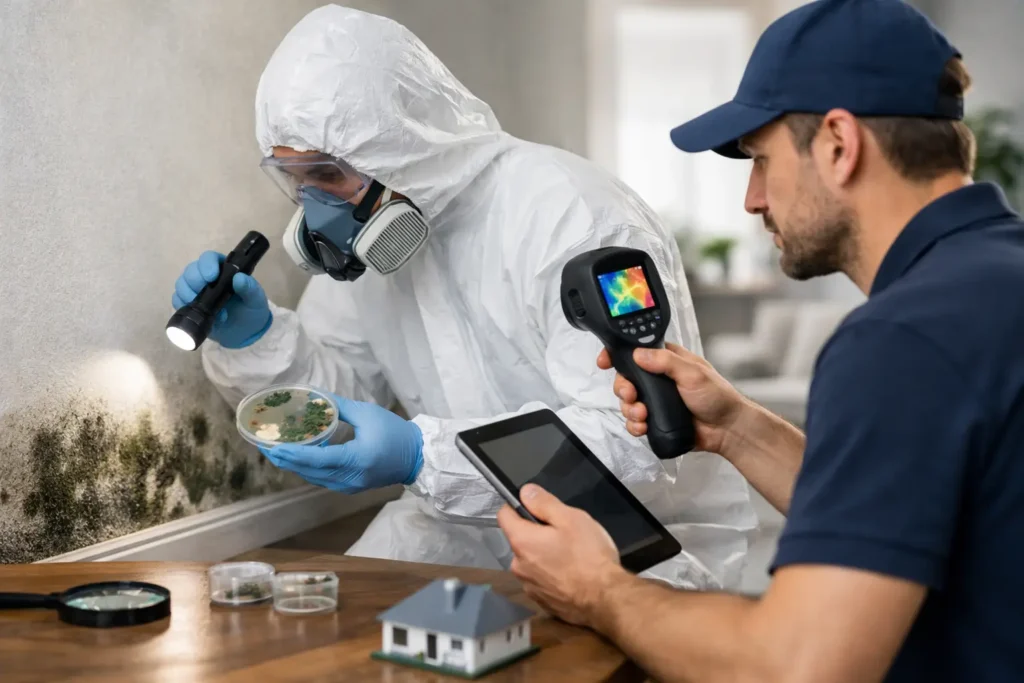
How do I choose mold mitigation companies after water damage?
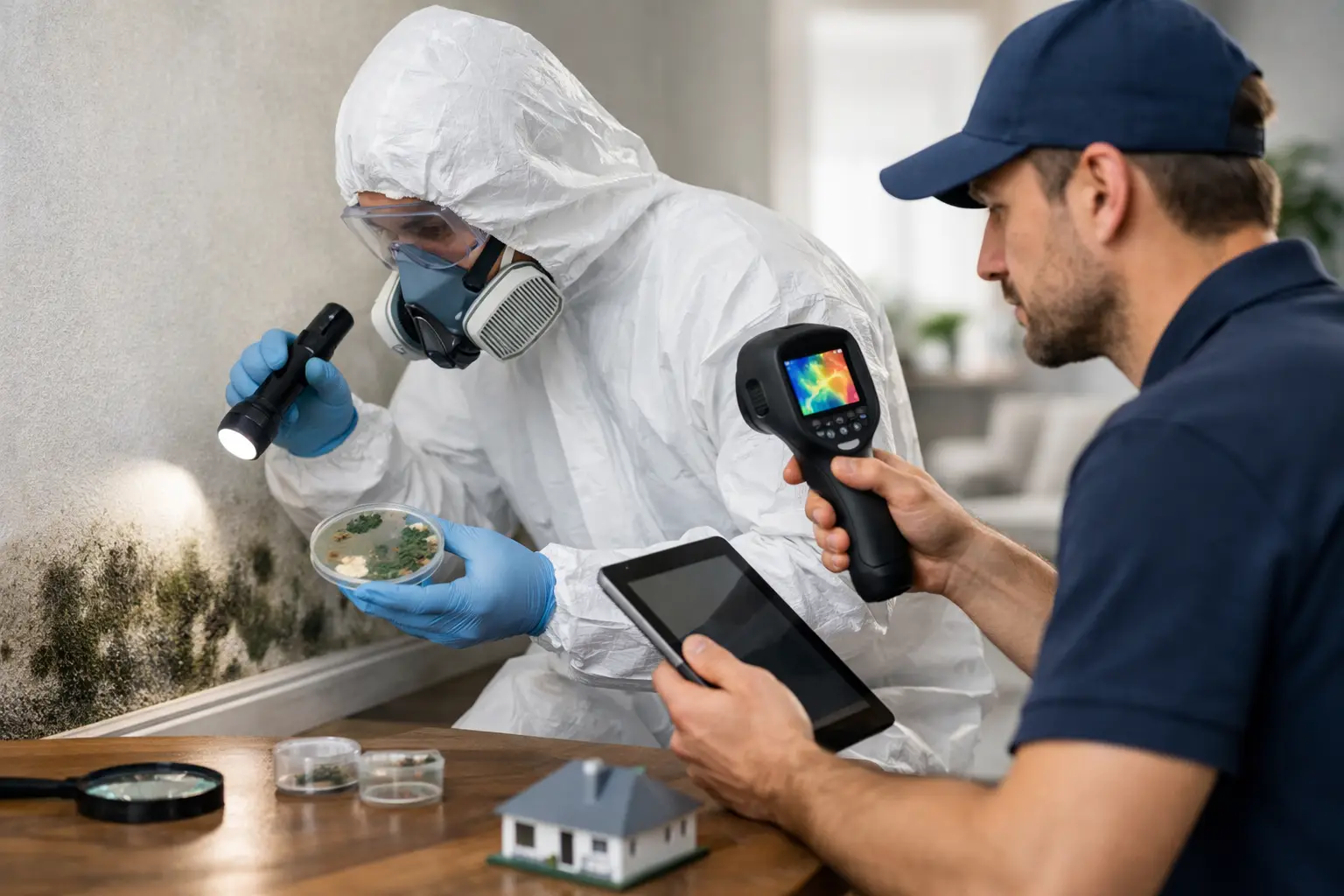
Mold mitigation companies handle the containment, removal, drying, and repair work that keeps a water problem from becoming a mold problem. The real fix is fast moisture control, proper containment, source repair, and a documented restoration plan from an IICRC-certified team.
What do mold mitigation companies actually do after water damage?
Mold mitigation companies are not just “mold cleaners.” In practice, they are the people who stop the moisture, control the spread, remove contaminated materials, and dry the structure before the home turns into a bigger insurance and repair problem.
If you are shopping for help after a leak, burst pipe, or flood, the first thing to understand is the job itself. Mold mitigation sits at the intersection of water extraction, containment, demolition of unsalvageable materials, cleaning, and drying. If a company cannot explain that chain clearly, keep moving.
The common mistake is hiring for the symptom instead of the source. Scrubbing a visible patch without dealing with the water source, the hidden moisture, and the affected building materials is how homeowners end up with recurring odor, recurring growth, and a second invoice.
A real mitigation provider should be able to talk through how they isolate the area, protect the rest of the home, and determine what can be dried versus what has to come out. That is the difference between temporary cleanup and actual loss control.
For a buyer, the key question is simple: are they managing the whole moisture event, or just wiping the surface and hoping for the best?
- Source control before cosmetic cleanup
- Containment to limit spread to clean areas
- Water extraction and structural drying
- Removal of materials that cannot be restored
- Documentation for insurance and follow-up repair
When is a moisture problem already a mold problem?
If the wet area sat long enough, smells musty, or shows staining and soft materials, you should assume mold risk is already in play. Waiting for visible growth is a bad strategy because hidden contamination usually comes first.
People often wait for the obvious fuzz on drywall before they act. That is backwards. Mold can start in hidden spaces where water has already soaked into insulation, backing, trim, or subfloor. By the time the smell gets stronger, the problem is usually larger than the visible spot.
The practical trigger is not drama, it is moisture duration and material type. Porous building materials hold water. That is why the same leak may be minor on tile and serious inside wall cavities, beneath flooring, or around a crawl space.
If the room still feels damp, if the baseboards are swollen, if there is staining around a leak line, or if an area has that stale basement odor, you need an inspection mindset, not a cleaning mindset. The goal is to stop spread before reconstruction becomes unavoidable.
This is also where a lot of homeowners lose time with partial fixes. Fans alone do not solve water trapped in layered materials, and deodorizers do not remove contamination. The right company should tell you what is wet, what is damaged, and what is still salvageable.
- Musty odor after a leak is a warning sign
- Soft drywall or swollen trim signals trapped moisture
- Crawl spaces and wall cavities hide growth early
- Visible mold is late, not early
- Drying only works if the source is truly fixed
Which services matter most in mold mitigation and remediation?
The services that matter are the ones that stop spread, remove contamination, and restore the structure correctly. If a company cannot handle extraction, drying, remediation, and repair coordination, you are managing separate vendors while the damage keeps moving.
This is where buyers get burned by vague service lists. A website can say “mold removal” all day long. That does not tell you whether they can extract standing water, dry the structure, clean contaminated areas, remove ruined materials, and rebuild what has to come out.
You want a provider that understands the whole sequence. Water extraction first. Controlled drying next. Containment and cleanup where needed. Then repair or reconstruction if the damaged materials cannot be brought back safely. That sequence matters more than the marketing headline.
For homeowners, the best sign is not a flashy promise. It is whether the company can explain how the job changes based on the source of the water, the materials affected, and the extent of the spread. A burst pipe is not handled the same way as a sewer backup. Neither is a crawl space issue.
If you are comparing mold mitigation companies, ask what they do themselves and what they coordinate. Fewer handoffs usually means fewer delays, fewer gaps, and less chance that one trade blames another when moisture shows back up.
- Emergency water removal and extraction
- Drying for walls, floors, and hidden cavities
- Containment during contaminated cleanup
- Mold remediation and mold removal services
- Reconstruction when damaged materials must be replaced
Elevated Operations provides 24/7 water, fire, mold, storm, and sewage damage restoration across Metro Atlanta.
Get a free quoteHow does insurance change the way mold mitigation should be handled?
Insurance makes the paperwork heavier, but the restoration standard does not change. The company still has to document conditions, scope the loss correctly, and communicate clearly so the claim does not get stuck on missing details.
If you are filing a claim, you already know the trap: a job that is technically messy becomes administratively messy too. That is why the restoration partner matters. Someone has to track what was damaged, what was removed, what was dried, and what needs rebuilding.
A good mitigation process creates a paper trail that makes sense to an adjuster. That usually includes clear scope, photos, and line-by-line explanation of why materials were removed or preserved. When that is missing, the homeowner ends up doing the awkward back-and-forth alone.
The common mistake is assuming every contractor speaks insurance fluently. They do not. Some companies can dry a wall but cannot support the claim with enough clarity. Others can talk insurance but do not do the field work well. You need both sides handled competently.
This is one reason one-stop restoration matters so much after a water loss. The fewer times you have to re-explain the damage, the faster the job moves from emergency response to actual recovery.
- Document the source and spread of the loss
- Record what was removed versus dried
- Keep communication consistent with the claim
- Coordinate mitigation with repair scope
- Reduce the chance of gaps between trades
What should a homeowner ask before hiring a mold mitigation company?
Ask questions that force the company to show its process, not its sales script. You are looking for proof of containment, drying knowledge, and restoration competence, not a vague promise that they “handle mold.”
Start with the practical questions. What is the plan for stopping the moisture source? How will they contain the area? What gets dried, and what gets removed? If they cannot answer those without wandering into jargon, that is your answer.
Then ask who actually performs the work. Are the technicians trained for this kind of loss? Can they handle remediation and the reconstruction that often follows? If not, you may end up coordinating multiple crews while your home stays in limbo.
You should also ask how they communicate during the job. Homeowners do not need a mystery. They need to know what was found, what changed, and what comes next. That clarity is part of the service, not a bonus.
The last filter is simple: do they sound like they have done this before, or like they are improvising? Mold mitigation is detail work. The wrong answers usually show up as delays, excuses, or repeat moisture problems later.
- Ask how they stop the moisture source
- Ask what gets contained and why
- Ask whether drying and reconstruction are coordinated
- Ask who performs the field work
- Ask how updates and documentation are handled
Why mold mitigation is not the same as a quick cleanup
Quick cleanup feels productive because the surface looks better. But if the underlying moisture and contamination stay put, you have not solved anything. You have just made the damage less obvious for a little while.
This is the mistake people make when they are stressed and want the house to look normal again. They clean the smell, wipe the stain, and hope it is over. It is understandable. It is also how bigger structural issues get ignored until the repair bill grows.
Mold mitigation is about stopping the conditions that let mold thrive. That means drying the structure, dealing with contaminated materials, and keeping the affected area from spreading into clean parts of the home. Surface cleanup does none of that reliably.
The difference matters especially after water reaches drywall, insulation, subfloor, crawl spaces, or behind cabinetry. Those areas do not forgive shortcuts. They hold moisture, conceal damage, and turn a small leak into a long repair cycle if the response is thin.
If a company talks only about appearance and not about moisture control, you are not looking at a mitigation partner. You are looking at a cleanup crew. Those are not the same thing.
- Appearance can improve before the structure is dry
- Hidden cavities hold moisture long after surfaces look fine
- Porous materials often need removal, not just cleaning
- Musty odor usually means the job is not finished
- Proper mitigation protects against repeat damage
What to do when the damage shows up first
| Situation | What to do | Why |
|---|---|---|
| A leak, burst pipe, or overflow leaves materials visibly wet | Call for emergency water removal and drying right away | Fast extraction lowers the chance that moisture moves deeper into walls, floors, and trim |
| A musty odor appears even after the surface is cleaned | Request a mitigation inspection for hidden moisture and contamination | Odor often means the problem is still active behind the visible area |
| Drywall, flooring, or baseboards feel soft, swollen, or stained | Ask what can be restored and what has to be removed | Damaged porous materials can hold water and spread the problem if they stay in place |
| You are dealing with an insurance claim and repair scope at the same time | Choose a company that can document the loss and coordinate reconstruction | One team managing the full sequence reduces confusion, delays, and missing paperwork |
Doing it yourself vs bringing in Elevated Operations
| Doing it yourself | With Elevated Operations | |
|---|---|---|
| Finding the actual moisture source | You may see the wet spot, but hidden moisture behind walls or under flooring is easy to miss. | We trace the damage, assess the affected area, and focus the work on the source, not just the stain. |
| Drying and containment | Fans and cleanup supplies can help a little, but they do not control spread or deep moisture well. | We handle water extraction, drying, and containment as part of a coordinated restoration process. |
| Insurance and documentation | You have to sort out photos, scope, and claim communication while also dealing with the house. | We help manage the claim process and keep the job documented from mitigation through reconstruction. |
| Repair and rebuilding | If materials are damaged beyond saving, you still need contractors to restore the home correctly. | We provide licensed reconstruction services, so the project can move from emergency work to finished repair without random handoffs. |
Frequently Asked Questions
Do I need mold mitigation if I only see water damage and no mold yet?
Often, yes. Mold does not wait politely for visible growth. If water has soaked into porous materials or sat long enough to create a musty smell, mitigation is usually the right next step to stop a larger problem before it spreads.
What makes a mold mitigation company different from a general cleaner?
A cleaner handles visible mess. A mitigation company handles moisture control, containment, contaminated materials, drying, and the restoration sequence that protects the structure. That difference matters when water has reached walls, floors, crawl spaces, or other hidden areas.
How quickly should I call after a burst pipe or leak?
As soon as you know water has gotten into the structure. The longer moisture stays in place, the more likely you are to face mold growth, hidden damage, and more invasive repairs. Early action usually means fewer surprises later.
Will mold mitigation mean my home has to be torn apart?
Not always. The amount of demolition depends on what got wet, how long it stayed wet, and whether the materials can be dried safely. A good inspection determines what can be saved and what has to come out.
What should I do if I want a cost estimate and a fast response?
Book a call for a free quote so the loss can be reviewed on site. Elevated Operations can help with emergency water damage, mold remediation, and reconstruction in Metro Atlanta when the problem needs one team from start to finish.
Get a free, no-obligation restoration estimate
Elevated Operations provides 24/7 water, fire, mold, storm, and sewage damage restoration across Metro Atlanta.
Get a free quoteCall (770) 404-6895Last updated September 12, 2026