
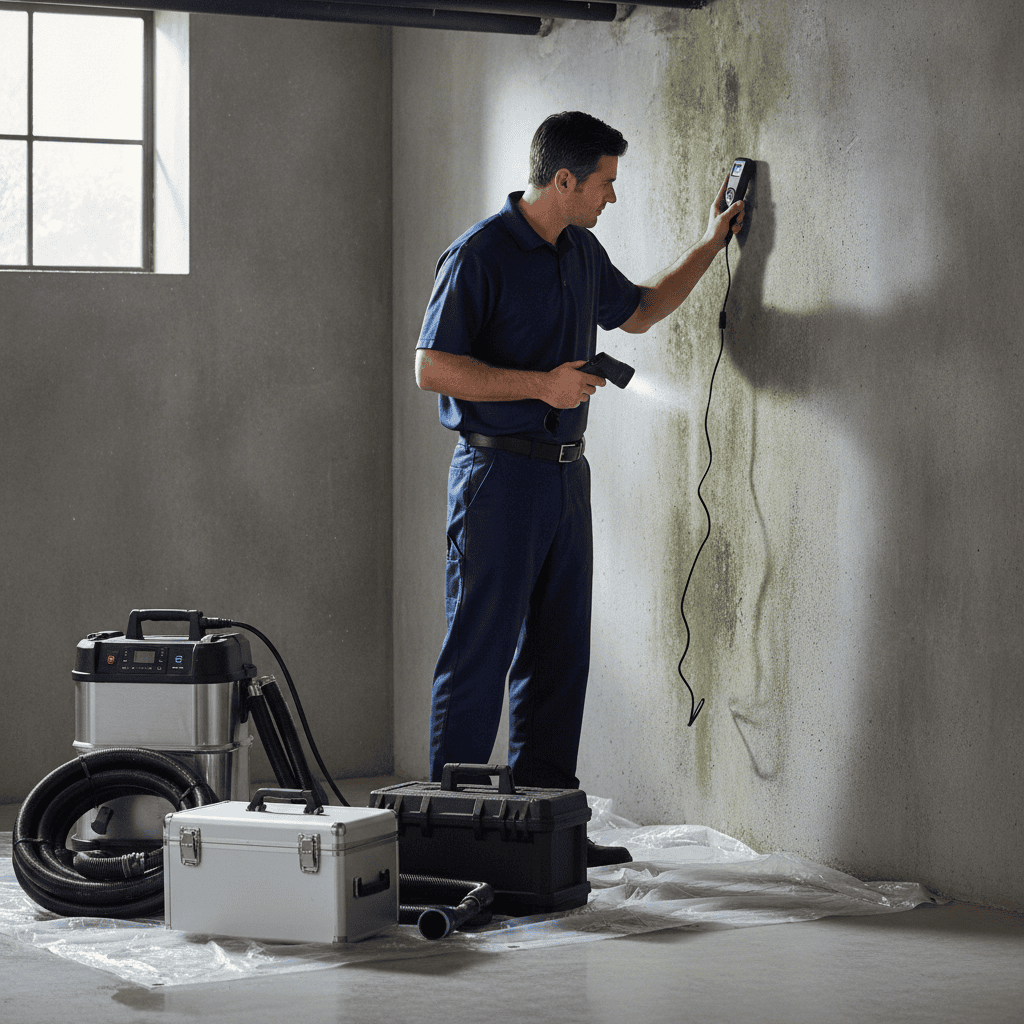
Mold vs mildew: what’s the difference after water damage?
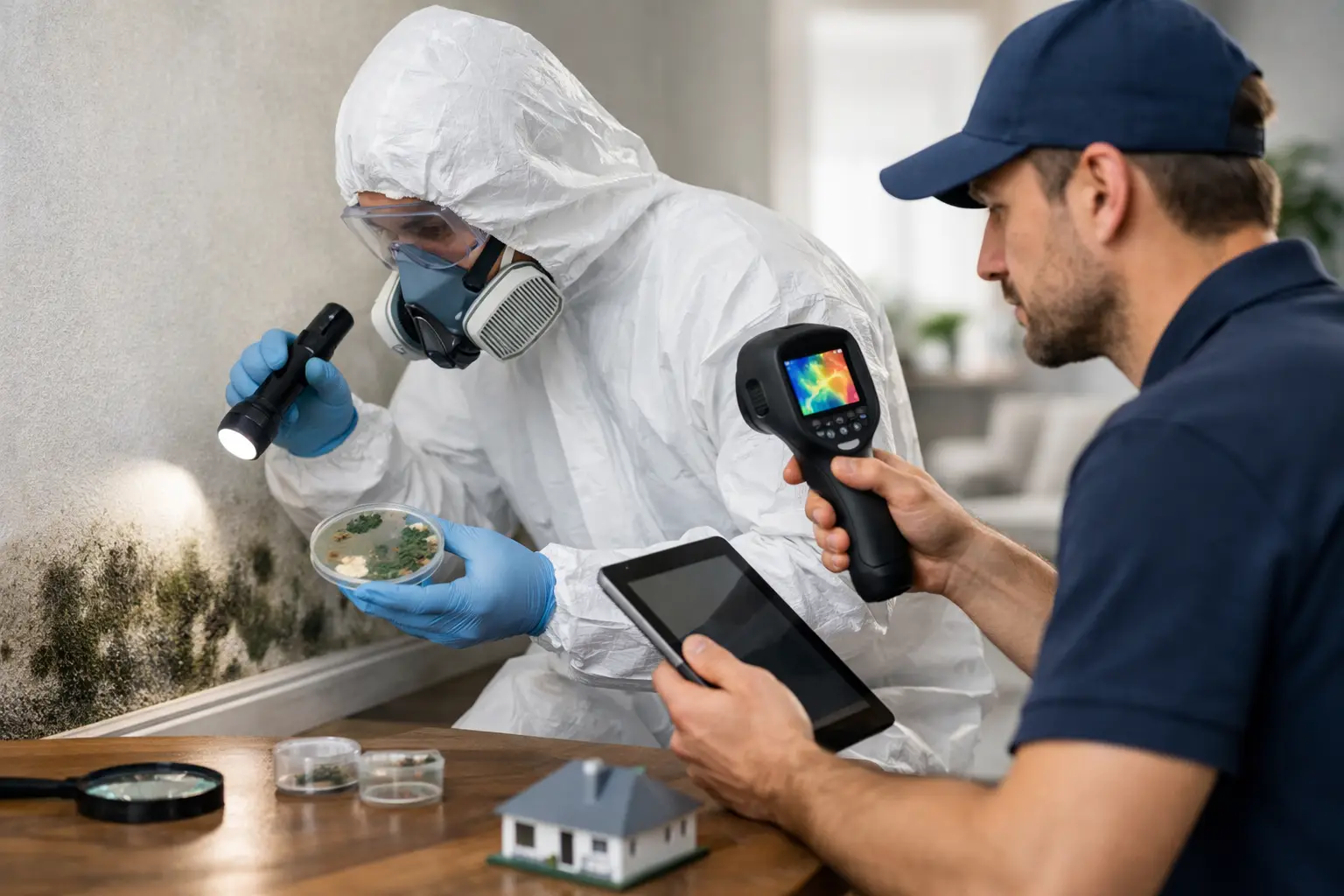
Mold vs mildew is not a cosmetic debate after a leak. Mildew is usually a surface problem; mold can get into porous materials and spread where you cannot see it. If you have water damage, the real fix is drying the area fast, checking hidden moisture, and bringing in IICRC-certified remediation when growth is more than surface-level.
Mold vs mildew: which one matters more after a leak?
First, define the terms the way a homeowner actually needs them. Mildew is usually a surface growth you may be able to clean if the area is dry and the source is fixed. Mold is the one that gets ugly fast because it can move into porous material and point to a larger moisture problem.
Here is the part people skip: the label matters less than the conditions. If you had a burst pipe, overflow, roof leak, or sewer backup, the question is not only what you can see. It is whether the water sat long enough to soak materials and create a place for growth to spread.
Mildew or mold can look similar at first, especially to a stressed homeowner staring at a wall or ceiling. But the material it is growing on tells you a lot. Tile, glass, and other hard surfaces point more toward a surface cleanup. Drywall, wood, carpet, and insulation are where hidden moisture turns into a bigger job.
This is why guessing is a bad habit. A quick wipe can make a spot look better while the damage keeps traveling behind the surface. If you are in Atlanta, Marietta, Decatur, Sandy Springs, or anywhere nearby, speed matters because the building materials do not care whether you call it mildew or mold.
The real question is whether the moisture source is gone and whether the growth is isolated. If you cannot answer both, you are not looking at a cosmetic problem. You are looking at a restoration question.
- Surface growth on hard materials usually points to a smaller cleanup.
- Porous materials can trap moisture and support deeper growth.
- A musty smell often means the problem is not just what you see.
- A leak that was not dried properly raises the mold risk fast.
- If the source is unknown, the label is less important than inspection.
What does mildew actually mean in a home?
Mildew is the version of this problem that tempts people into underreacting. It often starts on damp surfaces where air and moisture stay too friendly for too long, and it can look like a manageable cleaning issue when the real fix is drying the area and stopping the leak.
In practical terms, mildew is usually a surface growth. That means it shows up where you can reach it and, in some cases, remove it from non-porous materials once the moisture problem is handled. The mistake is assuming that because it wipes away, the cause is gone.
If you had sudden water damage, mildew is often the early warning sign that the area stayed wet. Maybe a bathroom, basement, laundry room, or window area held humidity. Maybe a supply line leaked and no one noticed. Either way, moisture is the driver, not the spot itself.
A homeowner can sometimes deal with a tiny isolated patch on a hard surface. But if the growth keeps coming back, the smell lingers, or the wall feels soft, you are past simple surface cleanup. At that point, the issue is likely hidden moisture inside or behind the material.
That is where the decision gets less theoretical and more expensive. The longer water sits, the more likely you need drying, removal, and reconstruction instead of a wipe and a fan.
- Usually shows up first on damp, non-porous surfaces.
- Can be a warning sign that humidity or a leak is still active.
- May be removable if the surface is hard and the moisture is fixed.
- Recurring spots usually mean the problem is not solved.
- Soft drywall or a musty odor suggests deeper water intrusion.
What does mold actually mean in a home?
Mold is the version you do not want to minimize. It is not just an ugly spot, it is a sign that moisture has likely reached materials it can colonize, which is why a water event can turn into containment, removal, and drying instead of a basic clean.
Mold matters because it is tied to materials, not just appearances. Once moisture reaches drywall, insulation, carpet pad, or wood framing, the growth can keep spreading where a homeowner cannot see it. That is why the surface stain is often the least important part of the problem.
People often ask whether they can just spray something on it. Sometimes that is the wrong question. If the underlying material is compromised, the fix is not cosmetic. You need the affected area assessed, the moisture source corrected, and the damaged material handled the right way.
In a home after water damage, mold can also mean the air is carrying a smell that will not go away with cleaning alone. The odor is not proof by itself, but it is often a clue that something is still wet behind the wall or under the floor.
That is why IICRC-certified technicians matter. The job is not just to remove visible growth. It is to identify where water traveled, what materials were affected, and whether the structure needs remediation before reconstruction starts.
- Often involves porous materials that trap moisture.
- Can spread beyond the visible area behind walls or floors.
- Usually needs more than a surface wipe or deodorizer.
- Musty odor is a common clue that hidden moisture remains.
- May require removal of damaged material before rebuilding.
Elevated Operations provides 24/7 water, fire, mold, storm, and sewage damage restoration across Metro Atlanta.
Get a free quoteWhen mildew vs mold is the real decision point
This is where the buyer in you should get a little suspicious of simple answers. The right call depends on the material, the moisture source, and whether the growth is isolated, because mildew vs mold is really a decision about how much of the structure got wet.
If the issue is on a hard, non-porous surface and you caught the leak early, you may be dealing with a cleaner, smaller problem. That does not mean you can ignore it. It means a proper cleaning and drying plan may be enough if the area is stable.
If the problem is on drywall, baseboards, insulation, ceiling tiles, carpet, or inside a crawl space, the odds shift hard in the other direction. Those materials can hold water and let growth spread silently. That is when a homeowner needs more than advice from the internet.
This is also where the clock matters. The longer water remains, the more likely the structure becomes involved. By the time the smell is obvious, the visual growth may only be the part on top. The hidden side of the problem is often the expensive side.
So the decision is not mildew or mold in the abstract. It is whether the material can be saved, whether the moisture source is fixed, and whether the affected area needs remediation before rebuilding can begin.
- Hard, non-porous surfaces are usually the easier scenario.
- Porous materials make the decision much more serious.
- Hidden moisture can make a small spot look harmless.
- A return smell after cleaning usually means the source remains.
- The right response is driven by material and water history, not guesswork.
Quick decision framework for a water-damage homeowner
| Situation | What to do | Why |
|---|---|---|
| Surface growth on tile, glass, or metal after a small leak | Dry the area fully, clean the surface, and correct the moisture source. | Hard materials are less likely to hide deeper damage if the leak was short-lived. |
| Growth on drywall, carpet, baseboards, or insulation | Stop the water source, inspect for hidden moisture, and get professional remediation guidance. | Porous materials can hold water and support growth beyond what you can see. |
| Musty smell with little visible growth | Treat it as a moisture problem first and inspect behind walls, under floors, or in a crawl space. | Odor often shows that the visible spot is only part of the issue. |
| Sewage, floodwater, or repeated leaks involved | Do not treat it like a simple mildew cleanup; get a restoration assessment and controlled removal plan. | Contaminated or repeated water events raise the risk of structural and health issues. |
DIY vs bringing in Elevated Operations
| Doing it yourself | With Elevated Operations | |
|---|---|---|
| Finding the source | You may clean the visible spot but miss the leak, the pipe, or the crawl space problem behind it. | We trace the water damage pattern and focus on the source so the growth does not keep coming back. |
| Drying and moisture control | A fan and a weekend are not the same as confirming materials are actually dry. | We handle water extraction, drying, and mitigation with a restoration approach that fits the damage. |
| Removal and containment | You risk spreading spores or leaving contaminated material in place. | Our IICRC-certified technicians assess what should be removed and manage the work carefully. |
| Repair and rebuild | You still need trades for damaged drywall, trim, flooring, or structural repairs. | We are a one-stop solution from emergency response through reconstruction, so you are not juggling multiple vendors. |
Frequently Asked Questions
Is mildew worse than mold?
Usually, mold is the bigger concern because it can penetrate porous materials and spread beyond the visible area. Mildew is often more surface-level and easier to clean, but if the moisture source is not fixed, mildew can be a warning sign that a larger problem is starting.
How do I know if a spot is mildew or mold?
Look at the surface and the history of the water event. Growth on tile or glass after brief dampness is more likely mildew. Growth on drywall, wood, carpet, or inside a crawl space after a leak is more likely mold. If you are unsure, assume hidden moisture until proven otherwise.
Can I clean mold or mildew myself?
Sometimes, but only when the problem is small, on a hard surface, and the water source is fully resolved. If the area is soft, smells musty, keeps returning, or involves drywall, insulation, or sewer water, professional restoration is the safer route.
What should I do first after a leak if I see growth?
Stop the water source if you can do so safely, keep people out of the wet area, and document what you see. Then focus on drying and inspection. The problem is rarely just the stain. It is usually the moisture trapped behind it.
How much will mold cleanup cost?
It depends on the size of the affected area, the material involved, and whether reconstruction is needed after removal. The honest next step is to book a call for a free quote so the scope can be assessed on site instead of guessed from a photo. If you are in Metro Atlanta, Elevated Operations can help with that assessment and the restoration work that follows.
Get a free, no-obligation restoration estimate
Elevated Operations provides 24/7 water, fire, mold, storm, and sewage damage restoration across Metro Atlanta.
Get a free quoteCall (770) 404-6895Last updated September 25, 2026