
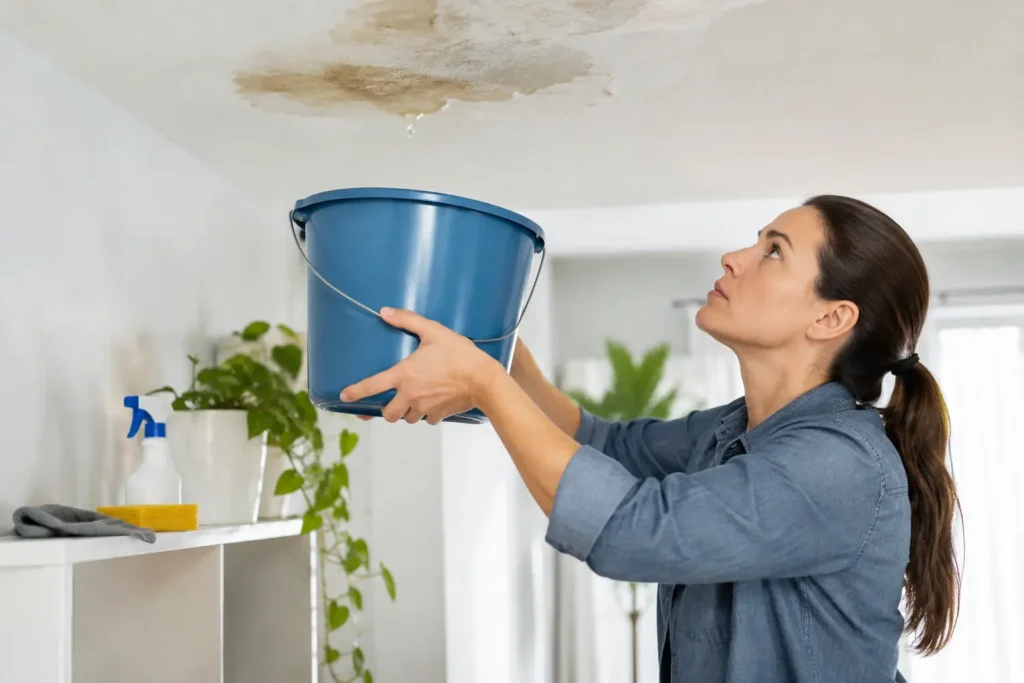
A small leak under a sink can soak cabinet backing, drywall, and flooring long before it creates a puddle. A burst pipe can do the same damage in minutes. To prevent mold after leaks, the goal is not simply to make the room look dry. You need to remove water, control humidity, dry hidden materials, and verify that moisture is gone before mold has time to take hold.
Mold can begin growing within 24 to 48 hours when water reaches paper-faced drywall, carpet padding, wood framing, insulation, or other porous materials. That timeline is why a fast, organized response protects more than your property. It can reduce repair costs, preserve indoor air quality, and prevent a manageable leak from turning into a larger restoration project.
The First Hours Matter Most After a Leak
Start by stopping the source if it is safe to do so. Shut off the nearest water valve for an appliance supply line or fixture leak. For a burst pipe or an uncontrolled water flow, turn off the main water supply and contact a qualified plumber. If water is near electrical outlets, appliances, or a breaker panel, stay clear of the area and call for professional help.
Once the source is controlled, remove standing water as quickly as possible. Towels and a wet vacuum can help with a small, clean-water spill on a hard surface, but they are not a complete drying plan for saturated carpet, walls, or cabinets. Water travels. It can wick upward into drywall, move beneath flooring, and collect inside wall cavities where surface fans cannot reach it.
If the leak involves sewage, a toilet overflow with contaminated water, or stormwater that entered the structure, do not treat it as an ordinary cleanup. Contaminated water can carry bacteria and other hazards. Keep people and pets out of the affected area and arrange professional remediation.
Four Immediate Actions That Reduce Mold Risk
- Remove rugs, loose belongings, and furniture from wet areas so air can reach the floor and materials do not stain or trap moisture.
- Open cabinets and interior doors near the leak to improve airflow, especially below sinks and around vanities.
- Take photos and video before discarding damaged materials. Clear documentation supports an insurance claim and shows where water traveled.
- Contact a restoration professional when water has reached drywall, carpet, wood flooring, insulation, ceilings, or more than a small, easily dried area.
These steps buy valuable time, but they do not replace moisture testing. A floor can feel dry while the subfloor below it remains wet. A ceiling stain can look minor while insulation above it is holding a significant amount of water.
Prevent Mold After Leaks by Drying What You Cannot See
The biggest mistake after a leak is relying on appearance alone. Fans pointed at a wet room may dry visible surfaces, but effective structural drying requires the right airflow, dehumidification, and moisture control for the materials involved.
Professional restoration teams use moisture meters and thermal imaging to locate wet building materials. Thermal imaging helps identify temperature differences that may indicate moisture, while meter readings confirm whether drywall, framing, flooring, and other materials are actually drying. This approach matters because hidden moisture is often the reason mold appears days or weeks after a property owner believed the leak was resolved.
Commercial air movers increase evaporation from wet surfaces. Dehumidifiers then remove that moisture from the air. Used together, these machines create controlled drying conditions that standard household fans and a cracked window rarely achieve, particularly during Metro Atlanta’s warm, humid weather.
Drying is not always a matter of placing equipment in the room and waiting. Cabinet toe kicks may need to be opened. Wet baseboards may need to be removed. Carpet padding often requires replacement if it has been saturated. In some cases, a section of drywall must be removed so the wall cavity can dry properly. That can feel disruptive, but selective removal is often less costly than allowing concealed mold to spread behind finished surfaces.
Know When Materials Can Be Saved
Not every wet item needs to be torn out. The right decision depends on the water category, how long materials were wet, and whether they can be cleaned and dried to an acceptable moisture level.
Hardwood flooring, for example, may be salvageable if drying starts quickly and the boards have not severely cupped, buckled, or separated. Solid wood cabinets can sometimes be dried and restored, while particleboard cabinets often swell and lose structural integrity after prolonged exposure. Drywall that is lightly damp from clean water may be dried in place in some situations. Drywall that has absorbed contaminated water, become soft, or supported visible mold usually needs removal.
Carpet creates another common decision point. A small clean-water leak found immediately may allow for extraction and controlled drying. If carpet padding is saturated, if water sat for an extended period, or if the water was contaminated, replacement is generally the safer path. Trying to save every material can create a larger problem when drying cannot be verified.
Do Not Cover Up the Evidence of Moisture
Bleach, air freshener, and fresh paint do not solve a moisture problem. Bleach is not a reliable treatment for mold growth in porous building materials such as drywall, carpet, or insulation. It may lighten a visible stain without addressing growth beneath the surface.
Painting over a water stain before the source is repaired and the area is dry can also trap moisture and delay the real repair. The same applies to reinstalling baseboards, replacing flooring, or closing a wall too soon. Restoration should move from water control to extraction, drying, verification, and then repair or reconstruction.
Watch for warning signs after any leak: a musty odor, peeling paint, warped trim, soft drywall, recurring stains, damp carpet edges, or an increase in humidity in one room. These signs do not always mean active mold growth, but they do mean the area deserves a closer inspection.
Protect the Rest of the Property During Cleanup
A leak rarely respects room boundaries. Water from an upstairs bathroom may affect the ceiling below. A refrigerator line leak can travel under adjacent flooring. A roof leak may wet insulation and framing far from the stain that first caught your attention.
Keep affected areas separated from dry spaces when possible, and avoid moving wet belongings through the property without protection. If materials show visible mold, proper containment helps prevent spores from spreading during removal. This is especially important in occupied homes, rental properties, offices, and retail spaces where reopening safely and quickly matters.
For landlords and property managers, clear documentation is also essential. Record when the leak was discovered, when the water source was stopped, what areas were affected, and what drying steps were completed. Photos, moisture readings, equipment logs, and itemized restoration documentation can support insurance communication and help establish that the property was handled responsibly.
When to Call a Water Damage Professional
Call for professional help immediately when the leak is extensive, water has been present for more than a few hours, materials are saturated, or the source involves sewage, stormwater, or a failed appliance line. You should also call when water has entered walls, ceilings, crawl spaces, or flooring systems, even if the visible surface area seems small.
A certified restoration team can extract water, map moisture, set drying equipment, monitor progress, and document the loss for your insurer. If repairs are needed afterward, working with one recovery partner can prevent the handoff problems that happen when mitigation and reconstruction are managed by separate companies.
Elevated Operations provides 24/7 emergency response for Metro Atlanta property owners, with IICRC-certified technicians, moisture diagnostics, structural drying, insurance coordination, and reconstruction support when damage requires more than cleanup. The focus is simple: protect the structure now, verify it is dry, and restore the space without leaving you to manage multiple contractors.
After a leak, do not wait for a musty smell to tell you there is a problem. Fast action, measured drying, and documented moisture control give your property the best chance to recover cleanly and completely.