How do I find mold inspectors near me after water damage?
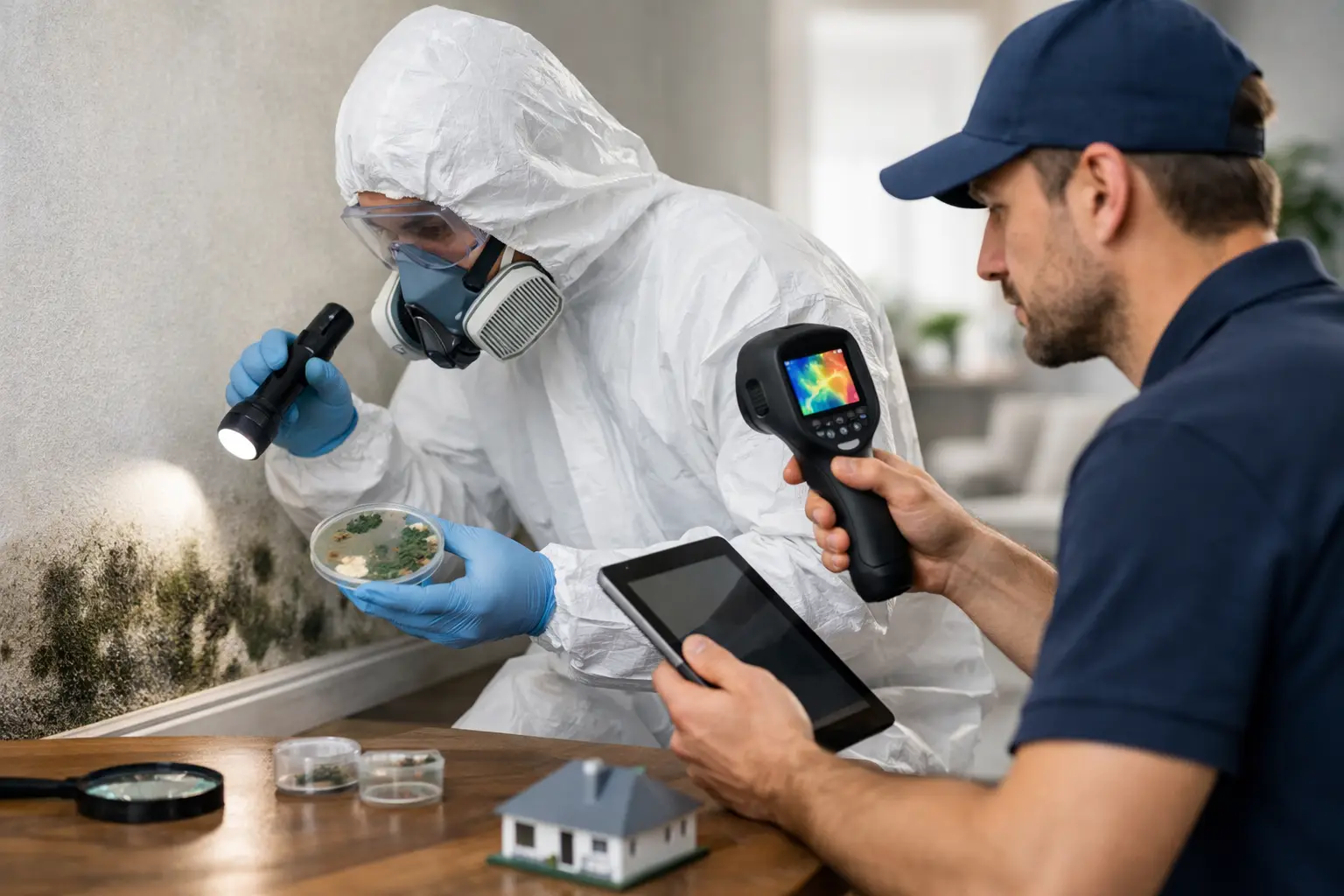
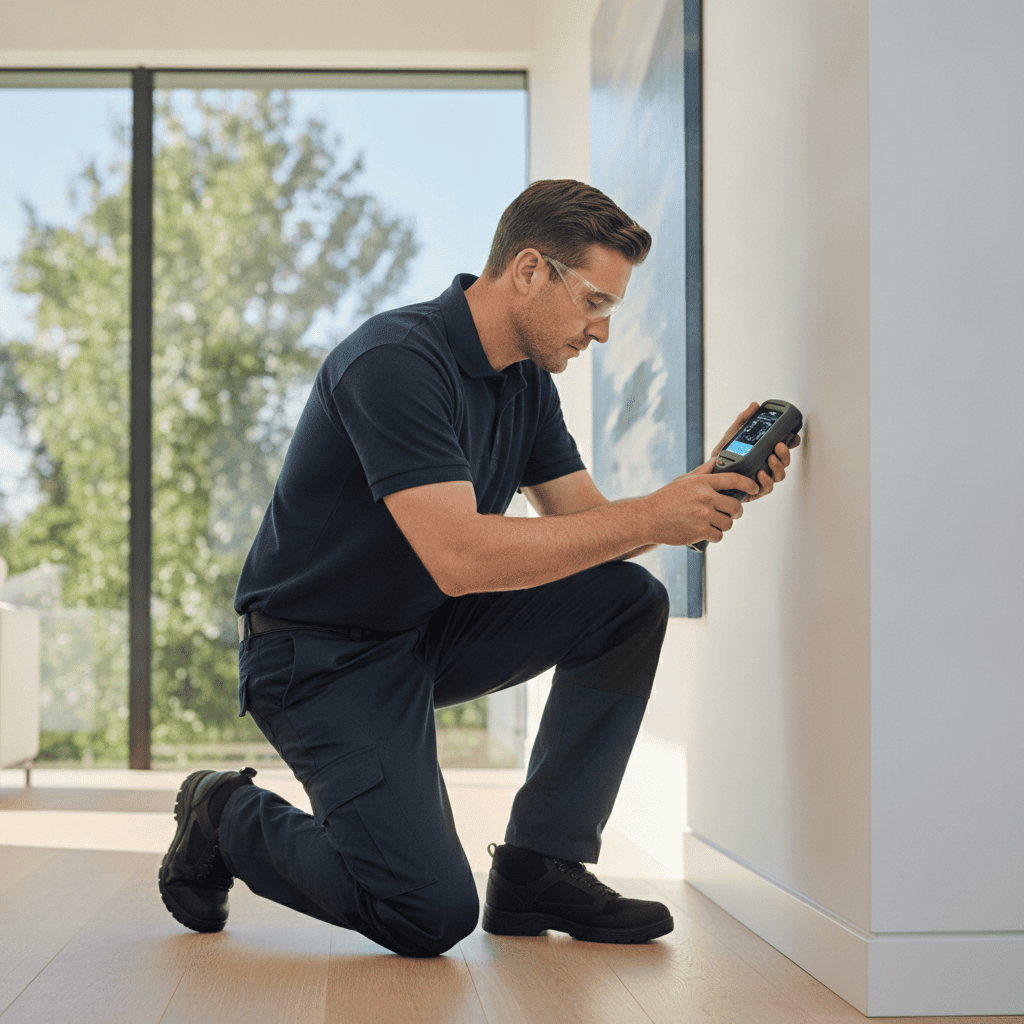
Mold inspectors near me usually means you need someone who can check the source, confirm whether mold is present, and explain what has to happen next after a leak, flood, or sewer backup. The real fix is fast moisture control, a proper inspection, and a clear plan for remediation before the damage spreads.
What does “mold inspectors near me” actually mean after a leak?
It means you are not shopping for a generic inspector. You are trying to find someone nearby who can identify moisture-driven mold risk quickly, explain what is happening in plain English, and help you avoid the common mistake of treating a water problem like a surface problem.
A leak does not become a mold problem because the wall looks ugly. It becomes a mold problem because moisture sits long enough for growth to start behind finishes, under flooring, or inside cavities. That is why the phrase “mold inspectors near me” is really a search for speed, proximity, and competence.
The buyer intent here is simple: you want to know whether the damage is isolated or spreading. That means the useful inspector is the one who can connect the dots between the wet area, the source of water, the materials affected, and the risk of hidden contamination.
In local search, the business that looks closest is not always the business that is actually ready. You need someone who can respond in the Atlanta metro area, understand restoration context, and communicate what happens next without forcing you to decode a bunch of jargon.
For a homeowner with sudden water damage, the real win is not a generic report. It is a clear next step: stop the moisture, determine the extent, and decide whether drying, remediation, or reconstruction is needed before the problem gets more expensive.
Nearby matters because mold is time-sensitive. The longer the source stays unresolved, the more likely you are dealing with structure, contents, and indoor air quality issues instead of just a wet patch.
- Look for proximity, but only after you check the service fit.
- Make sure the inspector understands water damage, not just visible spots.
- Ask whether they can explain hidden moisture and affected materials.
- Confirm they serve your part of Metro Atlanta.
- Treat speed as a quality issue, not just a convenience.
How do local mold inspectors show up in the map pack?
They show up when Google thinks they are relevant, nearby, and credible enough for the query. That means category alignment, service relevance, review signals, and a complete local profile matter more than people want to admit.
This is where the common mistake starts. Buyers assume the map pack is just a list of whoever paid attention to SEO once. It is not. Google uses a blend of proximity, relevance, and prominence, which is why a company with the right local signals can outrank a bigger name that never cleaned up its profile.
For a mold-related query, category choices matter. A business that only looks like a general contractor may not match the search as well as one that clearly aligns with restoration, mitigation, and mold-related services. The machine is trying to solve intent, not reward broadness.
Review velocity and NAP consistency also matter. If the name, address, and phone number drift across listings, or if reviews are sparse and old, local trust drops. That is bad for any near-me query, especially one tied to health and post-damage urgency.
This is also where schema helps. Local business and service schema make it easier for search engines and AI systems to understand who you are, where you work, and what kind of emergency you handle. If you want AI Overviews to quote useful local context, this is part of the job.
The homeowner should care because map pack visibility is not cosmetic. It determines who gets called first when someone needs a real answer before a stain becomes a demolition project.
- Category alignment matters more than vague branding.
- Consistent NAP signals support local trust.
- Reviews help, but only when they are current and credible.
- Schema helps search engines understand service and location.
- AI Overviews reward clear entity and service data.
Can a mold inspector tell if the problem started from water damage?
Yes, if the inspection is done by someone who understands restoration, not just staining. The useful question is not whether mold exists, but whether the source of moisture has been found and whether the damage has already moved beyond the visible surface.
If you had a burst pipe, leak, flood, or sewer backup, the source matters more than the stain. A mold inspector who understands post-loss conditions will look at where water traveled, which materials stayed wet, and whether hidden areas were exposed long enough to support growth.
That is especially important in crawl spaces, behind baseboards, around bathrooms, and in finished basements. Those areas can look quiet while the cavity behind them is telling a different story. A good inspection follows the moisture path, not just the odor.
This is where restoration experience changes the quality of the answer. Someone who only does a quick visual review may tell you mold is present. Someone who understands moisture mapping and building materials can tell you why it appeared and what has to be addressed to stop it from returning.
For homeowners, that distinction saves money and time. If the source is still active, cleaning mold without fixing the leak is the kind of false fix that keeps people stuck in repeat damage.
The right local help should be able to tell you whether you are dealing with a contained issue, a drying problem, or a broader remediation and reconstruction decision.
- A real inspection should trace the moisture source.
- Hidden cavities matter as much as visible surfaces.
- Basements, crawl spaces, and bathrooms need extra attention.
- Source control comes before cleanup.
- If the leak is not fixed, the mold problem can return.
Elevated Operations provides 24/7 water, fire, mold, storm, and sewage damage restoration across Metro Atlanta.
Get a free quoteWhat should you ask before you hire a mold inspector?
Ask the questions that separate a real assessment from a quick look around. If the answers sound vague, you are probably dealing with a seller, not a specialist who can help you make a clean decision after water damage.
Start with the basics: what exactly will be checked, whether moisture is part of the inspection, and how they determine if the issue is active or old. You do not need a long speech. You need a concrete process.
Ask whether they are local to the Atlanta metro area and how fast they can respond. In a water damage situation, timing matters because delays can change the scope of the problem. The best people do not hide behind vague scheduling language.
Then ask about qualifications. IICRC-certified technicians matter because mold after water damage is usually a building and moisture problem, not just a cleaning problem. If the person cannot explain drying, containment, or remediation logic, keep moving.
Ask what happens after the inspection. Do you get a plain-English explanation? Do they tell you whether testing is necessary? Can they help with remediation and reconstruction if the damage is more than cosmetic? Those answers tell you whether you are dealing with a dead-end vendor or a real path forward.
Good questions save homeowners from paying twice. Bad questions usually lead to another visit, another delay, and another round of stress.
- Ask what the inspection includes.
- Ask how they evaluate moisture and source control.
- Ask whether they are local and responsive in Atlanta.
- Ask about credentials like IICRC certification.
- Ask what the next step looks like if damage is confirmed.
When mold testing matters and when it does not
Testing is useful when it answers a real question. If you already have clear water damage and visible growth, a good inspection and action plan may matter more than chasing a lab result that does not change what you need to do next.
People often think testing is the default. It is not. If the issue is obvious and tied to a recent leak, the practical question is usually how far the water moved and what materials need to be addressed. Testing can be helpful, but it should not delay the work that protects the home.
Testing becomes more useful when the source is unclear, the odor is present without visible growth, or you need documentation for an insurance or property decision. In those cases, evidence matters because the decision is no longer just about cleanup. It is about proving what happened and where.
An experienced mold inspection should help you decide whether testing adds value. That is the part homeowners often miss. A reputable professional does not push tests for the sake of tests. They help you avoid unnecessary steps and focus on the actual risk.
In the Atlanta market, that practical approach matters because many water events also involve structural drying, contents, and reconstruction. If the inspection reveals a larger loss, you want someone who can map the whole problem, not just one piece of it.
The goal is clarity, not paperwork for its own sake.
- Use testing when it changes the decision.
- Visible growth after water damage may not need extra proof.
- Odor without visible growth is a stronger testing candidate.
- Insurance or dispute situations often need documentation.
- A useful inspector tells you when testing is unnecessary.
Why restoration experience matters more than a generic inspection badge
Because mold after water damage is rarely just a mold issue. It is a moisture issue, a material issue, and sometimes a reconstruction issue. If the inspector cannot think that way, you can end up with a report that sounds official and solves almost nothing.
The problem with generic inspection language is that it makes the job sound simpler than it is. A home with a leak, flood, or sewer backup may need drying, containment, remediation, contents handling, and reconstruction. A one-dimensional inspector can miss that chain.
Restoration experience matters because the next decision usually depends on the first one. If the structure is still wet, the priority is not cosmetic cleanup. If materials are contaminated, the priority is not painting over the spot. If the area needs demolition and rebuild, the scope has to reflect that reality.
This is where a one-stop team can be the smartest option for a homeowner. It reduces handoffs, reduces confusion, and keeps the people who found the issue aligned with the people who fix it. That matters when you are already stressed and trying to protect the house from further damage.
Elevated Operations sits in that lane. IICRC-certified technicians, 24/7 response, and one team that can handle emergency mitigation through reconstruction are exactly the kind of setup that helps when mold risk is tied to sudden water damage.
The point is not to overcomplicate the search. It is to avoid hiring a person who can identify the smoke but not find the fire.
- Water damage and mold are usually linked.
- Drying and source control come before cosmetic fixes.
- One handoff can be better than three vendors.
- Reconstruction is part of the plan when materials are damaged.
- IICRC certification supports restoration-quality judgment.
When you need a mold inspector now, this is the simplest decision filter
| Situation | What to do | Why |
|---|---|---|
| You see staining, smell musty air, or had a recent leak | Book a local inspection that includes moisture and source evaluation | Visible clues are enough to justify a real assessment before the damage spreads |
| The area keeps coming back wet or the smell returns | Choose someone who understands drying, hidden moisture, and restoration planning | Recurring problems usually mean the source was never fully addressed |
| You need to know whether testing is worth it | Ask for a plain-English recommendation based on what is visible and what is hidden | Testing should answer a decision, not create more delay |
| The damage seems bigger than a surface issue | Use a restoration-focused team that can move from inspection to remediation and reconstruction | That keeps the project from stalling between vendors |
Doing it yourself vs bringing in Elevated Operations
| Doing it yourself | With Elevated Operations | |
|---|---|---|
| Finding the source | You can spot stains and odors, but hidden moisture behind walls or under floors is easy to miss | We look at the damage as a restoration problem, so source control and next steps are connected |
| Coordinating the next phase | You may end up calling one person for inspection, another for drying, and another for repairs | We provide one-stop service from emergency call through final construction when needed |
| Dealing with insurance | Paperwork, photos, and adjuster communication can become a second job | We manage the claim process and keep the restoration side organized |
| Getting the home back in shape | You may stop at cleanup and still be left with damaged materials or unfinished repairs | Our licensed contractors can handle reconstruction after mitigation and remediation |
Frequently Asked Questions
What is the fastest way to find mold inspectors near me after water damage?
Use the map pack, but do not stop there. Check whether the business is local to Metro Atlanta, whether it handles water damage and mold together, and whether the contact path is fast. In this situation, speed matters because every extra day can change the scope of the problem.
What should a mold inspection include in a home that recently had a leak?
It should include a look at the affected materials, a moisture check, and an assessment of the likely source of the water. The useful outcome is not a vague opinion. It is a clear explanation of whether drying, remediation, or reconstruction is needed next.
Do I need a mold inspector or a water damage restoration company?
If the problem started with a burst pipe, flood, or sewer backup, a restoration-informed team is often the smarter call because the mold issue is usually tied to the water event. That means you want source control, drying, and cleanup handled as one plan.
How do I compare local mold inspection options without overthinking it?
Check three things: local relevance, qualifications, and whether they can explain the next step clearly. If they cannot tell you what happens after the inspection, they are not helping you make a decision. They are just adding another appointment.
What does a mold inspection cost, and should I book a call?
Cost depends on the scope of the problem, the size of the affected area, and whether you need remediation or reconstruction afterward. The honest move is to book a call for a free quote. Elevated Operations can help assess the damage in the Atlanta metro area and outline the right next step.
Get a free, no-obligation restoration estimate
Elevated Operations provides 24/7 water, fire, mold, storm, and sewage damage restoration across Metro Atlanta.
Get a free quoteCall (770) 404-6895Last updated September 24, 2026