
Burst Pipe in Atlanta? 7 Immediate Steps to Stop Damage and Start Restoration
A burst pipe in Atlanta can turn your day upside down in minutes. Water spreads fast, causing ceiling water damage, soaked drywall, and even mold risks if not tackled right away. Knowing what to do after a burst pipe can save your property and your peace of mind. Keep reading for seven urgent steps that stop damage and get restoration rolling with trusted 24/7 IICRC-certified help nearby. For more detailed guidance, visit this burst pipe guide.
Immediate Actions for Burst Pipes
When a pipe bursts, speed is your ally. Acting quickly can minimize damage and prevent bigger issues. Let’s explore the first critical steps to take.
Shut Off the Water Supply
Locate the main water valve and turn it off immediately. This stops more water from flooding your space. If you’re unsure where it is, check near your water meter or in your basement. Shutting off the water buys you precious time to address the situation. Keep a wrench handy for quick access to hard-to-turn valves. If you need guidance on shutting off the water, this guide can help.
Ensure Electrical Safety
Water and electricity don’t mix. Before stepping into a flooded area, switch off the power at your main electrical panel. This prevents dangerous shocks. If water has reached outlets or electrical appliances, do not attempt to unplug them. Safety first: call a professional electrician if you’re uncertain. Most people assume it’s safe to handle small water puddles, but even minor wet areas can be risky.
Drain and Collect Water
Next, remove as much water as possible. Use towels, mops, or a wet/dry vacuum if you have one. Quick action can prevent severe water damage to your floors and furniture. Collect water in buckets or bins for easy removal. The longer standing water remains, the higher the risk for mold growth and structural damage. It’s a race against time, so act fast! For more tips on handling water quickly, check this resource.
Professional Restoration Process
Once immediate dangers are managed, a professional restoration team can help restore your home or business. Here’s what to expect from the experts.
Water Extraction and Dehumidification
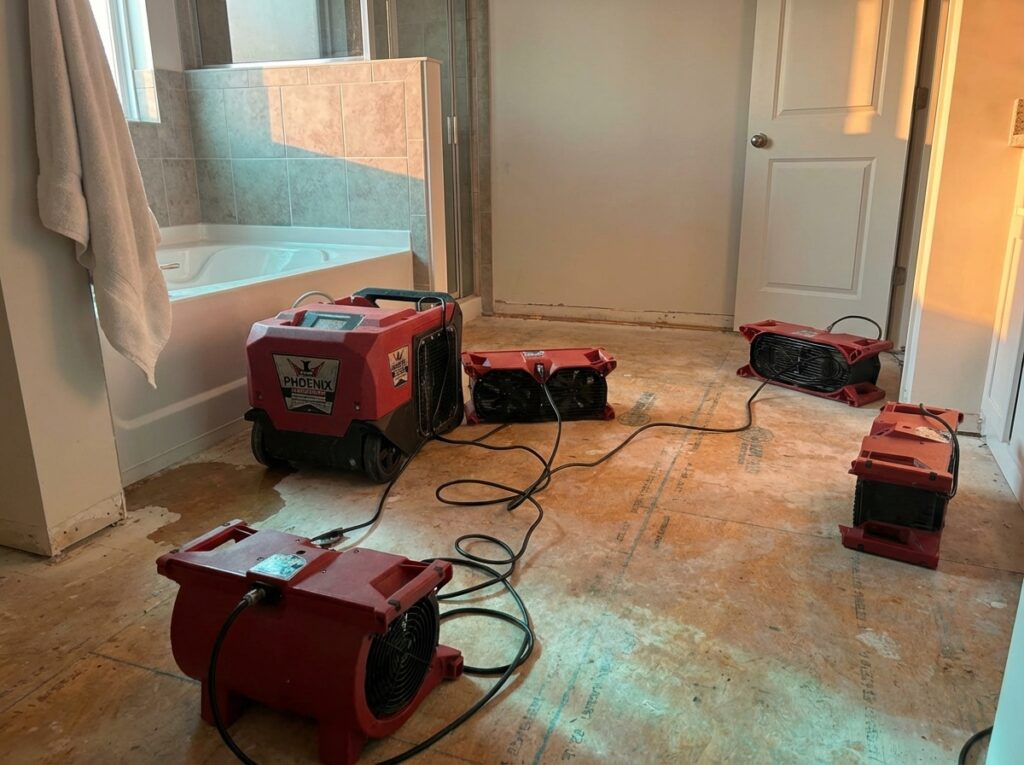
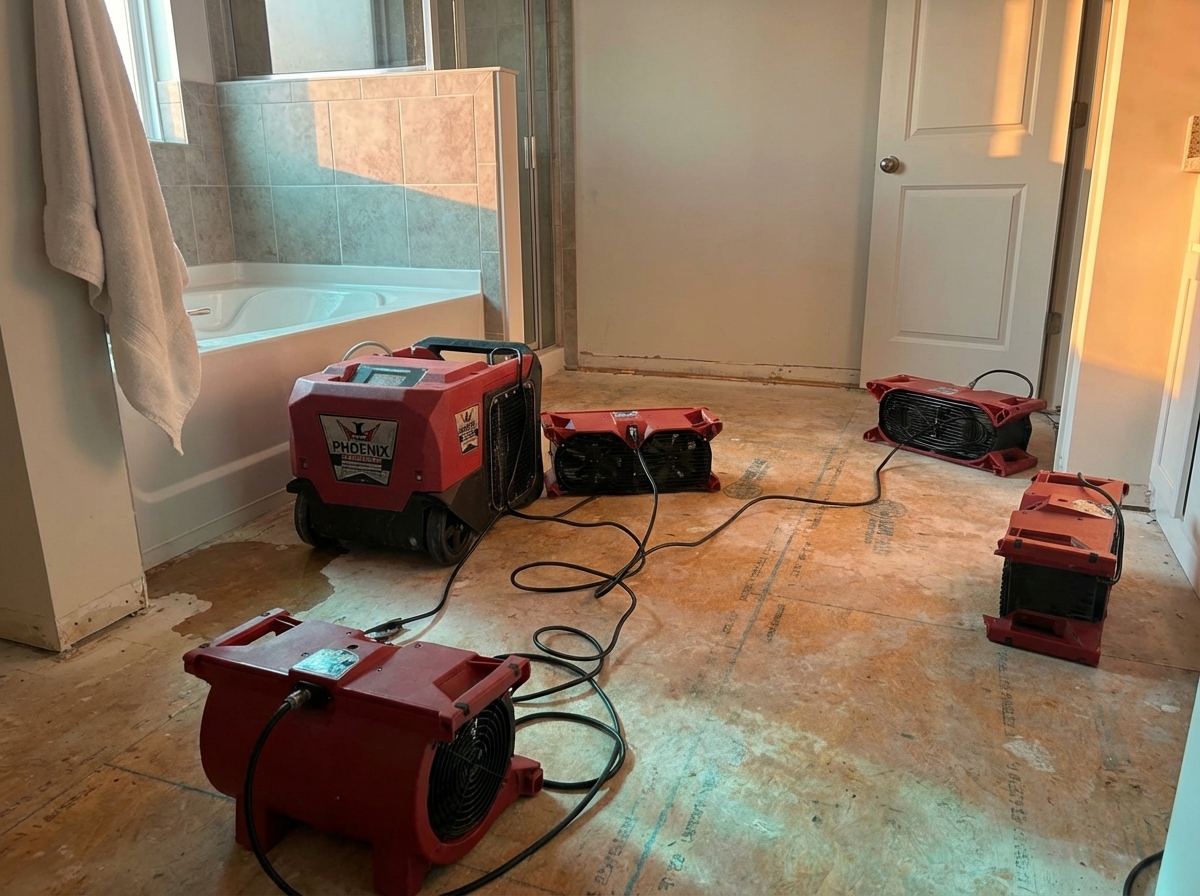
Professionals use advanced extraction equipment to remove excess water from your property. Dehumidifiers then pull moisture from the air, lowering humidity levels to prevent mold. This two-step process is crucial for thorough drying. Many homeowners think opening windows is enough, but without proper equipment, moisture persists and leads to long-term issues. The right tools make all the difference.
Moisture Mapping and Mold Prevention
Using specialized tools, technicians map out moisture levels hidden in walls and floors. This helps target drying efforts precisely. Mold prevention starts here, as unchecked moisture is a breeding ground for spores. Even after visible water is gone, moisture can linger. Trust the pros to spot danger zones that are easy to miss. Detailed moisture mapping ensures no damp spot is overlooked, keeping your space safe.
Structural Drying and Repairs
Finally, the focus shifts to drying and repairing any structural damage. High-velocity air movers and industrial-strength fans speed up the drying process. Repairs follow: damaged drywall, flooring, and ceilings are restored to their original condition. Think of it as a fresh start for your space. Proper structural drying is essential to avoid weakening your home’s integrity over time. It’s not just about drying; it’s about restoring strength.
Navigating Insurance Claims
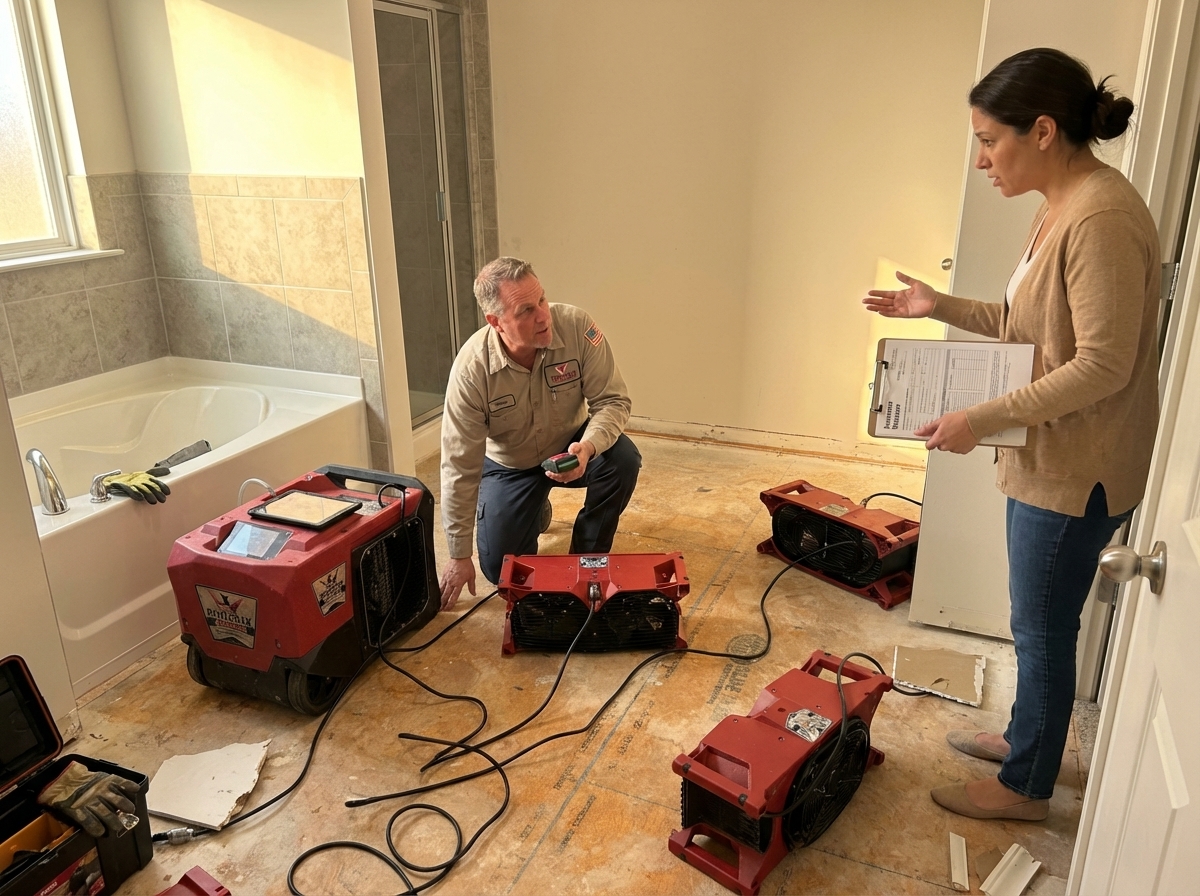
Dealing with insurance can be daunting after a burst pipe. Here’s how to make the process smoother and ensure you get the coverage you deserve.
Documenting Water Damage
Start by taking photos and videos of all affected areas. This documentation is crucial for your insurance claim. Note any personal items that have been damaged as well. The more evidence you gather, the stronger your claim. A detailed record eliminates doubts and speeds up claim processing. Don’t rely on memory; visual proof is your best ally. For more on documenting damage, check out this guide.
Coordinating with Insurers
Contact your insurance provider as soon as possible to start your claim. Provide them with the documentation you’ve gathered. Be clear about what happened and the extent of the damage. It’s important to keep communication lines open and respond promptly to any requests from your insurer. Most people find this daunting, but early cooperation leads to better outcomes. Smooth coordination can make a stressful situation more manageable.
Choosing IICRC Certified Technicians
For repairs, choose a team certified by the Institute of Inspection, Cleaning and Restoration Certification (IICRC). This ensures quality service and adherence to industry standards. Certified technicians bring expertise and peace of mind, knowing your property is in capable hands. Don’t settle for less when your home or business is on the line. Trust in the skills and certification of professionals to restore your space effectively.